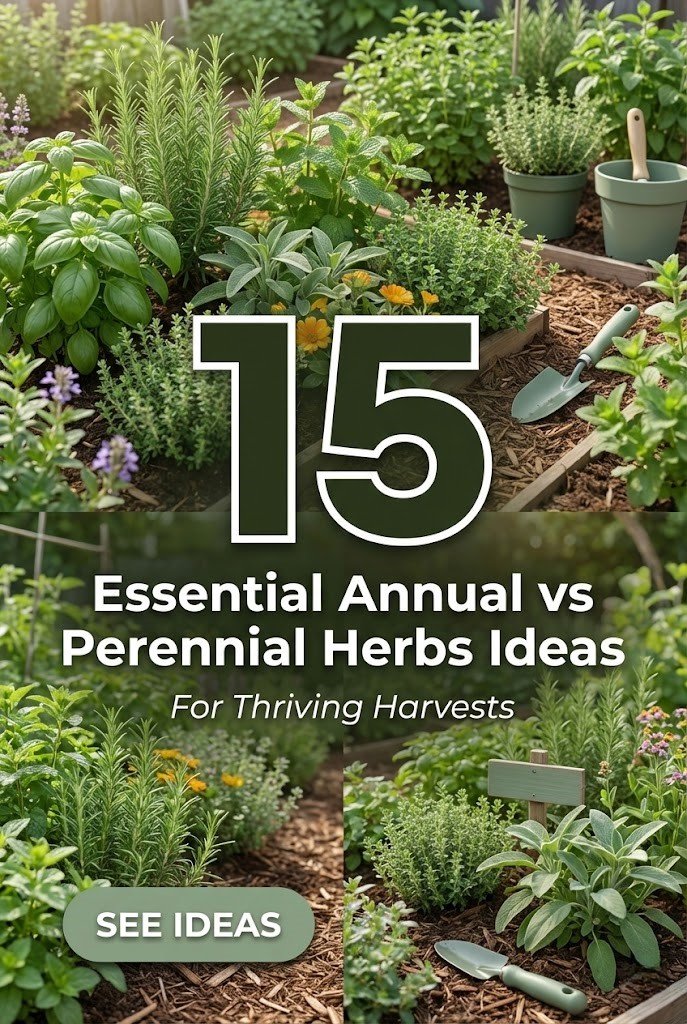
When you’re planning your herb garden, understanding the difference between annual and perennial herbs is crucial. Annual herbs complete their life cycle in one growing season, requiring replanting each year, while perennial herbs return year after year, offering long-term reliability and less maintenance. This distinction helps you choose the right plants for your climate, space, and culinary needs, ensuring a bountiful harvest without unnecessary effort.
Exploring annual vs perennial herbs allows you to create a balanced garden that provides fresh flavors throughout the seasons. Annuals like basil bring quick, vibrant growth ideal for summer dishes, whereas perennials such as rosemary offer evergreen foliage and resilience. By mixing both types, you can enjoy continuous supply and experiment with flavors, enhancing your cooking and garden aesthetics while optimizing your time and resources.
Whether you’re a beginner or seasoned gardener, these ideas will guide you in selecting and caring for herbs that suit your lifestyle. You’ll discover how to maximize space, improve soil health, and incorporate companion planting for better yields.
1) Basil: The Versatile Annual for Quick Harvests
You’ll love basil as an annual herb that thrives in warm weather, completing its cycle in one season. It’s perfect for pesto, salads, and Italian dishes, providing fresh leaves from spring to fall. As an annual, basil requires replanting each year, but its rapid growth means you can harvest multiple times, making it ideal for container gardens or small spaces.
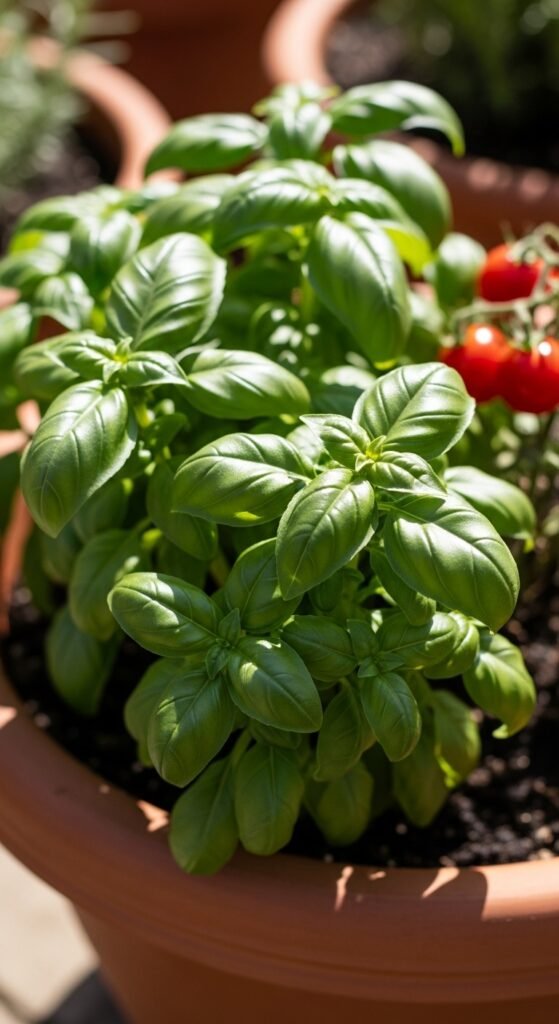
Key benefits include its pest-repelling properties and ability to enhance tomato flavors when planted nearby. To grow successfully, start seeds indoors or sow directly in well-drained soil after the last frost. Water consistently to prevent bolting, and pinch tops to encourage bushiness. For more on cultivating this staple, check out our guide on basil growing tips.
Harvest leaves regularly to promote new growth, and dry extras for winter use. With proper care, you’ll enjoy abundant yields, turning your garden into a flavorful haven.
2) Rosemary: Evergreen Perennial for Year-Round Flavor
Rosemary stands out as a hardy perennial herb, returning each year with minimal fuss. Its woody stems and needle-like leaves add aromatic depth to roasts, breads, and marinades. Unlike annuals, rosemary establishes deep roots, surviving winters in milder climates and providing fresh sprigs even in cooler months.
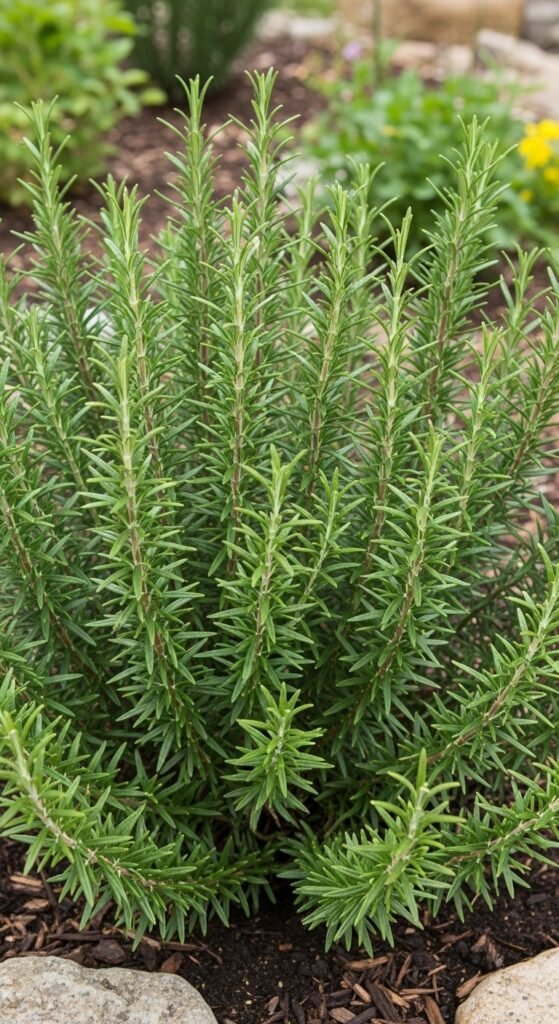
You’ll appreciate its drought tolerance and medicinal uses, such as improving memory and digestion. Plant in sunny, well-drained spots to avoid root rot, and prune lightly after flowering to maintain shape. It’s excellent for borders or pots, where it can thrive for years. Dive deeper into container cultivation with our article on rosemary in pots.
Propagate from cuttings for easy expansion, and use mulch to protect roots in harsh winters. This perennial ensures a steady supply, saving you time and enhancing your culinary repertoire effortlessly.
3) Mint: Invasive Perennial for Refreshing Teas
Mint is a vigorous perennial herb that spreads quickly, offering endless leaves for teas, cocktails, and desserts. It returns annually, thriving in partial shade and moist soil, making it forgiving for beginners. Contain its growth in pots to prevent takeover in garden beds.
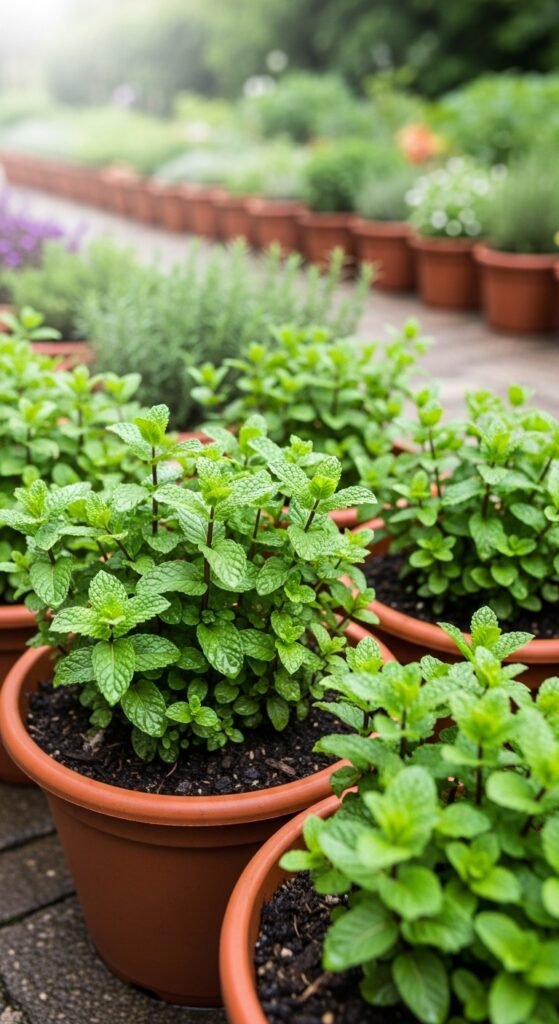
Benefits like soothing digestion and repelling insects make it a garden must-have. Plant in spring, water regularly, and harvest tops to encourage fullness. Its varieties, from peppermint to spearmint, add diversity to your herb collection. For design inspiration, explore our herb garden design ideas.
Divide clumps every few years to rejuvenate plants. With mint, you’ll have a reliable source of fresh flavor, perfect for infusing water or garnishing dishes throughout the seasons.
4) Dill: Feathery Annual for Pickling Perfection
Dill serves as an annual herb with delicate, fern-like foliage, ideal for pickling cucumbers and flavoring fish or salads. It bolts in heat, so succession planting ensures continuous supply during the growing season. Sow seeds directly in full sun for best results.
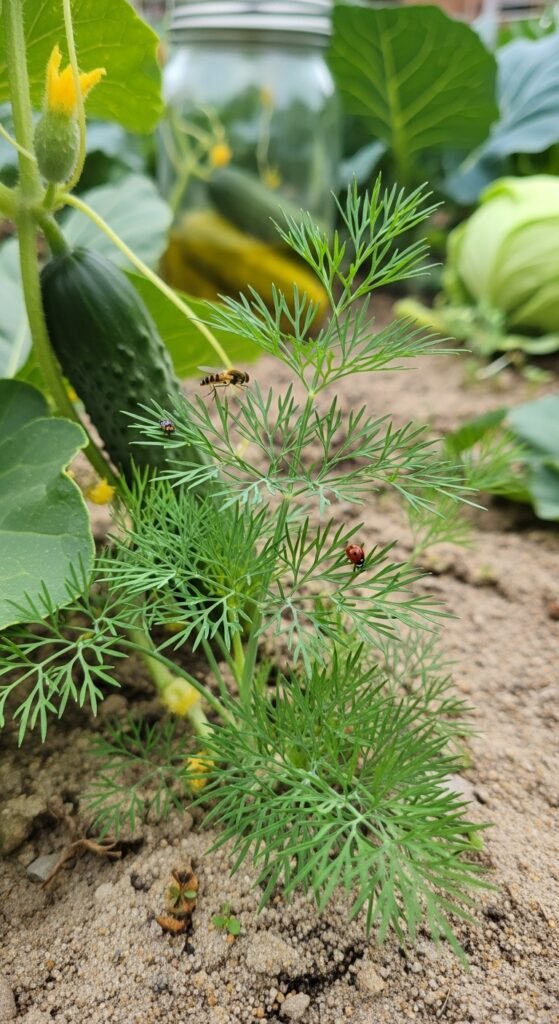
You’ll value its attraction to beneficial insects and digestive aid properties. Keep soil moist and harvest young leaves for peak flavor. It’s a great companion for brassicas, deterring pests naturally. Learn more about using it in preservation with our post on dill for pickling.
Allow some plants to flower for seeds, which you can use in cooking or save for next year. Dill’s quick cycle makes it an exciting addition, bringing fresh, tangy notes to your meals.
5) Thyme: Low-Maintenance Perennial for Culinary Depth
Thyme is a compact perennial herb that forms dense mats, perfect for ground cover or edging. Its tiny leaves pack robust flavor for soups, stews, and meats, persisting through winters in most zones. Plant in gritty soil with excellent drainage to mimic its Mediterranean origins.
Antiseptic qualities and pollinator attraction enhance its appeal. Trim after blooming to keep it tidy, and divide every three years for vigor. Varieties like lemon thyme offer unique twists. For care specifics, refer to our thyme plant care guide.
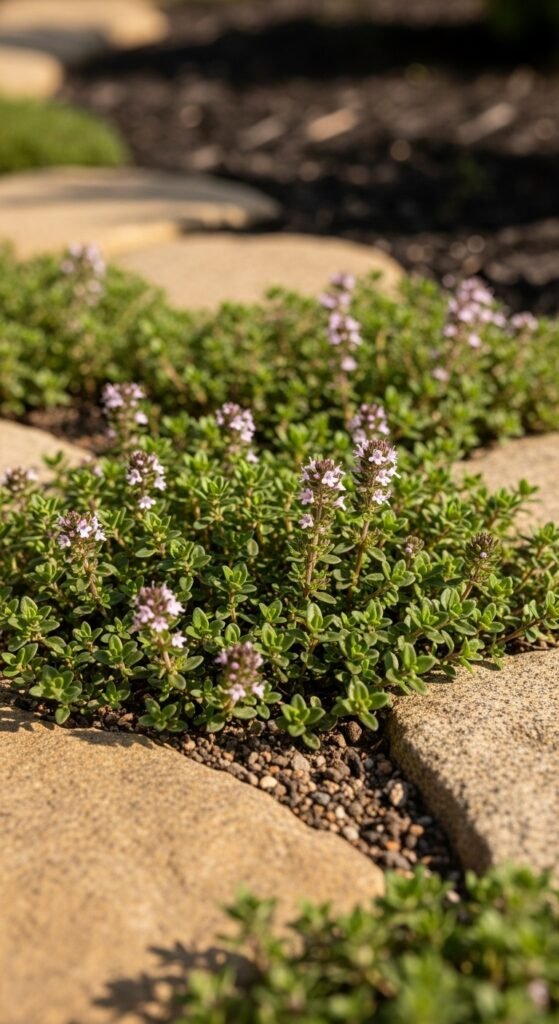
Use fresh or dried; it’s versatile in the kitchen. Thyme’s longevity means less replanting, allowing you to focus on harvesting and enjoying its earthy essence year after year.
6) Cilantro: Cool-Weather Annual for Zesty Accents
Cilantro acts as an annual herb that prefers cooler temperatures, quickly bolting in heat to produce coriander seeds. Use leaves in salsas, curries, and garnishes for a fresh, citrusy punch. Sow every few weeks for steady supply.
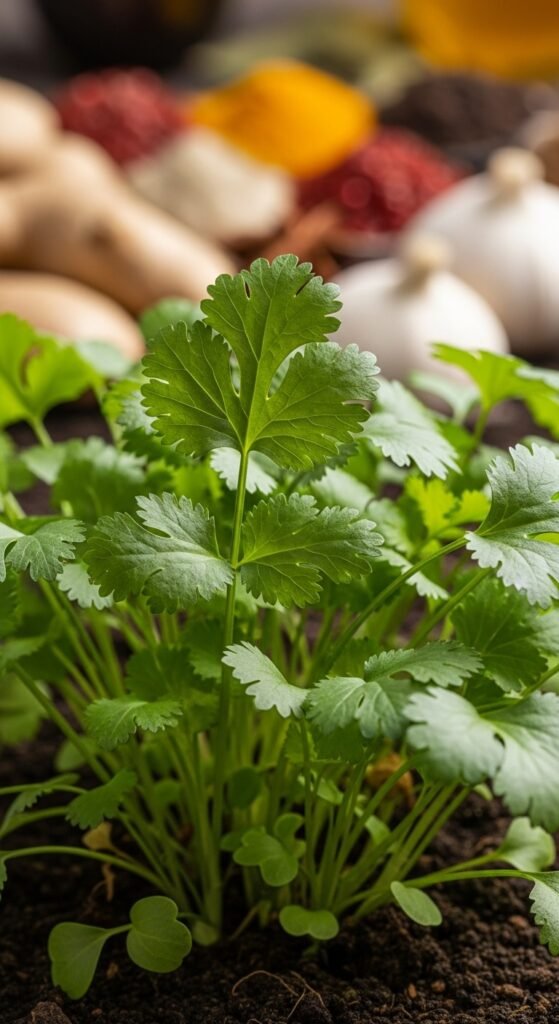
You’ll benefit from its detoxifying properties and pest deterrence. Plant in partial shade during summer, keeping soil evenly moist. Harvest outer leaves to prolong productivity. It’s a staple in global cuisines, adding vibrancy to dishes.
Collect seeds for spice or replanting. Cilantro’s short cycle encourages experimentation, ensuring you always have this bold flavor at hand for your culinary adventures.
7) Sage: Woody Perennial for Savory Dishes
Sage is a resilient perennial herb with velvety leaves, enhancing stuffing, sausages, and teas. It overwinters well, providing foliage even in snow. Plant in sunny, dry locations to prevent fungal issues.
Antioxidant benefits and air-purifying abilities make it invaluable. Prune in spring to remove dead wood and promote bushiness. Varieties like pineapple sage add fruity notes. For beginner tips, see our herb gardening for beginners.
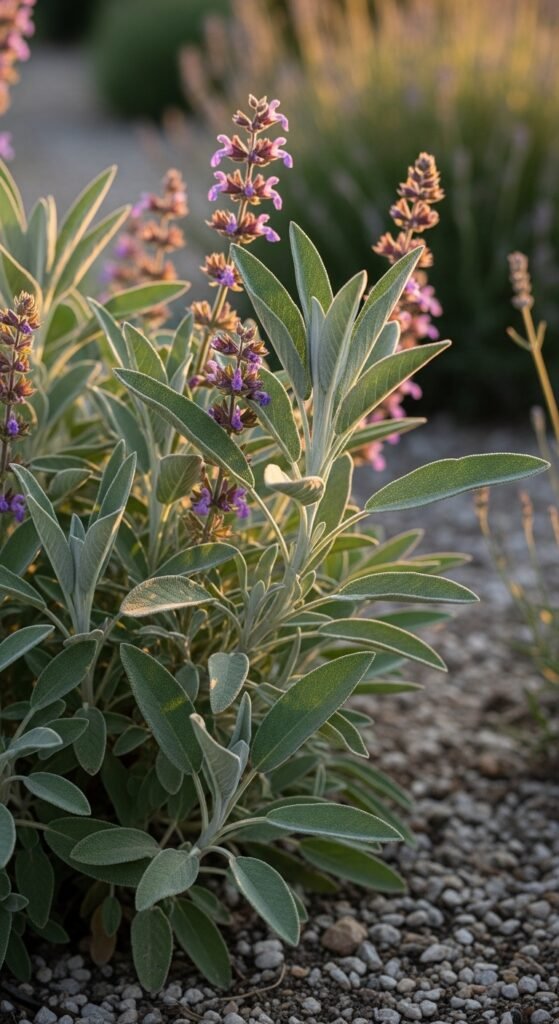
Dry bundles for smudging or cooking. Sage’s durability offers consistent harvests, enriching your garden and health with minimal effort over multiple seasons.
8) Parsley: Biennial Treated as Annual for Garnishing
Parsley functions as a biennial but is often grown annually for its bright, curly or flat leaves in tabbouleh, soups, and as garnish. It tolerates light shade and enriches soil with nutrients.
You’ll enjoy its vitamin-rich profile and breath-freshening effects. Soak seeds before sowing for better germination, and keep moist. Harvest from the outside to sustain growth. It’s a host for swallowtail butterflies, boosting biodiversity.
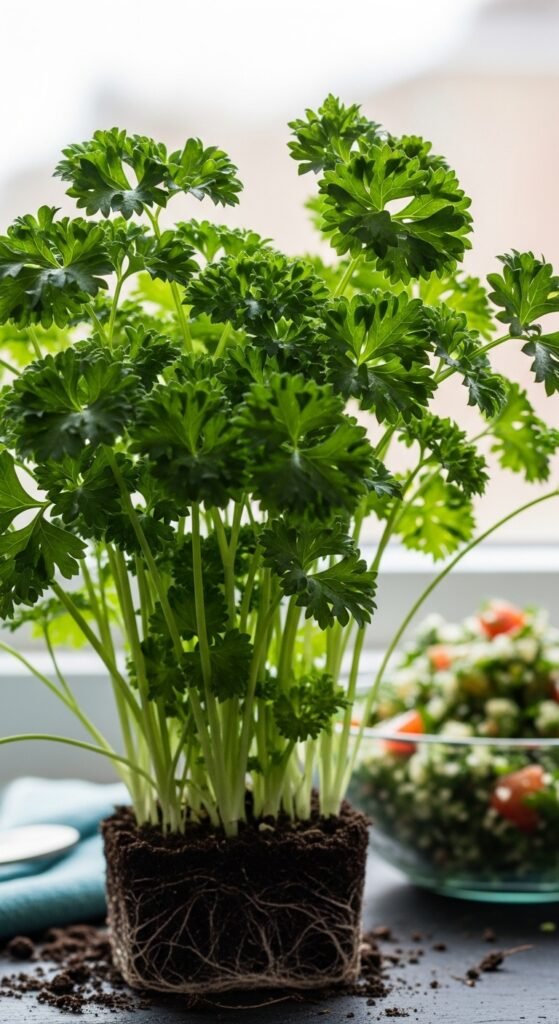
Let it bolt in the second year for seeds. Parsley’s versatility makes it a garden essential, providing fresh greens for your table throughout the season.
9) Oregano: Spreading Perennial for Mediterranean Flair
Oregano thrives as a perennial herb, spreading via runners for easy propagation. Its pungent leaves elevate pizzas, sauces, and grilled meats. Plant in full sun with poor soil for intensified flavor.
Antibacterial properties and ornamental flowers add value. Cut back after flowering to encourage new growth. Greek oregano offers the strongest taste among varieties. Explore companion strategies in our companion planting herbs.
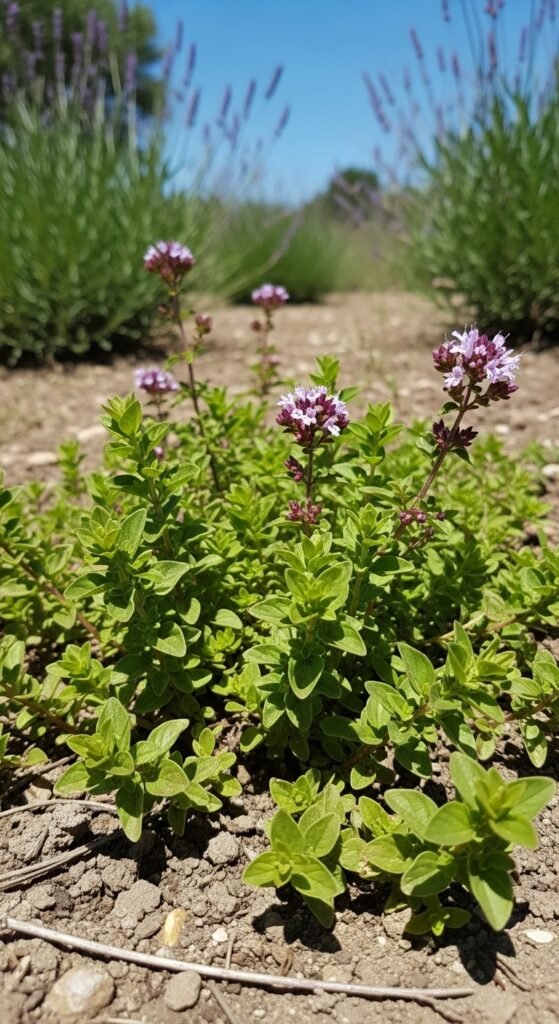
Dry leaves for storage. Oregano’s persistence ensures a reliable herb source, infusing your dishes with authentic zest year after year.
10) Chives: Clumping Perennial for Mild Onion Taste
Chives form neat clumps as perennials, with tubular leaves perfect for eggs, potatoes, and dips. They return early in spring, offering edible purple flowers.
You’ll appreciate their pest-repelling scent and vitamin boost. Plant in moist, fertile soil and divide every few years. Snip leaves at the base for continuous harvest. For pot growing, check chives in pots.
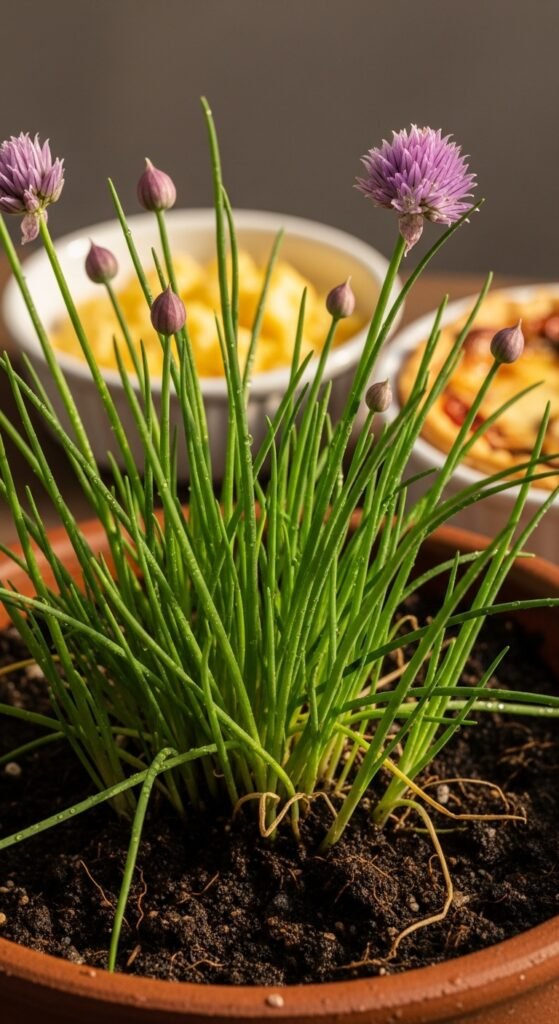
Freeze or dry for preservation. Chives’ low maintenance provides ongoing mild flavor, enhancing your garden’s productivity effortlessly.
11) Tarragon: Delicate Perennial for French Cuisine
Tarragon is a perennial herb with slender leaves, imparting anise-like flavor to chicken, fish, and vinegars. French tarragon is preferred for its superior taste over Russian varieties.
Digestive aid and subtle sweetness highlight its uses. Plant in well-drained soil with afternoon shade in hot areas. Protect from winter wet by mulching. Propagate via division, as seeds are sterile.
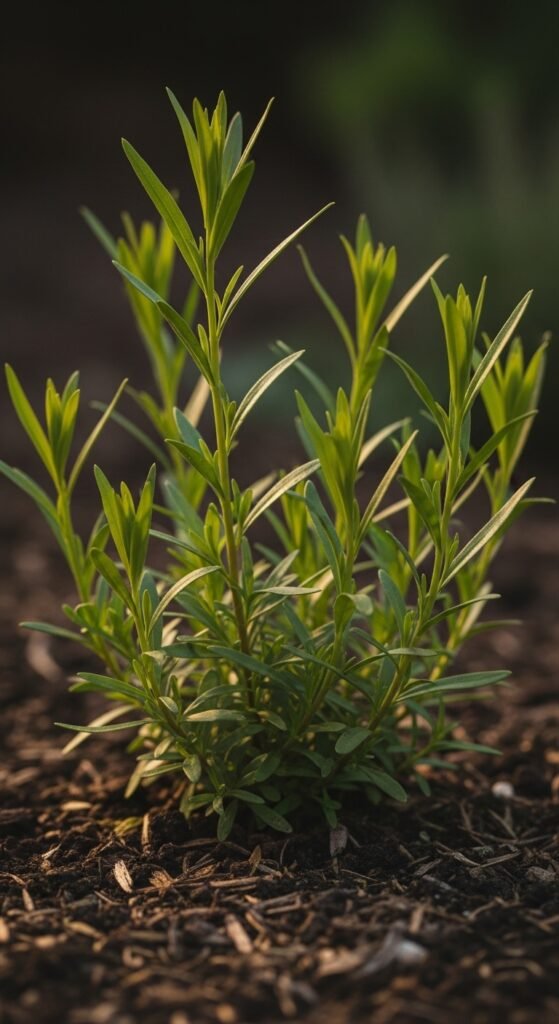
Harvest sparingly to build strength. Tarragon’s return each year adds elegance to your herb garden, perfect for sophisticated recipes.
12) Lemongrass: Tropical Perennial Grown as Annual
Lemongrass behaves as a perennial in warm zones but as an annual elsewhere, with grassy stalks flavoring teas, soups, and curries. It requires overwintering indoors in cold climates.
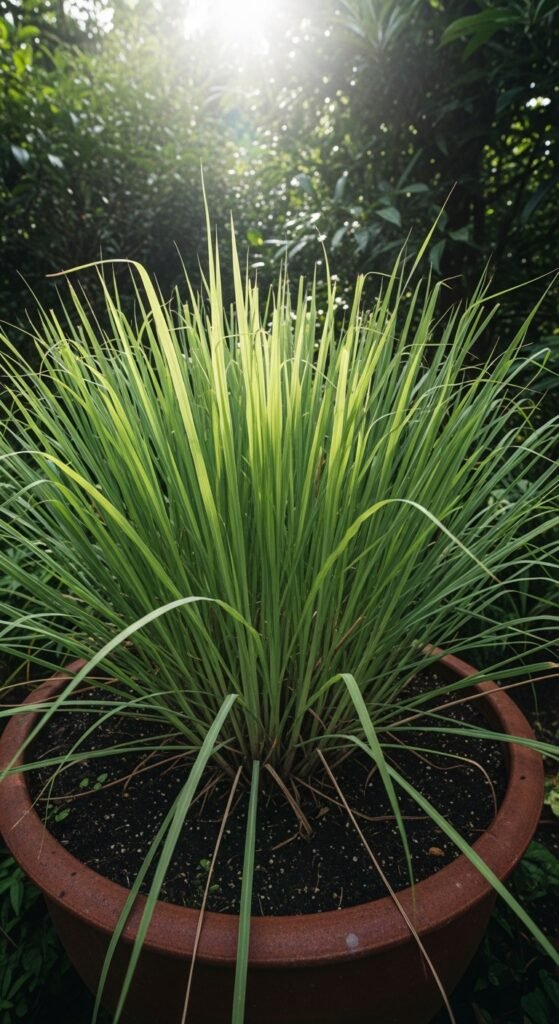
You’ll value its citronella-like mosquito repellent and calming effects. Plant in rich, moist soil under full sun. Harvest outer stalks, leaving the center to regrow. For detailed cultivation, read our lemongrass growing tips.
Divide clumps for multiplication. Lemongrass brings exotic aroma, adaptable to your garden’s conditions for seasonal delight.
13) Marjoram: Tender Perennial for Sweet Seasoning
Marjoram is a perennial herb in mild areas, often treated annually, with oval leaves suiting sausages, beans, and teas. It’s milder than oregano, its close relative.
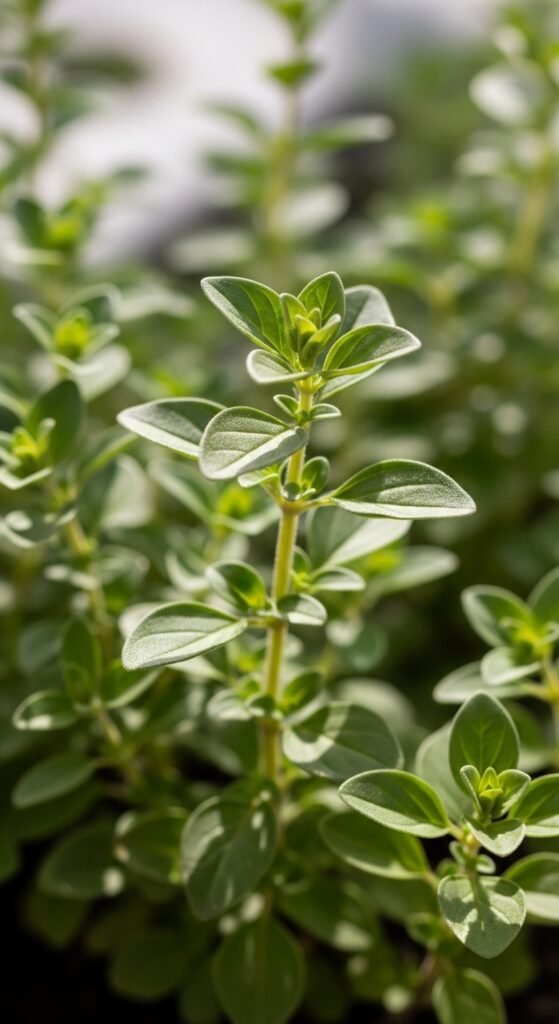
Antifungal properties and ornamental growth make it appealing. Sow indoors and transplant after frost in sunny, dry spots. Pinch tips for bushier plants and better yield.
Dry for winter storage. Marjoram’s gentle flavor profile ensures versatile use, returning reliably in favorable climates.
14) Fennel: Bulbous Annual for Anise Flavor
Fennel grows as an annual with feathery fronds and bulbs, flavoring sausages, salads, and liqueurs. It attracts beneficial insects and self-seeds readily.
You’ll benefit from its digestive relief and licorice taste. Plant in deep soil for bulb development, spacing well to avoid competition. Harvest bulbs when swollen and fronds anytime.
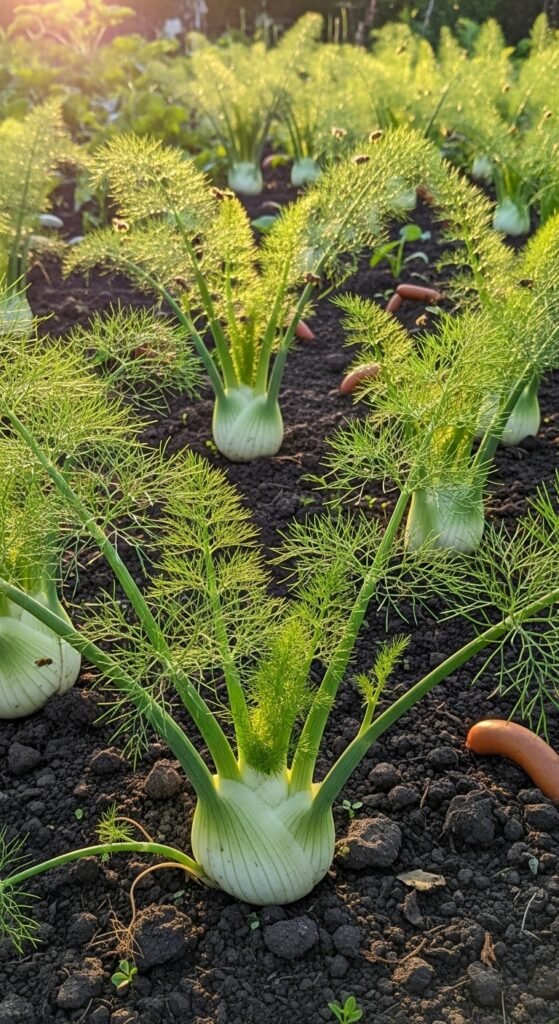
Save seeds for planting or spice. Fennel’s quick growth provides abundant harvest, adding unique texture to your garden.
15) Chamomile: Daisy-Like Annual or Perennial Varieties
Chamomile offers annual German and perennial Roman types, with flowers for soothing teas and skincare. It self-sows, creating natural patches.
Calming effects and anti-inflammatory benefits are key. Plant in light, sandy soil with full sun. Harvest flowers at peak bloom for drying. For layout inspiration, view our herb garden layout ideas.
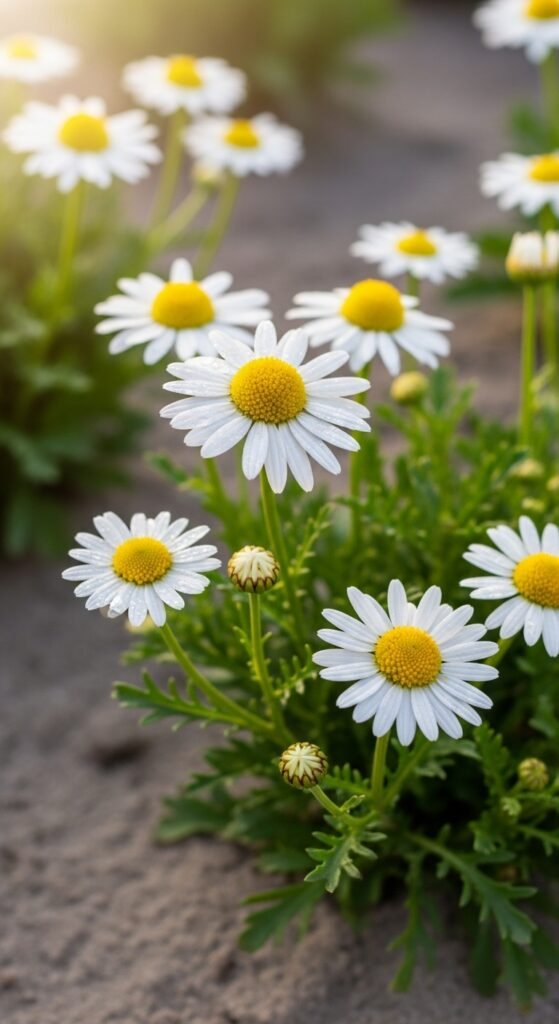
Divide perennials as needed. Chamomile’s gentle nature suits relaxation gardens, providing therapeutic yields season after season.
Key Principles for Mixing Annual and Perennial Herbs
Soil and Site Selection
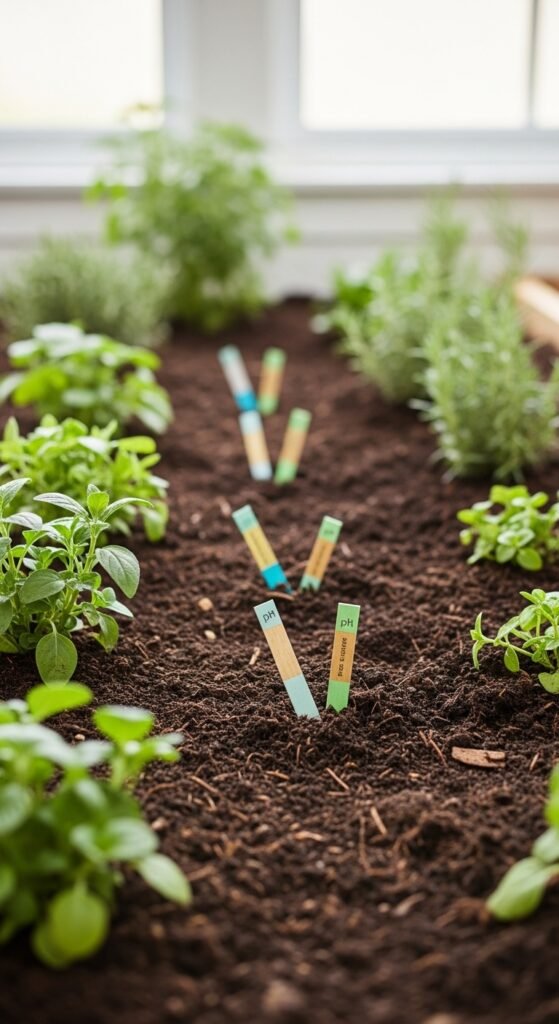
Choose well-drained soil for most herbs, amending with compost for nutrients. Position annuals in full sun for quick growth, while some perennials tolerate partial shade. Test pH to ensure it’s between 6.0 and 7.0 for optimal health.
Maintenance and Harvesting Tips
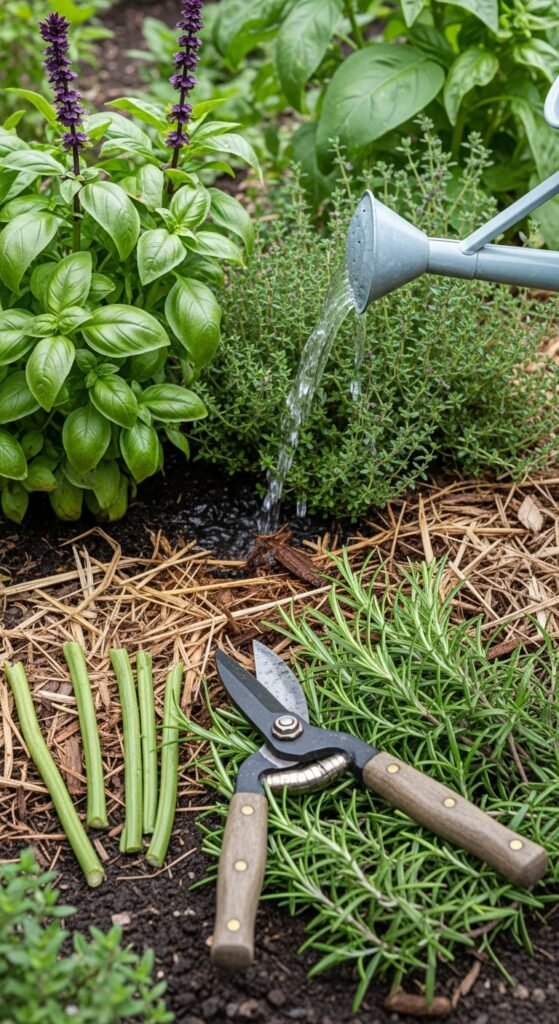
Water deeply but infrequently to encourage strong roots. Mulch to retain moisture and suppress weeds. Harvest regularly to stimulate production, using clean shears to avoid disease spread.
Companion Planting Strategies
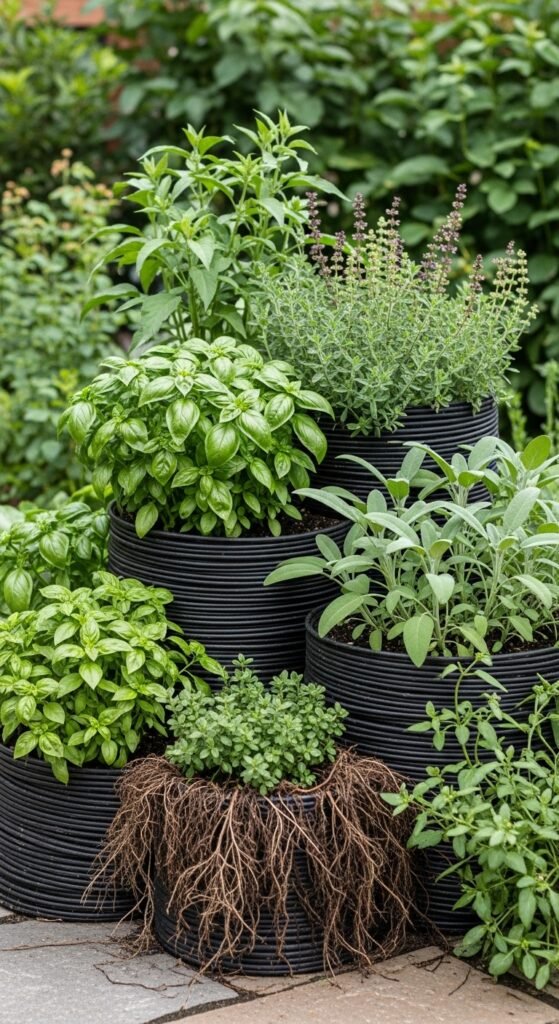
Pair annuals like basil with perennials like sage for pest control. Use tall herbs as backdrops for shorter ones, creating layered beds that maximize space and biodiversity.
Frequently Asked Questions
What is the main difference between annual and perennial herbs?
Annual herbs complete their life cycle in one season and need replanting, while perennials return each year from established roots.
Can I grow both types in the same garden bed?
Yes, mixing them provides variety and continuous harvest; just ensure similar soil and sun needs are met.
How do I overwinter perennial herbs?
Mulch around bases and protect from harsh winds; in cold zones, pot them for indoor overwintering.
Which herbs are best for beginners?
Start with hardy perennials like thyme or annuals like basil for quick success and easy care.
Do annual herbs self-seed?
Many do, like dill and cilantro, allowing natural regrowth if you let them bolt and drop seeds.