Exploring an annual herbs list can transform your garden into a vibrant source of fresh flavors and aromas. Annual herbs complete their life cycle in one growing season, making them perfect for quick harvests and easy experimentation. Whether you’re a beginner or seasoned gardener, incorporating these herbs allows you to enjoy homegrown ingredients that elevate your cooking while adding visual appeal to your space.
From zesty basil to delicate chervil, this annual herbs list highlights versatile options that thrive in various conditions. You’ll discover how these plants not only provide culinary benefits but also support pollinators and deter pests naturally. Get ready to plan your garden with these ideas, ensuring a bountiful season ahead.
Starting with the basics, annual herbs are ideal for containers or beds, requiring minimal maintenance once established. Focus on soil quality, sunlight, and watering to maximize their potential, and you’ll reap rewards in both taste and garden health.
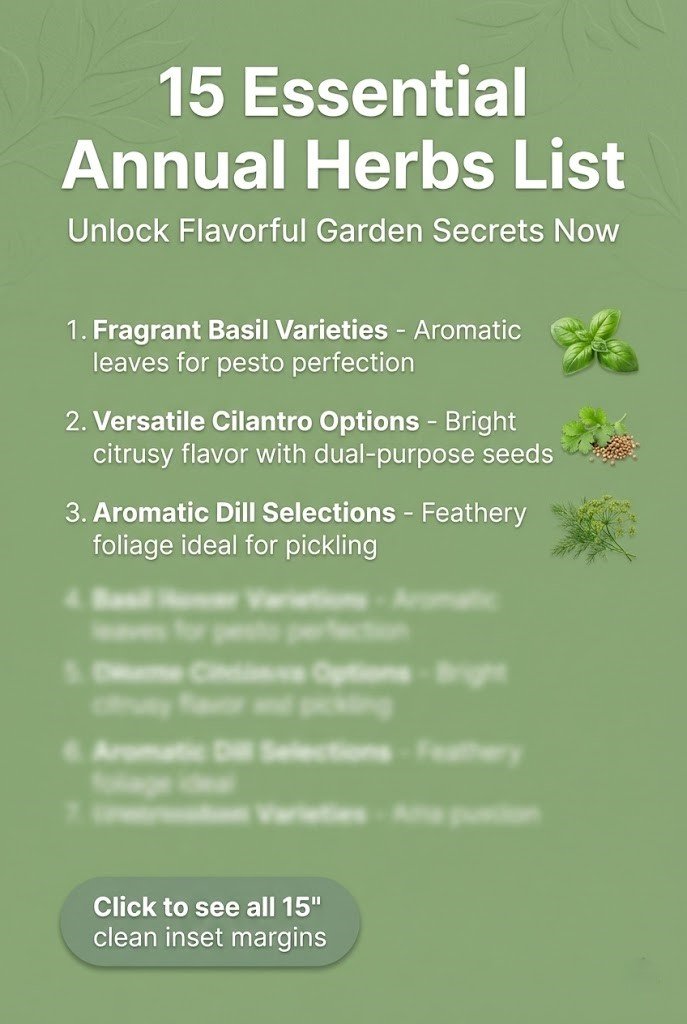
1) Fragrant Basil Varieties
Basil tops any annual herbs list for its aromatic leaves and versatility in the kitchen. This herb features broad, green leaves with a sweet, peppery flavor, making it essential for pesto, salads, and Italian dishes. You can choose from sweet basil, Thai basil, or lemon basil, each offering unique twists to your recipes.
Key benefits include its ability to repel mosquitoes and flies, enhancing your outdoor experience. Basil also attracts beneficial insects, promoting a balanced ecosystem in your garden. Growing it provides fresh, organic herbs at your fingertips, reducing grocery trips and adding freshness to meals.
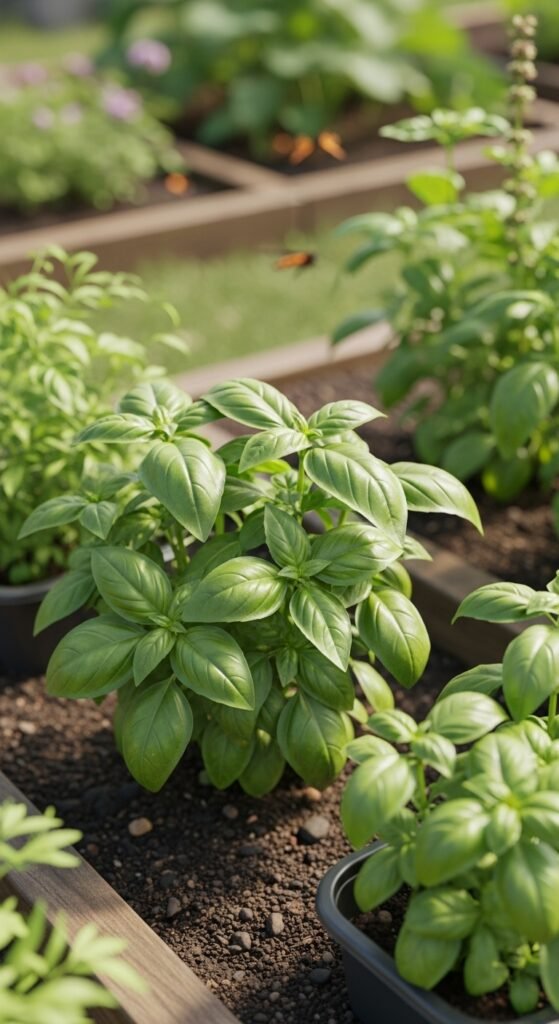
To cultivate basil, sow seeds directly in well-drained soil after the last frost, spacing them 12 inches apart in full sun. Water consistently to keep soil moist but not waterlogged, and pinch tops to encourage bushier growth. For more on container options, check out our guide on best herbs for containers. Harvest leaves regularly to prolong production until fall.
2) Versatile Cilantro Options
Cilantro, also known as coriander, is a staple in many annual herbs lists due to its bright, citrusy leaves used in salsas, curries, and garnishes. This fast-growing herb bolts quickly in heat, producing seeds that double as the spice coriander, giving you dual-purpose value from one plant.
You’ll appreciate its health benefits, like aiding digestion and providing antioxidants. In the garden, cilantro attracts hoverflies that control aphids, making it a natural pest manager. Its compact growth suits small spaces, allowing easy integration into mixed beds or pots.
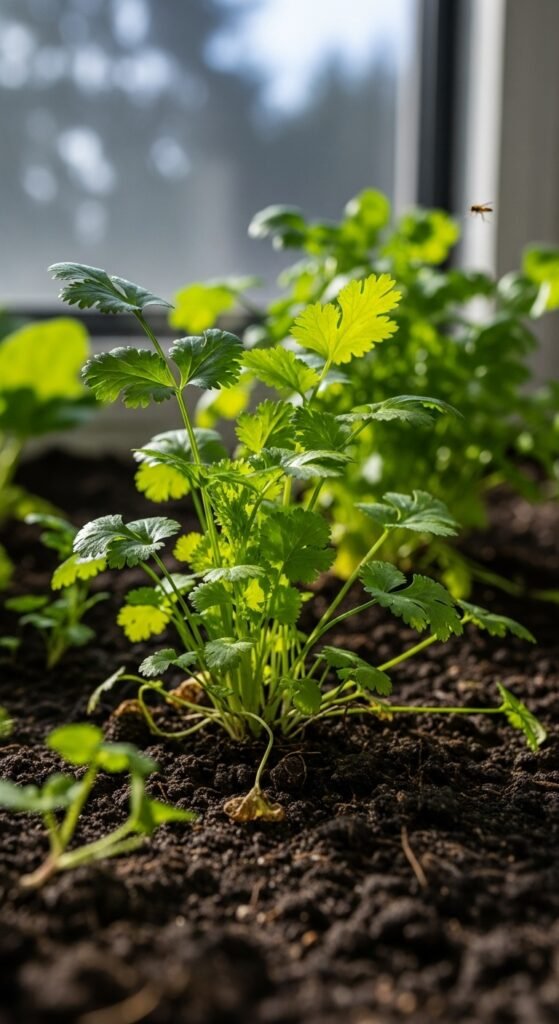
Plant cilantro seeds every few weeks for continuous harvest, in partial shade to delay bolting. Use fertile, moist soil and thin seedlings to 6 inches apart. For drying tips once harvested, explore drying herbs at home. Pick leaves before flowering for the best flavor, ensuring a steady supply throughout the season.
3) Aromatic Dill Selections
Dill earns its spot on the annual herbs list with feathery foliage and seeds perfect for pickling, salads, and fish dishes. Its tall, wispy stems add height and texture to gardens, while the yellow umbel flowers attract butterflies and beneficial wasps.
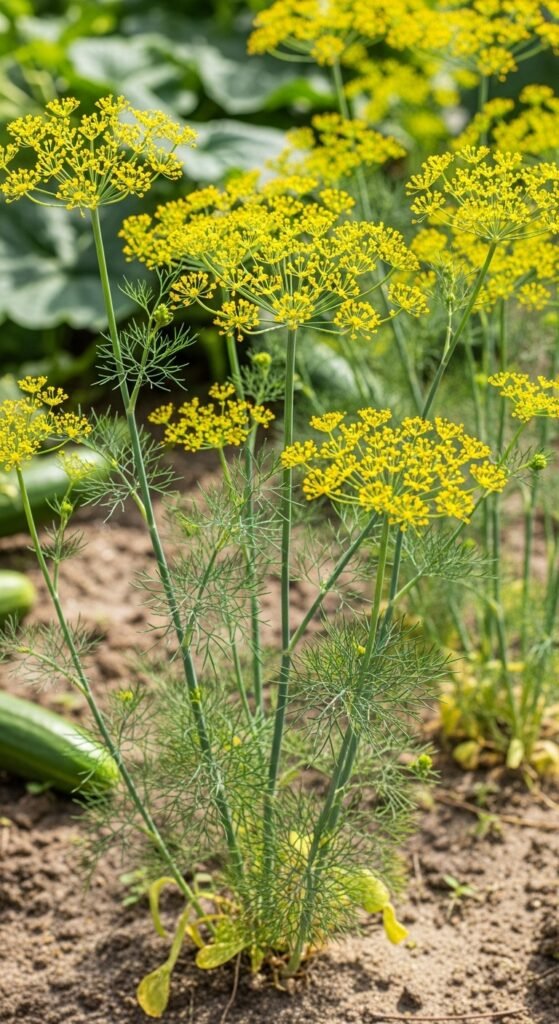
Standout advantages include its role in companion planting, deterring pests from cucumbers and tomatoes. Dill’s fresh taste enhances everyday meals, and growing it yourself ensures peak potency without preservatives.
Sow dill seeds directly in sunny spots with light soil, spacing 12 inches apart. It resents transplanting, so start in place. Water moderately and harvest fronds as needed. To learn more about pickling uses, see our article on dill for pickling. Allow some plants to seed for next year’s crop, creating a self-sustaining cycle.
4) Curly Parsley Types
Parsley, often treated as an annual, features curly or flat leaves that brighten tabbouleh, soups, and garnishes. It’s a must in annual herbs lists for its mild, fresh flavor and high vitamin content, supporting immune health.
You gain practical benefits like masking bad breath and attracting swallowtail butterflies, whose caterpillars feed harmlessly on it. Parsley’s dense growth suppresses weeds, making it a low-effort addition to borders.
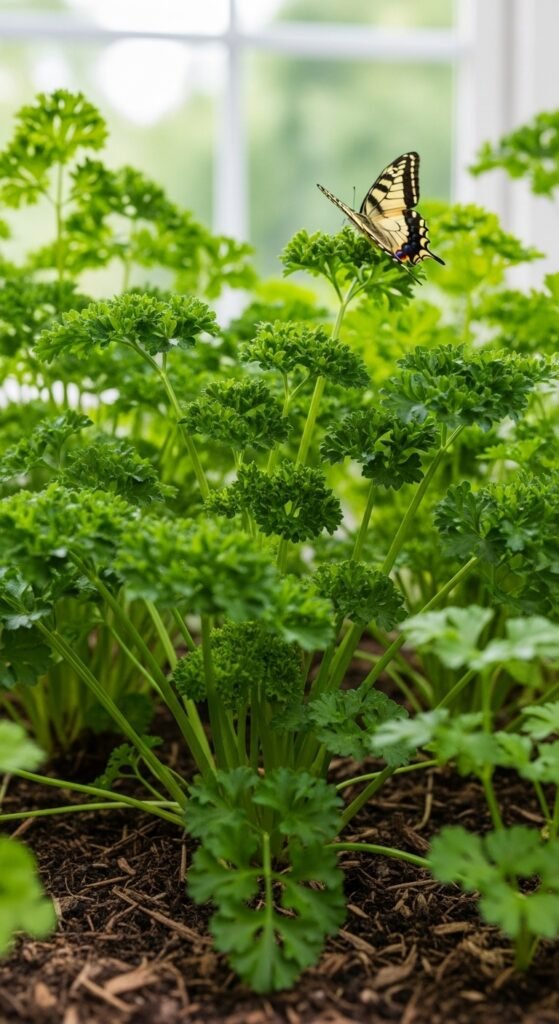
Soak seeds overnight before sowing in rich, moist soil under full sun to partial shade. Space plants 8 inches apart and keep soil consistently damp. For companion ideas, refer to herb companion chart. Harvest outer leaves first, promoting continuous regrowth for months of use.
5) Delicate Chervil Varieties
Chervil, a lesser-known gem in annual herbs lists, offers lacy leaves with a subtle anise flavor ideal for French cuisine, eggs, and salads. It thrives in cool weather, bolting less than cilantro.
Notable perks include its shade tolerance, perfect for understory planting, and ability to enhance flavors without overpowering. Chervil also draws beneficial insects, boosting garden biodiversity.
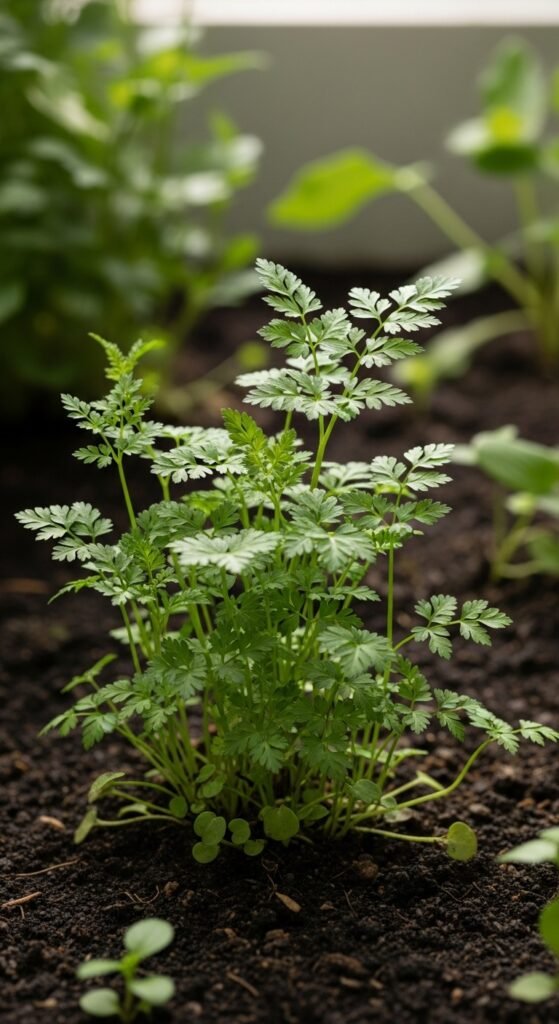
Scatter seeds in shaded, fertile soil early spring or fall, barely covering them. Thin to 6 inches and water gently. Harvest frequently to delay flowering. For beginner tips, visit herb gardening for beginners. Use fresh, as drying diminishes its delicate taste.
6) Savory Summer Savory
Summer savory stands out in annual herbs lists for its peppery, thyme-like leaves that spice up beans, meats, and stuffing. This compact herb grows quickly, fitting well in small gardens or windowsills.
You’ll enjoy culinary versatility and its pest-repelling properties against bean beetles. It’s drought-tolerant once established, requiring less fuss than thirstier herbs.
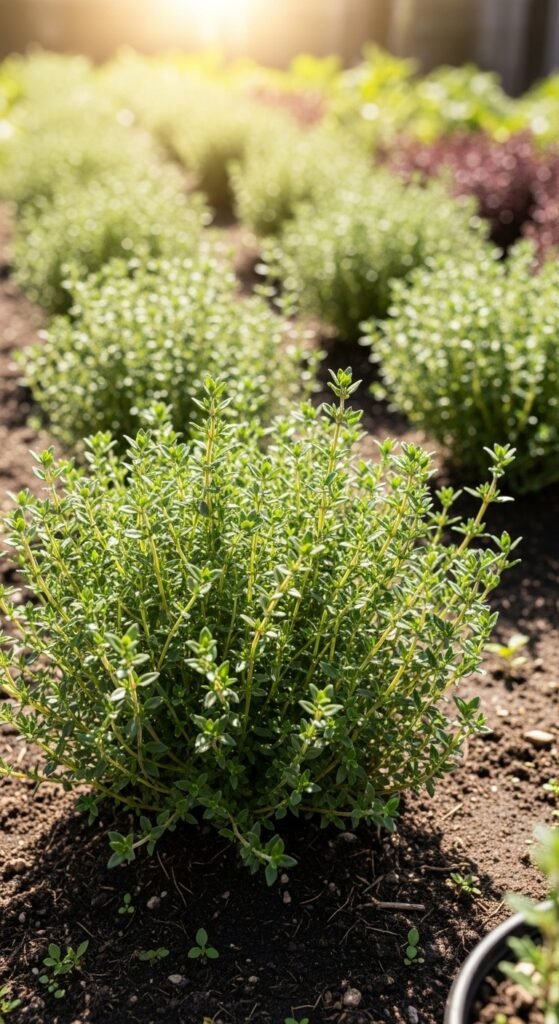
Plant seeds in well-drained soil with full sun, spacing 10 inches apart. Pinch tips for bushiness and harvest before flowering. To explore fast growers, check fastest-growing herbs. Dry leaves for winter use, preserving that zesty kick.
7) Edible Borage Plants
Borage, with star-shaped blue flowers and cucumber-flavored leaves, adds charm to annual herbs lists. Use in salads, drinks, or as garnishes for a refreshing twist.
Key attractions include attracting bees for better pollination and self-seeding for effortless returns. Its mild diuretic properties offer health bonuses too.
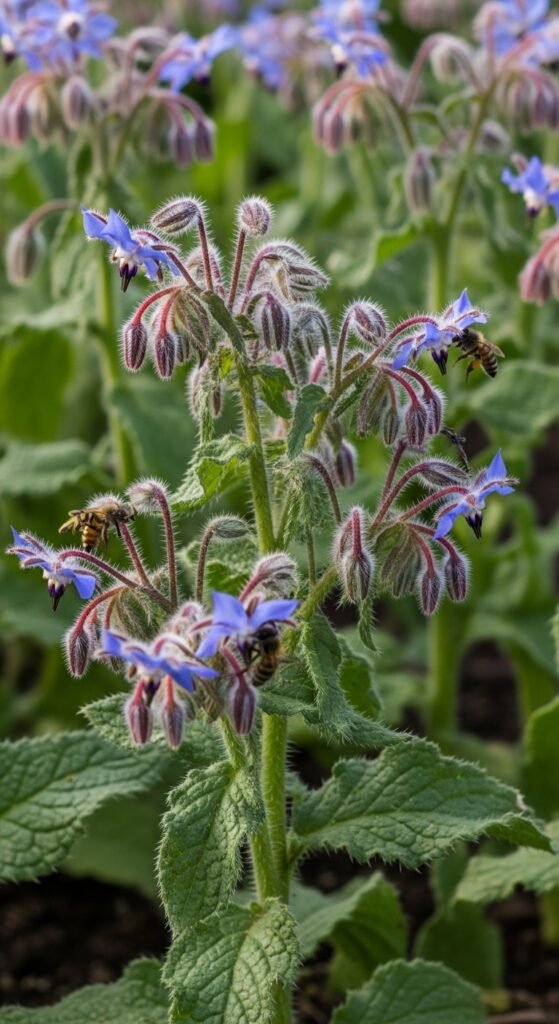
Sow seeds directly in sunny, average soil, thinning to 12 inches. It tolerates poor conditions well. Harvest young leaves and flowers. For harvesting advice, see harvesting herbs. Allow reseeding for ongoing blooms.
8) Calming Chamomile Options
Chamomile graces annual herbs lists with daisy-like flowers used for soothing teas and skin remedies. German chamomile is the common annual type, easy to grow.
Benefit from its relaxing effects and ability to improve soil health as a cover crop. It repels flies and attracts hoverflies for pest control.
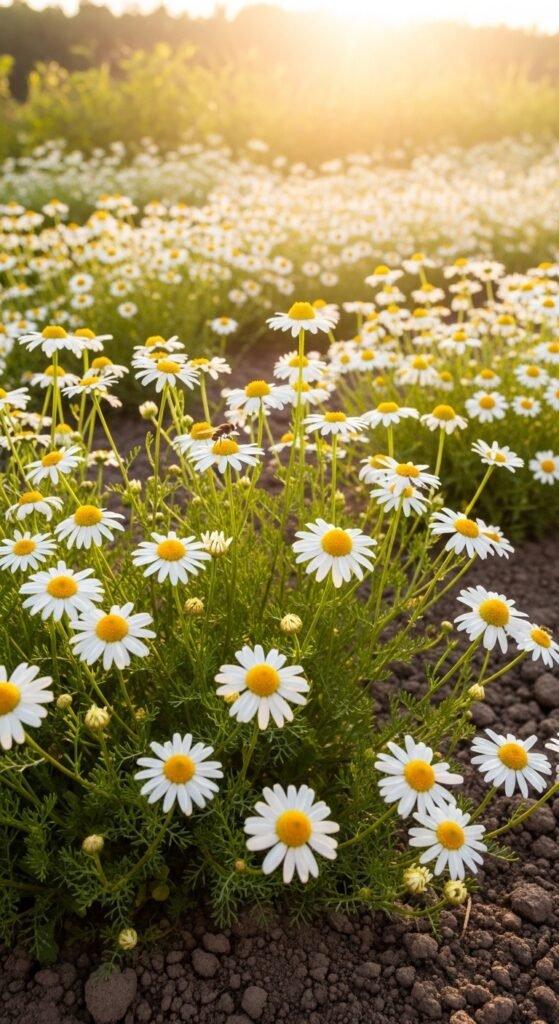
Scatter seeds on surface in full sun, pressing lightly into soil. Keep moist until established, then water sparingly. Harvest flower heads dry. For drought ideas, explore drought-tolerant herbs. Dry blooms for year-round tea.
9) Flavorful Fennel Varieties
Fennel, an annual herb with feathery leaves and licorice taste, enhances annual herbs lists for fish, sausages, and salads. Bulb types provide extra harvest options.
Advantages include attracting swallowtail butterflies and deterring fleas. Its tall stature adds vertical interest to beds.
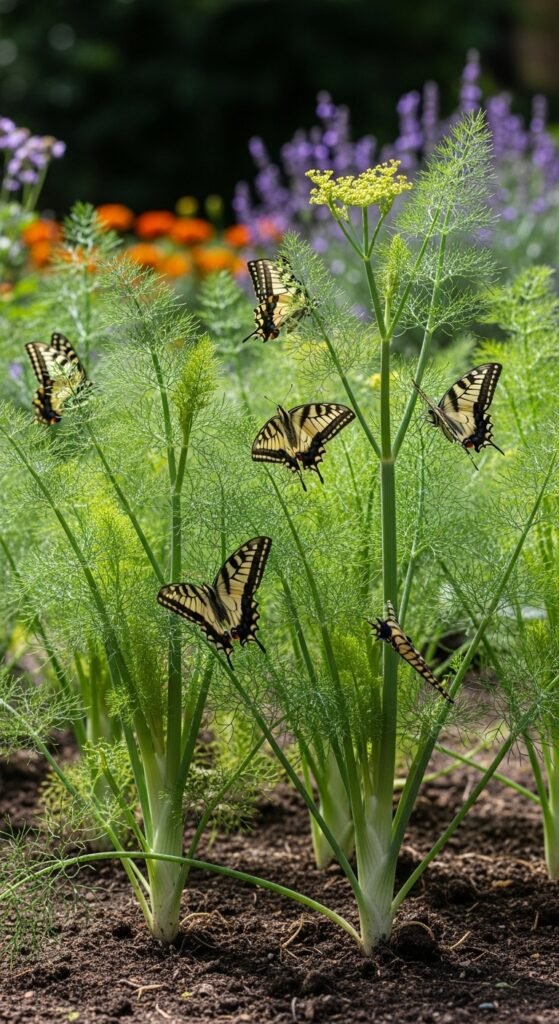
Plant seeds in fertile, sunny soil after frost, spacing 12 inches. Avoid planting near dill to prevent cross-pollination. Harvest leaves and seeds. For basil specifics, read basil growing tips. Use fresh or dried for versatile seasoning.
10) Sweet Marjoram Selections
Marjoram, similar to oregano but milder, fits annual herbs lists for seasoning meats, soups, and vegetables. Its compact form suits containers nicely.
You get aromatic benefits and mild medicinal uses for digestion. It thrives in heat, making it reliable in summer gardens.
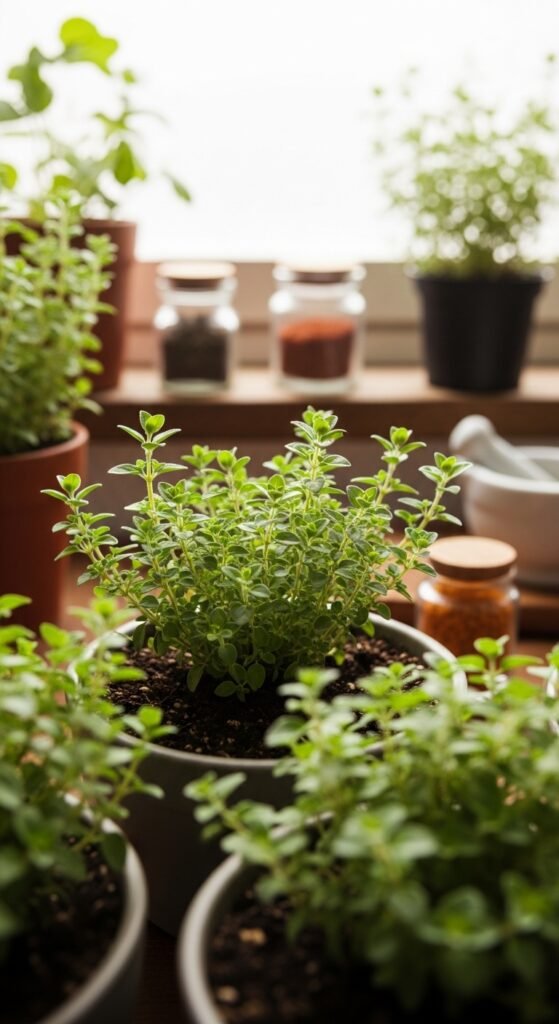
Sow indoors and transplant to sunny, well-drained spots, spacing 8 inches. Pinch for fullness and harvest often. For lemongrass parallels, see lemongrass growing. Dry stems upside down for storage.
11) Spicy Arugula Types
Arugula, a peppery leafy herb, adds zest to annual herbs lists for salads and pizzas. It grows rapidly, offering quick greens.
Health perks include high vitamins and low calories. It bolts to produce edible flowers, extending usability.
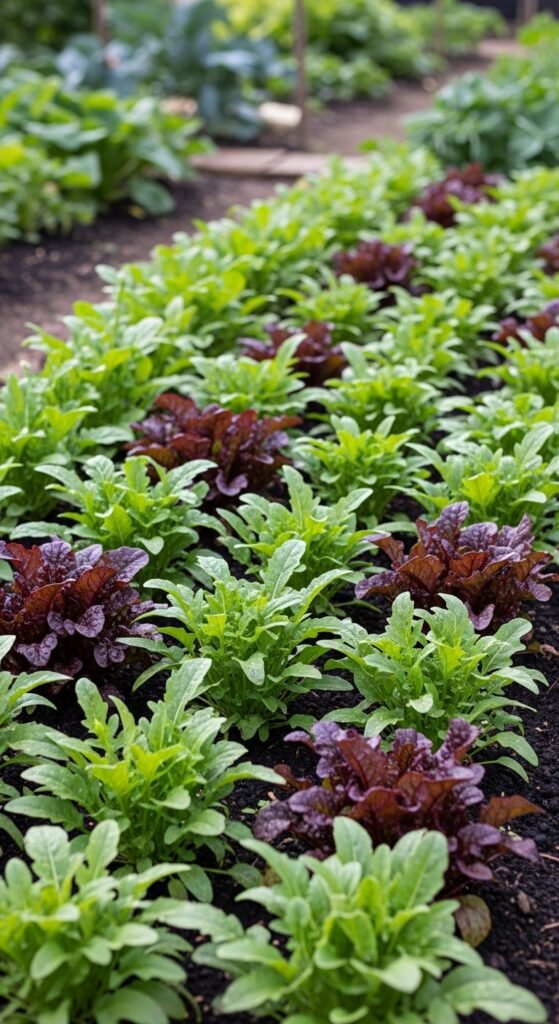
Broadcast seeds in cool weather, thinning to 6 inches in partial sun. Succession plant for steady supply. Harvest young for tenderness. Integrate with perennial counterparts via perennial herbs list.
12) Tangy Sorrel Varieties
Sorrel, with lemony leaves, enlivens annual herbs lists in soups and sauces. Though perennial in mild climates, it’s often grown annually.
Enjoy its vitamin-rich profile and shade tolerance for versatile placement. It multiplies easily, providing abundant harvests.
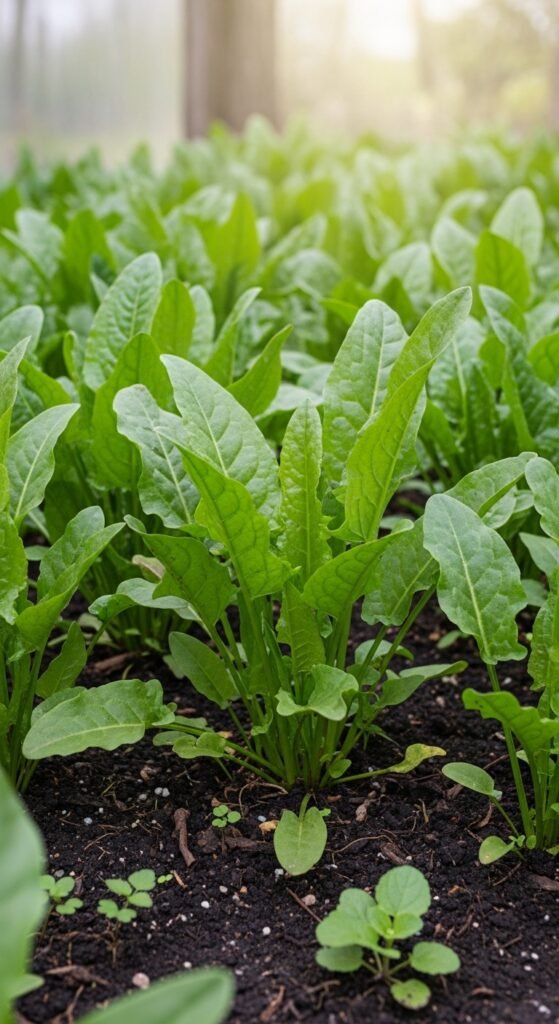
Plant in moist, acidic soil with partial shade, spacing 12 inches. Cut back to encourage new growth. Harvest mature leaves.
13) Bold Mustard Greens
Mustard, a spicy green, spices up annual herbs lists for stir-fries and pickling. Varieties range from mild to hot.
Benefits encompass fast growth and cold tolerance for extended seasons. It acts as a trap crop for pests.
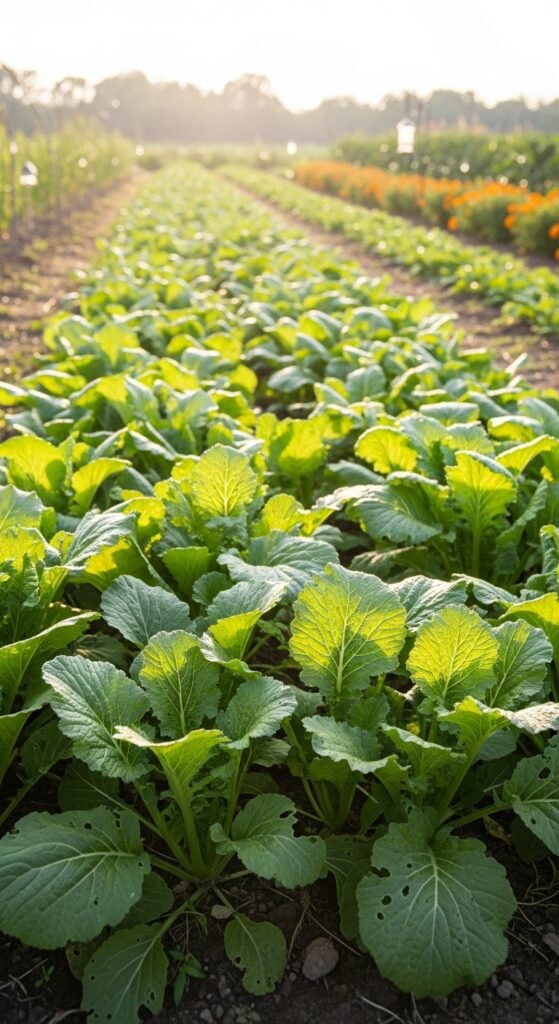
Sow in full sun, thinning to 8 inches. Harvest outer leaves continuously.
14) Licorice Anise Options
Anise, with sweet seeds and leaves, flavors annual herbs lists in baked goods and liqueurs. Its umbels attract pollinators.
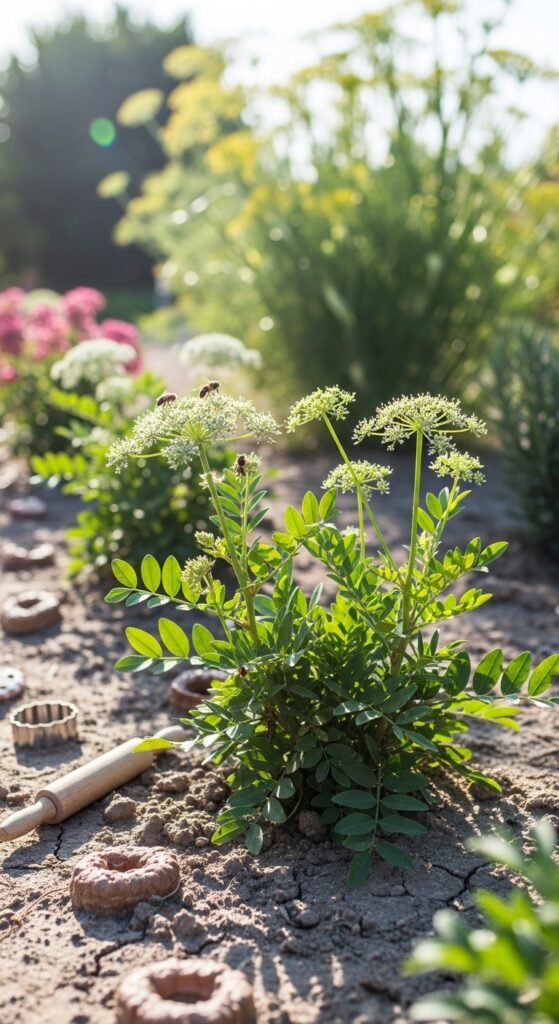
Digestive aids and ornamental value make it worthwhile. Grows tall for background planting.
Direct sow in sunny, light soil, spacing 10 inches. Harvest seeds when brown.
15) Nutty Fenugreek Selections
Fenugreek, with maple-like seeds and edible leaves, rounds out annual herbs lists for curries and teas. It’s nitrogen-fixing, improving soil.
Medicinal uses for lactation and blood sugar appeal to many. Quick maturation suits short seasons.
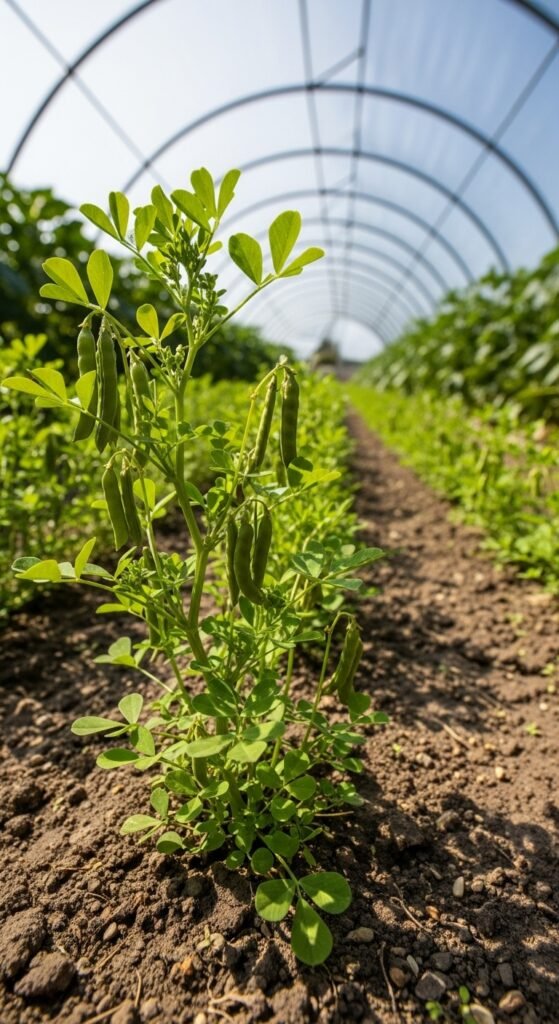
Soak seeds before sowing in full sun, thinning to 6 inches. Harvest pods dry.
Key Tips for Growing Annual Herbs
Soil Preparation Essentials
Start with well-draining, nutrient-rich soil amended with compost. Test pH to aim for 6.0-7.0, ensuring optimal growth for your annual herbs list selections.
Watering and Maintenance Strategies
Water deeply but infrequently to promote strong roots. Mulch to retain moisture and suppress weeds, checking regularly for pests.
Harvesting and Preservation Methods
Harvest in the morning for best flavor. Freeze or dry excess to enjoy year-round, extending the value of your garden efforts.
Frequently Asked Questions
What are annual herbs?
Annual herbs are plants that complete their life cycle in one growing season, from seed to flower to seed production, before dying off.
How do I prevent bolting in annual herbs?
Provide partial shade, consistent moisture, and succession planting to delay flowering and extend the leafy harvest period.
Can annual herbs be grown indoors?
Yes, many thrive on sunny windowsills with proper pots and soil, offering fresh flavors even in limited spaces.
When should I plant annual herbs?
Sow after the last frost in spring for most, or indoors earlier for transplants, depending on your climate zone.
Do annual herbs need fertilizer?
Use balanced, organic fertilizer sparingly, as overfeeding can reduce flavor intensity in these fast-growing plants.