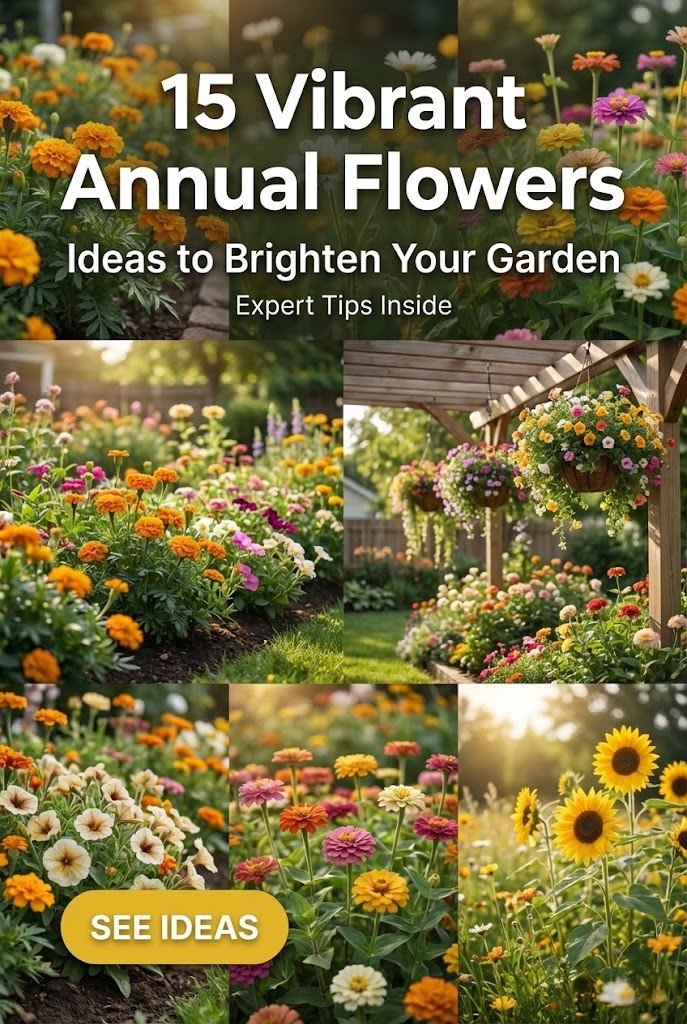
Annual flowers are a gardener’s best friend, completing their life cycle in just one growing season and providing bursts of color and texture that can transform any outdoor space. Unlike perennials, they offer quick gratification, allowing you to experiment with new designs each year without long-term commitments. Whether you’re filling borders, containers, or hanging baskets, these blooms deliver instant visual impact and can attract pollinators to boost your garden’s ecosystem.
Choosing annual flowers means you can tailor your garden to seasonal themes or specific needs, like shade tolerance or drought resistance. They thrive in various conditions, making them ideal for beginners and experts alike. Plus, many are low-maintenance, requiring minimal care for maximum reward. Dive into these ideas to discover how annual flowers can elevate your landscape, creating a lively haven that changes with the seasons.
Ready to get started? You’ll find inspiration below for incorporating these versatile plants into your setup, complete with tips on planting and care to ensure success.
1) Marigold Borders for Pest Protection
Marigolds are cheerful annual flowers with bright orange, yellow, or red blooms that add a pop of color to any garden bed. You can plant them along edges or in rows to create defined borders that not only look stunning but also serve a practical purpose. These flowers release a scent that repels nematodes and other pests, making them a natural companion for vegetables like tomatoes or peppers.
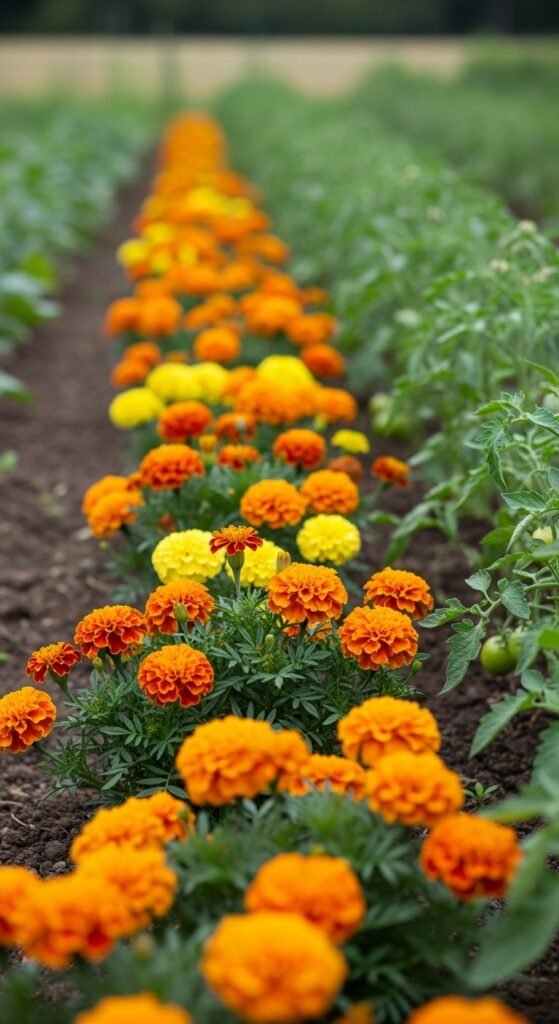
Why choose marigolds? They offer reliable pest control without chemicals, promote healthier soil, and bloom continuously from spring to frost. Their drought tolerance means less watering for you, saving time and resources. Plus, they’re easy to grow from seed, giving you budget-friendly options for large areas.
To incorporate them, sow seeds directly in sunny spots after the last frost, spacing them 8-12 inches apart. Water moderately and deadhead spent flowers to encourage more blooms. For added variety, mix with other sun-loving plants—check out our sun-loving planter ideas for complementary designs that enhance your marigold displays.
2) Petunia Hanging Baskets for Cascading Color
Petunias are versatile annual flowers known for their trumpet-shaped blooms in shades of pink, purple, white, and more. You can use them in hanging baskets to create cascading displays that spill over edges, adding vertical interest to porches or patios. Their prolific flowering habit ensures a constant show throughout the summer.
The appeal lies in their abundant, long-lasting blooms that attract hummingbirds and butterflies, enhancing biodiversity. They’re also forgiving for novice gardeners, thriving in full sun with regular feeding. This makes them perfect for urban spaces where ground planting is limited.
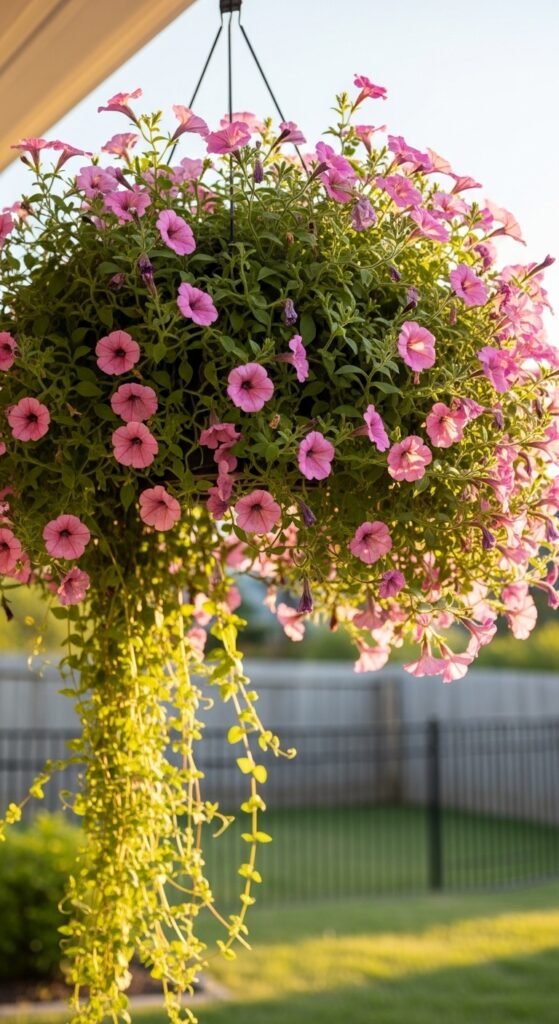
Plant petunias in well-draining soil, positioning baskets in areas with 6-8 hours of sunlight. Pinch back tips early to promote bushiness, and fertilize every two weeks. If you’re exploring container options, our summer hanging basket ideas provide more ways to pair petunias with trailing vines for stunning aerial gardens.
3) Zinnia Cut Flower Gardens for Fresh Bouquets
Zinnias are bold annual flowers with daisy-like heads in vibrant hues, ideal for creating dedicated cut flower patches. You can harvest stems regularly for indoor arrangements, keeping your home filled with fresh, colorful bouquets all season long.
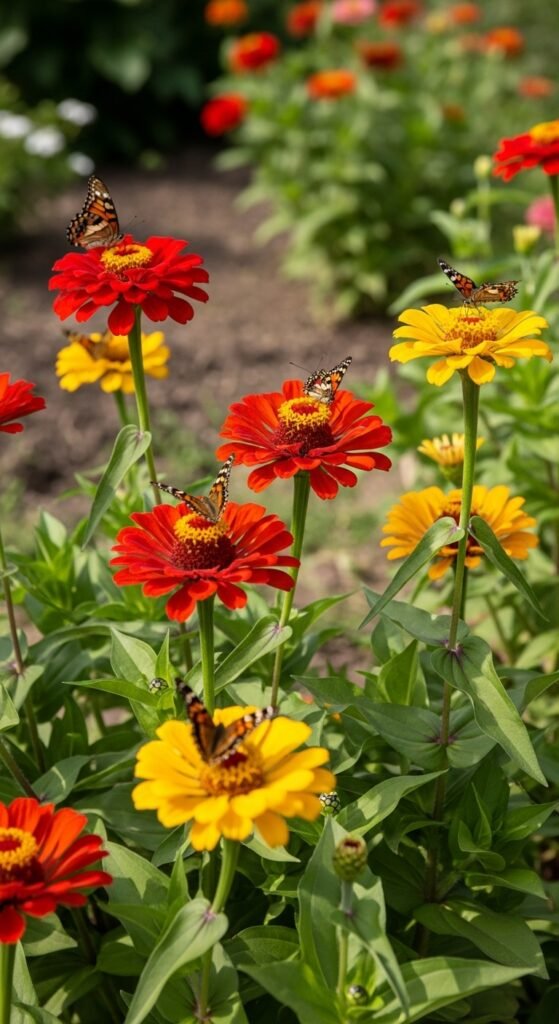
Opt for zinnias because of their rapid growth and extended vase life, providing endless supply without buying from stores. They also support pollinators, contributing to a healthier environment. Heat-loving and low-water, they’re sustainable choices for warm climates.
Sow seeds in fertile soil after frost danger passes, thinning seedlings to 12 inches apart for air circulation. Cut flowers in the morning when buds are half-open. To integrate with pollinator-friendly setups, explore our pollinator garden design tips for combining zinnias with other attractors.
4) Cosmos Meadows for Wildflower Charm
Cosmos are airy annual flowers with feathery foliage and delicate, daisy-shaped blooms in pastels or brights. You can scatter them in open areas to mimic a natural meadow, bringing a whimsical, low-effort vibe to larger yards.
Their charm comes from effortless elegance and pollinator appeal, drawing bees and butterflies while requiring minimal upkeep. Tolerant of poor soil, they’re great for neglected spots, turning them into vibrant habitats.
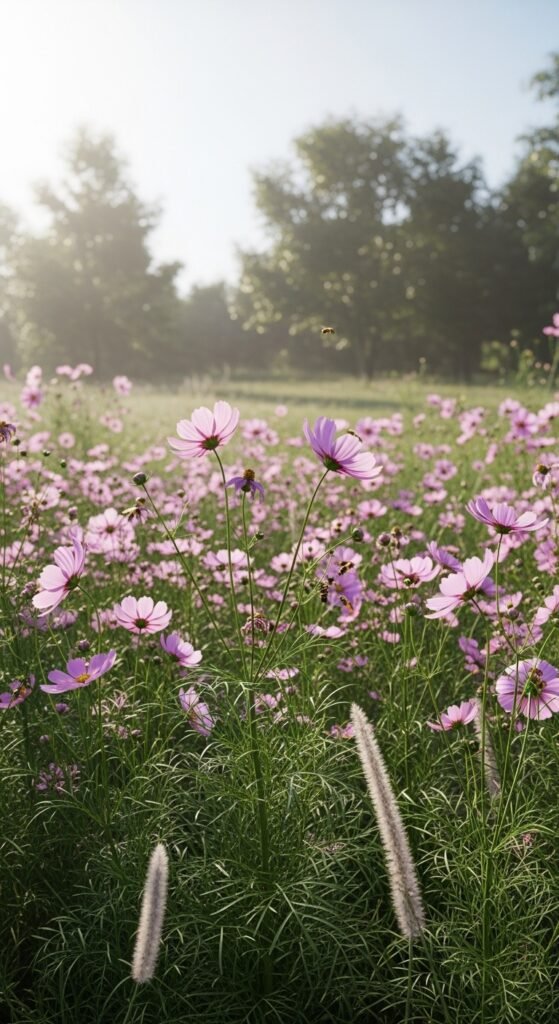
Direct-sow seeds in full sun, barely covering them, and water sparingly once established. Deadhead to prolong blooming. For more on attracting beneficial insects, our bee-friendly plants list includes cosmos companions that amplify your meadow’s ecological benefits.
5) Sunflower Screens for Privacy and Height
Sunflowers are towering annual flowers with large, sunny faces that can reach up to 10 feet tall. You can plant them in rows to form natural screens, providing privacy while adding dramatic height to your garden layout.
Choose sunflowers for their quick vertical growth and edible seeds, offering both aesthetic and practical rewards. They also improve soil health by drawing nutrients upward, benefiting future plantings.
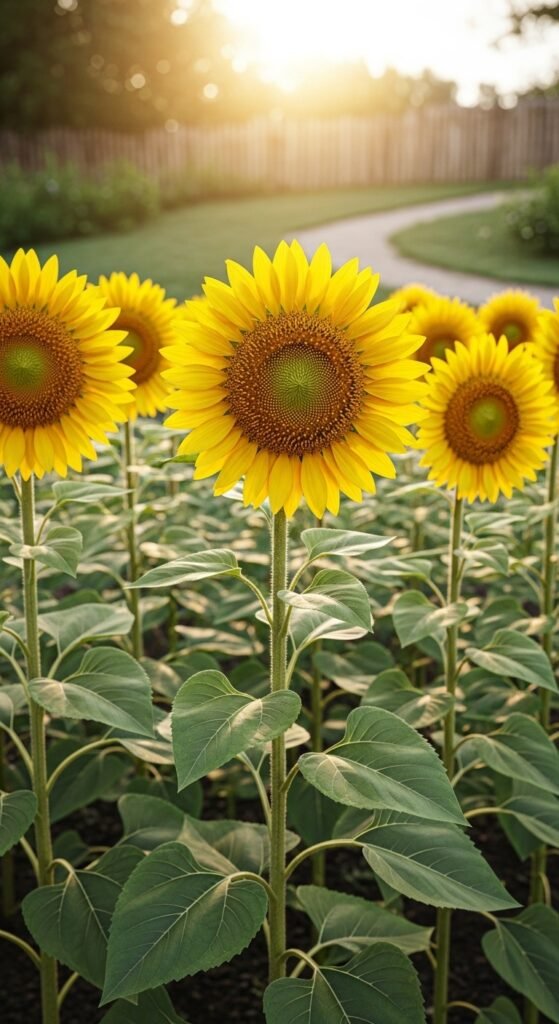
Plant seeds in sunny, well-drained spots, spacing 18-24 inches apart, and stake taller varieties. Harvest heads for seeds or bird feed. If planning seasonal rotations, refer to what to plant in spring for sunflower alternatives in cooler months.
6) Nasturtium Edibles for Flavorful Accents
Nasturtiums are trailing annual flowers with round leaves and peppery blooms in oranges and yellows. You can incorporate them in edible gardens, using flowers and leaves in salads for a spicy kick.
They’re valued for culinary versatility and pest-trapping abilities, luring aphids away from veggies. Easy to grow, they thrive in containers or ground, adding color and function.
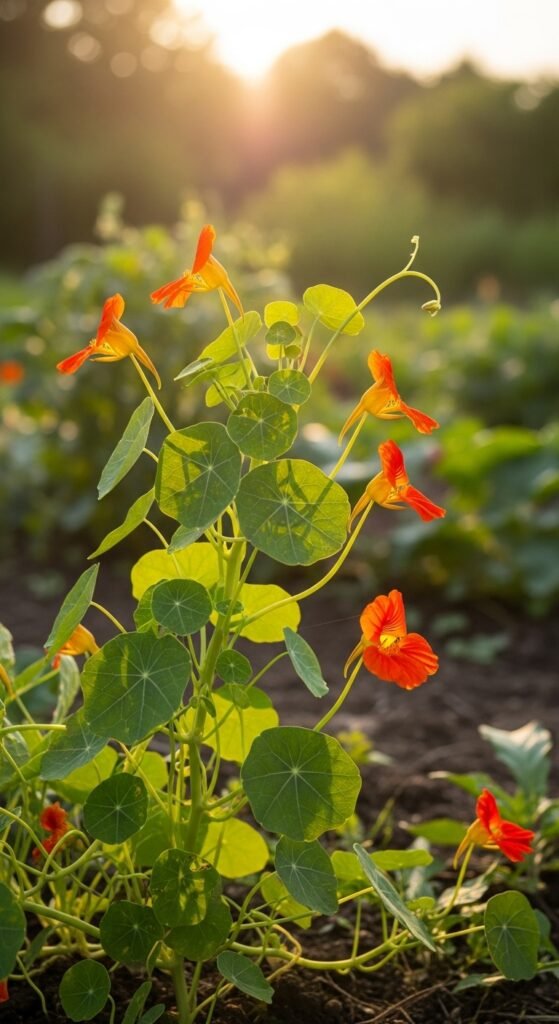
Sow seeds in average soil with full sun, watering moderately. Harvest young parts for best flavor. Pair with spring edibles via our spring edible flowers guide to expand your harvest options.
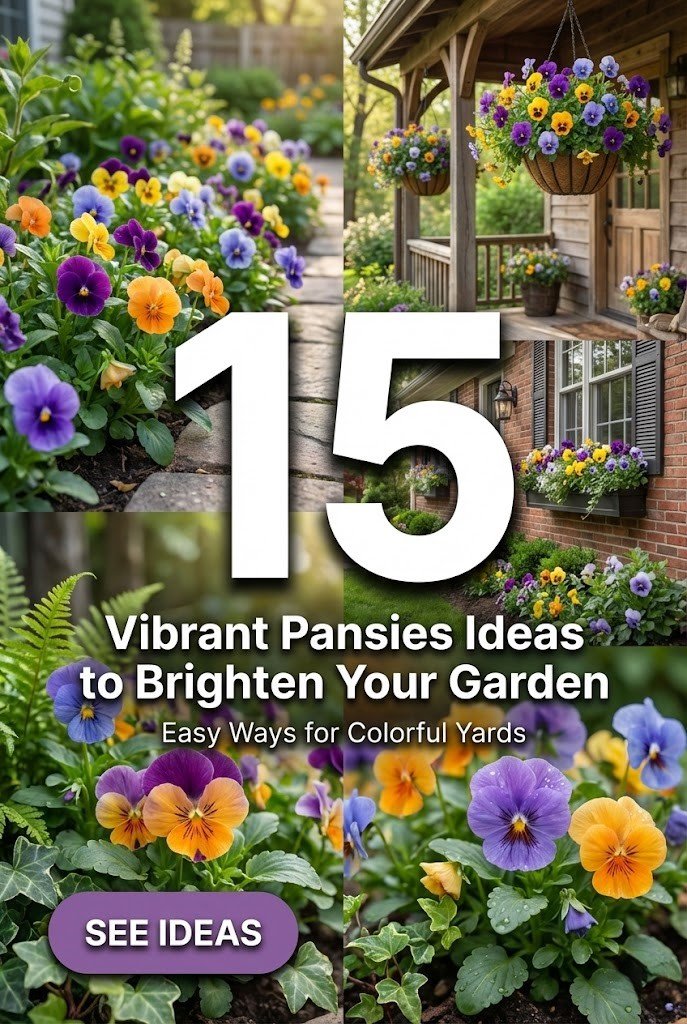
7) Pansy Cool-Weather Displays for Early Blooms
Pansies are compact annual flowers with velvety petals in multicolored faces, perfect for cool seasons. You can plant them in window boxes or borders for early spring or fall color when other plants dorm.
Their strength is cold tolerance and continuous flowering, extending your garden’s appeal beyond summer. They’re also deer-resistant, protecting your displays.
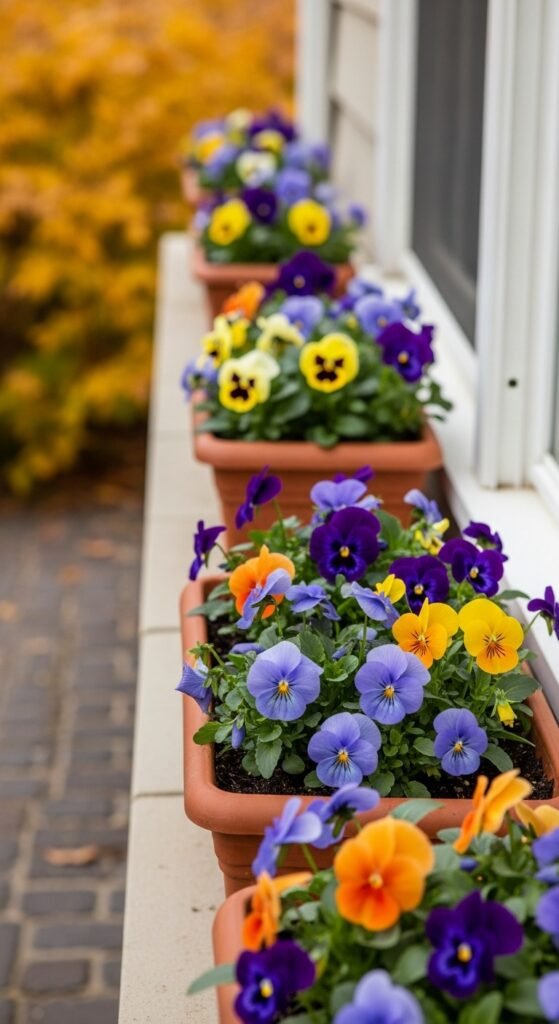
Set out transplants in partial shade, keeping soil moist. Pinch for fullness. For fall extensions, see our fall container garden ideas to mix pansies with autumn foliage.
8) Impatiens Shade Gardens for Subtle Glow
Impatiens are shade-loving annual flowers with soft, abundant blooms in pinks, whites, and corals. You can use them to brighten dim areas under trees or on north-facing patios.
Go for impatiens due to their shade adaptability and non-stop color, filling tricky spots where sun-lovers fail. Low-maintenance, they add lushness without fuss.
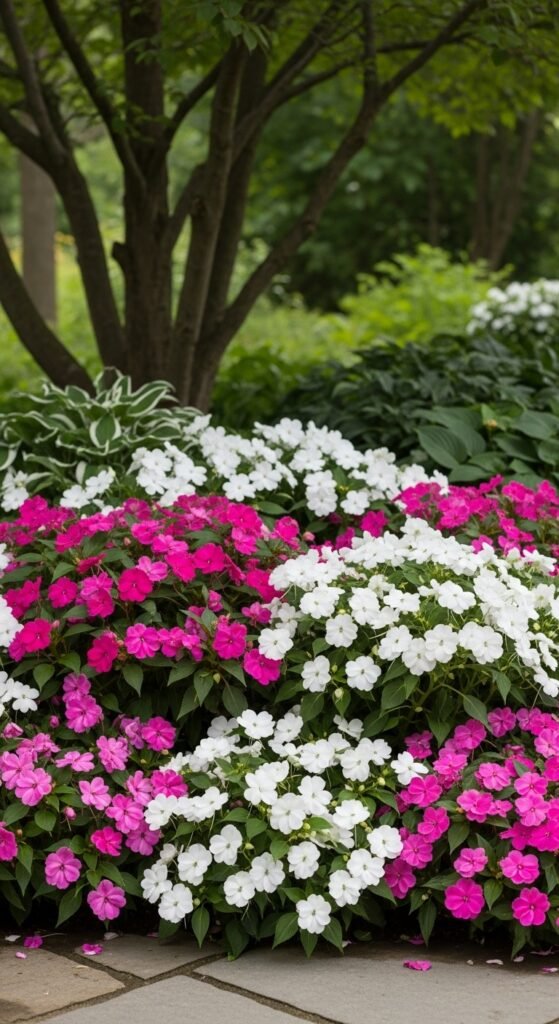
Plant in rich, moist soil, spacing 10 inches apart. Water regularly to prevent wilt. Enhance shady setups with our shade planter ideas for layered impatiens designs.
9) Begonia Containers for Textured Foliage
Begonias are annual flowers with waxy leaves and clusters of blooms, excelling in pots. You can mix varieties for texture, using them on tables or shelves for close-up appeal.
They provide durable foliage and bloom variety, resisting heat and offering year-round interest in mild climates. Versatile for indoors/outdoors.
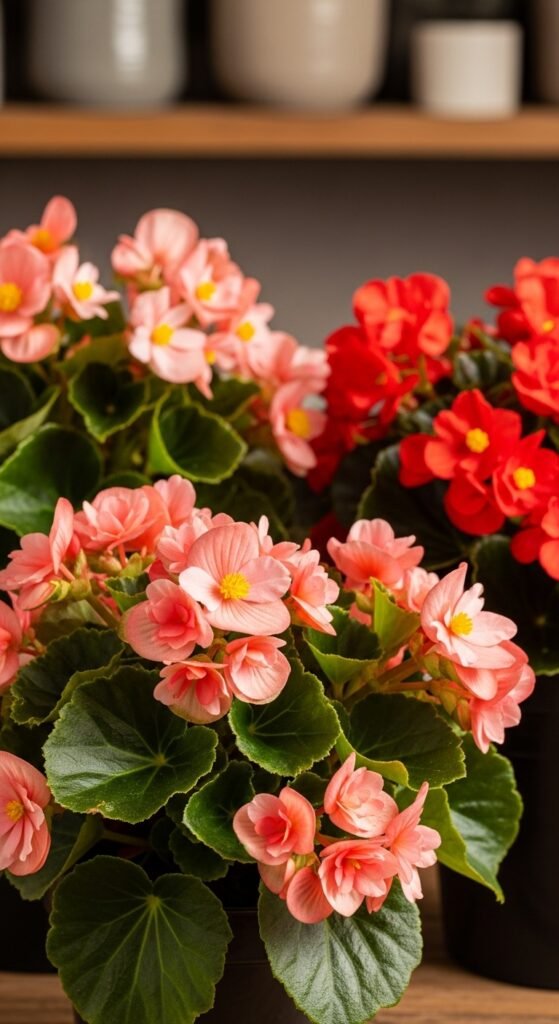
Pot in well-draining mix, placing in indirect light. Fertilize monthly. For spring starts, check spring container garden ideas to incorporate begonias effectively.
10) Snapdragon Spikes for Vertical Drama
Snapdragons are spiky annual flowers with snap-open blooms in tall stalks, adding height to beds. You can use them for cutting or as focal points in mixed borders.
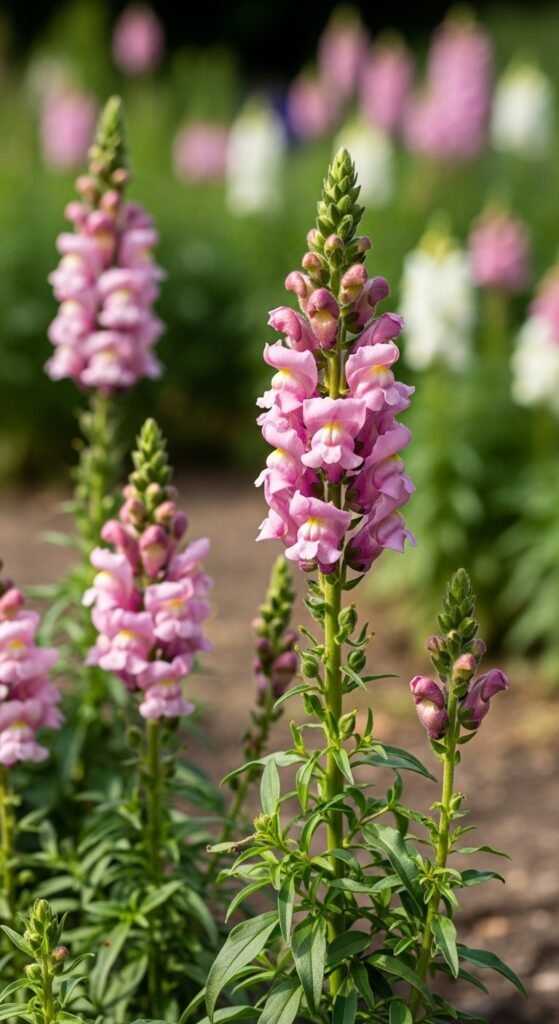
Their allure is unique form and fragrance, attracting pollinators and providing structure. Cool-weather hardy, they bridge seasons.
Sow indoors early, transplanting to sun after frost. Support tall stems. Boost pollinator traffic with insights from our pollinator garden design.
11) Alyssum Edging for Fragrant Groundcover
Alyssum are low-growing annual flowers with tiny, honey-scented clusters, ideal for edging paths. You can let them spill over rocks or containers for a soft, fragrant carpet.
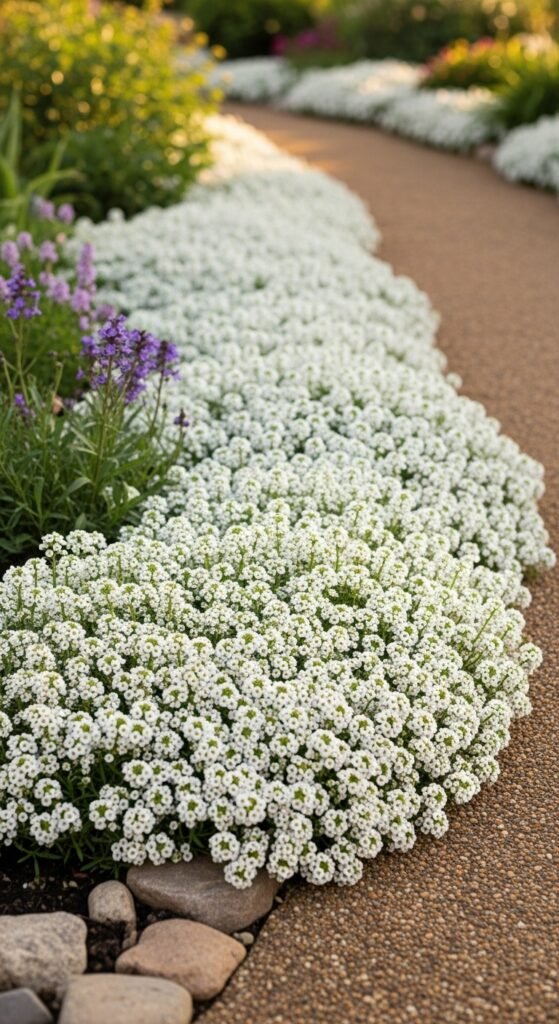
Select alyssum for sweet aroma and weed suppression, creating inviting walkways. Heat-tolerant and self-seeding for easy renewal.
Scatter seeds in sun or part shade, keeping damp until established. Trim for rebloom. Pair with sun favorites in our sun-loving planter ideas.
12) Lobelia Trailing for Waterfall Effects
Lobelia are dainty annual flowers with blue or white cascades, perfect for basket edges. You can create waterfall-like displays on balconies or fences.
They’re prized for cool-toned contrast and humidity tolerance, thriving in moist conditions. Compact growth suits small spaces.
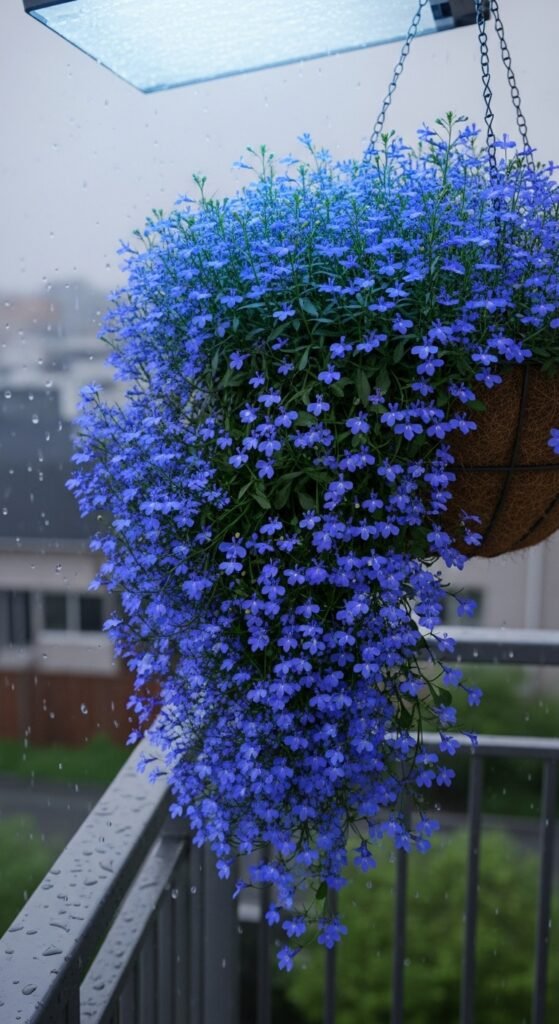
Plant in rich soil, watering frequently. Shade from hot sun. For hanging innovations, explore summer hanging basket ideas.
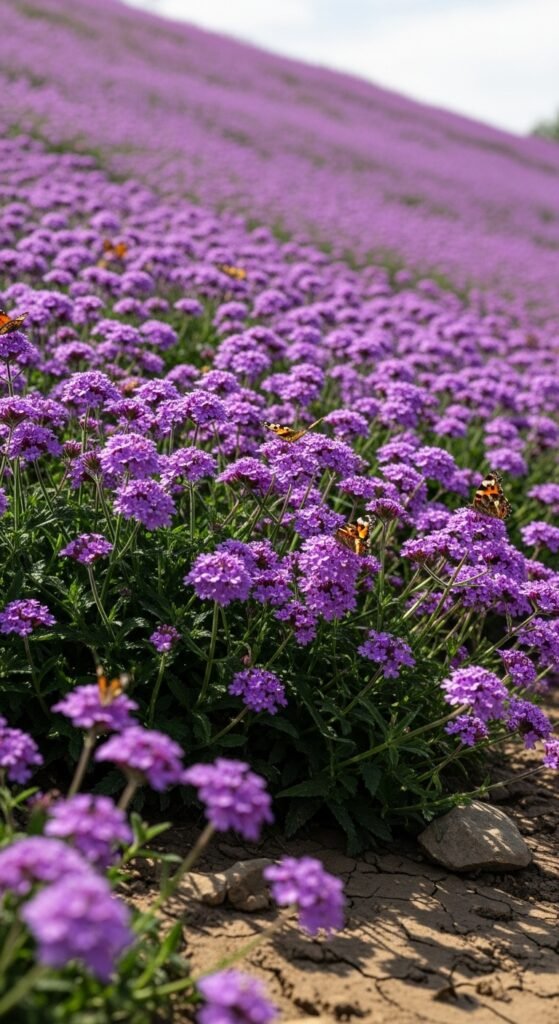
13) Verbena Groundcovers for Drought Resistance
Verbena are spreading annual flowers with clustered blooms, covering ground efficiently. You can use them in rock gardens or slopes for erosion control with color.
Choose verbena for drought hardiness and butterfly attraction, sustaining dry areas beautifully. Long-blooming without much input.
Sow in sunny, poor soil, spacing widely. Prune for density. Attract more wildlife per our bee-friendly plants list.
14) Portulaca Succulents for Hot Spots
Portulaca are succulent-like annual flowers with rose-like blooms, loving heat. You can plant in sunny, dry zones where others wilt, like patios or drives.
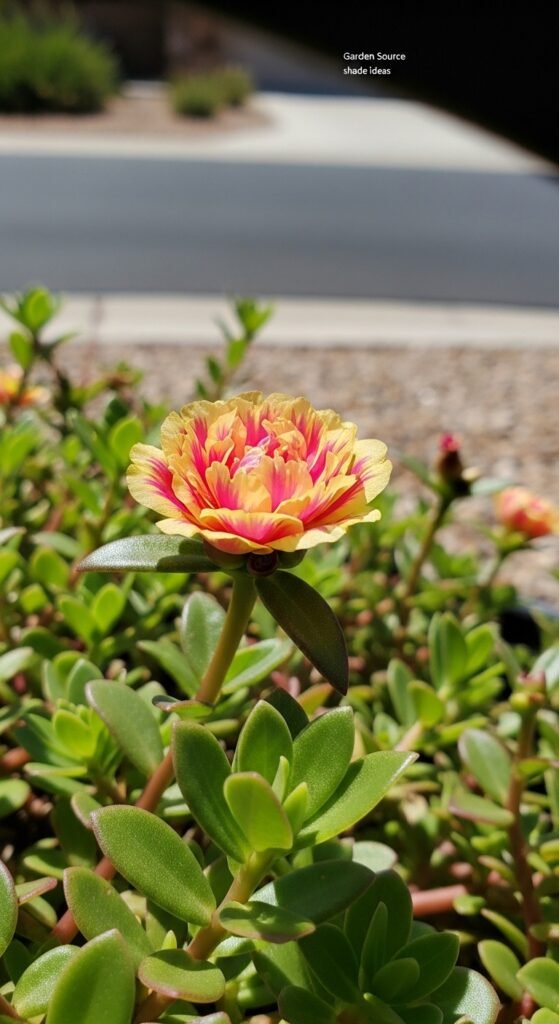
Their benefit is extreme heat tolerance and low water needs, ideal for xeriscapes. Bright colors open in sunlight.
Direct-sow in sandier soil, avoiding overwatering. Self-seeds readily. For shade contrasts, see shade planter ideas.
15) Celosia Plumes for Exotic Texture
Celosia are plume or crest-shaped annual flowers in fiery tones, adding exotic flair. You can feature them in modern beds or as statement pieces.
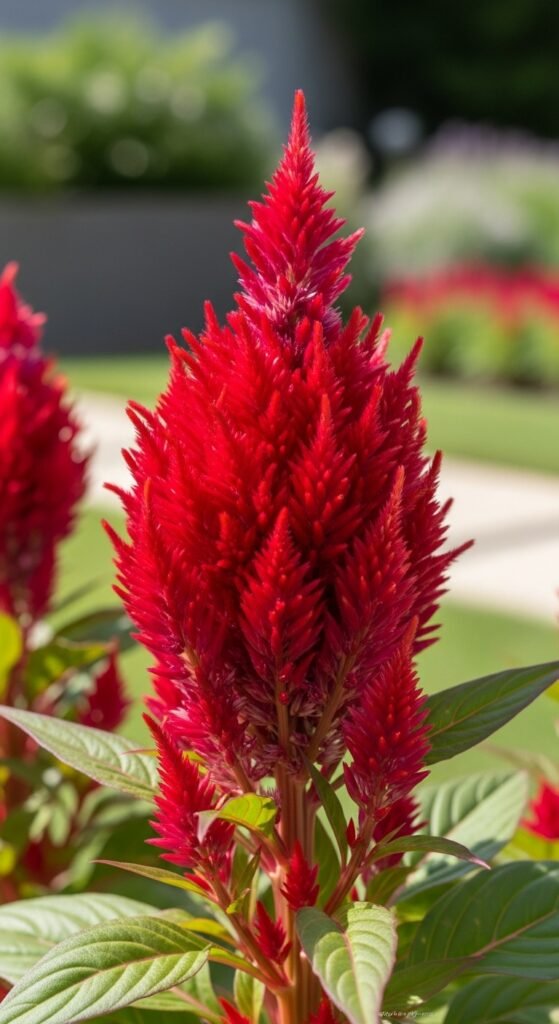
They’re loved for unique shapes and drying potential, extending use indoors. Heat-loving with bold impact.
Start seeds indoors, transplanting to full sun. Water at base. Begin early with tips from what to plant in spring.
Key Tips for Annual Flower Success
Soil Preparation Essentials
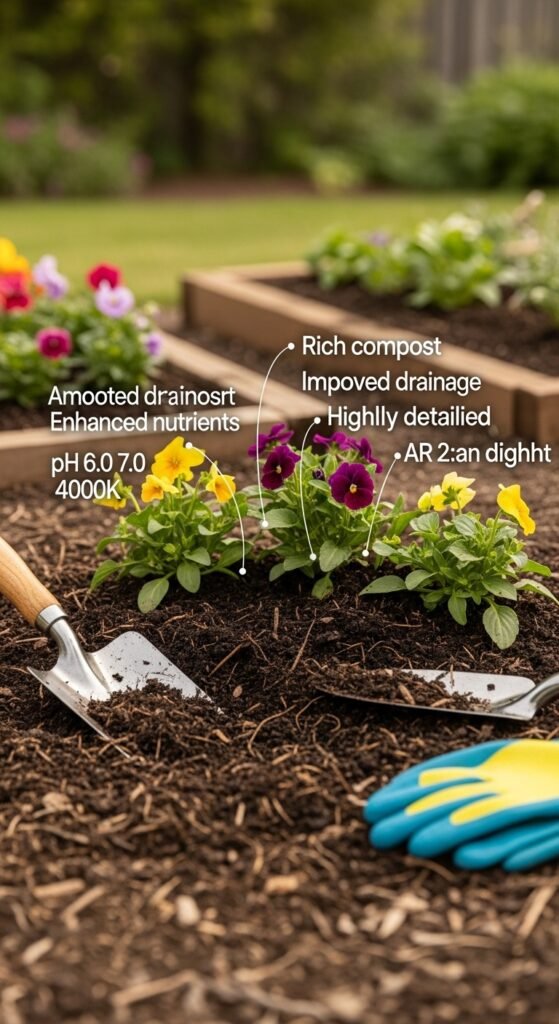
Before planting, amend your soil with compost to improve drainage and nutrients. You can test pH to ensure it’s between 6.0-7.0 for most annuals, promoting robust growth.
Watering and Feeding Strategies
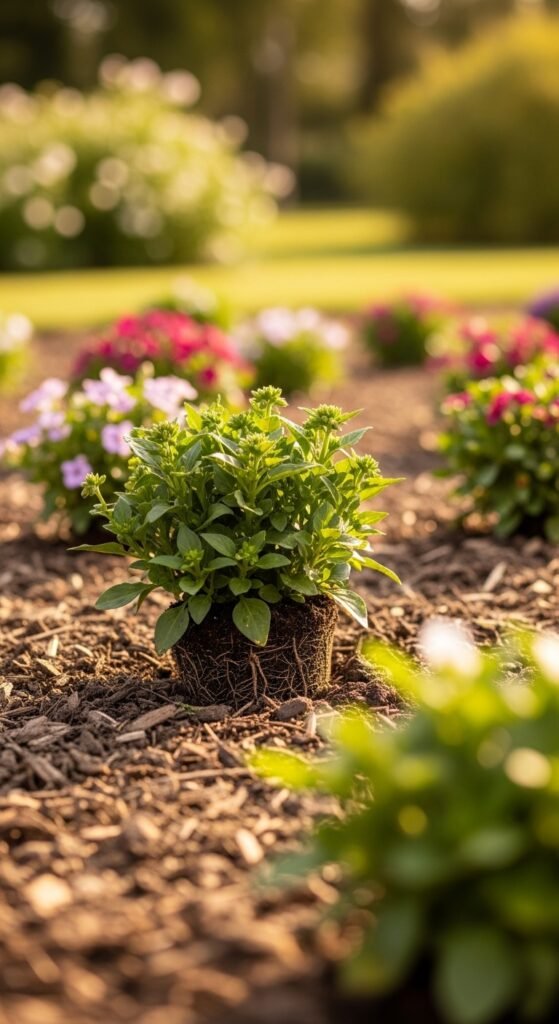
Water deeply but infrequently to encourage strong roots, and use a balanced fertilizer every 4-6 weeks. Mulch around plants to retain moisture and suppress weeds.
Pest and Disease Prevention
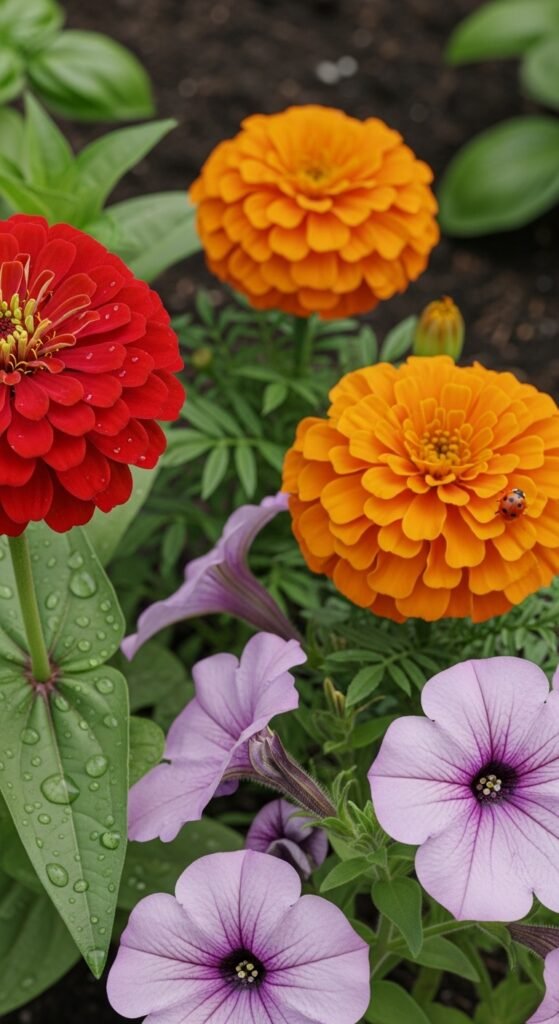
Monitor for aphids or powdery mildew, using organic sprays as needed. Rotate plantings yearly to avoid soil-borne issues, keeping your garden healthy.
Frequently Asked Questions
What are annual flowers?
Annual flowers are plants that complete their entire life cycle—germination, growth, flowering, and seeding—in one growing season, typically dying off after frost.
When should I plant annual flowers?
Plant most annuals after the last spring frost in your area, when soil temperatures warm up, to give them the best start for summer blooming.
Do annual flowers come back every year?
No, annuals do not return on their own, but some may self-seed if conditions are right, producing new plants the following season.
How do I care for annual flowers in containers?
Use well-draining potting mix, water when the top inch of soil dries, and fertilize regularly to support their fast growth in limited spaces.
Can annual flowers grow in shade?
Many annuals prefer full sun, but varieties like impatiens and begonias thrive in shady conditions, offering color where sunlight is scarce.