Alliums are a versatile and captivating genus of plants that can add both beauty and functionality to your garden. From the dramatic purple globes of ornamental varieties to the practical edibles like garlic and onions, alliums offer something for every gardener. You’ll love how these bulbous plants provide structure, color, and even pest-repelling benefits, making them a must-have in any landscape.
Incorporating alliums into your space not only enhances visual appeal but also supports biodiversity by attracting pollinators. Whether you’re aiming for a low-maintenance perennial bed or a productive vegetable patch, these ideas will guide you in harnessing the full potential of alliums. Get ready to elevate your gardening game with these inspiring suggestions.
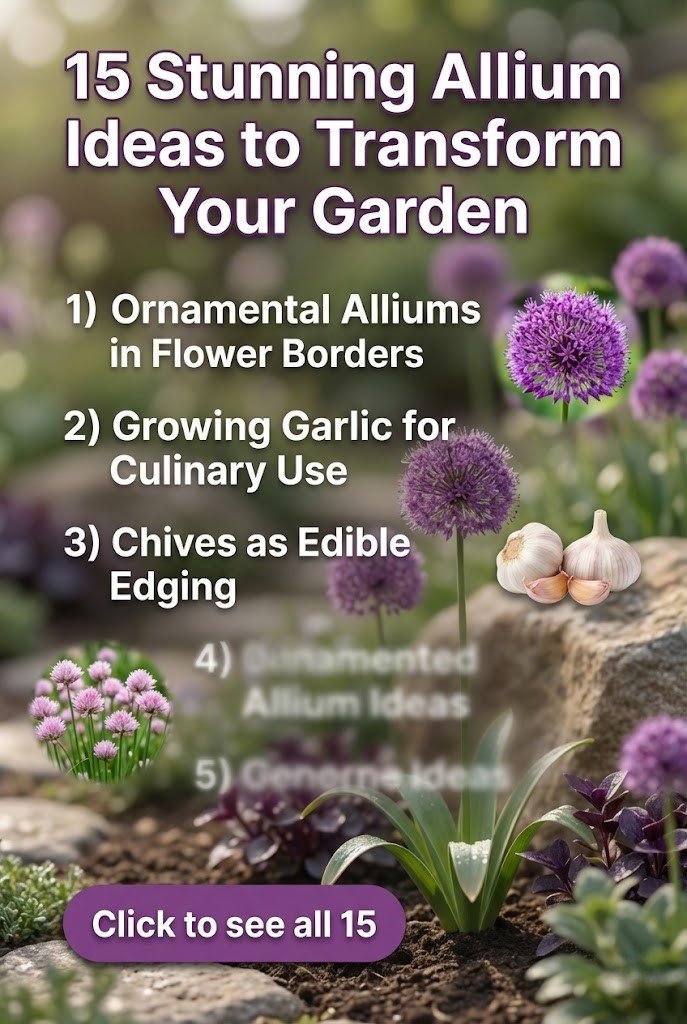
1) Ornamental Alliums in Flower Borders
You can create eye-catching flower borders by planting ornamental alliums like Allium ‘Globemaster’ or ‘Purple Sensation’. These tall, spherical blooms rise above foliage in late spring, adding height and drama to your beds. Plant them in groups of three to five for maximum impact, spacing bulbs about 6-8 inches apart in well-drained soil.
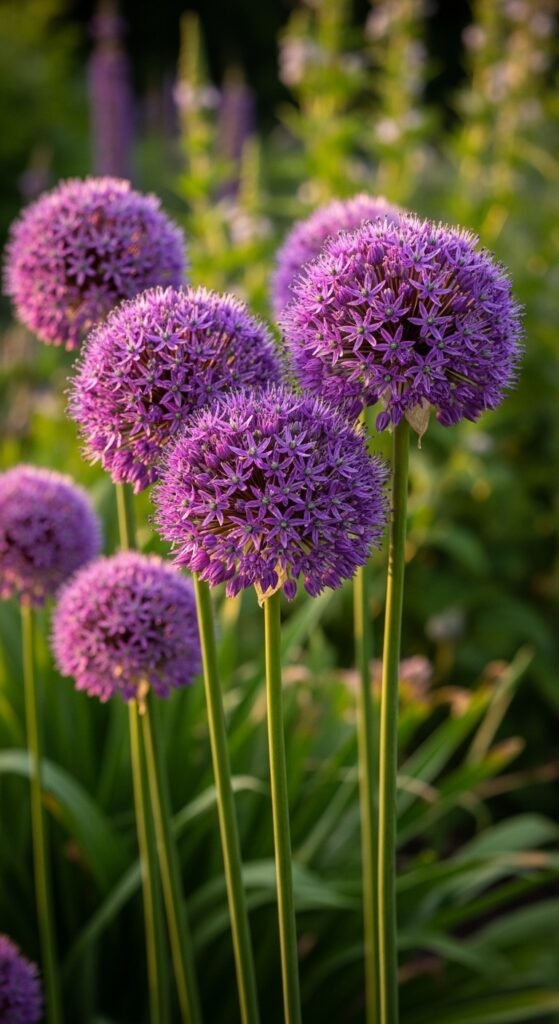
The key benefit is their ability to bridge the gap between spring bulbs and summer perennials, ensuring continuous color. They’re deer-resistant too, thanks to their onion-like scent. To get started, prepare your soil with compost and plant bulbs in fall for a spectacular show. Pair them with low-growing plants like lavender for contrast.
If you’re growing in a greenhouse, consider optimizing your environment with tools like a VPD calculator to maintain ideal humidity and temperature levels for healthy bulb development.
2) Growing Garlic for Culinary Use
Dive into growing your own garlic, a staple allium that rewards you with fresh cloves for cooking. Choose hardneck varieties like ‘Rocambole’ for robust flavor. Plant individual cloves in fall, pointy end up, in fertile, loose soil with full sun exposure.
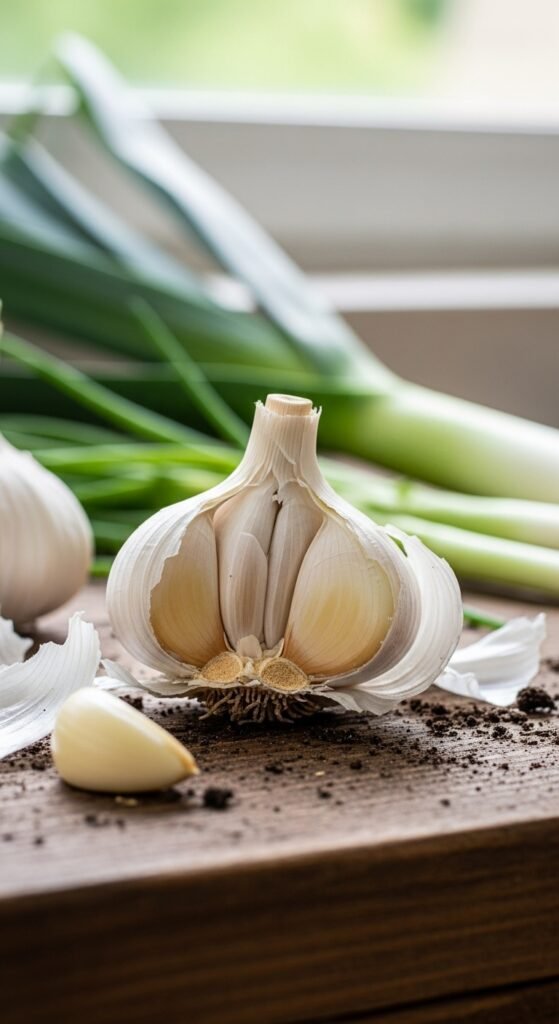
You’ll appreciate the health benefits, including natural antibiotics and antioxidants. Garlic also acts as a natural pest deterrent in your garden. Harvest when lower leaves yellow, then cure bulbs in a dry spot for storage. This process yields months of homegrown supply.
For regions with cold winters, use a chill hours calculator to ensure your garlic gets the necessary cold exposure for proper bulb formation. It’s an easy way to plan successful crops.
3) Chives as Edible Edging
Use chives to line your garden paths or borders, combining beauty with utility. Their slender green leaves and pink-purple flowers create a neat edge while providing fresh herbs for your kitchen. Plant in spring or fall, dividing clumps every few years to keep them vigorous.
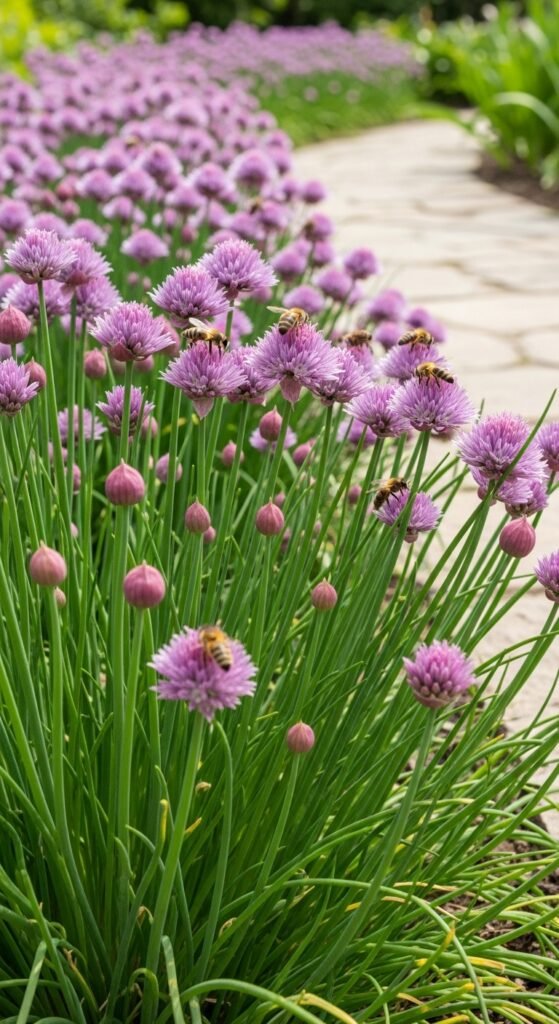
The versatility shines as you snip leaves for salads or garnishes, and the blooms attract bees. Chives thrive in partial shade to full sun and require minimal care once established. They’re perfect for small spaces or containers.
When harvesting excess, explore preserving methods like dehydration using a food dehydration chart to estimate drying times and enjoy your herbs year-round.
4) Leeks in Vegetable Patches
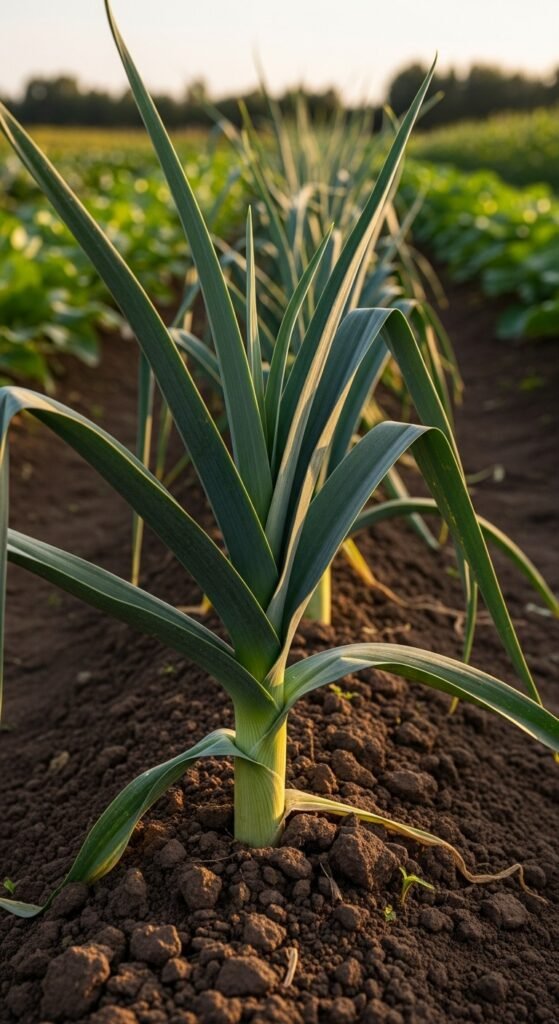
Incorporate leeks into your veggie garden for a mild onion flavor in soups and stews. Start seeds indoors in late winter, transplanting seedlings to trenches for blanched stems. They prefer cool weather and rich, moist soil.
You gain nutritional value with vitamins and fiber, plus they store well after harvest. Leeks mature in 120-150 days, offering a long-season crop. Hill soil around stems to increase the edible white portion.
If pickling your harvest, try recipes for quick pickled onions, adapting the method to leeks for a tangy twist on preservation.
5) Allium Schubertii for Dramatic Displays
Make a statement with Allium schubertii, known for its firework-like blooms. Plant these bulbs in sunny spots with good drainage, where their exploding pink flowers can steal the show in early summer.
The architectural interest persists even after blooming, as dried heads add texture to arrangements. They’re low-maintenance and multiply over time. Ideal for rock gardens or mixed borders.
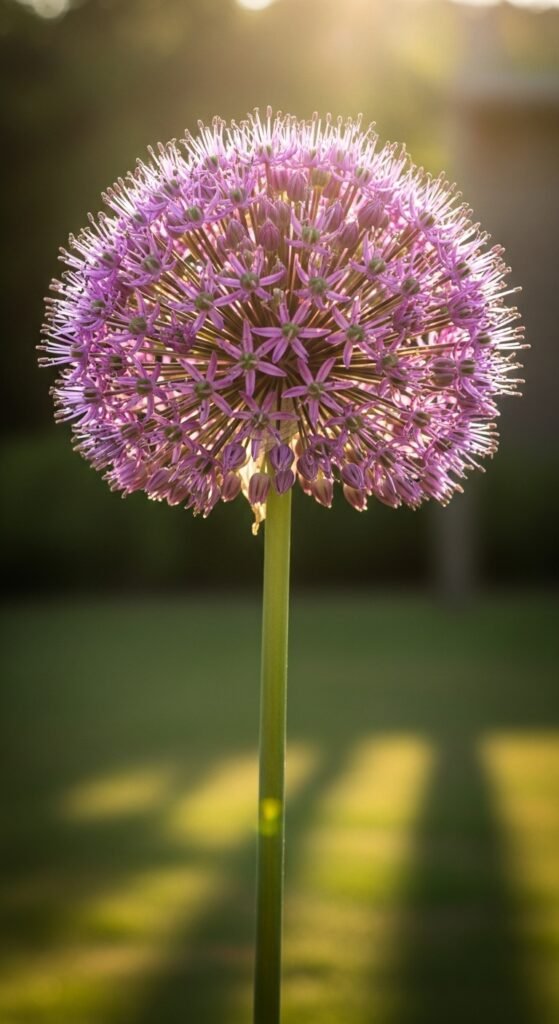
For indoor propagation trials, optimize lighting with a DLI calculator to ensure your alliums get the right amount of daily light integral for strong growth.
6) Companion Planting with Alliums
Pair alliums with roses or carrots to naturally repel aphids and other pests. Their strong scent masks attractive plants, reducing chemical needs. Plant garlic or onions around susceptible crops in spring.
You’ll see improved yields and healthier gardens through this organic method. Alliums also enhance soil with their root exudates. Rotate positions annually to prevent disease buildup.
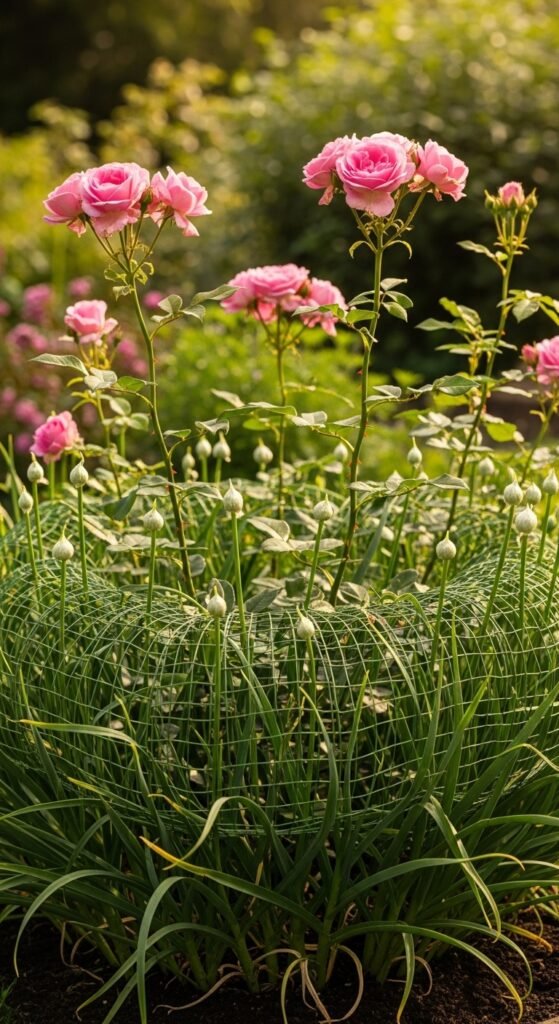
When planning your greenhouse companions, use a CO2 calculator to estimate tank duration and boost overall plant vitality, including your alliums.
7) Alliums in Container Gardens
Bring alliums to patios or balconies by potting varieties like Allium ‘Mount Everest’. Use large containers with drainage holes, filling with bulb mix for best results. Water regularly but avoid sogginess.
The portability allows you to move them for optimal sun or protection. They add vertical interest to small spaces. Refresh soil yearly and fertilize sparingly.
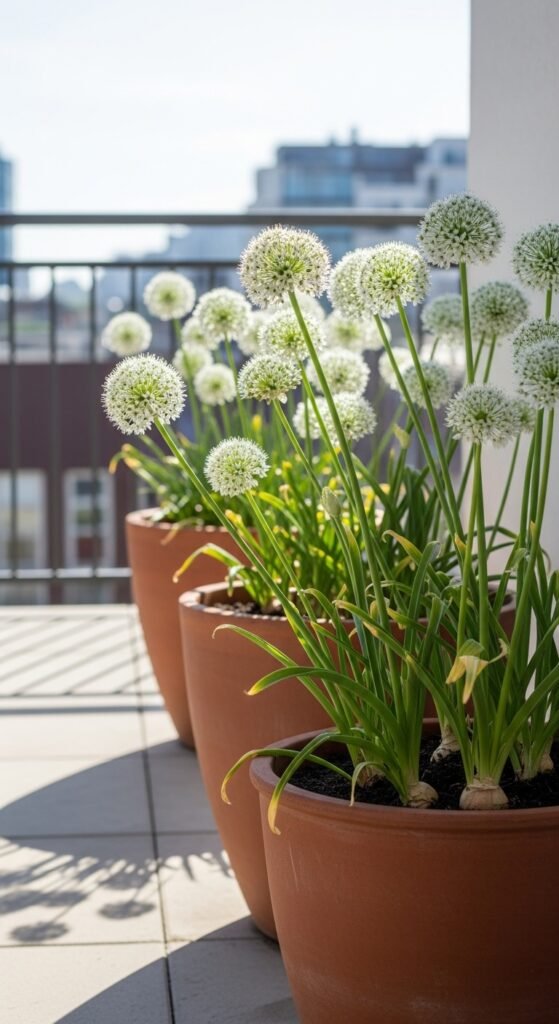
For winter protection in containers, consider a greenhouse heater size calculator if extending the season indoors.
8) Drying Alliums for Decor
Harvest and dry ornamental allium heads for everlasting arrangements. Cut stems when flowers fade, hanging upside down in a dark, airy space. Spray with hairspray to preserve shape.
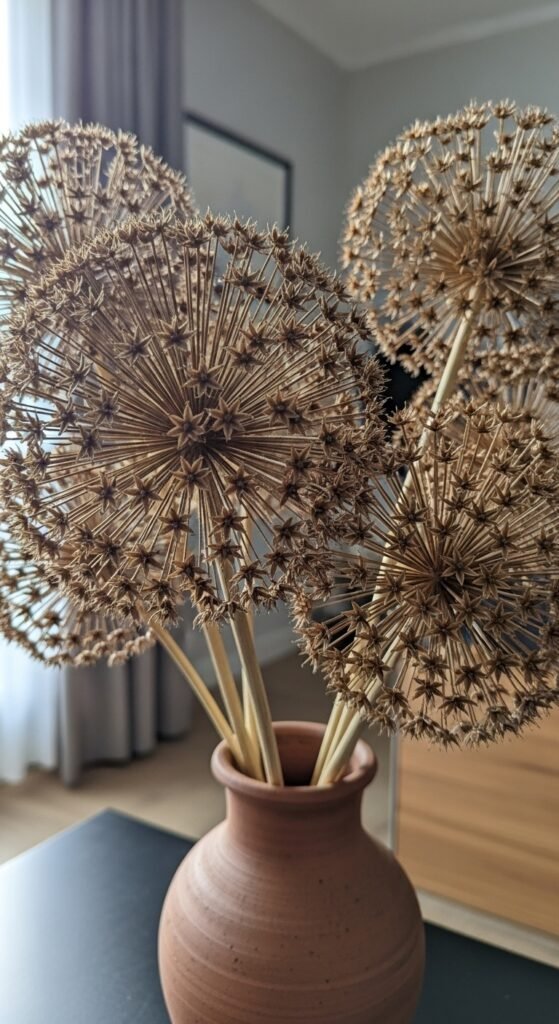
You create sustainable decor that brings garden beauty indoors. Use in wreaths or vases for year-round appeal. This extends the life of your blooms economically.
9) Alliums for Pollinator Gardens
Attract bees and butterflies with nectar-rich alliums like Allium sphaerocephalon. Plant in drifts among other pollinator-friendly flowers for a buzzing haven. Choose sunny, sheltered spots.
The ecological boost supports local wildlife and improves pollination for your fruits and veggies. Alliums flower when many others don’t, filling gaps in forage.
10) Spring Bulb Layering with Alliums
Layer allium bulbs with tulips and daffodils for successive blooms. Plant deeper alliums first, then shallower bulbs above in the same hole. This maximizes space in beds.
You enjoy extended color from early to late spring. The technique, called lasagne planting, is efficient for small gardens. Mulch well after planting.
11) Perennial Allium Borders
Establish perennial borders with long-lived alliums like Allium aflatunense. Once planted, they return yearly with minimal fuss, spreading gradually.
The low-maintenance appeal saves time while providing reliable structure. Divide clumps every 3-4 years to rejuvenate. They tolerate drought once established.
When preserving perennial harvests, check out pickling brine ratios for creating perfect solutions for onions or garlic.
12) Mixing Alliums with Grasses
Combine alliums with ornamental grasses for a prairie-style look. The globes contrast beautifully with feathery plumes, creating movement and texture.
You achieve modern aesthetics with wildlife benefits. Plant in full sun with average soil; both are hardy and adaptable.
13) Indoor Forcing of Alliums
Force allium bulbs indoors for early blooms. Chill prepared pots for 12-16 weeks, then bring to a cool room with light. Water sparingly until growth starts.
The season extension brings spring indoors during winter. Use for table displays or gifts. Recycle bulbs outdoors after flowering.
14) Alliums in Herb Gardens
Integrate edible alliums like shallots into herb gardens for flavor and form. Their upright leaves complement bushy herbs like basil or thyme.
You harvest fresh ingredients steps from your kitchen. Alliums deter pests from herbs too. Plant in raised beds for easy access.
For canning your herb garden yields, explore pickle relish canning techniques that often incorporate onions.
15) Preserving Homegrown Alliums
Extend your allium harvest by preserving through pickling, freezing, or drying. Braiding garlic or making onion jams keeps flavors alive year-round.
The self-sufficiency reduces waste and grocery bills. Experiment with recipes to suit your taste. Store in cool, dark places for longevity.
Choose the right vinegar for pickling to ensure safe and tasty results with your onions or garlic.
Key Principles for Growing Alliums
Soil and Planting Tips
Always choose well-drained soil to prevent bulb rot. Amend with organic matter and plant at a depth three times the bulb height.
Pest and Disease Management
Monitor for onion fly or downy mildew. Use crop rotation and organic sprays as needed.
Maintenance and Harvesting
Water consistently during growth, then withhold as bulbs mature. Harvest edibles when tops fall over.
Frequently Asked Questions
When should you plant allium bulbs?
Plant most allium bulbs in the fall, about 6-8 weeks before the ground freezes, to allow root establishment before winter.
Are alliums deer-resistant?
Yes, their pungent scent deters deer and other wildlife, making them a great choice for unprotected gardens.
Can alliums grow in shade?
Most prefer full sun, but some like chives tolerate partial shade. Avoid deep shade for best flowering.
How do you divide allium clumps?
Dig up clumps after flowering, separate bulbs, and replant immediately in prepared soil.
Do alliums come back every year?
Many are perennials and will return annually if conditions are suitable, multiplying over time.