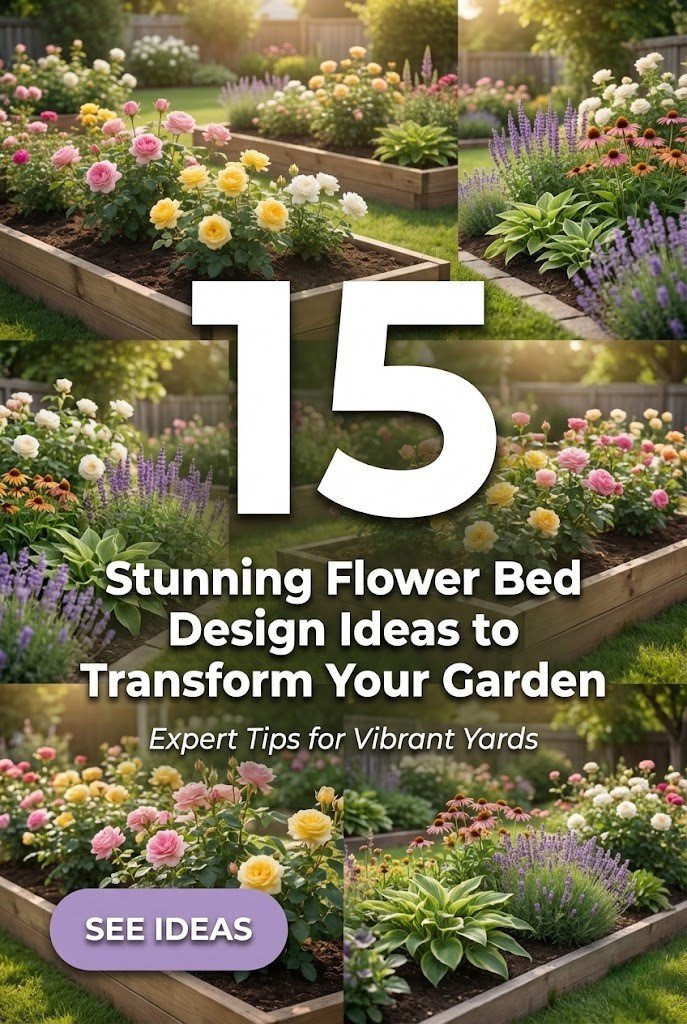
Creating a captivating flower bed design can elevate your outdoor space, turning a simple yard into a vibrant oasis. Whether you’re aiming for a low-maintenance setup or a colorful display that attracts pollinators, thoughtful flower bed design starts with understanding your soil, sunlight, and personal style. You’ll want to consider factors like plant height, color schemes, and seasonal interest to ensure your beds bloom beautifully year-round.
With the right flower bed design, you can enhance curb appeal, provide habitat for wildlife, and even incorporate edible elements for added functionality. These ideas draw from proven gardening principles, helping you craft beds that are both aesthetically pleasing and practical. Get ready to dig in and discover designs that suit any space or budget.
1) Raised Flower Bed Elegance
A raised flower bed involves building elevated planters using materials like wood, stone, or metal, filled with quality soil for optimal drainage and root growth. This design keeps your flowers contained and accessible, making it ideal for areas with poor soil or limited mobility.
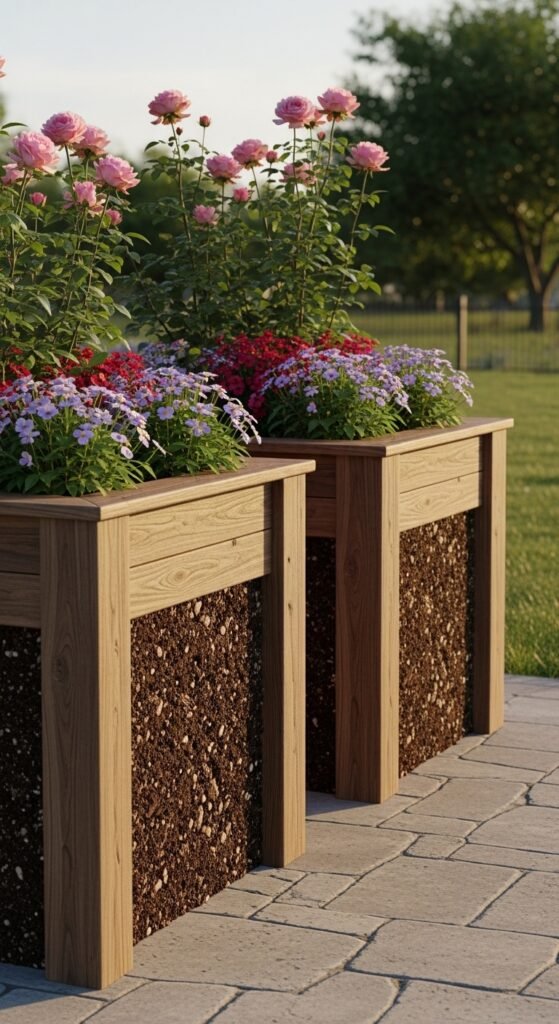
You’ll love this approach because it minimizes weeds, reduces back strain during maintenance, and allows for better control over soil composition. It’s particularly beneficial in urban settings or sloped yards, where traditional in-ground beds might struggle. Plus, raised beds warm up faster in spring, extending your growing season for earlier blooms.
To create one, outline your desired shape—rectangular or square works well—and build frames about 12-18 inches high. Fill with a mix of topsoil, compost, and perlite for aeration. Plant taller flowers at the back, like roses, transitioning to shorter ones in front for layered visual interest. Water deeply but infrequently to encourage strong roots.
2) Circular Flower Bed Charm
A circular flower bed design features a rounded layout, often centered around a focal point like a birdbath or statue, with plants arranged in concentric rings for a symmetrical look. This creates a soft, inviting focal point in your lawn or garden path.
Why choose this? It breaks up angular landscapes, promotes better airflow to reduce disease, and draws the eye naturally, enhancing overall garden flow. Perfect for small yards, it maximizes space while offering a whimsical touch that feels both classic and contemporary.
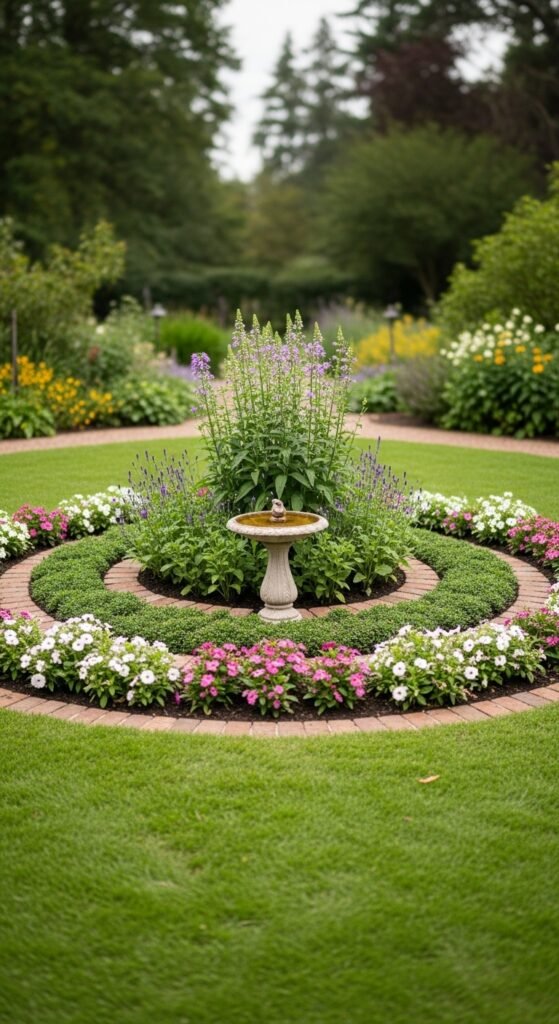
Start by marking a circle with a hose or string tied to a stake. Dig out the area, adding edging like bricks for definition. Layer plants by height: tall perennials in the center, mid-sized around them, and trailing edges at the perimeter. Incorporate drought-tolerant options if your climate demands it, drawing inspiration from drought-tolerant flowers for sustainability. Mulch to retain moisture and suppress weeds.
3) Border Flower Bed Simplicity
Border flower beds line pathways, fences, or property edges with a narrow strip of blooms, using low-growing plants to define spaces without overwhelming them. This design adds color and structure to otherwise plain areas.
You’ll appreciate borders for their ability to frame your yard, guide foot traffic, and integrate seamlessly with existing landscaping. They require less space than full beds, making them ideal for beginners or those with limited time, while still boosting biodiversity.
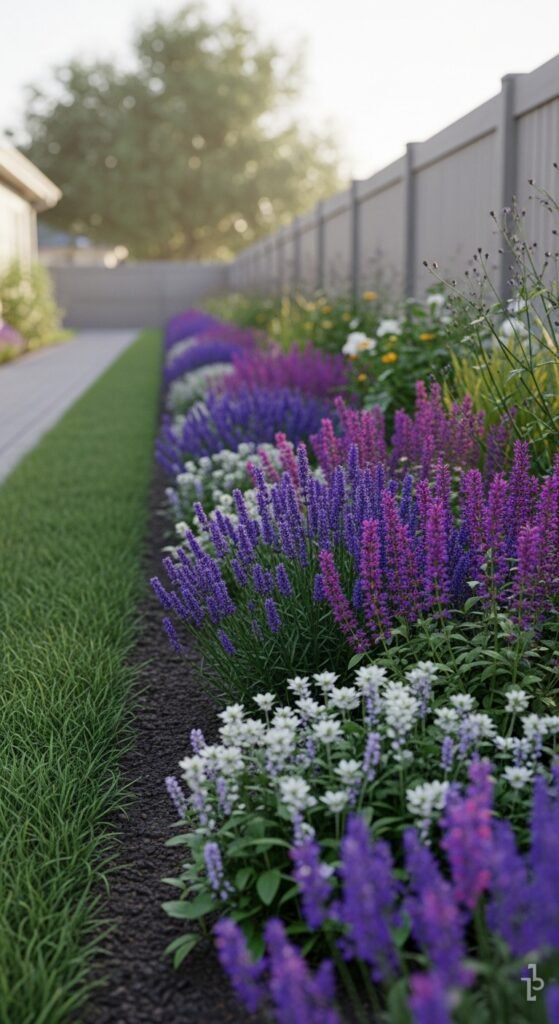
To implement, prepare a 2-3 foot wide trench along your chosen edge, amending soil with organic matter. Select plants like lavender or salvia for fragrance and pollinator appeal. Plant in groups for impact, spacing according to mature size. For a cohesive look, consider cottage garden ideas to mix perennials and annuals. Regular deadheading keeps it tidy and encourages reblooming.
4) Island Flower Bed Drama
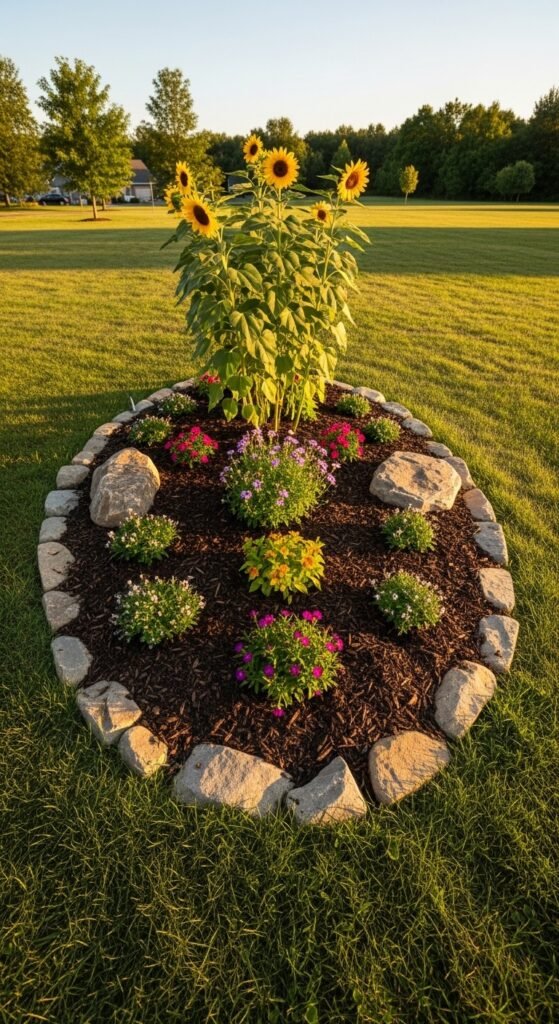
An island flower bed stands alone in open lawn space, shaped irregularly or oval, with plants of varying heights creating a standalone showcase. It’s like a floral island in a sea of grass.
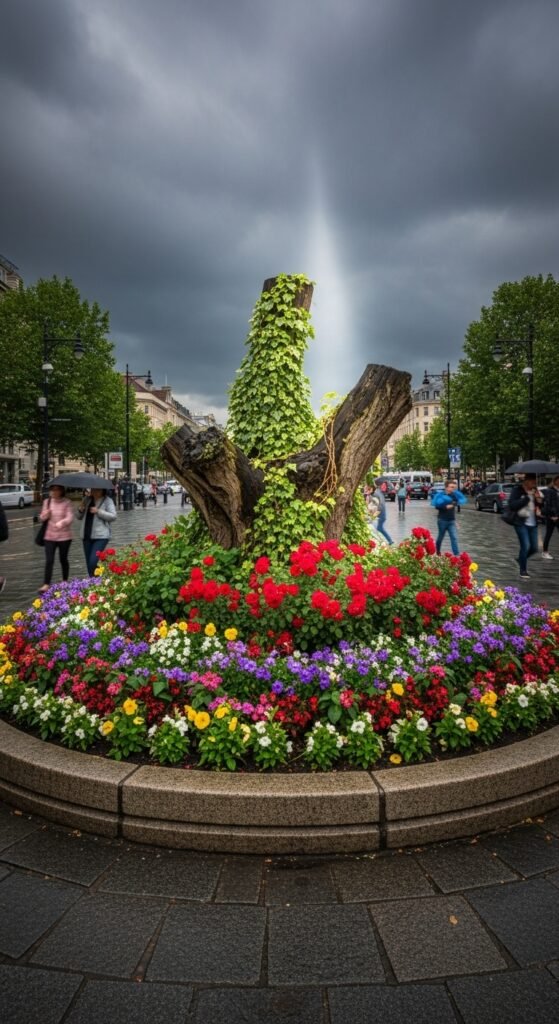
This design excels at adding dimension to flat yards, attracting butterflies, and serving as a natural divider for larger properties. Why it works: It provides 360-degree views, allowing creative planting from all angles, and can hide unsightly utilities.
Begin by mowing a outline and removing sod. Build up soil in the center for elevation, then plant tall anchors like sunflowers first, surrounding with medium fillers and groundcovers. Enhance with rocks or mulch for texture. If aiming for wildlife, integrate elements from pollinator garden design. Prune annually to maintain shape and vitality.
5) Tiered Flower Bed Layers
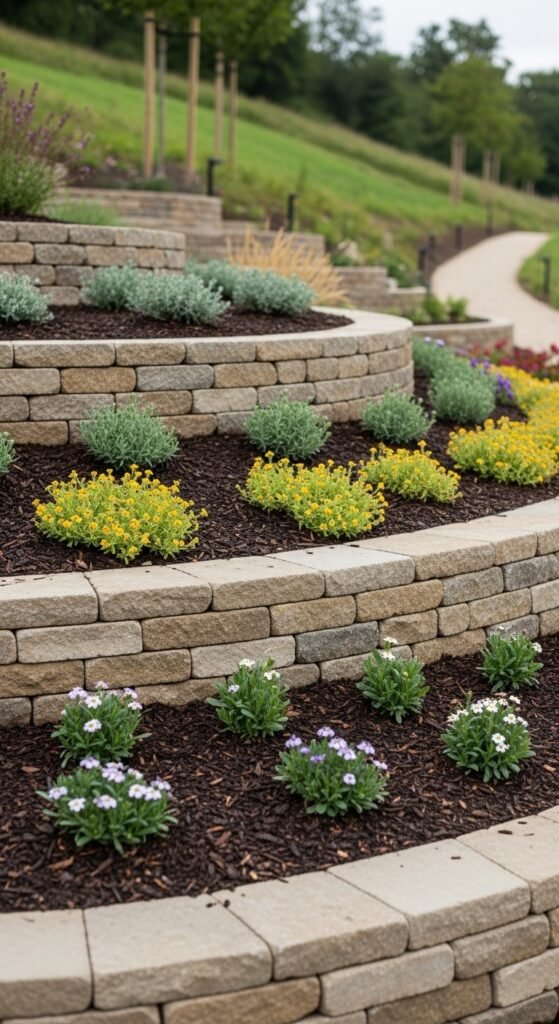
Tiered flower beds use stacked levels, often with retaining walls, to create cascading displays on slopes or flat ground. Each tier hosts different plants, building visual depth.
You’ll find this design transformative for uneven terrain, preventing erosion while allowing easy access to each level. It maximizes vertical space, ideal for small gardens, and enables diverse microclimates for varied flora.
Construct by excavating steps into the slope, securing with stones or timber. Fill each tier with enriched soil, planting drought-resistant species on top where drainage is best. Lower tiers suit moisture-loving plants. Draw from low maintenance garden ideas by choosing perennials that require minimal upkeep. Irrigate from top to bottom for efficiency.
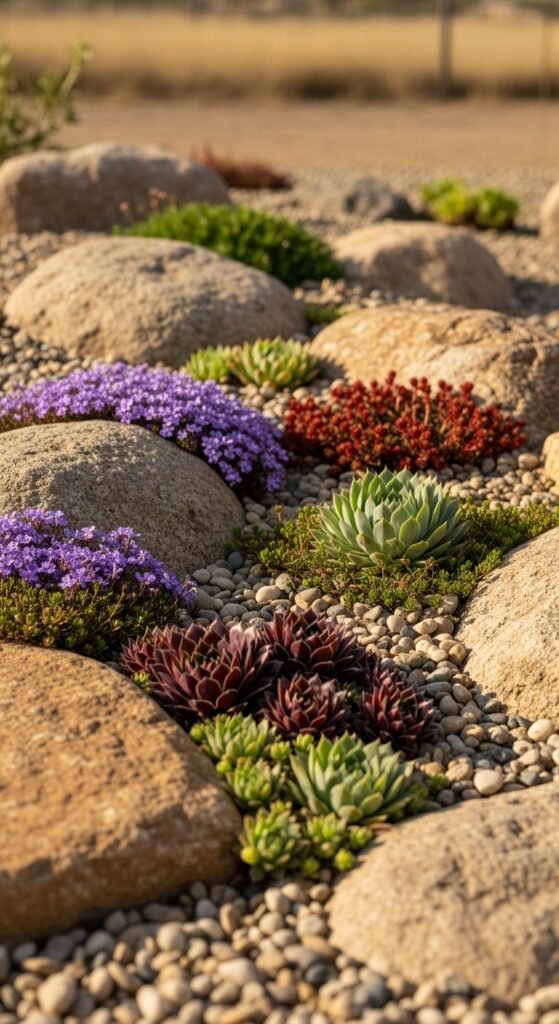
6) Rock Garden Flower Bed Texture
A rock garden flower bed incorporates boulders, pebbles, and alpine plants in a naturalistic setup, mimicking mountain landscapes. Rocks provide structure amid low-growing flowers.
Opt for this if you seek low-water beauty; it’s drought-resistant, reduces mowing, and adds rugged charm. Why effective: Rocks retain heat, benefiting heat-loving plants, and improve drainage in clay soils.
Arrange large rocks first for anchors, then fill gaps with gravel and soil pockets. Plant succulents, sedums, or creeping phlox between them. For inspiration, explore desert garden ideas to select hardy varieties. Minimal watering and occasional weeding keep it pristine.
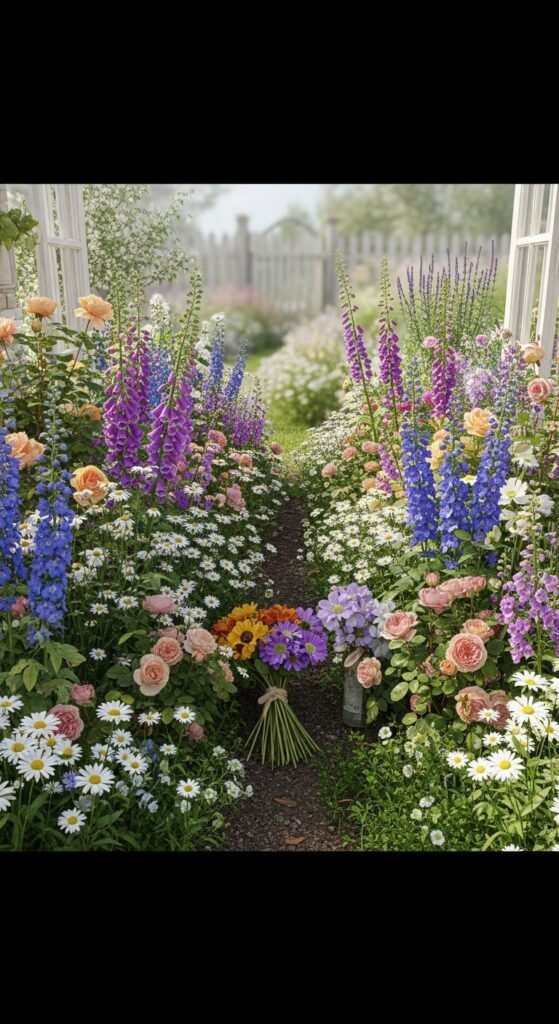
7) Cottage Style Flower Bed Whimsy
Cottage style flower beds overflow with mixed perennials, herbs, and climbers in informal clusters, evoking English countryside charm. Colors blend freely for a romantic vibe.
This design captivates with its relaxed abundance, supporting pollinators and offering cut flowers. You’ll enjoy the ever-changing display and low formality, perfect for creative gardeners.
Prepare soil richly, then plant densely: roses, foxgloves, and delphiniums for height, with daisies filling in. Allow self-seeding for natural evolution. Complement with paths or fences. If expanding, reference cut flower garden layout for harvesting tips. Stake tall stems to prevent flopping.
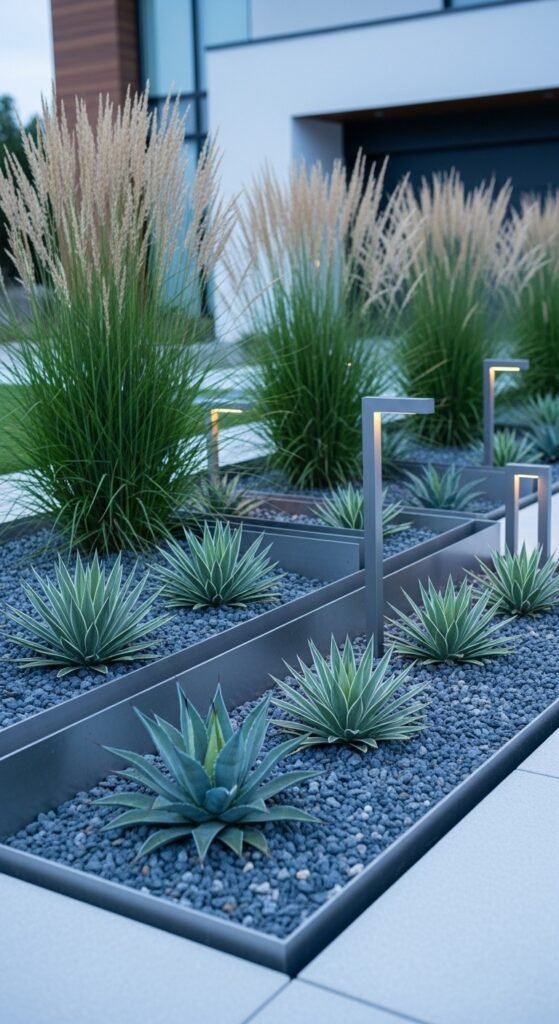
8) Modern Minimalist Flower Bed Sleekness
Modern minimalist flower beds feature clean lines, geometric shapes, and limited palettes, using grasses, succulents, and sculptural plants for understated elegance.
Choose this for contemporary homes; it requires little maintenance, emphasizes form over fuss, and creates serene spaces. Why it shines: Simplicity highlights architecture and provides calm amid busy lives.
Design with straight edges or circles, using mulch or gravel for groundcover. Plant in repeats: ornamental grasses flanked by agaves. Limit to 3-5 species. For modern twists, incorporate modern garden design elements like metal accents. Trim sparingly to preserve crispness.
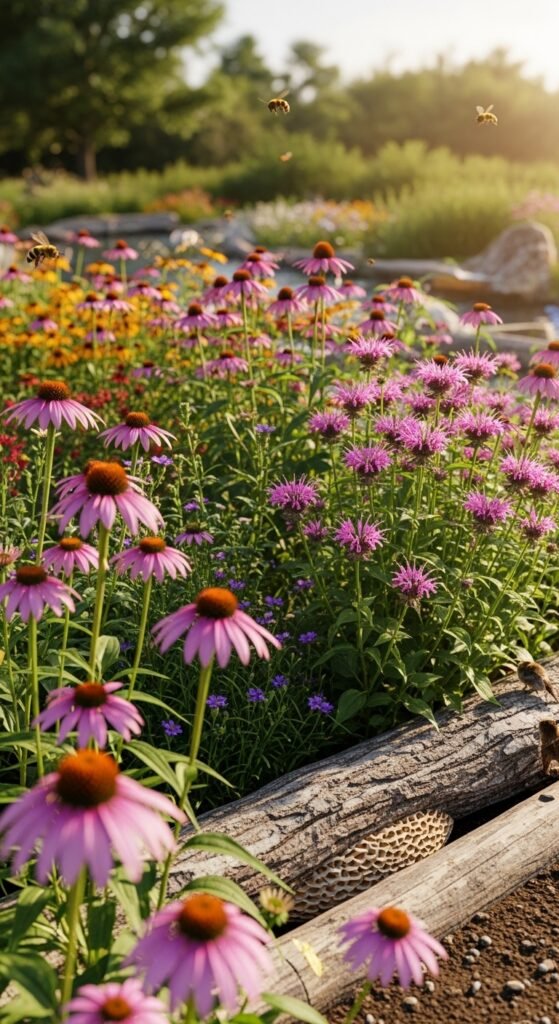
9) Pollinator-Friendly Flower Bed Buzz
A pollinator-friendly flower bed prioritizes nectar-rich natives like coneflowers and bee balm, arranged in drifts to attract bees, butterflies, and birds.
You’ll benefit from increased biodiversity, better pollination for nearby veggies, and a lively garden. This eco-conscious choice supports local ecosystems while adding vibrant motion.
Select sunny spots, grouping plants by bloom time for continuous food. Avoid pesticides; include water sources. Enhance with host plants for larvae. Build on pollinator garden ideas by adding logs for nesting. Monitor and enjoy the visitors.
10) Shade Flower Bed Serenity
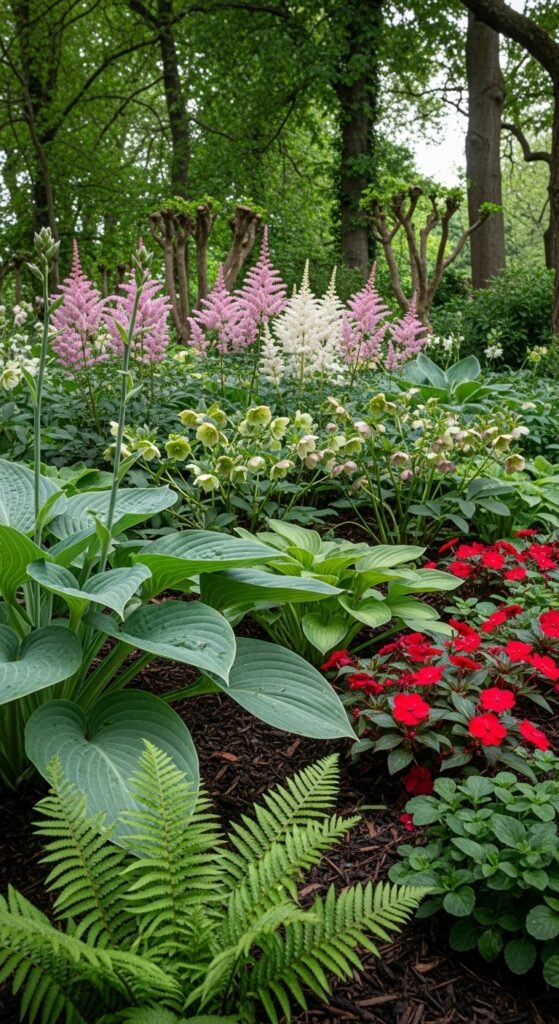
Shade flower beds thrive under trees or structures, using hostas, ferns, and impatiens for lush, green-dominant displays with subtle pops of color.
This design transforms dim areas into cool retreats, extending usable space. Why valuable: It suits north-facing yards, conserves water, and offers respite from sun.
Amend soil with compost for moisture retention. Layer textures: tall astilbes behind low hellebores. Mulch thickly. For variety, mix in shade-loving bulbs. Draw shade strategies from shade flowers selections. Prune overhead branches for dappled light.
11) Drought-Tolerant Flower Bed Resilience
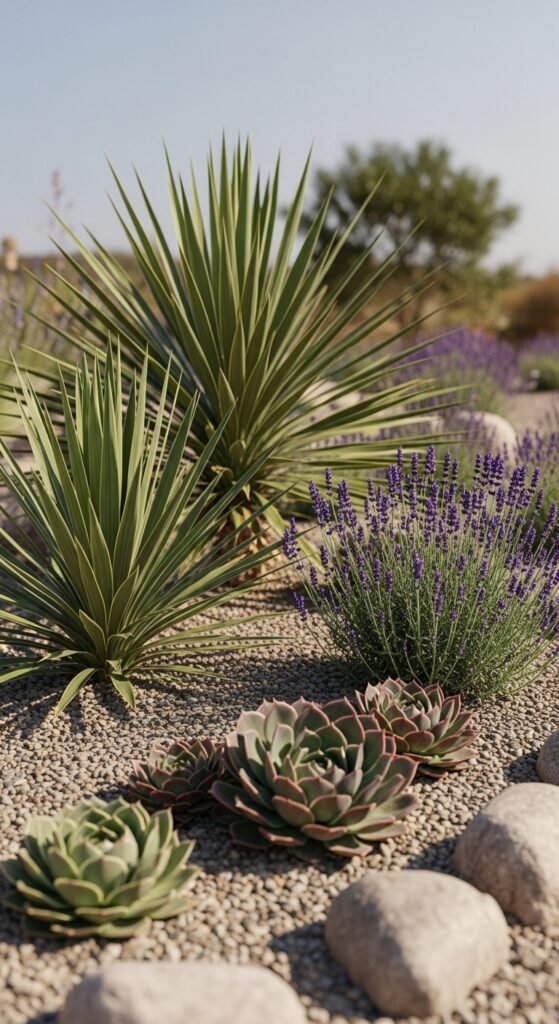
Drought-tolerant flower beds feature succulents, yuccas, and lavenders in gravel-mulched setups, designed for arid conditions with minimal irrigation.
Embrace this for water savings, lower bills, and hardy beauty in dry climates. It promotes sustainability while maintaining year-round interest through foliage textures.
Group plants by water needs, using deep-rooted species. Install drip lines if needed. Add rocks for heat reflection. Expand with xeriscape ideas for efficient layouts. Weed regularly to prevent competition.
12) Edible Flower Bed Fusion
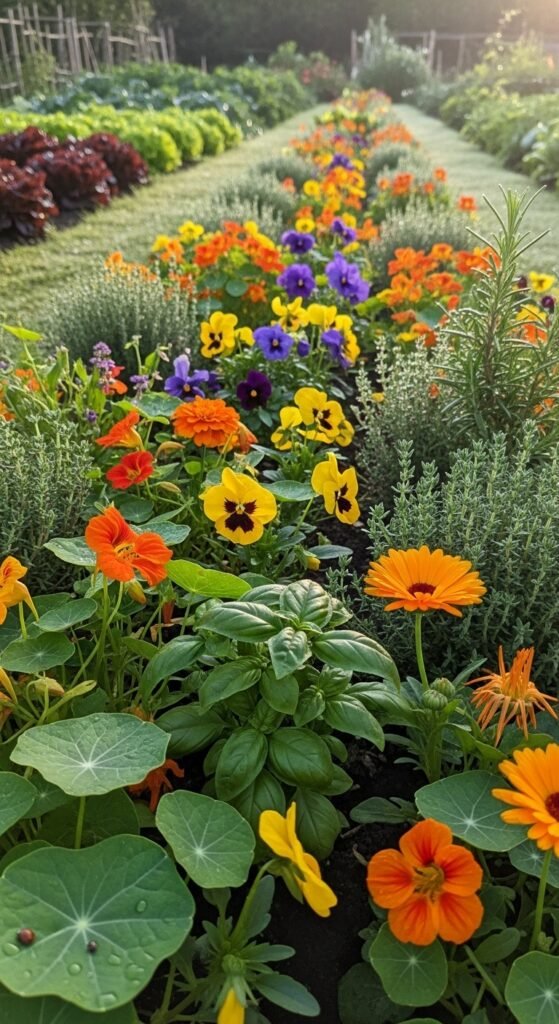
An edible flower bed blends beauty and utility, incorporating nasturtiums, violas, and calendulas alongside herbs for harvestable blooms.
You’ll gain dual-purpose plants: visual appeal plus fresh ingredients for salads or teas. This maximizes space, encourages organic practices, and connects you to your food.
Plan for sun exposure, planting in accessible rows. Companion with veggies for pest control. Harvest gently to prolong blooming. Explore edible flowers for safe varieties. Rotate annually for soil health.
13) Vertical Flower Bed Innovation
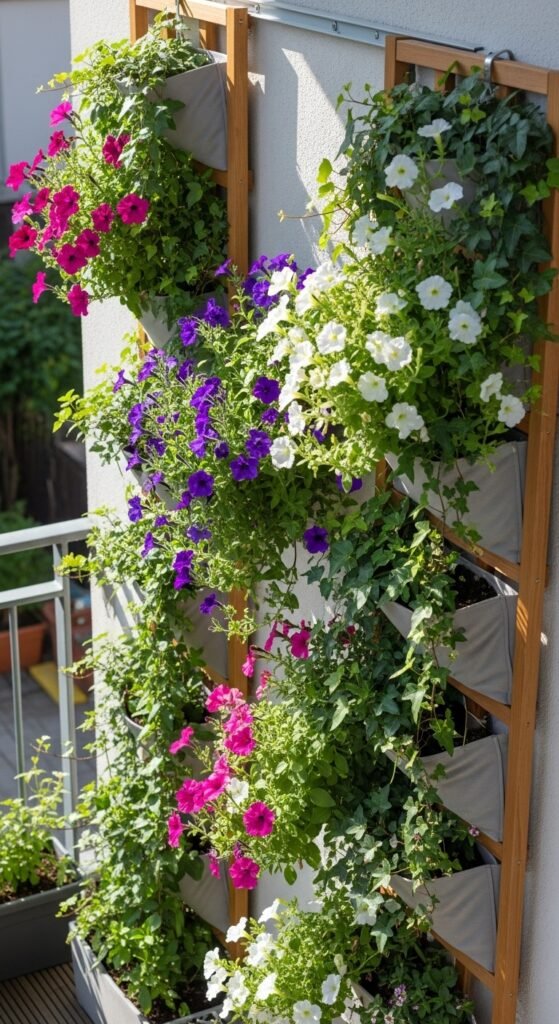
Vertical flower beds climb walls or trellises with vines, pockets, or stacked pots, saving ground space while adding height.
Ideal for balconies or tiny yards, this design increases planting area, improves air circulation, and creates living art. Why innovative: It turns blank walls into gardens.
Mount frames or use hanging systems, filling with trailing petunias or ivy. Ensure sturdy support. For ideas, reference vertical garden ideas. Water from top; fertilize lightly.
14) Themed Color Flower Bed Harmony
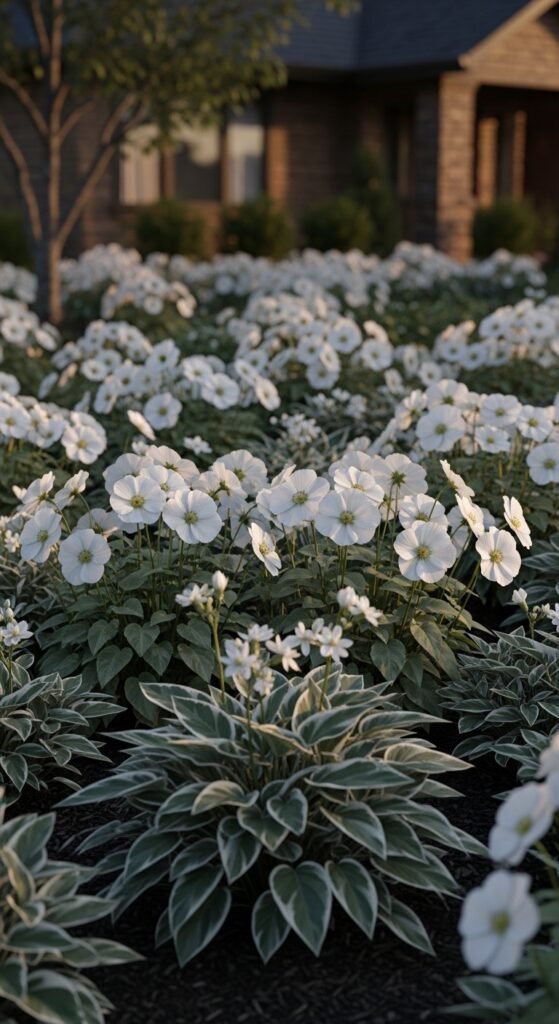
Themed color flower beds focus on a single hue or complementary scheme, like all-white for moon gardens or reds for energy, using coordinated plants.
This creates unified impact, evoking moods—calm or vibrant. You’ll enjoy therapeutic planning and standout aesthetics that complement your home.
Choose a palette, selecting plants with overlapping blooms. Group for density. Add foliage contrasts. Inspire with garden color schemes. Deadhead to extend color.
15) Wildflower Meadow Bed Freedom
A wildflower meadow bed scatters native seeds in a naturalized area, allowing informal growth for a prairie-like effect with minimal structure.
Opt for this low-effort wonder: It boosts ecology, requires little mowing, and evolves seasonally. Why freeing: It embraces imperfection for authentic beauty.
Prepare by clearing weeds, sow mixes suited to your zone. Mow once yearly. Include paths for access. Build on wildflower meadow techniques for success. Observe wildlife thrive.
Key Principles for Flower Bed Success
Soil Preparation Essentials
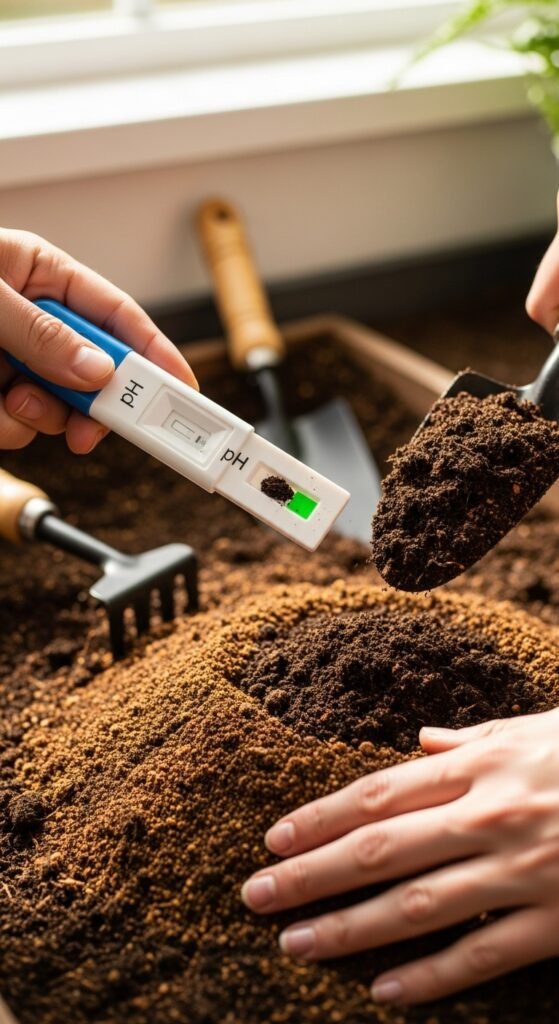
Test your soil pH and amend with compost to ensure nutrient-rich foundations. Healthy soil supports robust growth and reduces disease risks.
Plant Selection Strategies
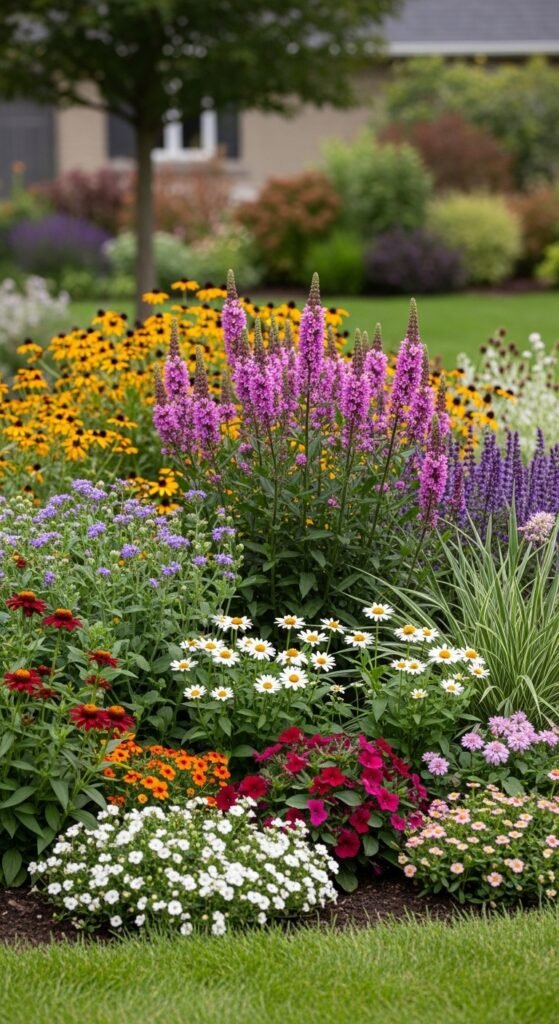
Choose varieties based on your zone, light, and water needs. Mix annuals for quick color with perennials for longevity.
Maintenance Best Practices
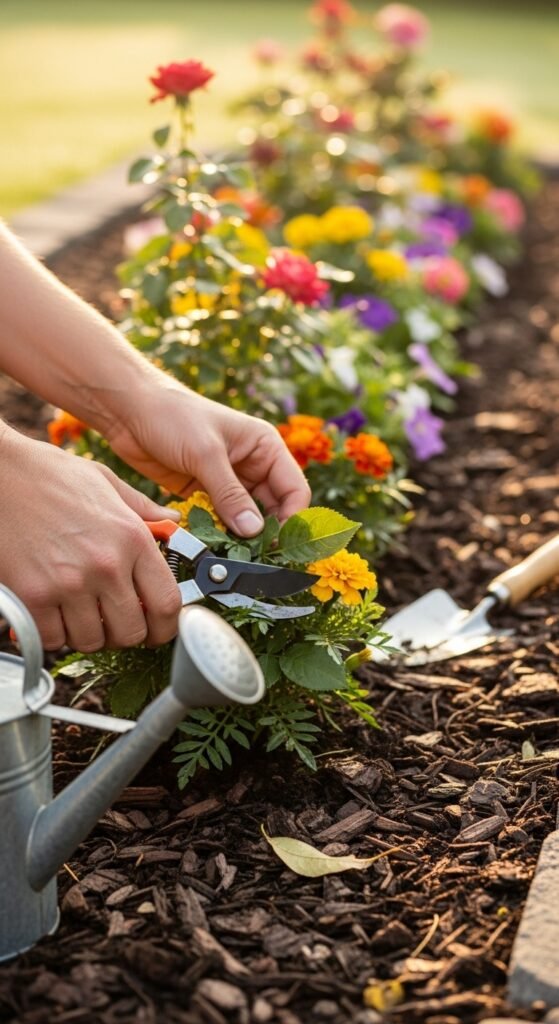
Water deeply in mornings, mulch to conserve moisture, and prune regularly. Monitor for pests to keep beds thriving.
Frequently Asked Questions
What is the best time to start a flower bed?
Spring or fall are ideal, allowing roots to establish before extreme weather. Check your local frost dates for precise timing.
How do I choose plants for my flower bed?
Consider sunlight, soil type, and climate. Opt for a mix of heights and bloom times for continuous interest.
Can I create a flower bed on a budget?
Yes, use seeds, propagate from friends’ plants, and repurpose materials for edging or mulch.
How often should I water my flower bed?
Typically once a week deeply, but adjust based on rainfall and plant needs. Overwatering can harm roots.
What if my flower bed has poor soil?
Amend with organic matter or consider raised beds to improve drainage and fertility quickly.