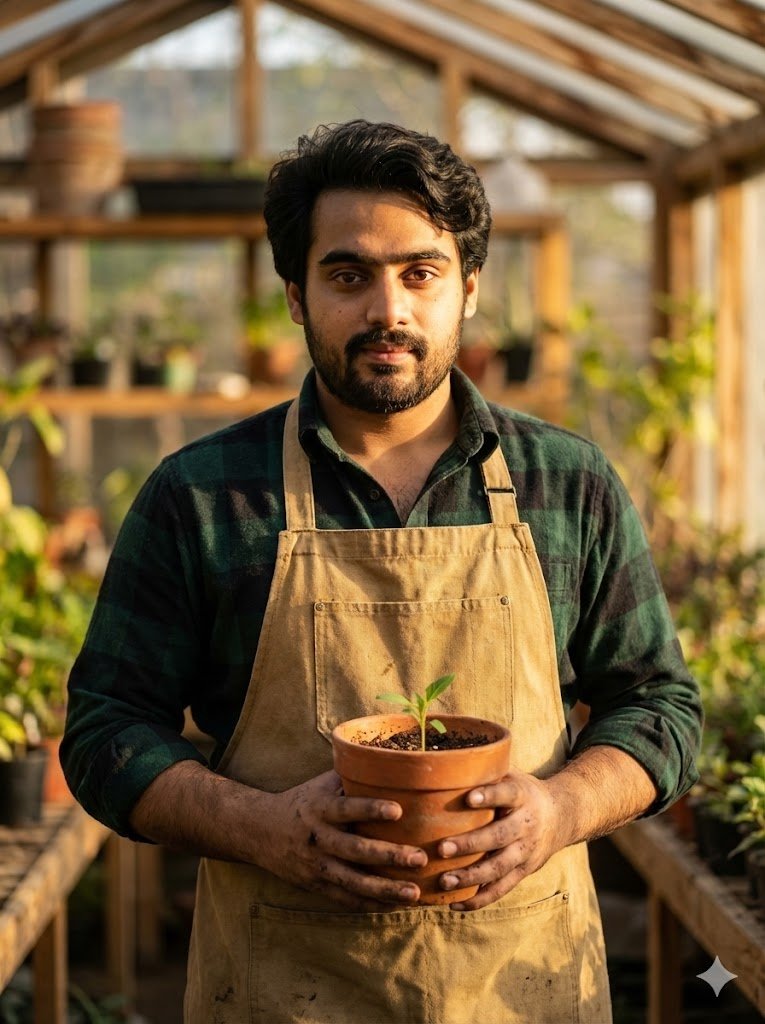
Imagine stepping into your backyard and plucking vibrant blooms to create beautiful arrangements that brighten your home year-round. A cut flower garden is a dedicated space where you cultivate flowers specifically for harvesting, blending beauty with practicality. Unlike ornamental beds, these gardens prioritize long-stemmed, long-lasting varieties that thrive when cut, offering you a sustainable source of fresh flowers without the need for store-bought bouquets.
The value of a cut flower garden extends beyond aesthetics—it’s a rewarding hobby that connects you to nature, reduces your carbon footprint, and can even save money on floral decorations for events or gifts. By choosing the right plants and layouts, you’ll enjoy abundant harvests and the satisfaction of nurturing something truly your own. Whether you’re a beginner or seasoned gardener, these ideas will help you design a thriving space tailored to your needs.
1) Raised Bed Layout for Easy Access
You can transform your cut flower garden by using raised beds, which elevate the soil for better drainage and easier maintenance. This setup involves constructing wooden or metal frames filled with nutrient-rich soil, ideal for flowers like zinnias and dahlias that need well-aerated roots.
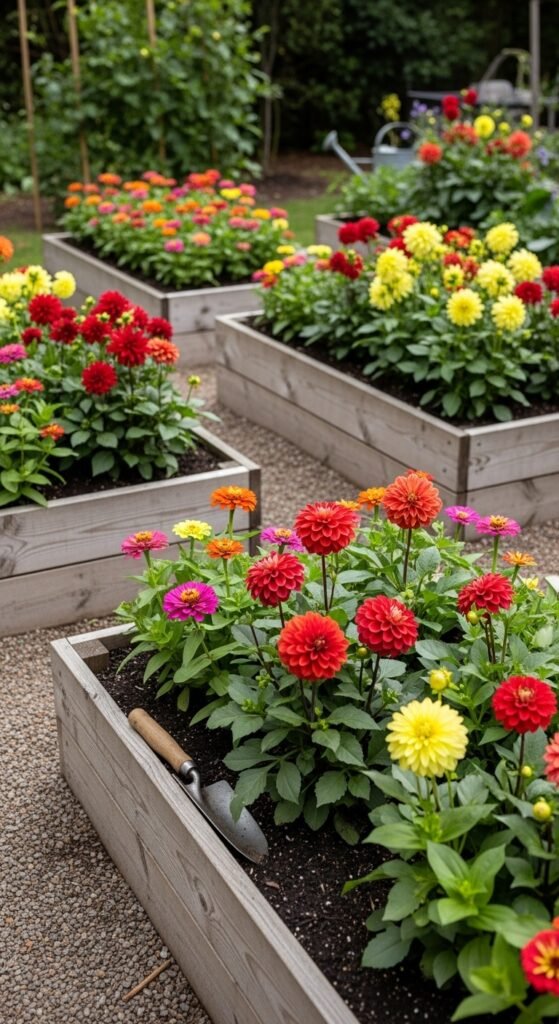
Why opt for this? Raised beds prevent soil compaction from foot traffic, reduce weed invasion, and make harvesting simpler, especially if you have mobility concerns. You’ll enjoy healthier plants and higher yields with less back strain. Additionally, they warm up faster in spring, extending your growing season.
To implement, choose a sunny spot and build beds 3-4 feet wide for easy reach. Fill with a mix of compost and topsoil, then plant in rows for efficient cutting. Incorporate zinnias for vibrant pops of color that last in vases.
2) Succession Planting for Continuous Blooms
Succession planting means sowing seeds or transplanting seedlings at staggered intervals, ensuring a steady supply of flowers throughout the season. In your cut flower garden, this keeps blooms coming without gaps, perfect for varieties like cosmos and sunflowers.
The benefit lies in maximizing space and extending harvest time, so you always have fresh cuts available. It prevents overwhelming gluts and minimizes waste, providing consistent beauty and variety for your arrangements. This method also promotes soil health by rotating plantings.
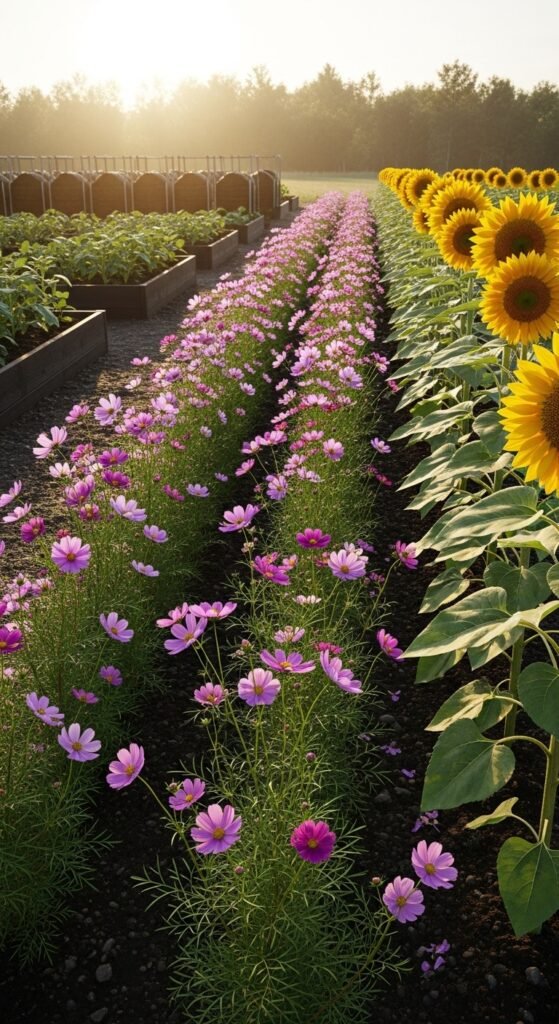
Start by planning your calendar: sow seeds every 2-3 weeks in prepared beds. Use frost-tolerant options early and heat-lovers later. For example, follow early sweet peas with mid-season zinnias to maintain flow.
3) Companion Planting for Natural Pest Control
Incorporate companion plants like marigolds and nasturtiums alongside your main cut flowers to deter pests naturally. This idea pairs beneficial species that protect each other, creating a balanced ecosystem in your garden.
Why does it work? Companions repel insects, attract pollinators, and improve soil nutrients, leading to healthier, more resilient plants without chemicals. You’ll see fewer aphids on roses and better overall growth, enhancing bouquet quality.
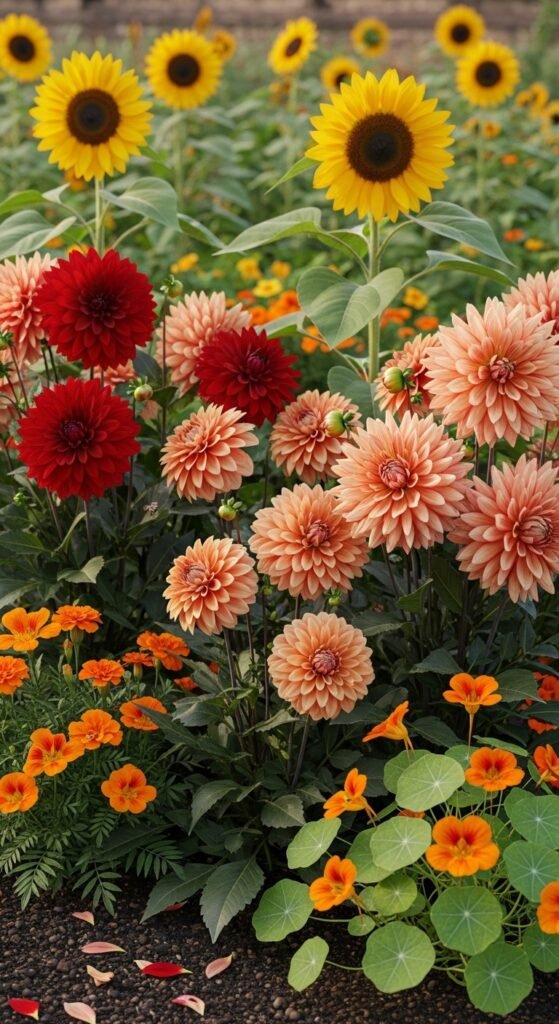
To apply, plant marigolds around dahlias or basil near sunflowers. Space them evenly in rows or clusters, ensuring sunlight reaches all. This approach not only safeguards your blooms but also adds visual interest with diverse textures.
4) Perennial and Annual Mix for Year-Round Interest
Blend perennials like echinacea and black-eyed Susans with annuals such as zinnias for a dynamic cut flower garden that evolves seasonally. Perennials return yearly, while annuals provide quick, abundant color.
This combination offers sustainable longevity and instant gratification, reducing replanting efforts while ensuring variety. Perennials build structure, and annuals fill gaps, creating lush, harvest-ready beds.
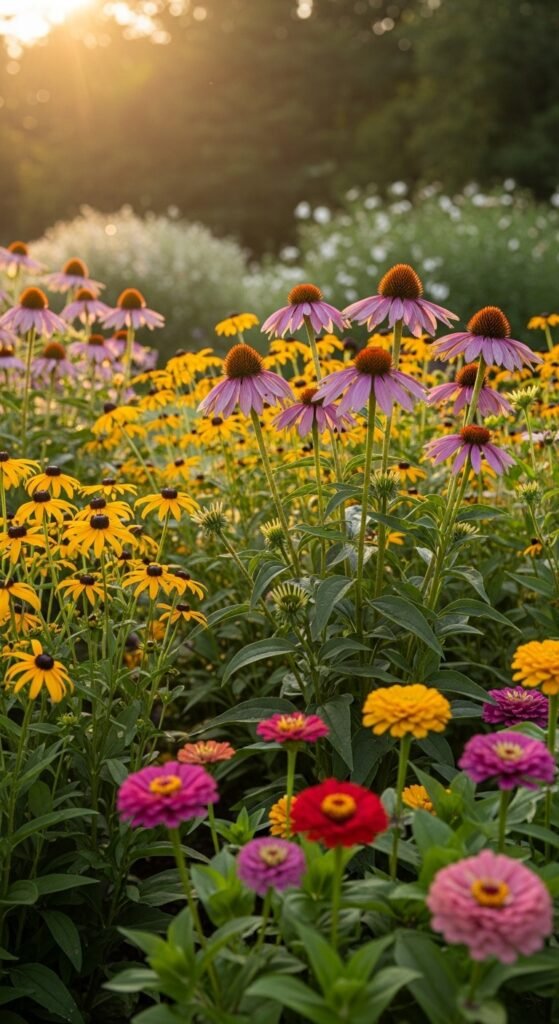
Select a sunny location and group by height: tall perennials at the back, shorter annuals in front. Amend soil with compost annually. Try adding echinacea for sturdy stems that hold up well in arrangements.
5) Color-Themed Sections for Themed Bouquets
Divide your cut flower garden into color zones, such as a red-hot area with salvia and zinnias or a cool blue section with delphiniums. This organizes plants by hue for easy thematic harvesting.
The advantage? It simplifies creating coordinated bouquets for occasions, boosting creativity and visual appeal. You’ll achieve professional-looking arrangements effortlessly, with the garden itself becoming a stunning display.
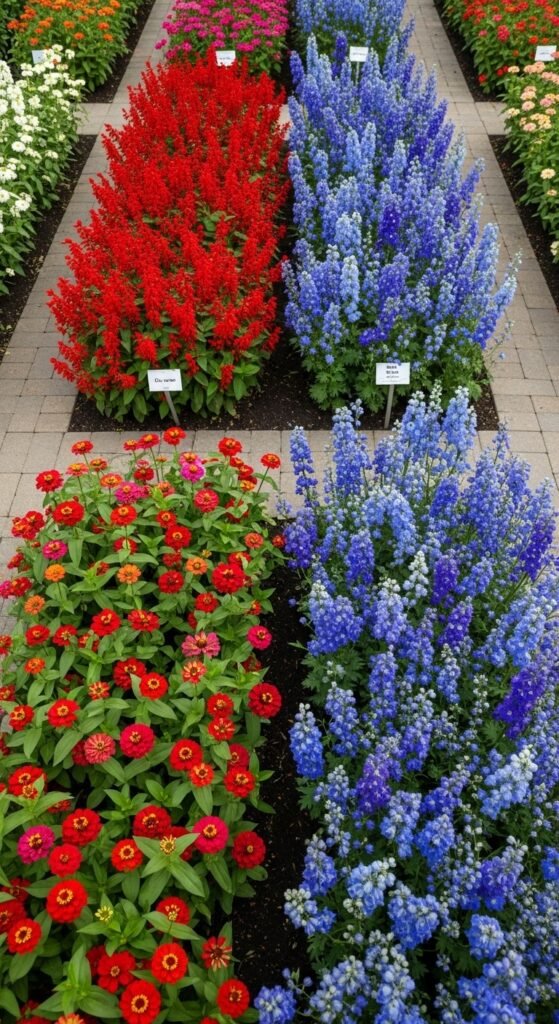
Map out sections based on soil and sun needs, planting densely for abundance. Rotate colors seasonally to refresh the look. Include cosmos in pastel zones for airy, long-lasting fillers.
6) Vertical Trellises for Space Efficiency
Utilize trellises to grow climbing flowers like sweet peas and morning glories vertically, saving ground space in your cut flower garden. This elevates blooms for better air circulation and easier picking.
Vertical growth maximizes small areas, increases yields, and adds height for dramatic effect. You’ll benefit from more flowers in less space, ideal for urban gardens, with reduced disease risk.
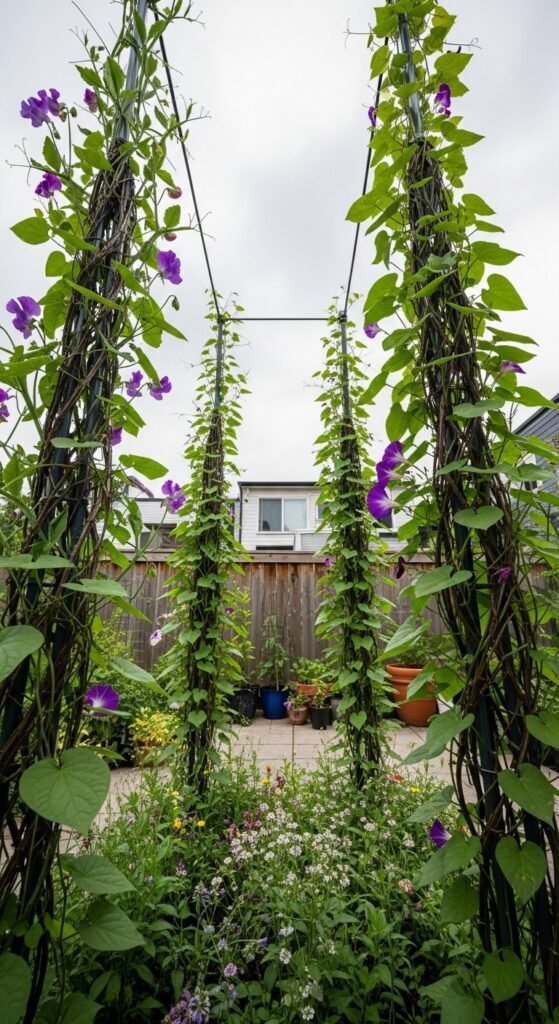
Install sturdy trellises in sunny spots, training vines upward. Plant at the base and tie gently as they grow. Pair with ground-level fillers for full beds.
7) Pollinator-Friendly Additions for Better Yields
Integrate pollinator-attracting plants like lavender and salvia into your cut flower garden to boost bee and butterfly activity. These enhance pollination, leading to more robust blooms.
Why include them? Pollinators improve flower quality and quantity, supporting biodiversity while giving you abundant, vibrant cuts. It’s a win for ecology and your vases.
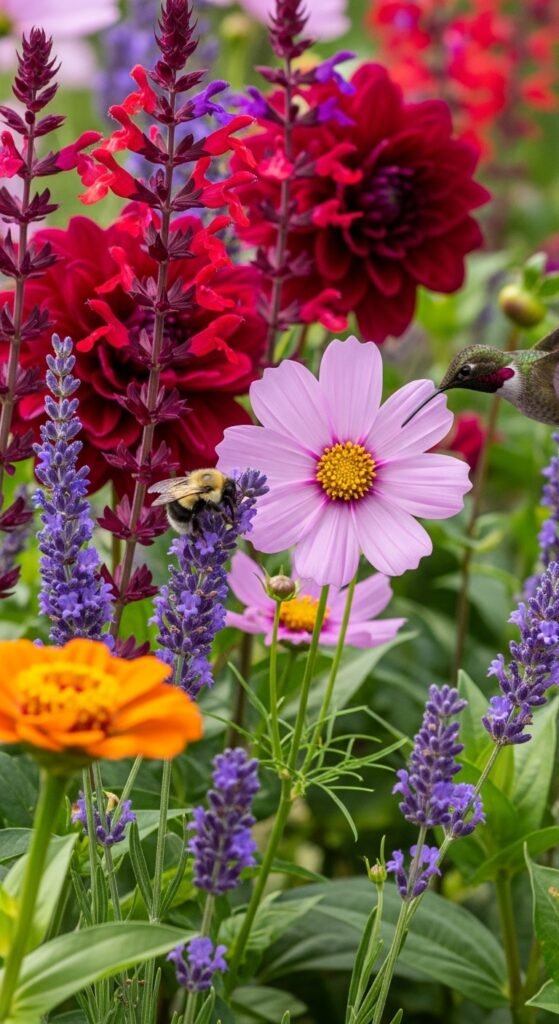
Scatter throughout beds or dedicate borders. Choose native varieties for best results. Add lavender for fragrant stems that double as bouquet accents.
8) Soil Preparation with Organic Amendments
Enrich your cut flower garden soil with compost, manure, and mulch to create a fertile base for blooms like dahlias and sunflowers. This builds structure and nutrients organically.
Proper preparation ensures vigorous growth and longer vase life, preventing nutrient deficiencies that weaken stems. It’s foundational for a thriving garden.
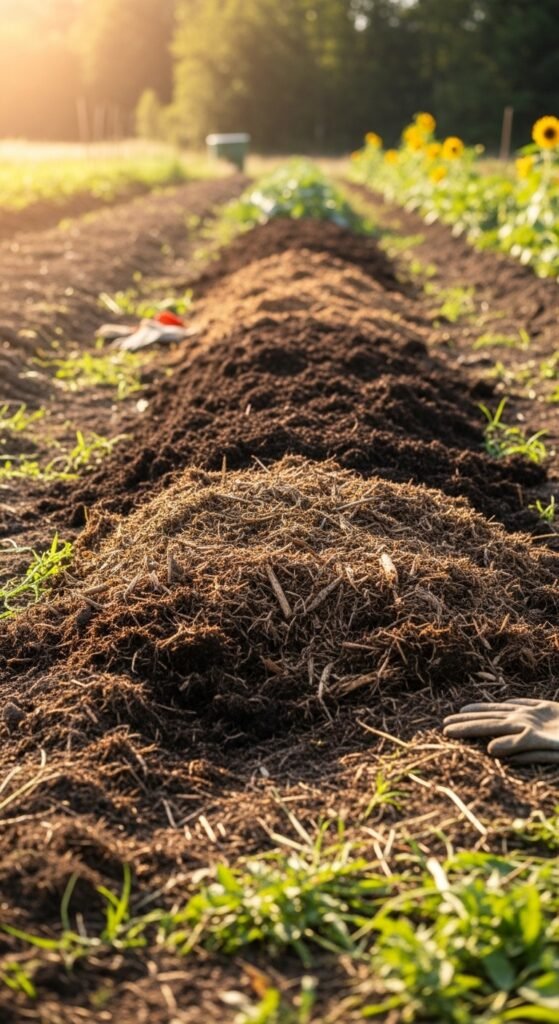
Test soil pH first, aiming for 6.0-7.0. Incorporate amendments in fall or spring, tilling lightly. Top with mulch to retain moisture.
9) Efficient Irrigation Systems for Healthy Roots
Install drip lines or soaker hoses in your cut flower garden to deliver water directly to roots, minimizing evaporation and leaf wetness.
This conserves water, reduces fungal issues, and promotes deep rooting for sturdy stems. You’ll harvest more without waste.
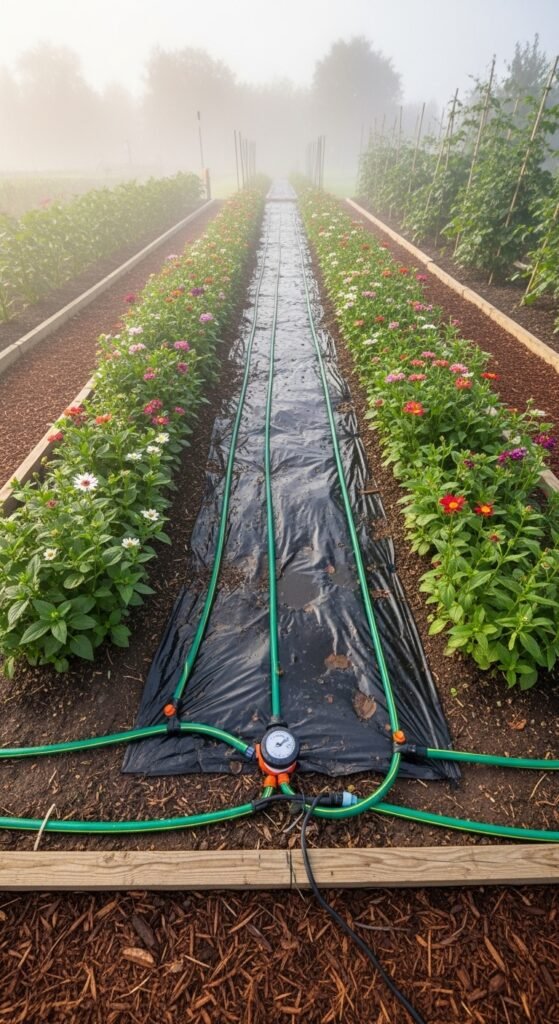
Layout hoses along rows, connecting to a timer for consistent watering. Mulch over to hide and insulate. Adjust for seasonal needs.
10) Harvesting Techniques for Longer Vase Life
Adopt proper cutting methods, like harvesting in the cool morning with sharp shears, to extend the life of your cut flowers.
Correct techniques preserve plant health and maximize bouquet longevity, offering weeks of enjoyment from each stem.
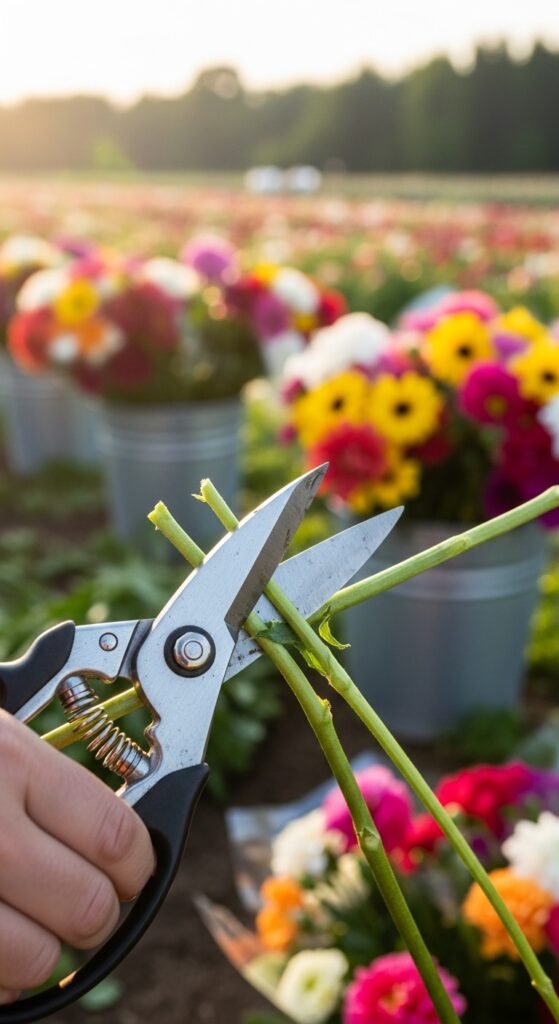
Cut at a 45-degree angle, immediately placing in water. Strip lower leaves to prevent decay. Focus on buds just opening for best results.
11) Small-Space Solutions with Containers
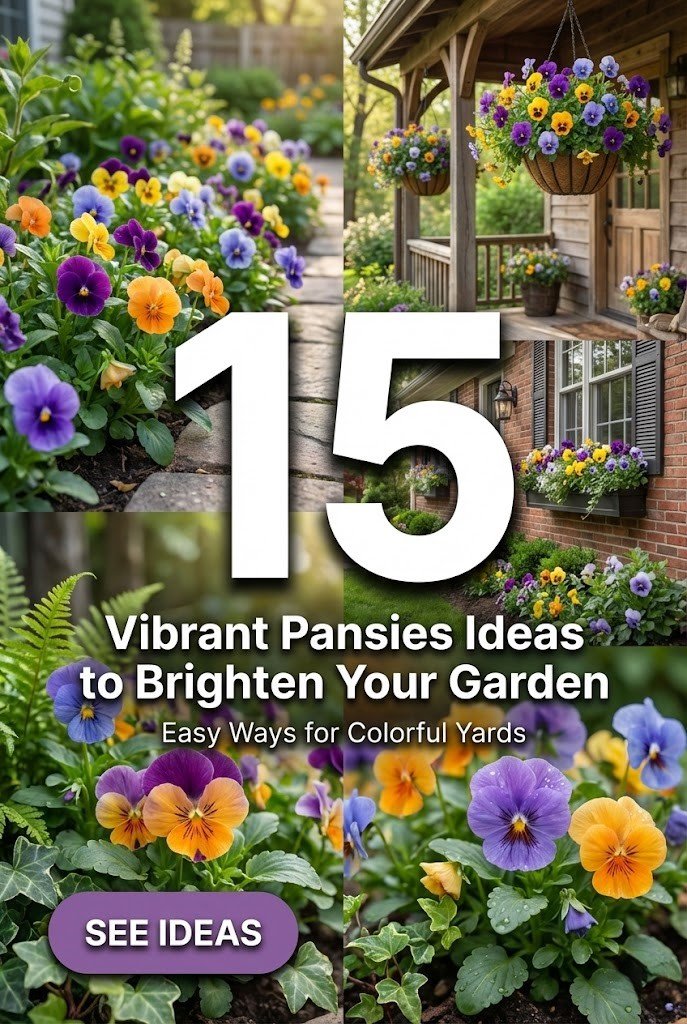
For limited areas, use pots and containers to grow cut flowers like pansies and snapdragons, allowing flexibility in placement.
This enables gardening anywhere, providing portable beauty and easy care. Ideal for balconies or patios.
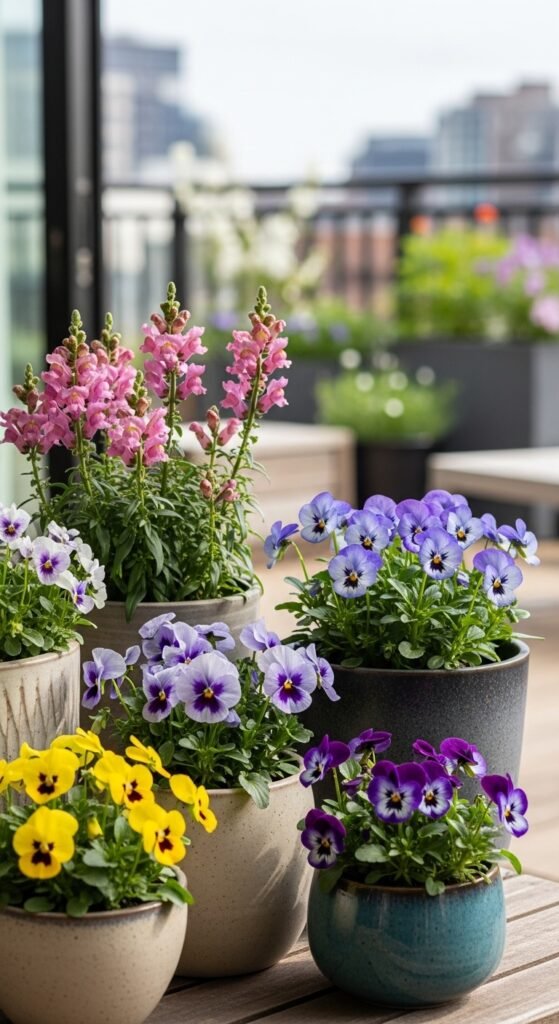
Choose large pots with drainage, filling with quality mix. Group for impact and rotate for sun. Include snapdragons for vertical interest.
12) Seasonal Planning for All-Year Harvests
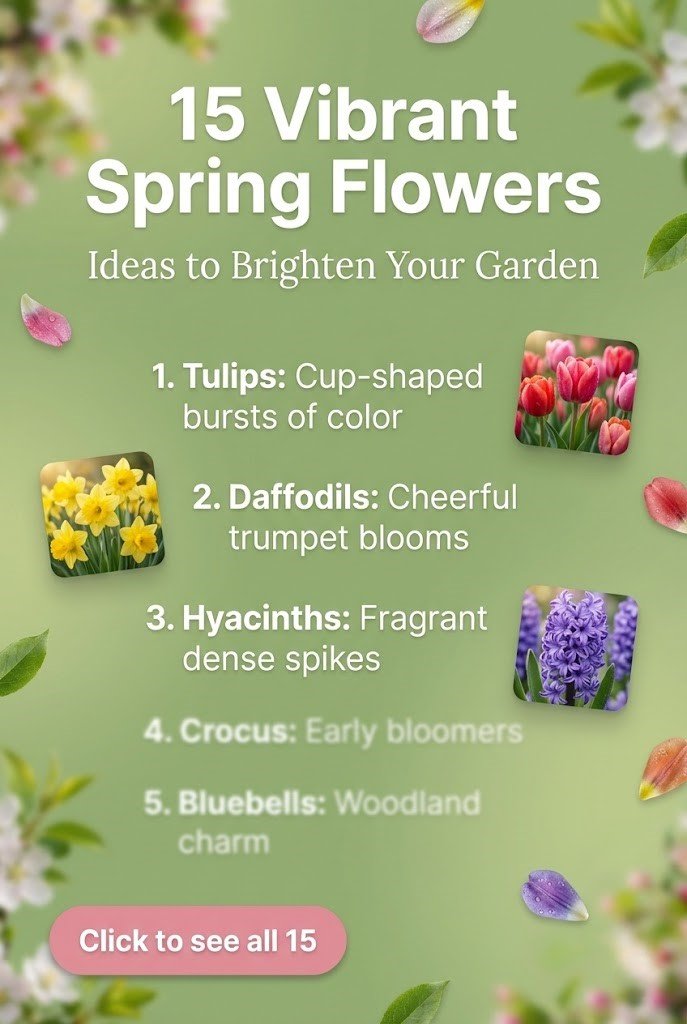
Plan your cut flower garden around seasons, planting cool-weather blooms like tulips in spring and heat-tolerant ones like zinnias in summer.
This ensures year-round supply, adapting to climate for optimal growth and variety.
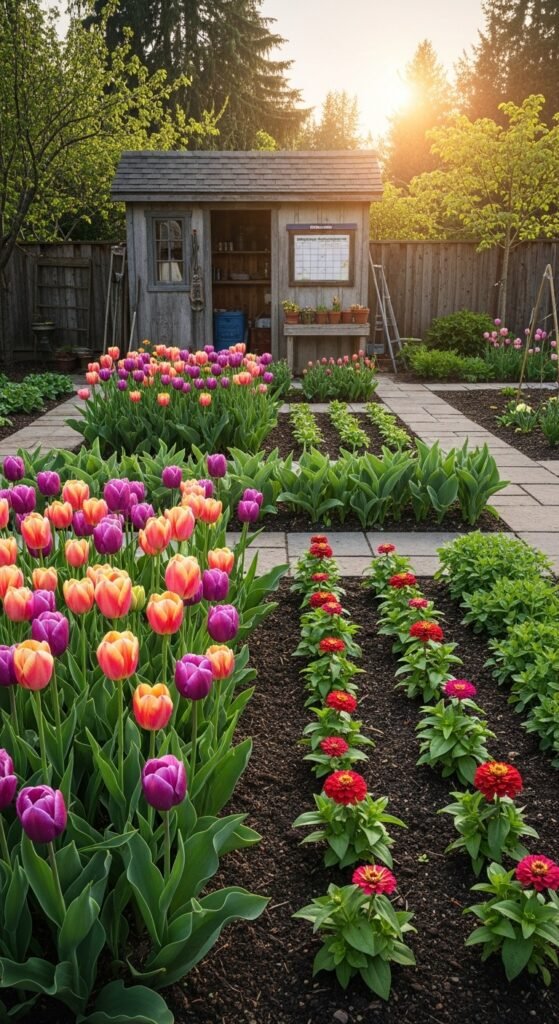
Use a planting calendar to schedule sowings. Overwinter perennials for early starts. Transition smoothly between seasons.
13) Organic Pest Management Strategies
Employ natural methods like neem oil and beneficial insects to protect your cut flower garden from pests without harsh chemicals.
This maintains ecosystem balance, ensuring safe, healthy blooms for home use.
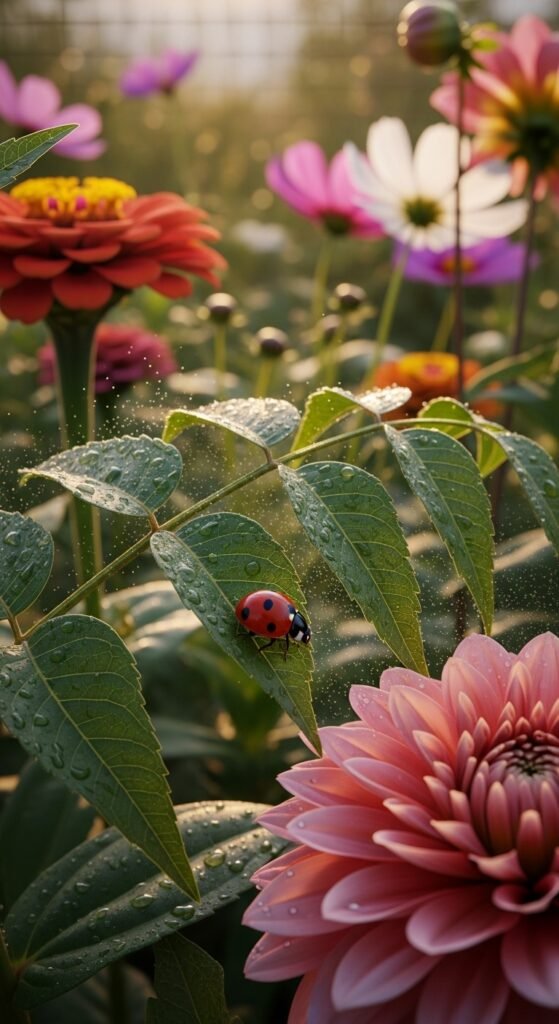
Monitor plants weekly, applying treatments early. Encourage ladybugs for aphid control. Rotate crops to prevent buildup.
14) Integrating Foliage for Fuller Arrangements
Add foliage plants like eucalyptus or ferns to your cut flower garden for greenery that complements blooms in bouquets.
Foliage adds texture and volume, creating professional, balanced arrangements with depth.
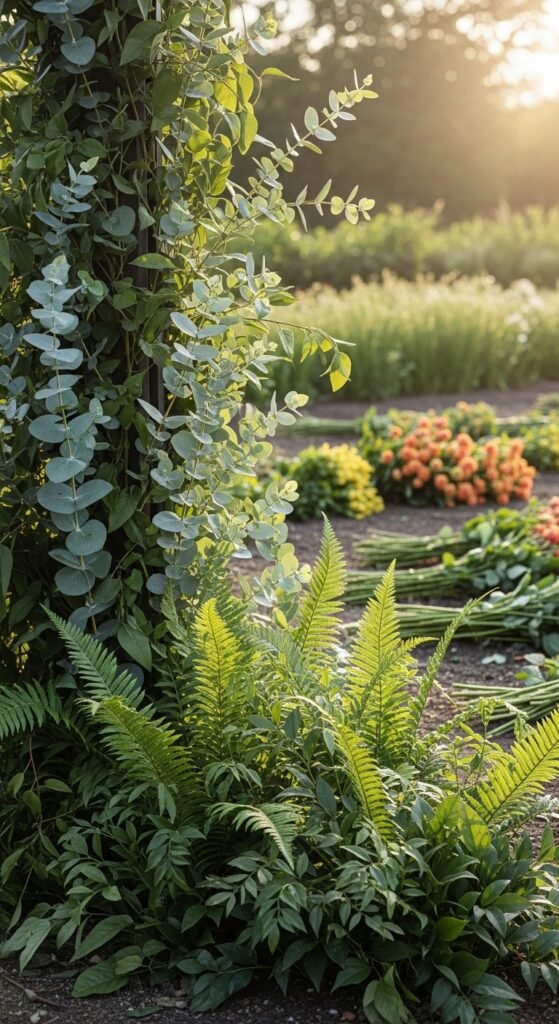
Plant in dedicated sections or intersperse. Harvest mature leaves regularly. Pair with flowers for contrast.
15) Sustainable Practices for Eco-Friendly Gardening
Adopt eco-friendly habits like rainwater collection and composting in your cut flower garden to minimize environmental impact.
These promote sustainability, yielding guilt-free beauty while enriching soil naturally.
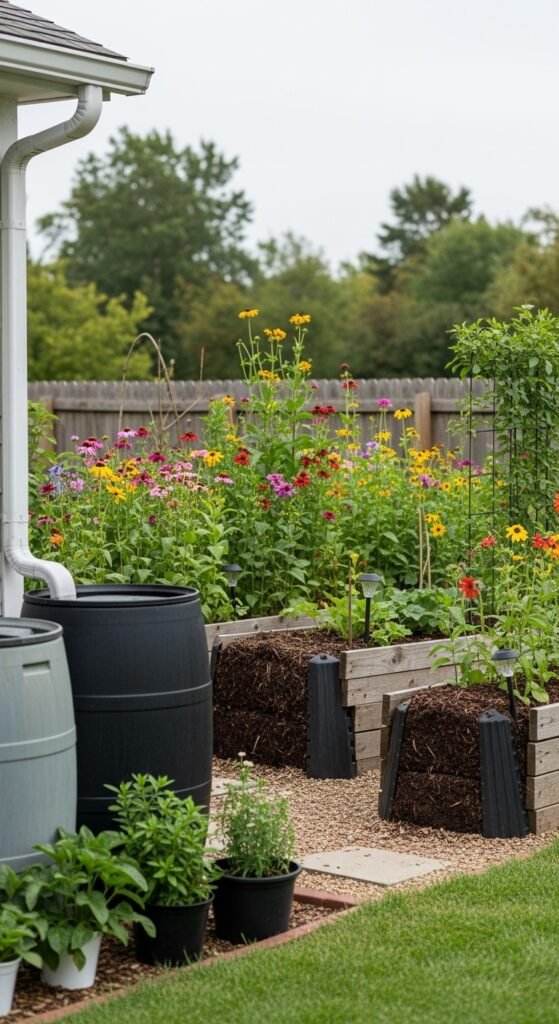
Set up barrels for irrigation and compost clippings. Choose native plants to reduce water needs.
Key Principles for a Successful Cut Flower Garden
Site Selection and Sunlight Optimization
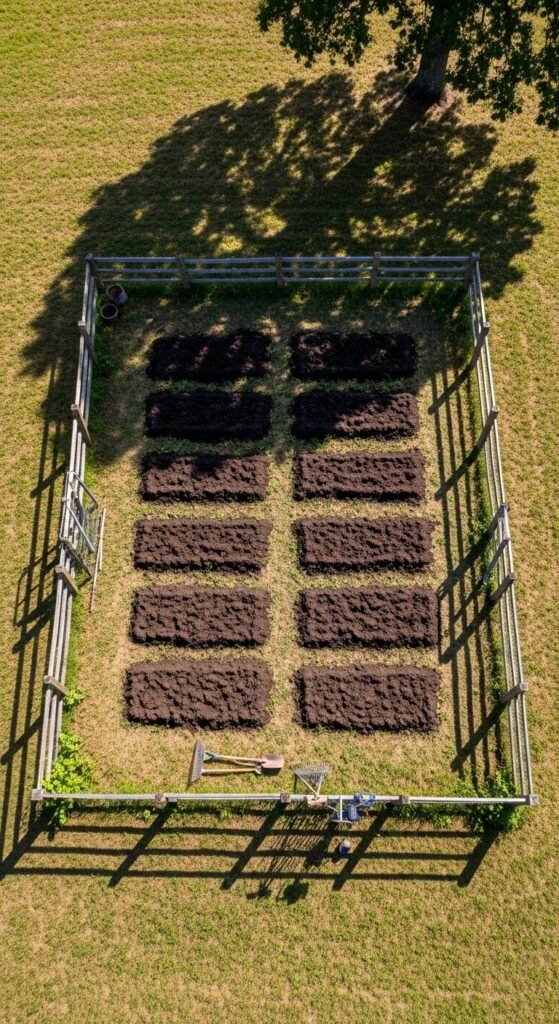
Choose a location with at least 6-8 hours of direct sunlight daily, as most cut flowers thrive in full sun. Consider wind protection and soil drainage to avoid issues like lodging or root rot.
Plant Selection and Diversity
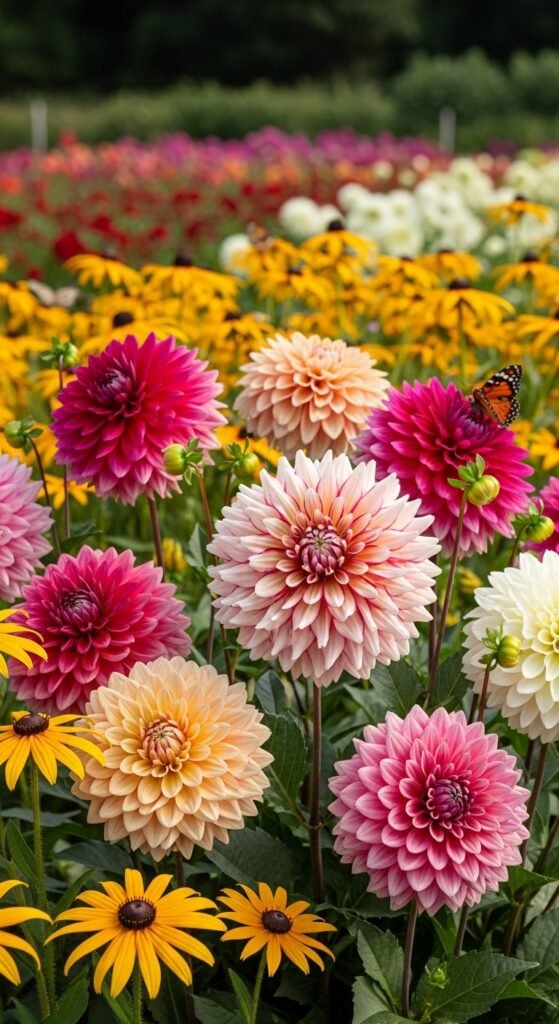
Select a mix of flowers with varying bloom times, colors, and heights. Include fillers like black-eyed Susans and focal points like dahlias for versatile arrangements, ensuring diversity for pollinators and resilience.
Maintenance and Harvesting Routines
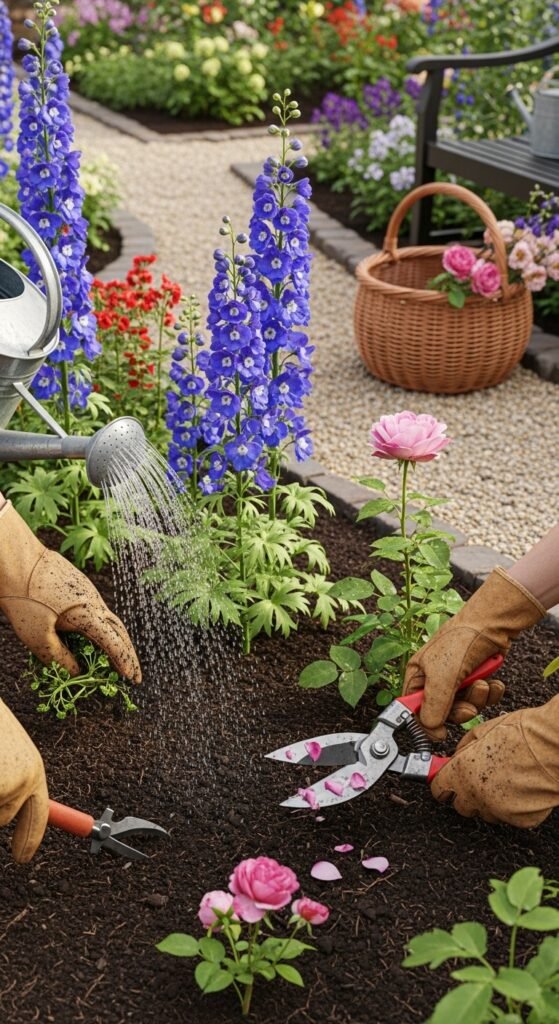
Establish weekly routines for weeding, watering, and deadheading to encourage reblooming. Harvest regularly to stimulate growth, always using clean tools to prevent disease spread.
Frequently Asked Questions
What is the best time to start a cut flower garden?
The ideal time is early spring after the last frost, allowing you to sow seeds or transplant seedlings for summer blooms. In warmer climates, fall planting works for perennials.
How much space do I need for a cut flower garden?
You can start small with 10-20 square feet, scaling up as needed. Containers or raised beds make it adaptable to any yard size.
Can I grow cut flowers in shade?
Most prefer full sun, but shade-tolerant options like astilbe or hostas can work for partial light, though yields may be lower.
What are common mistakes in cut flower gardening?
Overcrowding plants leads to poor air flow and disease; always space according to variety needs. Neglecting soil testing can cause nutrient imbalances.
How do I extend the vase life of cut flowers?
Cut stems underwater, change vase water daily, and add floral preservatives. Keep arrangements out of direct sun and away from fruit.