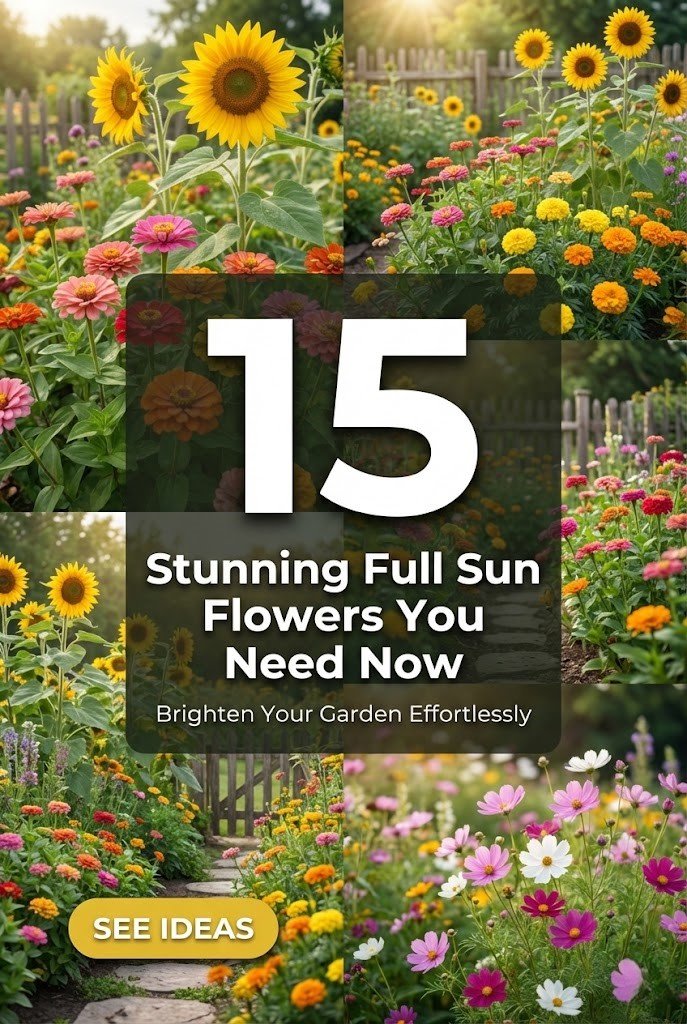
When you’re looking to transform your outdoor space into a colorful oasis, full sun flowers are an excellent choice. These hardy blooms thrive in areas that receive at least six hours of direct sunlight daily, making them ideal for open gardens, borders, or containers where shade is minimal. Not only do they add stunning visual appeal with their bold hues and varied textures, but they also attract pollinators like bees and butterflies, enhancing your garden’s ecosystem. By selecting the right full sun flowers, you can enjoy low-maintenance beauty that withstands heat and drought while providing continuous blooms throughout the growing season.
Investing in full sun flowers offers numerous benefits beyond aesthetics. They promote biodiversity, support local wildlife, and can even help with soil erosion control in sunny slopes. Whether you’re a beginner or seasoned gardener, incorporating these resilient plants allows you to create a vibrant landscape that requires less watering and care compared to shade-loving varieties. With proper planning, your garden will burst with color from spring through fall, turning heads and providing cut flowers for indoor arrangements.
1) Towering Sunflowers
You’ll love incorporating sunflowers into your full sun garden for their dramatic height and cheerful blooms. These annuals can grow up to 10 feet tall, featuring large yellow petals surrounding a central disk that follows the sun’s path. Key benefits include attracting birds and pollinators, plus harvesting seeds for snacks or replanting. They thrive in well-drained soil with full sunlight, making them perfect for back borders or as natural screens.
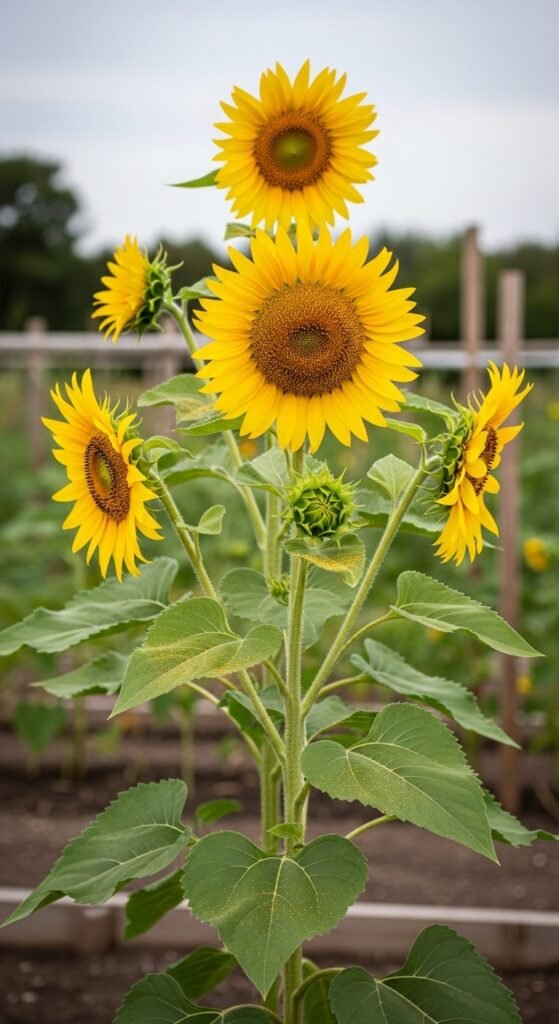
To grow them successfully, start seeds indoors 2-4 weeks before the last frost or sow directly in the ground once soil warms to 50°F. Space plants 12-18 inches apart to allow for their expansive growth. Water deeply but infrequently to encourage strong roots, and fertilize with a balanced mix every few weeks. Watch for pests like aphids, but overall, sunflowers are low-maintenance and forgiving for beginners. Expect blooms in 8-10 weeks, adding instant joy to your landscape.
2) Colorful Zinnias
Zinnias bring a burst of vibrant colors to your sunny spots, with daisy-like flowers in shades of red, pink, orange, and purple. These easy-to-grow annuals range from dwarf varieties at 6 inches to taller ones reaching 4 feet, ideal for cutting gardens or mixed borders. Key benefits include their long blooming period from summer to frost and ability to attract butterflies, making your garden a lively haven.
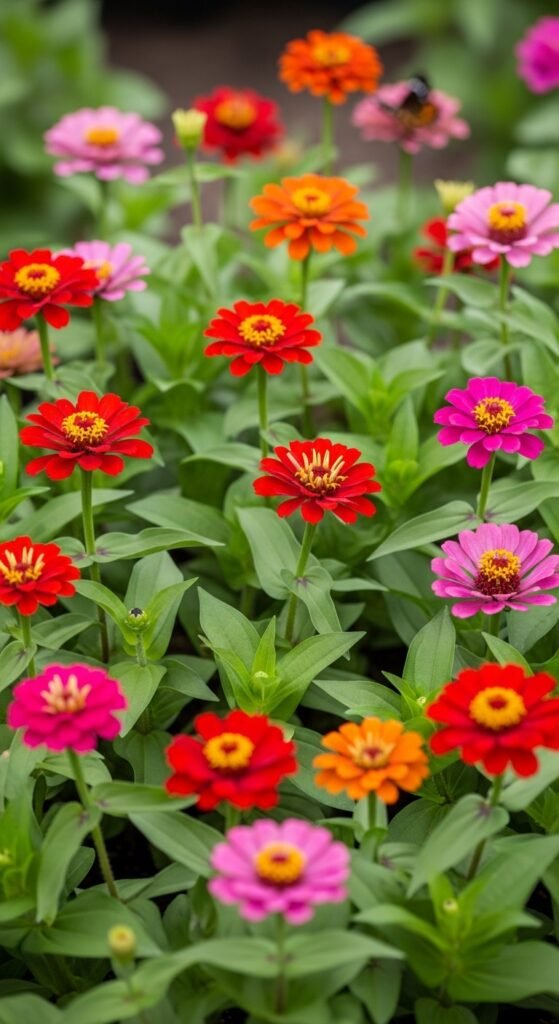
Plant zinnias in fertile, well-drained soil after the danger of frost has passed, spacing them 6-18 inches apart depending on size. They prefer slightly acidic to neutral pH and benefit from deadheading to encourage more blooms. Water at the base to prevent powdery mildew, and apply a slow-release fertilizer at planting. Pinch young plants for bushier growth. With minimal care, you’ll enjoy continuous color, perfect for bouquets or container displays.
3) Cheerful Marigolds
Marigolds are a staple for full sun gardens, offering bright orange, yellow, and red blooms that repel pests like nematodes. Available in French, African, and signet types, they grow 6-36 inches tall and suit edging, pots, or vegetable companions. Key benefits encompass natural pest control and edible petals for culinary uses, enhancing both beauty and functionality in your yard.
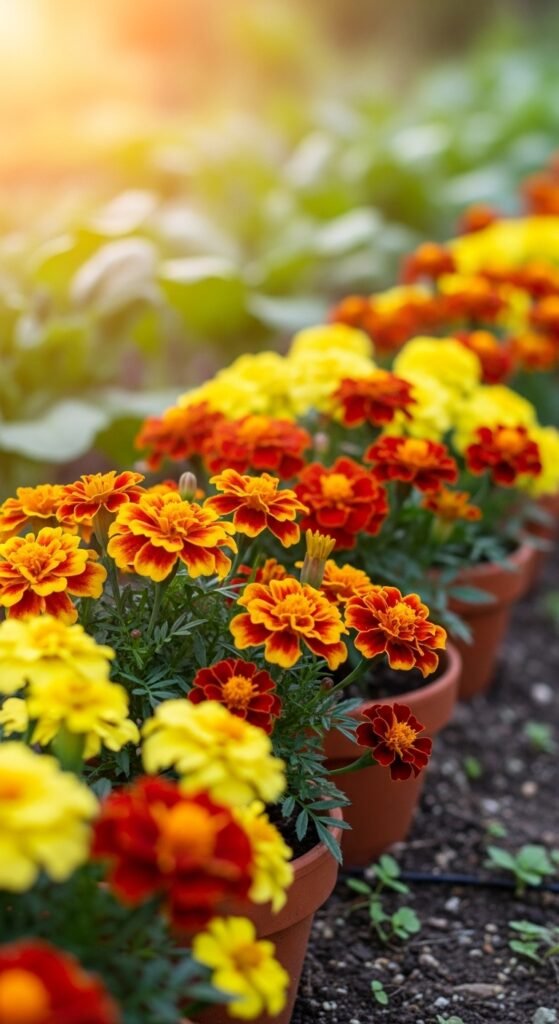
Sow seeds directly in warm soil or start indoors, transplanting after frost. Space 8-12 inches apart in average soil with good drainage. They tolerate heat and drought once established, needing moderate watering and occasional feeding. Deadhead regularly to prolong flowering. Resistant to most issues, marigolds add a sunny disposition while protecting nearby plants from harmful insects.
4) Airy Cosmos
Cosmos provide a whimsical touch with their feathery foliage and daisy-shaped flowers in pink, white, and crimson. These annuals grow 1-6 feet tall, creating a meadow-like effect in full sun areas. Key benefits include self-seeding for future seasons and attracting beneficial insects, promoting a balanced garden ecosystem.
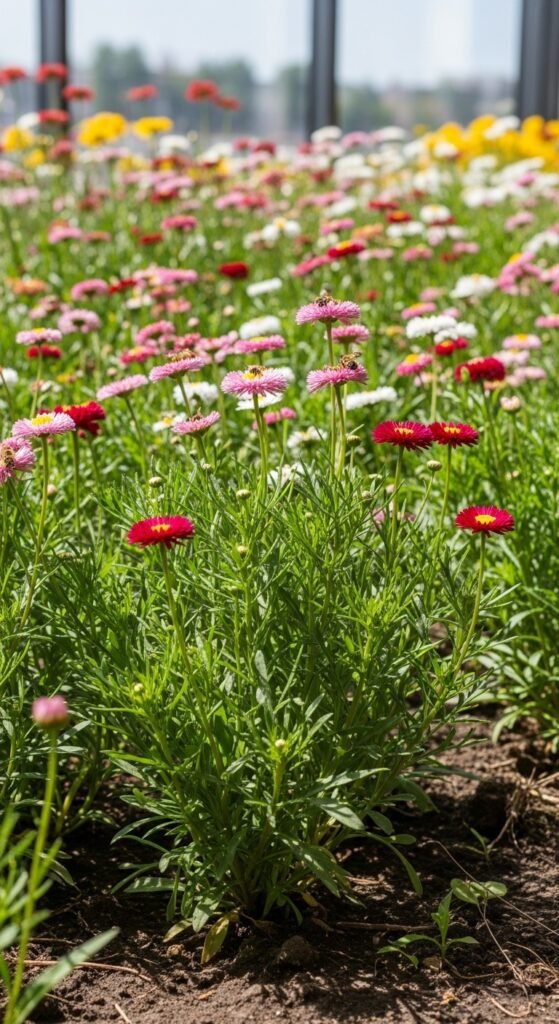
Direct sow seeds in poor to average soil after frost, thinning to 12-18 inches. They prefer minimal fertilizer to avoid legginess and require consistent moisture during establishment. Stake taller varieties if needed. Cosmos bloom profusely from midsummer to fall, offering cut flowers that last well in vases. Their low-fuss nature makes them ideal for beginners seeking effortless elegance.
5) Striking Salvia
Salvia, or sage, features spiky blooms in blue, red, and purple that draw hummingbirds and butterflies. Perennial varieties like salvia plants grow 1-5 feet, thriving in hot, dry conditions. Key benefits include drought tolerance and aromatic leaves for teas or cooking, combining ornament with utility.
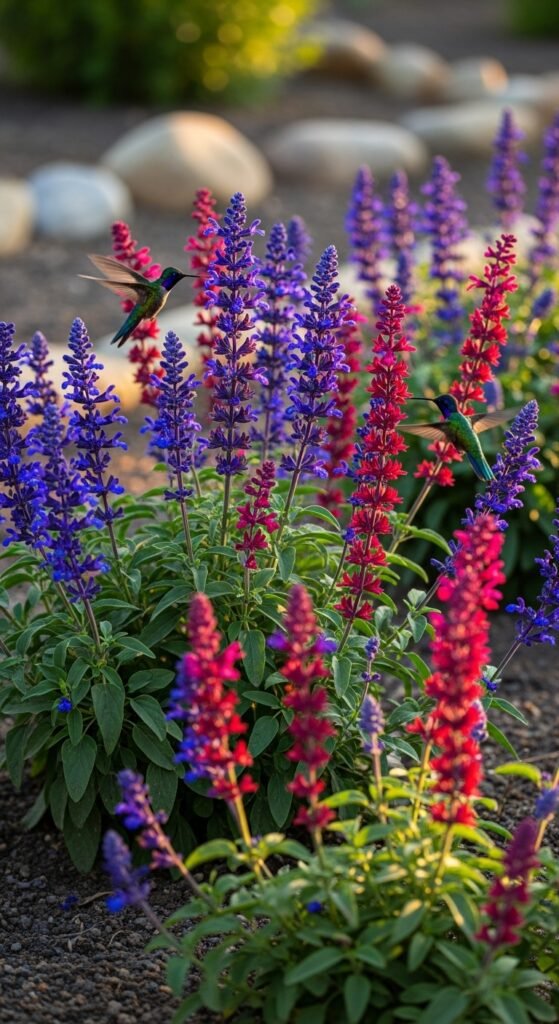
Plant in well-drained, sandy soil with neutral pH, spacing 12-24 inches. Water sparingly after roots develop, and prune after flowering to encourage rebloom. Fertilize lightly in spring. Salvias resist deer and pests, providing reliable color from late spring to frost in borders or rock gardens.
6) Hardy Echinacea
Echinacea, known as coneflowers, boast daisy-like petals in pink, white, and orange around a prominent cone. These perennials reach 2-5 feet, excelling in prairie-style plantings. Key benefits include medicinal properties for immune support and wildlife attraction, adding health and habitat value.
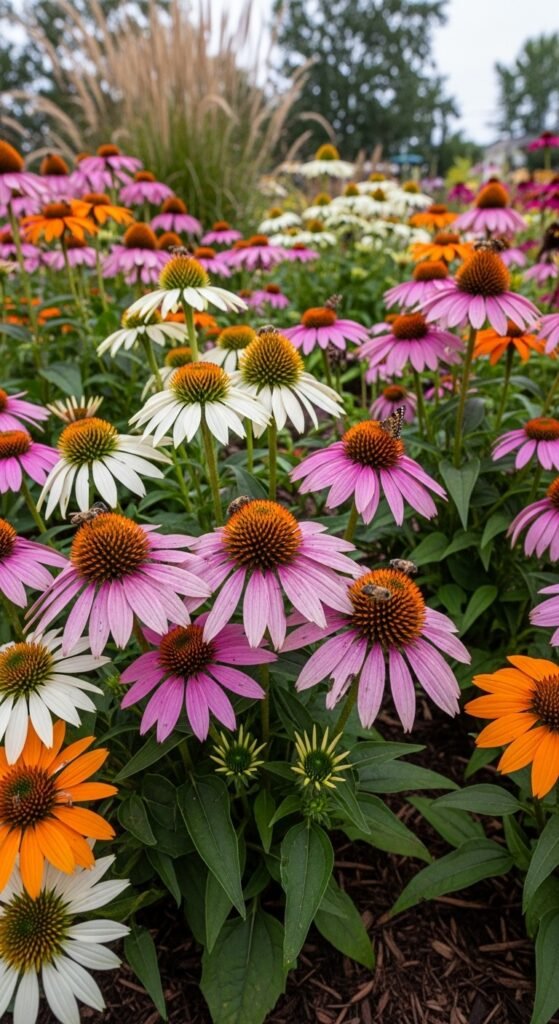
Set plants in average soil with good drainage, 18-24 inches apart. They handle poor conditions but appreciate mulch for moisture retention. Divide every 3-4 years for vigor. Echinacea blooms summer to fall, withstanding heat and cold for multi-season interest.
7) Bold Black-Eyed Susans
Black-eyed Susans feature golden petals with dark centers, creating a wildflower charm in full sun. These perennials grow 2-3 feet, spreading via rhizomes for naturalizing. Key benefits encompass long-lasting cut flowers and seed heads for birds in winter, extending seasonal appeal.
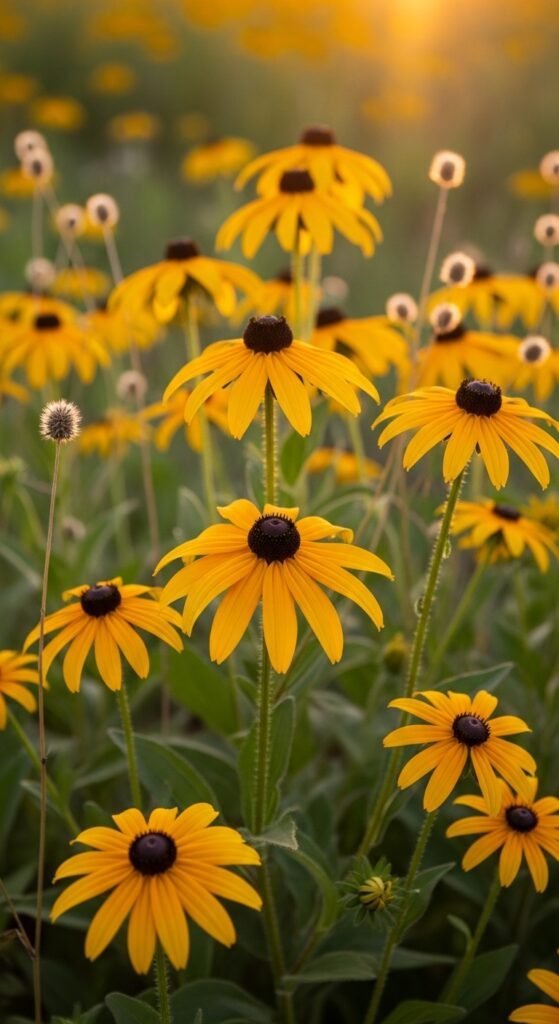
Plant in moderately fertile soil, spacing 18 inches. Water regularly until established, then drought-tolerant. Deadhead optionally for tidiness. They thrive with minimal care, brightening meadows or borders from midsummer onward.
8) Sunny Coreopsis
Coreopsis offers thread-like leaves and bright yellow or pink daisies that bloom profusely. Known as tickseed, these perennials grow 1-3 feet, suiting front borders or containers. Key benefits include extended flowering and low water needs, ideal for sustainable gardens.
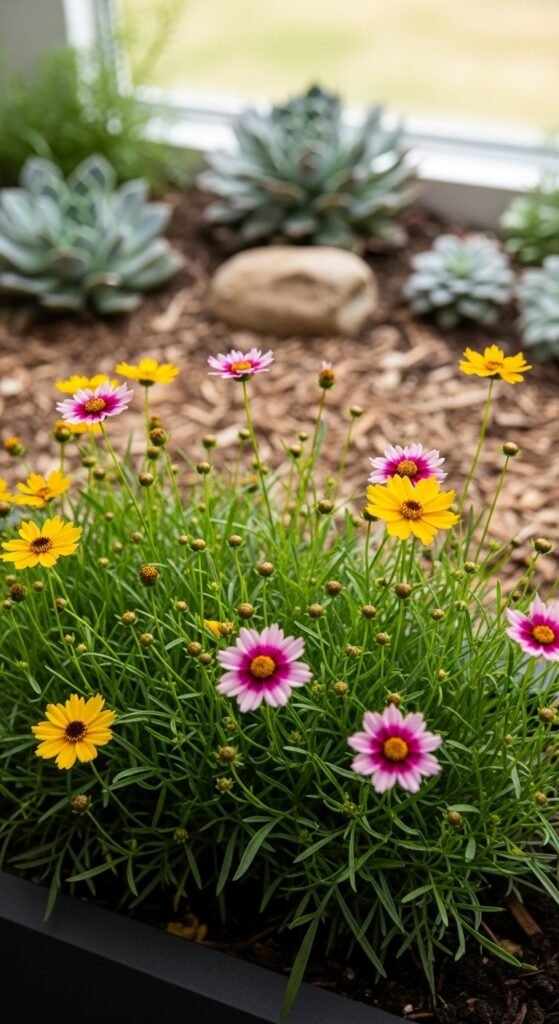
Place in well-drained soil, 12-18 inches apart. Shear after first bloom for reblooming. Fertilize sparingly to prevent flopping. Coreopsis provides cheerful color all summer, attracting pollinators with ease.
9) Tropical Lantana
Lantana displays clusters of multicolored flowers that change hues, drawing butterflies en masse. This shrubby perennial grows 1-6 feet in warm climates. Key benefits include heat resistance and continuous blooming, perfect for hanging baskets or ground cover.
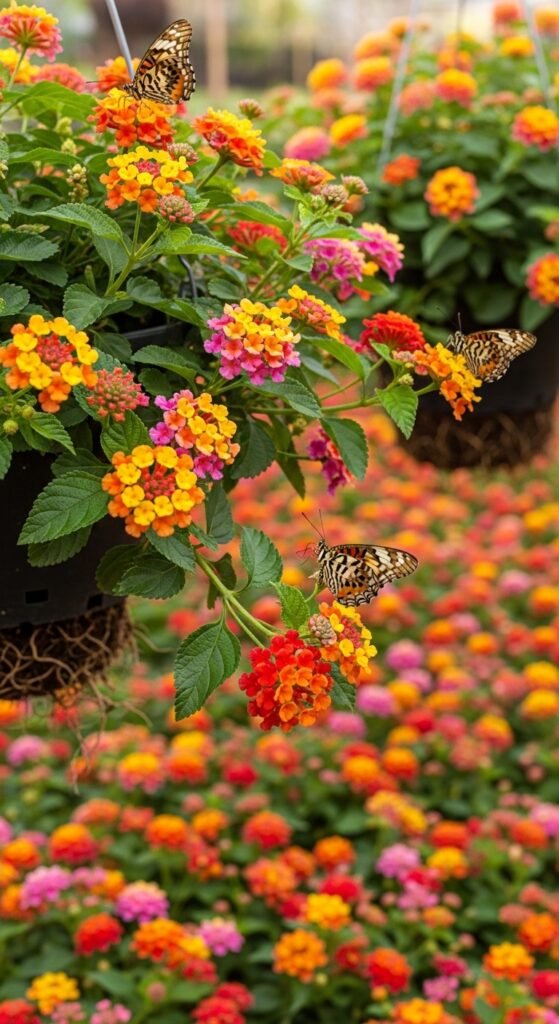
Plant in fertile, draining soil, spacing 18-24 inches. Water moderately and prune to shape. Protect from frost in cooler zones. Lantana adds exotic flair with minimal upkeep.
10) Cascading Petunias
Petunias cascade with trumpet-shaped blooms in every color imaginable, thriving in baskets or beds. These annuals spread 2-4 feet, filling spaces quickly. Key benefits encompass fragrance and versatility in arrangements, enhancing patios or windows.
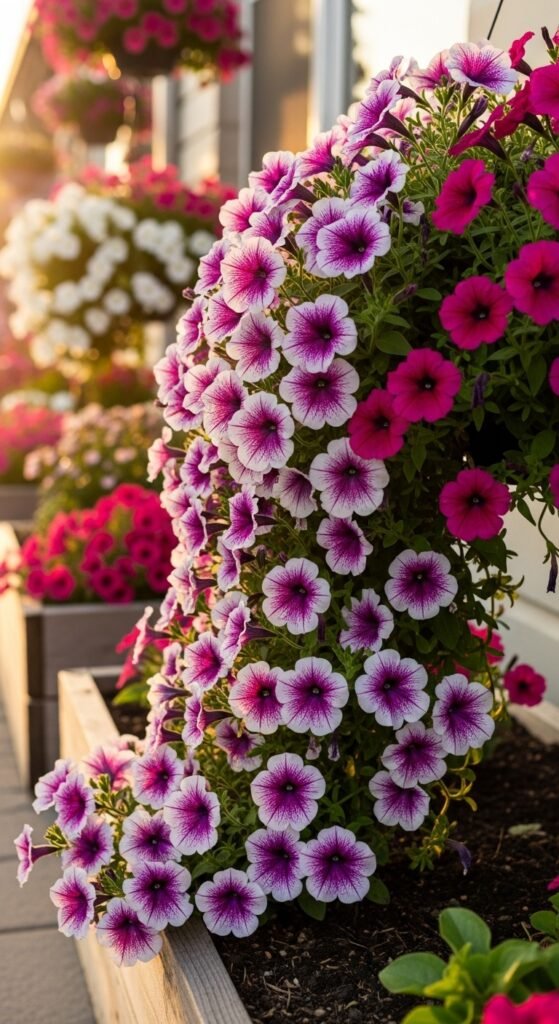
Sow indoors or buy transplants, planting in rich soil 10-12 inches apart. Fertilize biweekly for abundance. Pinch tips for bushiness. Petunias deliver non-stop color in sun-drenched spots.
11) Trailing Verbena
Verbena offers clusters of small flowers in purple, pink, or white, trailing elegantly from containers. This annual grows 6-12 inches tall but spreads widely. Key benefits include drought tolerance and pollinator appeal, suiting xeriscapes.
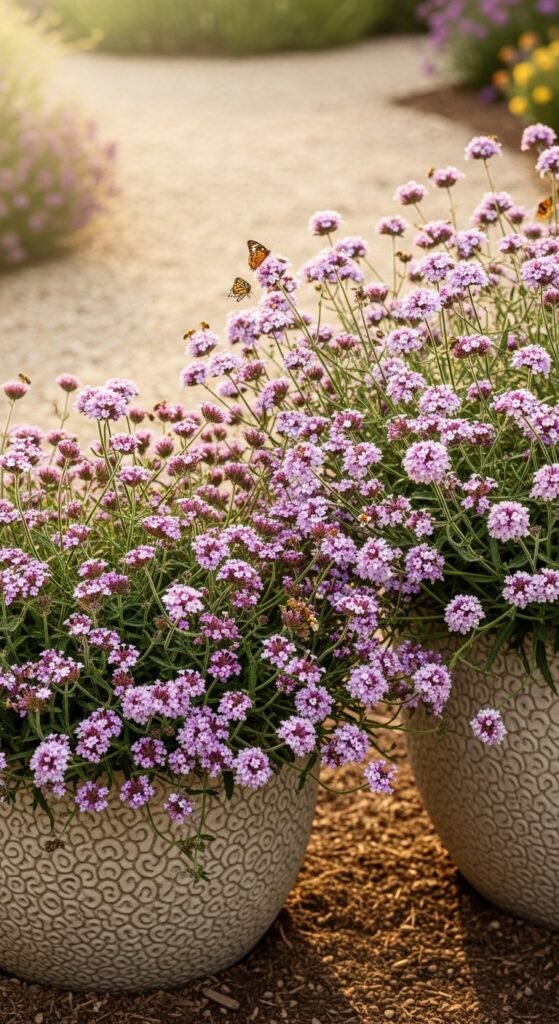
Plant in well-drained soil, spacing 10-12 inches. Water when dry and deadhead for longevity. Avoid over-fertilizing to prevent legginess. Verbena creates a soft, flowing look in sunny areas.
12) Fiery Gaillardia
Gaillardia, or blanket flower, features red and yellow daisy blooms with fringed petals. Perennials grow 1-3 feet, blanketing areas with color. Key benefits include salt tolerance for coastal gardens and cut flower durability.
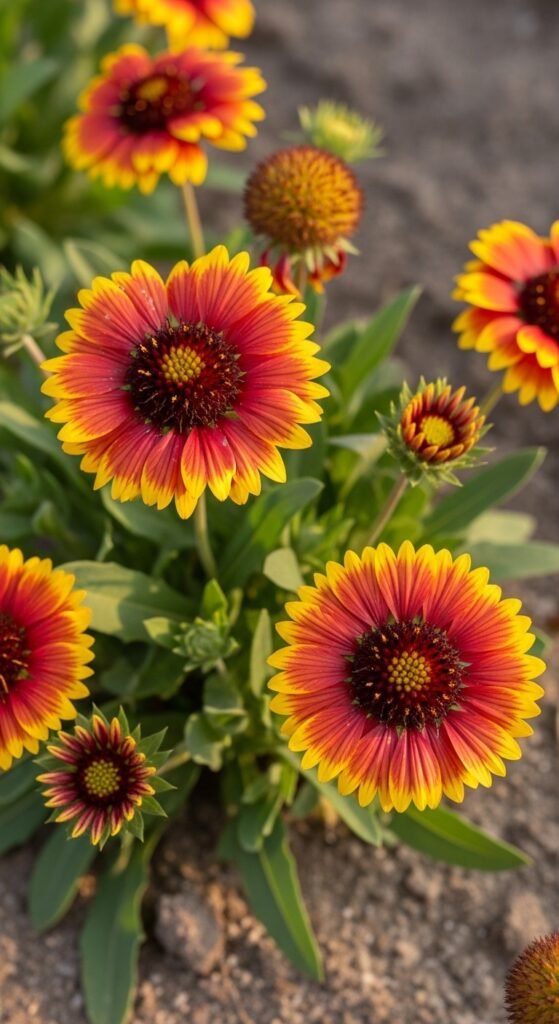
Set in sandy soil, 12-18 inches apart. They need little water once established. Divide clumps every few years. Gaillardia shines in hot, dry conditions all season.
13) Versatile Yarrow
Yarrow produces flat-topped clusters of tiny flowers in white, yellow, or pink atop ferny foliage. This perennial reaches 1-3 feet, naturalizing easily. Key benefits encompass medicinal uses and deer resistance, adding practicality.
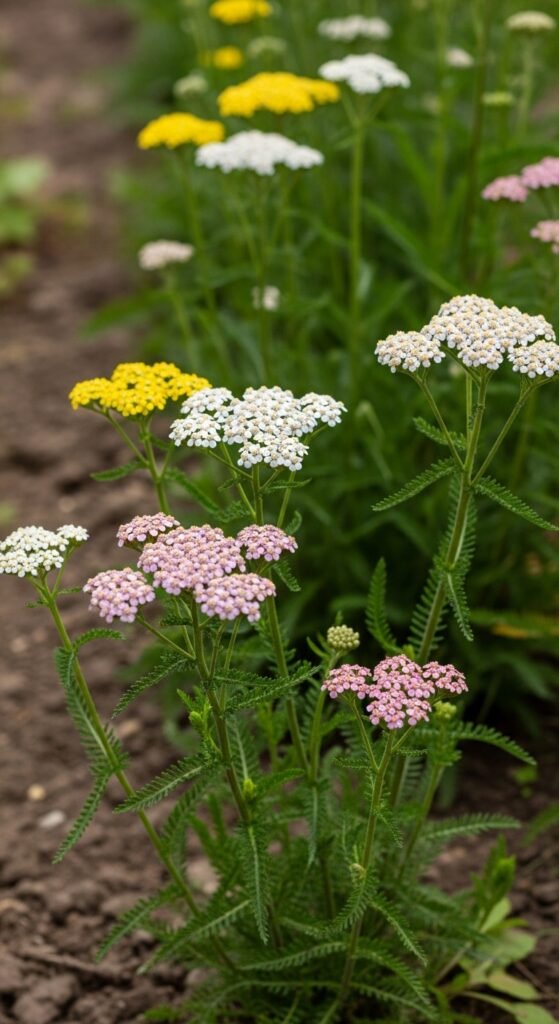
Plant in poor soil for best results, spacing 12-24 inches. Prune after bloom for rebloom. Tolerates traffic in paths. Yarrow provides texture and reliability in sun.
14) Fragrant Lavender
Lavender’s silver foliage and purple spikes emit a soothing scent, attracting bees. Perennials grow 1-3 feet in mounds. Key benefits include culinary and aromatic applications, plus drought hardiness.
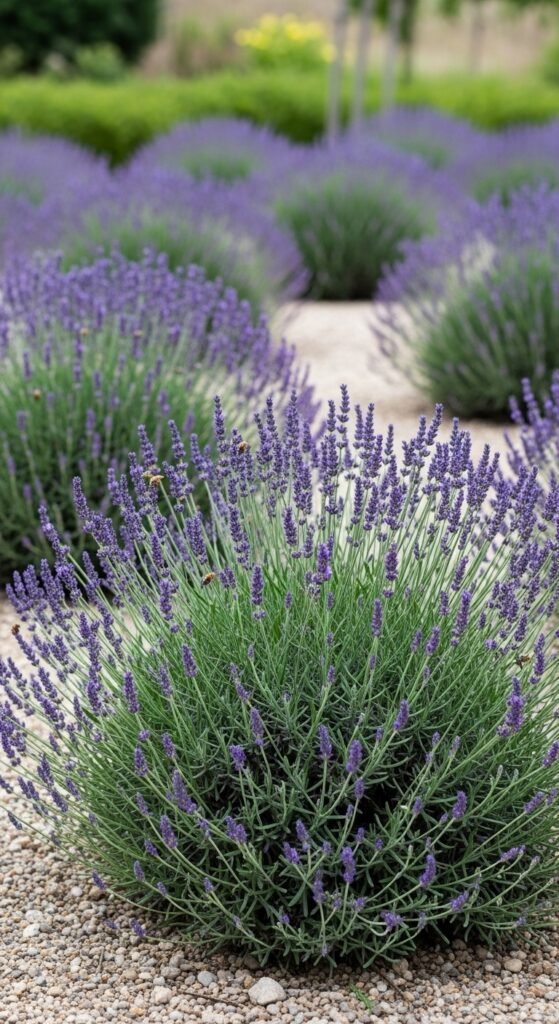
Place in alkaline, gravelly soil, 18-24 inches apart. Prune annually for shape. Avoid wet feet to prevent rot. Lavender creates a Mediterranean vibe in full sun.
15) Reliable Daylilies
Daylilies offer trumpet blooms in myriad colors, each lasting a day but prolific overall. These perennials clump to 1-4 feet. Key benefits include adaptability and edible buds, broadening uses.
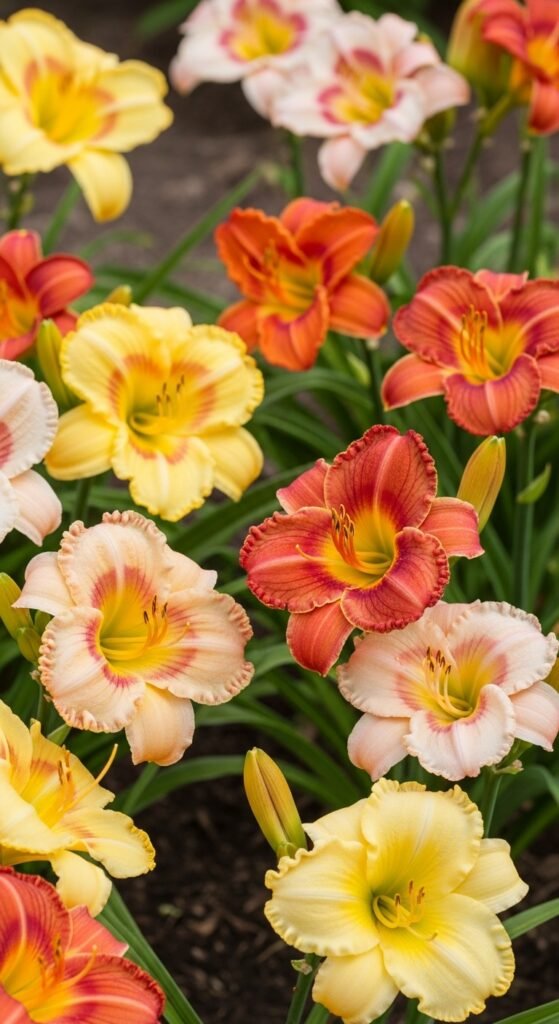
Plant in average soil, dividing every 3-5 years. Space 18-24 inches. Water during dry spells. Remove spent stalks for neatness. Daylilies provide effortless beauty season-long.
Key Principles for Growing Full Sun Flowers
Soil Preparation Tips
Before planting, test your soil pH and amend with compost for better drainage and nutrients. Full sun flowers like drought-tolerant flowers prefer slightly sandy mixes to prevent root rot, ensuring robust growth.
Watering and Maintenance Strategies
Water deeply in the morning to reduce evaporation, focusing on roots rather than leaves. Mulch around plants to retain moisture and suppress weeds, extending bloom times in hot conditions.
Pollinator-Friendly Practices
Incorporate native varieties to support local wildlife. Avoid pesticides, opting for companion planting with herbs to naturally deter pests while boosting biodiversity in your sunny garden.
Frequently Asked Questions
What are the best full sun flowers for beginners?
Start with hardy options like marigolds or zinnias, as they require minimal care and provide vibrant color throughout the season.
How much sunlight do full sun flowers need?
These plants typically require at least 6-8 hours of direct sunlight daily to thrive and produce abundant blooms.
Can full sun flowers grow in containers?
Yes, many varieties like petunias and lantana perform well in pots, provided they have good drainage and regular watering.
When should I plant full sun flowers?
Plant after the last frost in spring for annuals, or in fall for perennials to establish roots before summer heat.
How do I prevent pests in full sun flower gardens?
Use companion planting with herbs, encourage beneficial insects, and monitor regularly for early intervention without harsh chemicals.