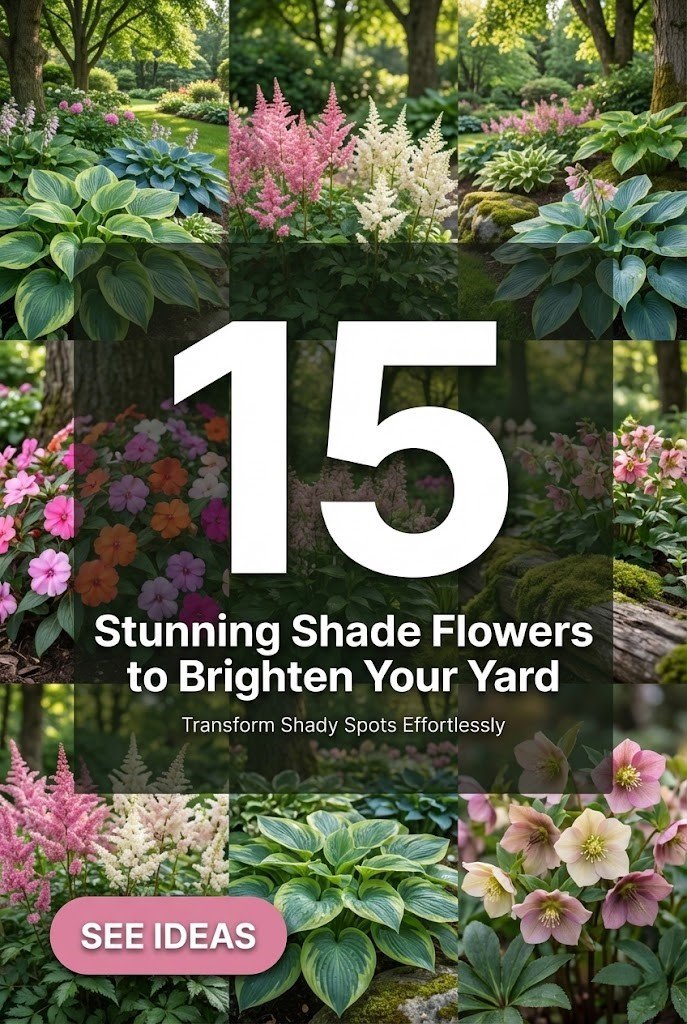
If your garden has areas dominated by trees, buildings, or other structures that block sunlight, you might think vibrant blooms are out of reach. But shade flowers offer a beautiful solution, thriving in low-light conditions while adding color, texture, and life to those dim spots. These plants are perfect for creating serene, lush landscapes that feel inviting and natural.
Choosing the right shade flowers can transform overlooked corners into focal points. You’ll enjoy low-maintenance beauty with plants that resist pests and require less watering than sun-loving varieties. Whether you’re a beginner or seasoned gardener, incorporating these ideas will enhance your outdoor space year-round.
Explore these 15 shade flower ideas, each with tips on what they are, why they work well in shade, and how to grow them successfully. Get ready to bring vibrancy to your shaded areas!
1) Hostas for Lush Foliage and Subtle Blooms
Hostas are perennial favorites among shade flowers, known for their broad, variegated leaves that come in shades of green, blue, and gold. These plants produce delicate lavender or white flowers on tall stalks in summer, but their real appeal lies in the foliage that creates a dense ground cover.
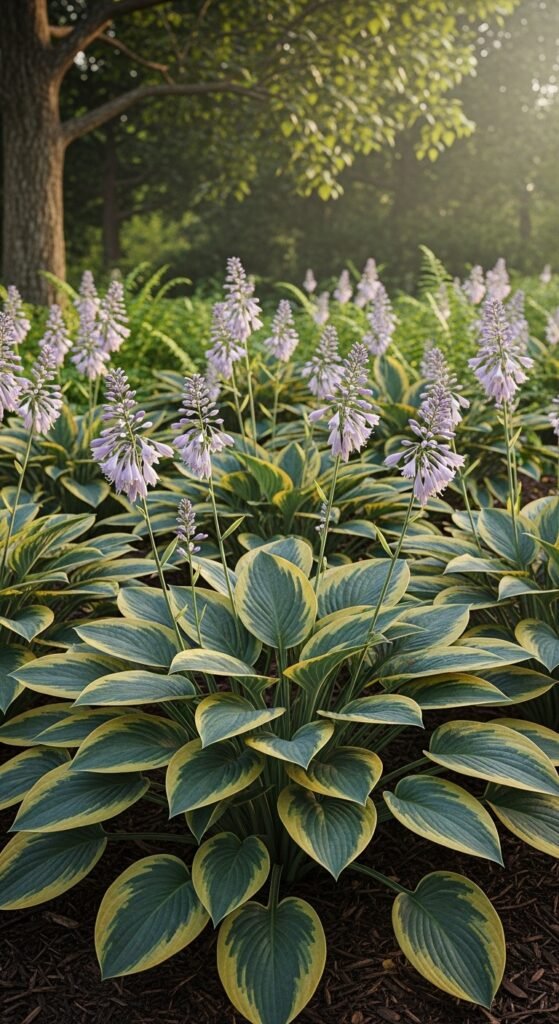
Why choose hostas? They thrive in full to partial shade, offering year-round interest with minimal care. Their ability to suppress weeds makes them ideal for under-tree planting, and they attract pollinators like hummingbirds.
To grow them, plant in well-drained, moist soil enriched with compost. Space them 1-3 feet apart depending on variety, and mulch to retain moisture. Divide clumps every few years to keep them vigorous. For added protection in hotter climates, consider using a shade cloth for gardens to filter intense midday light.
2) Astilbe for Feathery Plumes of Color
Astilbe, often called false spirea, features fluffy, plume-like flowers in pink, red, white, or purple that rise above fern-like foliage. These perennials bloom from early summer to fall, adding height and texture to shaded borders.
They excel in shade because they prefer cool, moist conditions, providing long-lasting blooms where other flowers struggle. Astilbe also enhances biodiversity by attracting butterflies and bees.
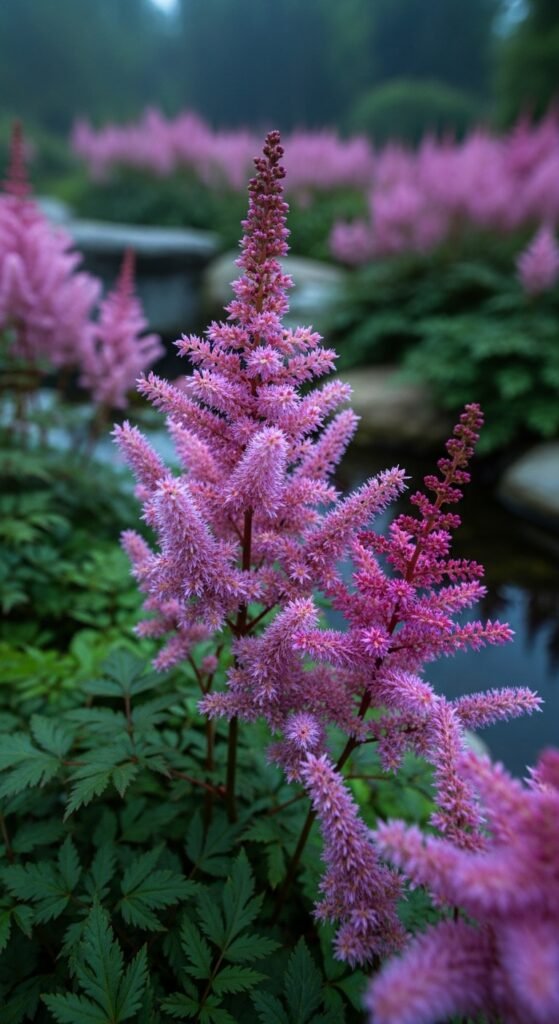
Plant in humus-rich soil with consistent moisture, ideally near water features. Divide every 3-4 years to prevent overcrowding. If you’re planning containers, draw inspiration from spring container garden ideas to mix astilbe with complementary shade lovers for stunning displays.
3) Impatiens for Continuous Bright Blooms
Impatiens are annual shade flowers that deliver masses of colorful blooms in pink, red, orange, white, and purple throughout the growing season. Their mounding habit makes them perfect for beds, borders, or hanging baskets.
These flowers shine in shade, offering non-stop color with little effort. They’re forgiving for beginners and can brighten even the darkest corners, while being deer-resistant in many areas.
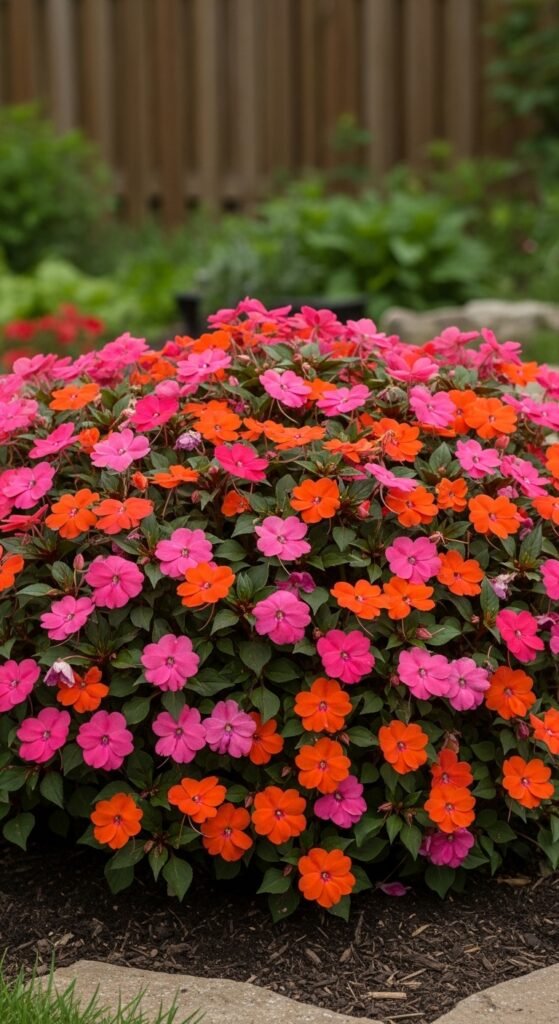
Grow them in fertile, well-draining soil, watering regularly to keep the soil moist but not soggy. Pinch back tips for bushier growth. For pest control, incorporate natural methods like those used for mosquito-repelling plants to maintain a healthy garden environment.
4) Begonias for Versatile and Vibrant Displays
Begonias come in wax, tuberous, and rex varieties, with flowers ranging from small clusters to large roses in various colors. Their waxy leaves and compact form suit both ground planting and pots.
In shade, begonias provide reliable performance, blooming profusely and adding tropical flair. They’re great for urban gardens with limited sun and can be overwintered indoors.
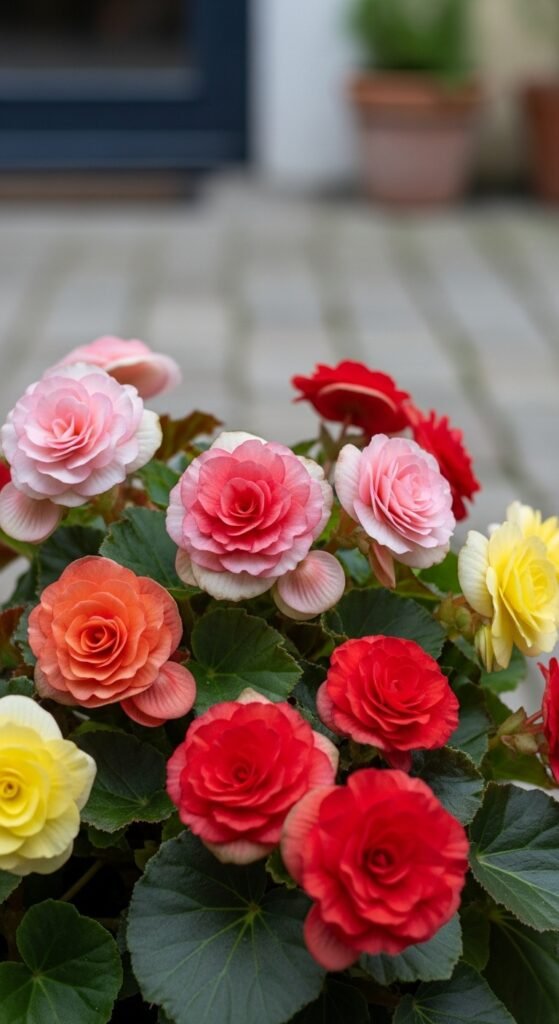
Plant in rich, slightly acidic soil with good drainage. Fertilize monthly during growth. If overwintering, follow techniques similar to overwinter peppers by digging up tubers and storing them cool and dry.
5) Ferns for Elegant, Non-Flowering Texture
While not true flowers, ferns like ostrich or maidenhair offer lacy fronds that mimic floral elegance in shade gardens. They spread via rhizomes, creating a soft, woodland feel.
Ferns are ideal for shade due to their adaptability and low maintenance, thriving in humid, low-light areas where flowers might fail. They improve air quality and prevent soil erosion.
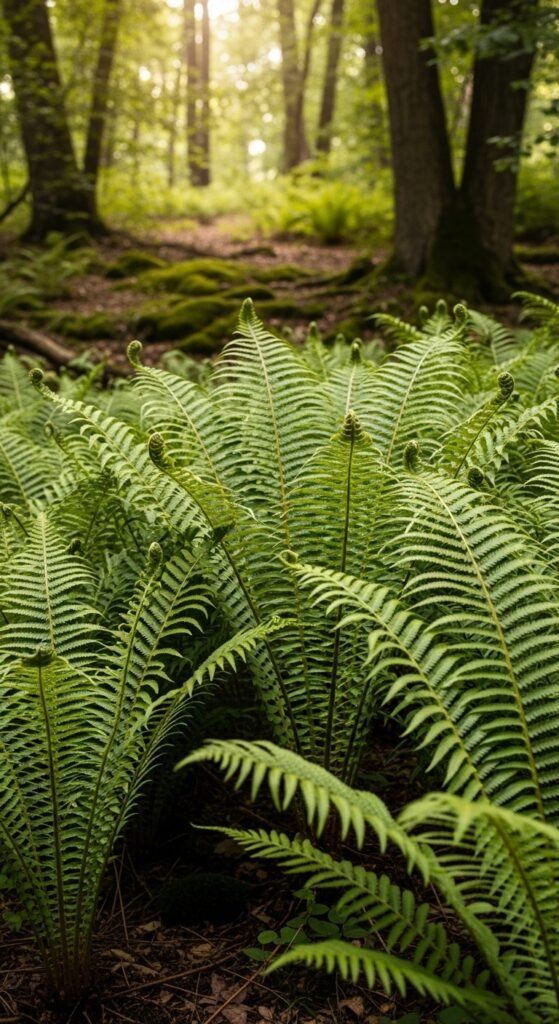
Plant in organic-rich, moist soil. Water deeply but allow slight drying between. For fall prep, consider ideas from fall container garden ideas to pair ferns with seasonal accents.
6) Bleeding Heart for Romantic, Heart-Shaped Flowers
Bleeding heart (Dicentra) features dangling, heart-shaped pink or white flowers along arching stems in spring. The ferny foliage dies back in summer, making room for other plants.
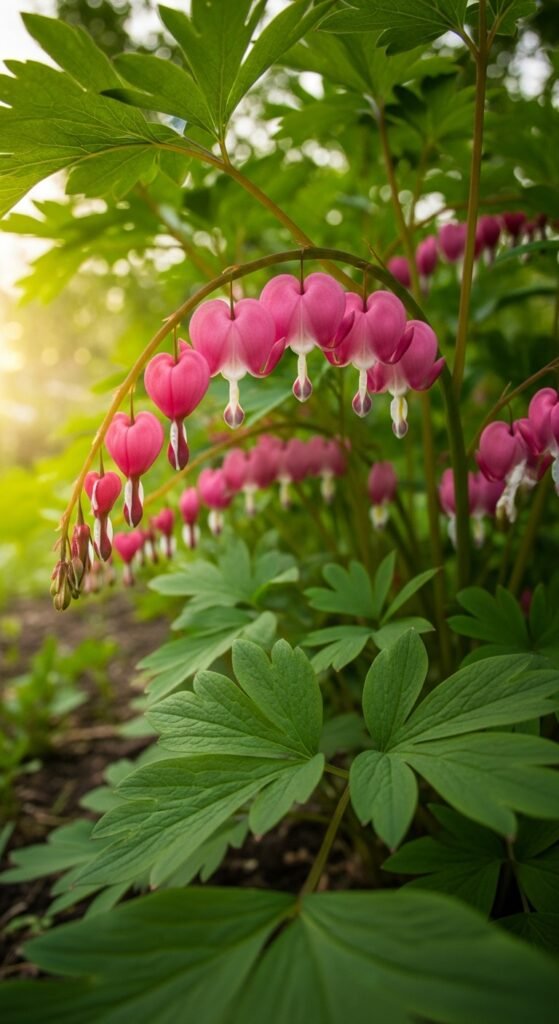
This perennial loves shade for its early-season charm, providing a whimsical touch before summer heat arrives. It’s toxic to pets, so place accordingly.
Grow in cool, moist, well-drained soil. Mulch to conserve water. Pair with late-bloomers, and explore spring edible flowers for companion planting that adds culinary interest.
7) Foxglove for Towering Spikes of Bells
Foxglove (Digitalis) boasts tall spikes of tubular flowers in purple, pink, white, or yellow, blooming biennially or perennially depending on variety.
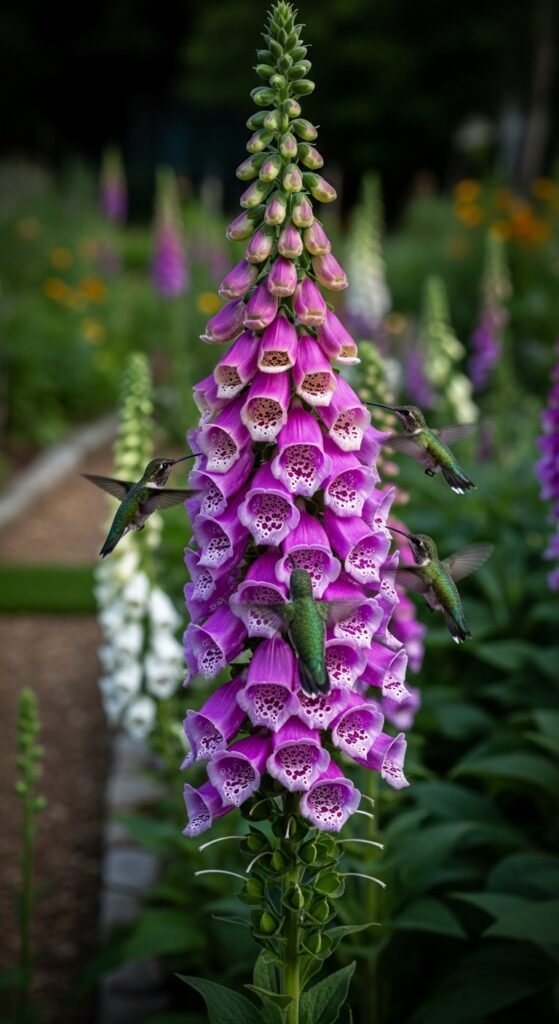
It flourishes in partial shade, offering vertical drama and attracting hummingbirds. Note its toxicity, but it’s a classic cottage garden staple.
Sow seeds in fertile soil with afternoon shade. Self-seeds readily. For privacy screens, integrate with patio privacy plants to create secluded shaded nooks.
8) Hellebore for Winter-Blooming Wonders
Hellebores, or Lenten roses, produce nodding flowers in white, pink, purple, or green from late winter to spring, with evergreen foliage.
They defy shade and cold, delivering early color when most gardens sleep. Deer-resistant and long-lived, they’re a smart investment.
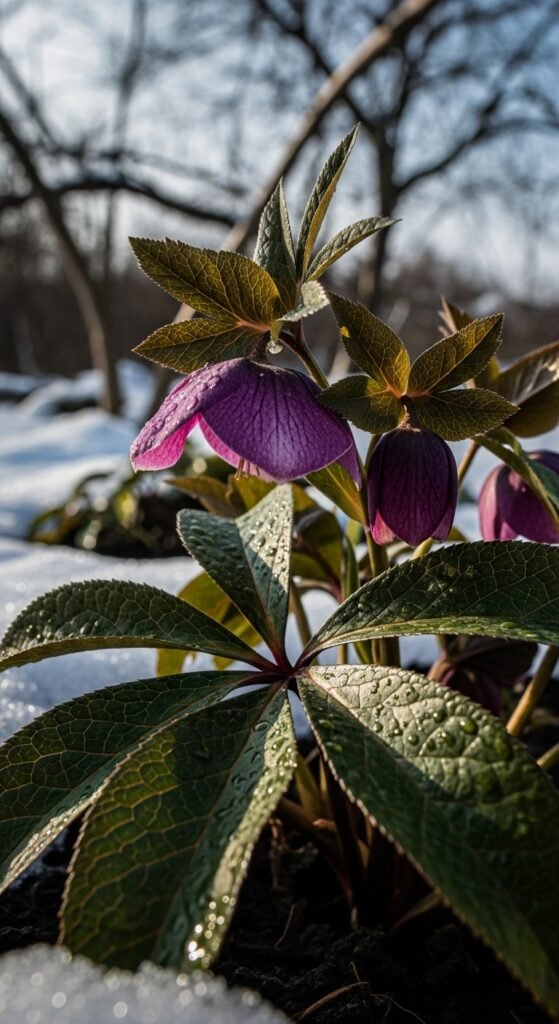
Plant in chalky, well-drained soil. Remove old leaves in spring. For winter interest, align with winter vegetable garden ideas for a productive shaded plot.
9) Columbine for Delicate, Spur-Shaped Blooms
Columbine (Aquilegia) offers spurred flowers in a rainbow of colors on wiry stems, blooming in spring and early summer above lacy leaves.
Perfect for shade, it self-seeds for naturalized beauty and draws pollinators. Its airy form softens hard edges in gardens.
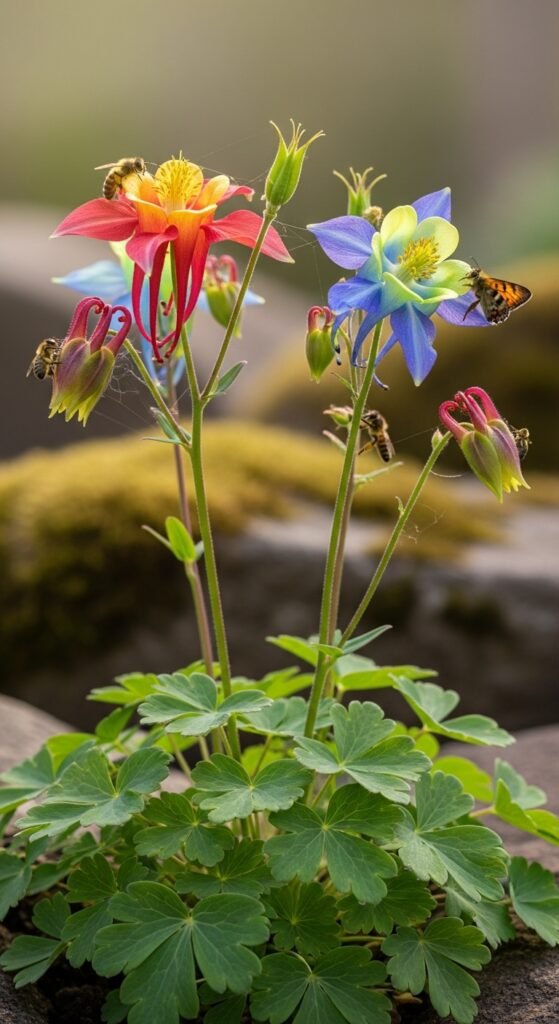
Grow in average soil with moderate moisture. Deadhead for rebloom. Enhance with citronella for pest deterrence, drawing from citronella plant care tips.
10) Coral Bells for Colorful Leaves and Dainty Flowers
Coral bells (Heuchera) feature ruffled leaves in purple, chartreuse, or silver, with tiny bell flowers on slender stalks in summer.
In shade, they provide foliage focal points, with varieties tolerating dry conditions once established. Great for edging paths.
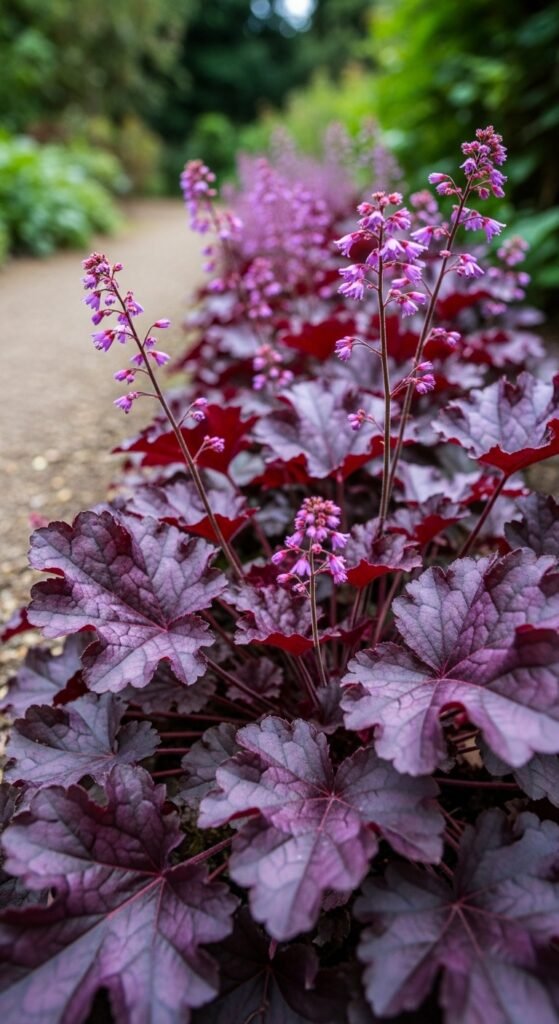
Plant in well-drained, fertile soil. Divide every few years. For backyard seclusion, combine with backyard privacy ideas using layered plantings.
11) Lobelia for Trailing Cascades of Color
Lobelia, especially trailing types, bursts with blue, purple, or white flowers, ideal for baskets or ground cover in shade.
It excels in cool shade, offering abundant blooms and versatility in mixed plantings. Attracts butterflies effortlessly.
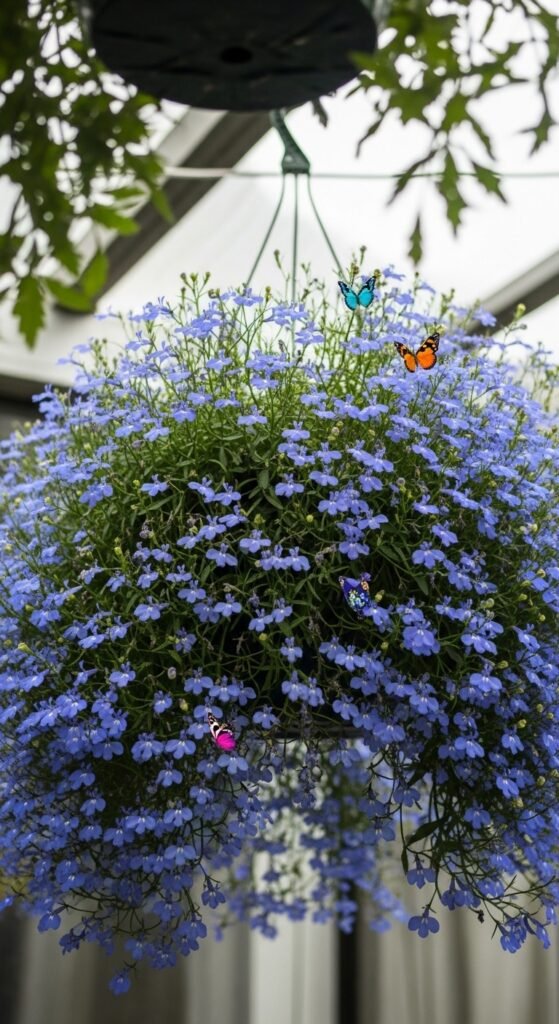
Keep soil consistently moist in rich compost. Pinch for fullness. Incorporate into spring setups inspired by porch planters.
12) Lily of the Valley for Fragrant Ground Cover
Lily of the valley spreads with tiny, bell-shaped white flowers in spring, emitting a sweet scent, followed by red berries.
Thrives in deep shade, providing aromatic coverage under trees. Invasive potential, so contain if needed.
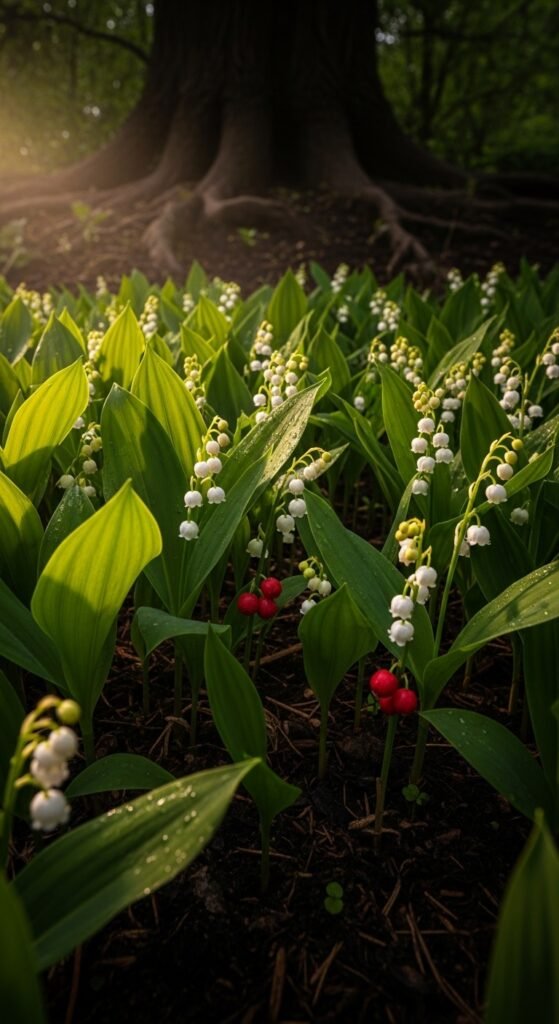
Plant rhizomes in humus soil. Water during dry spells. Pair with early veggies for multi-use spaces.
13) Ajuga for Tough, Flowering Carpet
Ajuga, or bugleweed, forms mats of glossy leaves with blue or pink flower spikes in spring, tolerating foot traffic.
Ideal for shade, it suppresses weeds with durable ground cover. Variegated types add visual pop.
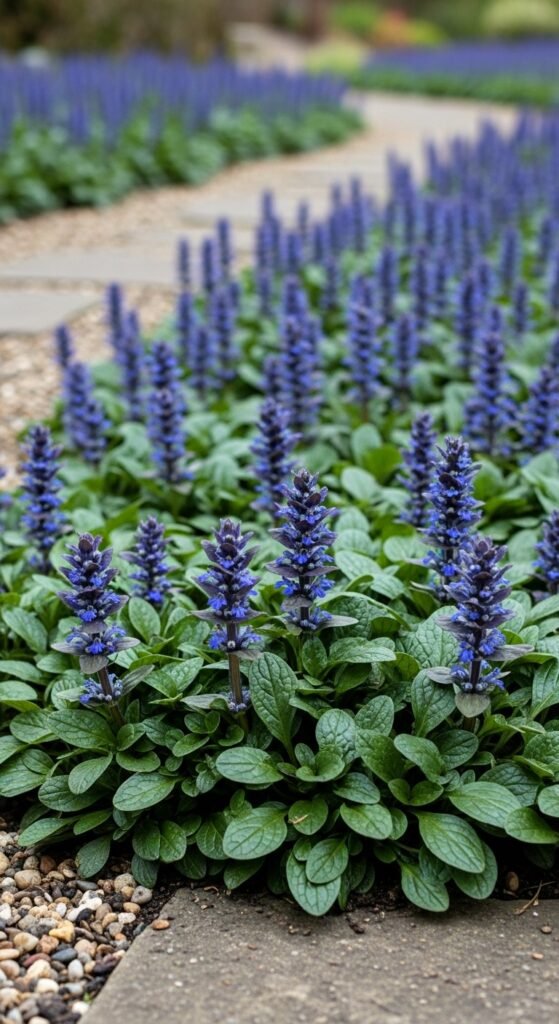
Grow in moist, fertile soil. Divide to spread. Use in fall transitions for lasting interest.
14) Lamium for Silver-Variegated Foliage
Lamium, deadnettle, features heart-shaped leaves with silver markings and pink or white flowers in spring.
In shade, it brightens areas with variegated contrast, spreading quickly but controllably.
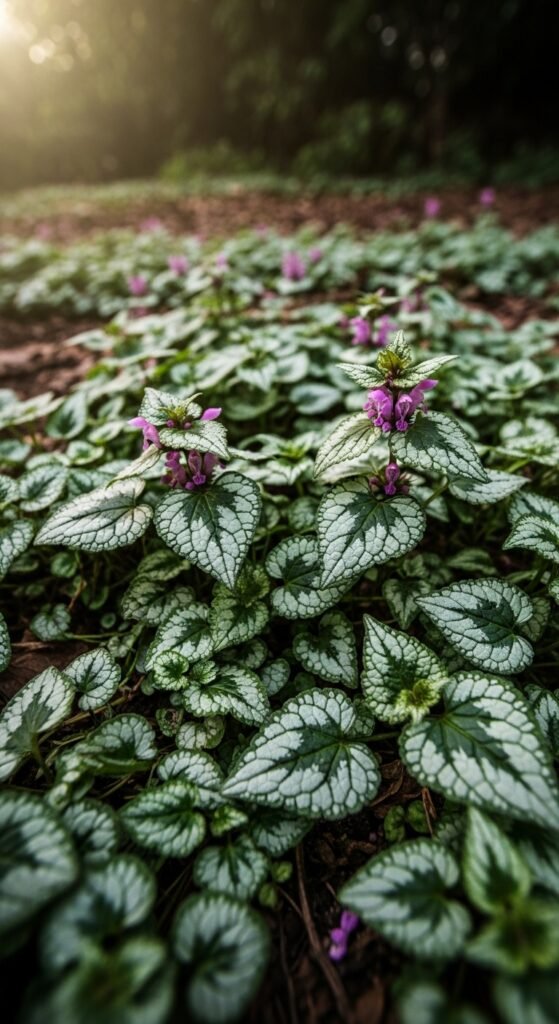
Plant in average soil, watering moderately. Trim after bloom. Enhance mosquito control nearby.
15) Toad Lily for Late-Season Orchid-Like Blooms
Toad lily (Tricyrtis) displays spotted, orchid-like flowers in purple or white on arching stems in fall.
Perfect for shade, it extends the season with unique late color. Attracts late pollinators.
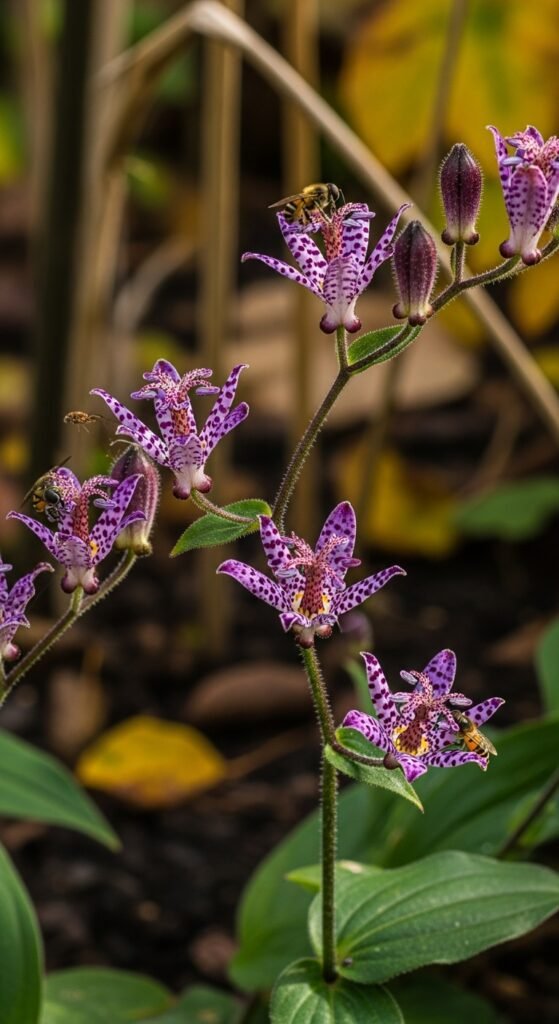
Grow in rich, moist soil. Mulch for winter. Combine with privacy elements for intimate garden spots.
Key Principles for Shade Flower Success
Soil Preparation Tips
Amend with organic matter to improve drainage and nutrients. Test pH for optimal growth.
Watering and Maintenance Strategies
Focus on consistent moisture without overwatering. Mulch to retain soil coolness.
Companion Planting Ideas
Mix heights and textures for layered effects, incorporating ferns and hostas for depth.
Frequently Asked Questions
What are the best shade flowers for beginners?
Start with impatiens or hostas, as they require minimal care and offer reliable blooms in low light.
Can shade flowers grow in full sun?
Most prefer partial to full shade; exposure to full sun can scorch leaves and reduce flowering.
How do I prevent pests in shade gardens?
Use natural repellents, improve air circulation, and choose resistant varieties to keep issues at bay.
Are shade flowers perennial or annual?
Many like astilbe and hellebores are perennials, while impatiens are typically annuals, depending on climate.
When should I plant shade flowers?
Spring or fall is ideal, allowing roots to establish before extreme weather.