Geraniums, with their bright blooms and fragrant foliage, are a staple in many gardens and containers. Whether you’re growing zonal geraniums for their colorful flowers or scented varieties for their aromatic leaves, proper geranium care ensures they thrive through the seasons. These hardy plants prefer sunny spots and well-draining soil, making them ideal for beginners and seasoned gardeners alike.
Understanding the basics of geranium care can prevent common issues like leggy growth or root rot, while promoting abundant flowering. By focusing on key aspects such as watering, fertilizing, and pruning, you can enjoy a stunning display year after year. Let’s dive into these practical tips to help you cultivate healthy, vibrant geraniums.
1) Select the Ideal Variety for Your Space
You’ll want to start by choosing geranium types that suit your environment, whether it’s a sunny balcony or a shaded patio. Zonal geraniums offer bold colors and are perfect for borders, while ivy-leaf varieties cascade beautifully from hanging baskets. Scented geraniums add a delightful fragrance, ideal for sensory gardens.
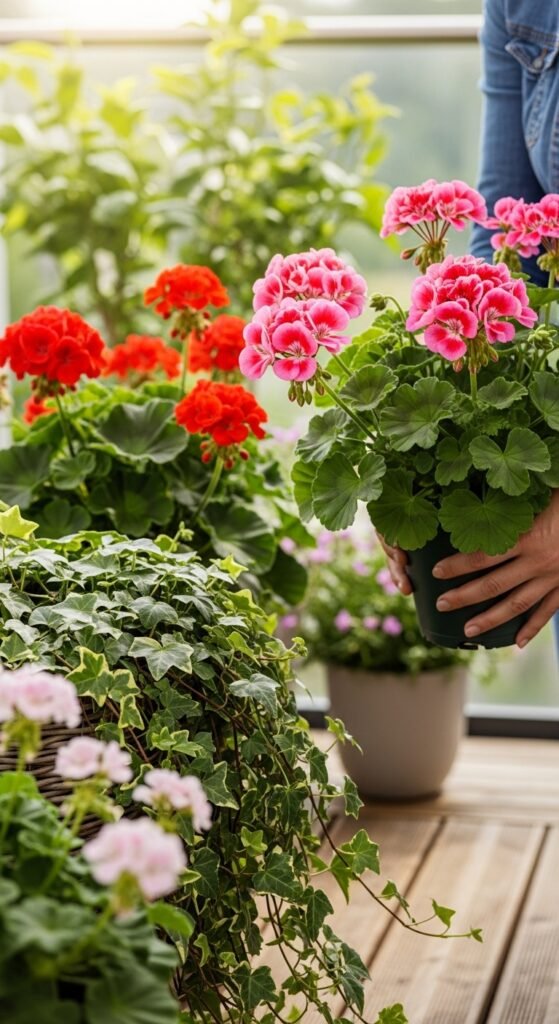
Why does variety matter? The right choice minimizes care challenges and maximizes blooms, ensuring your plants adapt well to local conditions. For instance, heat-tolerant options perform better in warmer climates.
How to pick: Assess your light and space, then visit a nursery or research online. Plant in spring after the last frost, spacing them 12-18 inches apart for airflow. This foundational step sets the stage for successful growth.
2) Provide Ample Sunlight for Optimal Growth
You need to position your geraniums where they receive at least six hours of direct sunlight daily to encourage robust flowering. Morning sun with afternoon shade is ideal in hotter regions to prevent scorching.
Sunlight is crucial because it fuels photosynthesis, leading to stronger stems and more vibrant blooms. Insufficient light results in weak, spindly plants with fewer flowers.
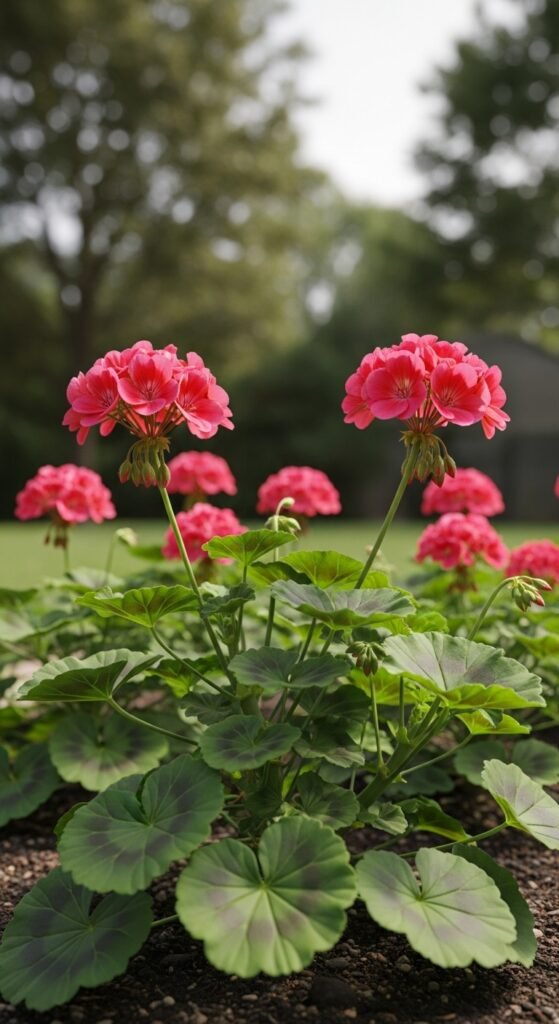
To achieve this, plant in south-facing spots or use reflective surfaces to boost exposure. Rotate container plants weekly for even growth. If indoors, supplement with grow lights during shorter days to mimic natural conditions.
3) Use Well-Draining Soil to Prevent Root Issues
You should always opt for a potting mix that drains quickly, blending equal parts peat, perlite, and compost for geraniums. Avoid heavy garden soil, which can compact and retain too much moisture.
Proper drainage is essential to avoid root rot, a common killer of geraniums, allowing roots to breathe and absorb nutrients effectively. Healthy roots mean thriving plants with abundant foliage and flowers.
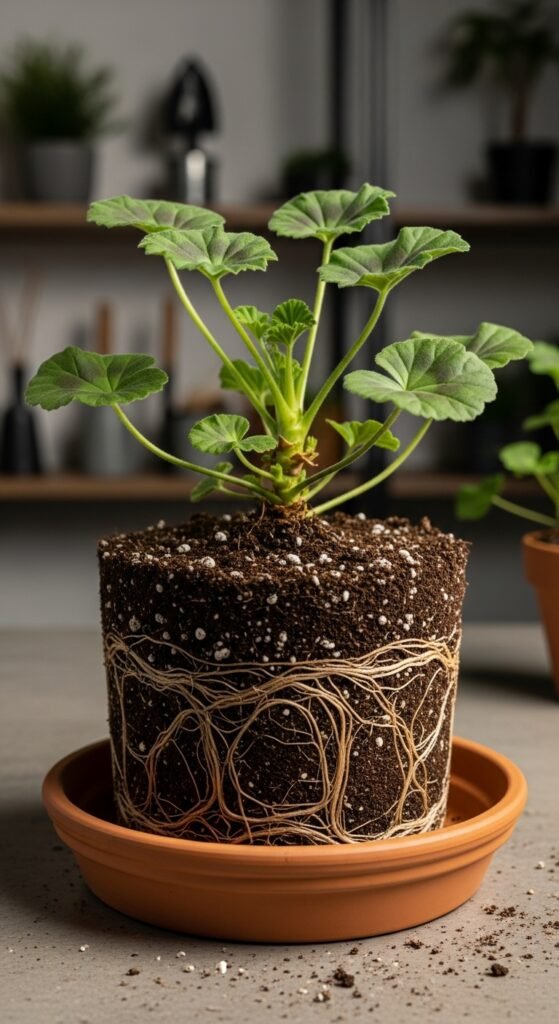
Mix your own or buy a cactus blend, amending with sand if needed. Test by watering; excess should flow out immediately. For raised beds, incorporate organic matter to enhance structure over time.
4) Water Consistently but Avoid Over-Saturation
You’ll find success by watering geraniums deeply when the top inch of soil feels dry, typically once or twice a week depending on weather. Use room-temperature water to avoid shocking the roots.
Consistent moisture prevents stress, promoting steady growth and blooming, but overwatering leads to fungal diseases. Balance is key for lush, healthy plants.
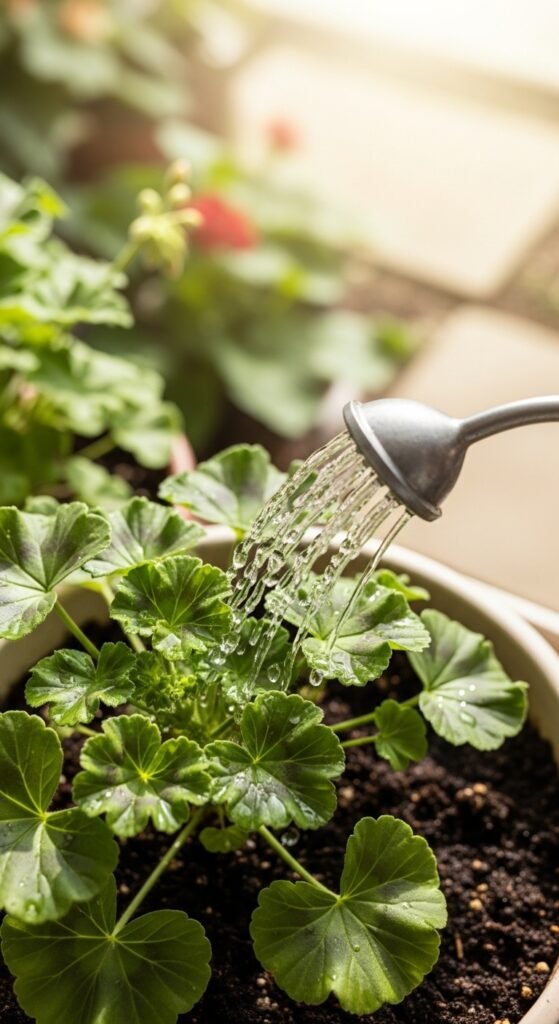
Check soil moisture with your finger or a meter. In hot spells, increase frequency but ensure pots have drainage holes. For more on timing, consider general plant watering practices that align with geranium needs.
5) Fertilize Regularly for Nutrient Boost
You must feed your geraniums every two weeks during the growing season with a balanced, water-soluble fertilizer like 10-10-10. Dilute to half-strength to prevent burn.
Fertilizing supplies essential nutrients for prolific blooms and vigorous foliage. Without it, plants may yellow or produce fewer flowers.
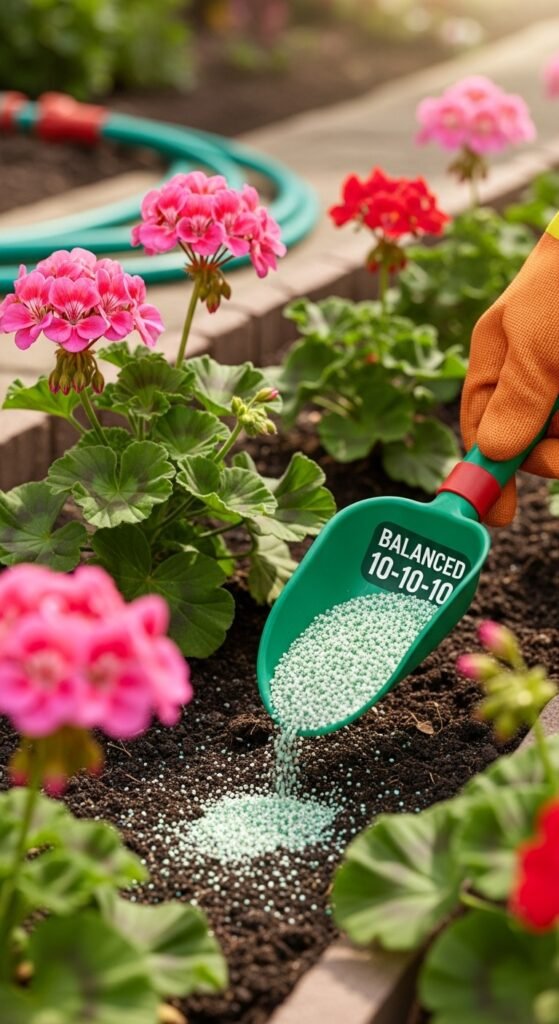
Apply in the morning after watering to aid absorption. Switch to a bloom-booster formula in summer for extra flowers. Organic options like compost tea work well too, providing slow-release benefits.
6) Prune to Encourage Bushier Plants
You can promote fuller growth by pinching back tips and removing spent blooms regularly, starting when plants are young. Use clean shears to cut just above a leaf node.
Pruning redirects energy to new growth, resulting in denser plants and more flowers. It also improves air circulation, reducing disease risk.
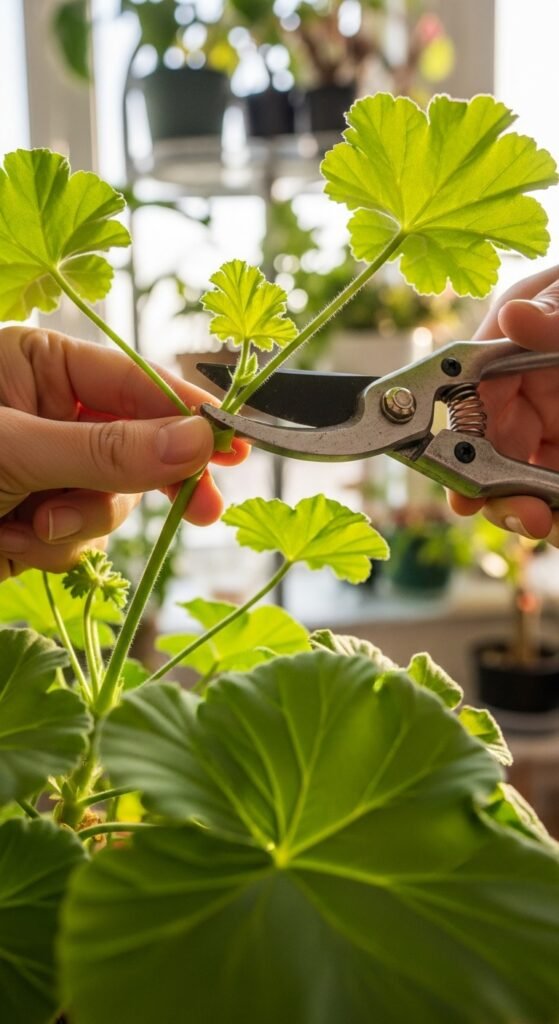
Do this every few weeks, focusing on leggy stems. For similar techniques, explore spring rose pruning methods that apply to geraniums. Deadhead faded flowers promptly to extend the blooming period.
7) Protect from Pests with Vigilant Monitoring
You need to inspect leaves weekly for aphids, spider mites, or whiteflies, common geranium pests. Hose off infestations or use insecticidal soap as needed.
Early detection prevents widespread damage, keeping your plants healthy and productive. Pests sap strength, leading to distorted growth.
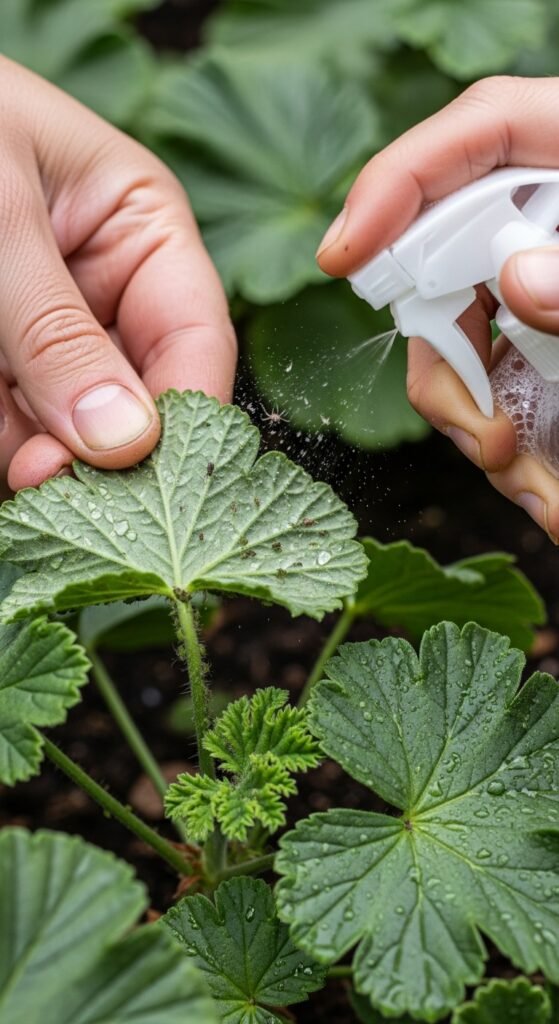
Encourage beneficial insects like ladybugs. For severe cases, apply neem oil weekly. Rotate treatments to avoid resistance, ensuring long-term pest control.
8) Overwinter Indoors in Colder Climates
You should bring potted geraniums inside before the first frost, placing them in a cool, bright spot around 50-60°F. Reduce watering during dormancy.
Overwintering preserves plants for the next season, saving money and effort. It protects from freezing, maintaining root health.
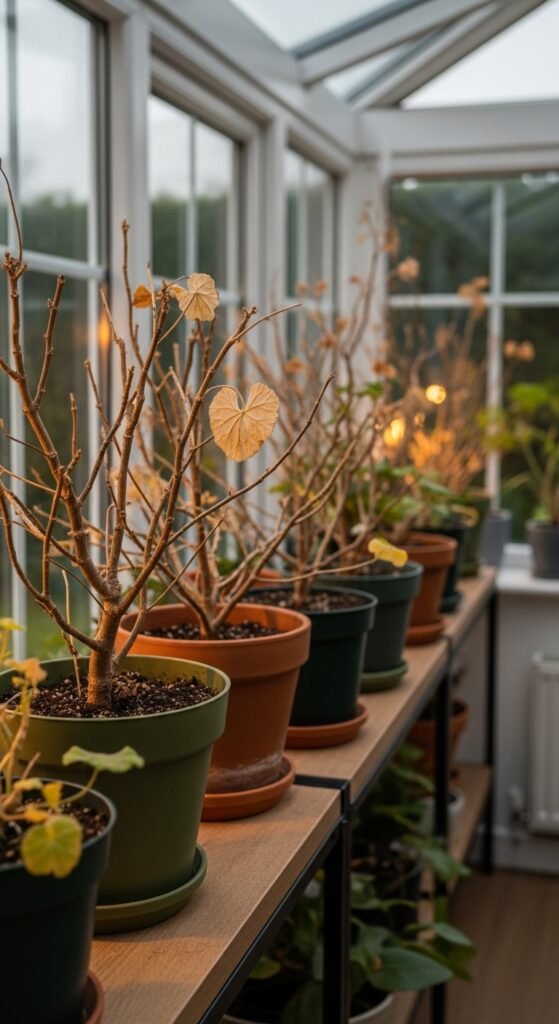
Cut back by one-third before moving. Acclimate gradually to indoor light. In spring, harden off outdoors over a week to resume growth.
9) Mulch to Retain Moisture and Suppress Weeds
You’ll benefit from applying a 2-inch layer of organic mulch like bark or straw around geranium bases, keeping it away from stems.
Mulch conserves soil moisture, regulates temperature, and blocks weeds, allowing plants to focus on blooming rather than competing for resources.
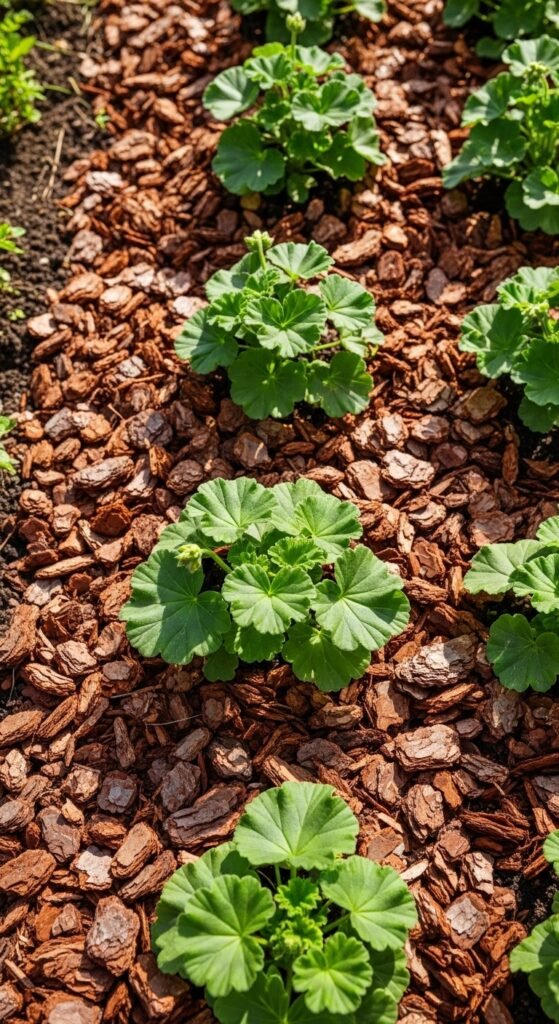
Refresh annually in spring. For container plants, top-dress lightly. This simple step enhances overall plant vigor and garden aesthetics.
10) Ensure Proper Spacing for Airflow
You must space geraniums 12-24 inches apart in beds or pots to allow good circulation, preventing fungal issues like powdery mildew.
Adequate spacing promotes healthier plants by reducing humidity around foliage, leading to fewer diseases and better growth.
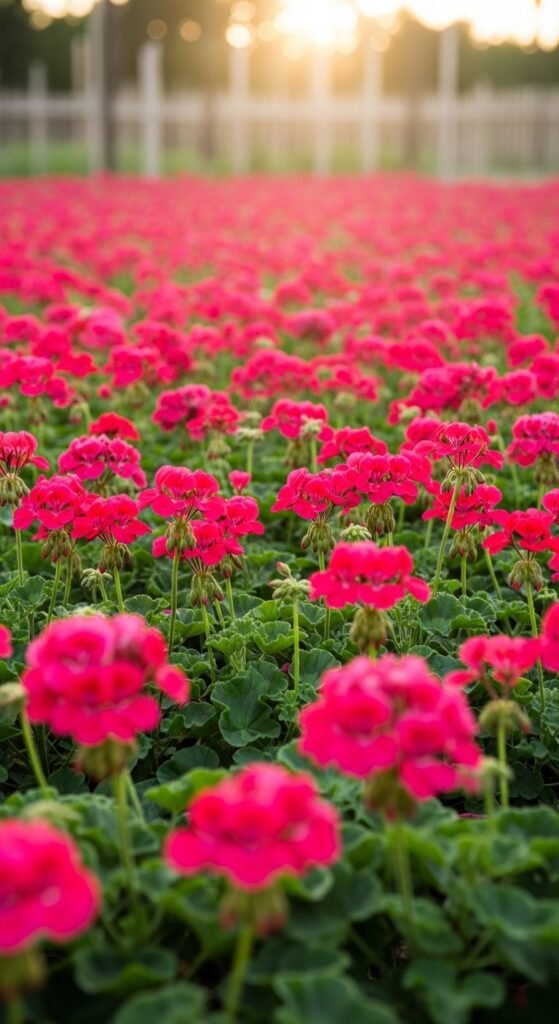
Plan layouts before planting. In containers, limit to one or two plants per pot. Monitor and thin if overcrowded for optimal performance.
11) Monitor Soil pH for Nutrient Availability
You need to test soil pH, aiming for 6.0-7.0 for geraniums, adjusting with lime if too acidic or sulfur if alkaline.
Correct pH ensures nutrients are accessible, preventing deficiencies that cause yellowing or poor blooming. It’s fundamental for plant health.
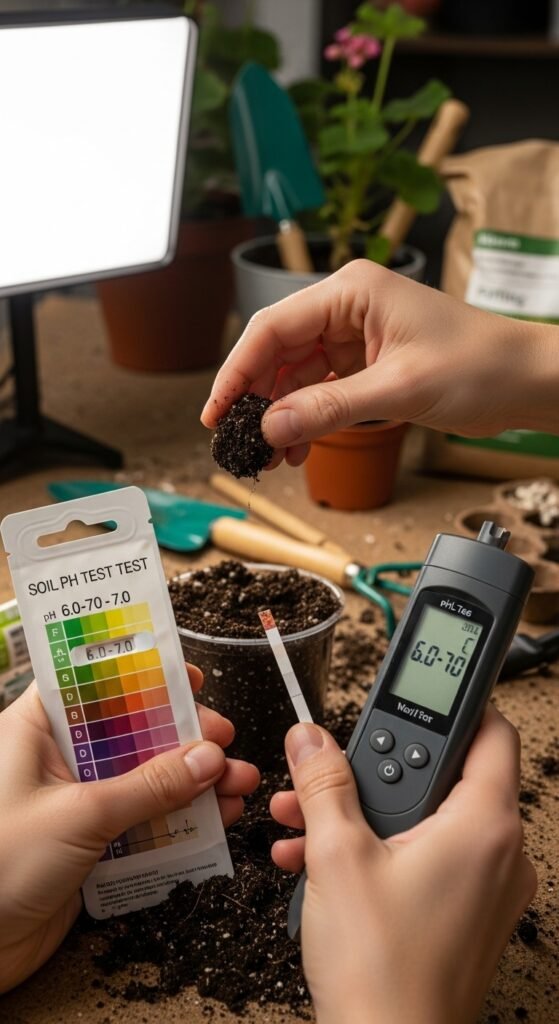
Use home kits or send samples to labs. Amend gradually and retest. This proactive approach supports vibrant, resilient geraniums.
12) Propagate from Cuttings for More Plants
You can easily multiply geraniums by taking 4-6 inch stem cuttings in late summer, rooting them in water or moist soil.
Propagation expands your collection cost-effectively, refreshing older plants and sharing with others. It’s a rewarding way to grow.
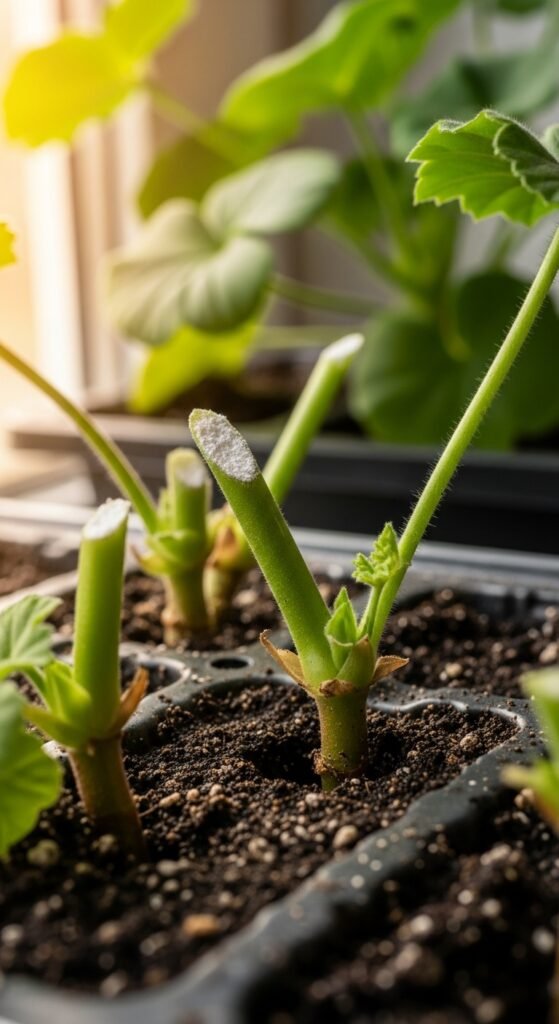
Remove lower leaves, dip in rooting hormone, and keep humid until roots form. Transplant once established for continued success.
13) Companion Plant for Natural Pest Control
You should pair geraniums with marigolds or nasturtiums to deter pests naturally, creating a balanced ecosystem in your garden.
Companions enhance biodiversity, reducing chemical needs while attracting pollinators for better yields. It’s an eco-friendly strategy.
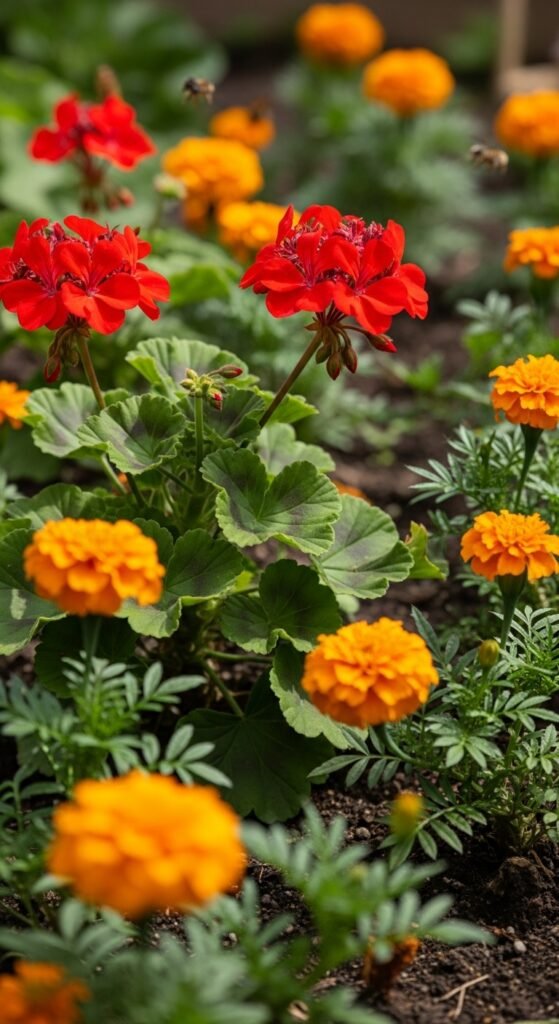
Plant interspersed or in borders. For ideas, consider vegetable companion planting principles that translate to flowers. Observe and adjust based on results.
14) Use Containers for Versatile Placement
You’ll love growing geraniums in pots for mobility, allowing you to chase sun or protect from weather as needed.
Containers offer flexibility, ideal for small spaces, and control soil conditions precisely for healthier plants.
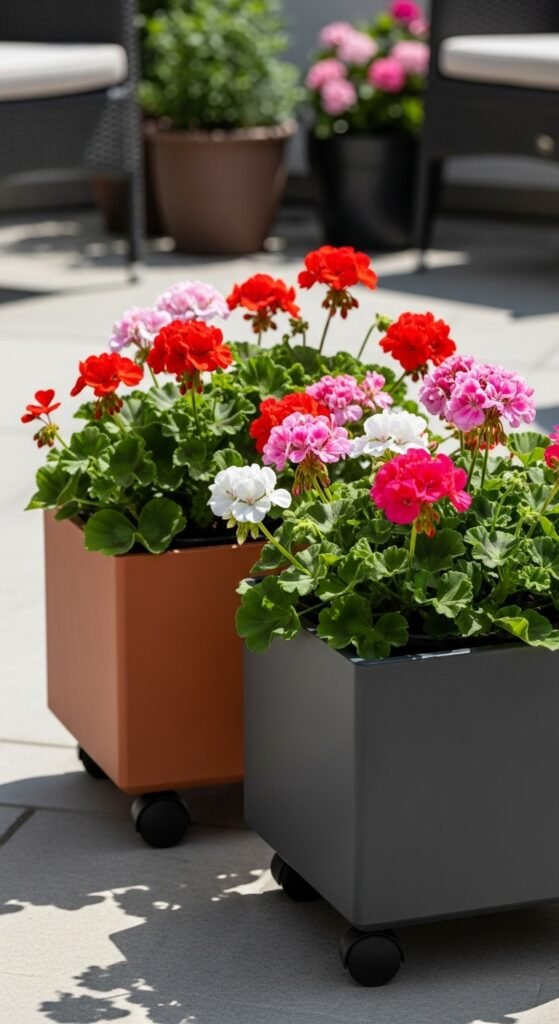
Choose pots with drainage, fill with quality mix. Refresh soil yearly. Explore container gardening ideas to inspire your setups.
15) Enjoy Scented Varieties for Added Appeal
You can incorporate lemon or rose-scented geraniums for their aromatic leaves, enhancing sensory experiences in patios or indoors.
These add fragrance and repel insects, combining beauty with utility. They’re perfect for culinary uses too.
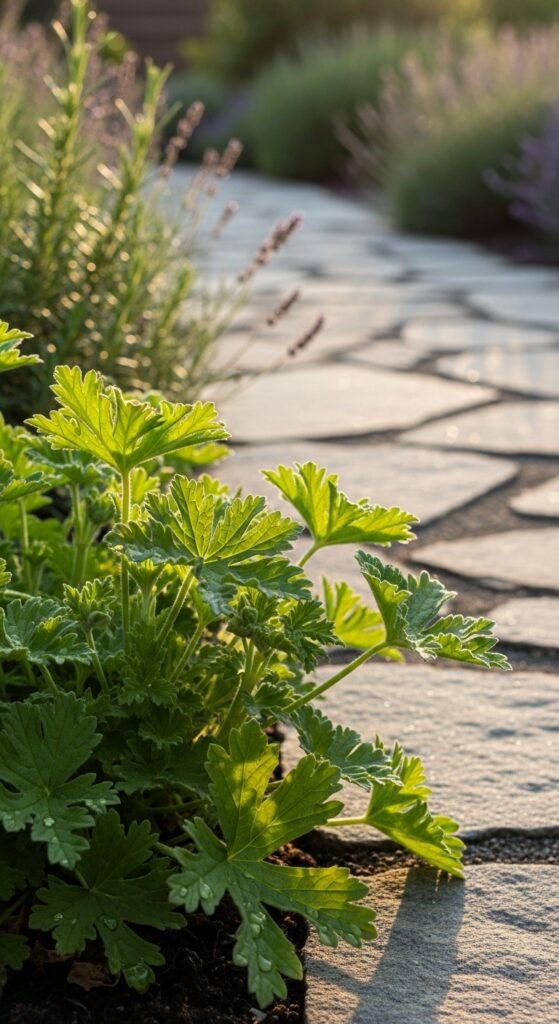
Plant near walkways for easy access. Crush leaves to release scents. For care specifics, reference citronella plant care as a similar scented option.
Key Principles of Geranium Care
Balancing Light and Water
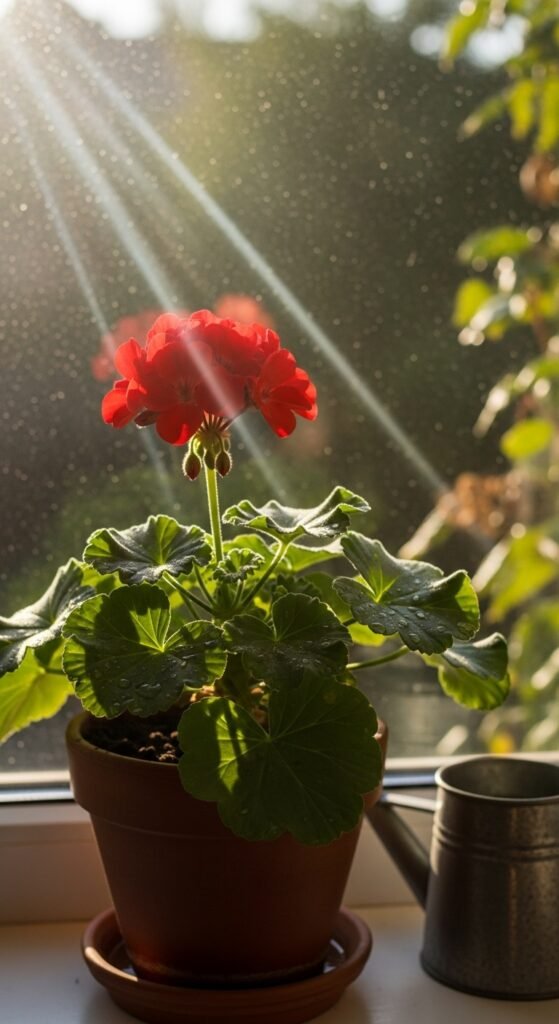
Maintain consistent sunlight and moisture to avoid stress, adjusting based on seasonal changes for year-round health.
Nutrient Management
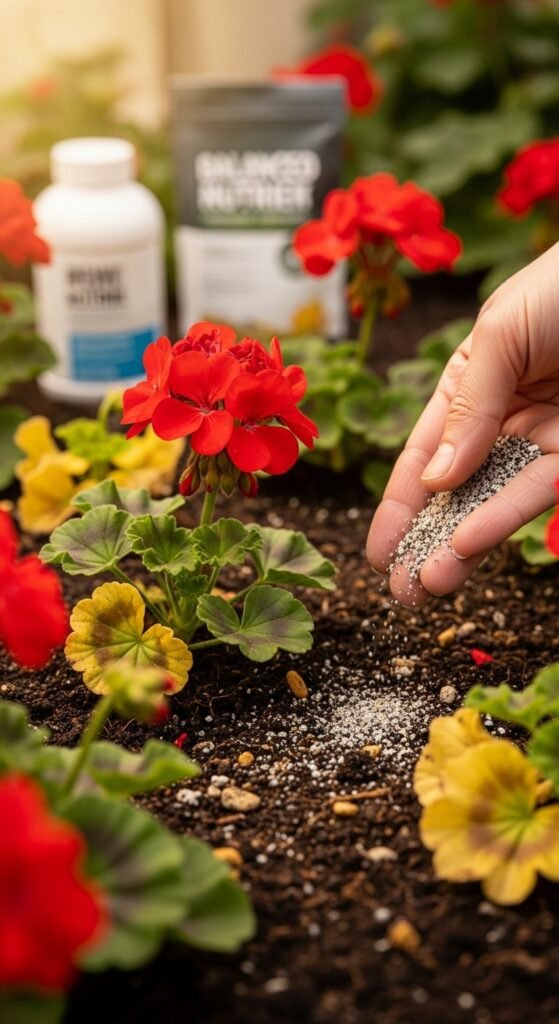
Regular feeding with balanced fertilizers supports blooming; monitor for deficiencies and amend soil as necessary.
Pest and Disease Prevention
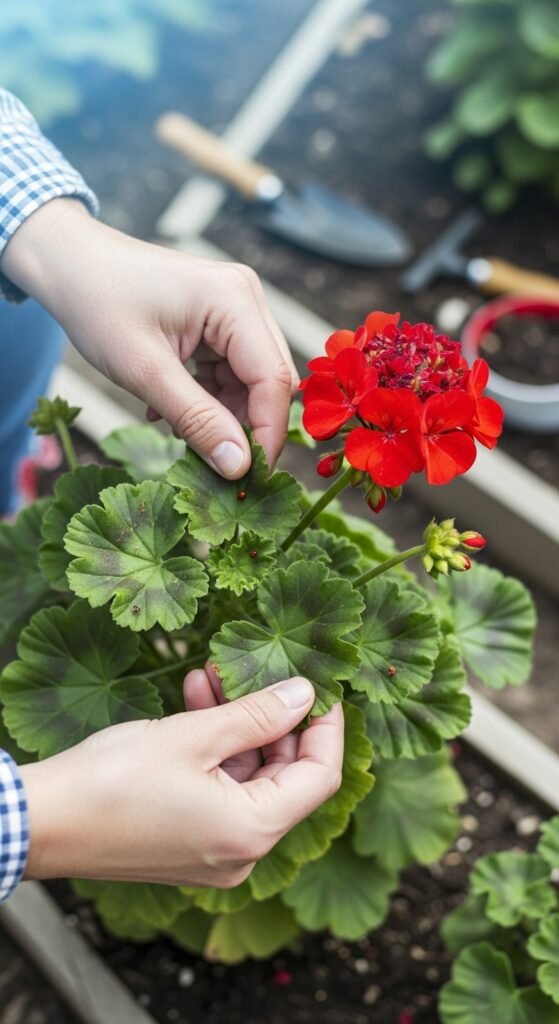
Promote airflow and use organic controls to keep issues at bay, ensuring proactive monitoring for early intervention.
Frequently Asked Questions
How often should I water my geraniums?
Water when the top inch of soil is dry, usually every 4-7 days, depending on temperature and humidity.
Why are my geranium leaves turning yellow?
Yellowing often indicates overwatering or nutrient deficiency; check soil moisture and fertilize accordingly.
Can geraniums survive winter outdoors?
In zones 10-11, yes, but in colder areas, overwinter indoors or treat as annuals.
How do I make geraniums bloom more?
Ensure ample sun, deadhead regularly, and use a phosphorus-rich fertilizer to encourage flowers.
Are geraniums toxic to pets?
Yes, they can cause mild gastrointestinal upset in cats and dogs if ingested.