If you’re tired of deer turning your garden into their personal buffet, incorporating deer resistant flowers is a smart strategy. These plants are naturally unappealing to deer due to their strong scents, fuzzy textures, or bitter tastes, allowing you to enjoy vibrant blooms without constant worry. By choosing the right varieties, you can create a beautiful landscape that thrives even in areas with high deer populations.
Deer resistant flowers not only protect your garden but also enhance its aesthetic appeal and support pollinators. They often require less maintenance, making them ideal for busy gardeners. Whether you’re designing a new flower bed or revamping an existing one, these ideas will help you build a resilient and colorful outdoor space. Start by assessing your soil and sunlight conditions to select the best options for your yard.
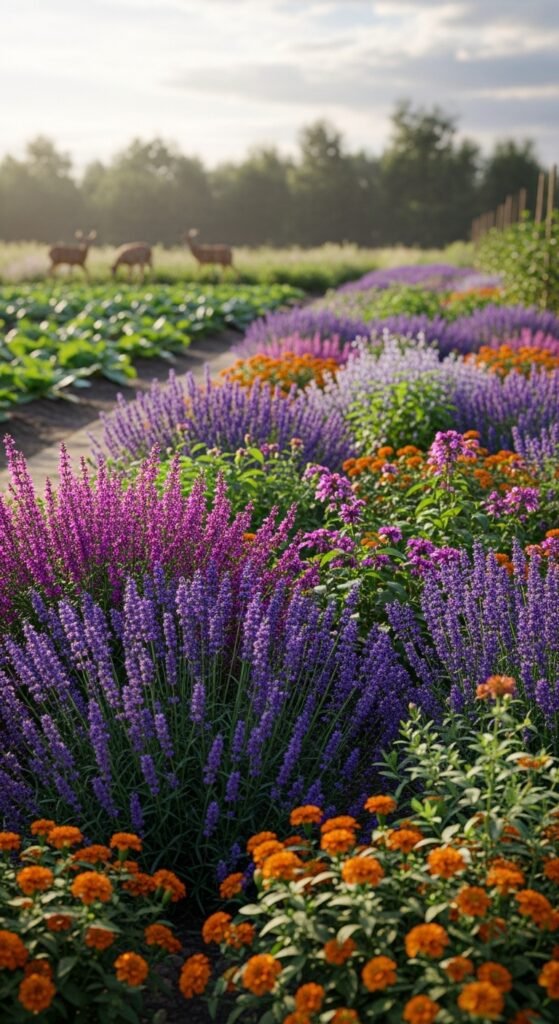
Remember, while no plant is completely deer-proof, combining these flowers with other tactics like fencing can significantly reduce damage. Let’s explore 15 stunning ideas to inspire your deer-resistant garden.
1) Fragrant Lavender Hedges
Lavender is a perennial herb with aromatic purple flowers and silvery foliage that deer typically avoid due to its strong scent. This Mediterranean native thrives in full sun and well-drained soil, producing spikes of blooms from early summer to fall. What makes it deer resistant is the essential oils in its leaves and flowers, which repel herbivores while attracting bees and butterflies.
Why choose lavender? It adds a calming fragrance to your garden, deters deer effectively, and requires minimal water once established, making it drought-tolerant too. You can use it as a border plant or in mass plantings for a stunning visual effect. For more on growing this versatile plant, check out our lavender care guide.
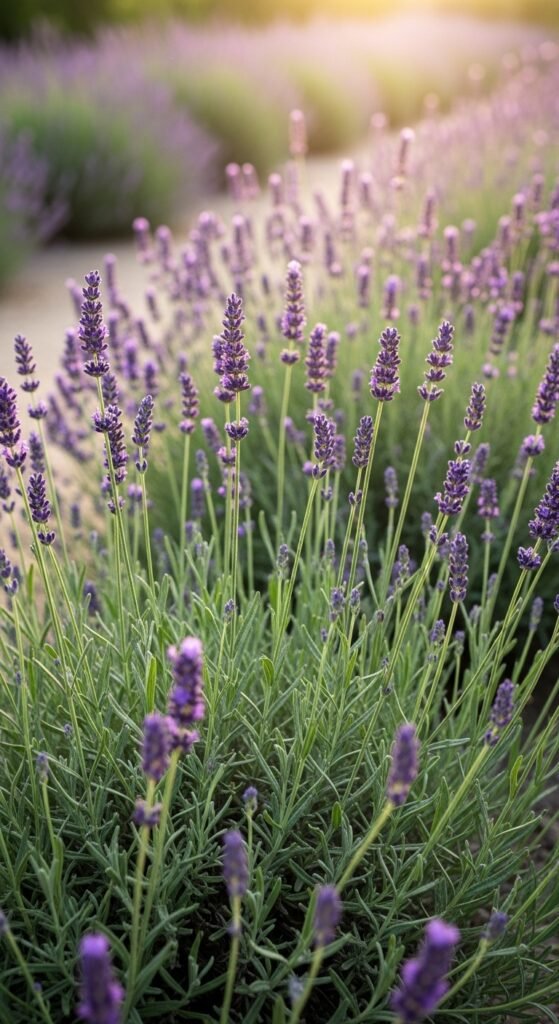
How to incorporate it: Plant in groups along pathways or around vegetable beds. Space seedlings 12-18 inches apart in sandy soil amended with compost. Water deeply but infrequently, and prune after flowering to maintain shape. Expect it to reach 1-3 feet tall, creating a natural barrier that keeps deer at bay while enhancing your garden’s sensory appeal.
2) Vibrant Salvia Spikes
Salvia, also known as sage, features tall spikes of tubular flowers in shades of blue, purple, red, or pink. These perennials or annuals have aromatic foliage that deer dislike, thanks to their pungent smell and slightly fuzzy texture. They bloom profusely from late spring through fall in full sun and well-draining soil.
The appeal lies in their ability to attract hummingbirds and pollinators while repelling deer. Salvia is low-maintenance, heat-tolerant, and adds vertical interest to borders or containers. It’s a great choice for pollinator-friendly gardens, combining beauty with functionality.
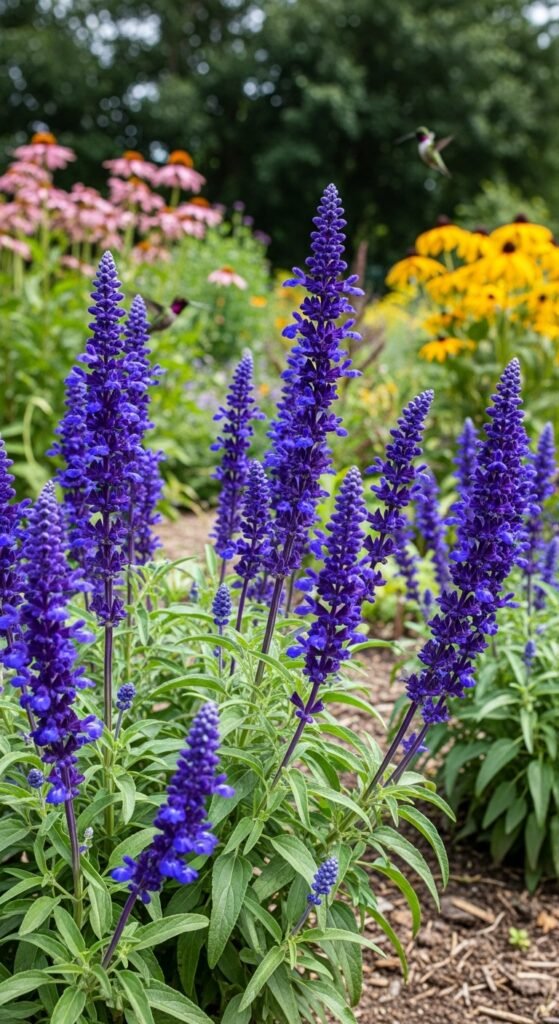
To grow salvia: Sow seeds indoors 6-8 weeks before the last frost or plant transplants in spring. Space 12-24 inches apart, water moderately until established, then reduce to occasional deep soakings. Deadhead spent blooms to encourage continuous flowering. This flower can grow 1-5 feet tall, depending on the variety, providing long-lasting color without inviting deer snacks.
3) Bold Marigold Borders
Marigolds are cheerful annual flowers with bright orange, yellow, or red pom-pom blooms and fern-like foliage. Their strong, citrusy scent is a natural deer deterrent, as it masks other plants’ aromas. These sun-loving plants flower from summer until frost and are easy to grow from seed.
Why marigolds work well: They’re inexpensive, pest-repellent (including nematodes in soil), and add a pop of color to any garden. Pair them with vegetables for companion planting benefits. For detailed tips, see our marigold growing guide.
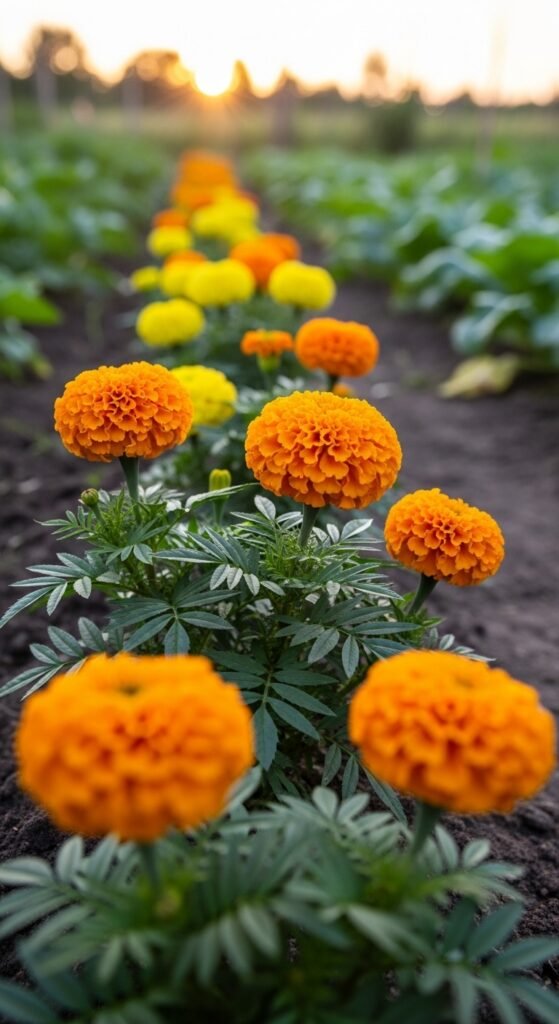
How to plant: Direct sow seeds after the last frost in fertile, well-drained soil. Thin seedlings to 8-12 inches apart. Water at the base to avoid fungal issues, and pinch tips for bushier growth. Reaching 6-36 inches tall, marigolds create effective edging that protects more vulnerable plants from deer browsing.
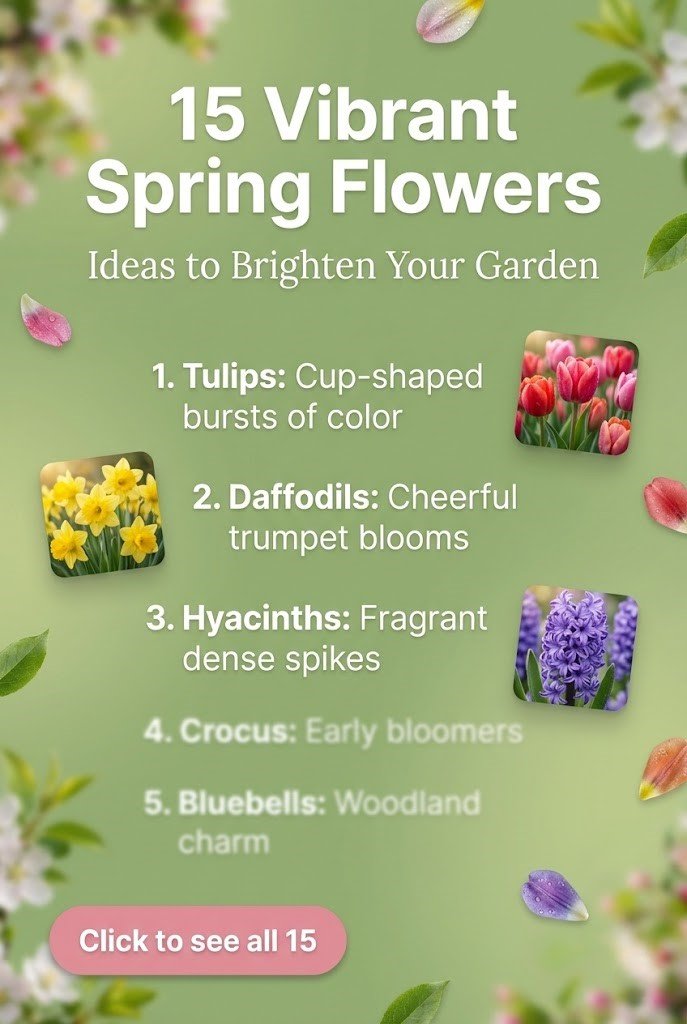
4) Cheerful Daffodil Clusters
Daffodils are spring-blooming bulbs with trumpet-shaped flowers in yellow, white, or pink hues. Their toxic alkaloids make them unpalatable to deer, ensuring they remain untouched. These perennials naturalize easily, returning year after year with minimal care.
The value: They signal the end of winter with early blooms and multiply over time for larger displays. Daffodils are low-maintenance and thrive in various soils. Consider them for spring garden enhancements.
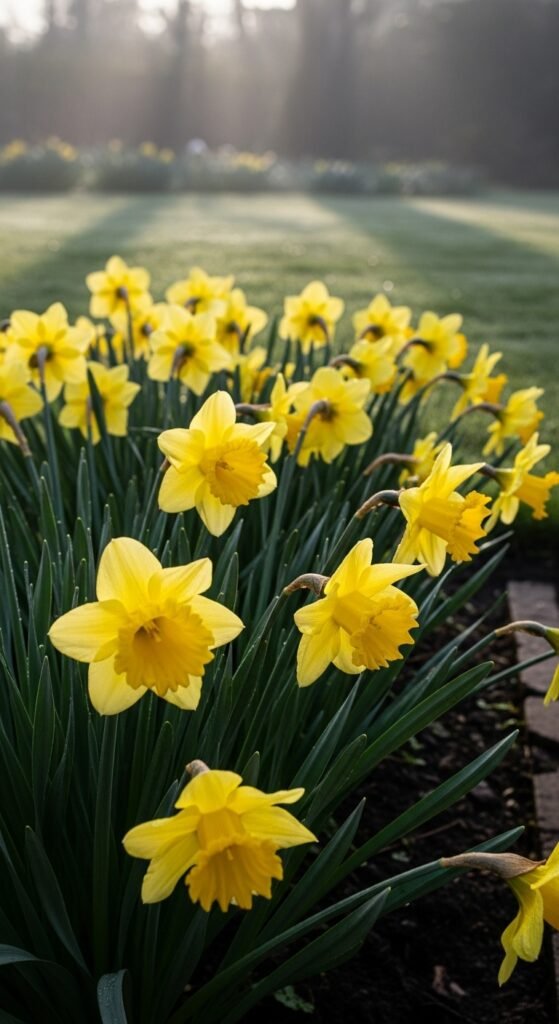
Implementation: Plant bulbs in fall, 6 inches deep and 4-6 inches apart, in full sun to partial shade. Water after planting and mulch for winter protection. Avoid cutting foliage until it yellows. Growing 6-24 inches tall, they work well in borders or lawns, providing deer-resistant color that brightens your landscape early in the season.
5) Towering Foxglove Spires
Foxglove produces tall spikes of bell-shaped flowers in pink, purple, white, or yellow. This biennial or short-lived perennial contains digitalis, a toxin that deters deer. It prefers partial shade and moist, well-drained soil, blooming in early summer.
Why it’s ideal: Foxglove adds height and drama to cottage gardens, attracting pollinators while keeping deer away. Its self-seeding nature ensures ongoing presence. It’s a classic for cottage-style designs.
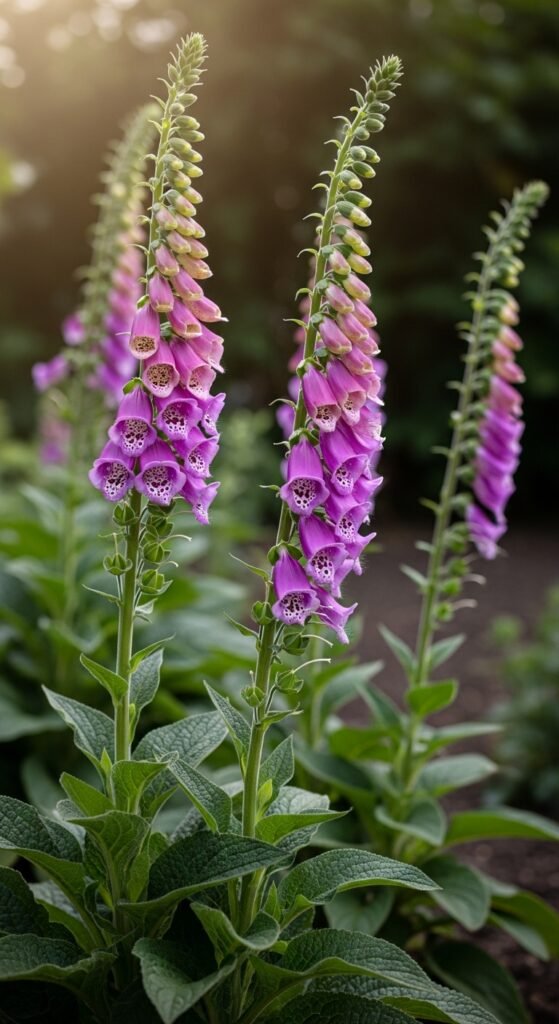
How to grow: Sow seeds directly in late summer or start indoors. Space plants 12-18 inches apart. Water regularly, especially in dry spells, and stake tall varieties. Reaching 2-5 feet, foxglove creates vertical accents that enhance garden structure without becoming deer fodder.
6) Ornamental Allium Globes
Alliums are bulbous plants with spherical clusters of star-shaped flowers in purple, white, or pink. Their onion-like scent repels deer effectively. These perennials bloom in late spring to early summer in full sun and well-drained soil.
Benefits include: Low maintenance, drought tolerance once established, and architectural interest even after blooming. They’re excellent for cutting gardens and attract beneficial insects.
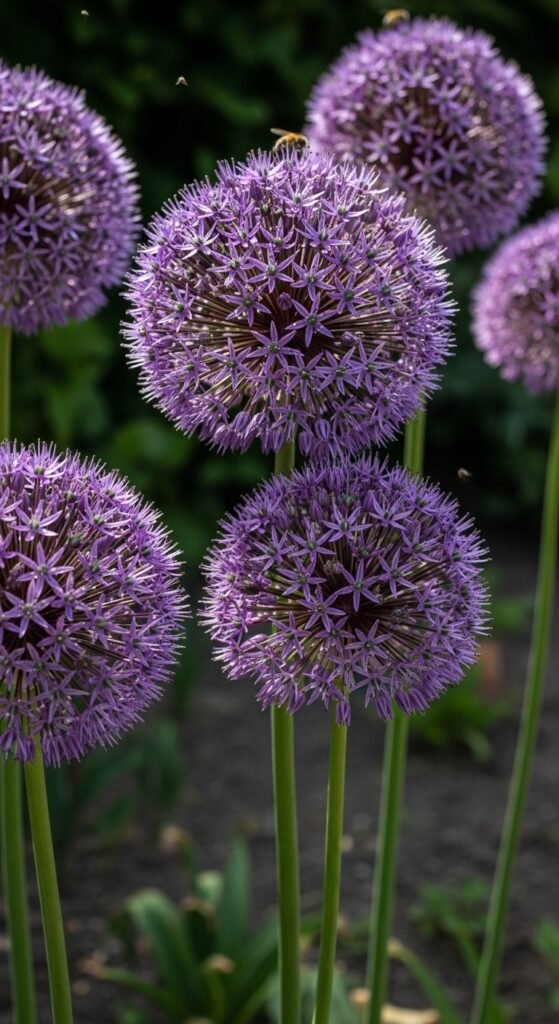
Planting guide: Bury bulbs in fall, 3-4 times their depth, spaced 6-12 inches apart. Water sparingly and divide clumps every few years. Growing 1-4 feet tall, alliums add unique texture and form to borders, keeping your garden safe from deer visits.
7) Hardy Echinacea Cones
Echinacea, or coneflower, features daisy-like blooms with prominent central cones in pink, purple, white, or orange. Its rough texture and bitter taste make it deer resistant. This native perennial thrives in full sun and average soil, blooming summer to fall.
Why choose it: It supports wildlife, has medicinal properties, and is extremely hardy. For more on natives, explore native plant options.
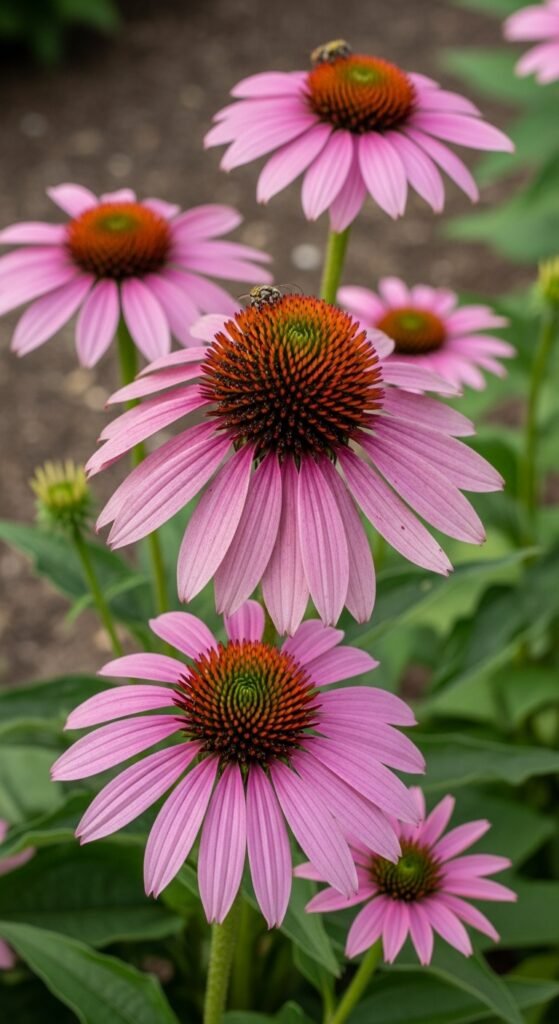
How to incorporate: Plant divisions or seeds in spring. Space 18-24 inches apart, water moderately, and deadhead for extended bloom. At 2-5 feet tall, echinacea provides long-season color and seed heads for winter interest, all while deterring deer.
8) Feathery Yarrow Flats
Yarrow displays flat clusters of tiny flowers in white, yellow, pink, or red atop ferny foliage. Its aromatic leaves deter deer. This tough perennial grows in full sun and poor soil, blooming from early summer onward.
Advantages: Drought-tolerant, spreads easily for ground cover, and attracts butterflies. It’s perfect for water-wise gardening.
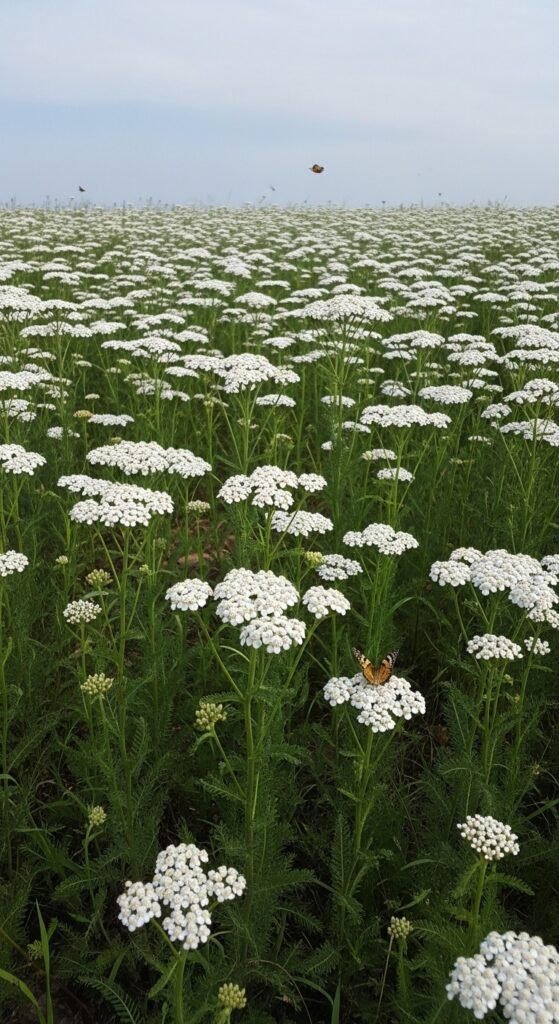
Growing tips: Divide clumps every 3-4 years. Space 12-24 inches apart, water sparingly. Reaching 1-3 feet, yarrow forms dense mats that suppress weeds and protect against deer grazing.
9) Spicy Bee Balm Bursts
Bee balm, or monarda, has shaggy flowers in red, pink, or purple that resemble fireworks. Its minty scent repels deer. This perennial prefers full sun to partial shade and moist soil, blooming mid-summer.
Why it’s great: Attracts hummingbirds and butterflies, resists mildew in some varieties, and adds whimsy. Ideal for easy-care landscapes.
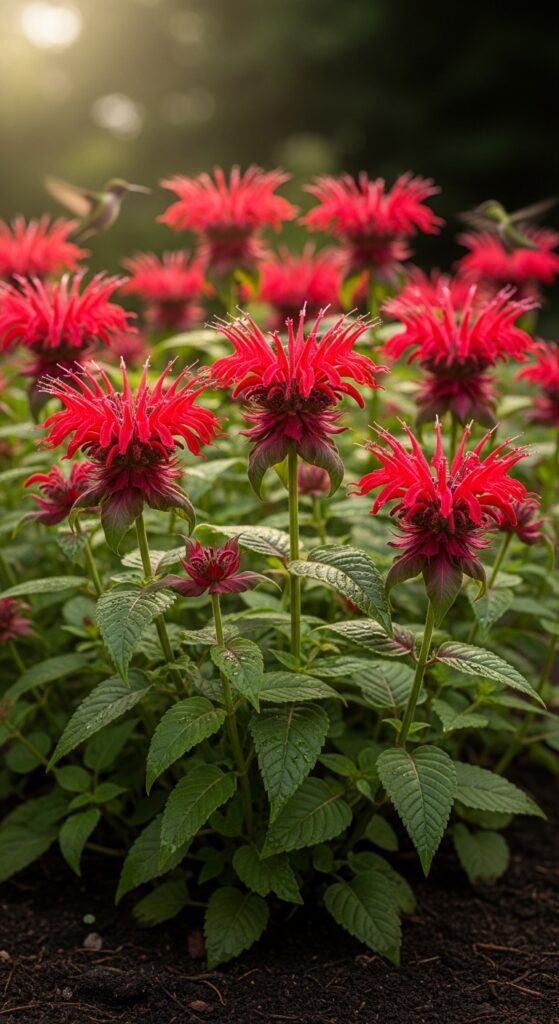
How to plant: Set out in spring, spacing 18-24 inches. Water consistently and divide every 3 years. Growing 2-4 feet tall, bee balm creates colorful clumps that enliven your deer-resistant garden.
10) Nepeta Catmint Clouds
Catmint offers lavender-blue flower spikes and gray-green foliage with a minty aroma that deer avoid. This perennial thrives in full sun and well-drained soil, blooming repeatedly from spring to fall.
Benefits: Long blooming period, attracts cats harmlessly, and is heat-tolerant. It complements many garden styles.
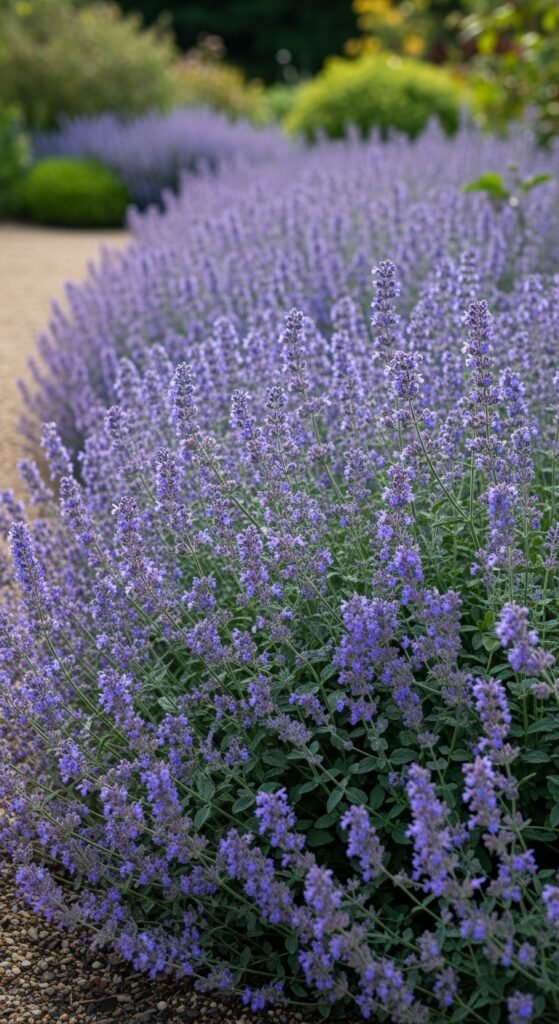
Implementation: Plant in groups, spacing 12-18 inches. Shear after first bloom for reblooming. At 1-3 feet, catmint forms soft mounds that edge paths beautifully without deer interference.
11) Wispy Russian Sage
Russian sage features airy spires of lavender-blue flowers and silver stems. Its strong scent and woody base deter deer. This sub-shrub grows in full sun and dry soil, blooming late summer to fall.
Why select it: Provides late-season color, is extremely drought-tolerant, and adds ethereal texture.
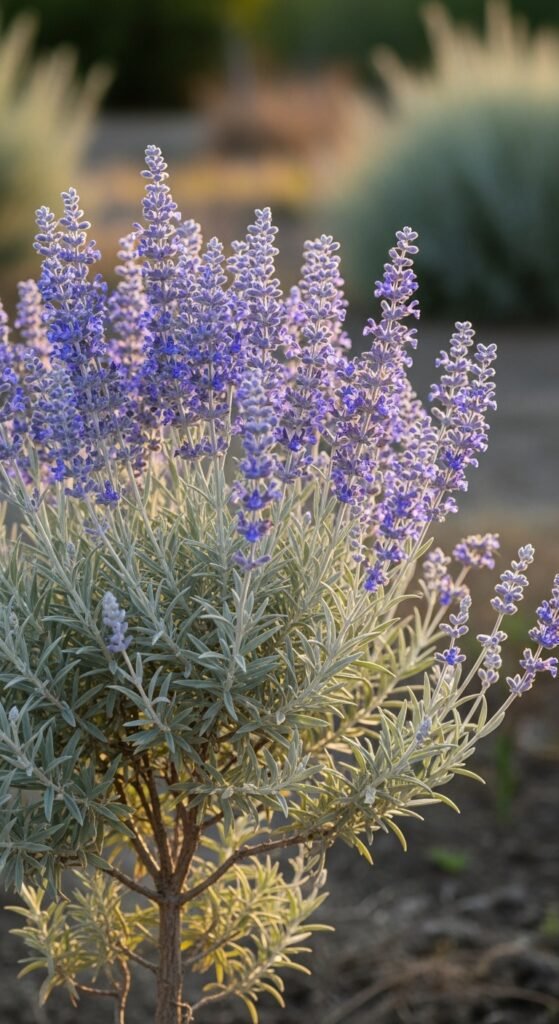
How to grow: Plant in spring, spacing 2-3 feet. Cut back in early spring. Reaching 3-5 feet, it creates a hazy backdrop that enhances deer resistance.
12) Fuzzy Lamb’s Ear
Lamb’s ear has soft, woolly silver leaves and occasional purple flower spikes. The fuzzy texture repels deer. This groundcover perennial prefers full sun and well-drained soil.
Appeal: Tactile interest, spreads quickly for coverage, and is low-growing. Great for kids’ gardens.
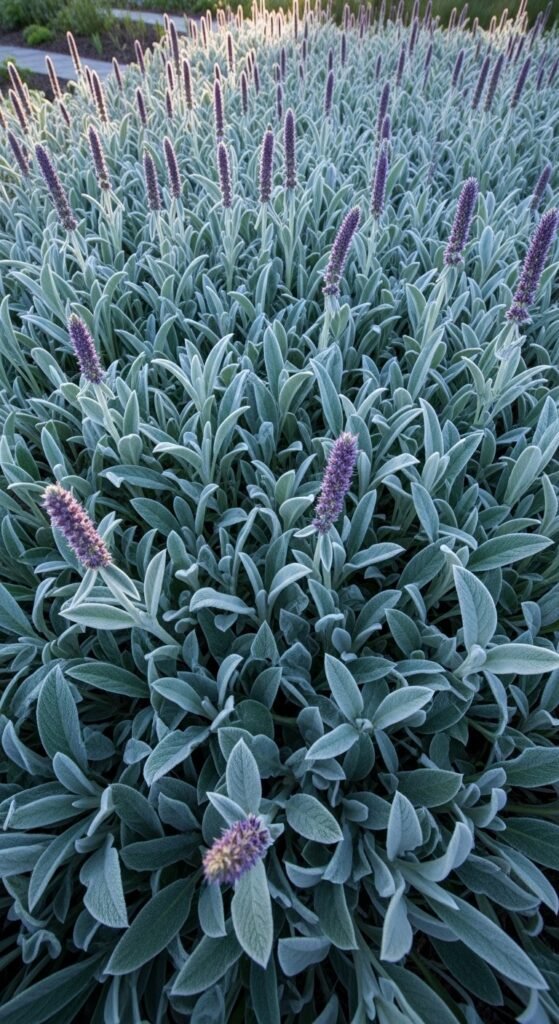
Planting: Divide in spring, spacing 12-18 inches. Water moderately. At 6-18 inches tall, it edges borders effectively against deer.
13) Elegant Iris Blades
Irises display sword-like leaves and showy flowers in various colors. Their toxicity deters deer. These rhizomatous perennials bloom in spring in full sun.
Why choose: Wide variety selection, easy division, and spring focal points.
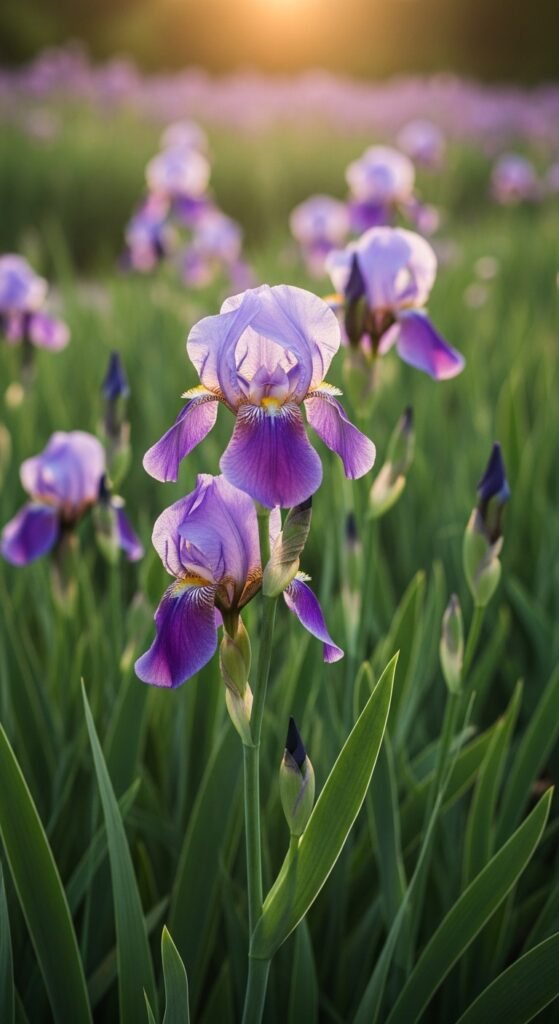
How: Plant rhizomes shallowly in fall, spacing 12-24 inches. Divide every 3-5 years. Growing 1-4 feet, irises add structure to deer-safe beds.
14) Lush Peony Bushes
Peonies produce large, fragrant blooms in pink, white, or red. Their ant-attracting buds and scent somewhat repel deer. These long-lived perennials need full sun and rich soil.
Benefits: Cut flowers, heirloom quality, and minimal care once established.
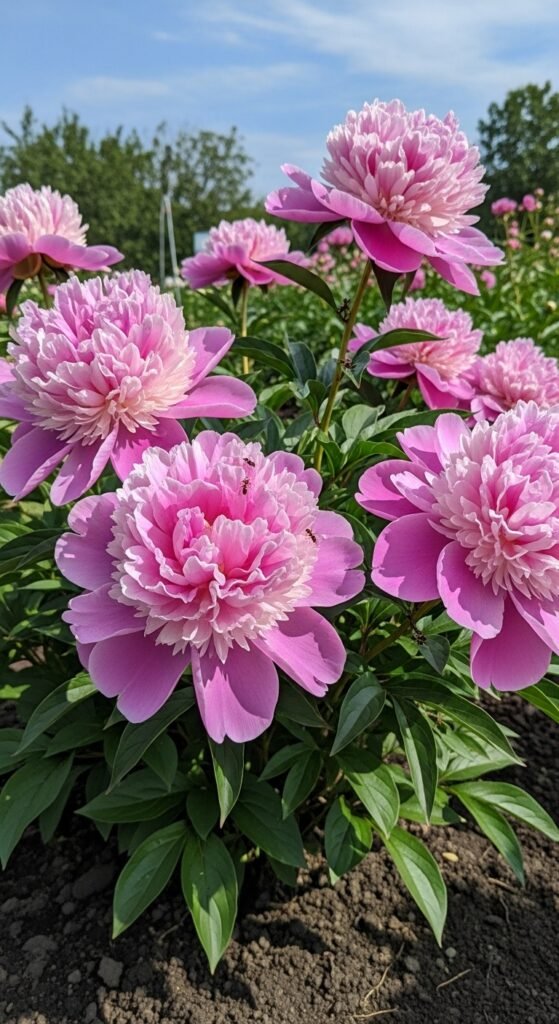
Growing: Plant eyes 2 inches deep in fall. Stake heavy blooms. At 2-3 feet, peonies create romantic displays resistant to occasional deer browses.
15) Snappy Snapdragon Stems
Snapdragons have spiked flowers in bright colors that snap when squeezed. Their bitter taste deters deer. These annuals or perennials bloom in cool weather in full sun.
Why: Vertical accents, long vase life, and edible flowers.
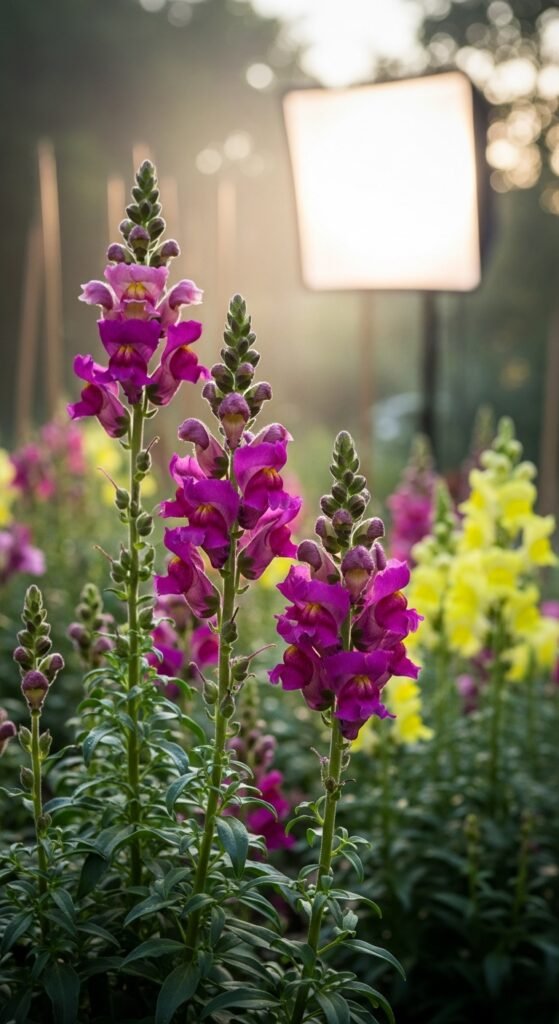
How to plant: Start seeds indoors or direct sow. Pinch for branching. Reaching 1-3 feet, they add playful height to deer-resistant arrangements.
Key Principles for Deer-Resistant Gardening
Strategic Plant Placement
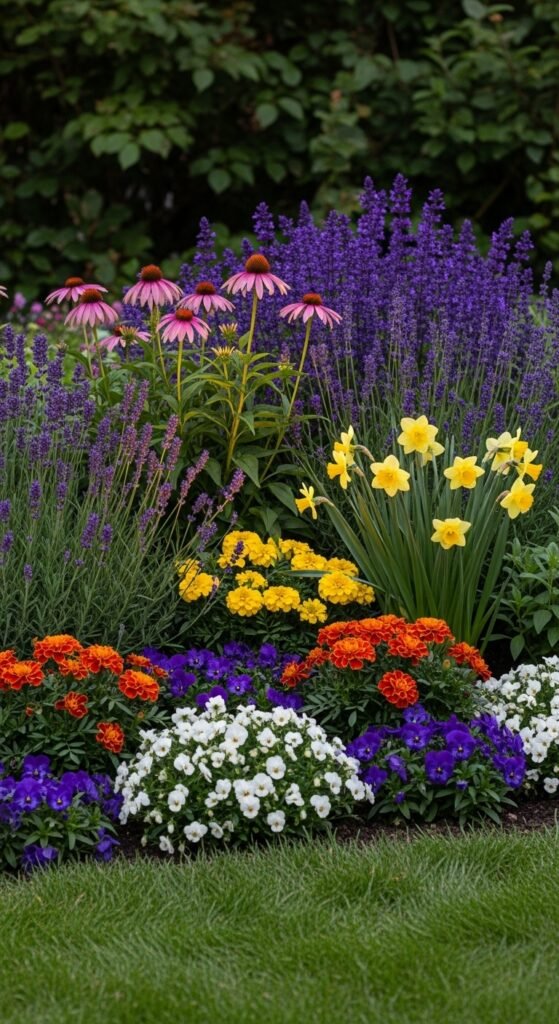
Group deer resistant flowers together near entry points to create a natural barrier. Plant taller varieties at the back and shorter ones in front for layered protection and visual depth.
Complementary Protection Methods
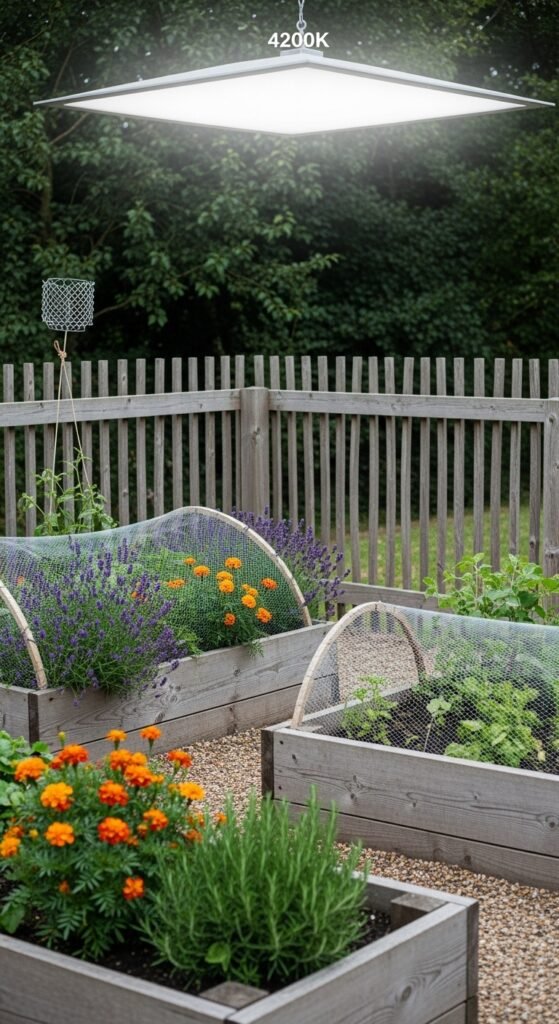
Combine flowers with physical deterrents like a deer-proof raised bed for vulnerable plants. This multi-layered approach enhances overall garden resilience.
Maintenance for Success
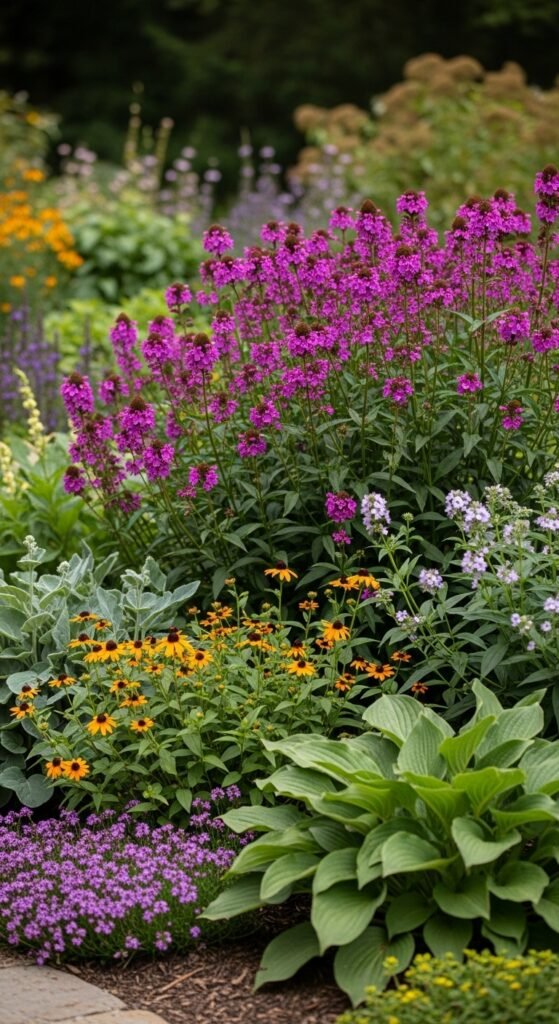
Regularly inspect and maintain your plants to ensure health. Healthy, vigorous growth makes them even less appealing to deer while maximizing blooms.
Frequently Asked Questions
What makes a flower deer resistant?
Deer resistant flowers often have strong scents, fuzzy textures, bitter tastes, or toxic compounds that make them unappealing or harmful to deer. Examples include those with aromatic foliage like herbs or bulbs with alkaloids.
Can deer resistant flowers completely prevent deer damage?
No plant is 100% deer-proof, as hungry deer may still nibble. However, these flowers significantly reduce damage when combined with other strategies like fencing or repellents.
When is the best time to plant deer resistant flowers?
Spring or fall is ideal for most perennials and bulbs. Annuals can be sown after the last frost. Check your local climate for specific timing.
Do deer resistant flowers require special care?
Most are low-maintenance, thriving in full sun and well-drained soil. Water as needed during establishment, and mulch to retain moisture and suppress weeds.
Can I mix deer resistant flowers with other plants?
Yes, interplant them with more susceptible varieties to provide natural protection. This creates a diverse, balanced garden that’s both beautiful and resilient.