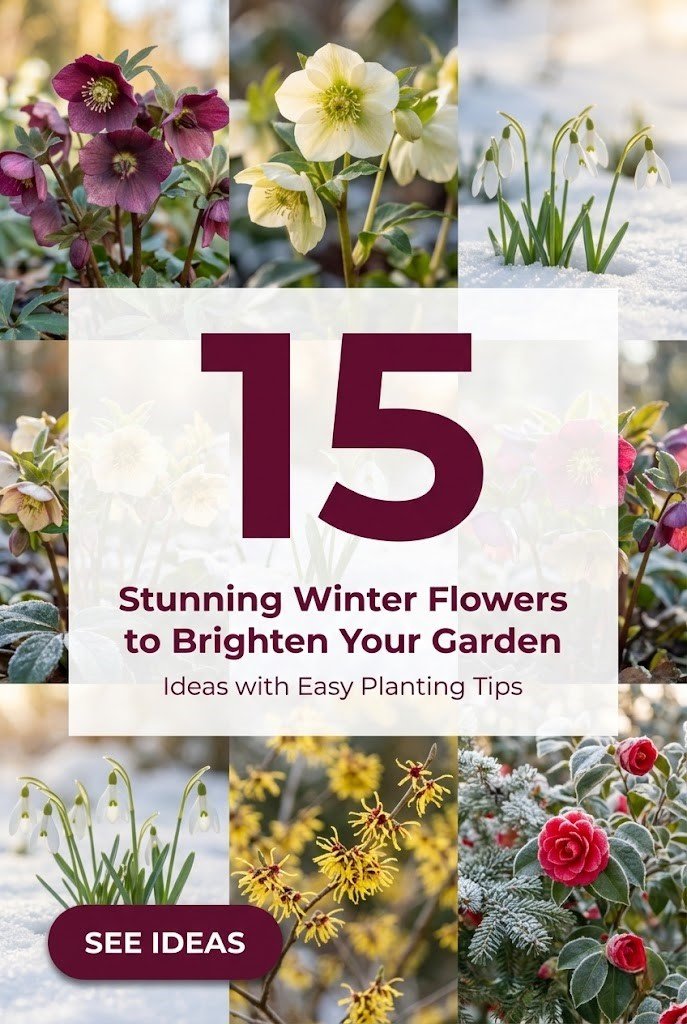
Winter flowers are a delightful way to add color and life to your garden during the colder months when most plants go dormant. These hardy blooms defy the chill, offering vibrant petals and sometimes even fragrance to lift your spirits on gray days. By incorporating winter flowers into your landscape, you create a year-round oasis that attracts pollinators and provides visual interest even in snow-covered settings.
Choosing the right winter flowers depends on your climate, but many options thrive in USDA zones 4-8 with proper care. They require minimal maintenance once established, making them ideal for busy gardeners. Plus, they complement other seasonal elements like evergreens and decorative structures, enhancing your outdoor space’s overall appeal.
Whether you’re planting in beds, containers, or borders, these ideas will help you transform your winter garden into a colorful haven. Let’s explore 15 inspiring winter flowers that can bring joy to your yard.
1) Hellebores (Christmas Roses)
Hellebores, often called Christmas or Lenten roses, are perennial winter flowers that bloom from late fall through early spring. Their nodding, cup-shaped flowers come in shades of white, pink, purple, and green, adding subtle elegance to shady spots. These plants grow 12-18 inches tall with leathery evergreen foliage that provides year-round interest.
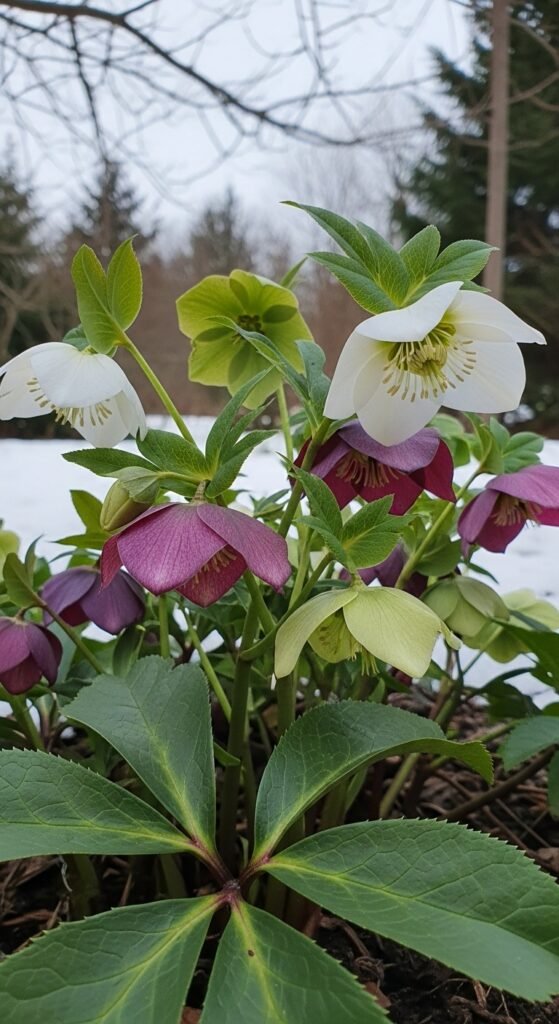
You’ll love hellebores for their resilience in cold weather and ability to thrive under trees or in woodland gardens where other flowers struggle. They resist deer and require little watering once established, making them a low-maintenance choice. To get the most from them, plant in well-draining soil enriched with compost.
Start by selecting a partially shaded location protected from harsh winds. Dig a hole twice the width of the root ball, mix in organic matter, and water thoroughly after planting. Mulch around the base to retain moisture and suppress weeds. For added protection in severe winters, consider using techniques from our guide on frost protection for plants to shield emerging buds.
2) Snowdrops (Galanthus)
Snowdrops are among the earliest winter flowers, often pushing through snow in late winter to early spring. Their delicate white, bell-shaped blooms dangle from slender stems, creating a carpet of purity in your garden. These bulbs grow just 4-6 inches tall and naturalize easily over time.
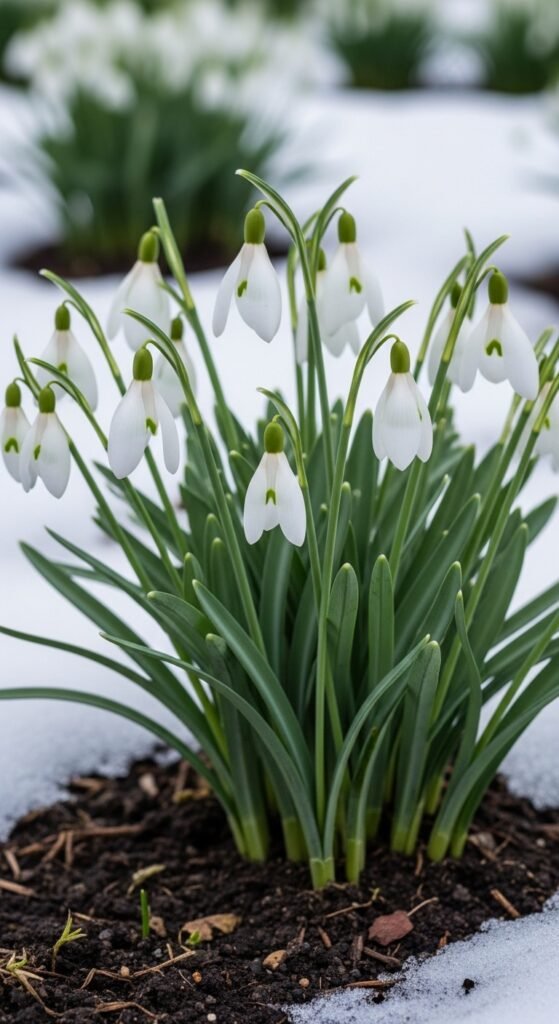
The charm of snowdrops lies in their ability to signal the end of winter, boosting your mood with their simple beauty. They’re perfect for rock gardens, under deciduous trees, or along pathways. Being toxic to pets and deer, they remain undisturbed while providing nectar for early bees.
To plant, choose a spot with moist, humus-rich soil in partial shade. Bury bulbs 3 inches deep in fall, spacing them 3 inches apart. Water well and let nature take its course. If you’re interested in starting more bulbs, explore winter sowing seeds methods for similar early bloomers.
3) Winter Jasmine (Jasminum nudiflorum)
Winter jasmine is a vining shrub that bursts into bright yellow flowers from December to March, before its leaves appear. The star-shaped blooms cascade along arching branches, reaching up to 10-15 feet if supported. It’s ideal for training on trellises or walls.
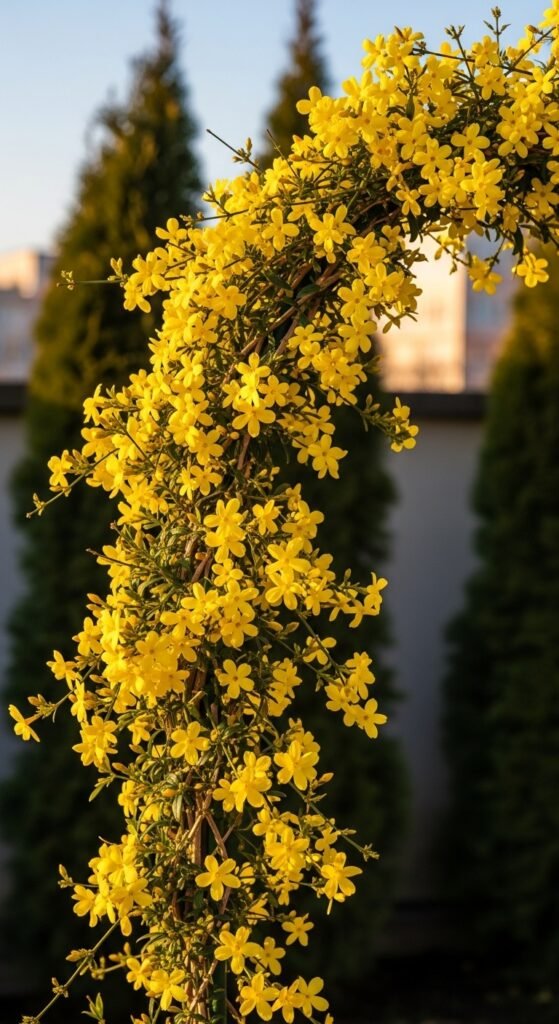
You’ll appreciate this plant for its cheerful color during the bleakest months, and its adaptability to poor soils. It tolerates urban pollution and partial shade, making it versatile for city gardens. The flowers may not be fragrant, but they attract early pollinators.
Plant in well-drained soil with full sun to partial shade. Prune after flowering to maintain shape. For best results, incorporate it into your garden plan alongside evergreens. If dealing with cold snaps, refer to our tips on winter watering schedule to keep roots hydrated without overwatering.
4) Witch Hazel (Hamamelis)
Witch hazel shrubs produce unique, spidery flowers in shades of yellow, orange, or red from mid-winter to early spring. The ribbon-like petals unfurl on bare branches, releasing a spicy fragrance. Mature plants can reach 10-20 feet tall and wide.
This winter flower stands out for its medicinal properties and fall foliage color, offering multi-season interest. It’s drought-tolerant once established and resists most pests, saving you time on maintenance. The blooms withstand frost, blooming reliably even after snow.
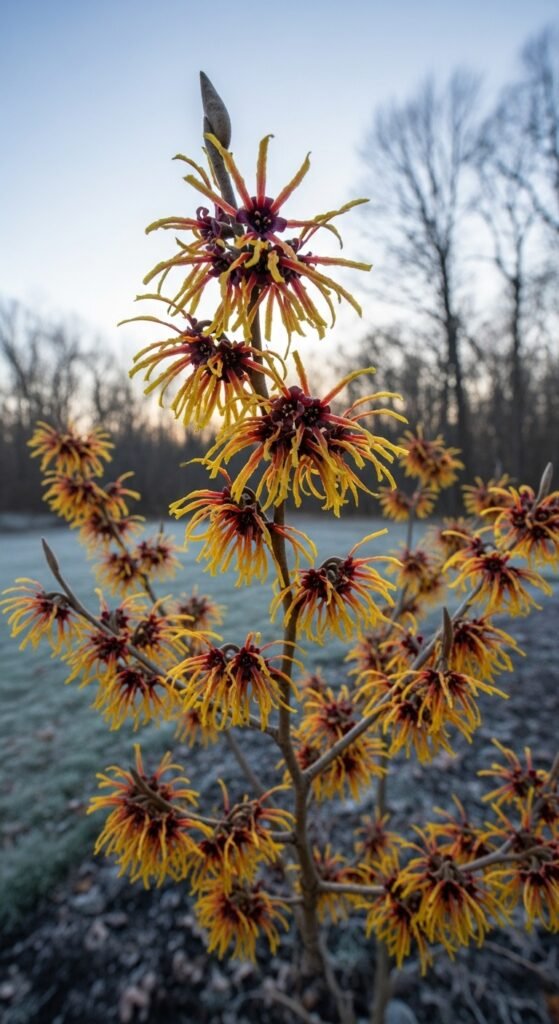
Select a sunny or partially shaded site with acidic, well-drained soil. Plant in fall or spring, watering deeply until rooted. Minimal pruning is needed, but shape after flowering. To enhance soil health for better blooms, consider adding winter cover crops in surrounding areas.
5) Camellias
Camellias are evergreen shrubs with glossy leaves and large, rose-like flowers blooming in winter to early spring. Varieties offer white, pink, red, or bicolored petals, with some fragrant options. They grow 6-12 feet tall, perfect for hedges or specimens.
You’ll find camellias invaluable for their shade tolerance and long bloom period, providing structure in winter gardens. They’re relatively pest-free and can live for decades, becoming a garden heirloom. Acid-loving, they pair well with rhododendrons.
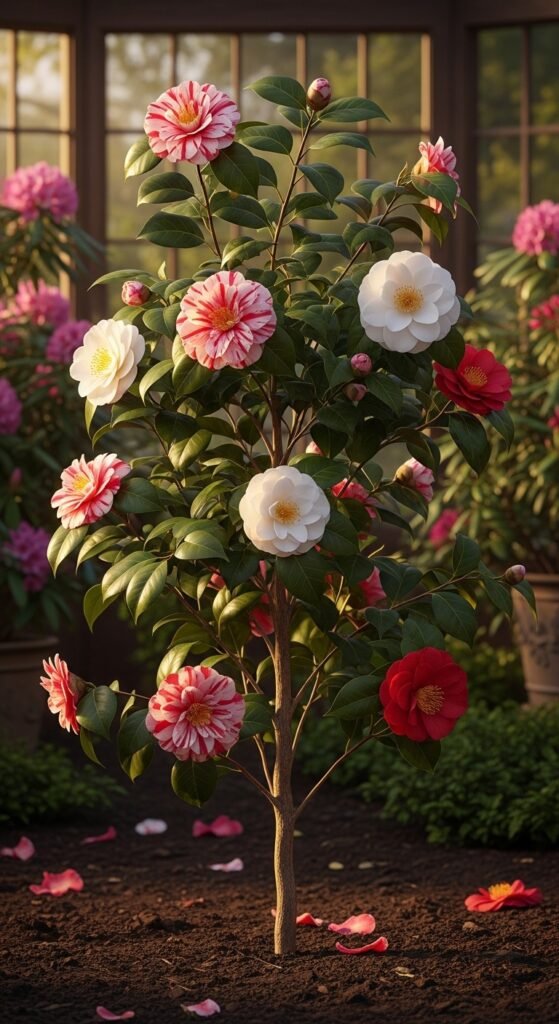
Plant in sheltered spots with dappled shade and acidic soil. Amend with peat moss if needed. Water consistently, especially in dry winters. For indoor alternatives, check our advice on winter houseplant care for similar flowering species.
6) Winter Heath (Erica carnea)
Winter heath is a low-growing evergreen with needle-like foliage and tiny, urn-shaped flowers in pink, white, or purple from December to April. It forms dense mats up to 12 inches tall, ideal for ground cover or rockeries.
This hardy plant excels in poor, acidic soils where others fail, and its nectar supports winter-active bees. Deer-resistant and low-maintenance, it’s great for slopes or containers. The foliage often bronzes in cold, adding extra color.
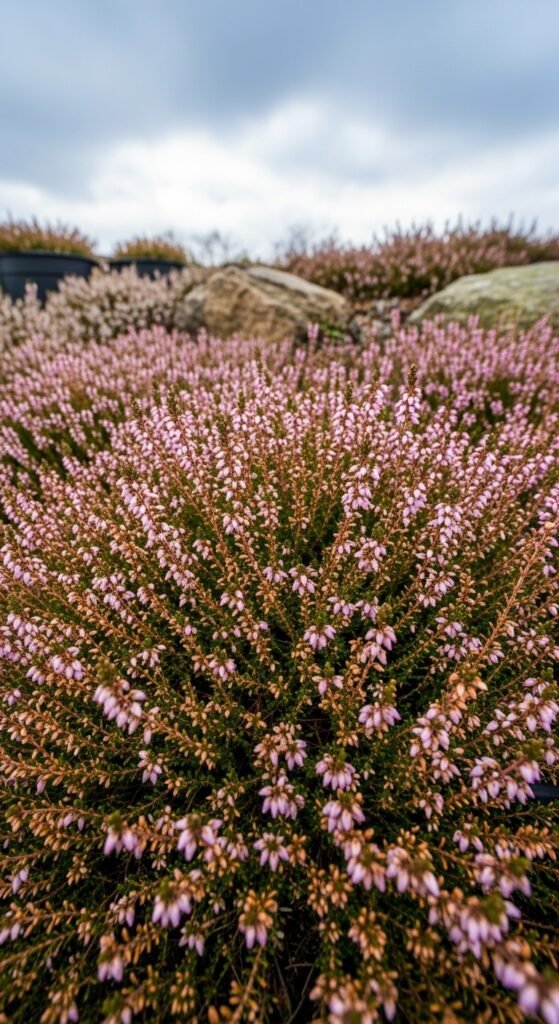
Choose full sun to partial shade locations. Plant in well-drained soil, spacing 12 inches apart. Shear lightly after blooming. To combat winter pests that might affect nearby plants, review our winter pest control strategies.
7) Cyclamen
Cyclamen feature upswept petals in pink, white, or red atop heart-shaped leaves with silver markings. These tuberous perennials bloom from fall to spring, growing 6-9 inches tall in shady borders or pots.
You’ll enjoy cyclamen for their exotic look and ability to naturalize in woodland settings. They’re drought-tolerant during dormancy and provide indoor-outdoor versatility. The flowers attract hoverflies, aiding natural pest control.
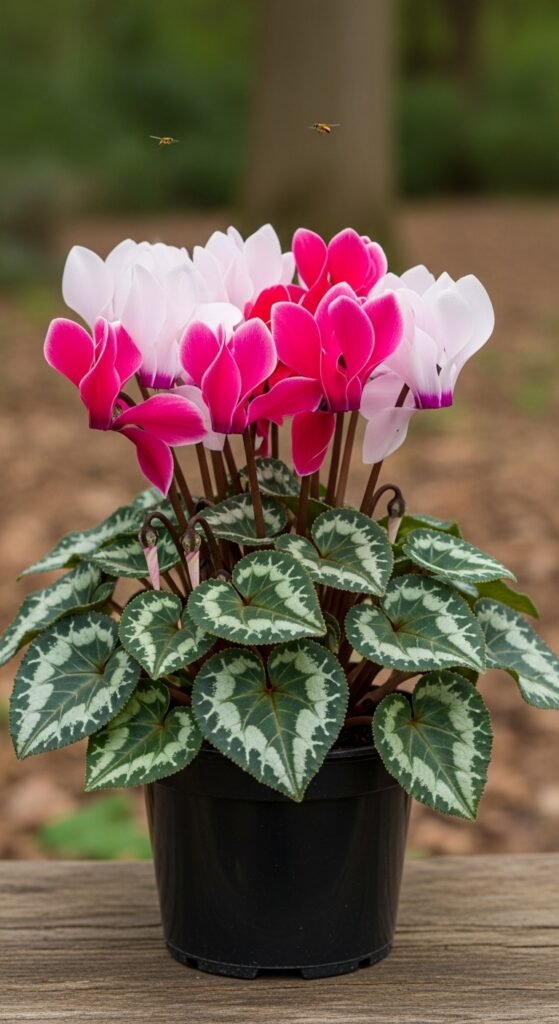
Plant tubers shallowly in gritty, well-drained soil under trees. Water sparingly in winter. Lift and store dry in summer if needed. For extending your winter garden, consider incorporating low tunnel gardening for protection.
8) Primroses (Primula vulgaris)
English primroses offer clusters of fragrant flowers in pastels or bright colors from late winter to spring. These perennials form rosettes of crinkled leaves, reaching 6-12 inches tall in moist, shady areas.
Primroses are beloved for their early color and edibility in salads or teas. They self-seed readily, creating drifts over time. Slug-resistant varieties are available, reducing maintenance in damp climates.
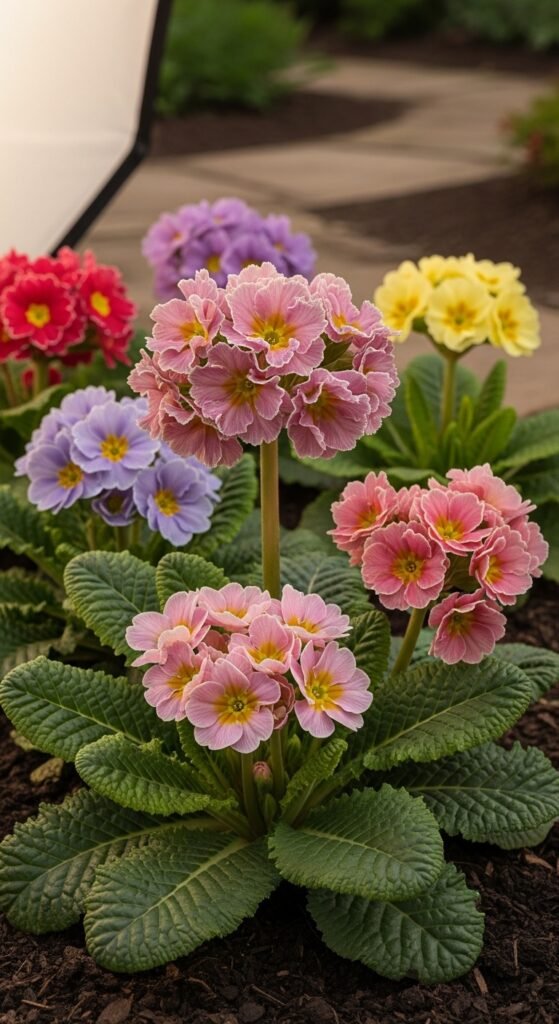
Divide clumps every few years for vigor. Plant in humus-rich soil with morning sun. Mulch to retain moisture. If planning a vegetable patch nearby, draw inspiration from hardy winter vegetables for companion planting.
9) Pansies
Pansies are cheerful annuals or short-lived perennials with face-like flowers in every color imaginable, blooming through mild winters. They grow 6-9 inches tall, perfect for beds, borders, or hanging baskets.
You’ll adore pansies for their cold tolerance and continuous flowering with deadheading. Edible petals add whimsy to culinary creations. They’re inexpensive and easy to grow from seed or plugs.
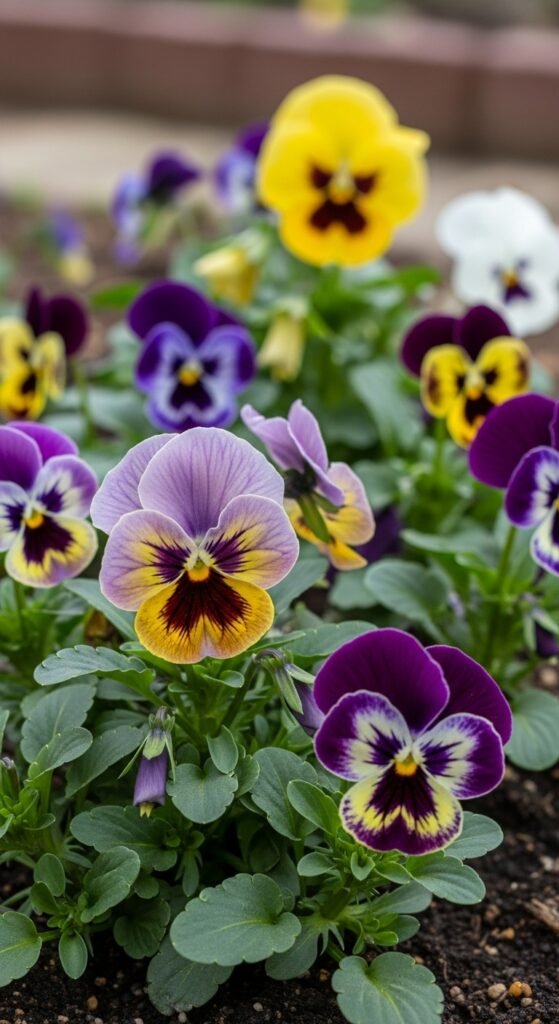
Plant in full sun with fertile, moist soil. Space 6-10 inches apart. Protect from extreme freezes with fleece. For starting your own, try winter sowing seeds to get a head start.
10) Violas
Violas, smaller cousins of pansies, produce abundant tiny flowers in jewel tones throughout winter in mild areas. These compact plants reach 4-8 inches, ideal for edging or containers.
Their prolific blooming and sweet scent make violas a favorite for winter color. Self-seeding and resilient, they fill gaps effortlessly. Some varieties are perennial, returning year after year.
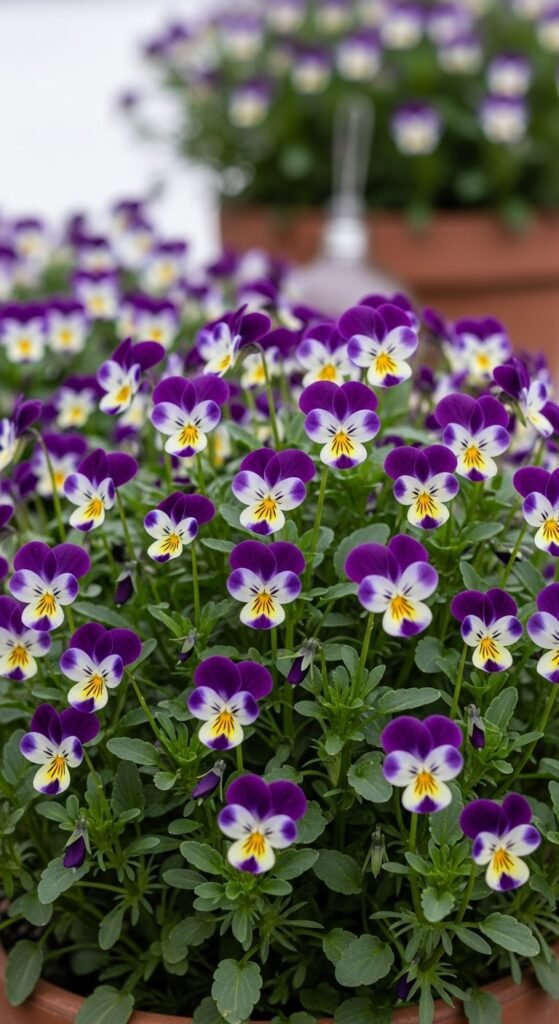
Sow seeds in fall for winter blooms in sunny, well-drained spots. Pinch tips for bushiness. Combine with bulbs for layered effects. To overwinter successfully, apply methods similar to overwinter strawberries.
11) Snapdragons (Antirrhinum)
Snapdragons feature tall spikes of tubular flowers in vibrant hues, blooming intermittently through winter in protected spots. Heights vary from 6 inches to 3 feet, suiting various garden scales.
You’ll value snapdragons for their vertical interest and cut-flower potential. They attract bumblebees and are mildly fragrant. In cooler climates, they act as biennials, flowering strongly in their second year.
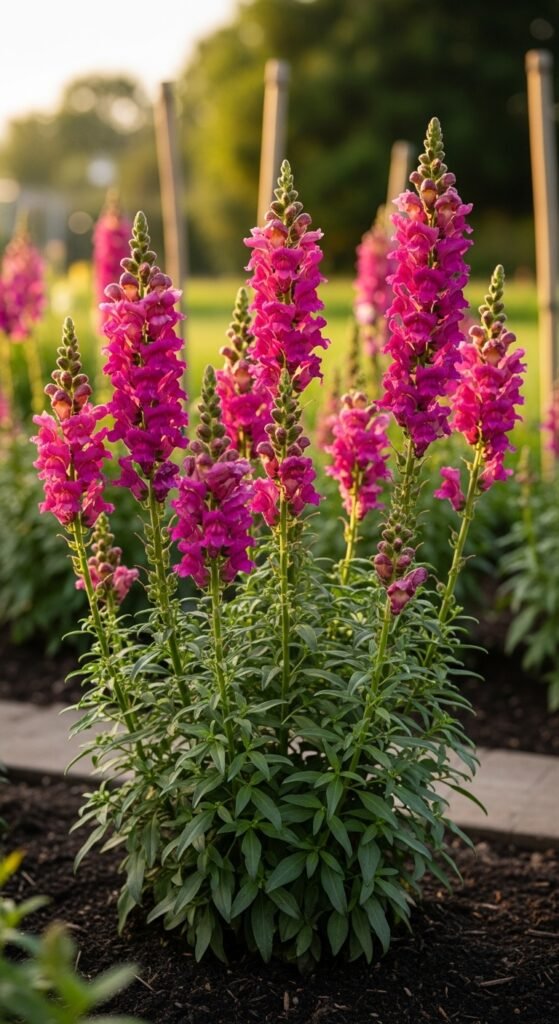
Plant in full sun with rich soil. Stake taller varieties. Deadhead to encourage reblooming. For fall planting ideas, see what complements them in what to plant in fall.
12) Crocuses
Crocuses are bulbous winter flowers with goblet-shaped blooms in purple, white, yellow, or striped patterns, emerging in late winter. They grow 3-6 inches tall, naturalizing in lawns or borders.
These early risers provide essential nectar for awakening insects and signal spring’s approach. Low-growing and clump-forming, they’re perfect under trees or in grass for a natural look.
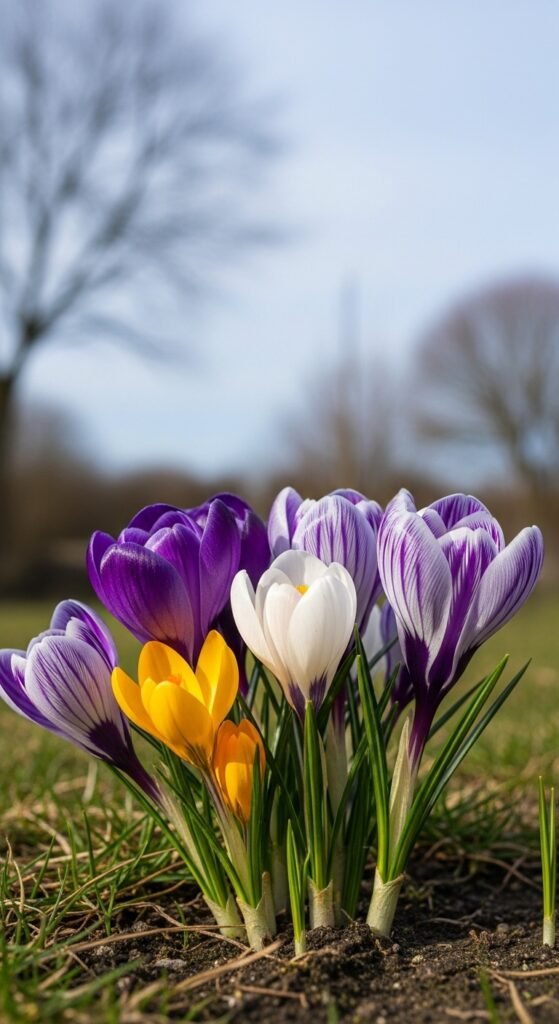
Plant bulbs in fall, 3-4 inches deep in gritty soil. Choose sunny sites for best flowering. Divide congested clumps every few years. Enhance your bulb garden with tips from plant garlic in fall for similar timing.
13) Winter Aconite (Eranthis hyemalis)
Winter aconite carpets the ground with buttercup-yellow flowers surrounded by ruffled green collars in late winter. These tubers grow 3-4 inches tall, spreading gently in shady areas.
You’ll cherish this plant for its cheerful color against bare earth and ability to bloom before snow melts. It’s deer-resistant and naturalizes well, creating golden swaths over time.
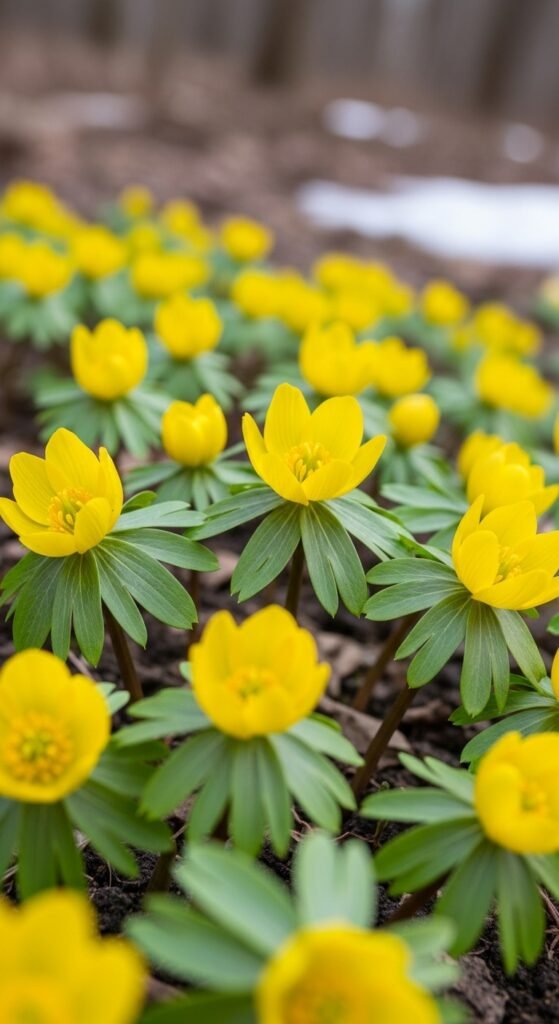
Soak tubers before planting 2 inches deep in moist, alkaline soil. Partial shade under deciduous trees is ideal. Avoid disturbing once established. For more winter ideas, explore winter vegetable garden ideas that pair nicely.
14) Iceland Poppies (Papaver nudicaule)
Iceland poppies bear papery, crepe-like flowers in orange, yellow, white, or pink on wiry stems from late winter in mild climates. They reach 12-18 inches, swaying gracefully in breezes.
This biennial or short-lived perennial offers delicate beauty and long vase life. Cold-hardy and sun-loving, it’s great for cutting gardens. The blooms close at night, adding intrigue.
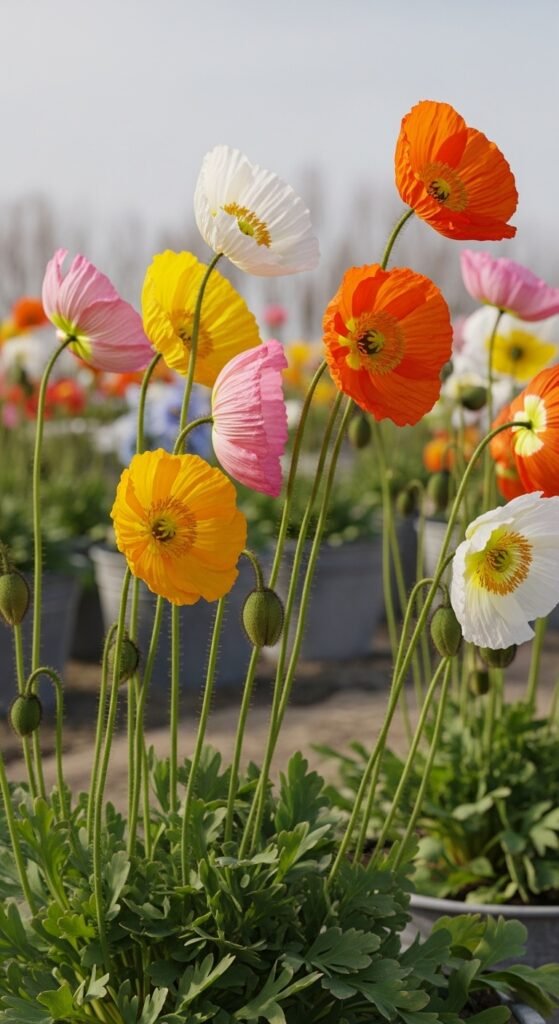
Sow seeds directly in fall for winter roots. Thin to 12 inches apart in well-drained soil. Protect from slugs. Incorporate into containers using fall container garden ideas for extended display.
15) Calendulas (Pot Marigolds)
Calendulas produce daisy-like flowers in sunny oranges and yellows through mild winters. These annuals grow 12-24 inches tall, with aromatic foliage that deters pests.
You’ll love calendulas for their medicinal uses, edibility, and continuous blooming with deadheading. They improve soil health and attract beneficial insects, supporting your garden ecosystem.
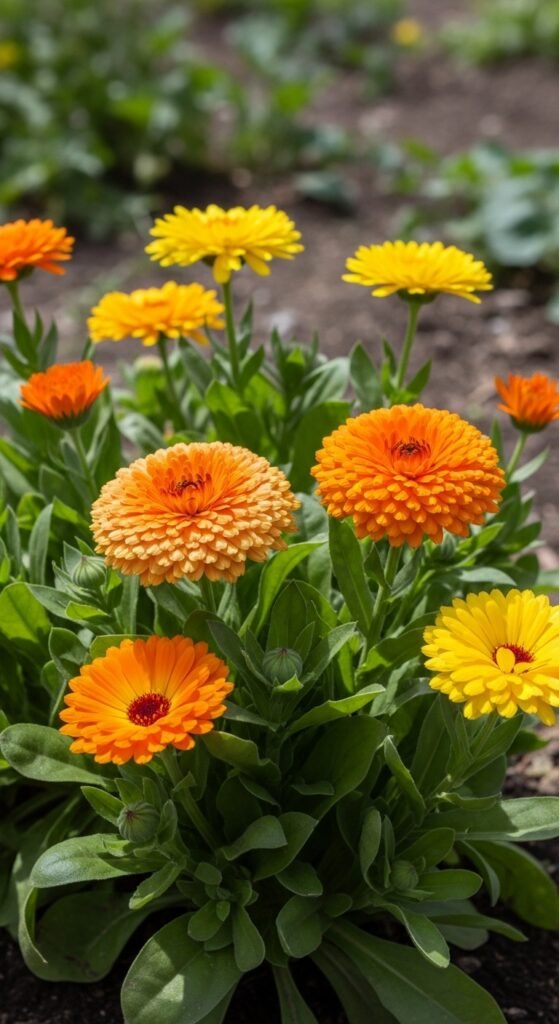
Plant in full sun with average soil. Space 8-12 inches apart. Harvest petals for teas or salves. For overwintering tips, adapt strategies from overwintering peppers to keep them thriving.
Key Tips for Growing Winter Flowers
Choosing the Right Location
Select sites based on each flower’s needs—many prefer shelter from wind and afternoon shade to prevent scorching. Observe your garden’s microclimates to match plants accordingly.
Soil Preparation and Maintenance
Amend soil with compost for drainage and nutrients. Test pH if growing acid-lovers like camellias. Mulch to insulate roots and retain moisture during dry spells.
Winter Protection Strategies
Use cloches or row covers for tender varieties. Group plants for mutual warmth. Avoid fertilizing in winter to prevent soft growth vulnerable to frost.
Frequently Asked Questions
What are the easiest winter flowers for beginners?
Pansies and violas are excellent starters due to their hardiness and availability as plugs. They require minimal care and bloom reliably in cool weather.
Can winter flowers be grown in containers?
Yes, many like cyclamen and primroses thrive in pots. Use well-draining compost and place in sheltered spots to protect from freezing winds.
How do I extend the blooming period of winter flowers?
Deadhead spent blooms regularly and provide consistent moisture without waterlogging. Choose varieties with staggered flowering times for continuous color.
Are winter flowers attractive to wildlife?
Absolutely—many provide nectar for winter-active pollinators. However, select deer-resistant options like hellebores if wildlife is an issue in your area.
What should I do with winter flowers after blooming?
Allow foliage to die back naturally for bulbs to store energy. Perennials may need dividing every few years to maintain vigor and prevent overcrowding.