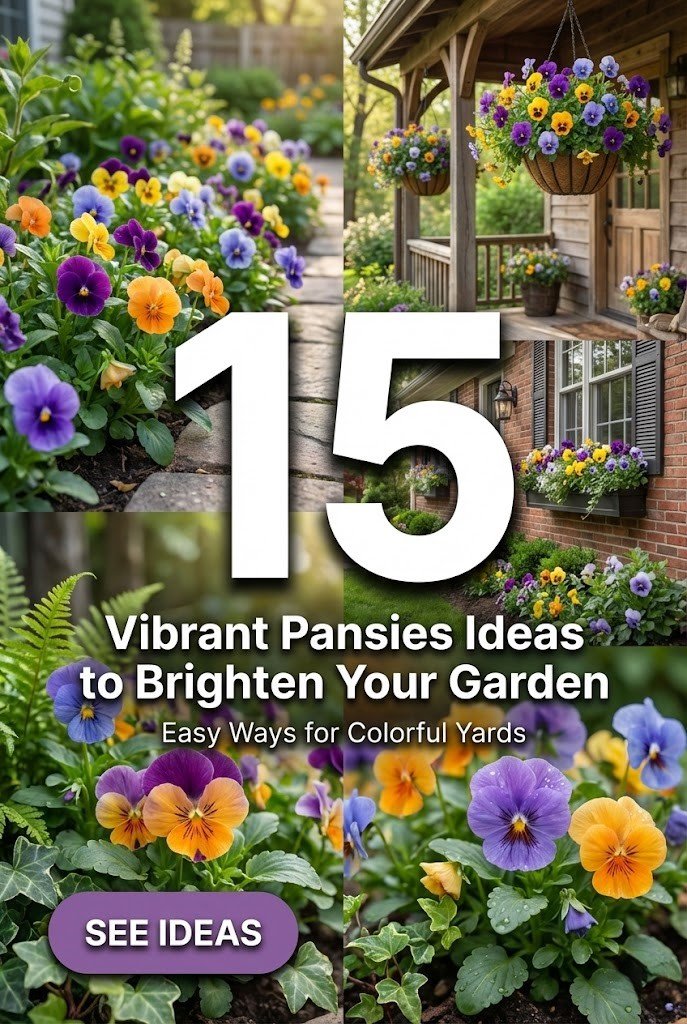
Pansies are delightful, colorful flowers that bring joy to any garden with their cheerful faces and wide range of hues. As cool-season annuals, they thrive in milder temperatures, making them perfect for adding pops of color during spring and fall. You can enjoy their versatility in various planting setups, from beds to containers, enhancing your outdoor space with minimal effort.
These hardy blooms not only offer aesthetic appeal but also attract pollinators, supporting a healthy ecosystem. Whether you’re a beginner or seasoned gardener, incorporating pansies can transform dull areas into vibrant displays. Their edible petals add a fun twist to culinary creations too.
Explore these 15 ideas to inspire your pansy planting, each designed to maximize beauty and functionality in your garden.
1) Border Edging with Pansies
You can create a stunning border by planting pansies along the edges of your garden beds. This idea involves lining pathways or flower beds with dense rows of pansies in complementary colors like purple, yellow, and white. The key benefit is defining spaces while adding a soft, colorful transition between lawn and plants.
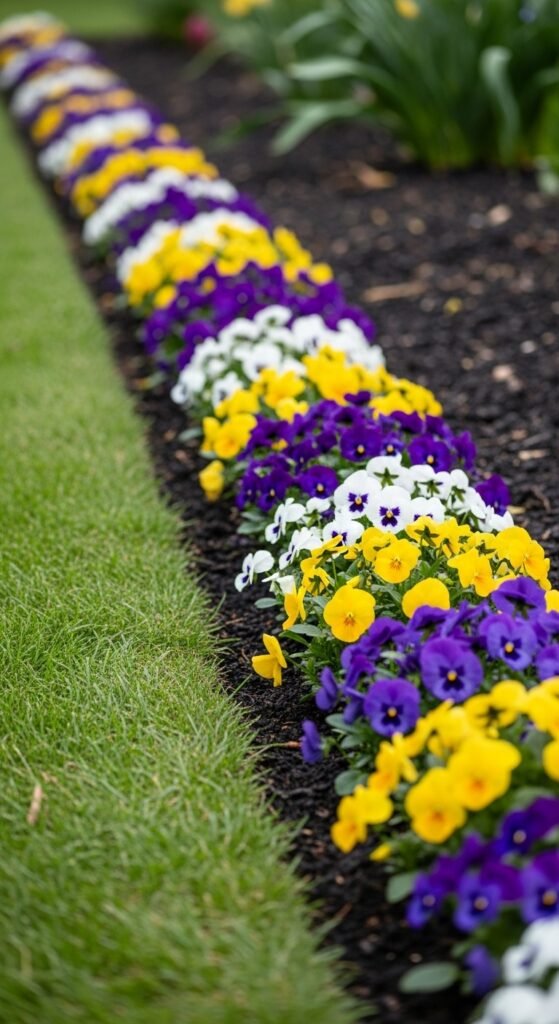
Why choose this? Pansies’ low-growing habit makes them ideal for borders, preventing overgrowth and providing continuous blooms. They tolerate light foot traffic and rebound quickly. For best results, plant in well-drained soil enriched with compost.
How to do it: Prepare the soil by tilling to 6 inches deep. Space seedlings 6-8 inches apart in full sun to partial shade. Water regularly to keep soil moist but not soggy. Deadhead spent flowers to encourage more blooms. Consider combining with other spring plants for variety—check out our guide on what to plant in spring for more inspiration.
2) Pansies in Hanging Baskets
Suspend pansies in hanging baskets to add vertical interest to your porch or patio. Select trailing varieties that cascade over the edges, mixing shades for a cascading rainbow effect. This setup elevates your garden, saving ground space while creating eye-level beauty.
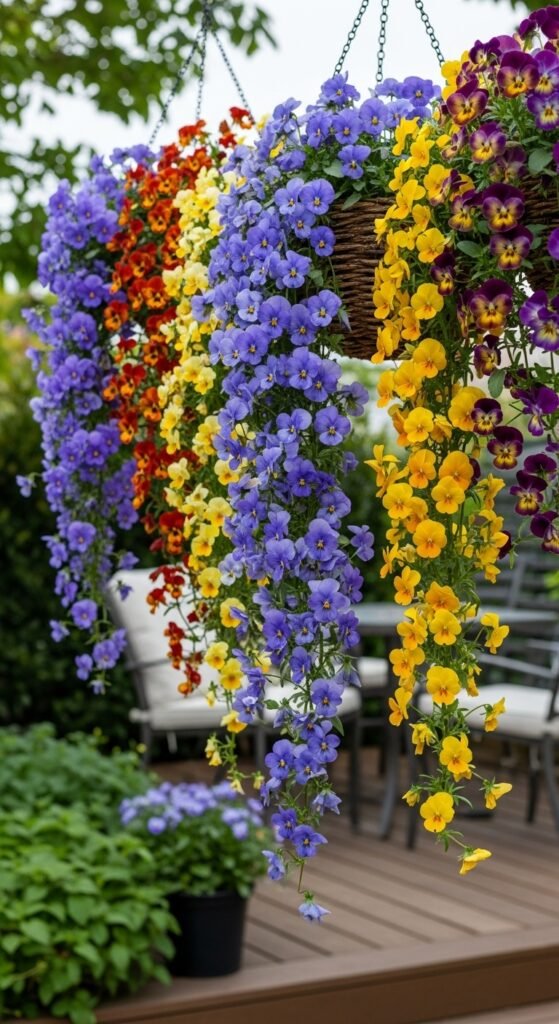
The appeal lies in their adaptability to small areas, perfect for urban gardeners. Pansies in baskets receive good air circulation, reducing disease risk, and brighten up overlooked spots like eaves or fences.
To implement: Choose a basket with drainage holes, fill with potting mix, and plant 3-5 pansies per 12-inch basket. Hang in a spot with morning sun and afternoon shade. Fertilize every two weeks with a balanced liquid feed. For more basket ideas, explore spring porch planter ideas to complement your display.
3) Window Box Pansy Displays
Transform your windows with pansy-filled boxes for a charming cottage look. Plant a mix of upright and trailing pansies in window boxes, layering colors from deep blues to sunny yellows. This idea frames your home’s exterior, offering curb appeal and indoor views of blooms.
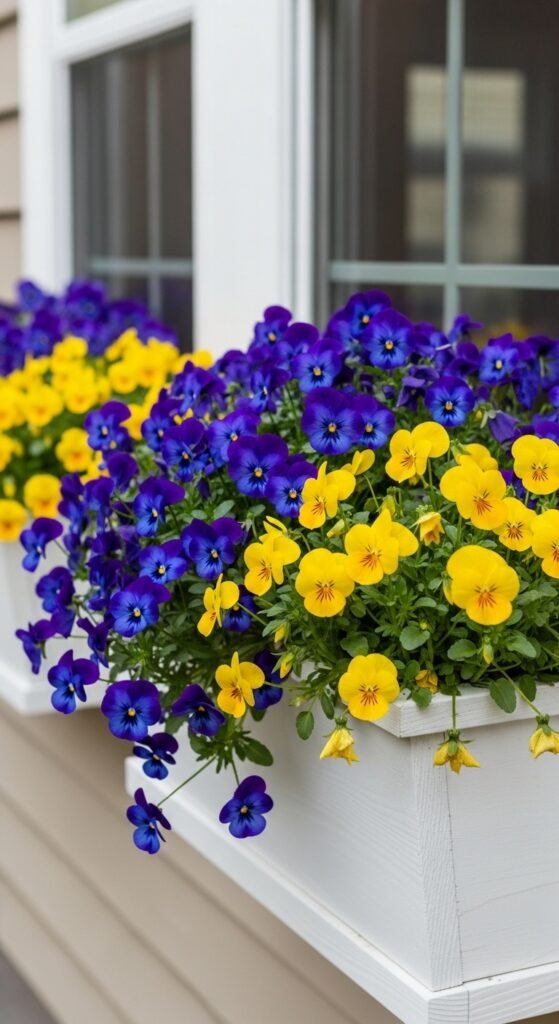
Why it’s great: Window boxes utilize vertical space, ideal for homes with limited yards. Pansies’ cold tolerance means early spring color, and they require little maintenance once established.
Steps to create: Secure boxes under windows, fill with lightweight soil mix, and space plants 4-6 inches apart. Ensure boxes have drainage to prevent root rot. Water when the top inch of soil dries. Pair with herbs for added utility—see our spring container garden ideas for mixing tips.
4) Edible Pansy Garnishes
Use pansies as edible decorations to elevate your meals. Harvest fresh petals from organic plants and sprinkle them on salads, desserts, or drinks for a floral touch. Their mild, grassy flavor complements sweet and savory dishes alike.
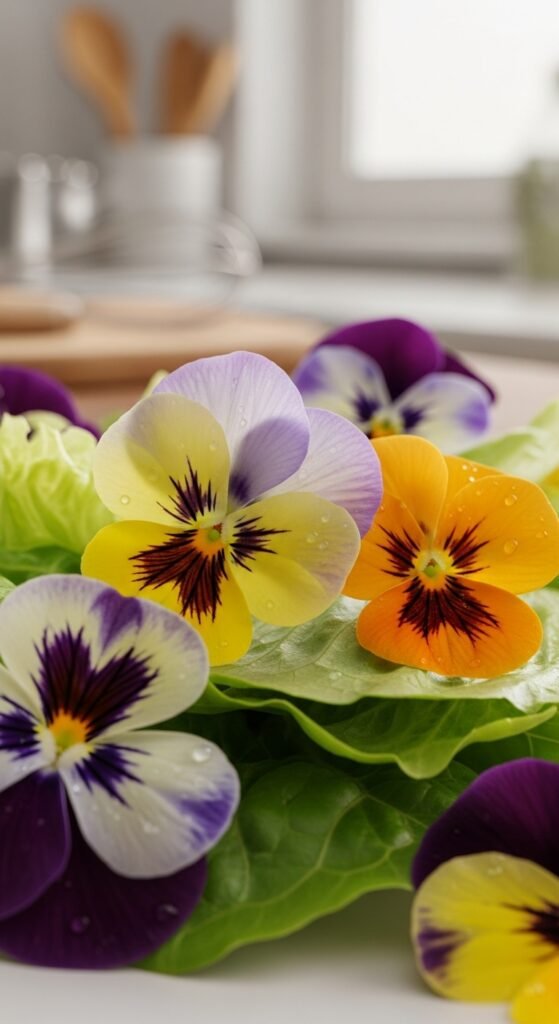
This approach adds a gourmet element to home cooking, impressing guests with garden-fresh ingredients. Health benefits include antioxidants from the vibrant petals, making them a nutritious garnish.
How: Grow pansies without pesticides in sunny spots. Pick flowers in the morning, rinse gently, and pat dry. Store in the fridge for up to a week. Experiment with varieties—our list of spring edible flowers offers more options to diversify your palette.
5) Pansy Companion Planting
Pair pansies with vegetables or herbs for mutual benefits in your garden. Plant them alongside lettuce or kale, where their colors enhance veggie patches while attracting beneficial insects.
Why effective: Pansies deter some pests and improve soil aesthetics. They share similar growing conditions with cool-season crops, promoting biodiversity and healthier plants overall.
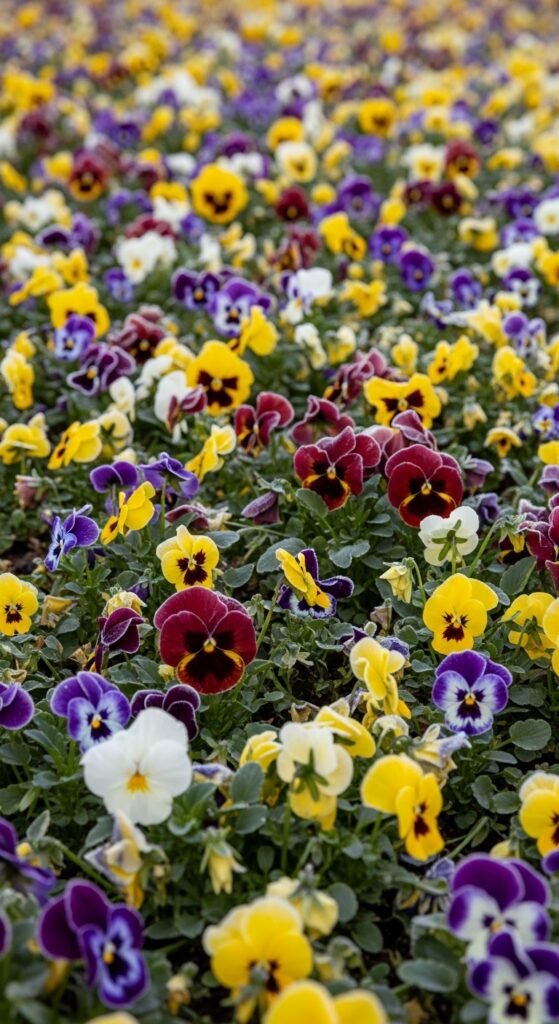
Implementation: In raised beds, intersperse pansies every 12 inches among veggies. Choose full sun locations with fertile soil. Mulch to retain moisture. For optimal companions, refer to spring gardening tips to boost your setup.
6) Fall Pansy Beds for Winter Color
Plant pansies in fall for enduring winter interest in your beds. Select hardy varieties that withstand frost, creating blankets of color when other plants dormancy.
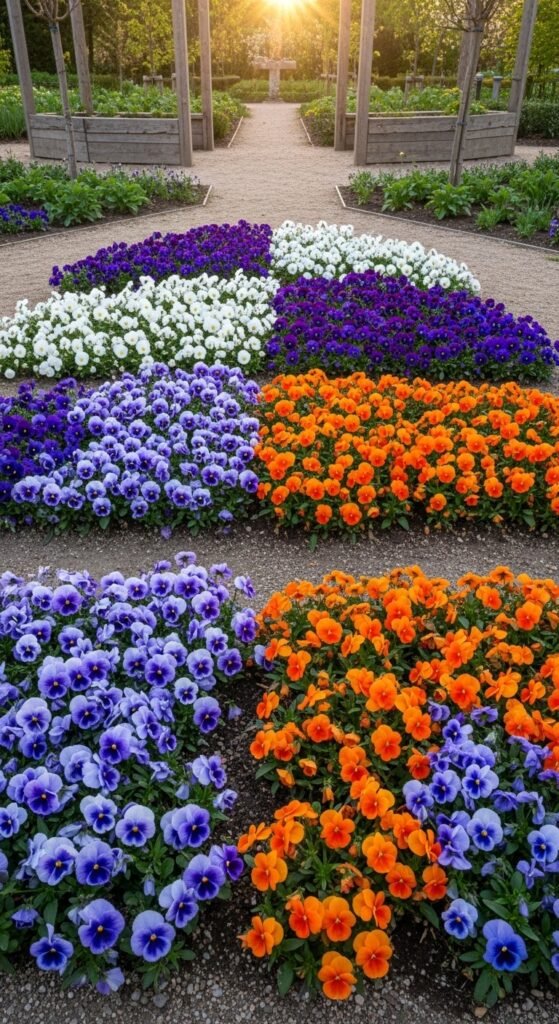
Their resilience provides year-round appeal, brightening gloomy winters. Low maintenance is a plus, as they self-seed in some climates.
To achieve: Amend soil with organic matter, plant in late summer, spacing 8 inches apart. Protect with mulch during freezes. Combine with evergreens for contrast—explore what to plant in fall for seasonal synergy.
7) Color-Coordinated Pansy Themes
Design themed gardens using pansies in monochromatic or contrasting schemes. Group purples with whites for a serene vibe or mix bold oranges and blues for energy.
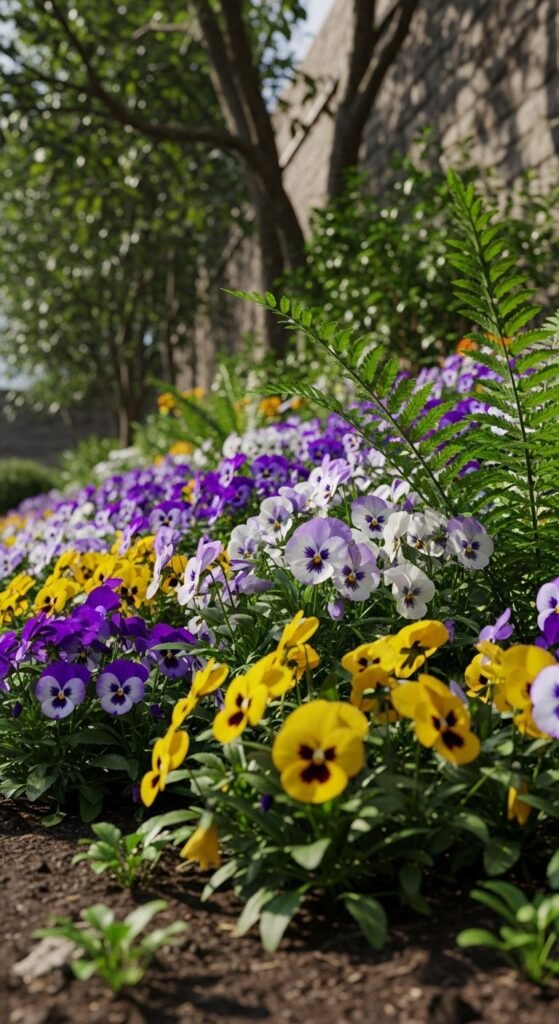
This customization personalizes your space, creating focal points. Pansies’ vast color range allows endless creativity, enhancing mood and design flow.
Guide: Sketch your layout, select seeds based on hues, and plant in clusters. Full sun maximizes vibrancy. For inspiration, check spring garden design ideas to refine your palette.
8) Pansies in Shade Gardens
Incorporate pansies into shady areas for subtle color where sun-lovers fail. Choose lighter shades that pop against dark foliage, planting under trees or along north-facing walls.
Ideal for challenging spots, they thrive in partial shade, extending bloom time. This fills gaps, creating lush, layered gardens.
Method: Enrich shady soil with compost for drainage. Space plants closely for impact. Water consistently. Complement with ferns—see our shade planter ideas for more shadowy inspirations.
9) Ground Cover Pansy Mats
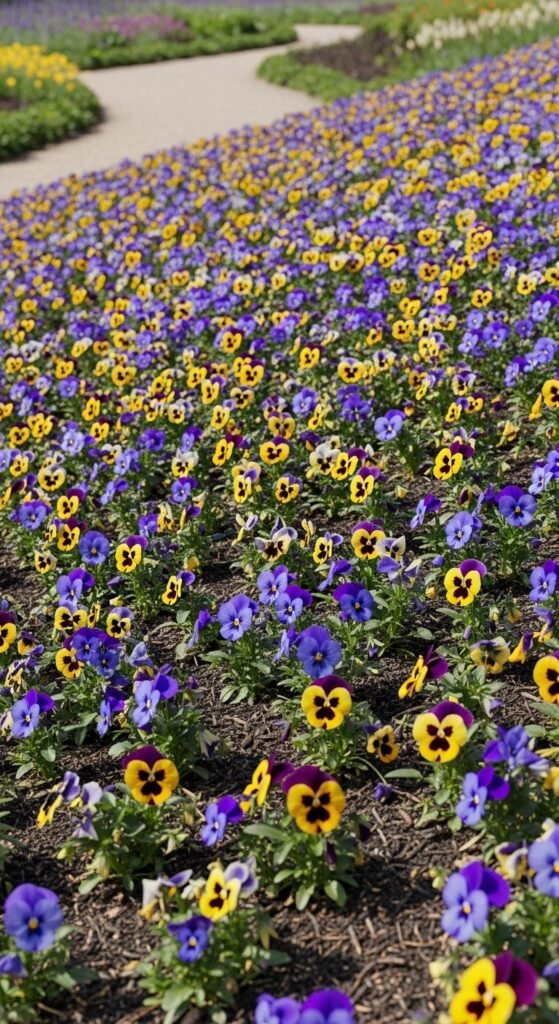
Use pansies as living mulch to cover bare ground. Plant densely to form mats that suppress weeds and retain soil moisture.
Benefits include erosion control and aesthetic unity. Their spreading habit creates seamless carpets, perfect for slopes or pathways.
How-to: Prepare weed-free soil, plant 4 inches apart in sun or light shade. Trim as needed. Integrate with perennials—our perennial vegetable garden tips can help blend edibles.
10) Pansy Fairy Garden Accents
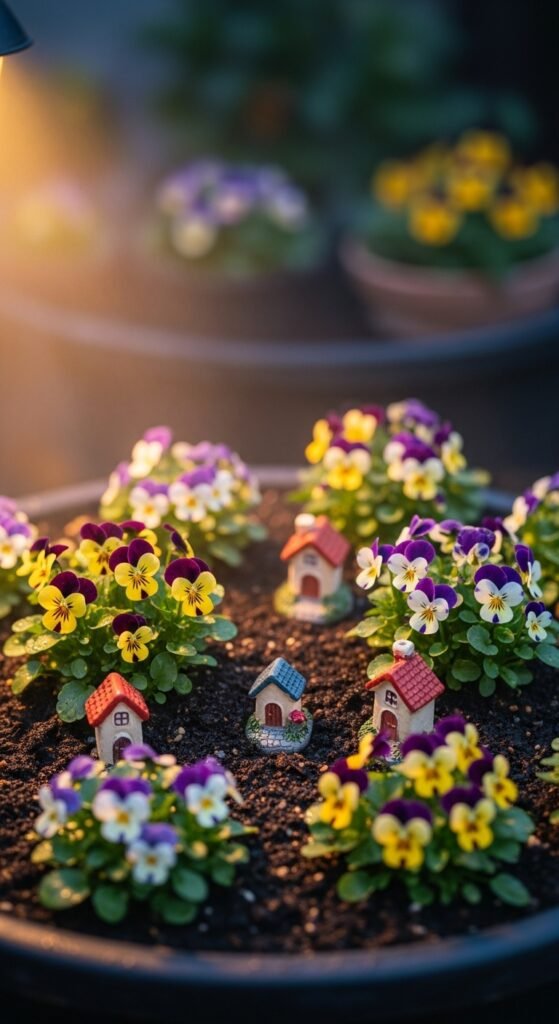
Accent miniature fairy gardens with tiny pansy clusters. Place them around fairy houses or paths for whimsical charm.
This engages imagination, especially for kids, while pansies’ small size fits scale perfectly. They add color without overwhelming delicate setups.
Create: Build a base with soil in a container, add accessories, then tuck in pansies. Mist regularly. For more magic, browse fairy garden ideas.
11) Fresh Pansy Arrangements
Craft indoor bouquets or wreaths using cut pansies. Arrange in vases or wire frames for table centers or door decor.
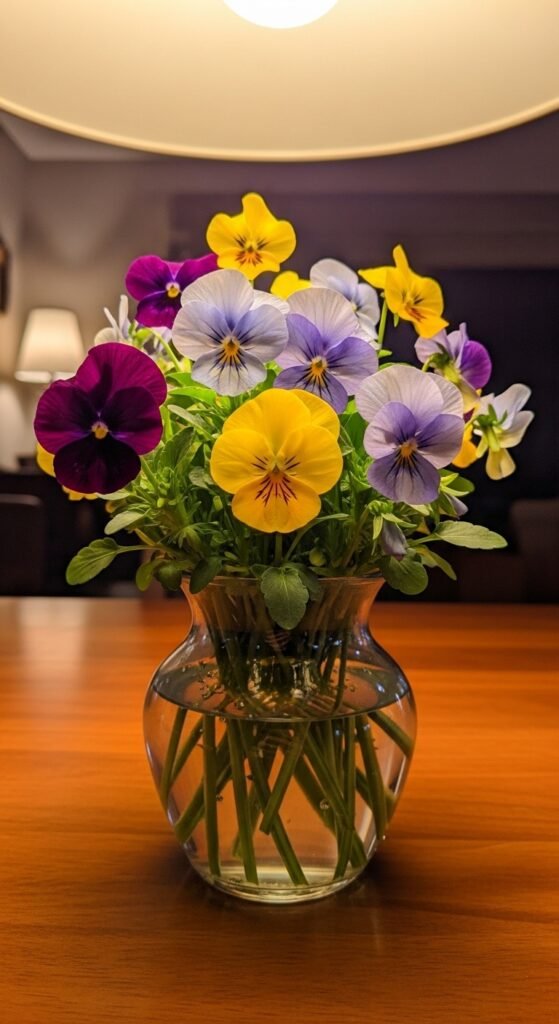
Brings garden indoors, extending enjoyment. Fresh cuts last days, offering therapeutic crafting.
Steps: Harvest stems morning, arrange in water or oasis. Change water daily. Pair with greens—try our spring wreath ideas for floral crafts.
12) Pansies with Spring Bulbs
Layer pansies over bulbs like tulips for successive blooming. Plant bulbs deep, top with pansies for early color followed by taller flowers.
Maximizes space, providing continuous display. Pansies hide fading bulb foliage naturally.
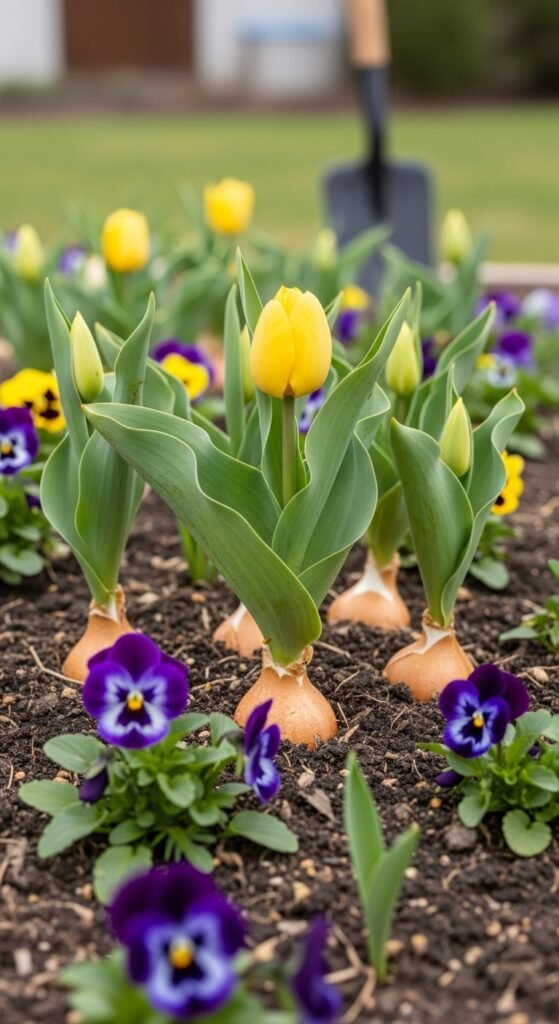
Execute: Dig holes for bulbs, cover, then add pansy layer. Full sun preferred. For timing, see spring garden checklist.
13) Pollinator-Friendly Pansy Patches
Dedicate areas to pansies to attract bees and butterflies. Plant in masses with nectar-rich varieties.
Supports wildlife, enhancing biodiversity. Pansies’ early blooms feed emerging pollinators.
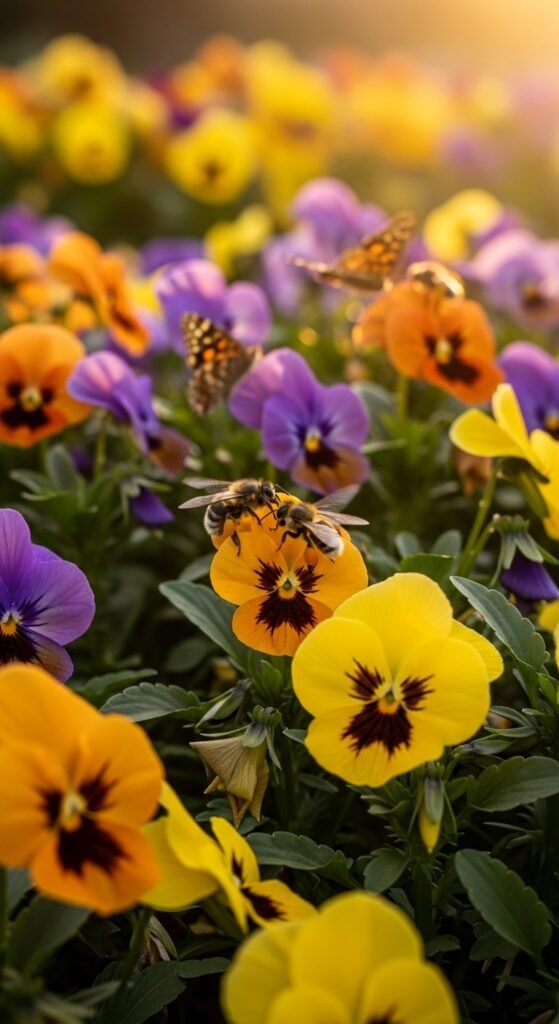
Plan: Choose sunny spots, plant in groups. Avoid chemicals. Boost with our pollinator garden design.
14) Vertical Pansy Walls
Grow pansies in vertical planters or pockets for wall art. Use fabric pouches or stacked pots filled with trailing types.
Saves space, adds dimension. Ideal for balconies, where they cascade beautifully.
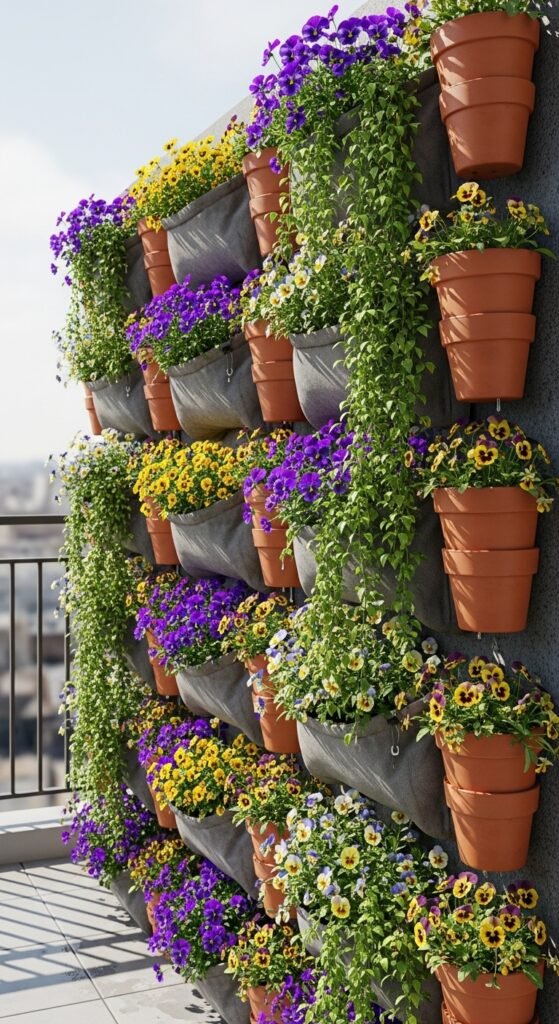
Install: Mount system, fill with soil, plant upward. Irrigate top-down. Explore vertical planter wall for structures.
15) Mixed Herb and Pansy Pots
Combine pansies with herbs in pots for functional beauty. Pair with basil or mint for color and utility.
Dual-purpose: harvest herbs, enjoy flowers. Pansies repel some pests naturally.
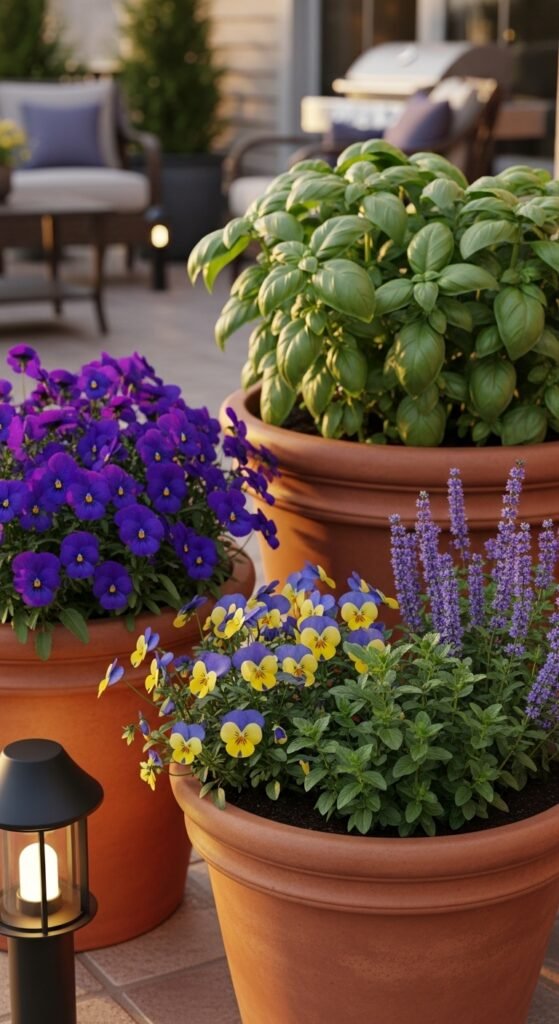
Setup: Use large containers, mix soil types. Sun exposure key. For herb ideas, check patio herb garden ideas.
Key Principles for Pansy Success
Soil Preparation Tips
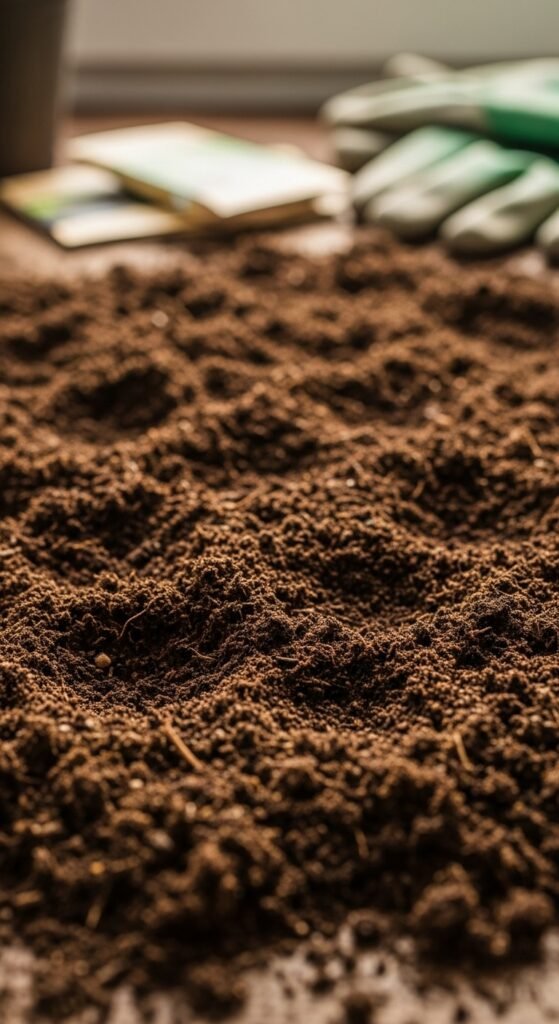
Ensure well-drained, fertile soil by mixing in compost. Test pH for 5.8-6.2 range to optimize nutrient uptake.
Watering and Feeding
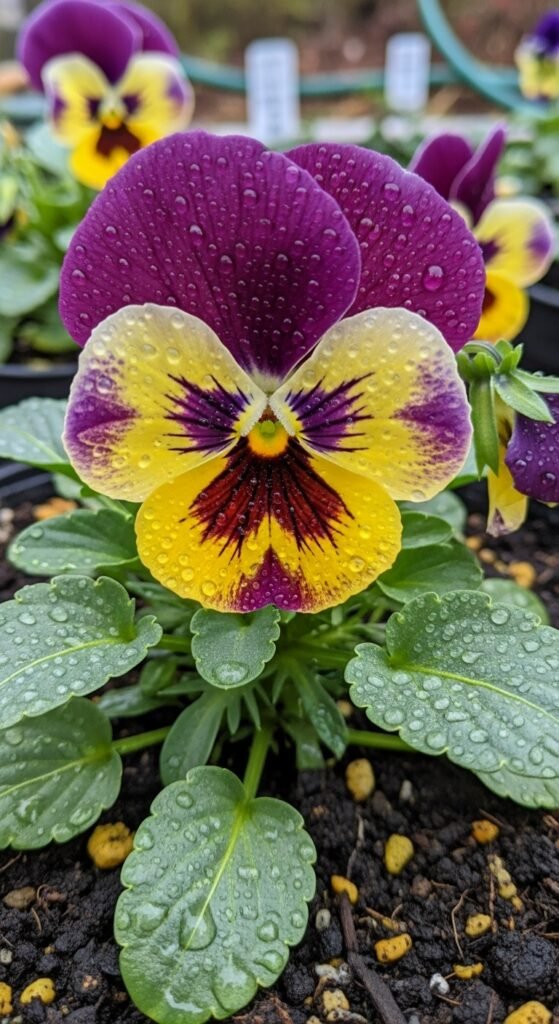
Water deeply but infrequently, aiming for moist soil. Fertilize monthly with balanced formula to promote vigorous growth.
Pest Management
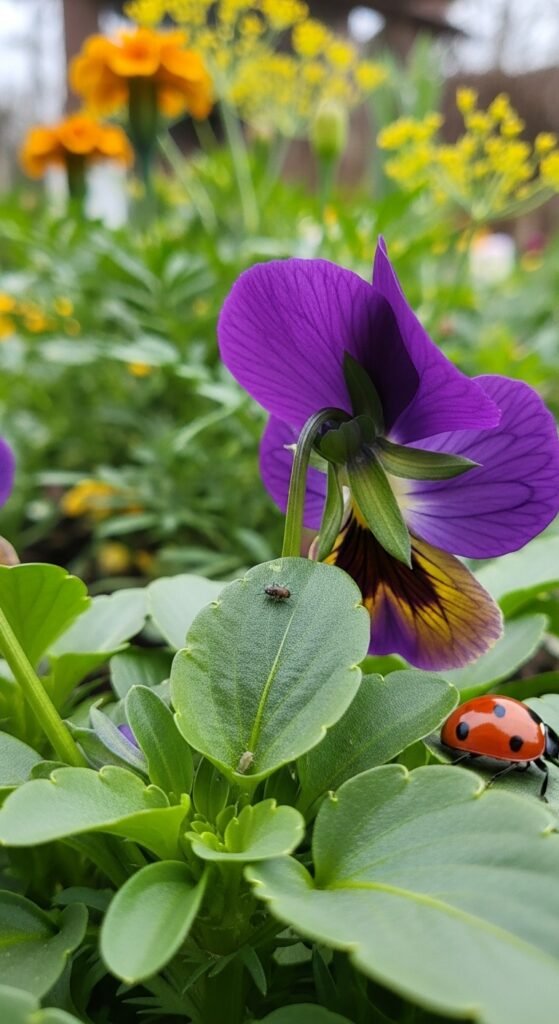
Monitor for aphids; use natural sprays. Encourage beneficial insects for eco-friendly control.
Frequently Asked Questions
When should you plant pansies?
Plant in early spring or fall when temperatures are cool, ideally 45-65°F, for best establishment and blooming.
Are pansies perennials or annuals?
Pansies are typically grown as annuals but can act as short-lived perennials in mild climates with proper care.
How do you care for pansies in pots?
Provide well-draining soil, water when top inch dries, and place in partial sun. Deadhead regularly for continuous flowers.
Can pansies survive winter?
Yes, in zones 6-10 with mulch protection; they often bloom through mild winters or rebound in spring.
What colors do pansies come in?
Pansies offer a rainbow of colors including purple, yellow, white, blue, orange, and bi-colors for versatile designs.