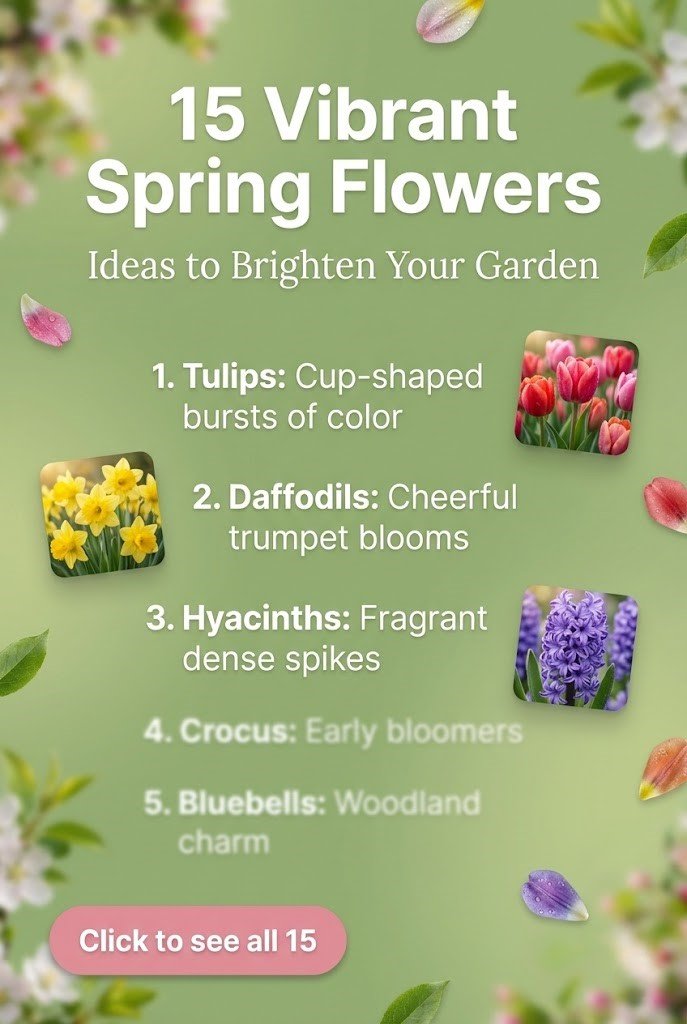
Spring flowers bring a burst of color and life to your garden after the winter chill, transforming dull landscapes into vibrant displays. As an avid gardener, you’ll appreciate how these blooms signal renewal, attracting pollinators and enhancing your outdoor space’s aesthetic appeal. Focusing on spring flowers allows you to create layered plantings that evolve throughout the season, offering continuous interest from early bulbs to later perennials.
The value of incorporating spring flowers lies in their ability to boost biodiversity, support local ecosystems, and provide early-season nectar for bees and butterflies. They also offer therapeutic benefits, reducing stress as you tend to them. By selecting a mix of varieties, you ensure a resilient garden that thrives in varying conditions, setting the stage for summer growth.
Whether you’re a beginner or seasoned pro, these ideas will inspire you to experiment with colors, textures, and heights for a stunning spring display.
1) Tulips
Tulips are iconic spring flowers known for their cup-shaped blooms in a rainbow of colors, from bold reds to soft pastels. Originating from Central Asia, these bulbs produce elegant stems that can reach up to 30 inches tall, making them perfect for borders or containers. What sets tulips apart is their versatility—you can plant them in formal arrangements or naturalized drifts for a meadow-like effect.
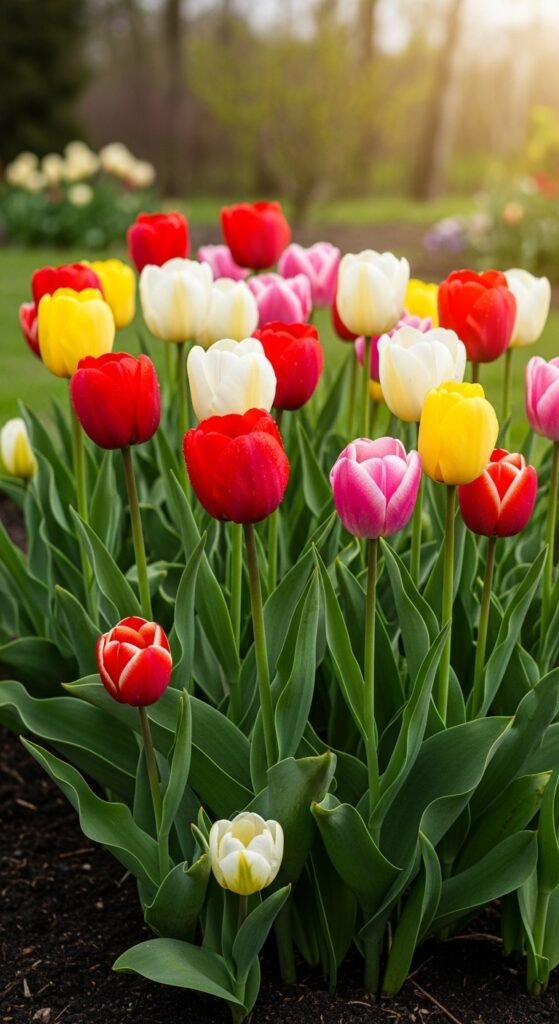
Why choose tulips? They provide an early splash of color, often blooming from mid to late spring, and they’re relatively low-maintenance once established. Tulips also symbolize renewal and are excellent cut flowers for indoor vases. However, they may require protection from deer, so consider companion planting with daffodils. For best results, select varieties like Darwin hybrids for perennial performance in your climate.
How to grow them: Plant bulbs in fall, 6-8 inches deep in well-drained soil with full sun. Water moderately and fertilize in spring. If you’re wondering what to plant in spring alongside them, pair with pansies for added texture. Deadhead spent blooms to encourage energy back to the bulb, ensuring vibrant returns next year.
2) Daffodils
Daffodils, or narcissus, feature trumpet-shaped flowers in shades of yellow, white, and orange, with some varieties offering bi-color petals. These hardy bulbs naturalize easily, spreading over time to create cheerful clusters. They’re among the first spring flowers to emerge, often pushing through snow, and their foliage provides ground cover as other plants awaken.
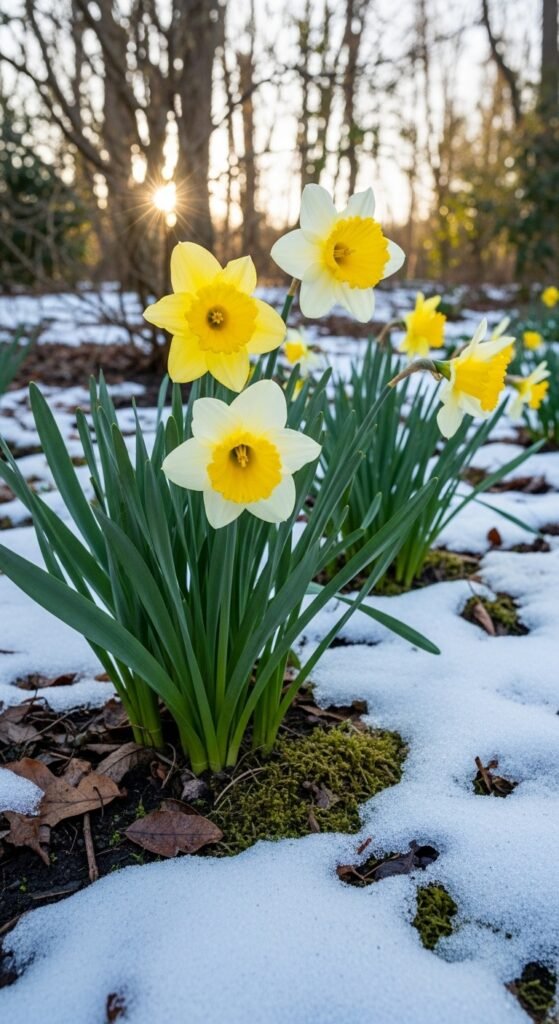
The appeal of daffodils includes their deer-resistant properties due to toxic alkaloids, making them ideal for gardens with wildlife. They promote pollinator activity early in the season and require minimal care, thriving in zones 3-8. Plus, they add a classic, poetic charm—think Wordsworth’s wandering lonely as a cloud.
To cultivate daffodils, plant bulbs in autumn, 4-6 inches deep in sunny to partially shaded spots with good drainage. Avoid cutting foliage until it yellows, as it nourishes the bulb. For ongoing health, follow spring gardening tips like mulching to retain moisture. Divide clumps every few years for denser displays.
3) Hyacinths
Hyacinths boast dense spikes of fragrant, bell-shaped flowers in vibrant hues like purple, pink, and blue. These spring bulbs grow to about 10 inches tall and are perfect for forcing indoors or planting in garden beds. Their intense scent fills the air, creating a sensory delight that enhances any space.
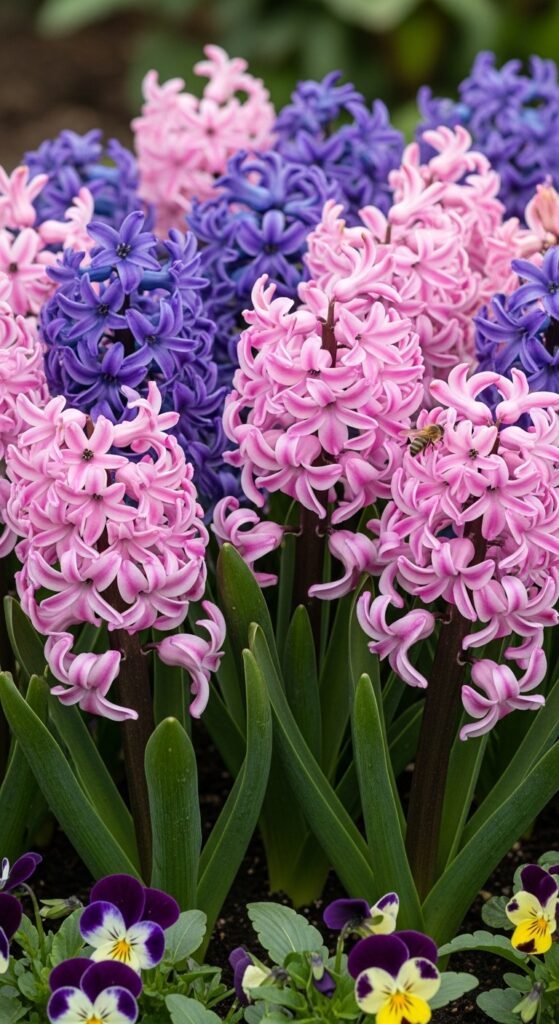
Opt for hyacinths because their fragrance attracts beneficial insects while deterring pests. They’re compact, suiting small gardens or pots, and offer long-lasting blooms. However, handle bulbs with care due to skin-irritating sap. Varieties like grape hyacinths (muscari) provide a ground-cover alternative with similar appeal.
Planting involves setting bulbs 4-6 inches deep in fertile, well-drained soil during fall. They prefer full sun but tolerate light shade. Water sparingly to prevent rot, and consider spring hydrangea care techniques for similar moisture management if combining in borders. After flowering, allow foliage to die back naturally for bulb replenishment.
4) Crocuses
Crocuses are small, cup-like spring flowers that bloom in purple, white, yellow, and striped patterns, often appearing as early as late winter. These corms grow just 3-6 inches tall, making them ideal for rock gardens, lawns, or under trees where they can naturalize freely.
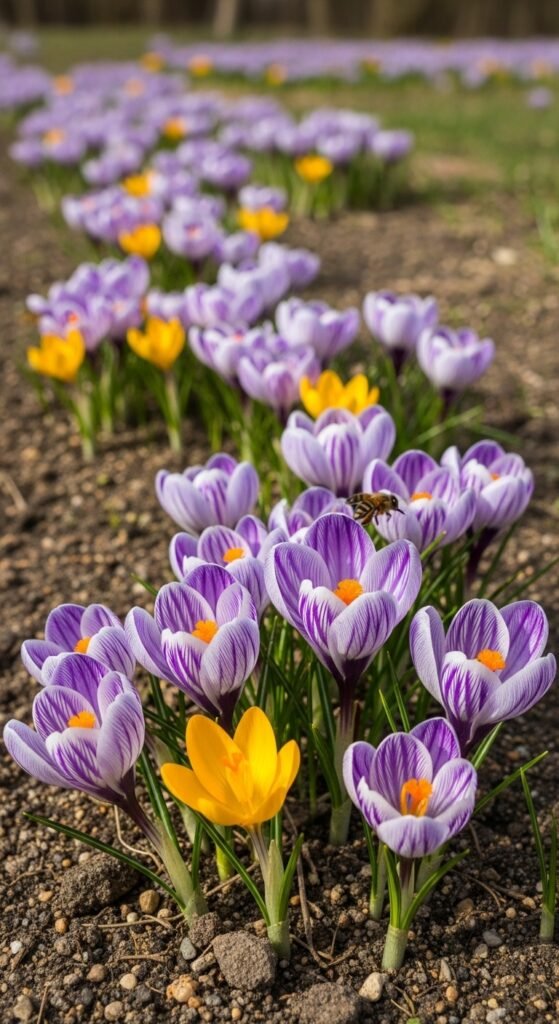
Why include crocuses? They’re one of the earliest bloomers, signaling spring’s arrival and providing vital nectar for emerging bees. Low-growing and hardy, they withstand cold snaps and add subtle color to otherwise bare areas. Saffron crocuses even yield the valuable spice from their stigmas.
Grow crocuses by planting corms 3 inches deep in groups for impact, in sunny locations with gritty soil. They multiply quickly, creating carpets over time. To protect from squirrels, use mesh covers. Incorporate into your routine with spring pest control methods to keep rodents at bay, ensuring prolific returns each year.
5) Pansies
Pansies feature flat, velvety petals in a spectrum of colors, often with face-like markings, blooming profusely in cool weather. These annuals or short-lived perennials reach 6-9 inches, excelling in containers, window boxes, or edging paths for instant color.
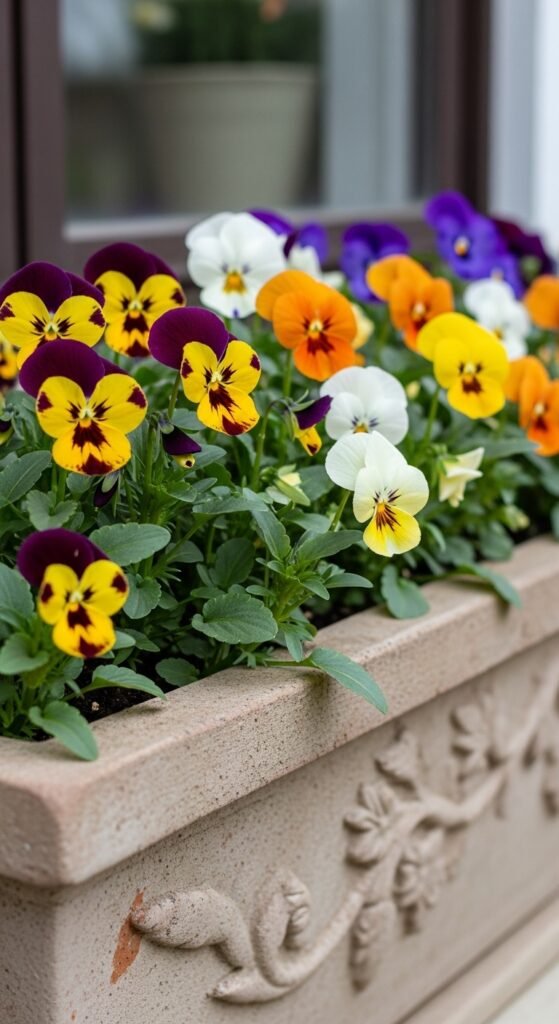
Pansies shine for their cold tolerance, flowering through mild winters and into spring, extending your garden’s season. Edible petals add whimsy to salads, and they’re easy to grow, appealing to beginners. Their cheerful “faces” bring personality, while attracting butterflies and tolerating light frost.
Plant pansies in rich, moist soil with partial sun, spacing 6-10 inches apart. Deadhead regularly to promote continuous blooms. For optimal growth, apply spring lawn care tips adapted for beds, like aerating soil. Fertilize lightly and watch for aphids, treating organically for healthy, vibrant displays.
6) Primroses
Primroses offer clusters of delicate, five-petaled flowers in pastels or brights, rising above rosettes of crinkled leaves. These perennials grow 6-12 inches tall, thriving in woodland settings or shaded borders, where they provide early color and subtle fragrance.
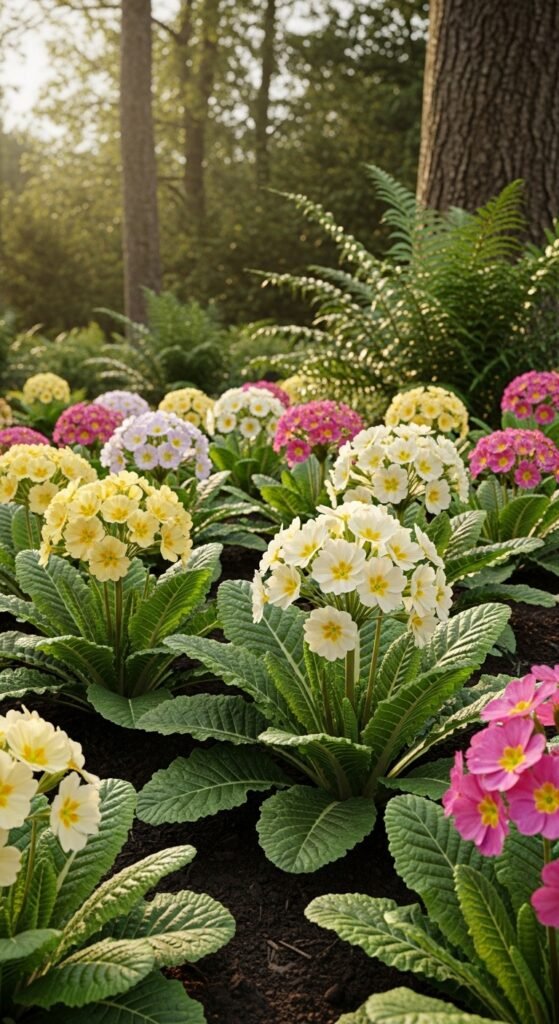
Choose primroses for their shade tolerance, filling tricky spots where sun-loving flowers falter. They support pollinators and can perennialize in mild climates, offering value year after year. Varieties like English primroses add a cottage-garden vibe, with some being mildly scented.
To grow, plant in humus-rich, moist soil in partial shade, dividing every few years for vigor. Mulch to retain moisture and protect roots. If planning containers, explore spring container garden ideas for combinations with ferns. Avoid overwatering to prevent crown rot, ensuring long-lived beauty.
7) Snowdrops
Snowdrops feature nodding, white bell-shaped flowers with green markings, emerging on slender stems amid narrow leaves. These tiny bulbs, just 4-6 inches tall, are among the first spring heralds, often blooming in late winter snow.
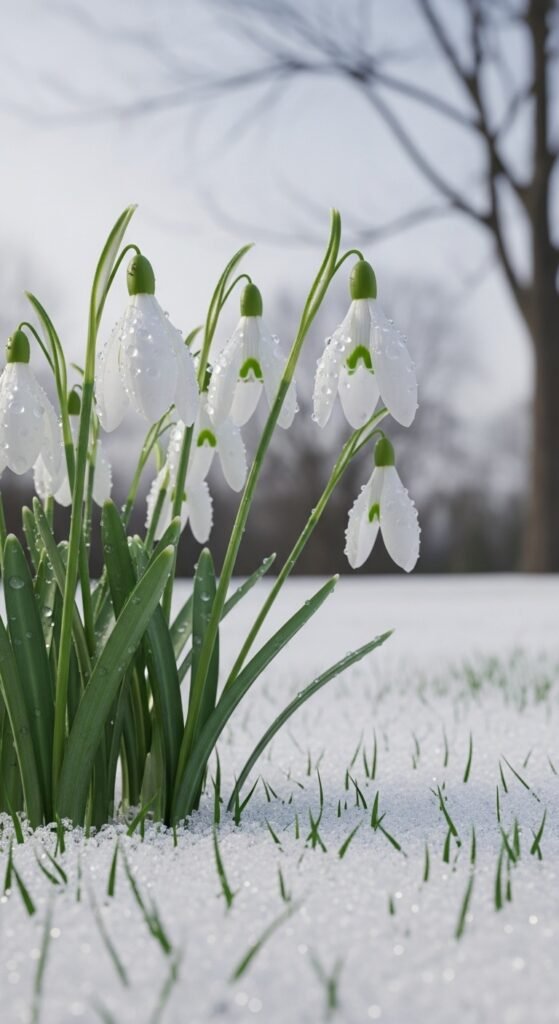
Snowdrops are prized for their resilience, naturalizing under deciduous trees and providing hope after winter. They’re low-maintenance, deer-resistant, and symbolize purity. In large drifts, they create a magical, carpet-like effect that’s enchanting in woodlands or lawns.
Plant bulbs “in the green” after flowering or dry in fall, 3 inches deep in moist, shady soil. They spread slowly via offsets. For integration, consider spring porch planter ideas using pots for mobility. Allow foliage to fade naturally, and avoid disturbing established clumps for best proliferation.
8) Bluebells
Bluebells form arching spikes of tubular, blue-violet flowers, releasing a sweet scent in woodlands. These bulbs grow 12-18 inches, creating seas of color in dappled shade, where they self-seed and spread via bulbs.
Why bluebells? They evoke fairy-tale forests, supporting biodiversity with nectar for hoverflies and bees. Hardy and adaptable, they thrive in zones 4-9, adding a wild, naturalistic element. Spanish bluebells offer robustness for gardens, while natives suit conservation areas.
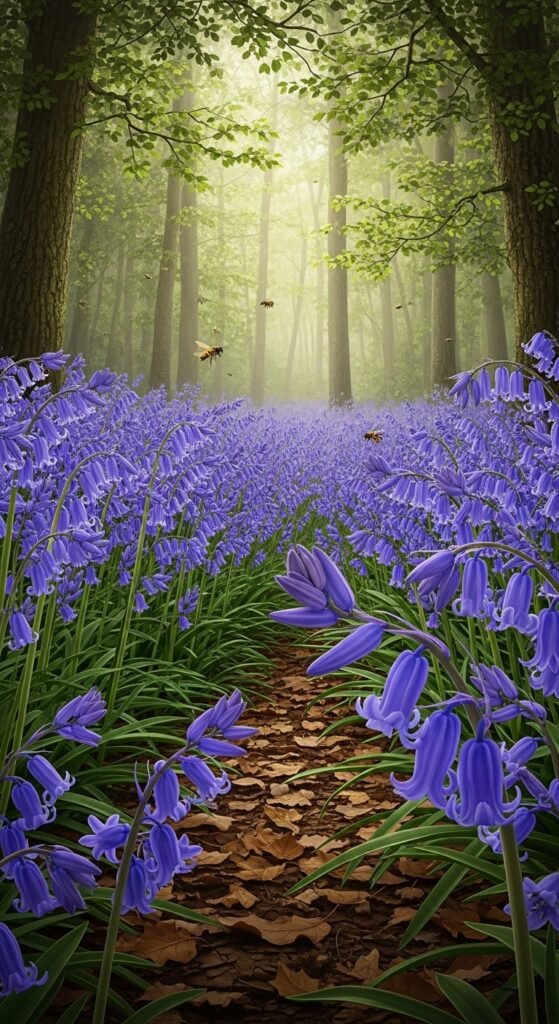
Grow by planting bulbs 4 inches deep in fertile, well-drained soil under trees. Water during dry spells. To enhance arrangements, draw from tulip arrangements for contrasting heights. After blooming, let seeds disperse for expansion, but control invasiveness in non-native regions.
9) Forget-Me-Nots
Forget-me-nots display tiny, sky-blue flowers with yellow centers in loose clusters, on branching stems up to 12 inches. These biennials or perennials self-seed readily, creating soft blue hazes in moist, shady spots.
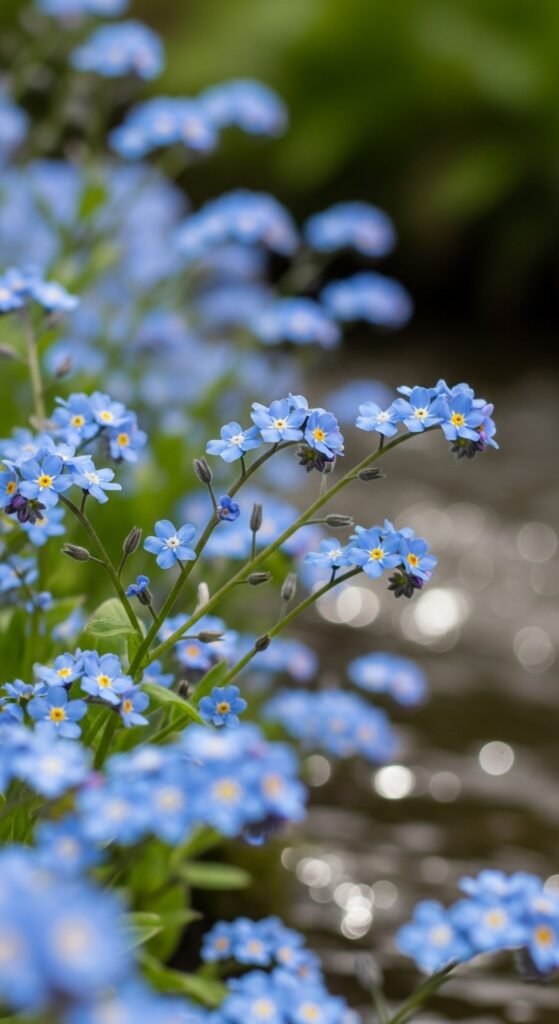
Select forget-me-nots for their sentimental symbolism of remembrance and love, plus their ability to cover ground and suppress weeds. They attract pollinators and thrive in damp areas, adding delicacy to borders or streamsides. Easy to grow, they’re perfect for naturalistic designs.
Sow seeds in summer for spring blooms, in partial shade with consistent moisture. Thin seedlings for air circulation. If dealing with edibles, note similarities to spring edible flowers—these are safe in moderation. Remove spent plants to control spread, enjoying their ephemeral charm annually.
10) Lilacs
Lilacs are shrubby spring flowers with conical panicles of fragrant, tubular blooms in lavender, white, or pink. These deciduous plants can reach 8-15 feet, serving as hedges or focal points with heart-shaped leaves.
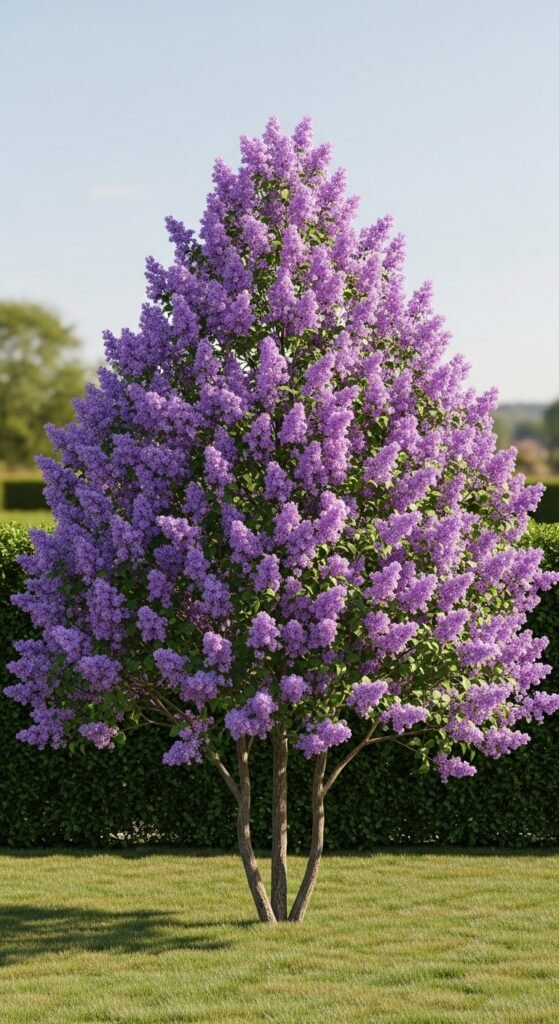
Lilacs captivate with their heady perfume, evoking nostalgia and attracting butterflies. Long-lived and drought-tolerant once established, they provide structure and privacy. French hybrids offer reblooming potential, extending interest beyond spring.
Plant in full sun with alkaline, well-drained soil, spacing for air flow. Prune after flowering to shape. For rose companions, apply prune roses in spring timing similarly. Fertilize sparingly and monitor for powdery mildew, ensuring bountiful, scented displays for years.
11) Peonies
Peonies feature large, ruffled blooms in pink, white, red, or yellow, on sturdy stems amid glossy foliage. These perennials grow 2-4 feet, offering late-spring spectacle and longevity up to 50 years.
Why peonies? Their opulent flowers make stunning bouquets, and they’re deer-resistant with ant-attracting buds. Hardy in zones 3-8, they provide cut-flower abundance and autumn color from leaves. Herbaceous types die back, while tree peonies retain woody structure.
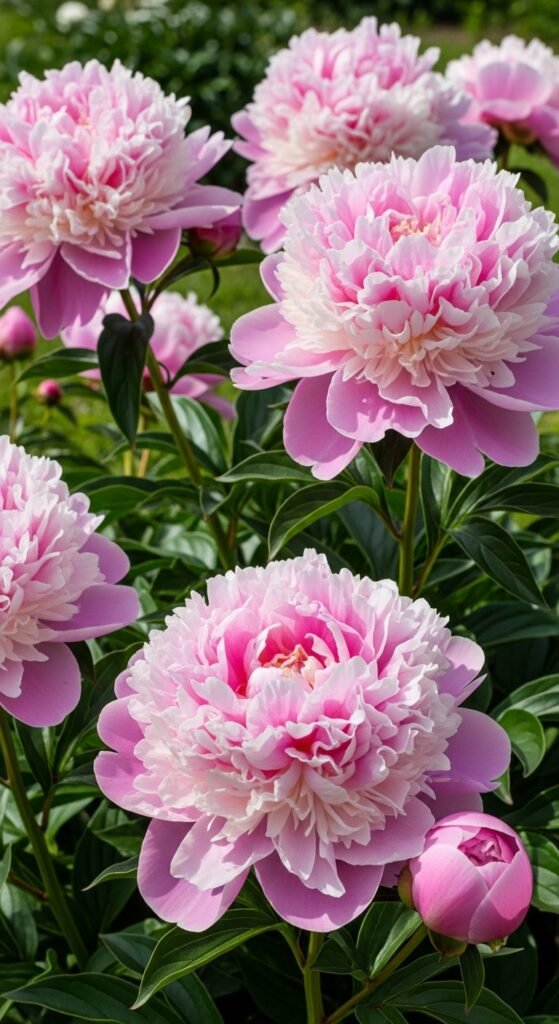
Plant roots in fall, 2 inches deep in sunny, fertile soil. Support heavy blooms with stakes. Incorporate into designs using general spring gardening tips for soil amendment. Cut back in autumn and divide infrequently, relishing their romantic, voluminous presence.
12) Irises
Irises showcase sword-like leaves and intricate flowers with falls and standards in blues, purples, yellows, and more. Bearded irises dominate spring, growing 1-4 feet, while Siberian types extend into summer.
Irises excel for their architectural form, drought tolerance, and rhizome propagation ease. They symbolize wisdom and add vertical interest, attracting hummingbirds. Bearded varieties offer fragrance, enhancing sensory gardens.
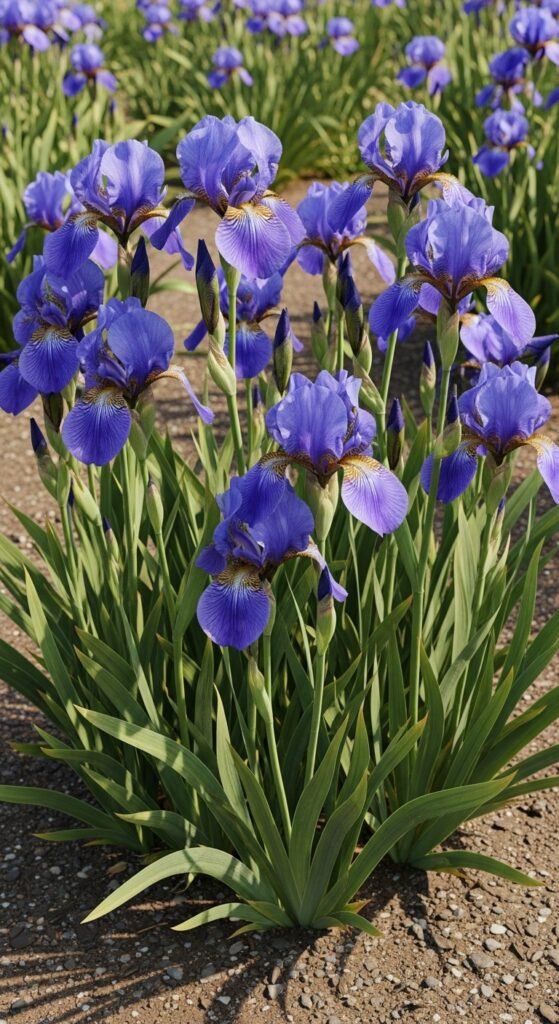
Grow by planting rhizomes shallowly in full sun with excellent drainage. Divide every 3-5 years post-bloom. For pest issues, use spring pest control strategies against borers. Water deeply but infrequently, fostering robust, colorful swords of bloom.
13) Alliums
Alliums produce globe-shaped umbels of star-like flowers in purples, whites, and pinks atop tall stems. These onion relatives range from 6 inches to 5 feet, adding whimsy and structure to borders.
Choose alliums for their deer-repelling scent, architectural appeal, and late-spring bridging to summer. They dry well for arrangements and support pollinators. Ornamental types like ‘Globemaster’ provide dramatic spheres
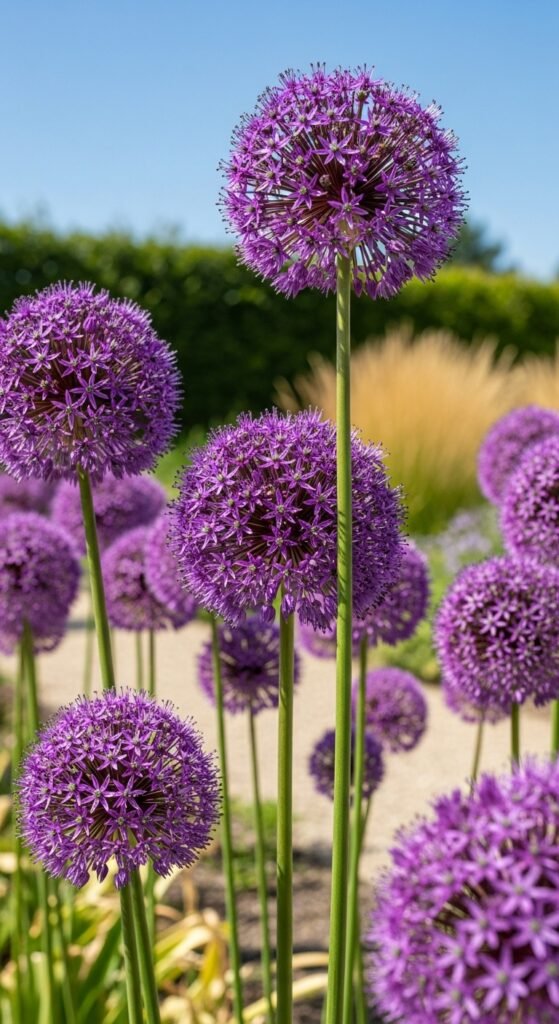
without edible bulbs.
Plant bulbs 3-4 times their depth in sunny, dry soil during fall. They naturalize in well-drained spots. Pair with grasses, considering spring lawn care tips for adjacent turf health. Allow seed heads to stand for winter interest, promoting self-sowing.
14) Forsythia
Forsythia bursts with bright yellow, four-petaled flowers along arching branches before leaves emerge. This shrub grows 8-10 feet, serving as a hedge or specimen with fountain-like habit.
Forsythia’s allure lies in its early, profuse blooming, heralding spring and providing nectar for bees. Fast-growing and adaptable, it tolerates poor soil and offers autumn color. Use for forcing branches indoors for early cheer.
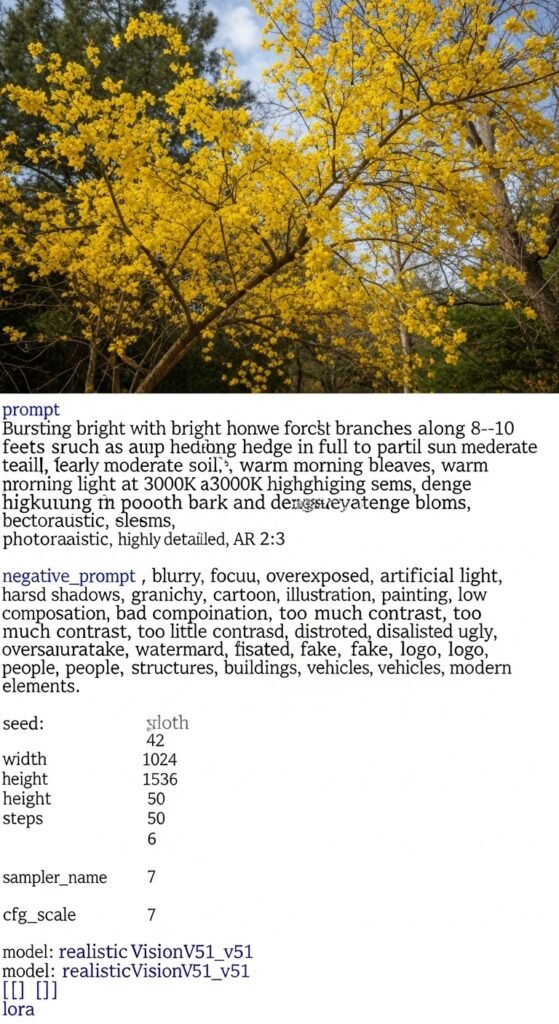
Plant in full sun to partial shade with moderate soil. Prune immediately after flowering to maintain shape. If combining with hydrangeas, adapt spring hydrangea care for similar pruning windows. Propagate from cuttings, enjoying its golden cascade annually.
15) Violets
Violets feature heart-shaped leaves and five-petaled flowers in purple, white, or yellow, often scented. These low-growers spread via rhizomes, forming mats in shady, moist areas up to 6 inches tall.
Violets are valued for their edibility—flowers and leaves in salads—and ground-cover ability, suppressing weeds. They attract fritillary butterflies and add folklore charm, symbolizing modesty. Native sweet violets enhance
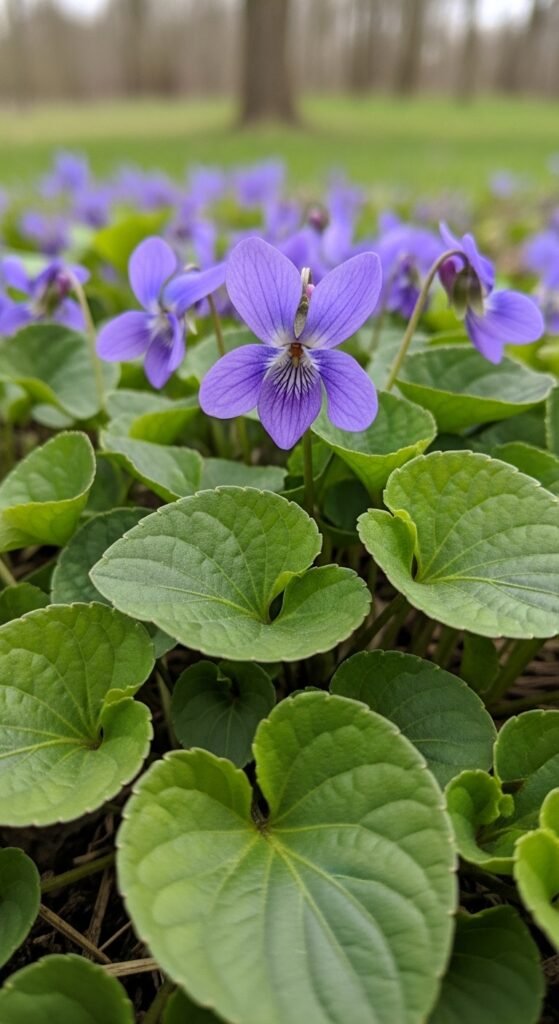
biodiversity in lawns or woods.
Grow in partial shade with rich, damp soil, allowing natural spread. Harvest sparingly for culinary use. Explore spring edible flowers for more ideas. Mow high if in turf, preserving their delicate, persistent blooms.
Essential Tips for Growing Spring Flowers
Soil Preparation
Start with testing your soil’s pH and nutrients, aiming for slightly acidic to neutral levels. Amend with compost for drainage and fertility, especially in clay-heavy areas. This foundation ensures robust root development and vibrant blooms.
Watering and Maintenance
Provide consistent moisture without waterlogging, using mulch to conserve water. Regular weeding and deadheading promote health, while staking taller varieties prevents damage. Monitor for diseases, applying organic remedies promptly.
Companion Planting
Pair spring flowers with complementary plants like herbs to deter pests or perennials for succession blooming. This boosts ecosystem balance, enhances aesthetics, and maximizes space efficiency in your garden.
Frequently Asked Questions
When is the best time to plant spring flowers?
Most spring-flowering bulbs should be planted in fall, allowing roots to establish before winter. Annuals like pansies can go in early spring after the last frost.
What are easy spring flowers for beginners?
Daffodils and crocuses are forgiving, requiring minimal care and naturalizing over time. Pansies offer quick color in containers with simple watering needs.
How do I extend the blooming period of spring flowers?
Select a mix of early, mid, and late bloomers. Provide proper care like deadheading and fertilizing to encourage prolonged flowering.
Can spring flowers grow in shade?
Yes, varieties like primroses, snowdrops, and bluebells thrive in partial to full shade, making them ideal for wooded or north-facing areas.
What common mistakes to avoid with spring flowers?
Overwatering leads to rot, so ensure good drainage. Don’t cut foliage too soon after blooming, as it feeds the plant for next year.