Perennial flowers are the backbone of any thriving garden, returning year after year to provide vibrant color, texture, and fragrance without the need for annual replanting. These hardy plants adapt to your local climate, offering a sustainable way to enhance your outdoor space. Whether you’re aiming for a pollinator-friendly haven or a low-maintenance landscape, incorporating perennial flowers can transform your yard into a perennial paradise.
You’ll love how perennial flowers save time and money while boosting biodiversity. They establish deep roots, improving soil health and resilience against drought. Starting with the right selections ensures continuous blooms from spring through fall, creating a dynamic display that evolves with the seasons.
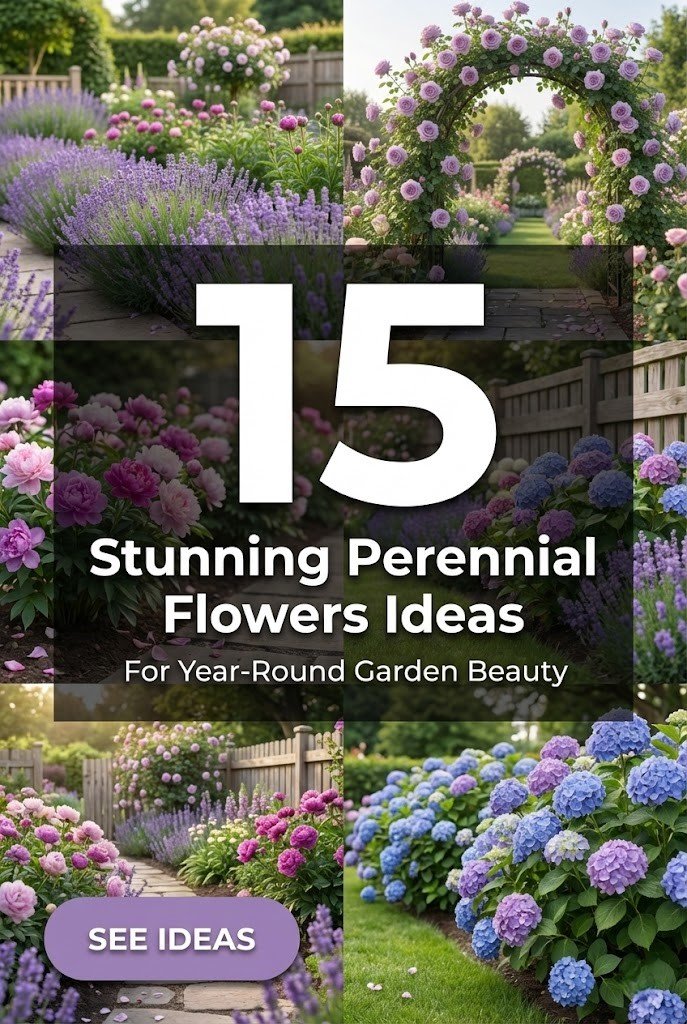
Explore these 15 perennial flowers ideas to inspire your garden design. Each one includes practical tips on planting, care, and why it shines in your landscape.
1) Lavender Borders
Lavender is a classic perennial flower known for its aromatic purple spikes and silvery foliage. You can plant it along pathways or borders for a fragrant edge that deters pests naturally. This Mediterranean native thrives in full sun and well-drained soil, making it ideal for xeriscaping.
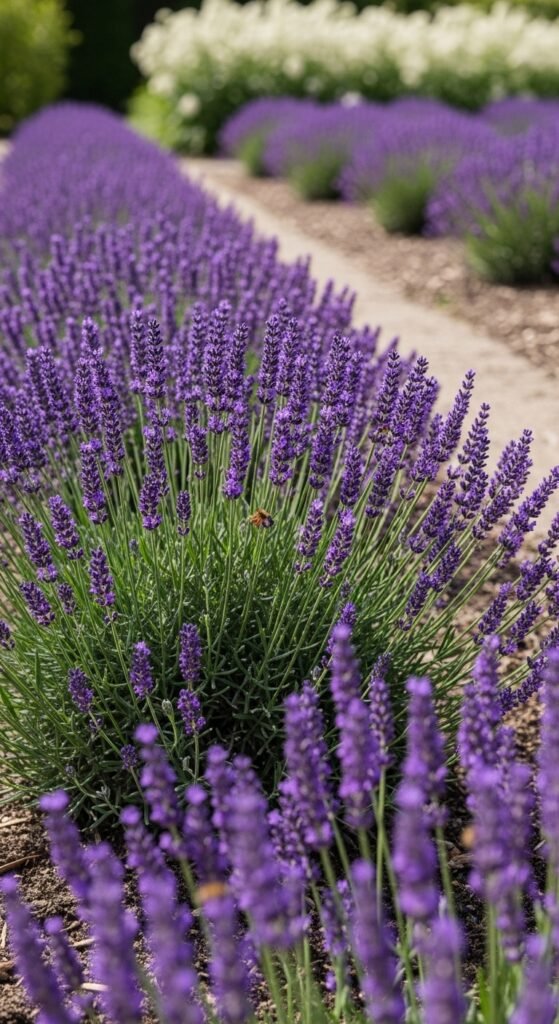
Key benefits include its drought tolerance and ability to attract bees and butterflies, enhancing your garden’s ecosystem. Lavender also offers culinary and medicinal uses, like in teas or sachets. To grow it successfully, space plants 12-18 inches apart and prune annually after flowering to maintain shape.
How to incorporate: Start seeds indoors or buy transplants in spring. Mulch lightly to retain moisture, and avoid overwatering to prevent root rot. Pair with other sun-loving perennials for a colorful, low-maintenance bed that blooms from summer into fall.
2) Rose Arbors
Roses are timeless perennial flowers that bring elegance and romance to any garden. Climbing varieties are perfect for training over arbors or trellises, creating shaded walkways bursting with color. Choose disease-resistant cultivars for easier care.
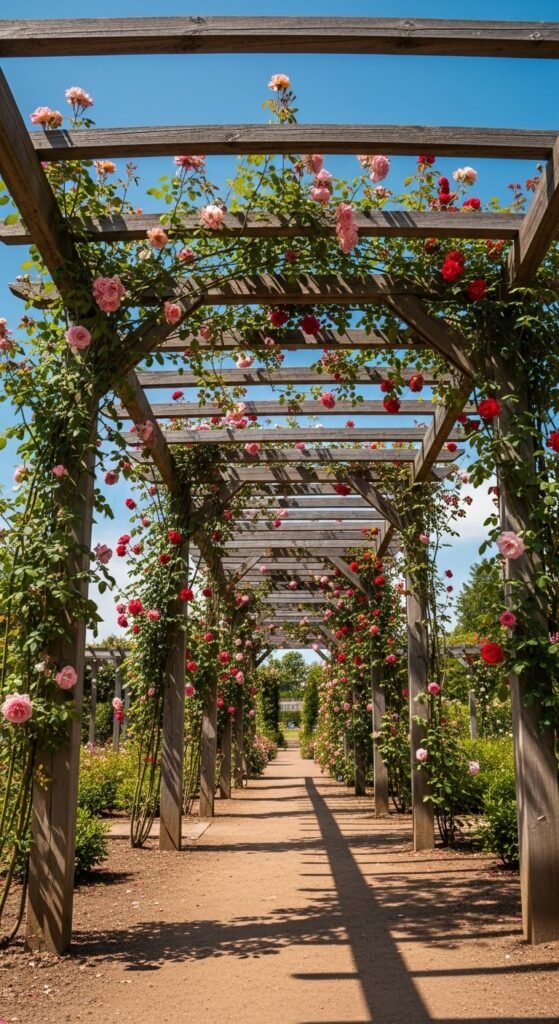
Key benefits encompass their long blooming period and captivating scents, which can perfume your entire yard. Roses also symbolize love and beauty, adding emotional appeal to your space. For optimal growth, plant in rich, loamy soil with good drainage and full sun exposure.
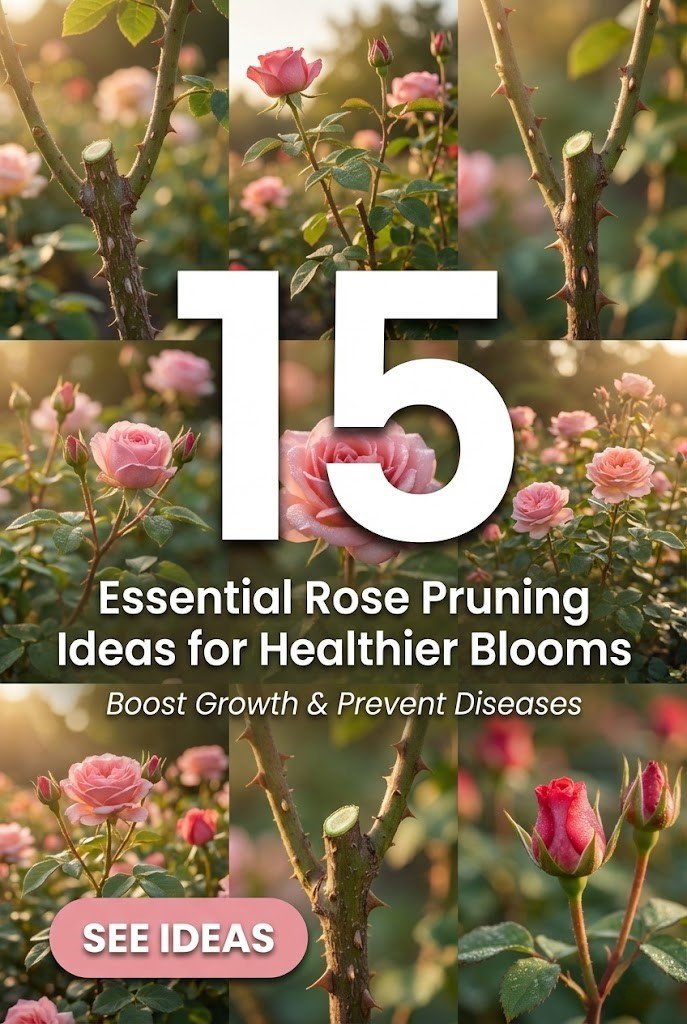
To nurture them, fertilize in spring and monitor for pests. Consider our guide on pruning roses in spring to promote vigorous growth. Deadhead spent blooms regularly to encourage reblooming, ensuring your arbor remains a focal point throughout the season.
3) Peony Clusters
Peonies offer lush, oversized blooms in shades of pink, white, and red, making them a standout in perennial flower beds. You can group them in clusters for maximum impact, where their fragrant flowers create a romantic cottage garden vibe.
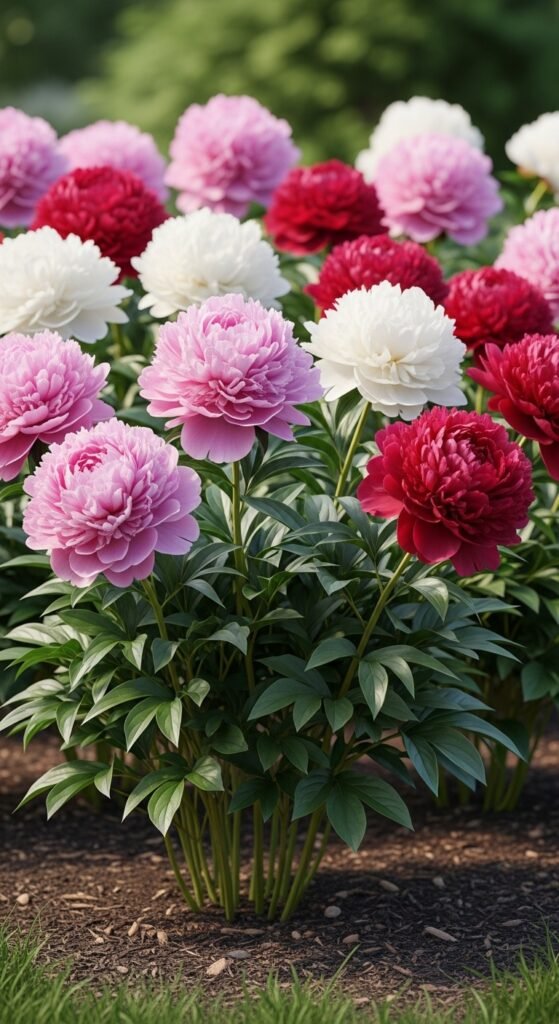
Key benefits feature their longevity—some plants live for decades—and deer resistance in many areas. Peonies provide excellent cut flowers for indoor arrangements too. Plant tubers in fall, 2 inches deep in fertile soil with afternoon shade to prevent fading.
Care involves staking taller varieties to support heavy blooms and dividing every 10-15 years. Water deeply but infrequently, and apply compost annually. This setup yields abundant spring displays that transition seamlessly into summer foliage interest.
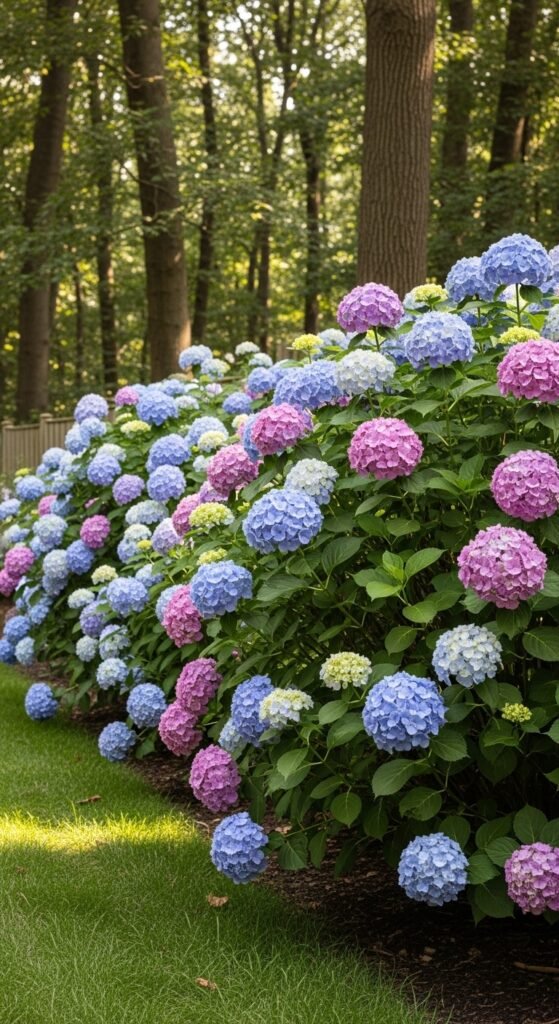
4) Hydrangea Hedges
Hydrangeas are versatile perennial flowers with large, showy clusters that change color based on soil pH. Use them to form natural hedges or screens, providing privacy and a burst of blue, pink, or white hues.
Key benefits include their adaptability to shade and ability to thrive in moist conditions, perfect for woodland gardens. They also attract pollinators and offer dried blooms for winter decor. Plant in partial shade with acidic soil for blue tones.
For maintenance, follow tips from our spring hydrangea care article to ensure healthy growth. Prune after flowering, and mulch to retain moisture. This approach creates a living fence that’s both functional and visually stunning year-round.
5) Daylily Edges
Daylilies are tough perennial flowers with trumpet-shaped blooms in a rainbow of colors, ideal for edging beds or paths. Each flower lasts a day, but plants produce multiple buds for extended summer shows.
Key benefits highlight their low-maintenance nature and tolerance for various soils, including clay. They’re edible too, with buds adding zest to salads. Divide clumps every 3-5 years to keep them vigorous.
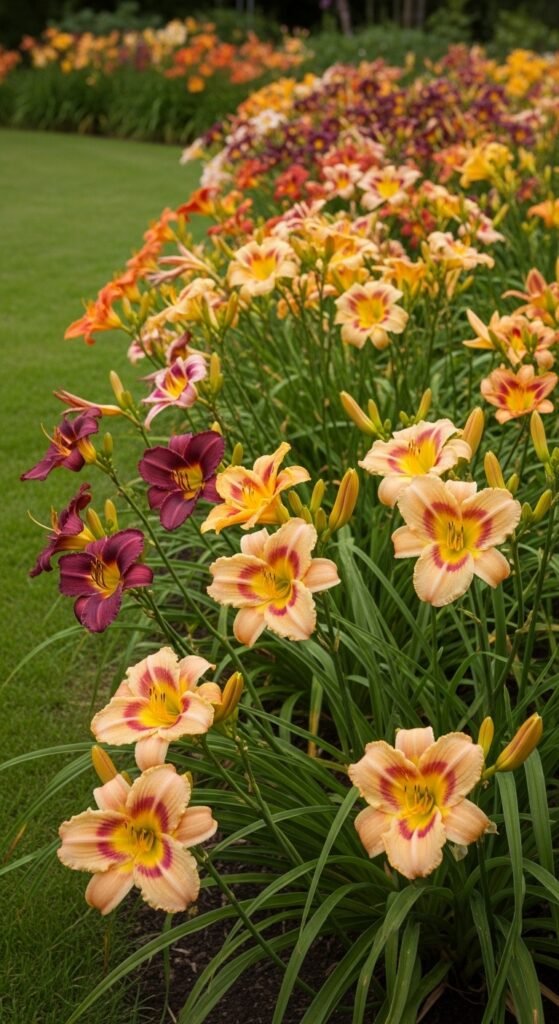
Plant in full sun to partial shade, spacing 18-24 inches apart. Water regularly during establishment, then rely on rainfall. Companion plant with grasses for texture, creating durable borders that require minimal intervention.
6) Coneflower Meadows
Coneflowers, or Echinacea, feature daisy-like petals around a central cone, attracting butterflies and birds. Scatter them in meadow-style plantings for a wild, naturalistic look that’s easy to maintain.
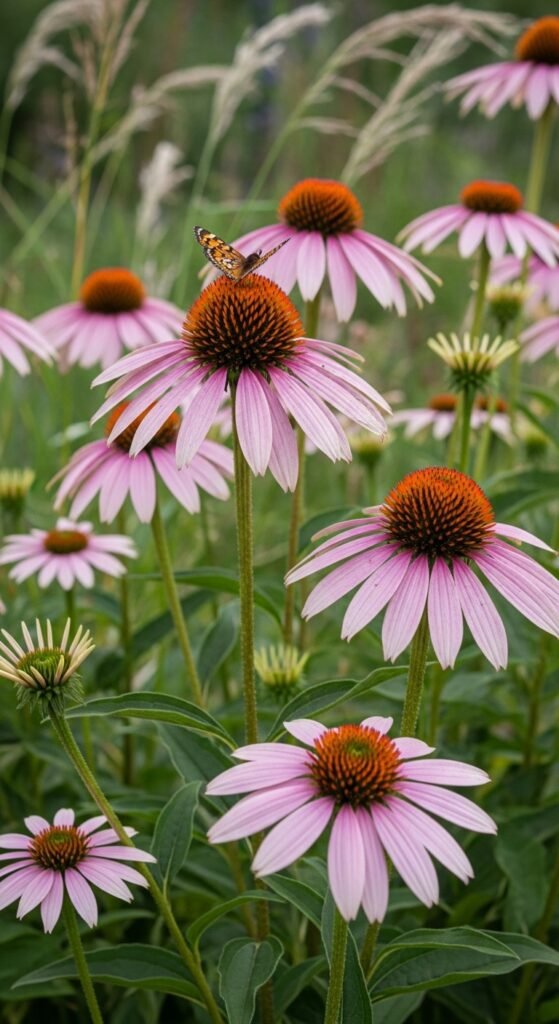
Key benefits involve their medicinal properties for immune support and drought resistance once established. They self-seed gently, filling in spaces over time. Opt for native varieties to boost local ecology.
Sow seeds directly or transplant in spring, in sunny spots with average soil. Deadhead to prolong blooming, but leave some seed heads for winter interest and wildlife. This creates a dynamic, pollinator-rich area in your garden.
7) Black-Eyed Susan Patches
Black-eyed Susans are cheerful perennial flowers with golden petals and dark centers, perfect for sunny patches. They spread readily, forming dense colonies that brighten late summer landscapes.
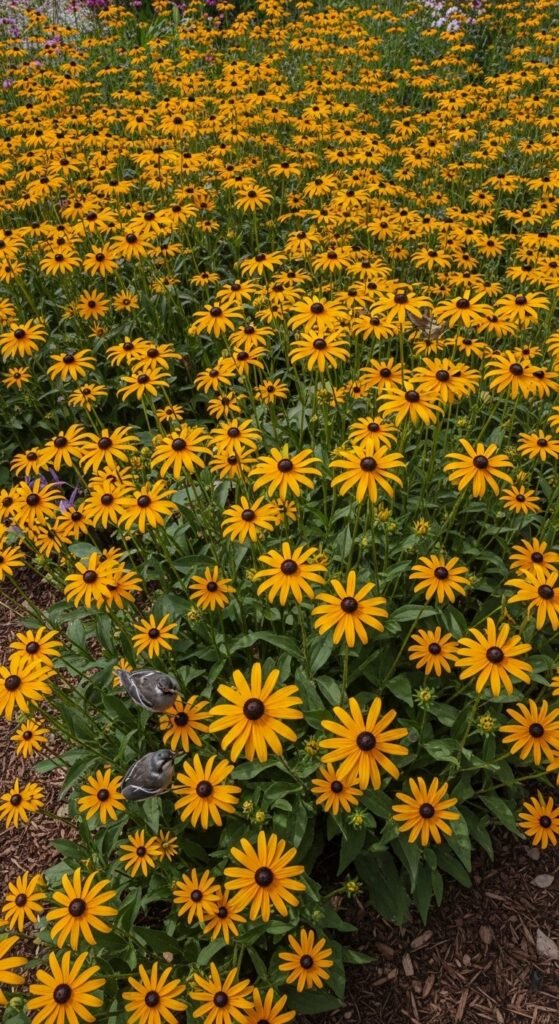
Key benefits include their heat tolerance and ability to thrive in poor soils, making them great for challenging sites. Birds love the seeds, adding wildlife value. Plant in groups for bold color statements.
Care is simple: full sun, moderate water, and occasional division. Pair with ornamental grasses for prairie-style gardens that require little upkeep while providing seasonal spectacle.
8) Salvia Spikes
Salvia offers tall spikes of tubular flowers in blues, reds, and purples, drawing hummingbirds to your garden. Use them in mixed borders for vertical interest and continuous blooms.
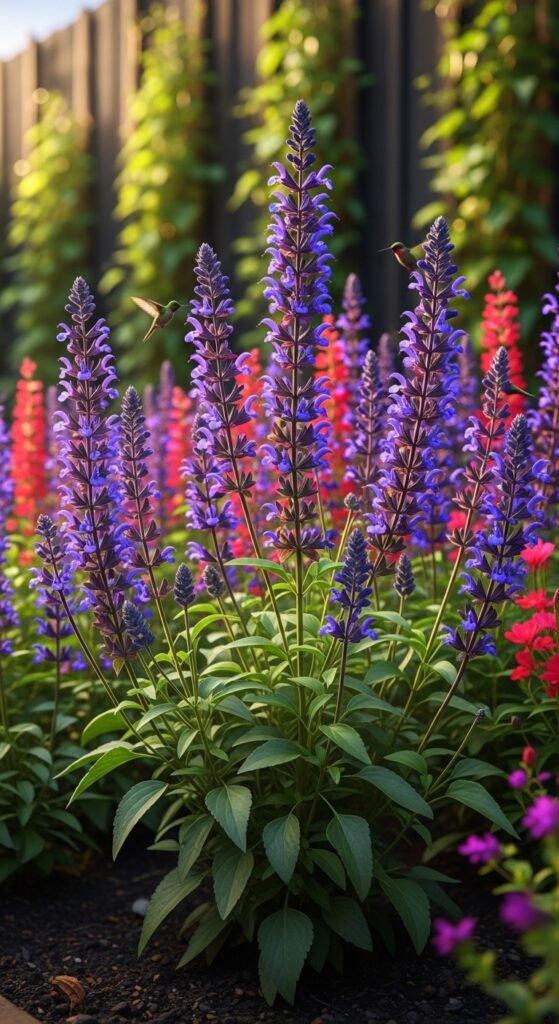
Key benefits encompass their aromatic foliage that repels deer and drought-hardy nature. Many varieties are edible, enhancing culinary gardens. Check our spring edible flowers for more ideas.
Plant in well-drained soil with full sun, cutting back after first flush for rebloom. This perennial flower idea adds height and movement, creating lively, sensory-rich spaces.
9) Aster Clouds
Asters provide clouds of small, daisy-like flowers in fall, extending your garden’s color palette. They’re excellent for back-of-border plantings, mingling with other late bloomers.
Key benefits feature their role in supporting migrating butterflies and cold hardiness. Varieties range from compact to tall, suiting any space. Pinch tips in early summer for bushier growth.
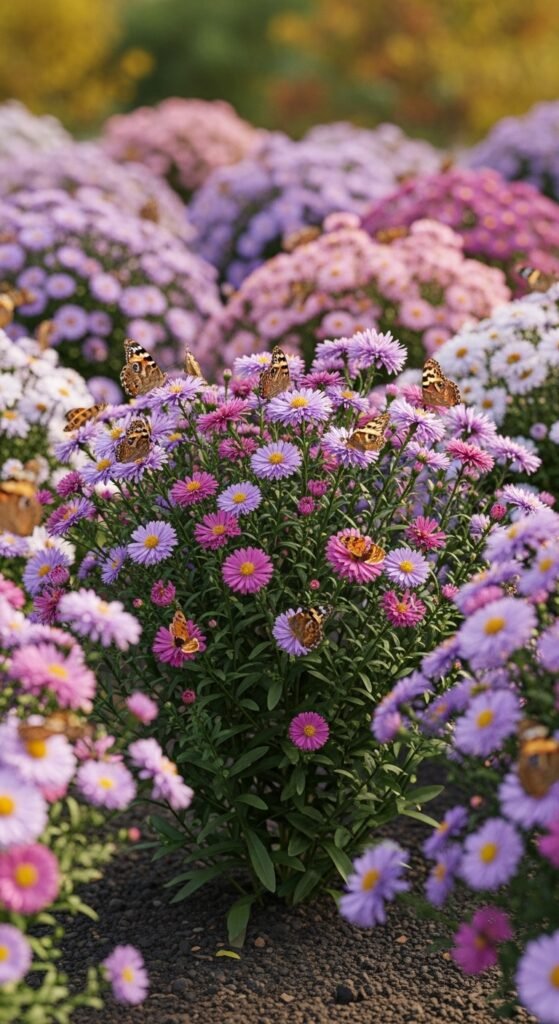
Establish in moist, fertile soil with sun to part shade. Divide every few years to prevent overcrowding. This ensures a spectacular autumn display that bridges seasons beautifully.
10) Sedum Groundcovers
Sedum, or stonecrop, is a succulent perennial flower with star-shaped blooms atop fleshy leaves. It’s superb as groundcover, suppressing weeds while adding texture to rock gardens.
Key benefits include extreme drought tolerance and low growth habit, ideal for slopes or containers. Attracts pollinators in late summer. Explore more in our perennial groundcovers guide.
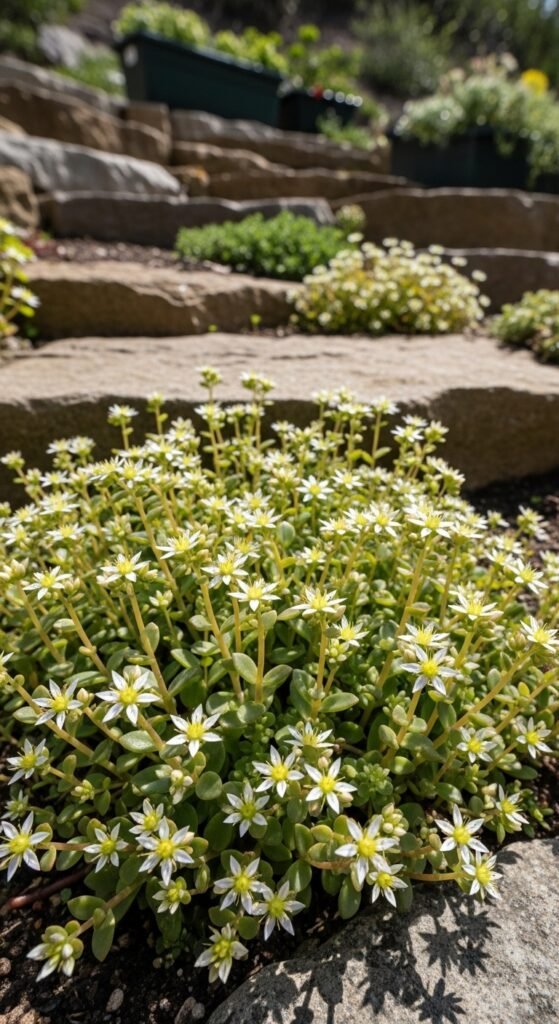
Plant in poor, sandy soil with full sun. Minimal watering needed; propagate by cuttings. This hardy choice creates resilient, evergreen mats for year-round interest.
11) Coreopsis Threads
Coreopsis, known as tickseed, boasts thread-like foliage and bright yellow or pink daisies. Thread them through borders for sunny, cheerful accents that bloom profusely.
Key benefits highlight their long flowering season and cut-flower quality. Tolerant of heat and humidity, they’re low-fuss additions. Shear after first bloom for repeat performances.
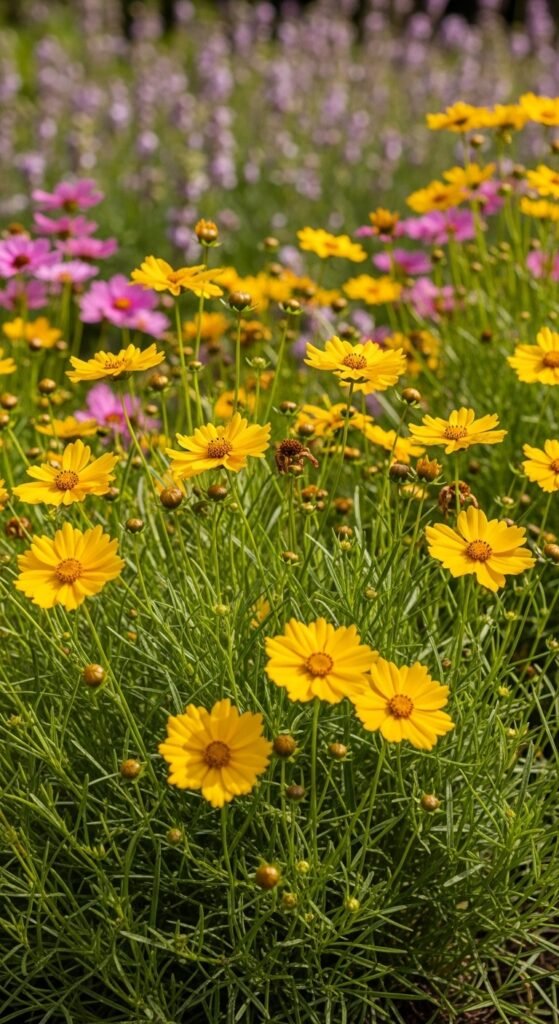
Site in full sun with average soil; space 12 inches apart. This perennial flower idea infuses energy and warmth into your garden design effortlessly.
12) Russian Sage Airiness
Russian Sage delivers airy spires of lavender-blue flowers on silvery stems, adding ethereal quality to perennial beds. It’s perfect for hot, dry spots where others struggle.
Key benefits involve its deer resistance and aromatic properties that freshen the air. Blooms from midsummer to frost, providing late-season nectar. Cut back in spring for compact growth.
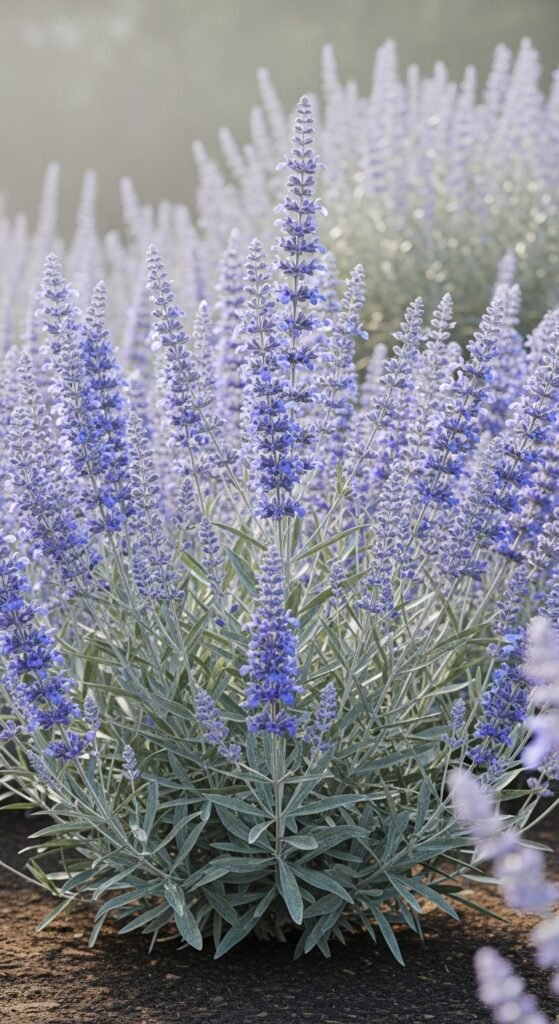
Plant in lean soil with excellent drainage and full sun. Water sparingly once established. This creates a soft, hazy backdrop that enhances neighboring plants.
13) Bleeding Heart Shades
Bleeding Hearts feature heart-shaped pink or white flowers dangling from arching stems, thriving in shady areas. They’re enchanting in woodland gardens or under trees.
Key benefits include early spring blooms and fern-like foliage that persists. Dormant in summer heat, they free space for other plants. Divide in fall if needed.
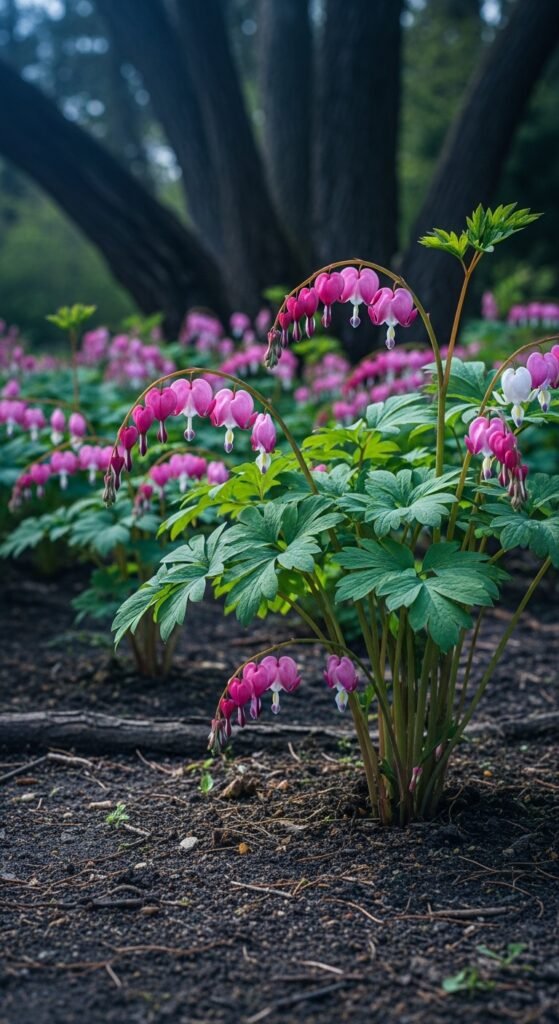
Plant in rich, moist soil with dappled shade. Mulch to cool roots. This perennial flower idea brings delicate charm to cooler garden corners.
14) Dahlia Displays
Dahlias are bold perennial flowers (treated as such in mild climates) with diverse forms from pom-poms to dinner plates. Create stunning displays in cutting gardens.
Key benefits encompass their prolific blooming and vase life for arrangements. Lift tubers in cold zones for overwintering. Learn how in our save dahlia tubers tutorial.
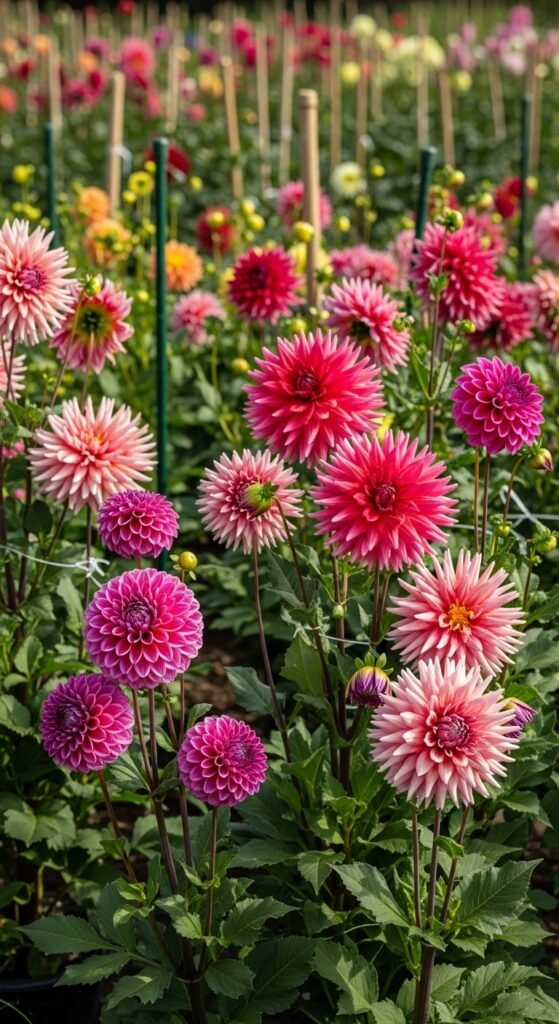
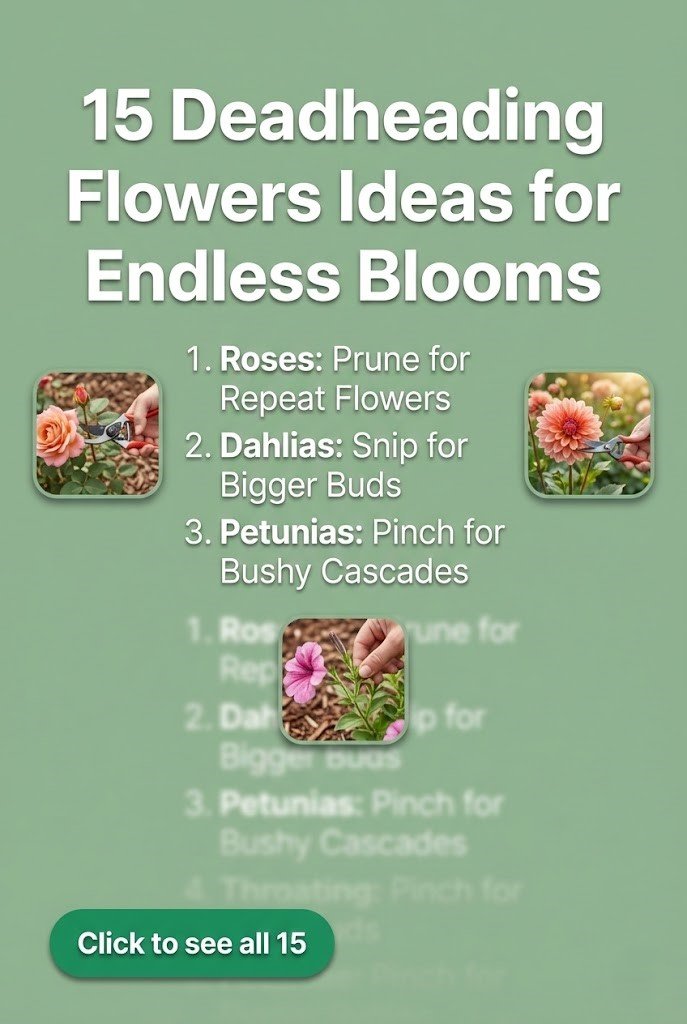
Stake tall varieties and pinch for bushiness. Full sun and fertile soil yield the best results, turning your garden into a floral extravaganza.
15) Lupine Towers
Lupines tower with pea-like flowers in vibrant spikes, adding vertical drama to perennial borders. They’re nitrogen-fixers, improving soil for companions.
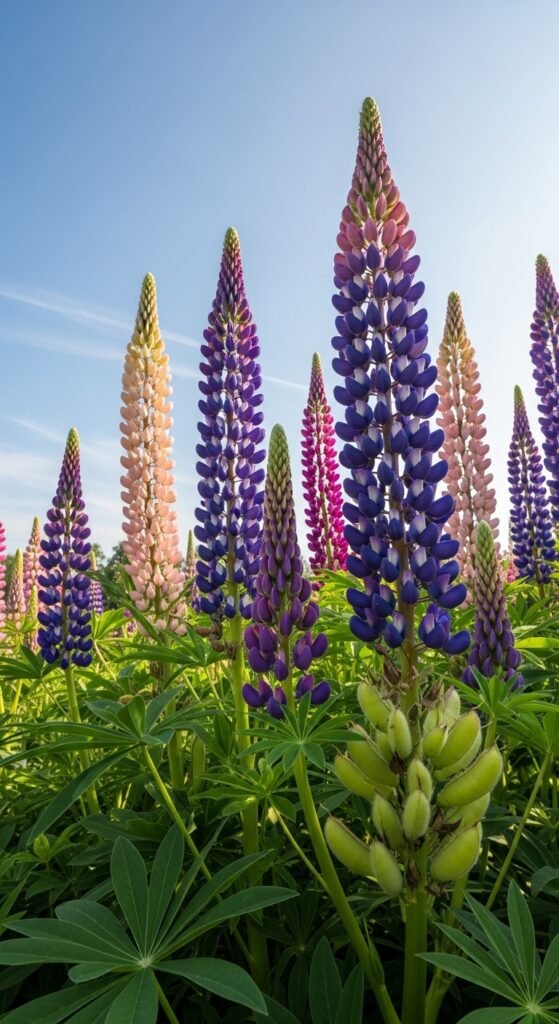
Key benefits feature their attraction to bees and ability to thrive in cool climates. Self-seed in favorable conditions for natural expansion. Soak seeds before planting for better germination.
Position in full sun to part shade with acidic, well-drained soil. Avoid rich fertilizers to prevent legginess. This creates majestic, colorful towers that elevate your garden’s profile.
Key Principles for Growing Perennial Flowers
Soil Preparation Essentials
Start with testing your soil pH and amending as needed—most perennials prefer 6.0-7.0. Incorporate organic matter like compost to improve drainage and fertility. You can till lightly, but avoid overworking to preserve structure.
Watering and Maintenance Tips
Water deeply but infrequently to encourage strong roots. Mulch around plants to conserve moisture and suppress weeds. Regular weeding and monitoring for pests keep your perennials healthy.
Pruning and Division Strategies
Prune in late winter or after blooming to shape plants and promote vigor. Divide overcrowded clumps every 3-5 years in early spring or fall for rejuvenation and propagation.
Frequently Asked Questions
What are perennial flowers?
Perennial flowers are plants that live for more than two years, returning each season from their root systems. Unlike annuals, they don’t need replanting, offering long-term garden structure.
How do I choose perennial flowers for my climate?
Select varieties suited to your USDA hardiness zone for best survival. Consider sun exposure, soil type, and moisture levels in your yard to match plant needs.
When is the best time to plant perennial flowers?
Spring or fall are ideal, allowing roots to establish before extreme weather. Avoid planting during hot summer or frozen winter periods.
How can I extend the blooming season of perennial flowers?
Choose a mix of early, mid, and late bloomers. Deadhead regularly and fertilize sparingly to encourage continuous flowers throughout the growing season.
Are perennial flowers low maintenance?
Yes, once established, they require less care than annuals. Focus on proper initial placement, occasional division, and basic watering for thriving plants.