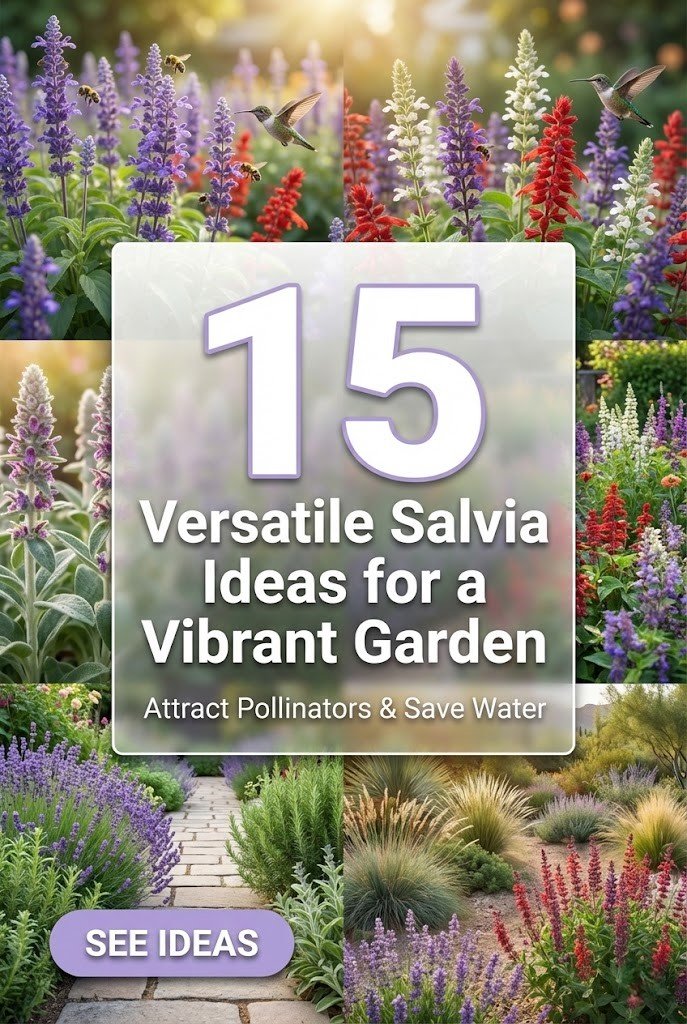
Salvia, a diverse genus in the mint family, offers gardeners an array of options from aromatic herbs to stunning ornamentals. Known for their spike-like flowers in shades of blue, purple, red, and white, these plants thrive in various climates and soil types, making them ideal for beginners and experts alike. You’ll appreciate their drought tolerance, ability to attract pollinators like bees and butterflies, and low-maintenance nature, which can transform your outdoor space into a lively haven.
Beyond aesthetics, salvia provides practical benefits such as culinary uses, medicinal properties, and natural pest repulsion. Whether you’re designing a formal border or a casual cottage garden, incorporating salvia can enhance biodiversity and extend your blooming season from spring through fall. With proper placement and care, these resilient plants will reward you with years of color and fragrance.
Explore these 15 ideas to integrate salvia into your landscape, each offering unique ways to maximize its potential while considering factors like sunlight, companions, and seasonal interest.
1) Culinary Sage in Herb Gardens
You can start with classic salvia officinalis, commonly known as common sage, perfect for your kitchen herb patch. This evergreen perennial features gray-green leaves with a pungent aroma, ideal for seasoning poultry, stuffing, and teas. Why choose it? It’s hardy in zones 4-10, resists deer, and doubles as an ornamental with lavender flowers in summer.
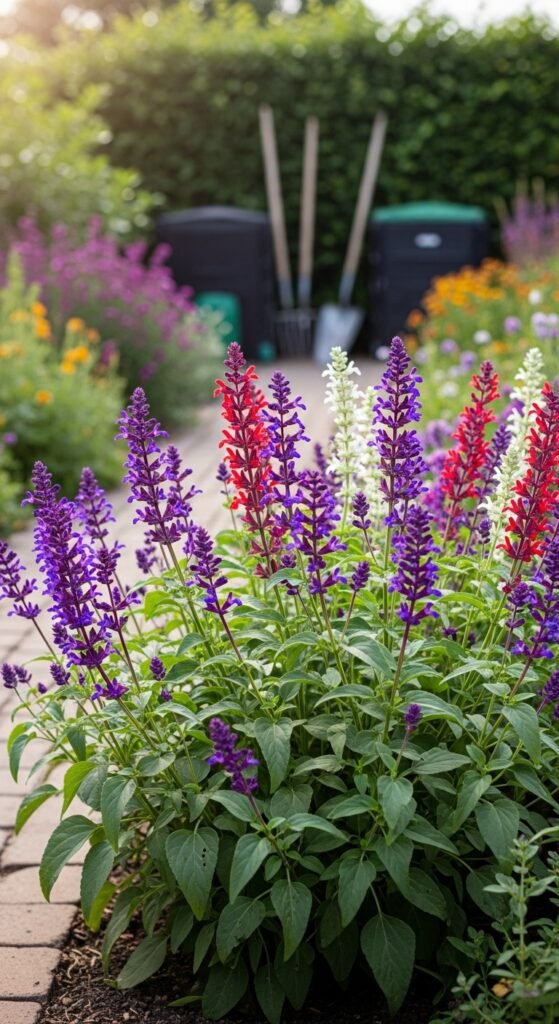
To implement, select a sunny spot with well-draining soil. Plant seedlings 18-24 inches apart—use our plant spacing calculator for precision. Water moderately until established, then rely on rainfall. Harvest leaves regularly to encourage bushiness. Consider edge cases like heavy clay soil; amend with compost for better drainage. This setup not only yields fresh herbs but also deters pests naturally.
2) Ornamental Salvia Borders
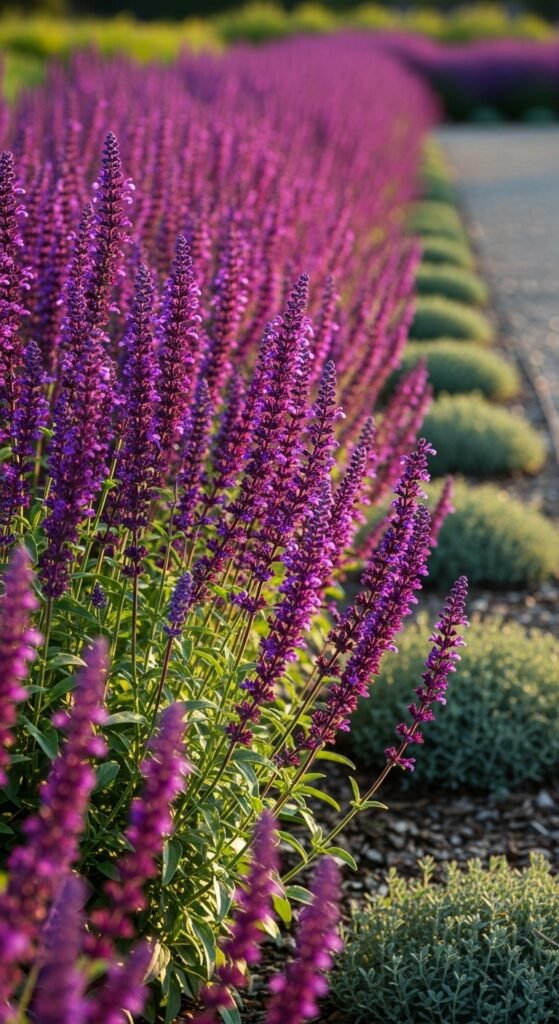
Create striking borders with varieties like salvia nemorosa ‘Caradonna’, boasting deep purple spikes that bloom repeatedly. These perennials add vertical interest and color contrast against low-growing plants. The benefit lies in their long flowering period, from late spring to frost, attracting hummingbirds while requiring minimal upkeep.
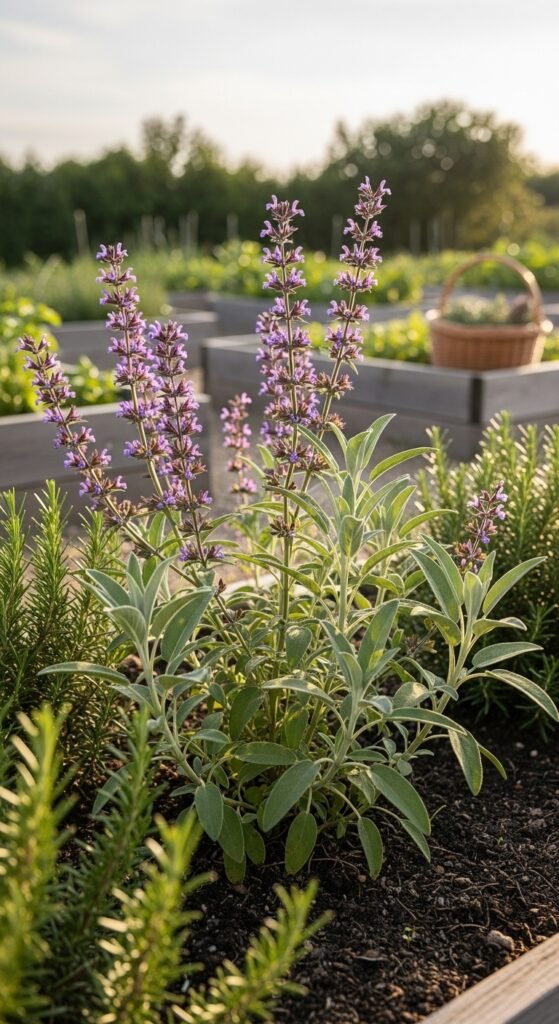
How? Prepare the bed by testing acidity; salvia prefers neutral to alkaline conditions—adjust using our soil pH lime calculator. Space plants 12-18 inches apart in full sun. Deadhead spent blooms to promote reblooming. In hotter climates, provide afternoon shade to prevent scorching. This idea suits formal gardens, offering structure and pollinator support throughout seasons.
3) Salvia in Container Gardens
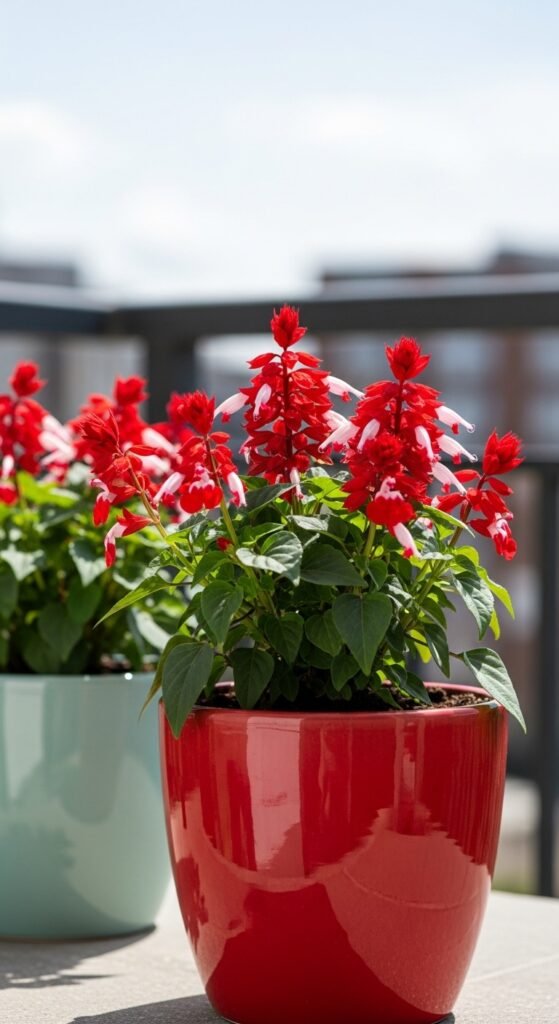
For patios or balconies, pot up compact salvia like ‘Hot Lips’ with its bicolor red-and-white flowers. Containers allow mobility, protecting from extreme weather, and suit urban gardeners with limited space. Why? They provide bursts of color, fragrance, and easy access for harvesting.
Select large pots with drainage holes, filling with potting mix. Position in sun, watering when topsoil dries. Incorporate slow-release fertilizer. For efficiency, set up a drip irrigation setup to maintain moisture. Watch for root-bound issues in small containers; repot annually. This versatile approach adapts to various themes, from Mediterranean to modern minimalist.
4) Drought-Tolerant Salvia Landscapes
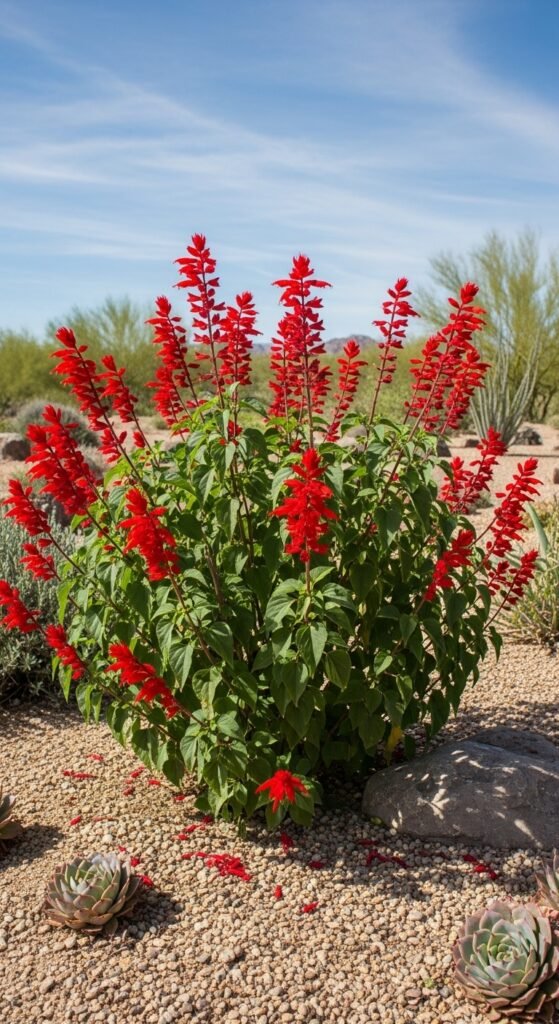
Opt for xeriscape designs featuring salvia greggii, an autumn sage with vibrant red blooms that thrive in arid conditions. Ideal for water-wise gardens, it conserves resources while maintaining visual appeal. Benefits include reduced bills and environmental sustainability, plus resilience in heat waves.
Plant in gravelly soil under full sun, spacing appropriately. Mulch to retain moisture—calculate needs with our mulch calculator. Prune lightly after flowering. Consider regional variations; in humid areas, ensure excellent drainage to avoid rot. This idea promotes eco-friendly practices, blending with succulents for a low-water oasis.
5) Salvia as Groundcover
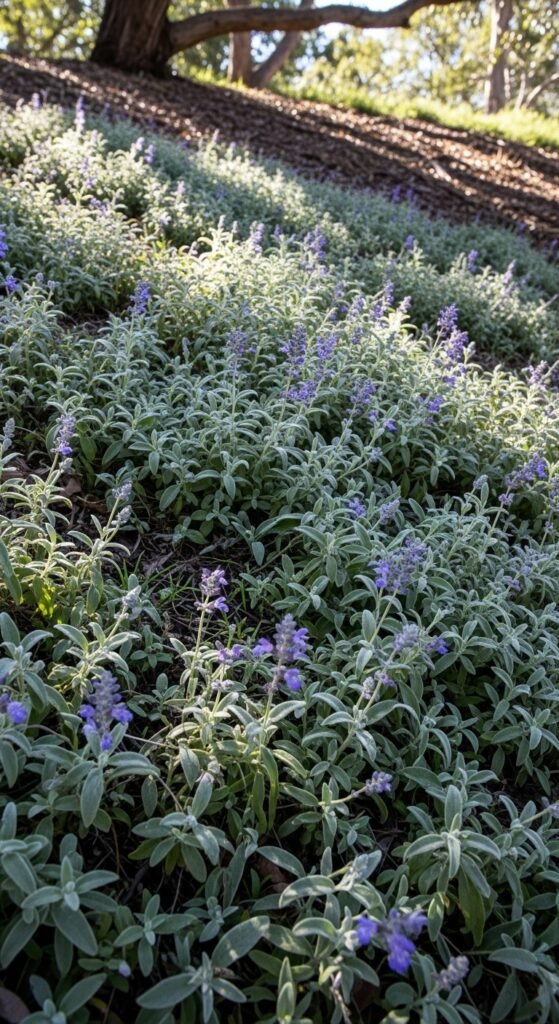
Use creeping salvia sonomensis for slopes or under trees, where its mat-forming habit suppresses weeds. With small lavender flowers, it provides erosion control and subtle beauty. Why? It’s low-growing, spreads quickly, and requires little mowing or watering once established.
Prepare site by loosening soil, planting plugs 12 inches apart. Irrigate initially, then taper off. In shaded spots, pair with ferns. For pest management, refer to spring strategies in our spring pest control guide. Edge cases like poor soil benefit from organic amendments. This functional idea enhances soil health and biodiversity.
6) Pollinator-Friendly Salvia Meadows
Design wildflower meadows incorporating salvia leucantha, Mexican bush sage, with fuzzy purple and white spikes. This attracts bees, butterflies, and birds, boosting ecosystem health. Benefits extend to crop pollination if near veggies, plus a natural, relaxed aesthetic.
Sow seeds or transplants in sunny, open areas. Mix with natives for diversity. Water sparingly after establishment. In guild planting, combine with companions as per our permaculture guilds. Monitor for invasive tendencies in mild climates. This idea fosters wildlife while requiring minimal intervention.
7) Aromatic Salvia Pathways
Line walkways with salvia clevelandii, Cleveland sage, releasing a sage-like scent when brushed. Its blue flowers add charm to paths. Why? Enhances sensory experience, deters insects, and guides visitors through your garden.
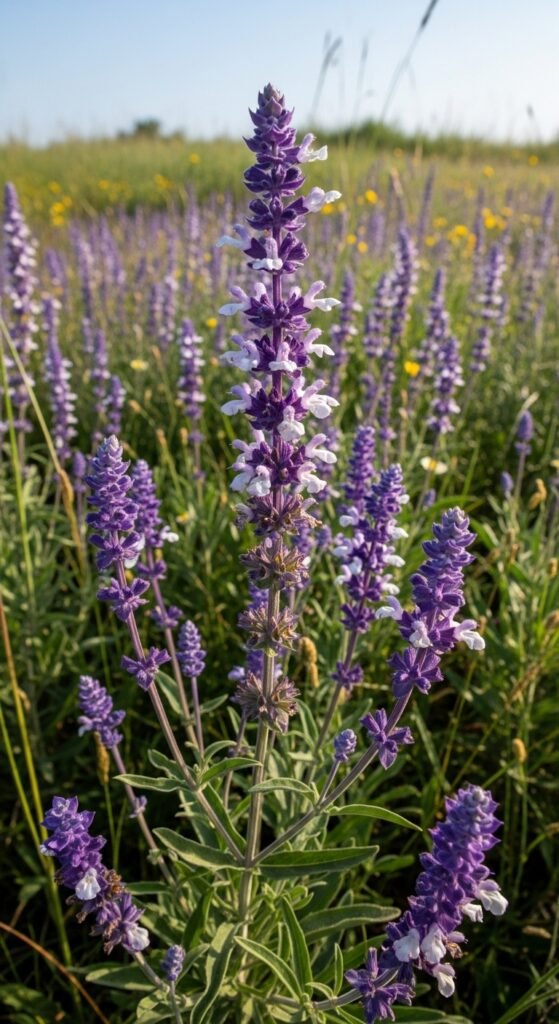
Plant along edges in well-drained soil, full sun. Trim for shape. For protection from cold snaps, use methods from our frost protection for plants. In narrow paths, opt for dwarf varieties. This immersive idea combines utility with fragrance, ideal for therapeutic gardens.
8) Salvia in Mixed Perennial Beds
Integrate salvia ‘May Night’ into beds with coneflowers and grasses for texture and color harmony. Its tall spikes provide backdrop interest. Benefits include extended blooms and low fertilizer needs, creating dynamic displays.
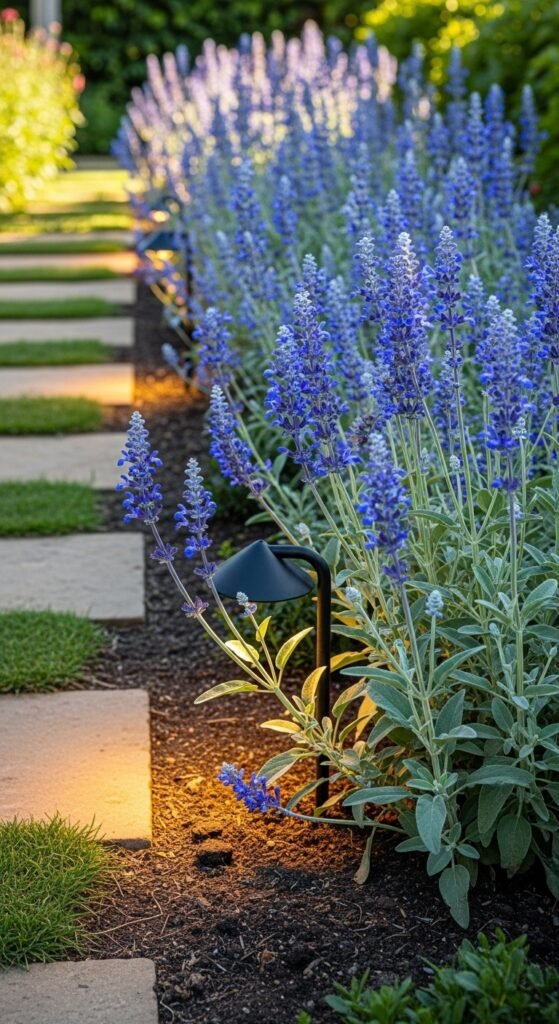
Assess site for light; full sun optimal. Amend soil if acidic. Space perennials thoughtfully. During hot spells, install shade cloth for gardens temporarily. Consider allergy implications with pollen. This layered approach offers year-round appeal with seasonal transitions.
9) Culinary and Medicinal Salvia Patch
Grow salvia sclarea, clary sage, for both kitchen and herbal remedies. Its leaves flavor dishes, while oils aid relaxation. Why? Dual-purpose, supporting health and cuisine, with pretty pink bracts as bonus.
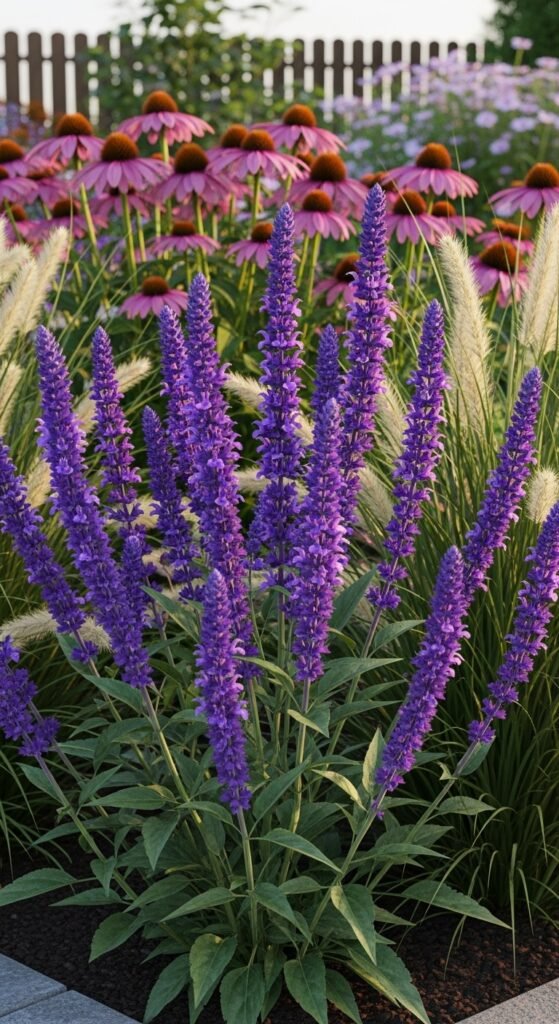
Choose sunny, dry spot; sow seeds directly. Harvest before flowering for potency. Pair with herbs like rosemary. For optimal hydration, follow our summer watering schedule. In wet regions, raised beds prevent issues. This holistic idea bridges garden to wellness.
10) Salvia for Cut Flower Arrangements
Select salvia farinacea ‘Victoria Blue’ for long stems perfect in vases. Its mealy texture adds uniqueness to bouquets. Benefits: Fresh, homegrown flowers save money and reduce carbon footprint.
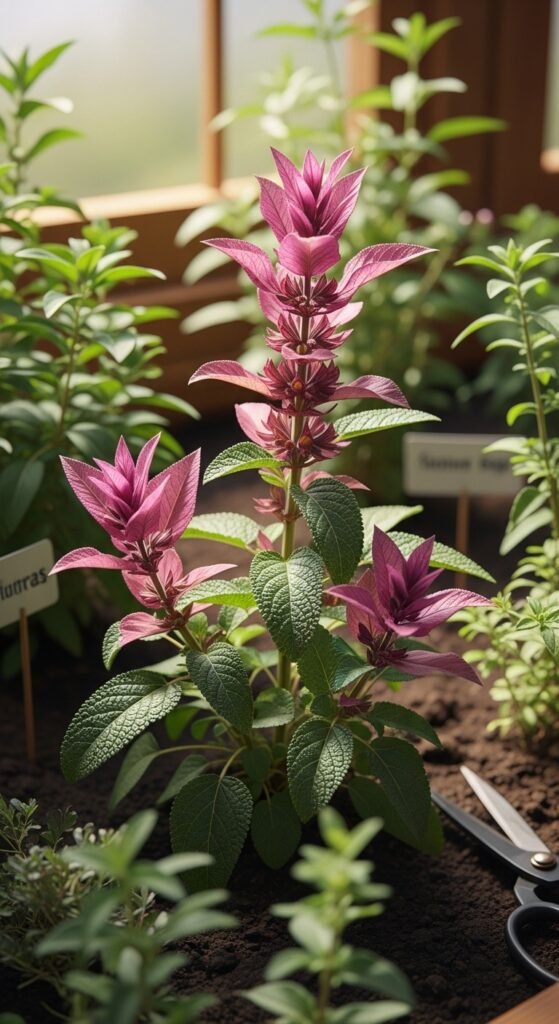
Plant in rows for easy access, full sun. Support with stakes if tall. Cut early morning. Companion with annuals for variety. In extended seasons, succession plant. This creative idea elevates indoor decor with outdoor harvests.
11) Shade-Tolerant Salvia Varieties
For partial shade, try salvia guaranitica ‘Black and Blue’ with striking cobalt blooms. It tolerates less sun than most, brightening dim areas. Why? Expands planting options in wooded lots, attracting hummingbirds.
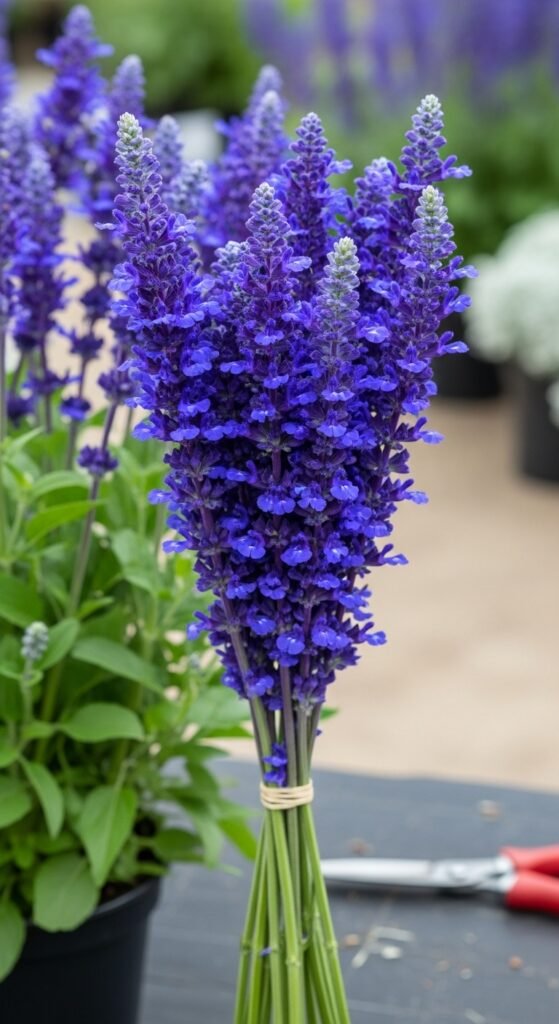
Enrich soil with compost; space 24 inches. Mulch to cool roots. Monitor for slugs in moist shade. This adaptable idea addresses challenging sites, blending with hostas for lush effects.
12) Salvia in Rock Gardens
Incorporate salvia dorrii, desert purple sage, into rocky terrains for a naturalistic look. Its silver foliage contrasts stones, with purple flowers in spring. Benefits: Thrives in poor soil, low water, mimicking wild habitats.
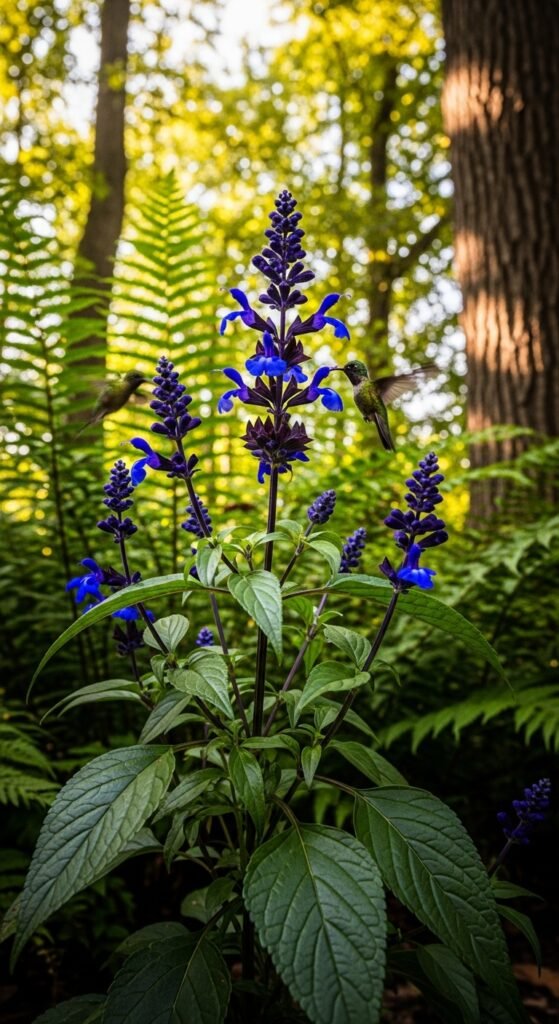
Position in crevices with gravel mulch. Prune sparingly. Ideal for alpine themes. Consider wind exposure; sheltered spots best. This rugged idea suits sloped, sunny landscapes.
13) Companion Planting with Salvia
Pair salvia with lavender or echinacea to repel pests and enhance growth. Aromatic compounds deter aphids. Why? Improves overall garden health, reduces chemical use, and creates visual synergy.
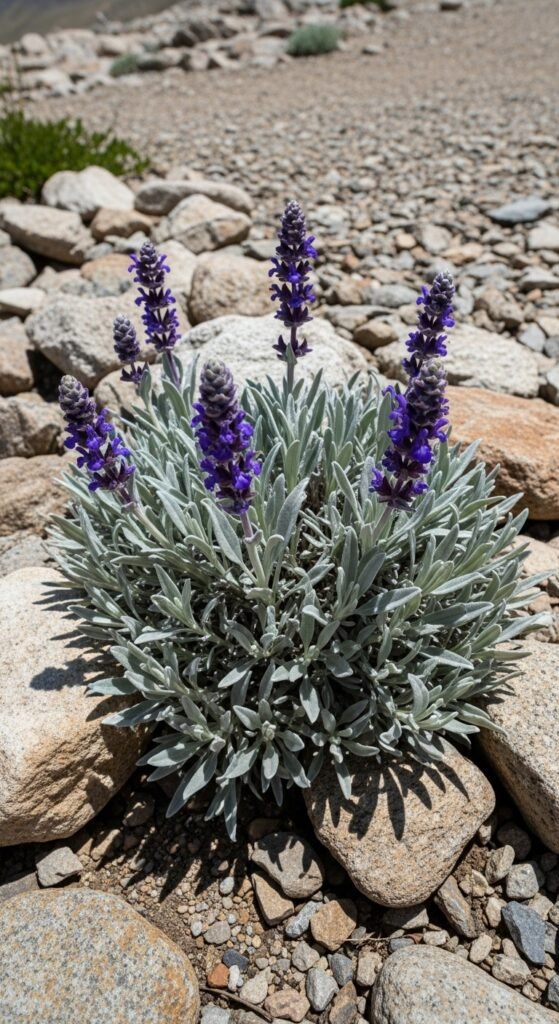
Plan guilds carefully; space accordingly. Rotate annually. In polycultures, draw from permaculture principles. This symbiotic idea maximizes space and resilience.
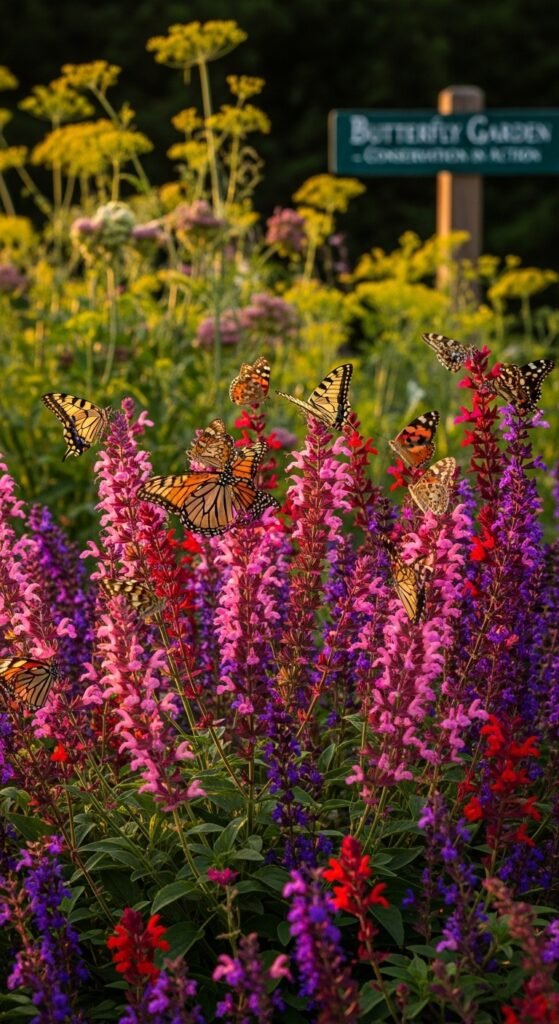
14) Salvia for Butterfly Gardens
Use salvia greggii varieties to lure butterflies with nectar-rich blooms. Compact and repeat-flowering, they sustain migrations. Benefits: Educational for kids, supports conservation, adds movement.
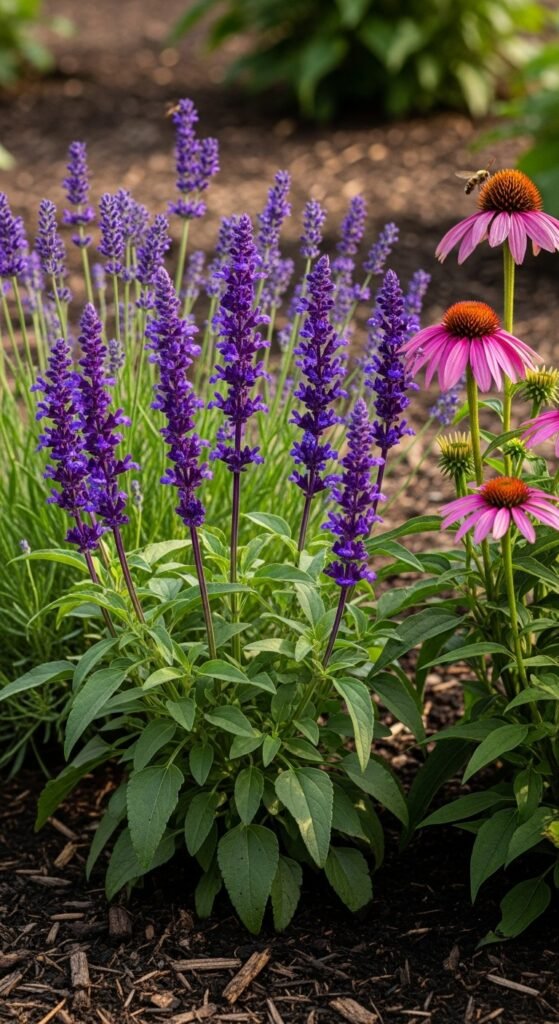
Cluster in sunny borders; include host plants. Avoid pesticides. In urban settings, pots work. This engaging idea turns yards into habitats.
15) Overwintering Salvia Strategies
For tender types like salvia patens, overwinter indoors or mulch heavily. This extends life in cold zones. Why? Saves costs on replacements, preserves favorites.
Cut back, dig up tubers if needed. Store cool and dry. Replant post-frost. Adapt to your climate’s nuances. This preparatory idea ensures perennial success.
Key Tips for Growing Salvia
Soil Preparation and Maintenance
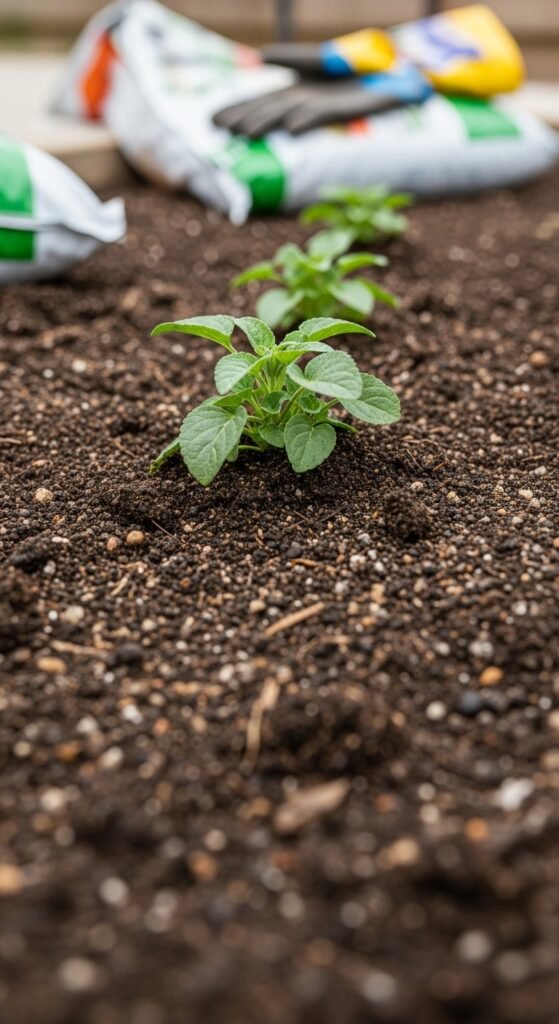
Salvia thrives in well-drained, moderately fertile soil. Test pH annually, aiming for 6.0-7.0. Amend with organic matter to improve structure, especially in clay-heavy areas. Avoid over-fertilizing to prevent leggy growth.
Watering and Drought Management
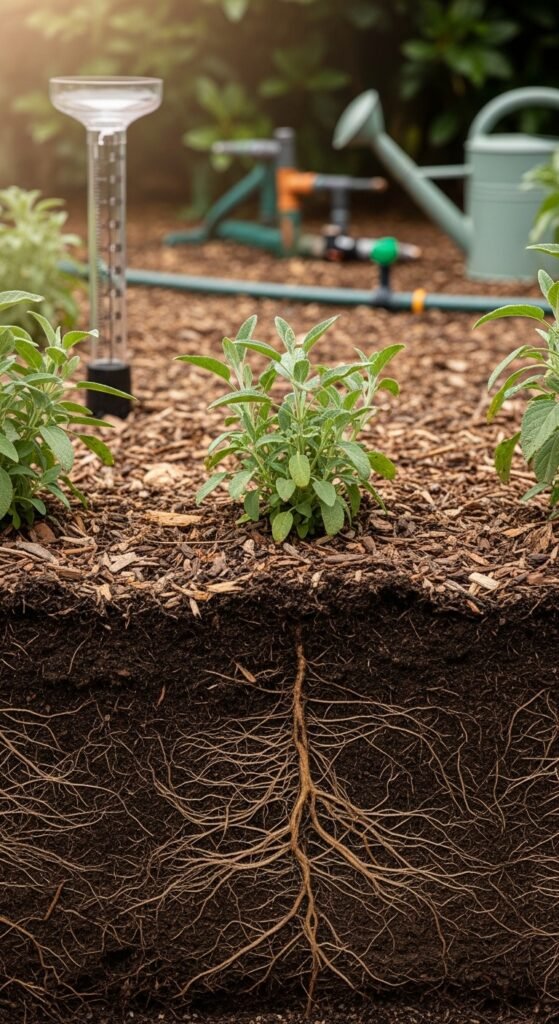
Establish deep roots with infrequent, thorough watering. Once mature, most salvia are drought-resistant, but monitor during prolonged dry spells. Use mulch to conserve moisture and suppress weeds, adjusting for rainfall patterns.
Pruning and Propagation
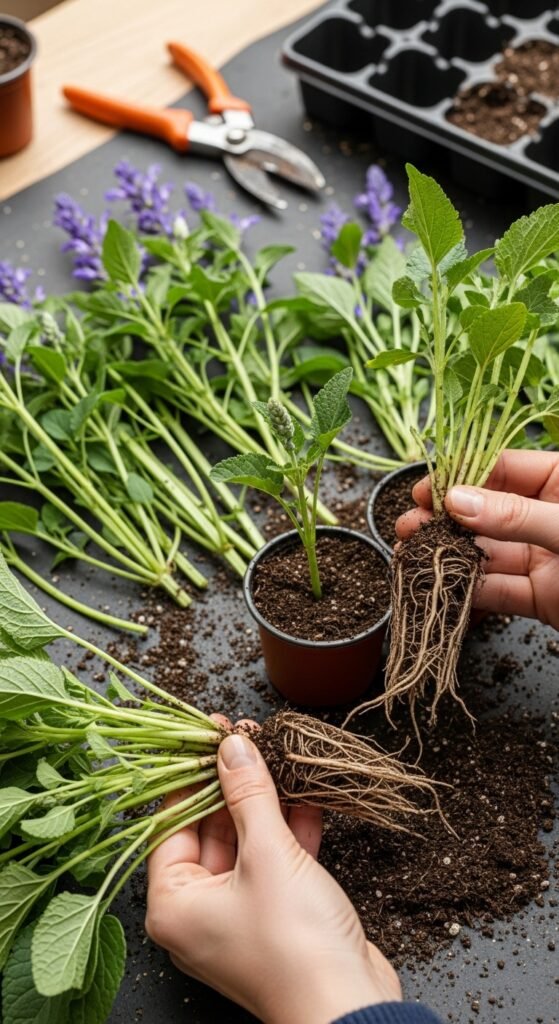
Prune in spring to shape and encourage blooms. Divide clumps every 3-4 years for vigor. Propagate via cuttings or seeds, considering varietal differences. Address diseases promptly for healthy stands.
Frequently Asked Questions
Is salvia easy to grow?
Yes, most salvia species are low-maintenance, tolerating various conditions once established. They prefer full sun and well-drained soil, making them suitable for many gardeners.
What are the best companion plants for salvia?
Pair salvia with lavender, echinacea, or grasses for complementary colors and pest resistance. These combinations enhance aesthetics and ecological balance.
Does salvia attract wildlife?
Absolutely, its nectar-rich flowers draw bees, butterflies, and hummingbirds, supporting local pollinators and adding life to your garden.
How do I prune salvia?
Prune lightly after flowering to promote reblooming, and cut back hard in spring for bushier growth. Timing varies by variety and climate.
Can salvia be grown in pots?
Certainly, compact varieties excel in containers with good drainage. This allows flexibility for patios or indoor overwintering in colder regions.