Roses are timeless symbols of beauty and elegance, bringing vibrant colors and enchanting fragrances to any garden. As a gardener, you appreciate how these versatile flowers can transform ordinary spaces into romantic havens. Whether you’re a beginner or seasoned enthusiast, incorporating roses offers numerous benefits, from boosting curb appeal to attracting pollinators like bees.
Exploring creative roses ideas allows you to customize your landscape while addressing practical needs such as soil health and pest management. With proper care, roses thrive in various climates, providing year-round interest through blooms, hips, and foliage. Dive into these 15 ideas to inspire your next project, blending aesthetics with functionality for a garden that flourishes.
1) Climbing Roses on Arches
Climbing roses create stunning vertical displays, perfect for adding height and drama to your garden. These vigorous growers twine around structures, producing cascades of blooms that evoke a fairy-tale atmosphere. The key benefit is maximizing space in small yards, turning bare walls or fences into living art.
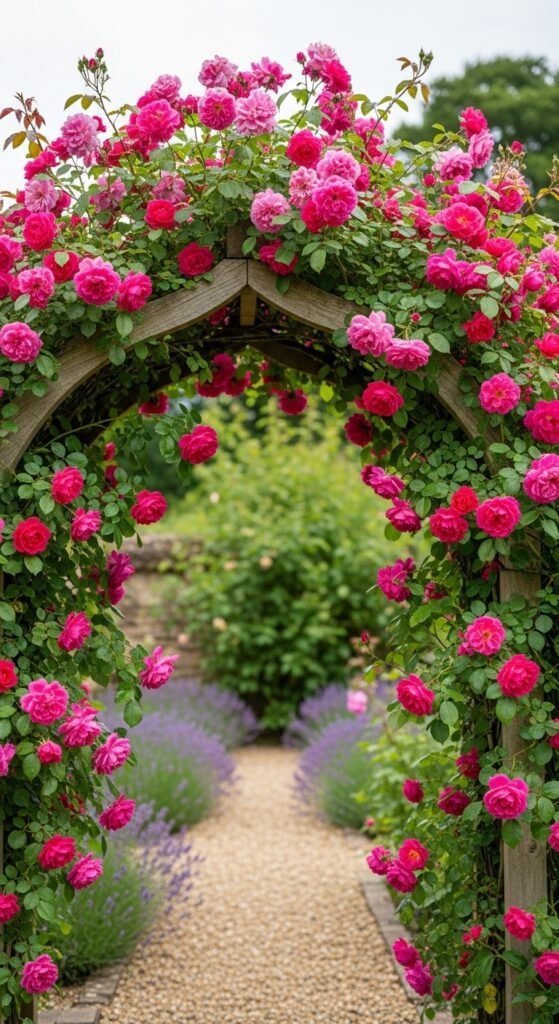
Why choose this? Climbing varieties like ‘New Dawn’ offer repeat flowering and disease resistance, enhancing privacy while inviting butterflies. They also provide shade and structure for underplantings.
How to implement: Select a sunny spot with well-drained soil. Install a sturdy arch or trellis, then plant roses 1-2 feet away, training canes horizontally for better budding. Mulch to retain moisture, and prune in late winter for shape. For optimal growth, consider integrating pruning techniques suited for spring to encourage healthy vines.
2) Rose Border Gardens
A rose border garden forms a colorful edge along paths or lawns, blending hues and textures for visual appeal. You can mix hybrid teas with floribundas for continuous blooms from spring to fall. This idea enhances garden structure, creating defined spaces that feel organized yet natural.
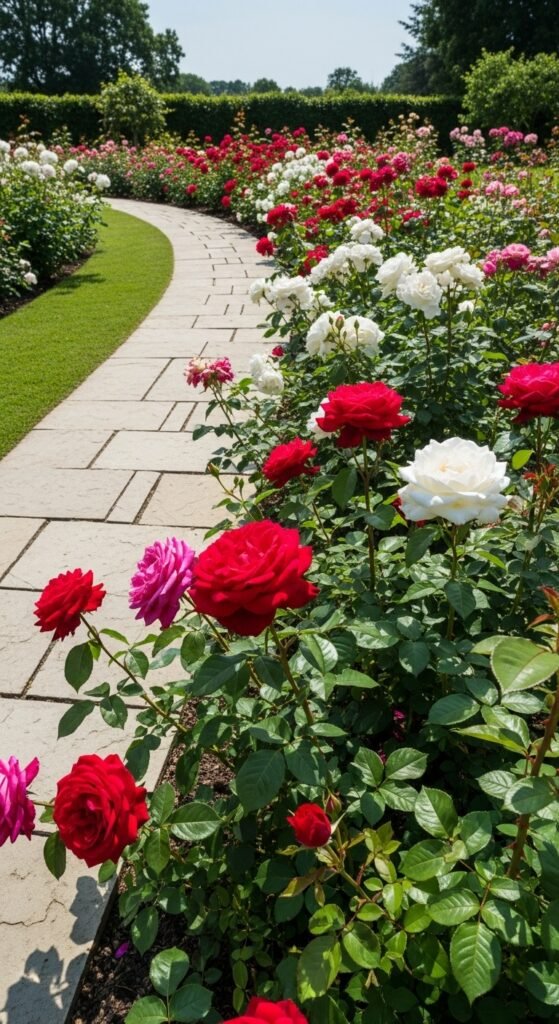
Why it works: Borders deter weeds, improve soil aeration, and support biodiversity by attracting beneficial insects. They also allow easy access for maintenance, making your gardening routine more efficient.
To get started: Prepare soil with compost for nutrient-rich beds. Space plants 18-24 inches apart in full sun. Water deeply but infrequently to promote deep roots. Incorporate companion plants like lavender for pest repulsion. If pests arise, draw from effective spring pest control strategies to keep your borders thriving.
3) Container-Grown Roses
Growing roses in containers offers flexibility for patios, balconies, or mobile gardens. Compact varieties like miniature roses or patio types fit perfectly, delivering bursts of color without permanent planting. The main advantage is portability, allowing you to rearrange or protect plants from harsh weather.
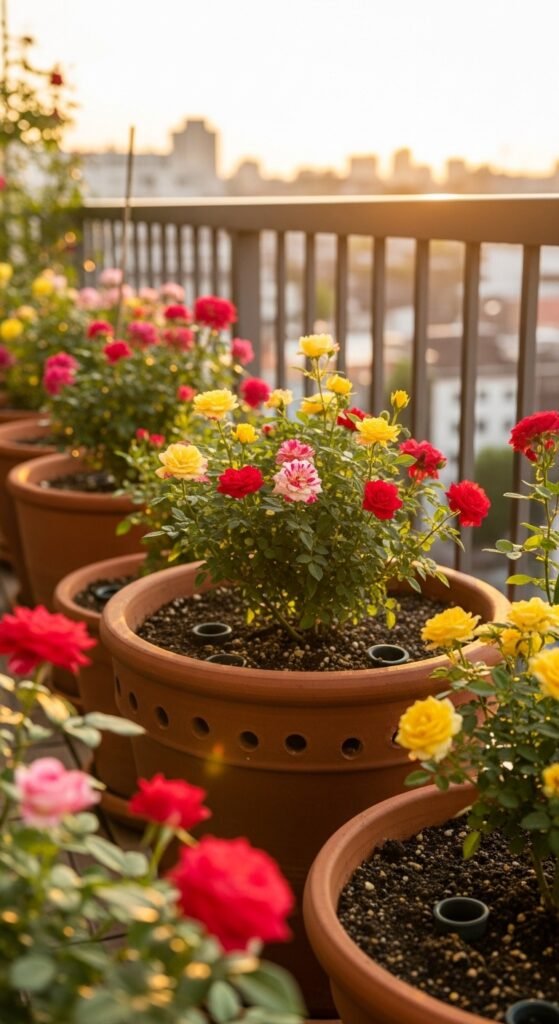
Why opt for this: Containers control soil quality, preventing diseases common in ground beds. They’re ideal for renters or urban dwellers, providing therapy through hands-on care.
Implementation steps: Choose large pots with drainage holes, filling with rose-specific potting mix. Position in 6+ hours of sunlight. Fertilize every 4-6 weeks during growth. In hot months, monitor moisture closely. For summer vitality, apply tips from summer rose care routines to avoid stress.
4) Companion Planting with Roses
Pairing roses with compatible plants boosts health and aesthetics, creating harmonious ecosystems. Herbs like basil or perennials such as catmint deter aphids while enhancing scents. This method naturally reduces pests, minimizing chemical use for a healthier garden.
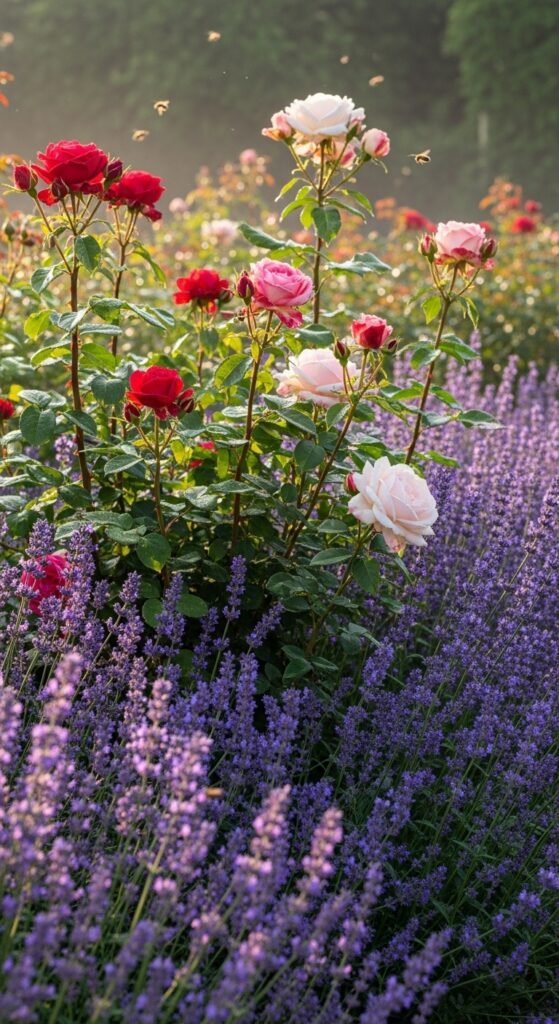
Why effective: Companions improve pollination, soil fertility, and visual layers. They mask rose vulnerabilities, promoting robust growth and longer blooms.
How to: Select sunny companions with similar water needs. Plant around rose bases, spacing appropriately. Mulch to suppress weeds. Monitor for issues, using organic methods. To attract pollinators, reference a list of bee-friendly plants that complement your roses.
5) Rose Hedges for Privacy
Rose hedges form living barriers, combining security with beauty through thorny stems and fragrant flowers. Rugosa roses excel here, offering dense foliage and rose hips. Key benefit: natural screening that enhances property value and wildlife habitat.
Why choose hedges: They provide year-round interest, from buds to autumn colors, while requiring less maintenance than fences once established.
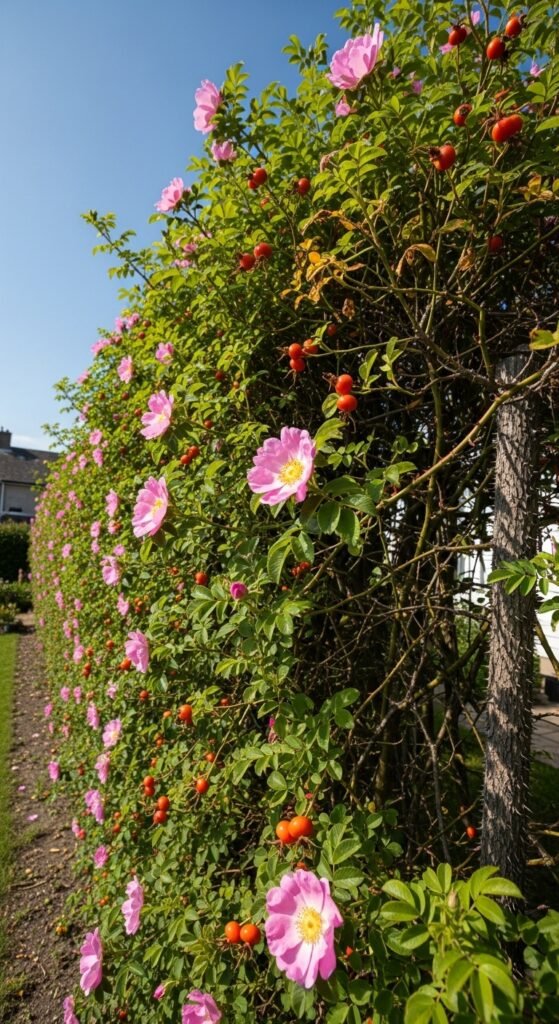
Steps: Plant in rows 2-3 feet apart in enriched soil. Prune annually to shape. Water consistently in the first year. For shade-tolerant options, explore shade cloth applications for gardens to protect young hedges.
6) Edible Rose Gardens
Edible roses turn your garden into a culinary resource, using petals for teas, jams, or salads. Varieties like damask roses provide flavorful, pesticide-free harvests. This idea promotes sustainability, reducing food miles while adding ornamental value.
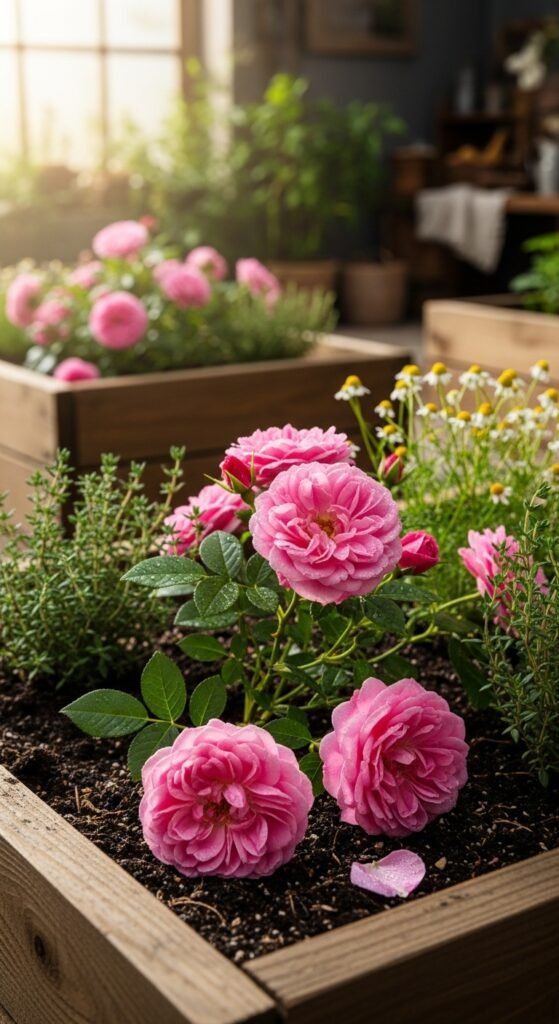
Why incorporate: Roses offer vitamins and antioxidants, encouraging creative cooking. They integrate seamlessly with herb gardens for multifunctional spaces.
How: Grow organic roses in sunny, fertile soil. Harvest petals morningly. Avoid treated plants. Experiment with recipes. For inspiration, check spring edible flowers guides to expand your palette.
7) Rose Propagation Techniques
Propagating roses from cuttings or layering expands your collection economically. Softwood cuttings in summer root quickly, yielding identical plants. Benefit: cost savings and personalized varieties tailored to your climate.
Why propagate: It preserves heirloom traits and teaches plant biology, fostering deeper garden connection.
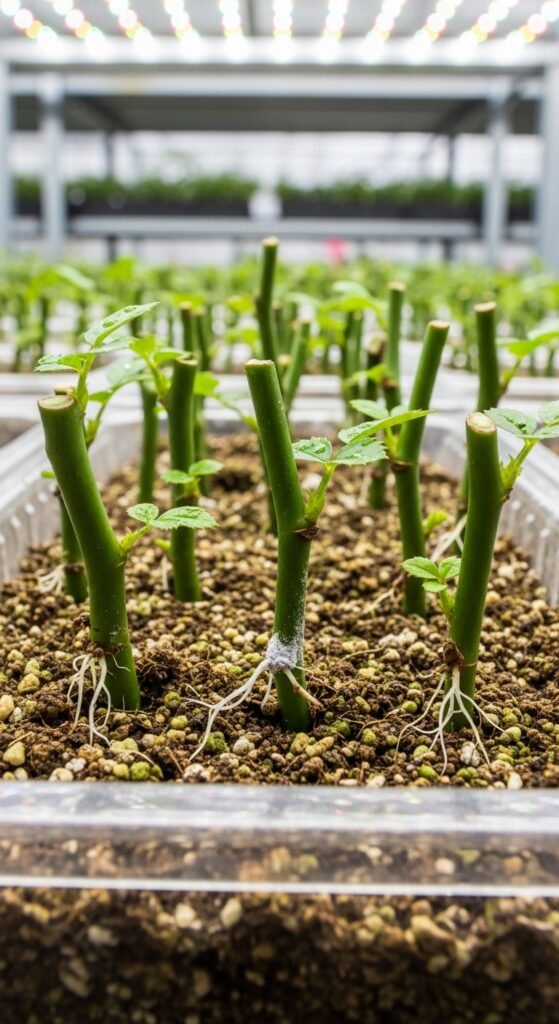
Process: Take 6-inch cuttings, dip in hormone, plant in moist mix. Keep humid. Layer by bending stems to soil. Success ties to seasonal tips from spring gardening advice.
8) Winter Protection for Roses
Protecting roses in winter ensures survival and vigorous spring growth. Mounding soil or mulch around bases insulates roots from freezes. Essential for longevity, preventing dieback in cold zones.
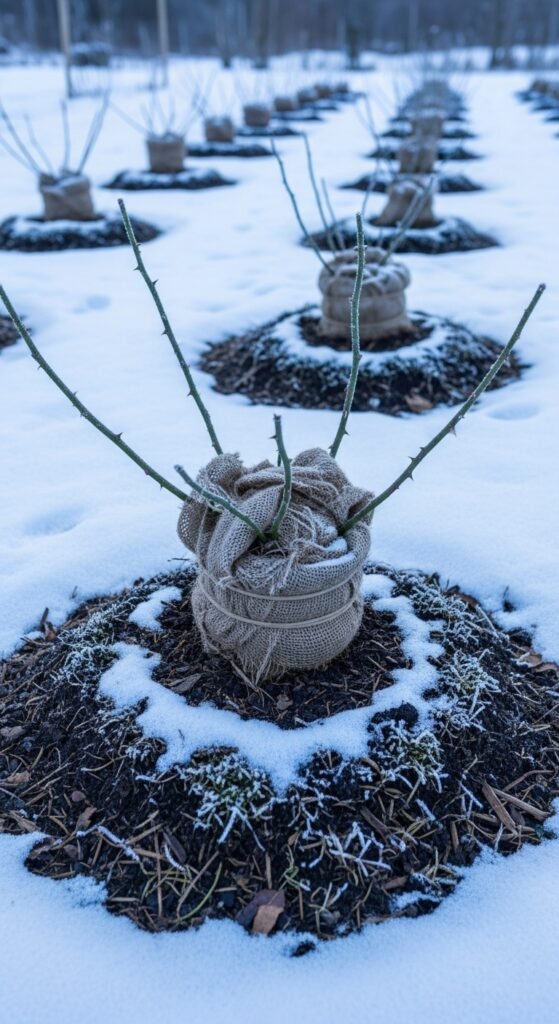
Why necessary: Winter prep strengthens plants against stress, leading to abundant blooms.
How: Prune lightly in fall, mound 12 inches high. Use burlap wraps for exposed areas. Remove in spring. Align with spring pruning for seamless care.
9) Miniature Rose Displays
Miniature roses suit small spaces, offering petite blooms in pots or borders. These compact plants deliver big impact with minimal effort. Ideal for beginners, providing quick gratification.
Why: They adapt to indoors/outdoors, extending season enjoyment.
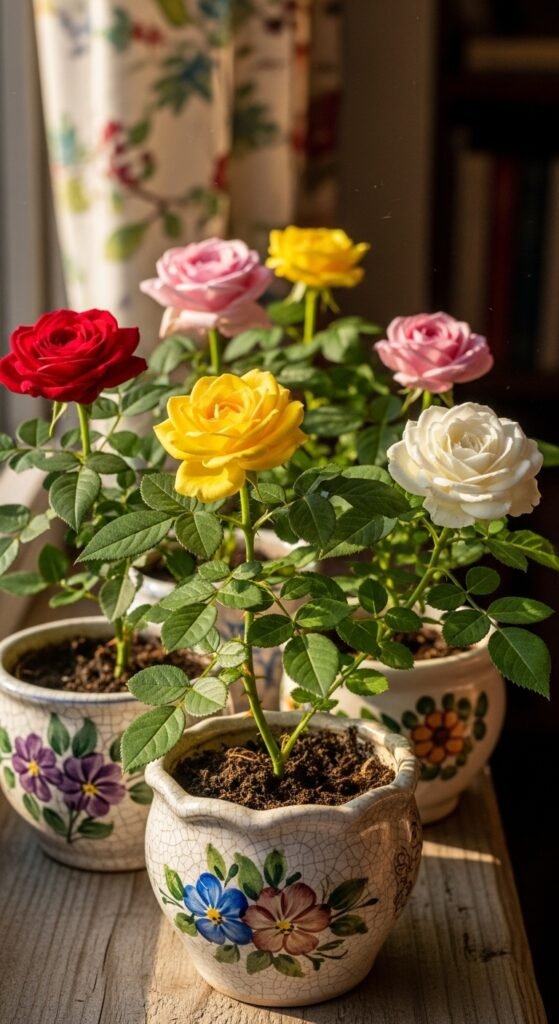
Setup: Use well-draining containers in bright light. Fertilize sparingly. Prune to maintain shape. For pest issues, apply pest control methods.
10) Rose Wreaths and Decor
Crafting rose wreaths brings garden beauty indoors, using fresh or dried blooms for seasonal accents. Enhances home decor with natural elegance.
Why: Extends rose utility beyond the garden, promoting creativity.
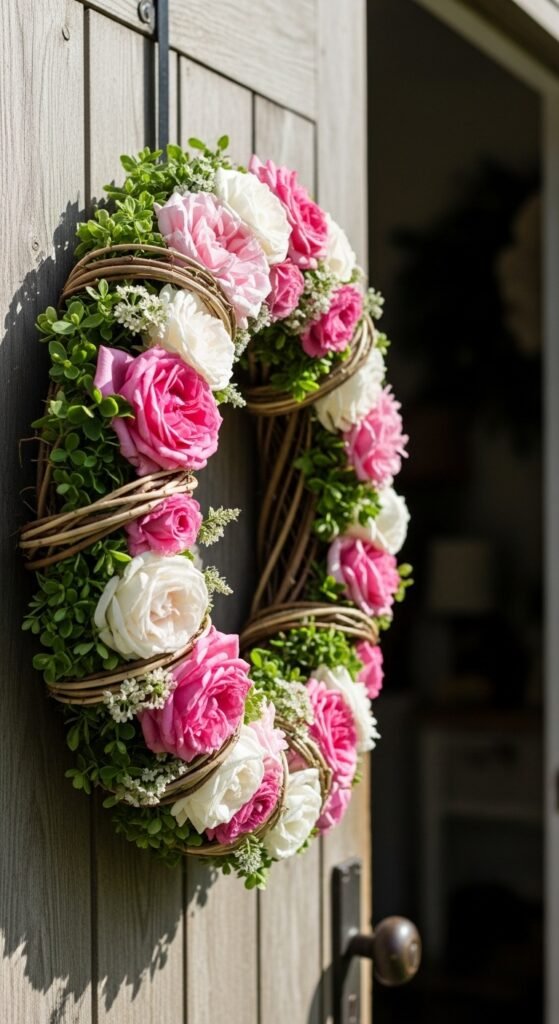
Create: Gather stems, form on wire base. Hang in cool spots. Draw from rose wreath tutorials for variations.
11) Disease-Resistant Rose Varieties
Selecting disease-resistant roses like Knock Out minimizes maintenance, resisting black spot and mildew. Reduces chemical needs for eco-friendly gardening.
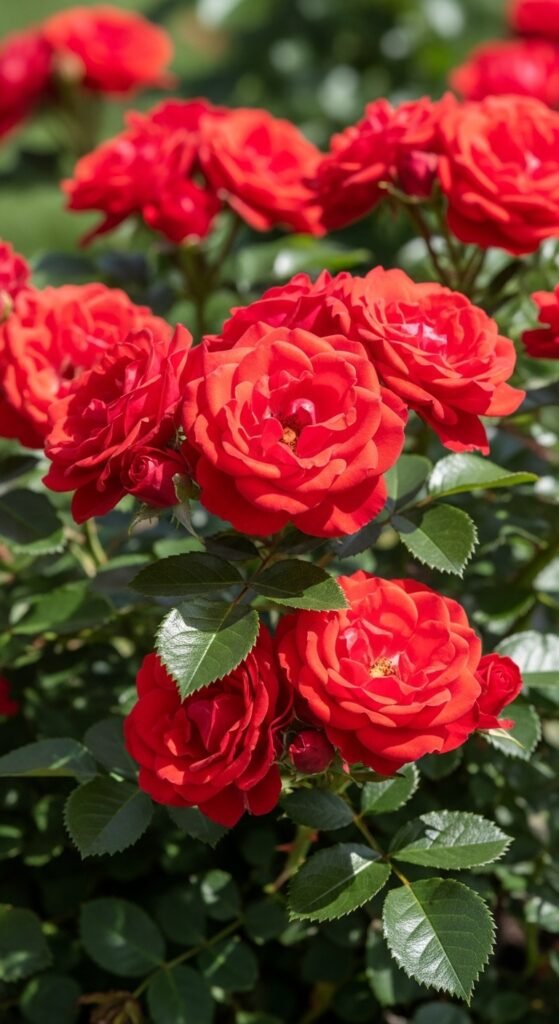
Why: Ensures consistent beauty with less effort.
Plant: In sunny, airy spots. Water at base. Monitor health. Complement with summer care.
12) Rose Fertilizing Regimens
A balanced fertilizing schedule nourishes roses for optimal blooms. Organic options like compost tea provide slow-release nutrients. Boosts flower production and vigor.
Why: Tailored feeding addresses deficiencies.
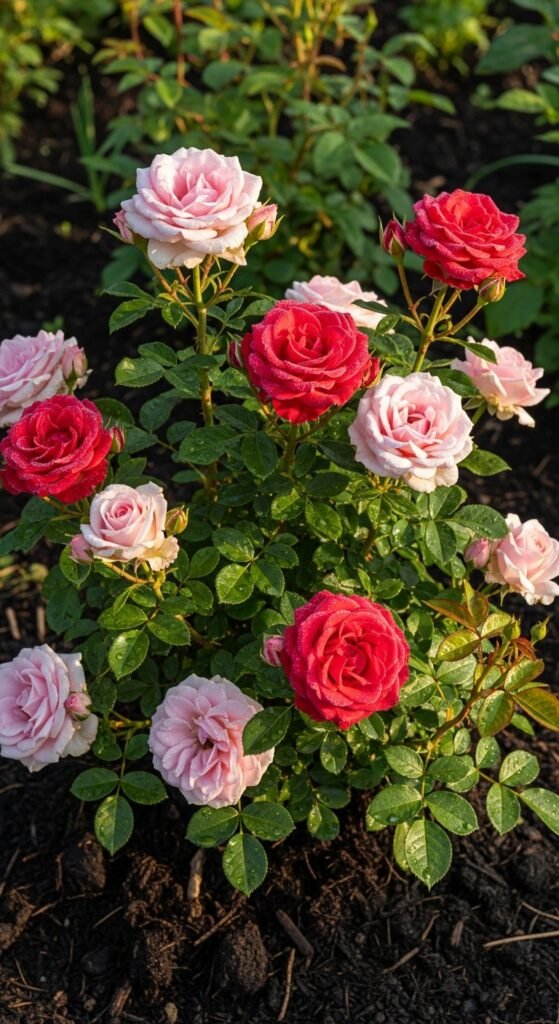
Apply: Monthly during growth. Test soil first. Integrate with general tips.
13) Rose Soil Preparation
Preparing soil with amendments ensures roses thrive. Add organic matter for drainage and fertility. Foundation for healthy roots.
Why: Prevents common issues like rot.

Method: Dig deep, mix in compost. pH 6-7. Use shade aids if needed.
14) Integrated Pest Management for Roses
IPM combines cultural, biological controls for rose pests. Encourage ladybugs to eat aphids. Sustainable protection.
Why: Avoids resistance buildup.
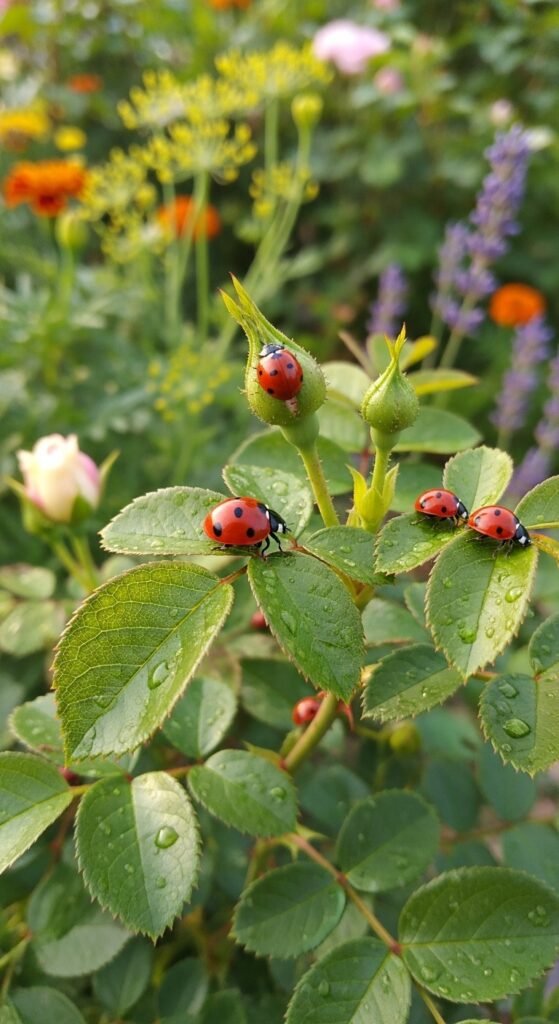
Practice: Inspect regularly, use soaps. Reference pollinator plants for balance.
15) Rose Garden Design Themes
Themed rose gardens, like English cottage styles, create cohesive looks. Mix colors and forms for interest. Inspires creativity.
Why: Personalizes your space.
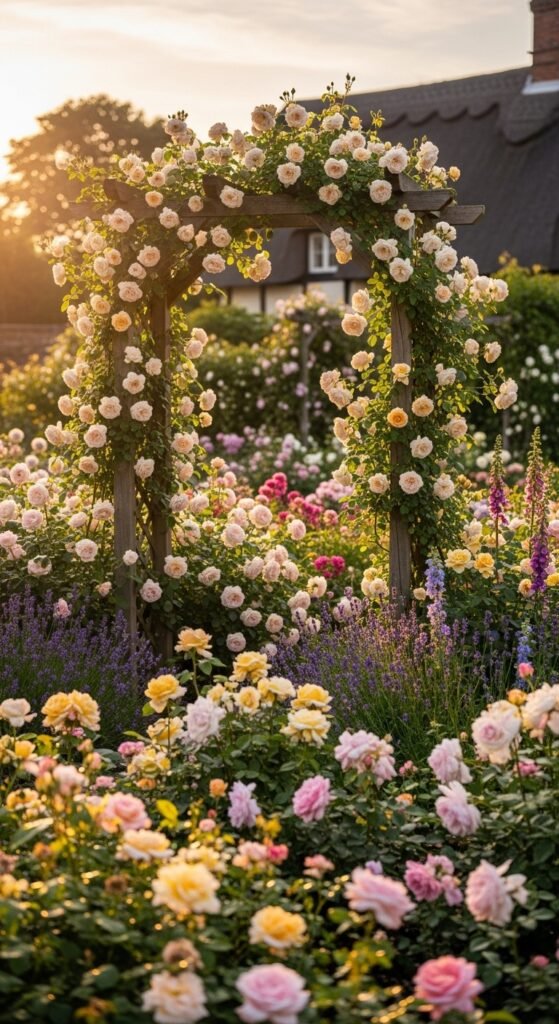
Design: Plan layouts, select varieties. Maintain with hydrangea care insights for mixed beds.
Key Principles for Rose Success
Site Selection
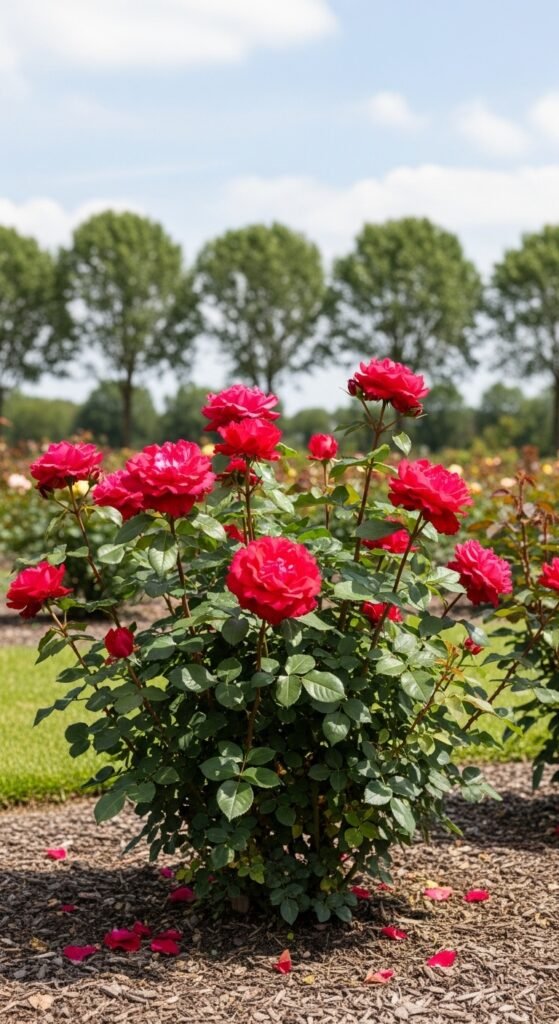
Choose locations with 6+ hours of sun and good air flow to prevent diseases.
Watering Wisdom

Deep, infrequent watering encourages strong roots; avoid overhead to reduce fungal risks.
Seasonal Maintenance
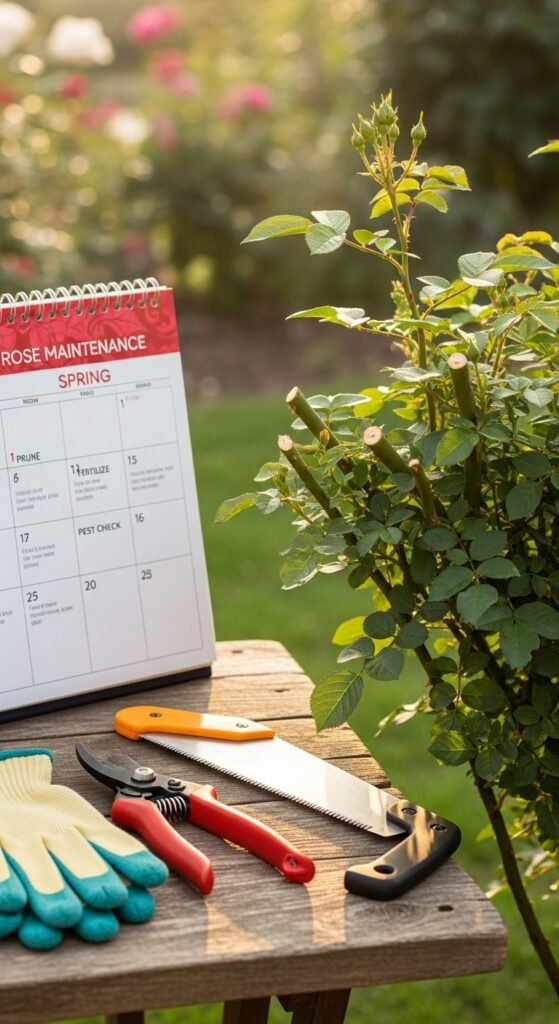
Adapt care to seasons, focusing on growth in spring and protection in winter.
Frequently Asked Questions
How often should I water my roses?
Water deeply once a week, adjusting for rainfall and heat; check soil moisture to avoid overwatering.
What is the best time to plant roses?
Plant in early spring or fall when soil is workable and temperatures moderate for root establishment.
How do I deal with black spot on roses?
Remove affected leaves, ensure good spacing, and apply fungicides if needed; prevention through resistant varieties helps.
Can roses grow in shade?
Most need full sun, but some varieties tolerate partial shade; expect fewer blooms in low light.
Are all roses edible?
Not all; choose untreated, organic varieties like rugosa for safe consumption in recipes.