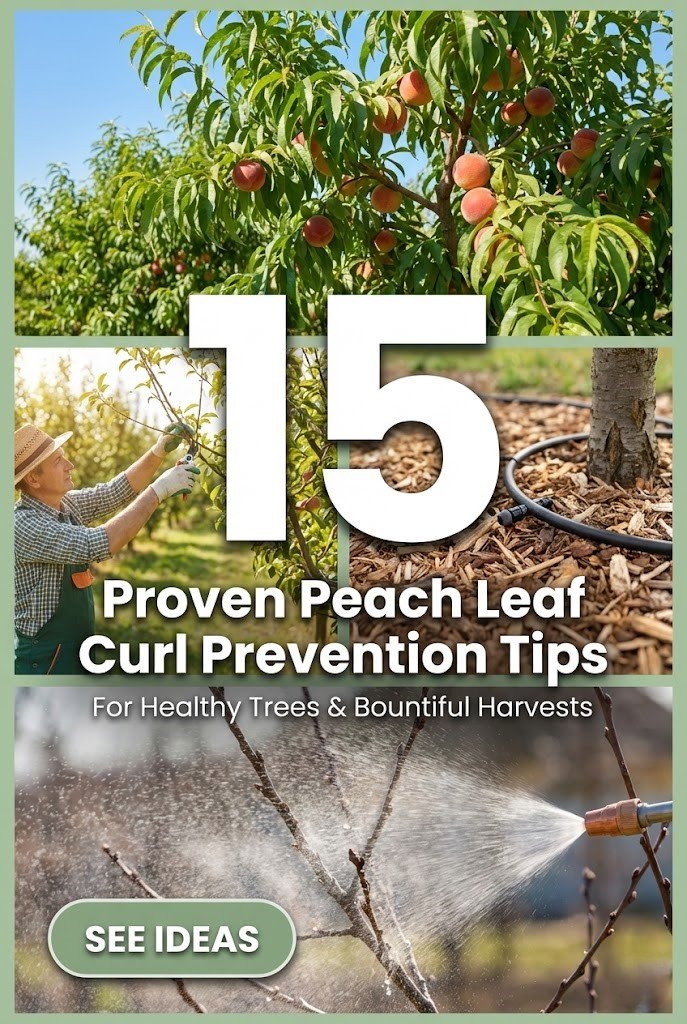
Peach leaf curl is a common fungal disease caused by the pathogen Taphrina deformans, which can severely impact your peach trees by causing distorted leaves, reduced fruit production, and weakened overall health. This disease thrives in cool, wet conditions during early spring, making prevention essential for maintaining vibrant, productive trees. By implementing proactive measures, you can safeguard your orchard and enjoy juicy, healthy peaches season after season.
Preventing peach leaf curl not only protects your harvest but also promotes sustainable gardening practices. With the right strategies, you’ll minimize chemical use while enhancing tree resilience. From selecting the best varieties to optimizing cultural practices, these approaches will help you combat this pesky issue effectively.
Whether you’re a novice gardener or an experienced horticulturist, focusing on prevention ensures your peach trees remain strong and fruitful. Dive into these 15 ideas to transform your approach and achieve thriving results.
1) Select Resistant Peach Varieties
You’ll start your prevention journey by choosing peach varieties bred for resistance to leaf curl, such as ‘Frost’ or ‘Q-1-8’. These cultivars have genetic traits that make them less susceptible to the fungus, reducing the likelihood of infection from the outset. This foundational step saves you time and resources on treatments later.
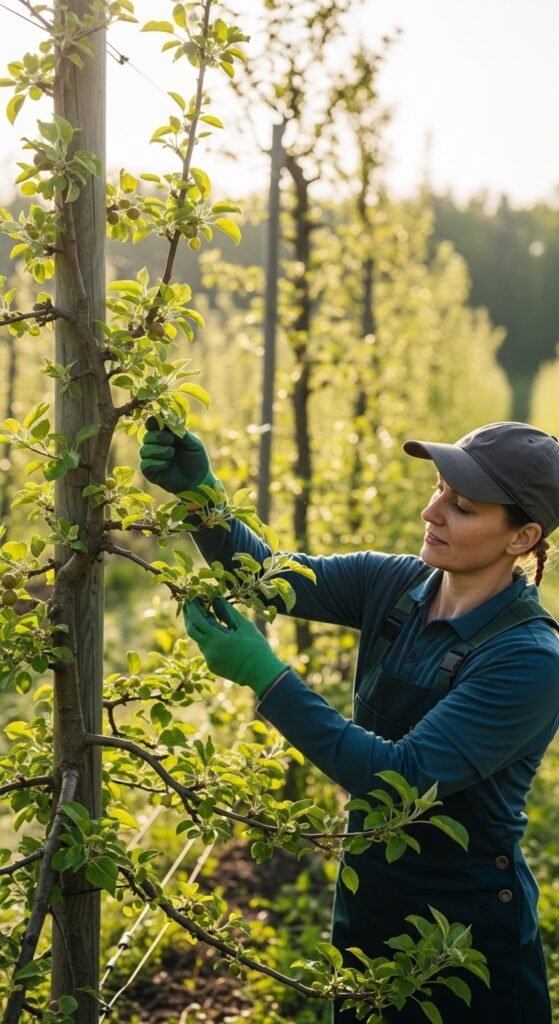
Why does this matter? Resistant varieties maintain better foliage health, leading to improved photosynthesis and fruit quality. Without the stress of disease, your trees can allocate energy to growth and production, resulting in a more abundant harvest.
To implement this, research local nurseries or extension services for recommended resistant types suited to your climate. Plant them in well-drained soil with full sun exposure, spacing them adequately for air flow. Monitor new growth in spring, but with resistance on your side, you’ll enjoy peace of mind and healthier trees year-round.
2) Apply Dormant Oil Sprays
During the dormant season, typically late winter before bud swell, apply horticultural oil to smother overwintering spores on your peach trees. This suffocates potential pathogens without harming beneficial insects, providing a non-toxic barrier against leaf curl.
The benefit here is early intervention that disrupts the disease cycle, preventing outbreaks before leaves emerge. It’s an eco-friendly option that aligns with organic gardening principles, keeping your orchard chemical-light.
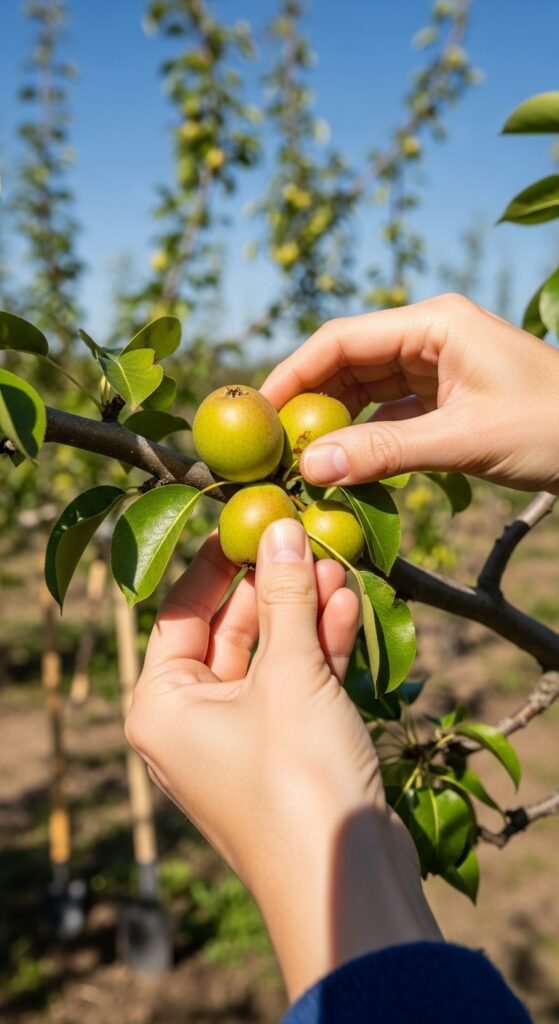
How to do it: Mix the oil according to label instructions and spray thoroughly on branches and trunk on a calm, above-freezing day. Repeat if needed, but always check weather forecasts to avoid rain washing it away. Combine this with other practices for comprehensive protection, ensuring your trees wake up strong and disease-free.
3) Use Copper-Based Fungicides Timely
Deploy copper fungicides like Bordeaux mixture in late fall after leaves drop and again in early spring before buds open. These create a protective coating that inhibits fungal spore germination, directly targeting the leaf curl pathogen.
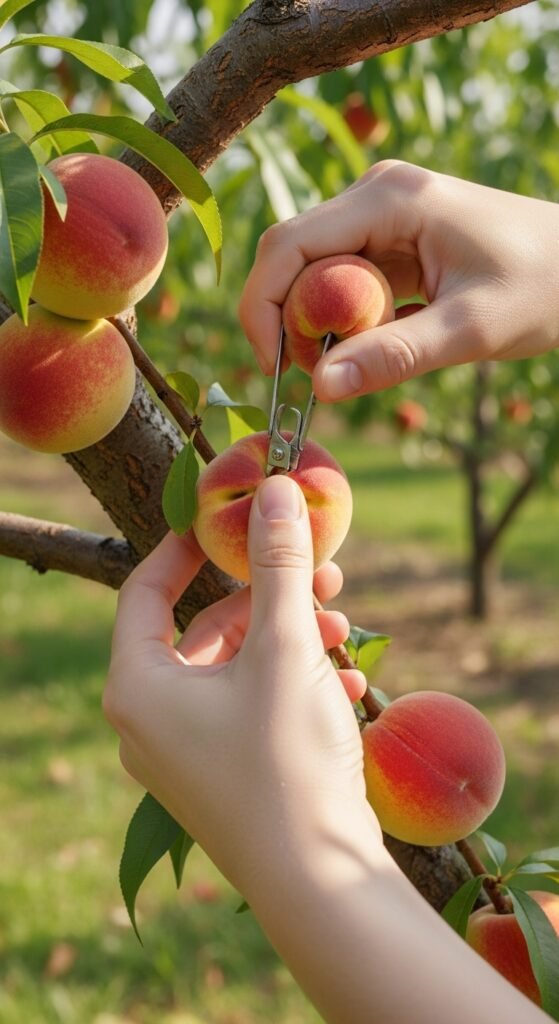
This method is highly effective because it provides long-lasting residual protection, especially in regions with mild, wet winters where spores thrive. It’s a standard in commercial orchards for good reason, offering reliable control with minimal applications.
To apply, dilute as directed and cover all bark surfaces evenly, avoiding runoff. For more on fungicide options, explore our guide to copper fungicide applications. Always wear protective gear and follow safety guidelines to prevent any environmental impact while securing your trees’ health.
4) Prune for Optimal Air Circulation
Prune your peach trees in late winter to open up the canopy, removing crowded branches and promoting better airflow. This reduces humidity around leaves, making it harder for fungal spores to establish and spread.
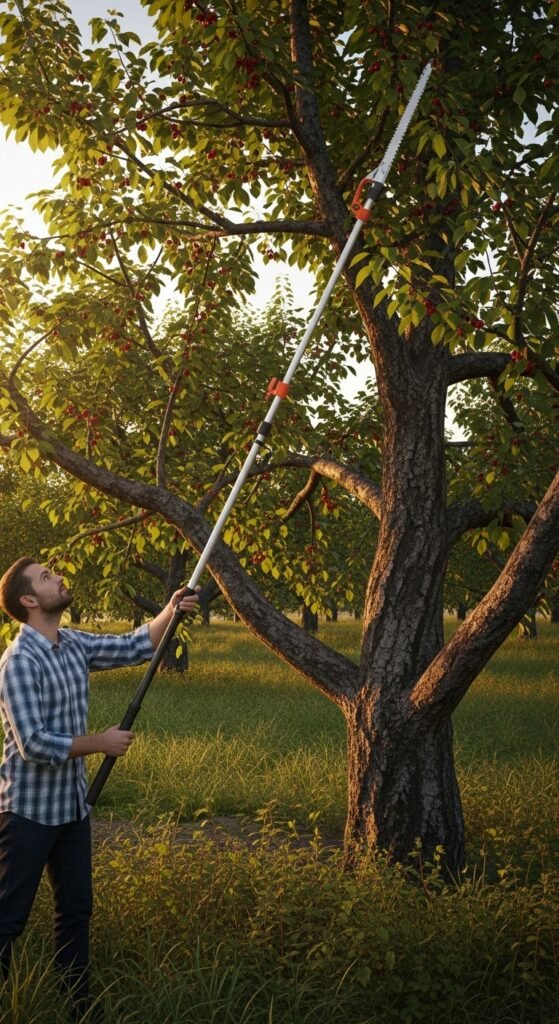
Why prioritize this? Improved ventilation dries foliage faster after rain, cutting down infection risks and enhancing overall tree vigor. Well-pruned trees also produce larger, sweeter fruit due to better light penetration.
Follow an open-center pruning style: Cut back central leaders and thin out intersecting limbs. Refer to our detailed tutorial on how to prune peach trees for step-by-step visuals. Sanitize tools between cuts to avoid spreading diseases, and dispose of prunings away from the orchard for best results.
5) Remove and Destroy Infected Debris
After noticing symptoms, promptly remove curled leaves and fallen debris from around the tree base, then burn or bag them to eliminate spore sources. This cultural sanitation breaks the disease lifecycle effectively.
The key advantage is reducing overwintering sites for the fungus, preventing reinfection in subsequent seasons. It’s a simple, cost-free step that significantly lowers disease pressure without chemicals.
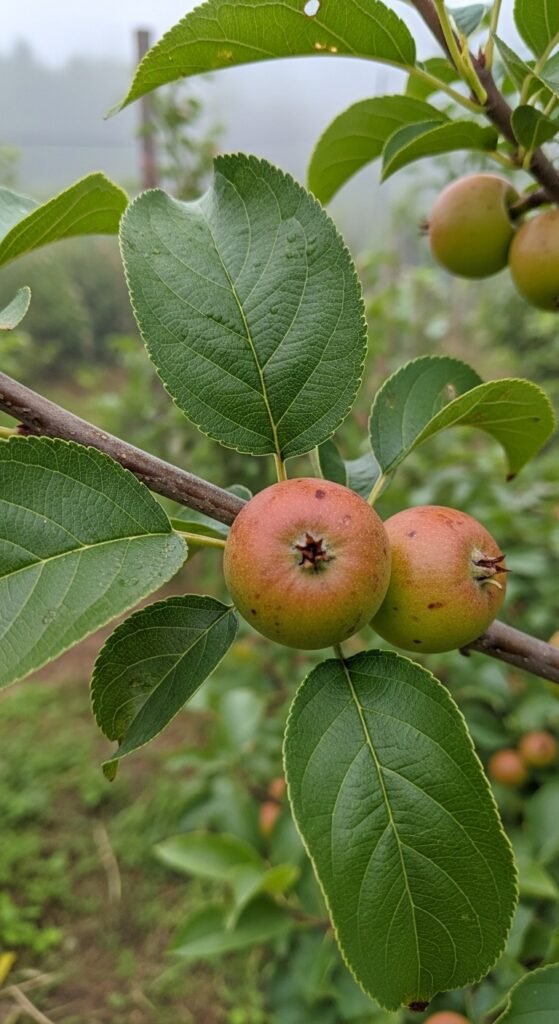
In practice, inspect trees weekly during spring and use clean tools for removal. Rake the ground thoroughly and avoid composting infected material. Combine with mulching to further suppress spores, creating a cleaner environment that supports robust tree recovery and future prevention.
6) Avoid Overhead Watering Practices
Water your peach trees at the base using drip irrigation or soaker hoses to keep foliage dry, minimizing conditions favorable for leaf curl development. This targeted approach delivers moisture where it’s needed most— the roots.
By doing so, you prevent prolonged leaf wetness that fosters fungal growth, leading to healthier plants and fewer interventions. It’s also water-efficient, conserving resources while promoting deep root systems.
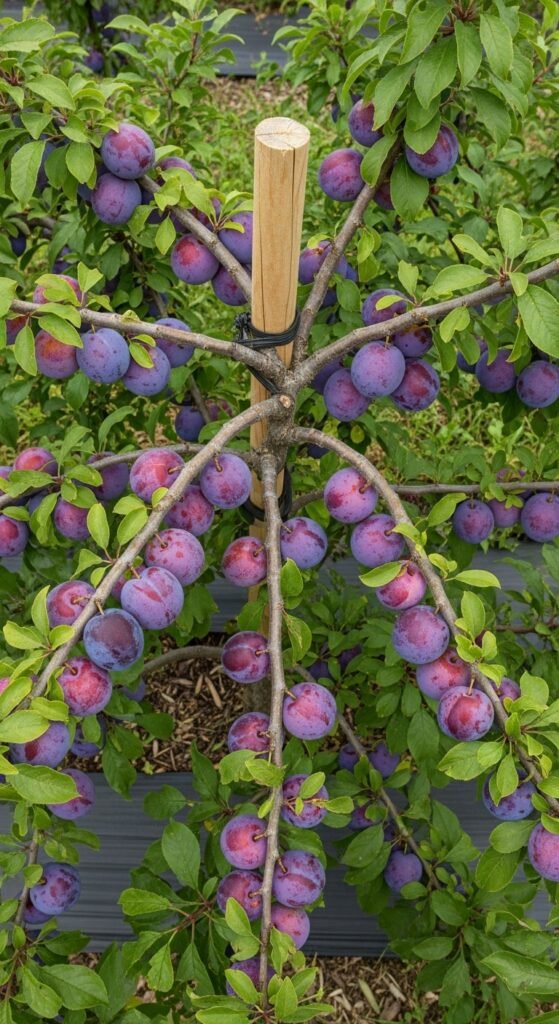
Install systems early in the season and water in the morning to allow any splashes to evaporate quickly. For raised bed setups, check our insights on drip irrigation for raised beds. Monitor soil moisture to avoid overwatering, ensuring balanced hydration for optimal tree performance.
7) Fertilize to Boost Tree Health
Apply a balanced, slow-release fertilizer in early spring to strengthen your peach trees’ natural defenses against diseases like leaf curl. Focus on nutrients that support robust growth without excess nitrogen, which can promote susceptible new shoots.
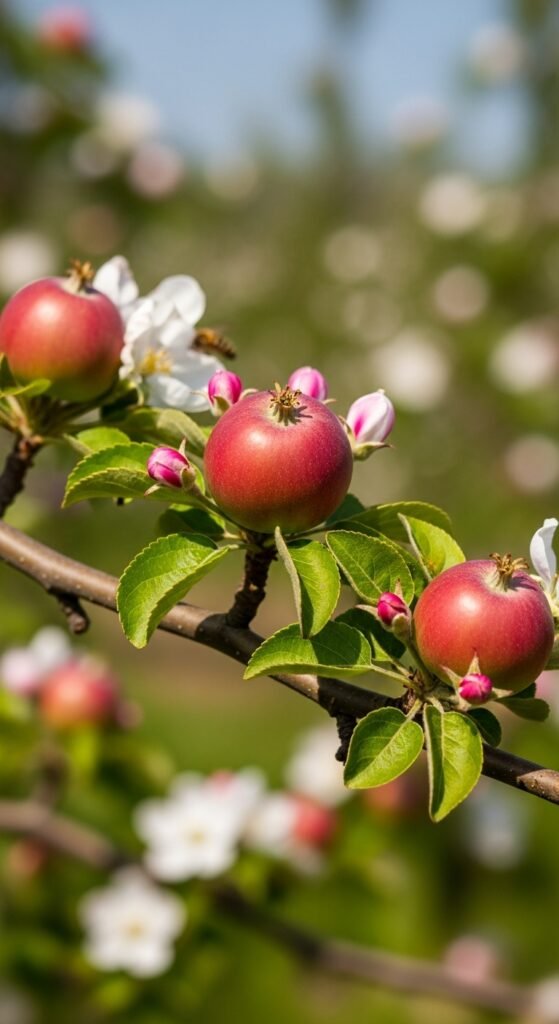
This nourishes the tree, enhancing resistance and recovery speed from potential infections. Healthy, well-fed trees are less likely to succumb to stress-related issues, yielding better fruit quality overall.
Test soil first to determine needs, then spread granules evenly around the drip line and water in. For fruit-specific tips, see our article on fruit tree fertilizing. Avoid late-season applications to prevent tender growth vulnerable to cold and disease.
8) Mulch Around Tree Bases
Spread organic mulch like wood chips or straw around the base of your peach trees, maintaining a 2-4 inch layer while keeping it away from the trunk to prevent rot. This suppresses weeds and retains soil moisture.
Mulching helps by reducing soil splash that carries spores to leaves, creating a barrier against infection while improving soil structure over time. It’s a low-effort way to enhance tree resilience.
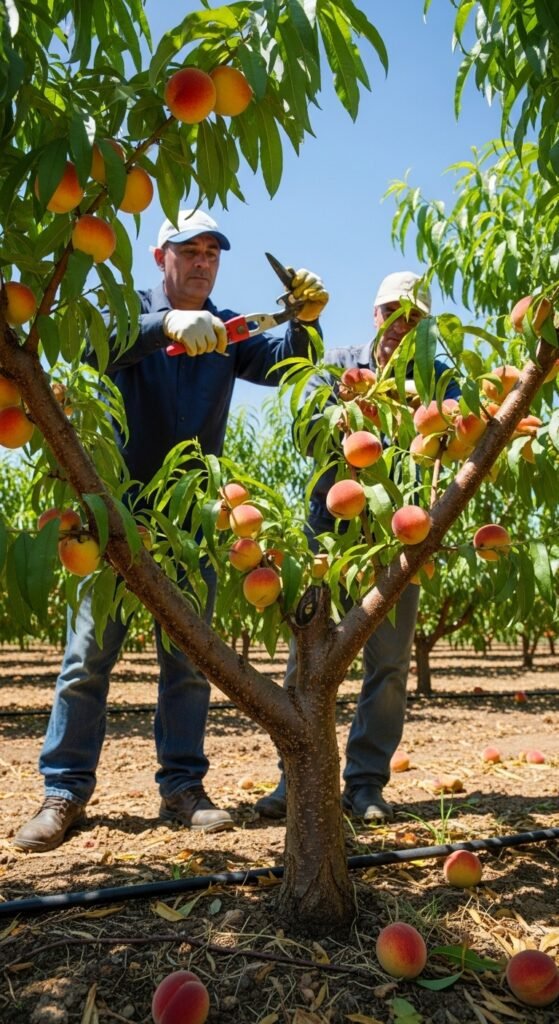
Apply in spring after the ground warms, replenishing as needed. For vegetable parallels that apply here, review our guide to mulching vegetable gardens. This practice also moderates soil temperature, supporting steady growth through varying weather.
9) Ensure Well-Drained Planting Sites
Plant peach trees in elevated or amended soil to promote excellent drainage, avoiding waterlogged conditions that exacerbate fungal diseases. Good drainage prevents root stress and limits spore survival in saturated soil.
The payoff is stronger roots and reduced disease incidence, allowing your trees to thrive even in rainy climates. Proper site selection sets the stage for long-term success and minimal maintenance.
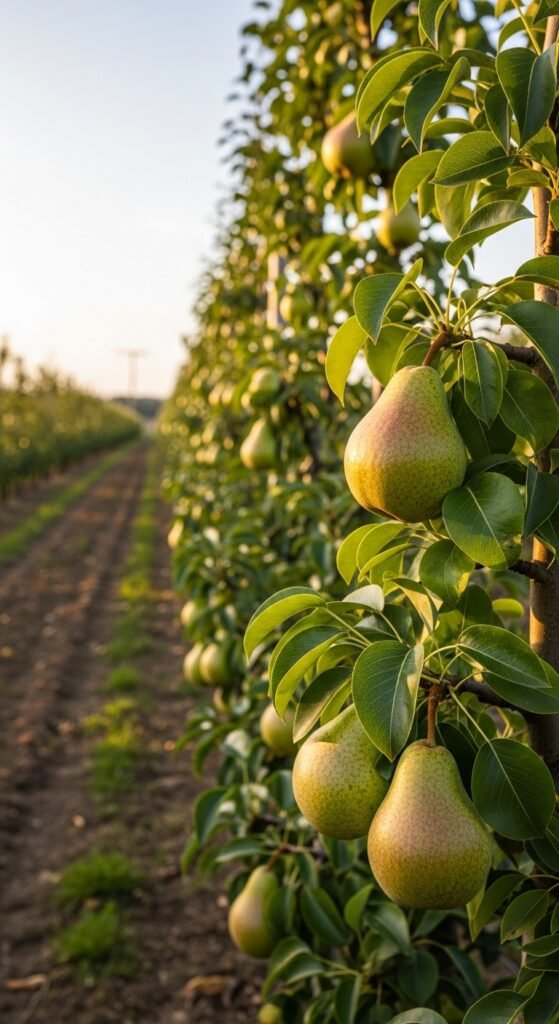
Amend heavy clay with compost or sand before planting, and consider raised mounds if needed. For related strategies in food forests, explore food forest design principles. Regularly check for pooling water and adjust as necessary for optimal health.
10) Monitor Weather and Act Proactively
Keep an eye on forecasts for cool, wet periods in spring, applying protective sprays preemptively when conditions favor leaf curl. This timing is crucial as infection occurs during bud swell.
Proactive monitoring allows targeted interventions that halt outbreaks early, preserving leaf integrity and fruit development. It empowers you to adapt to changing weather patterns effectively.
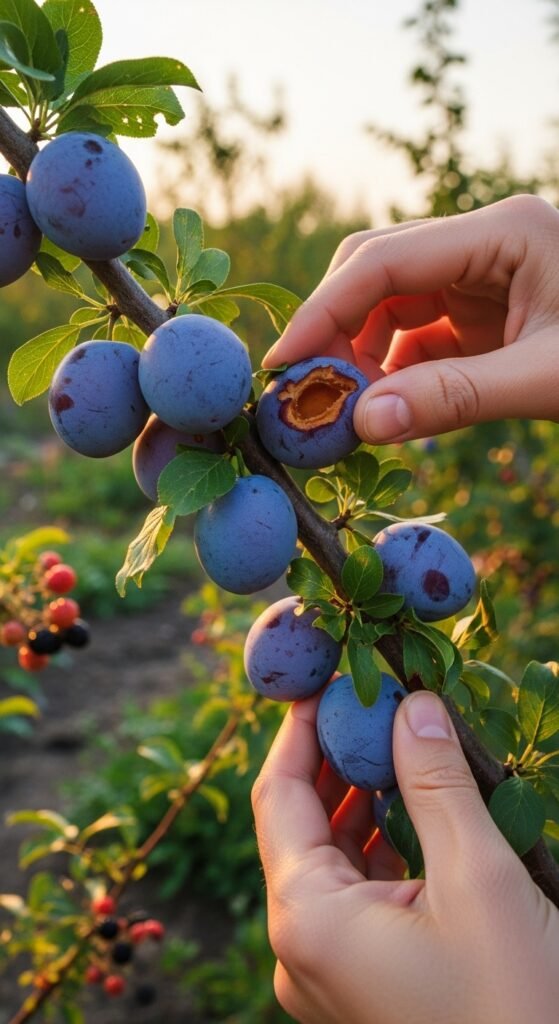
Use apps or local reports for accuracy, and log observations for future reference. Integrate with frost protection methods from our post on frost protection for plants. This vigilant approach minimizes damage and maximizes your orchard’s potential.
11) Employ Sulfur-Based Treatments
Use lime sulfur sprays during dormancy as an alternative to copper, applying when trees are leafless to target overwintering fungi. This organic option eradicates spores without heavy metal residues.
It excels in providing broad-spectrum fungal control, particularly for those preferring natural remedies. Sulfur disrupts spore viability, offering reliable prevention with proper application.
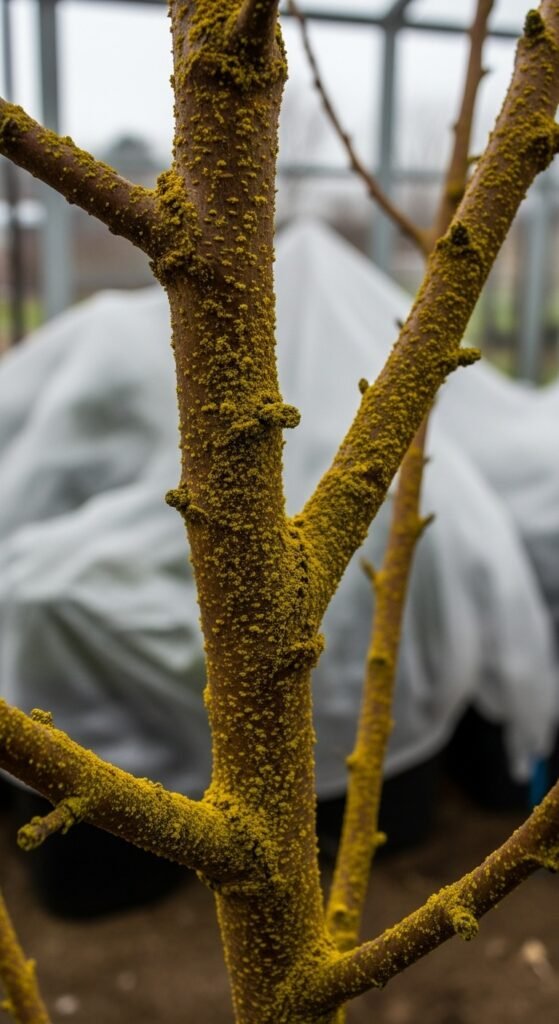
Dilute carefully and spray on dry days above 50°F to avoid phytotoxicity. For more on sulfur uses, consult our overview of sulfur spray. Follow with inspections to confirm efficacy, adjusting as needed for your specific climate.
12) Sanitize Tools and Equipment
Always clean pruning tools with alcohol or bleach solution between uses to prevent accidental spread of fungal spores from infected to healthy trees. This hygiene step is often overlooked but vital.
By sanitizing, you eliminate cross-contamination risks, safeguarding your entire orchard from disease escalation. It’s a quick habit that pays dividends in tree longevity and productivity.
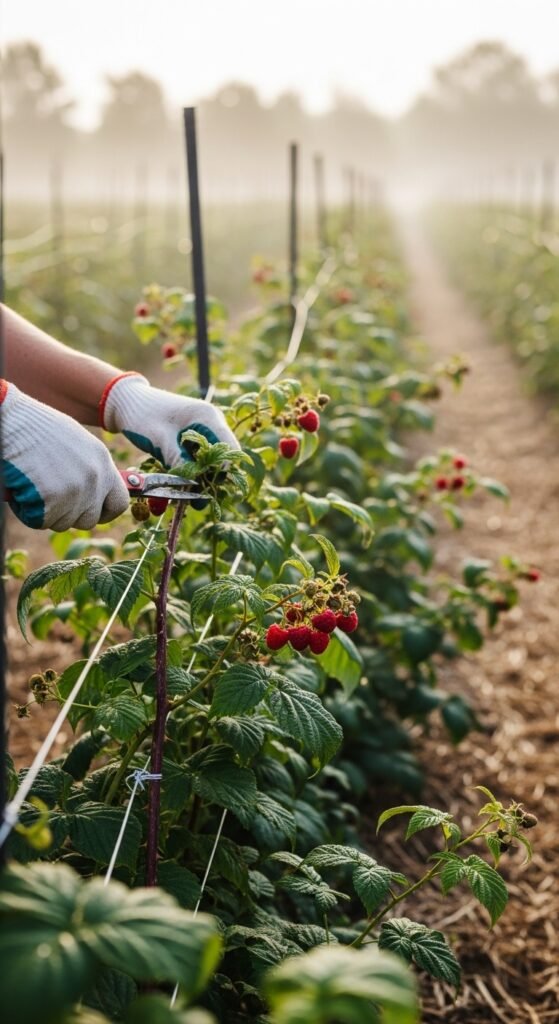
Wipe blades thoroughly after each cut, especially when dealing with symptomatic branches. Pair this with pruning schedules from our fruit tree pruning calendar. Consistent tool care ensures clean cuts and healthier regrowth.
13) Incorporate Companion Planting
Plant garlic, chives, or marigolds near peach trees to deter pests and potentially reduce fungal pressures through natural repellents and biodiversity. These companions enhance ecosystem balance.
This strategy boosts pollinator attraction and soil health, indirectly fortifying trees against diseases like leaf curl. It’s a holistic method that enriches your garden’s vitality.
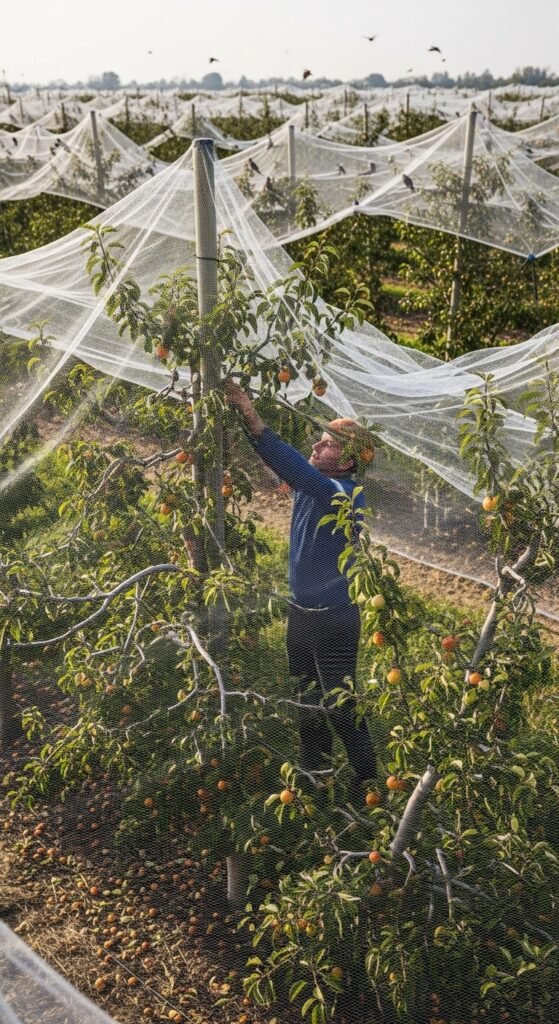
Space companions appropriately and rotate annually for best effects. Draw inspiration from our pollinator garden design for integrated planting ideas. Observe interactions to refine your setup, creating a resilient, thriving landscape.
14) Maintain Balanced Tree Nutrition
Conduct soil tests annually to guide nutrient applications, ensuring your peach trees receive adequate potassium and phosphorus for disease resistance without over-fertilizing.
Balanced nutrition strengthens cellular walls and immune responses, making trees less prone to infections. It optimizes growth, leading to superior fruit and sustained health over years.
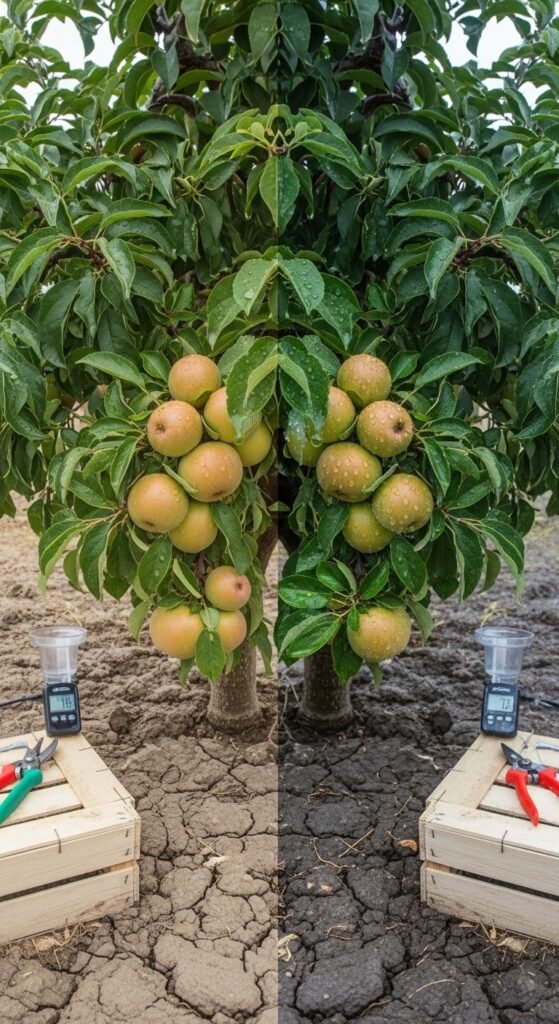
Amend based on results, using organic sources for gradual release. For thinning techniques that complement nutrition, see thinning fruit trees. This precise care prevents deficiencies that could exacerbate leaf curl vulnerabilities.
15) Use Protective Covers in Wet Seasons
During prolonged rainy spells in early spring, cover trees with breathable tarps or row covers to shield emerging buds from excessive moisture that activates spores.
This physical barrier directly blocks infection pathways, offering immediate protection in challenging weather. It’s especially useful in high-humidity areas for maintaining dry conditions.
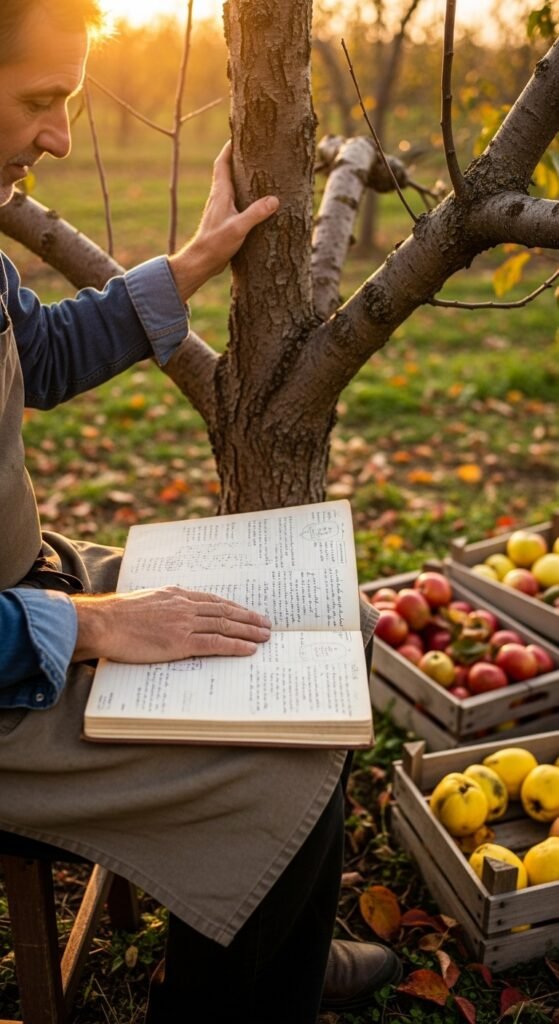
Secure covers loosely to allow air movement, removing them during dry periods. For similar fungal management, reference our tips on powdery mildew control. This tactic, combined with others, forms a robust defense strategy.
Key Principles for Long-Term Success
Integrated Disease Management
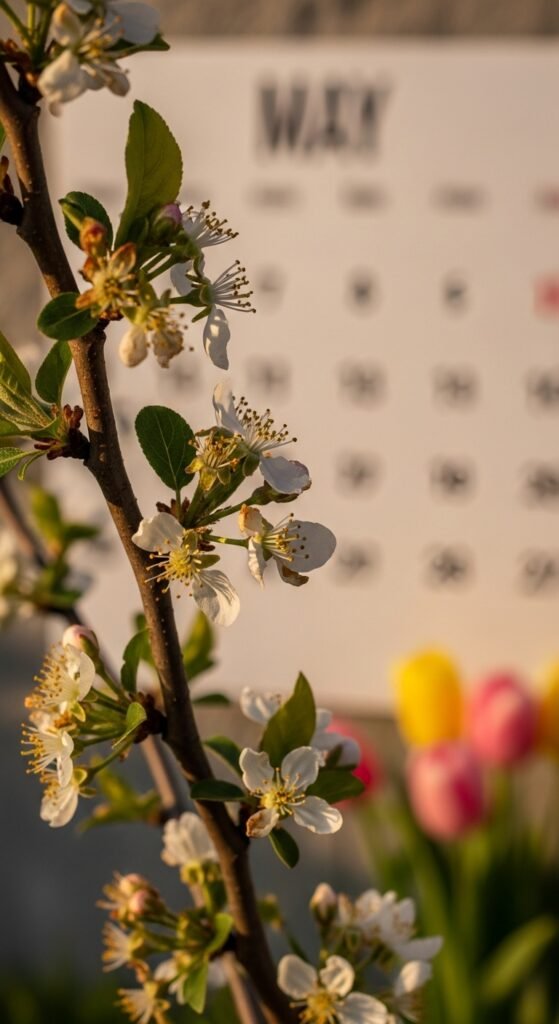
Combine multiple strategies like cultural, chemical, and biological controls for comprehensive protection. This holistic approach minimizes reliance on any single method, fostering sustainable orchard health.
Regular Monitoring and Adaptation
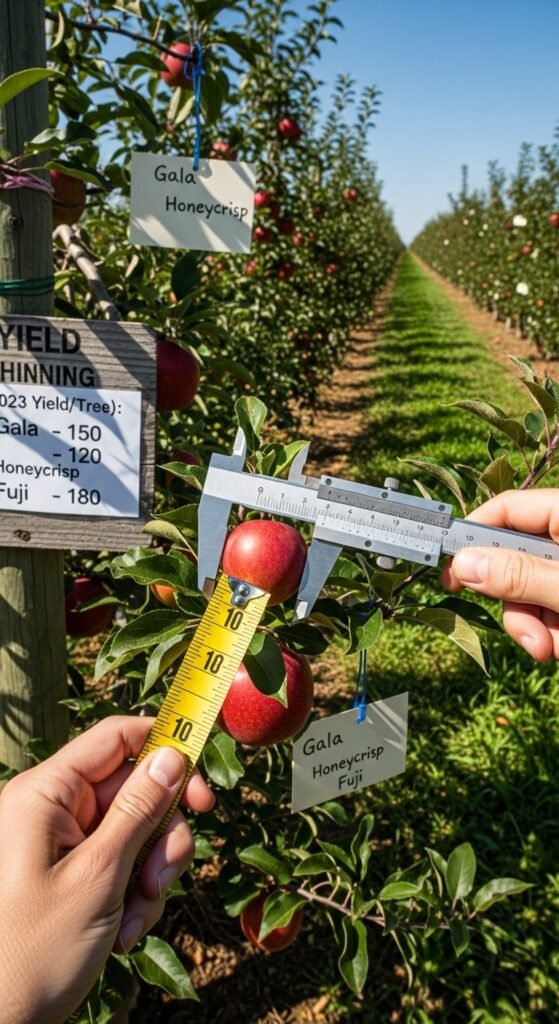
Inspect trees frequently and adjust practices based on observations and local conditions. Staying attentive allows early detection and timely responses, preventing minor issues from escalating.
Soil and Environmental Optimization
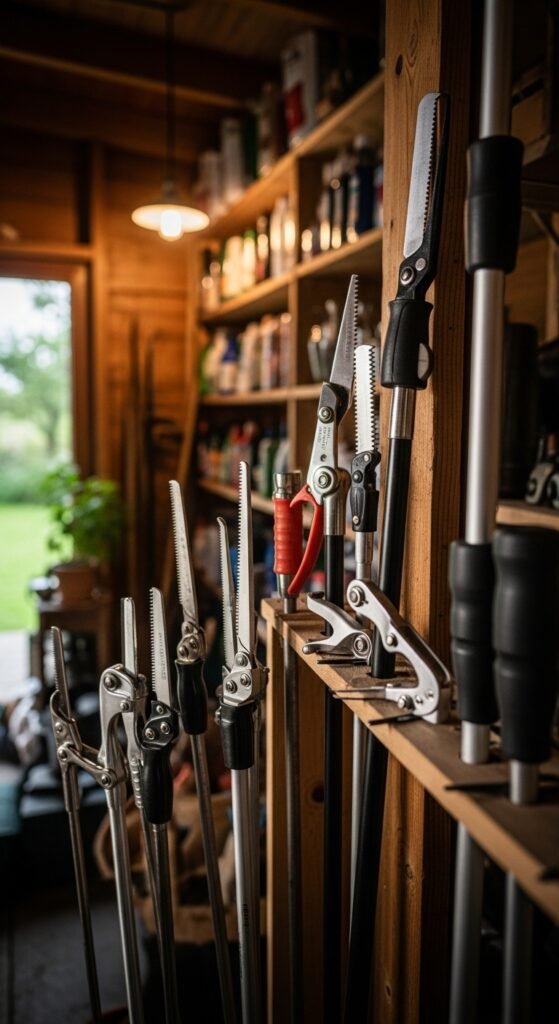
Focus on building healthy soil and microclimates through amendments and site selection. These foundational elements support resilient trees capable of withstanding disease pressures naturally.
Frequently Asked Questions
What causes peach leaf curl?
Peach leaf curl is caused by the fungus Taphrina deformans, which infects buds in cool, moist conditions, leading to puckered, reddish leaves that may drop prematurely.
Can peach leaf curl kill my tree?
While it rarely kills mature trees, repeated infections weaken them, reducing vigor and fruit yield. Young trees are more vulnerable and may suffer stunted growth.
When is the best time to treat for peach leaf curl?
Treat during dormancy in late fall or early winter, before buds swell, using fungicides or oils to target overwintering spores effectively.
Are there natural remedies for peach leaf curl?
Yes, options like sulfur sprays, dormant oils, and cultural practices such as pruning and sanitation offer effective natural control without synthetic chemicals.
How do I know if my peach tree has leaf curl?
Look for curled, distorted leaves with red or purple discoloration in spring. Affected shoots may thicken, and severe cases lead to defoliation and reduced fruiting.