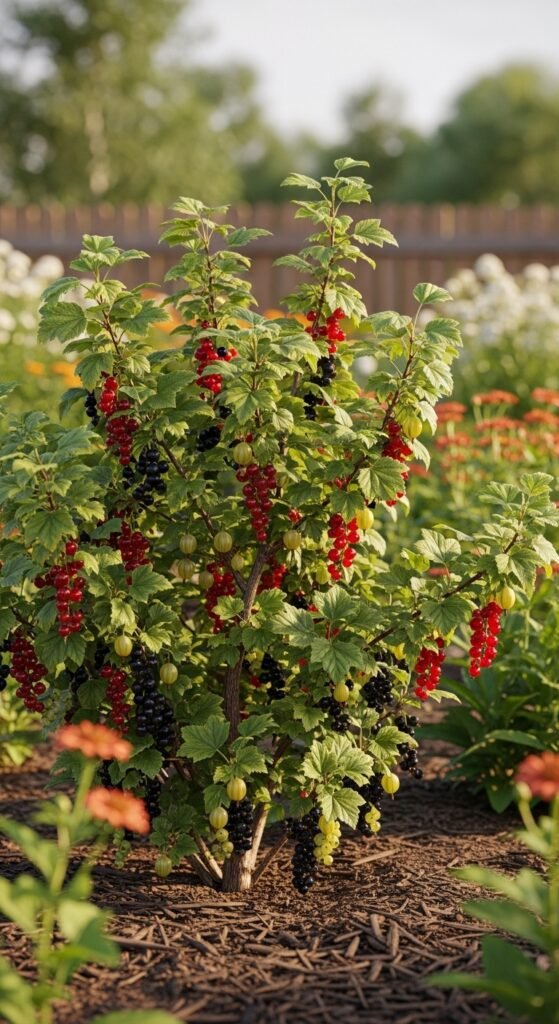
Currants and gooseberries are delightful berry bushes that can transform your garden into a productive haven. These hardy plants, belonging to the Ribes genus, offer tart and sweet fruits perfect for jams, pies, and fresh eating. You’ll love how they provide abundant harvests with minimal effort, thriving in cooler climates while adding ornamental value with their lush foliage and colorful berries.
Growing currants and gooseberries rewards you with nutrient-rich fruits packed with vitamins and antioxidants. Whether you’re a novice gardener or seasoned pro, incorporating these bushes enhances biodiversity and attracts pollinators. Their versatility allows for creative uses in your landscape, from hedges to containers, ensuring a bountiful supply right at your doorstep.
Explore these ideas to maximize your success, blending practical tips with innovative approaches for healthy, prolific plants.
1) Selecting Ideal Varieties
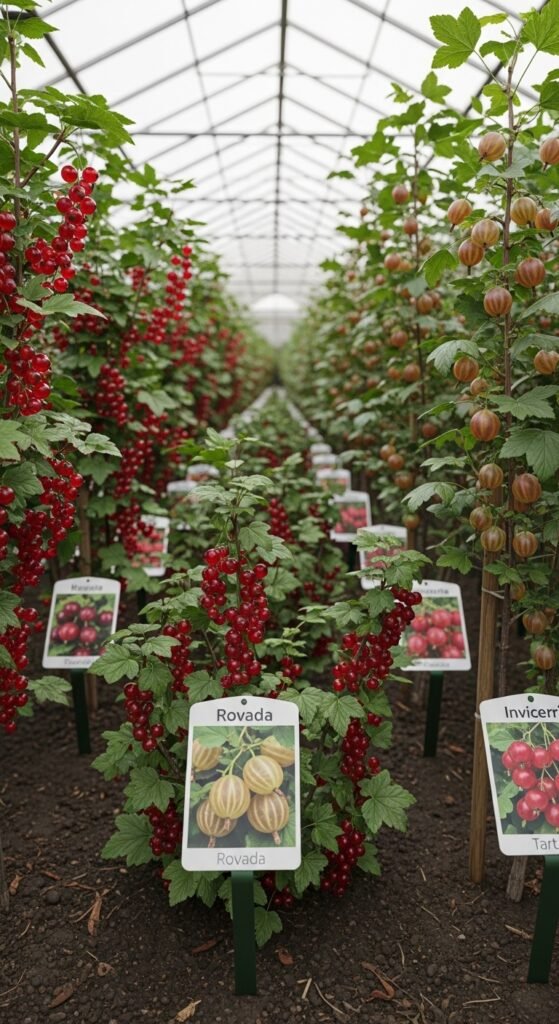
You start your currants and gooseberries journey by choosing varieties suited to your climate and taste preferences. Red currants like ‘Rovada’ offer sweet-tart berries ideal for desserts, while black currants such as ‘Ben Sarek’ provide robust flavor for juices. Gooseberries range from green ‘Invicta’ for cooking to red ‘Hinnonmaki Red’ for fresh snacking. Consider disease-resistant options to minimize maintenance.
Key benefits include higher yields and better adaptation, ensuring your bushes thrive without excessive interventions. Assess your USDA zone; most prefer zones 3-7 with partial shade in warmer areas. Hybrid varieties combine traits for enhanced productivity. Research local nurseries or extension services for recommendations tailored to your region.
How to proceed: Test soil pH aiming for 6.0-6.5, and space plants 4-6 feet apart for airflow. This foundation sets you up for a vibrant berry patch, yielding fruits from midsummer onward.
2) Optimal Planting Locations
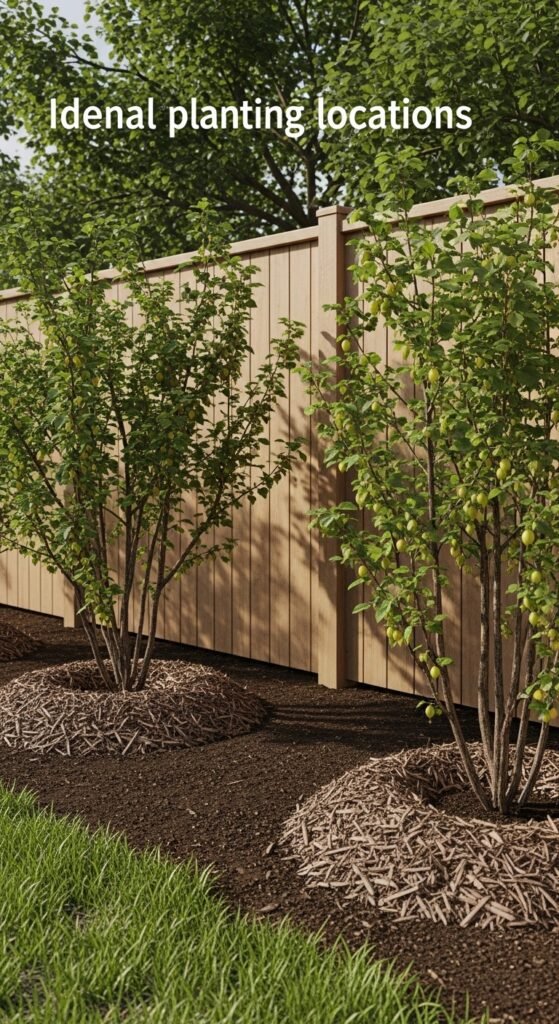
You’ll achieve the best results by planting currants and gooseberries in spots with morning sun and afternoon shade, protecting them from intense heat. These bushes tolerate partial shade, making them perfect for understory planting in orchards or along fences. Avoid low-lying areas prone to frost pockets, as early blooms can be vulnerable.
Why it matters: Proper siting promotes vigorous growth and reduces disease risk, leading to abundant, high-quality berries. In hotter climates, northern exposures shield plants from scorching. Enhance soil drainage to prevent root rot, especially in clay-heavy grounds.
Implementation: Amend planting holes with compost for nutrient boost. For inspiration on seasonal planting, check our guide on what to plant in spring to align with your berry bushes. Mulch around bases to retain moisture and suppress weeds, fostering a thriving environment for years of harvests.
3) Soil Preparation Techniques
You prepare the soil meticulously to give currants and gooseberries a strong start. These plants prefer well-drained, fertile loam with organic matter. Incorporate compost or aged manure to improve texture and fertility, targeting a slightly acidic pH.
The why: Rich soil supports root development and nutrient uptake, resulting in healthier plants and larger fruits. Poor soil leads to stunted growth and susceptibility to issues. Test your soil annually to adjust amendments accordingly.
How-to: Dig holes twice the root ball size, mixing in bone meal for phosphorus. For ongoing care, top-dress with mulch to conserve water. If you’re planning a perennial setup, explore our perennial vegetable garden ideas for complementary soil strategies. This preparation ensures your berries flourish, providing reliable yields season after season.
4) Effective Pruning Strategies
You prune currants and gooseberries annually to maintain shape and boost productivity. Remove old wood on currants after three years, while gooseberries benefit from thinning crowded branches. Prune in late winter when dormant for best results.
Importance: Pruning enhances air circulation, reducing fungal diseases, and stimulates new growth for bigger, sweeter berries. Neglected bushes become unproductive and tangled.

Step-by-step: Use sharp shears to cut at 45-degree angles, focusing on crossing branches. For similar techniques, see our advice on pruning roses in spring, adaptable to berry bushes. Sanitize tools between cuts to prevent spread of pathogens. Regular pruning keeps your plants vigorous, ensuring consistent harvests and easier maintenance in your garden.
5) Pest Management Approaches
You manage pests on currants and gooseberries by monitoring for aphids, sawflies, and mites early. Encourage natural predators like ladybugs and use row covers for protection during vulnerable periods.
Why proactive: Effective control prevents defoliation and fruit damage, safeguarding your crop’s quality and quantity. Organic methods maintain ecosystem balance without chemicals.
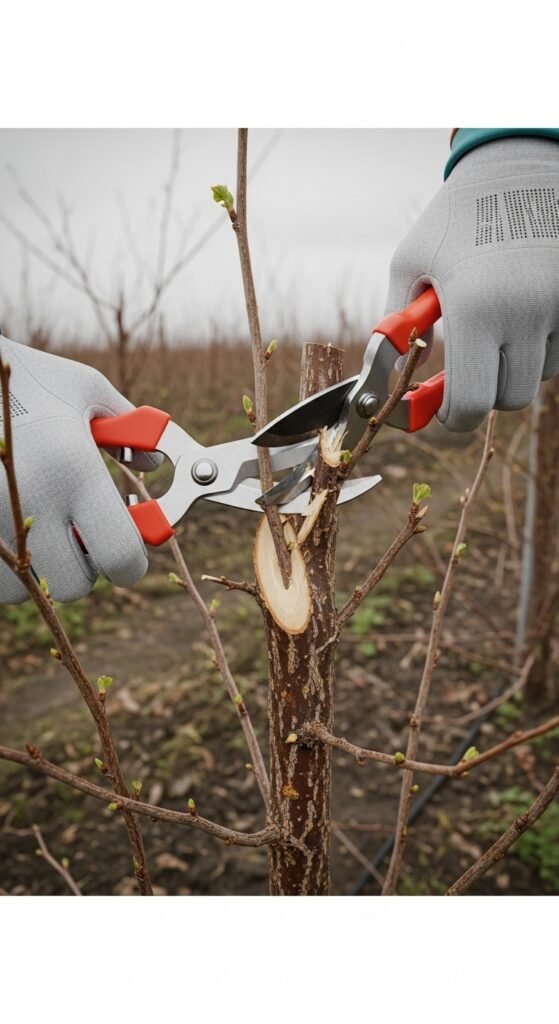
Practical steps: Apply neem oil sprays or insecticidal soaps as needed. Companion planting with alliums deters pests. For broader strategies, refer to our spring pest control tips tailored for garden bushes. Rotate treatments to avoid resistance, and inspect plants weekly. This integrated approach keeps your berry patch healthy, yielding pest-free fruits for your enjoyment.
6) Companion Planting Ideas
You enhance currants and gooseberries by pairing them with companions like garlic or marigolds to repel pests. Herbs such as mint add fragrance while deterring aphids, creating a symbiotic garden.
Benefits: Companions improve pollination and soil health, leading to enhanced yields and natural pest control. This polyculture mimics nature for sustainable growth.
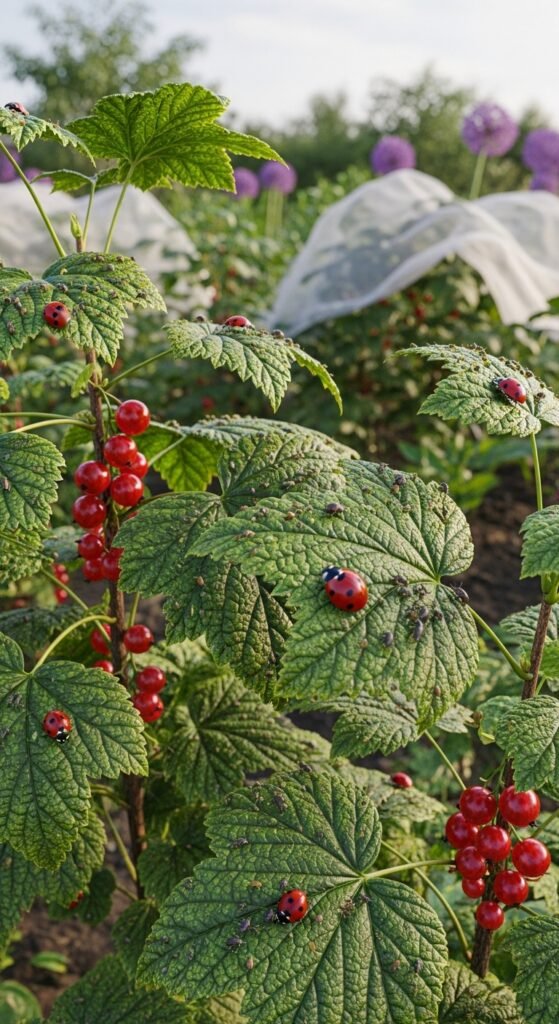
How to implement: Plant onions nearby for fungal resistance. For design inspiration, look at our permaculture guilds that include berry elements. Space companions appropriately to avoid competition. This method not only boosts productivity but also adds visual appeal, turning your berry area into a diverse, thriving ecosystem.
7) Harvesting Best Practices
You harvest currants and gooseberries when berries are fully colored and slightly soft, typically in midsummer. Pick clusters gently to avoid damaging plants, using scissors for gooseberries’ thorny stems.
Significance: Timely harvesting maximizes flavor and prevents overripening, ensuring peak nutritional value and taste. Delayed picking invites birds and rot.
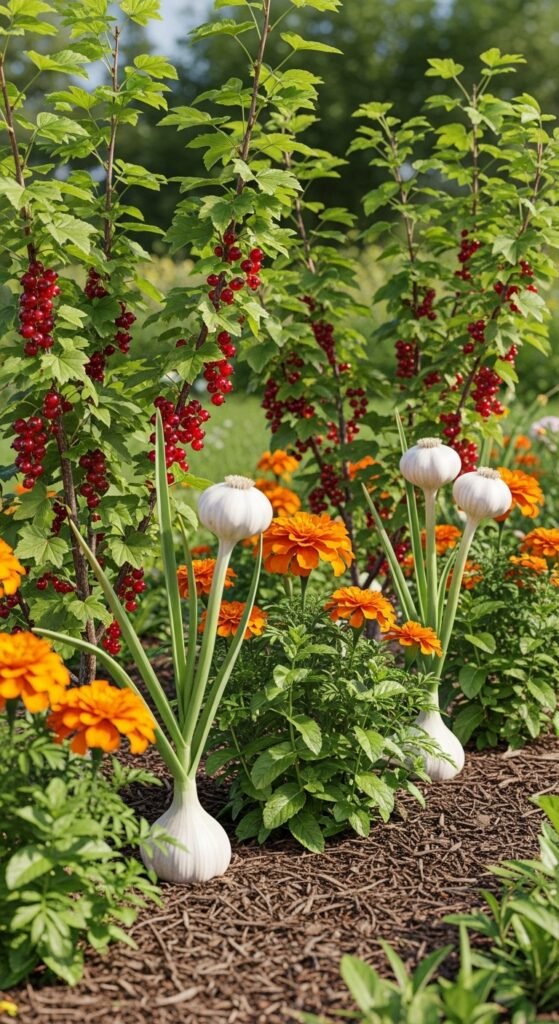
Technique: Collect in the morning for juiciness. Store in cool places or process immediately. If expanding to food forests, our food forest design incorporates berry harvesting zones. Regular picking encourages more production, providing a steady supply for fresh use or preservation in your kitchen.
8) Propagation Methods
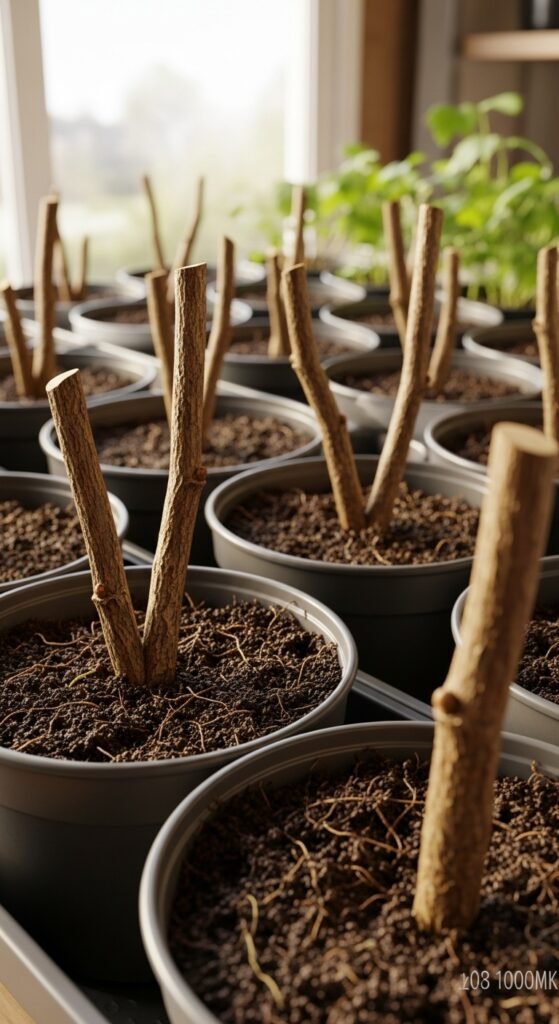
You propagate currants and gooseberries easily through cuttings or layering. Take hardwood cuttings in fall, rooting them in moist soil for new plants the following season.
Why bother: Propagation expands your patch economically, preserving favored varieties with identical traits and vigor. It’s a sustainable way to multiply stock.
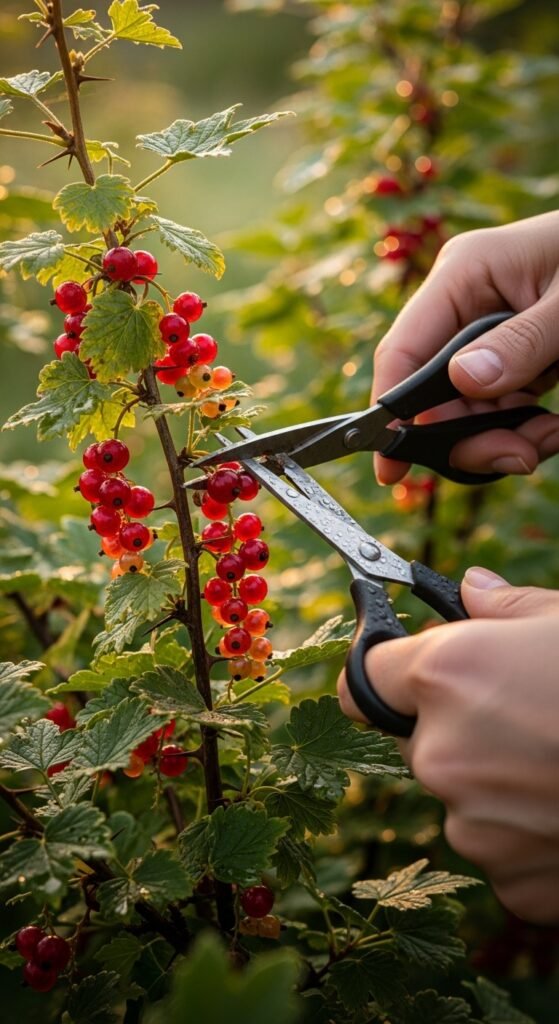
Process: Select healthy stems, dip in rooting hormone, and plant in pots. Layering involves bending branches to soil. For fall activities, align with our what to plant in fall suggestions. Monitor moisture and transplant once rooted. This hands-on approach builds your garden efficiently, yielding more bushes for future harvests.
9) Container Growing Tips
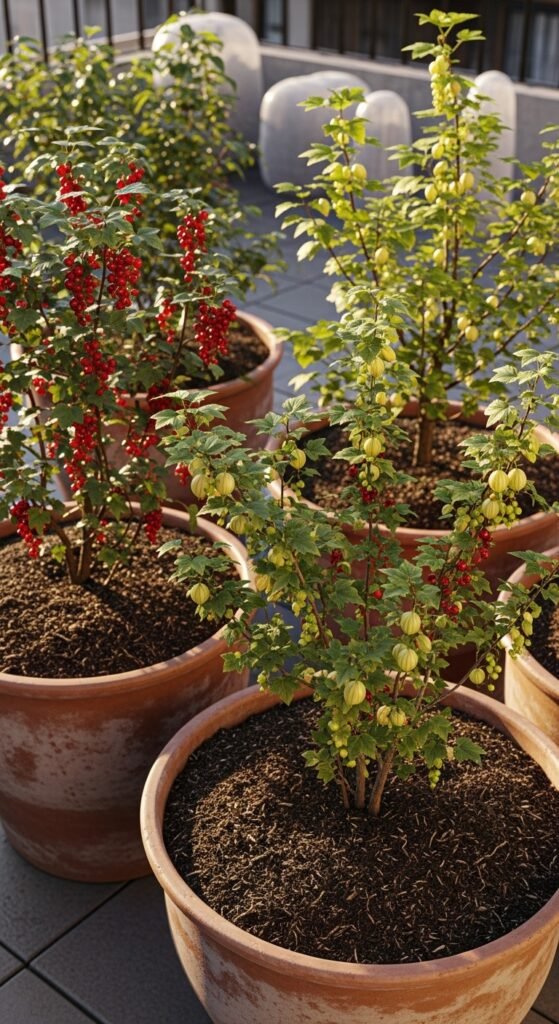
You grow currants and gooseberries in containers for patios or small spaces, choosing large pots with drainage. Use quality potting mix enriched with compost for nutrition.
Advantages: Containers offer mobility and control over soil, ideal for urban gardeners seeking fresh berries. They protect from ground pests too.
Guidelines: Water consistently, fertilize monthly during growth. Prune to manage size. In variable weather, apply techniques from our frost protection for plants to shield pots. Repot every few years. This flexible method lets you enjoy homegrown fruits even without a traditional garden plot.
10) Winter Protection Strategies
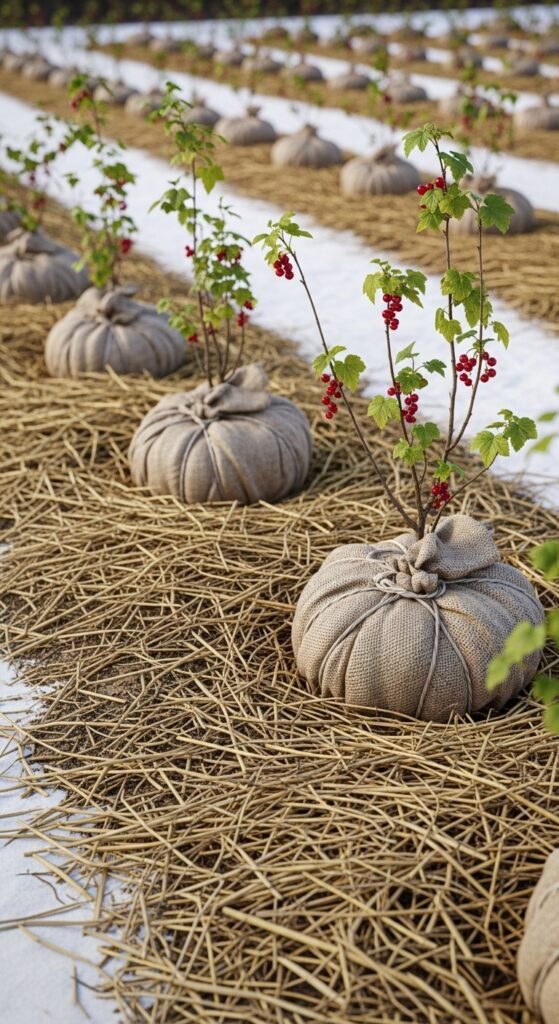
You protect currants and gooseberries in winter by mulching roots heavily and wrapping young plants if needed. These hardy bushes tolerate cold but benefit from insulation in extreme zones.
Rationale: Protection prevents root freeze and branch damage, ensuring spring vigor and consistent fruiting. Unprotected plants risk dieback.
Application: Apply straw mulch after ground freezes. For comprehensive winter prep, consider integrating with perennial care from our perennial vegetable garden insights. Prune lightly post-winter. This care safeguards your investment, leading to robust growth when seasons change.
11) Fertilizing Schedules
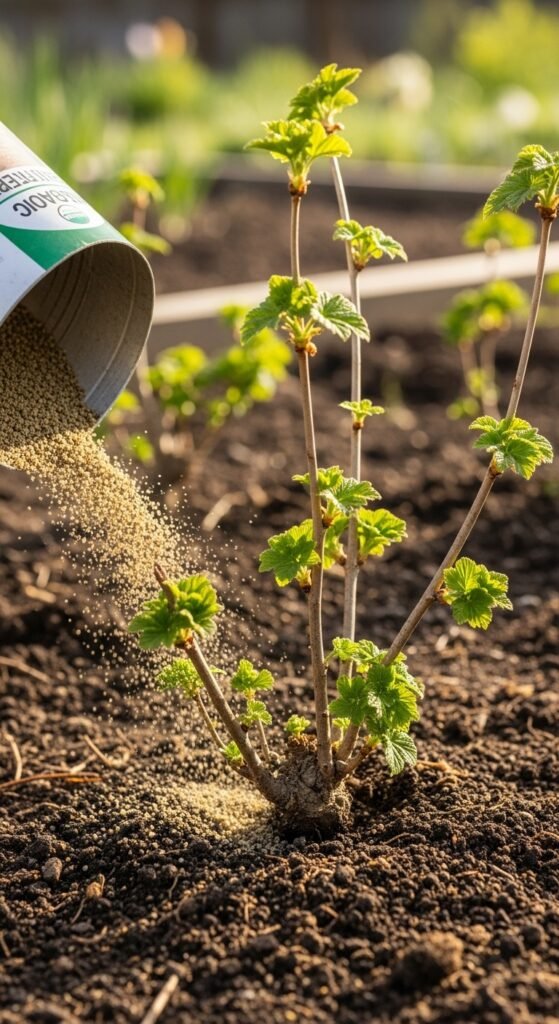
You fertilize currants and gooseberries sparingly, applying balanced organic fertilizer in early spring and after harvest. Avoid excess nitrogen to prevent soft growth prone to diseases.
Importance: Proper feeding supports fruit development and plant health, yielding larger, more flavorful berries. Overfertilizing causes imbalances.
Schedule: Use compost tea or slow-release granules. Test soil to guide applications. For summer maintenance, draw from our rose care parallels in rose care summer. Monitor plant response and adjust. This targeted nutrition keeps your bushes productive and resilient throughout the growing cycle.
12) Watering Best Practices
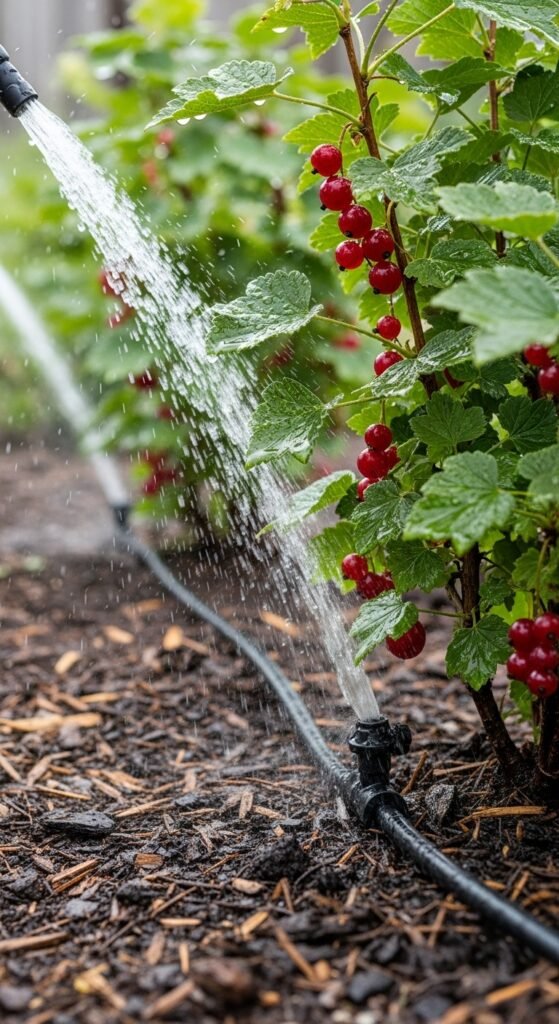
You water currants and gooseberries deeply but infrequently, aiming for consistent moisture without waterlogging. Drip irrigation delivers water efficiently to roots.
Why essential: Adequate hydration promotes berry plumpness and prevents stress, enhancing overall yield and quality. Inconsistent watering leads to cracking.
Tips: Mulch to retain soil moisture. Water in mornings to reduce evaporation. For spring routines, incorporate our spring watering schedule. Adjust based on rainfall. This mindful approach conserves water while fostering healthy, fruitful plants in your garden.
13) Disease Prevention Measures
You prevent diseases in currants and gooseberries by selecting resistant varieties and ensuring good airflow through spacing and pruning. Remove infected debris promptly.
Critical because: Prevention avoids yield loss and plant decline, maintaining long-term productivity. Common issues like powdery mildew thrive in humid conditions.
Strategies: Apply fungicides organically if needed. Rotate crops in larger plots. Link to broader pest insights via our spring pest control for integrated management. Monitor for symptoms early. This vigilant care keeps your berry bushes disease-free, ensuring bountiful seasons ahead.
14) Culinary Applications
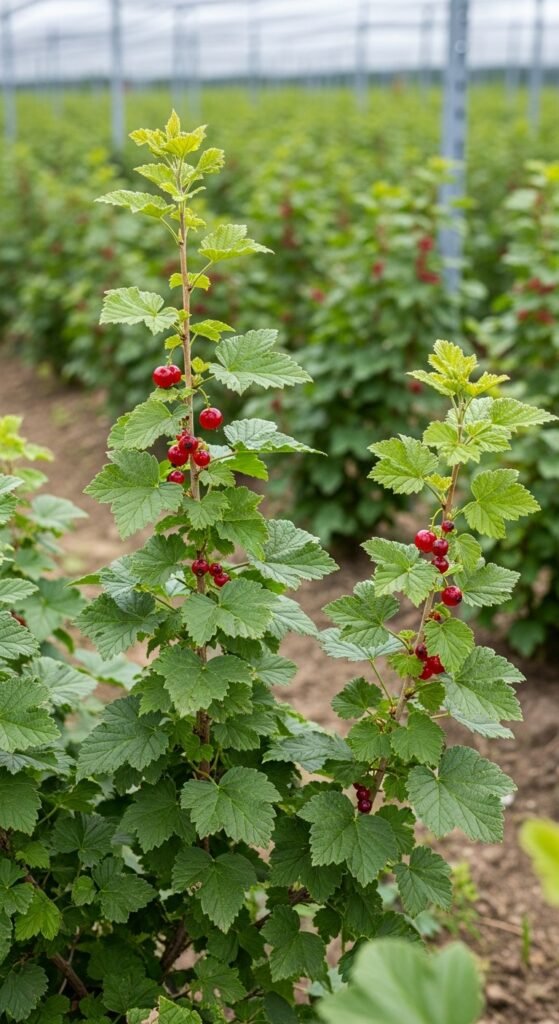
You utilize currants and gooseberries in diverse recipes, from jams to savory sauces. Their tartness complements meats, while sweetness shines in desserts like crumbles.
Value: Homegrown berries elevate meals with fresh flavors, offering nutritional boosts in vitamins C and fiber. Experimenting adds variety to your diet.
Ideas: Make currant jelly or gooseberry fool. Preserve extras for winter use. For similar fruit handling, explore our canning peaches techniques adaptable to berries. Harvest at peak ripeness for best taste. This culinary integration maximizes your garden’s output, delighting family and friends.
15) Preservation Techniques
You preserve currants and gooseberries through freezing, drying, or canning to enjoy year-round. Quick-freeze berries individually before bagging for easy use.
Why preserve: It extends shelf life and retains nutrients, providing off-season access to your harvest. Reduces waste from abundant yields.

Methods: Make jams or dehydrate for snacks. For canning, follow safe recipes. Draw parallels from our fruit preservation in canning peaches, adjusting for berry acidity. Label and store properly. This forward-thinking preserves the essence of your garden efforts for ongoing enjoyment.
Key Principles for Success
Understanding Plant Needs
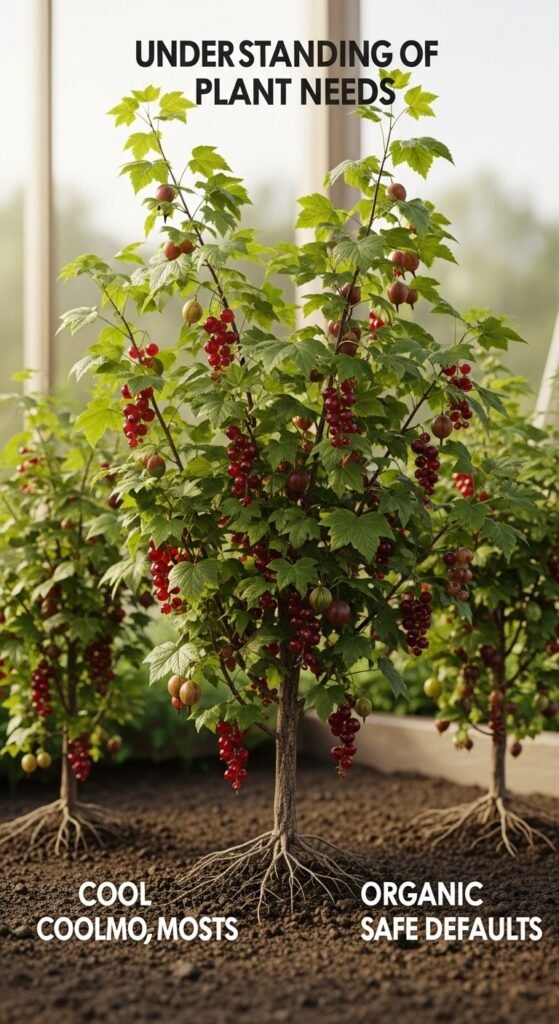
You grasp that currants and gooseberries require cool, moist conditions with protection from strong winds. Prioritize organic practices for sustainable growth.
Seasonal Maintenance
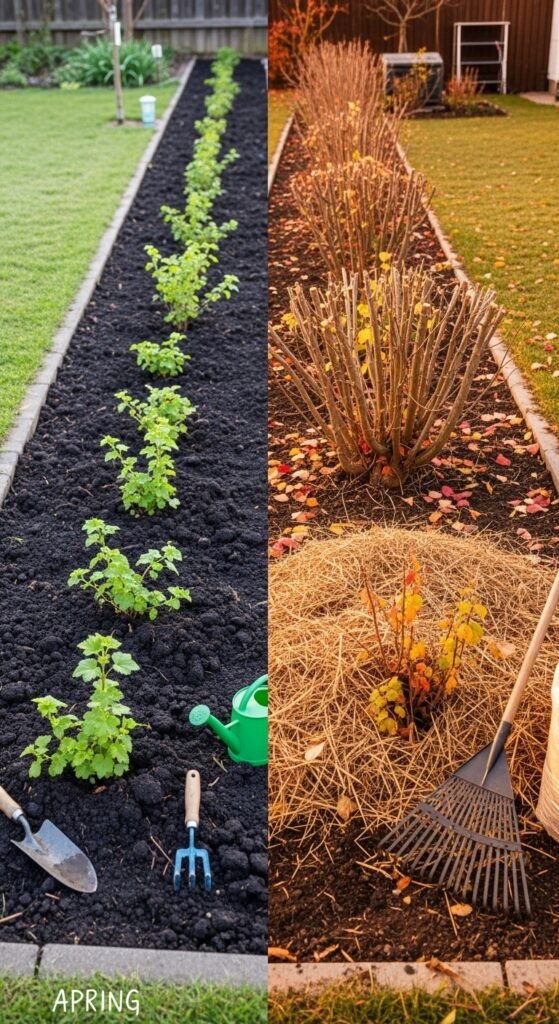
You adapt care seasonally: spring planting, summer watering, fall harvesting, winter mulching. This cycle ensures continuous health.
Environmental Integration
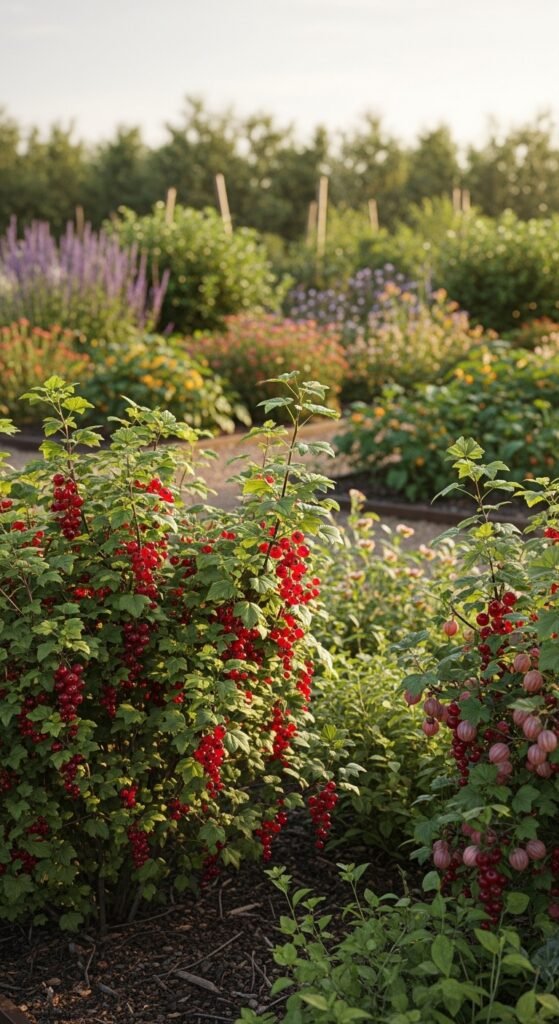
You incorporate bushes into larger designs like food forests for ecological benefits. This holistic approach amplifies garden productivity.
Frequently Asked Questions
Are currants and gooseberries easy to grow?
Yes, they are relatively low-maintenance once established, thriving in many climates with basic care.
Do these bushes attract wildlife?
They can attract birds and pollinators, adding life to your garden while requiring netting for fruit protection.
How long until they produce fruit?
Typically, you’ll see fruits in the second or third year after planting, with full production by year four.
Can I grow them in pots?
Absolutely, choose dwarf varieties and large containers for successful container gardening.
What common mistakes to avoid?
Avoid overwatering, poor pruning, and ignoring soil pH, as these can hinder growth and yields.