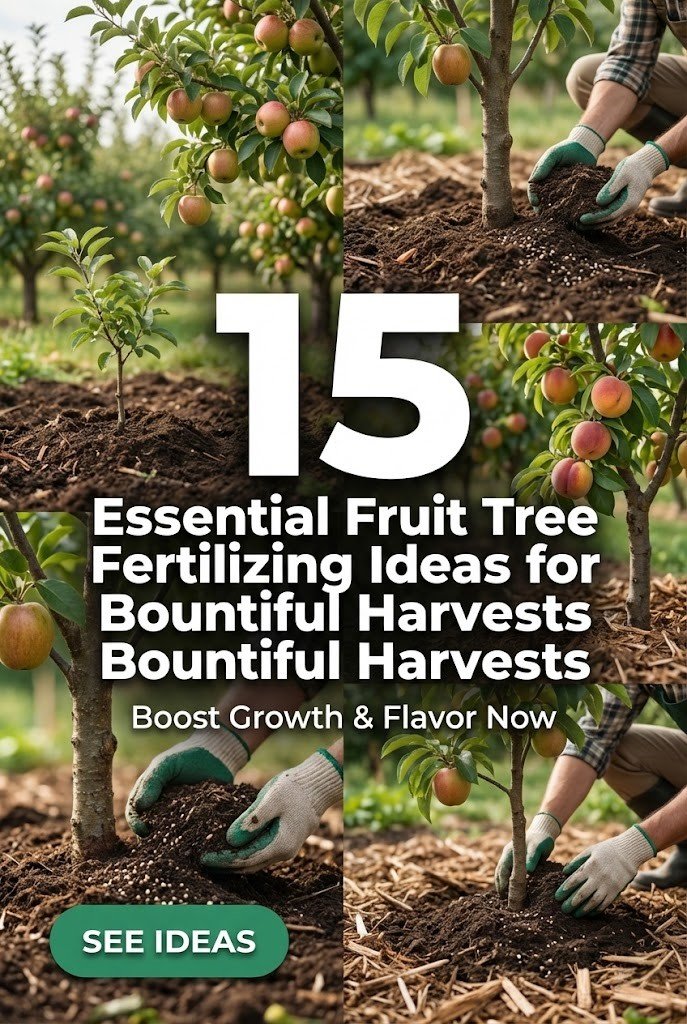
Fertilizing your fruit trees is a crucial step in ensuring they thrive and produce abundant, healthy fruit. By providing the right nutrients at the right time, you can boost growth, enhance fruit quality, and prevent common deficiencies that lead to poor yields. Fruit tree fertilizing involves understanding your trees’ specific needs, from nitrogen for leafy growth to potassium for fruit development, all while maintaining soil health for long-term success.
Whether you’re tending to apples, peaches, or citrus, proper fertilizing techniques can make a significant difference in your orchard’s productivity. You’ll see stronger branches, larger fruits, and increased resistance to pests and diseases. Plus, with smart strategies, you can avoid over-fertilization pitfalls that harm roots or pollute waterways. Let’s dive into these practical ideas to help you cultivate a flourishing fruit garden.
Starting with the basics, always tailor your approach to your local climate and soil type. Incorporating organic matter not only feeds your trees but also improves soil structure. As you implement these tips, remember that consistent care yields the best results over seasons.
1) Conduct a Soil Test Before Fertilizing
You should always start with a professional soil test to determine your orchard’s nutrient levels and pH balance. This reveals deficiencies in key elements like nitrogen, phosphorus, and potassium, allowing you to apply targeted fertilizers instead of guessing. Why is this essential? Over or under-fertilizing can stunt growth or cause nutrient burn, reducing your harvest. How to do it: Collect samples from around your trees’ root zones, send them to a local extension service, and adjust based on results. For instance, if pH is too high, add sulfur to make nutrients more available.
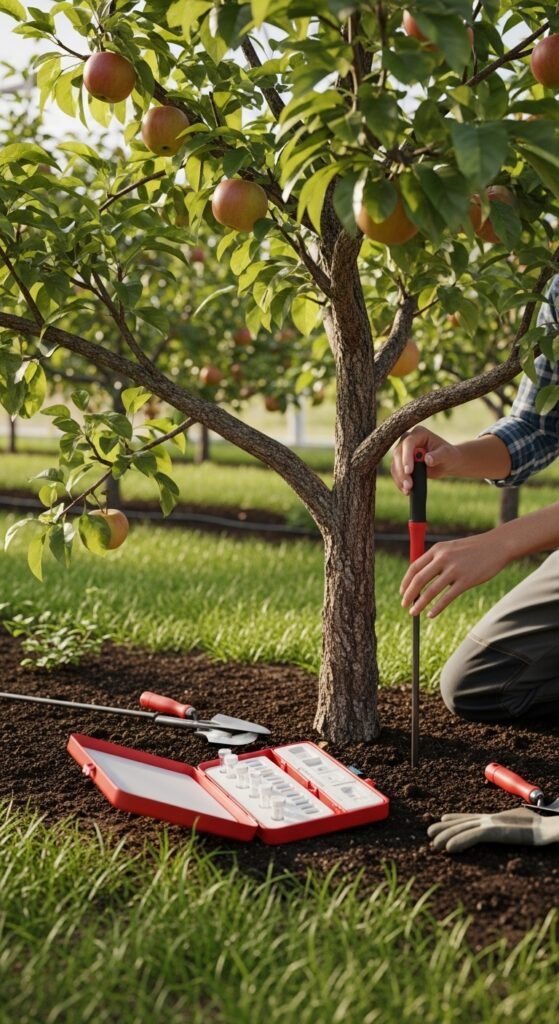
This foundational step ensures efficient nutrient uptake and healthier trees. Expect to test every 1-3 years, especially after heavy rains or amendments. Integrating this with blueberry soil pH adjustments can be particularly beneficial for acid-loving fruit varieties.
2) Choose Organic Fertilizers for Sustainable Growth
Opt for organic options like compost, manure, or bone meal to nourish your fruit trees naturally. These release nutrients slowly, improving soil structure and promoting beneficial microbes. The why: They reduce chemical runoff, support long-term soil health, and enhance fruit flavor without synthetic residues.
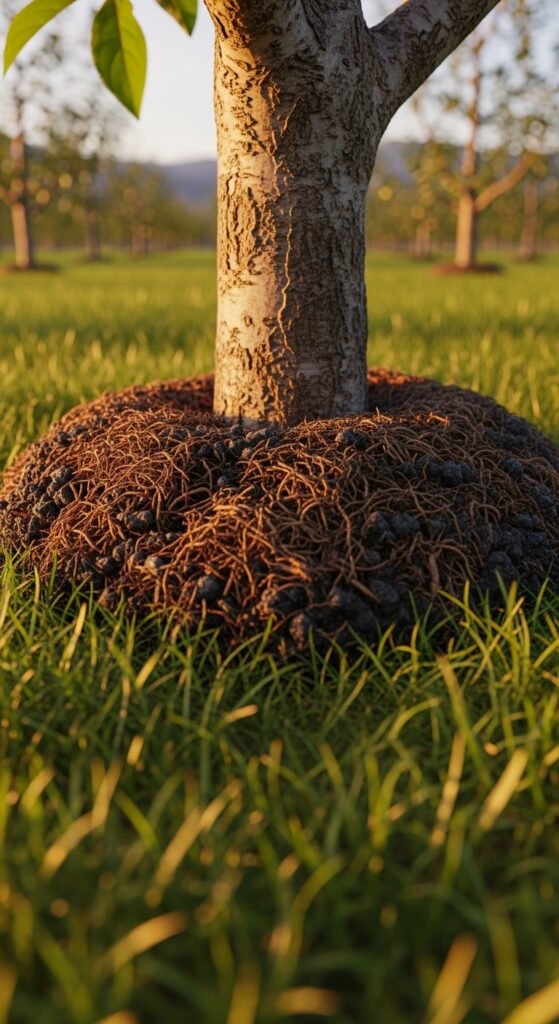
To apply, spread a 2-4 inch layer around the tree’s drip line in early spring, avoiding direct trunk contact to prevent rot. Water thoroughly afterward for absorption. You’ll notice vigorous growth and fewer pest issues over time. For best results, combine with mulching to retain moisture. This approach aligns well with eco-friendly practices, and you can explore more in our guide on synthetic vs organic fertilizer for balanced decisions.
3) Time Your Applications for Optimal Uptake
Apply fertilizers in early spring as buds break and again in late summer for root development. Timing matters because it syncs with your trees’ growth cycles, maximizing nutrient use for blooming and fruit set. Incorrect timing can lead to lush foliage at the expense of fruit or winter damage.
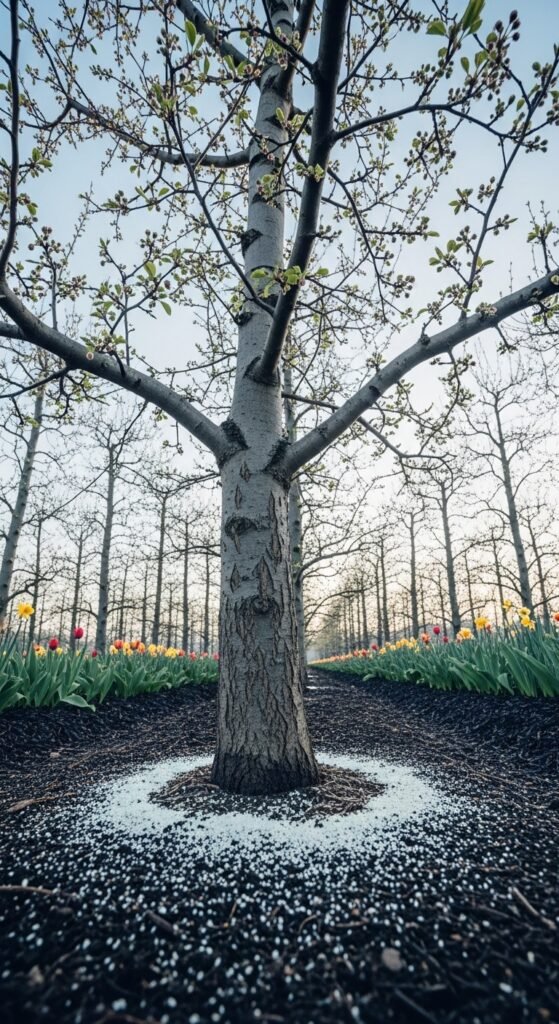
How: Use half the annual dose in spring and the rest post-harvest, diluting if liquid. Monitor weather to avoid applying before heavy rain. This strategy yields abundant, high-quality fruit season after season. Adjust for your zone’s frost dates to prevent new growth vulnerabilities. Pair this with insights from our when to plant fruit trees article for seamless orchard establishment.
4) Incorporate Compost for Nutrient-Rich Soil
Mix well-rotted compost into the soil around your fruit trees annually to supply a broad spectrum of nutrients. Compost acts as a slow-release fertilizer, enhancing water retention and aeration. Why bother? It builds resilient roots, reduces disease risk, and supports pollinators through healthier blooms.
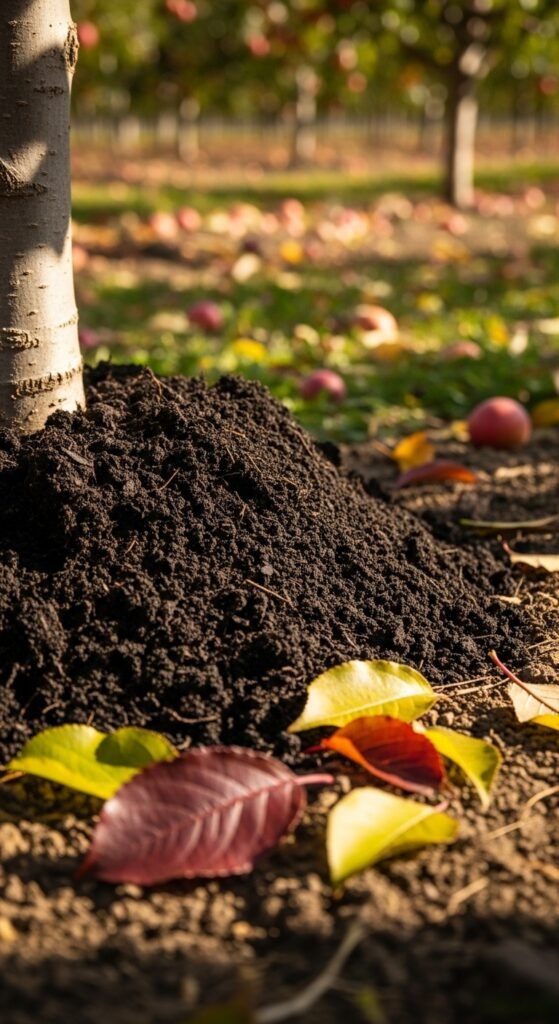
Spread 3-5 inches over the root area in fall, gently working it in without disturbing roots. You’ll achieve improved soil fertility and larger yields. For homemade compost, include kitchen scraps and yard waste. This method complements other care routines, like those detailed in our fruit tree pruning calendar, ensuring comprehensive tree health.
5) Use Balanced NPK Formulas Tailored to Trees
Select fertilizers with balanced NPK ratios, such as 10-10-10, customized for fruit trees to promote foliage, roots, and fruit. Nitrogen fuels growth, phosphorus aids rooting, and potassium boosts resistance. The reason: Imbalanced formulas can cause excessive leaves or weak fruits.
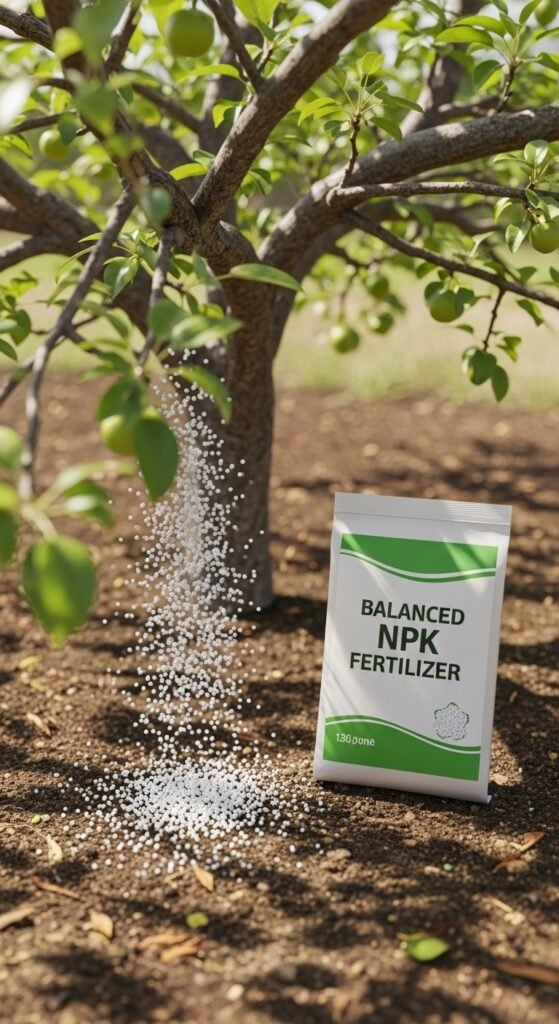
Apply granular types by scattering evenly under the canopy, then watering in. Aim for 1-2 pounds per tree depending on size. Expect robust development and flavorful produce. Test soil first to fine-tune ratios. This pairs effectively with protective measures from our bird netting fruit trees tips to safeguard your investment.
6) Apply Mulch to Retain Nutrients and Moisture
Layer organic mulch like wood chips or straw around your trees to lock in nutrients and suppress weeds. Mulch decomposes slowly, adding organic matter while conserving water. Why it’s key: It prevents nutrient leaching and moderates soil temperature for steady growth.
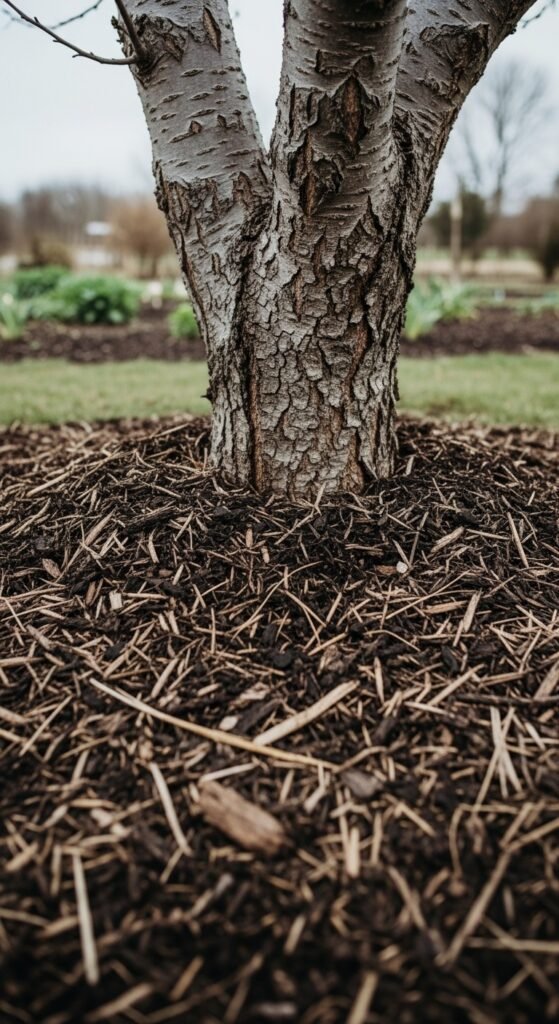
How: Pile 2-4 inches thick, keeping it away from the trunk to avoid pests. Refresh annually for sustained benefits. You’ll enjoy healthier roots and reduced watering needs. This technique enhances overall care, similar to strategies in our thinning fruit trees guide for better fruit quality.
7) Opt for Slow-Release Granules for Steady Feeding
Choose slow-release granular fertilizers to provide consistent nutrition over months without frequent applications. These break down gradually with moisture, minimizing burn risk. The advantage: They support even growth, ideal for busy gardeners.
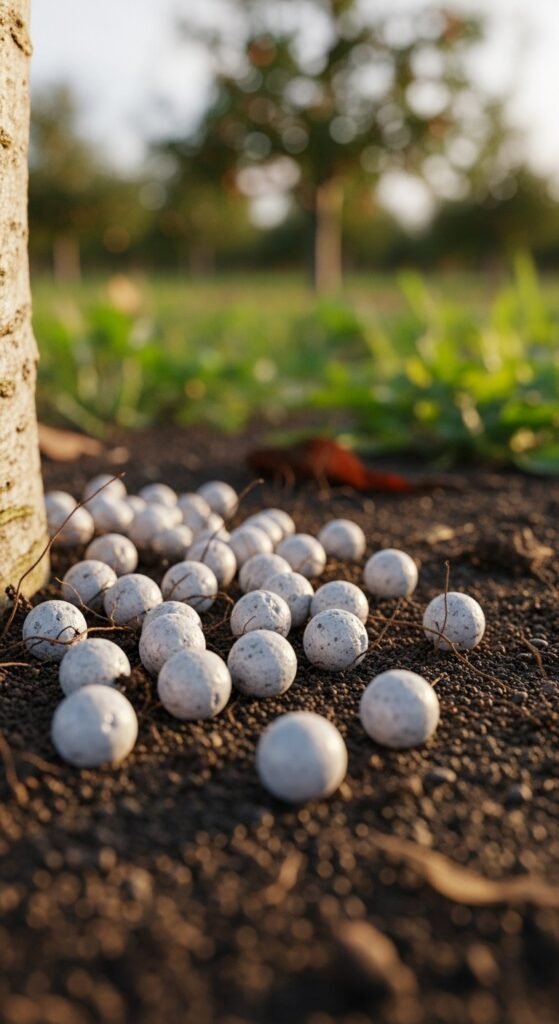
Scatter evenly around the drip line in spring, incorporating lightly into soil. Use rates based on tree age and type for precision. Result in stronger trees and consistent harvests. Combine with soil tests for customization. For specific varieties, check our columnar fruit trees recommendations to match compact growth needs.
8) Implement Foliar Sprays for Quick Nutrient Boosts
Use foliar sprays to deliver nutrients directly to leaves for rapid absorption during stress periods. These are great for micronutrients like iron or zinc deficiencies. Why effective: Bypasses soil issues, offering immediate relief for yellowing or poor fruiting.
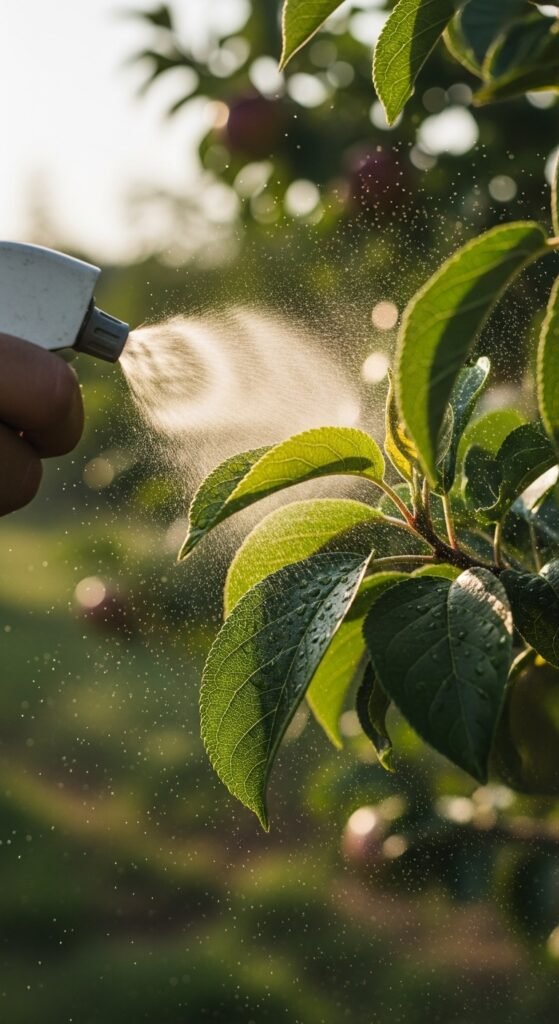
Mix according to labels and apply early morning on calm days. Repeat every 2-4 weeks as needed. You’ll see revitalized foliage and improved fruit set. Avoid hot sun to prevent leaf scorch. This method works well alongside pollination tips from our apple tree pollination resource.
9) Add Bone Meal for Phosphorus-Rich Roots
Incorporate bone meal to supply phosphorus, essential for root development and flowering in fruit trees. It’s organic and slow-acting, perfect for establishment phases. The benefit: Stronger roots lead to better nutrient uptake and drought tolerance.
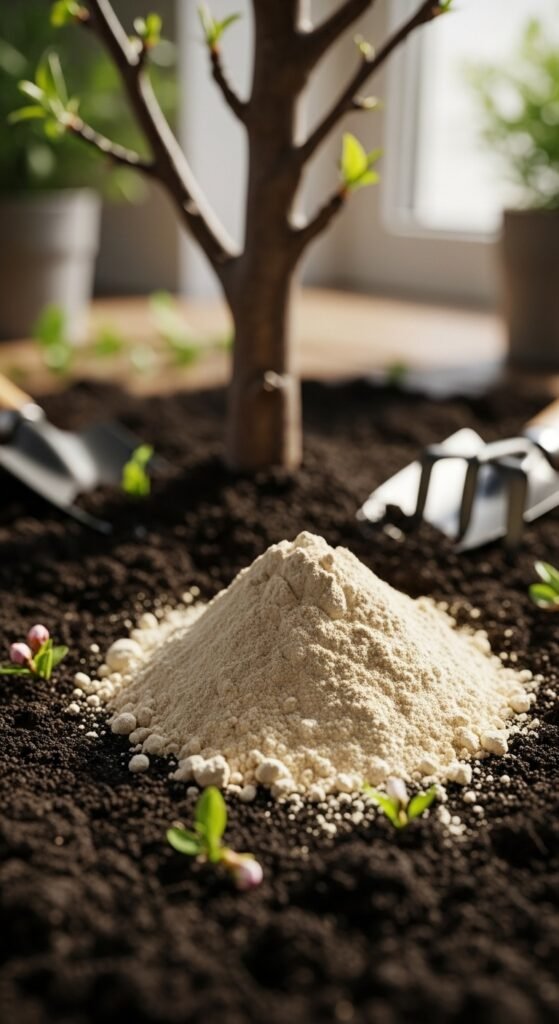
Dig it into planting holes or top-dress established trees in fall. Use 2-4 cups per tree, mixing with soil. Anticipate enhanced blooming and fruit production. Ideal for new plantings, aligning with advice in our espalier fruit trees training guide.
10) Boost Potassium with Natural Sources
Source potassium from wood ash or greensand to strengthen cell walls and improve fruit quality. Potassium aids in water regulation and disease resistance.
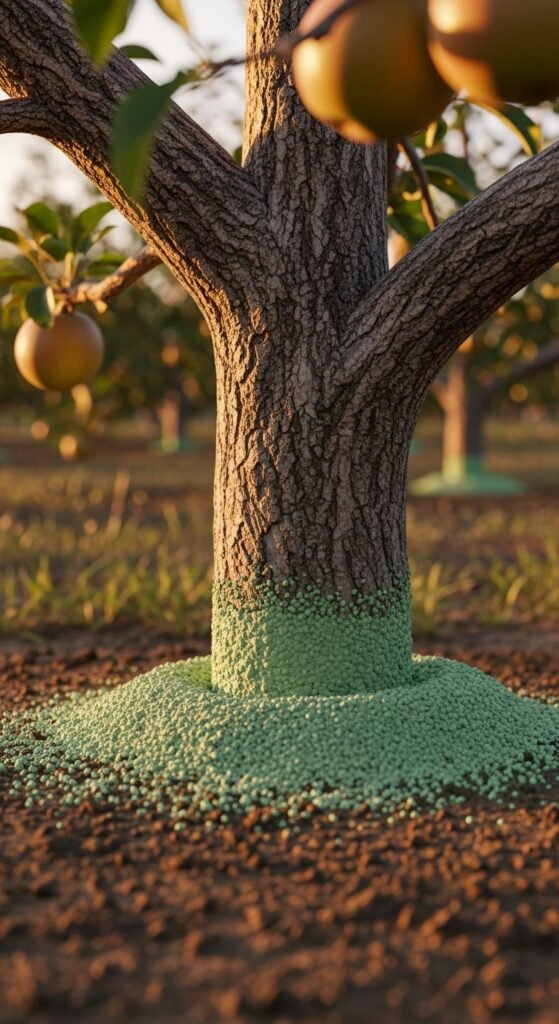
Why crucial: Deficiencies cause weak stems and small fruits. Apply sparingly in spring, testing soil to avoid excess. Spread evenly and water in for integration. Enjoy sweeter, more resilient fruits. This supports overall vitality, much like the disease prevention in our pear tree fire blight article.
11) Address Micronutrient Deficiencies Promptly
Supplement with chelated micronutrients like magnesium or boron if tests show shortages. These trace elements are vital for enzyme functions and pollination.
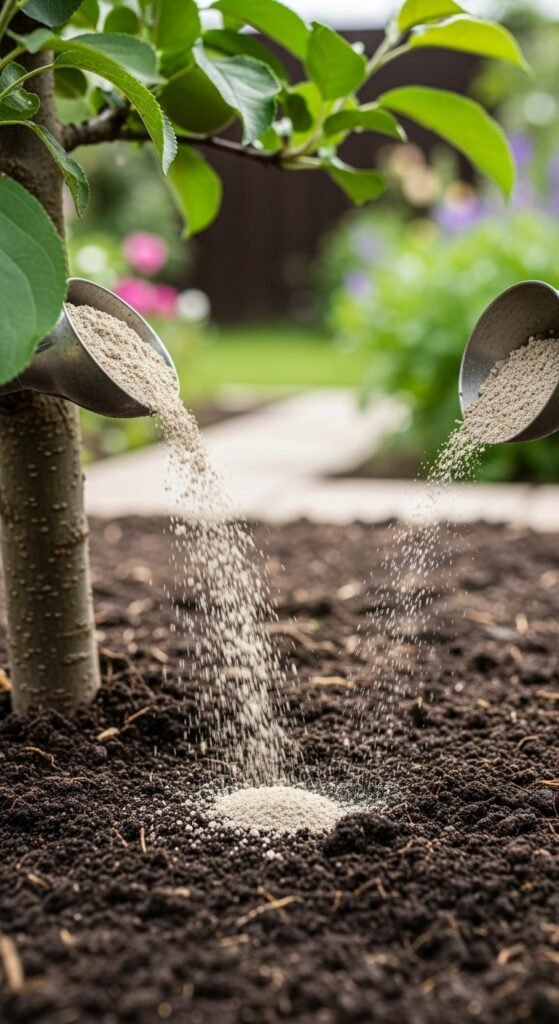
The importance: Lacking them results in distorted growth or poor yields. Apply as soil drenches or sprays per instructions. Monitor for symptoms like interveinal chlorosis. Achieve balanced health and maximum productivity. For berry crops, reference our prune blueberries tips to combine with pruning.
12) Fertilize Citrus Trees with Specialized Blends
For citrus, use formulas high in nitrogen and micronutrients to support evergreen foliage and juicy fruits. Tailored blends address their unique needs in acidic soils.
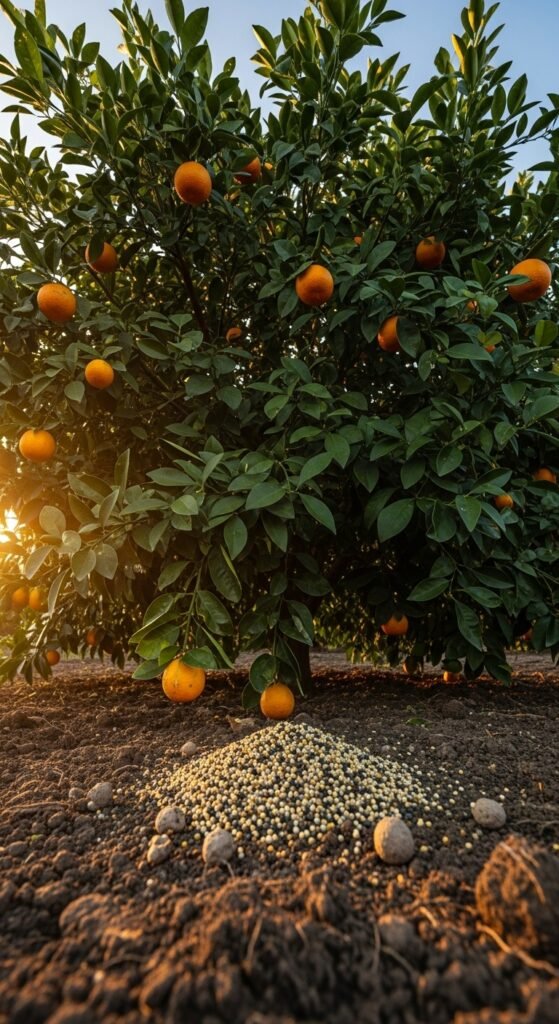
Why specific: Citrus are heavy feeders prone to deficiencies. Apply quarterly, reducing in winter dormancy. You’ll harvest plentiful, tangy fruits. Water deeply post-application. This specialized care echoes general principles in broader fruit tree strategies.
13) Avoid Over-Fertilizing to Prevent Damage
Monitor for signs of excess, like salt buildup or leaf burn, and fertilize only as needed. Overdoing it stresses roots and pollutes groundwater. The rationale: Balance prevents lush but fruitless growth. Stick to recommended rates and observe tree responses.
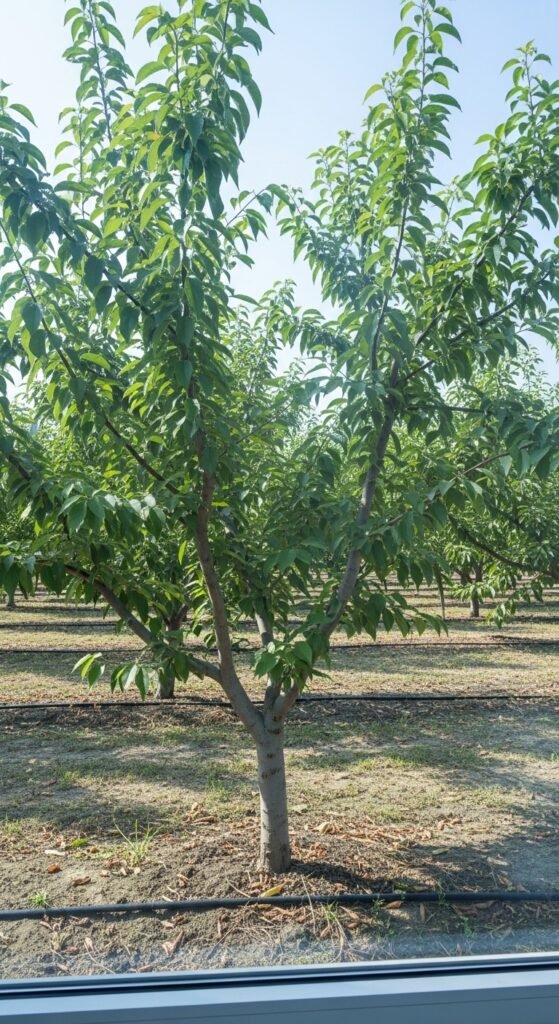
Correct with leaching if necessary. Maintain optimal health and environmental safety. This cautionary approach ensures sustainable practices across your garden.
14) Water Thoroughly After Each Application
Always irrigate deeply after fertilizing to dissolve nutrients and carry them to roots. This prevents surface burn and ensures even distribution.
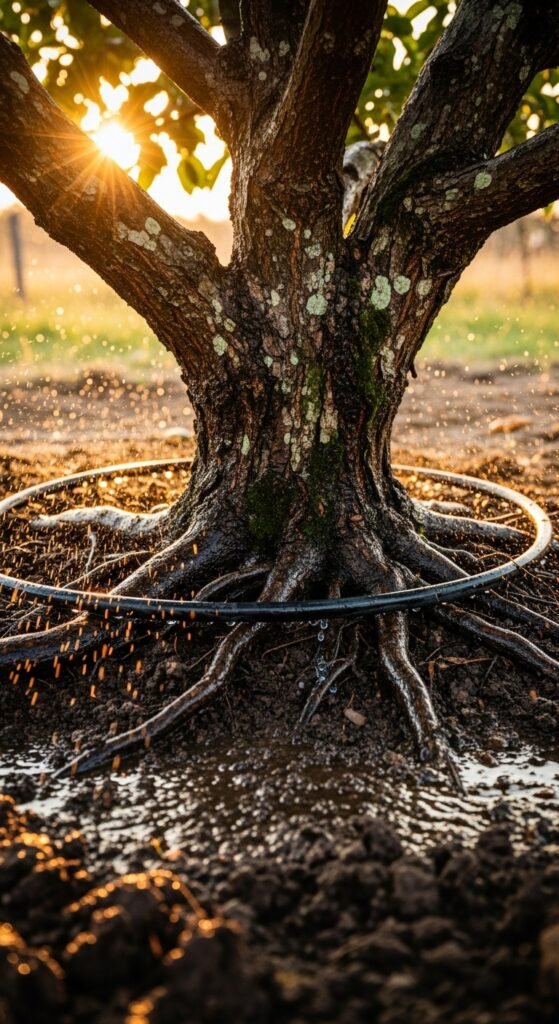
Why vital: Dry applications can volatilize, wasting resources. Use soaker hoses for efficient delivery. Result in effective feeding and vigorous trees. Schedule based on rainfall to optimize.
15) Integrate Fertilizing with Pruning Schedules
Coordinate fertilizing with pruning to encourage new growth post-trim. Pruning opens the canopy, allowing better nutrient flow.
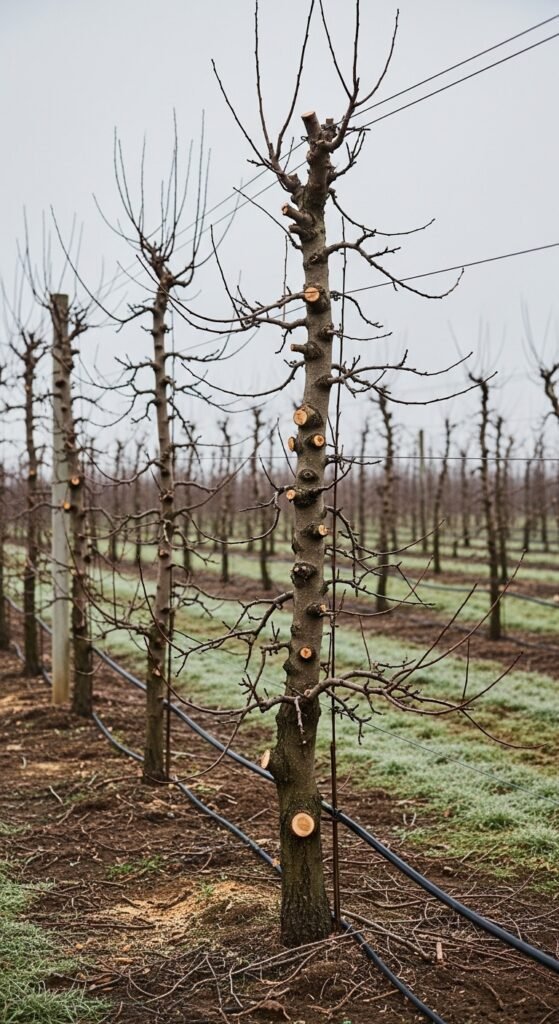
The synergy: Promotes balanced structure and abundant fruiting. Fertilize lightly after pruning in late winter. You’ll foster structured, productive trees. This holistic method maximizes your efforts for thriving orchards.
Key Principles of Fruit Tree Fertilizing
Understanding Nutrient Cycles
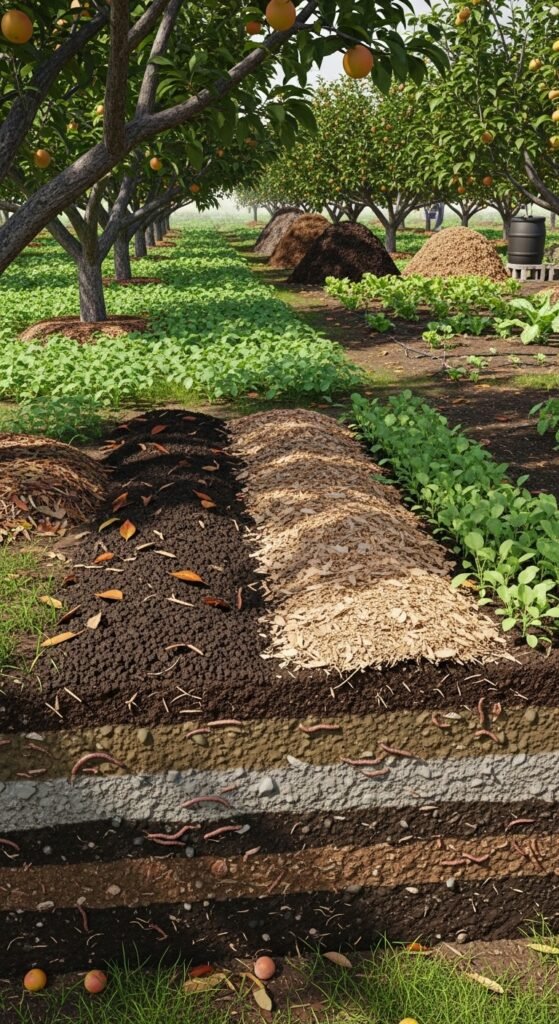
Grasp how nutrients cycle through soil and trees to avoid depletion. Rotate amendments to maintain balance.
Monitoring Tree Health
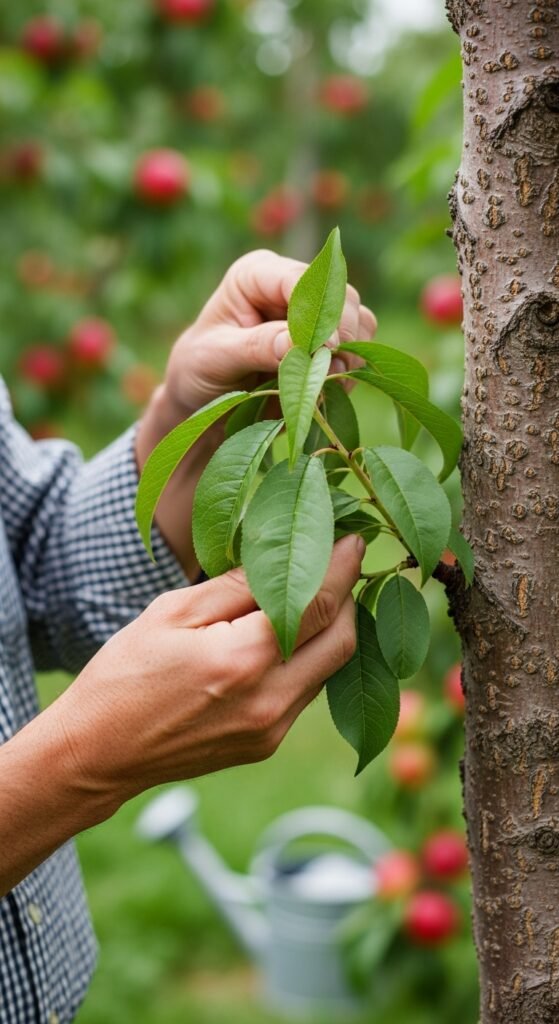
Regularly inspect for deficiency signs like yellow leaves or stunted fruit, adjusting fertilizers accordingly.
Sustainable Practices
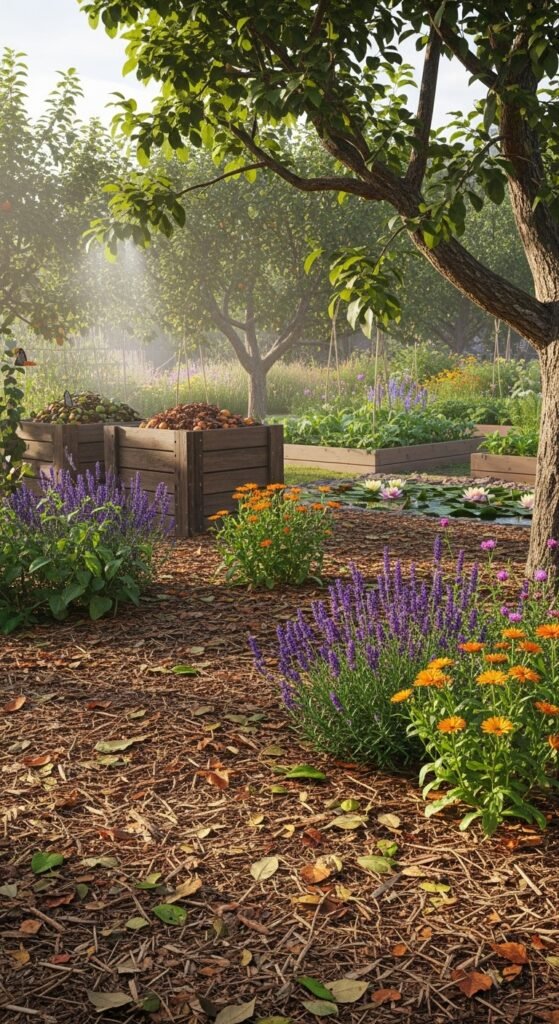
Embrace eco-friendly methods to protect pollinators and soil life for enduring orchard vitality.
Frequently Asked Questions
How often should I fertilize my fruit trees?
Fertilize once or twice a year, in spring and fall, based on soil tests and tree needs to avoid excess buildup.
What is the best fertilizer for young fruit trees?
Use a balanced, slow-release formula with higher phosphorus to encourage root establishment without overwhelming new growth.
Can I use lawn fertilizer on fruit trees?
Avoid it; lawn fertilizers are high in nitrogen, which promotes leaves over fruit and may cause imbalances.
How do I know if my tree is over-fertilized?
Look for burned leaf edges, excessive foliage without fruit, or salt crust on soil surfaces.
Is coffee grounds good for fruit trees?
Yes, in moderation; they add acidity and organic matter but use sparingly to prevent nitrogen tie-up.