
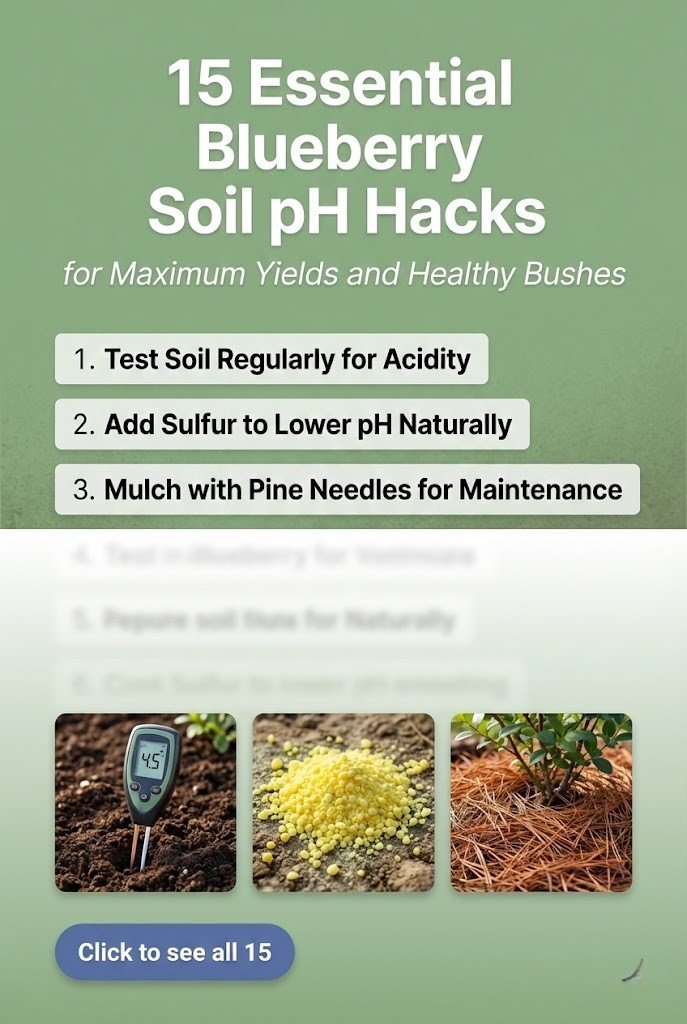
Understanding blueberry soil pH is crucial if you want your bushes to thrive and produce abundant, juicy berries. Blueberries are acid-loving plants that prefer a pH range between 4.5 and 5.5, where nutrients like iron and manganese become readily available. If your soil is too alkaline, you might notice yellowing leaves or stunted growth, signaling deficiencies that can derail your gardening efforts.
Maintaining the right blueberry soil pH not only boosts plant health but also enhances disease resistance and fruit quality. By implementing targeted strategies, you can create an ideal environment, whether in-ground or in containers. This guide explores practical ideas to test, adjust, and sustain pH levels, drawing on proven techniques to help you achieve vibrant, productive blueberry plants year after year.
From natural amendments to monitoring tools, these ideas cover various approaches suited to different garden setups. You’ll learn how small changes can yield significant improvements in yield and plant vigor, ensuring your efforts pay off with delicious homegrown berries.
1) Test Your Soil pH Regularly
Start by assessing your current soil conditions to establish a baseline for blueberry soil pH management. Testing reveals if your ground is naturally acidic or needs adjustment, preventing guesswork that could harm your plants. Accurate readings guide precise amendments, saving time and resources while promoting healthy root development.
Why does this matter? Blueberries absorb essential nutrients best in acidic environments; imbalances lead to chlorosis or poor fruiting. Regular checks, ideally every spring and fall, allow you to track changes influenced by rainfall or fertilizers. For comprehensive insights, consider professional lab analysis, which also measures nutrient levels.
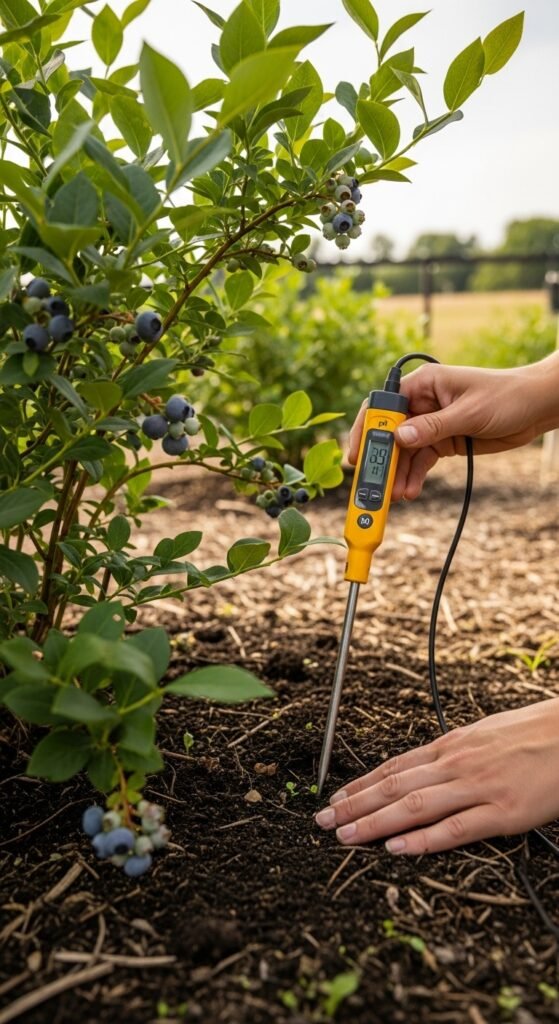
To do this, purchase a home pH kit or meter from your local garden center. Collect samples from multiple spots around your bushes, mix them, and follow the device’s instructions. If results show pH above 5.5, plan amendments accordingly. For broader garden soil evaluation, explore our guide on soil testing techniques to refine your approach.
2) Incorporate Sulfur for pH Reduction
Elemental sulfur is a reliable amendment for lowering soil pH in blueberry patches, reacting with soil bacteria to produce sulfuric acid over time. This gradual process suits long-term adjustments, making it ideal for slightly alkaline soils where quick fixes might overwhelm roots.
The benefit lies in its sustainability—once applied, it maintains acidity for seasons, supporting robust berry production and vibrant foliage. Avoid over-application to prevent toxicity; aim for balanced integration with organic matter.
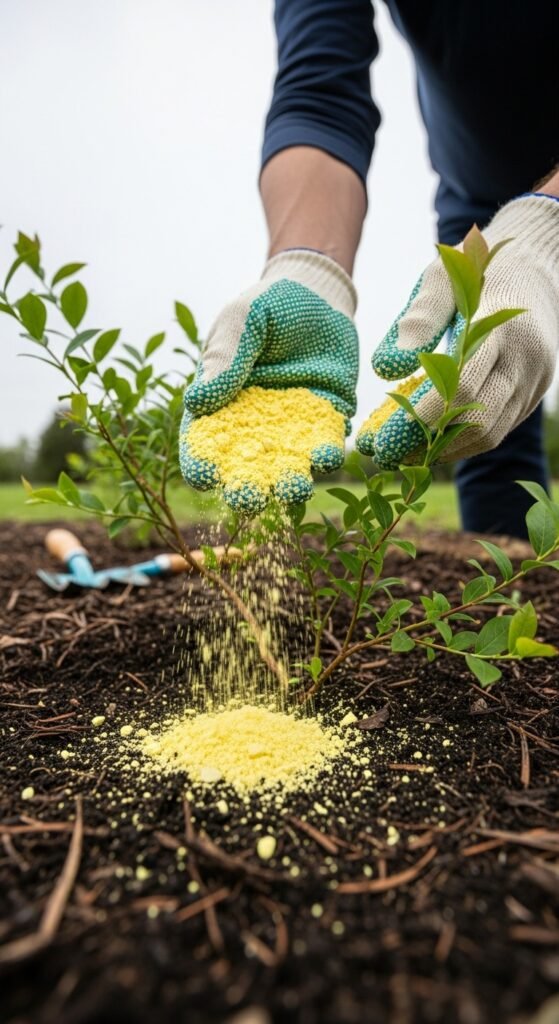
How to apply: Calculate needs based on your soil test—typically 1-2 pounds per 100 square feet to drop pH by one unit. Spread evenly around bushes in fall, till lightly into the topsoil, and water thoroughly. Monitor progress after 3-6 months. For complementary organic boosts, check our tips on using coffee grounds in your garden to enhance acidity naturally.
3) Use Pine Needle Mulch for Natural Acidification
Pine needles, or pine straw, serve as an excellent mulch that slowly acidifies soil as it decomposes, perfectly aligning with blueberry preferences. This organic layer retains moisture, suppresses weeds, and insulates roots against temperature fluctuations.
Why choose this? It mimics the forest floor environment where wild blueberries flourish, providing steady pH lowering without chemical interventions. Over time, it enriches soil structure, fostering beneficial microbes that aid nutrient uptake.
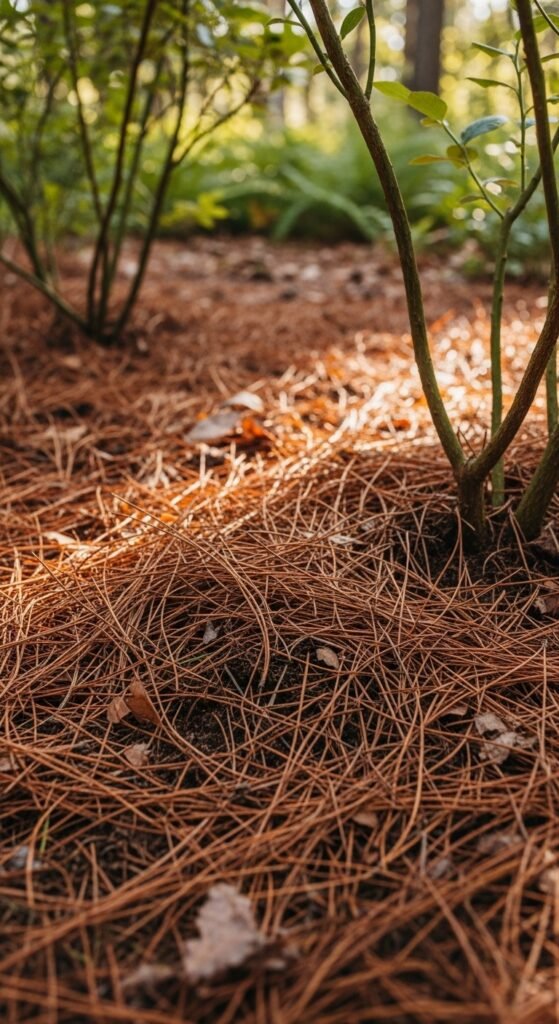
Implementation is straightforward: Apply a 2-4 inch layer around your plants in spring or fall, keeping it away from stems to avoid rot. Renew annually as it breaks down. Source from local pine trees or suppliers for cost-effectiveness. If you’re growing berries in limited spaces, our article on cultivating blueberries in containers offers insights into adapting mulch techniques for pots.
4) Add Peat Moss to Your Soil Mix
Peat moss is a staple for creating acidic growing mediums, absorbing water while lowering pH effectively in blueberry beds or pots. Its spongy texture improves drainage in heavy soils, preventing waterlogging that could stress roots.
This amendment shines by offering immediate acidity boosts, essential for new plantings where soil pH needs quick optimization. You’ll see healthier growth and fewer nutrient deficiencies, leading to plumper fruits.
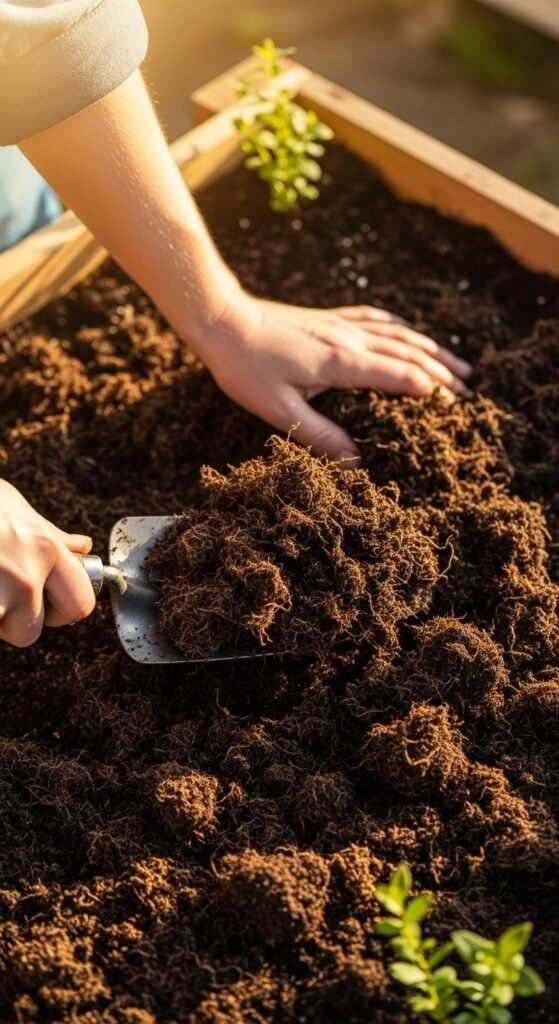
Mix 1-2 parts peat moss with existing soil when planting, or top-dress established bushes. For raised beds, incorporate generously for uniform pH. Be mindful of sustainability—opt for sphagnum alternatives if possible. To pair with fertilizers, refer to our recommendations on organic fertilizers suitable for acid-loving crops.
5) Apply Acidic Fertilizers Strategically
Choose fertilizers formulated for acid-loving plants, like those with ammonium sulfate, to maintain or lower blueberry soil pH while supplying nutrients. These products prevent alkaline drift common with standard feeds.
The advantage? They deliver dual benefits: pH control and essential elements for vigorous blooming and fruit set. Regular use ensures consistent soil conditions, reducing stress on your bushes.
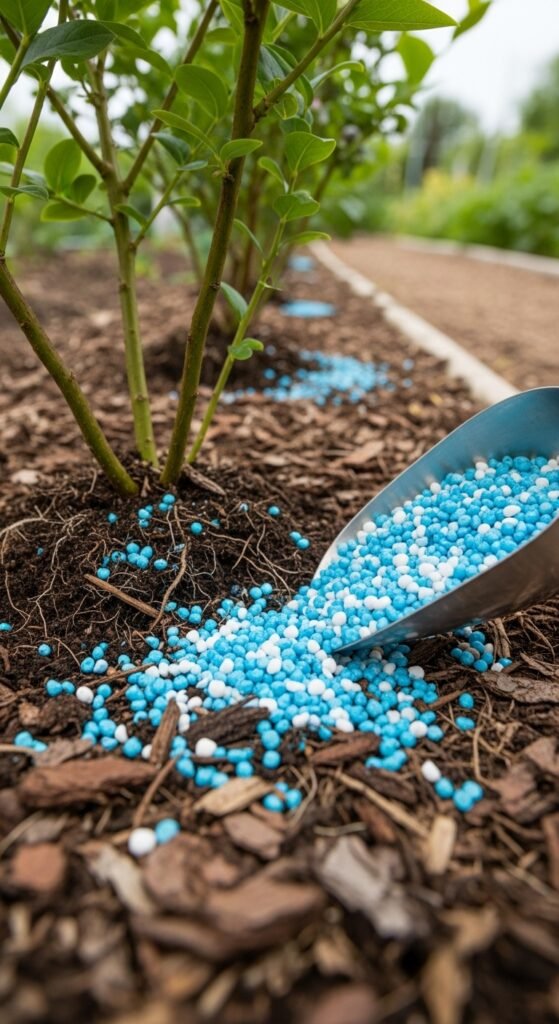
Apply in early spring and mid-summer, following package rates—typically 1/4 cup per plant. Dissolve in water for even distribution. Test soil post-application to fine-tune. For fruit-specific nutrition, our guide to fertilizing fruit trees and bushes provides tailored advice.
6) Avoid Lime and Alkaline Amendments
Steer clear of lime, wood ash, or other alkaline materials that raise pH, counteracting your efforts for acidic blueberry soil. Awareness of these pitfalls preserves the ideal environment you’ve cultivated.
Why critical? Even small additions can shift pH dramatically, causing nutrient lockout and diminished harvests. Proactive avoidance safeguards long-term plant health.

Review all inputs—compost, mulch, water—for pH impact. If accidentally added, counteract with sulfur. For companion strategies, explore companion plants that thrive in acidic conditions alongside blueberries.
7) Monitor Water Source pH
Your irrigation water’s pH influences soil acidity over time; alkaline sources like hard tap water can gradually neutralize efforts. Testing and adjusting ensure compatibility with blueberry needs.
This step yields consistent moisture without pH disruption, supporting steady growth. Rainwater often proves ideal due to its natural mild acidity.
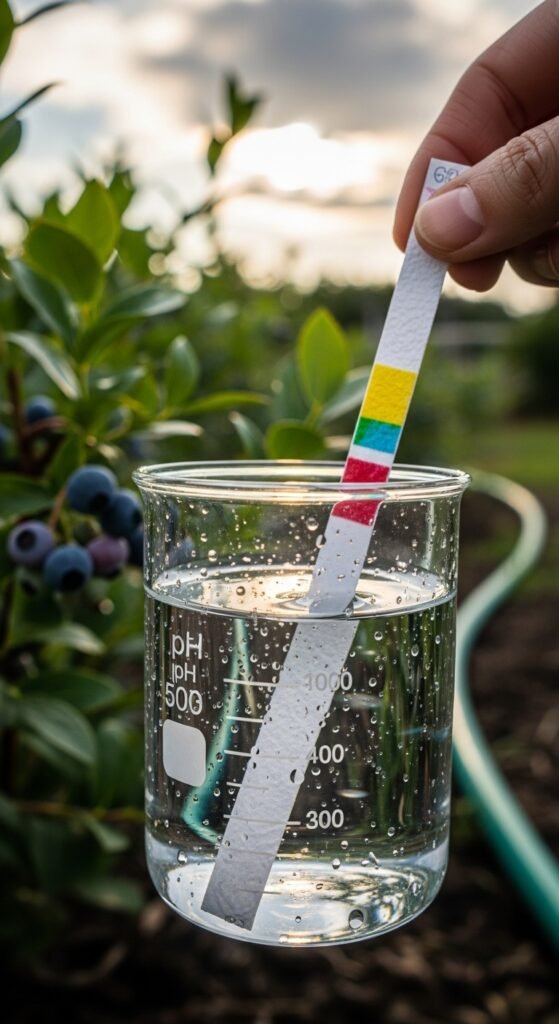
Collect samples and test with strips; if high, acidify with vinegar (1 tbsp per gallon). Install rain barrels for collection. For watering best practices, see our tips on effective watering routines for blueberries.
8) Build Raised Beds with Custom Soil
Raised beds allow complete control over blueberry soil pH by filling with a tailored acidic mix, bypassing native soil issues. This elevates drainage and warmth for roots.
Benefits include customized environments for maximum productivity, especially in alkaline regions. Easier maintenance and pest control add appeal.
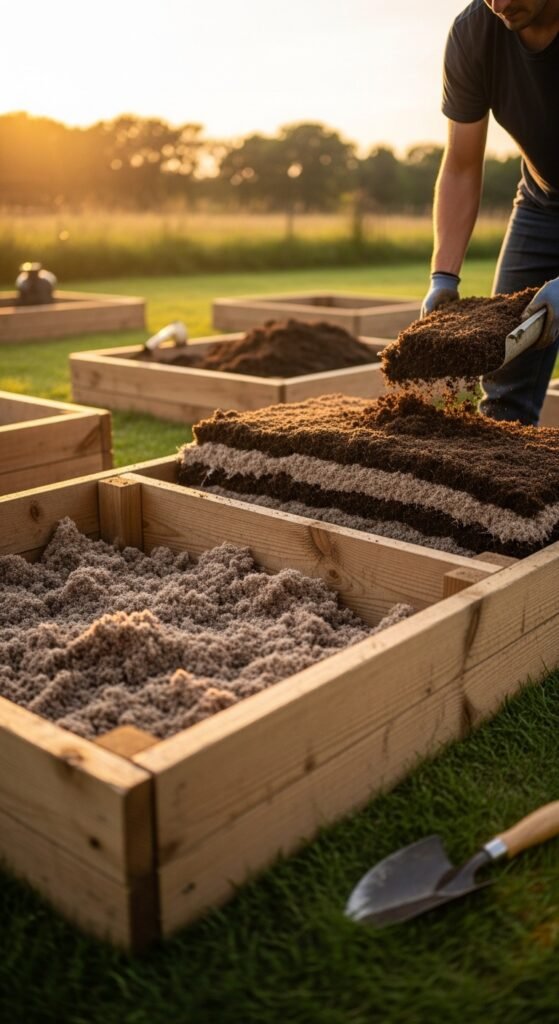
Construct 8-12 inch high beds, blend soil with peat and pine bark. Plant directly into the mix. For pruning integration, consult pruning techniques to enhance bush structure.
9) Use Coffee Grounds as an Amendment
Recycled coffee grounds add mild acidity and organic matter, improving soil texture for blueberries. They’re free and eco-friendly, decomposing to release nutrients slowly.
This enhances soil fertility and microbial activity, fostering resilient plants. Moderate use prevents compaction.
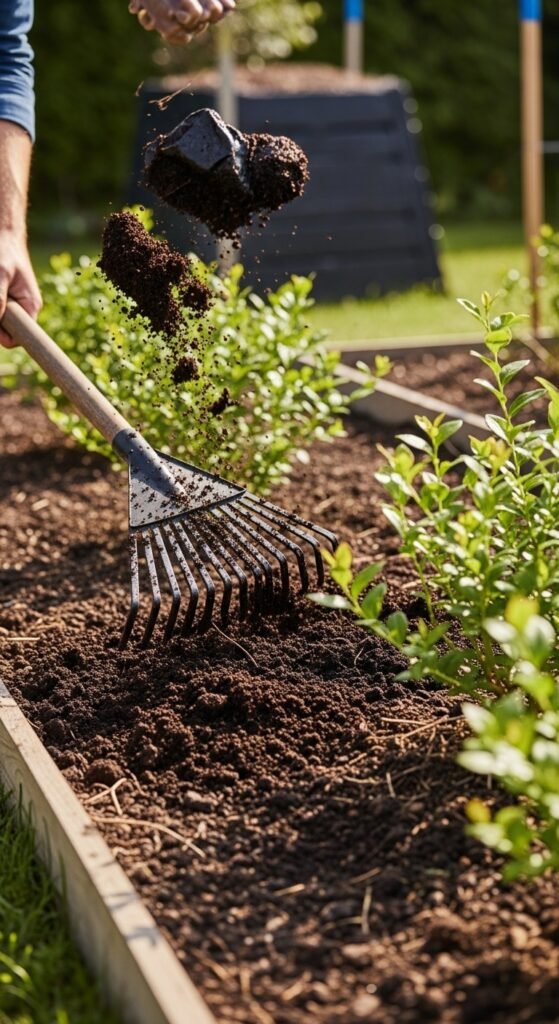
Sprinkle 1/2 inch layer around bushes biannually, mix lightly. Combine with compost for balance. For more on this, our detailed post on coffee grounds application awaits.
10) Incorporate Composted Oak Leaves
Oak leaves, when composted, provide a natural acidifier rich in tannins, mimicking blueberry habitats. They improve soil structure and retain moisture effectively.
Key perks: Sustainable pH maintenance with added humus for better aeration. Ideal for organic gardeners.
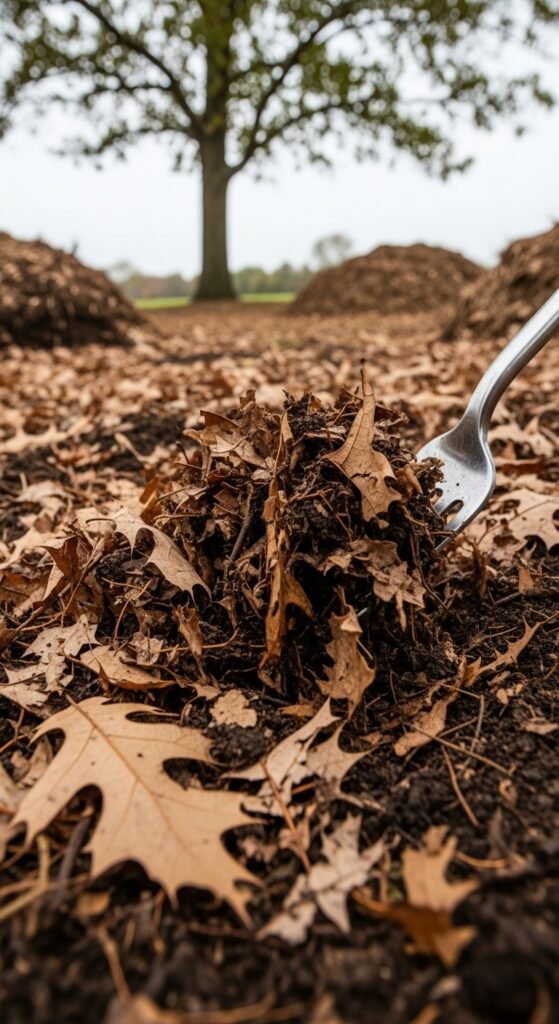
Collect, shred, and compost leaves for 6-12 months. Mix into topsoil at planting. For compost ideas, link to optimizing compost in raised beds.
11) Employ Iron Sulfate for Quick Fixes
Iron sulfate rapidly lowers pH and supplies iron, addressing chlorosis in blueberries. It’s a targeted solution for immediate corrections.
Offers fast symptom relief and nutrient boost, reviving struggling plants swiftly.
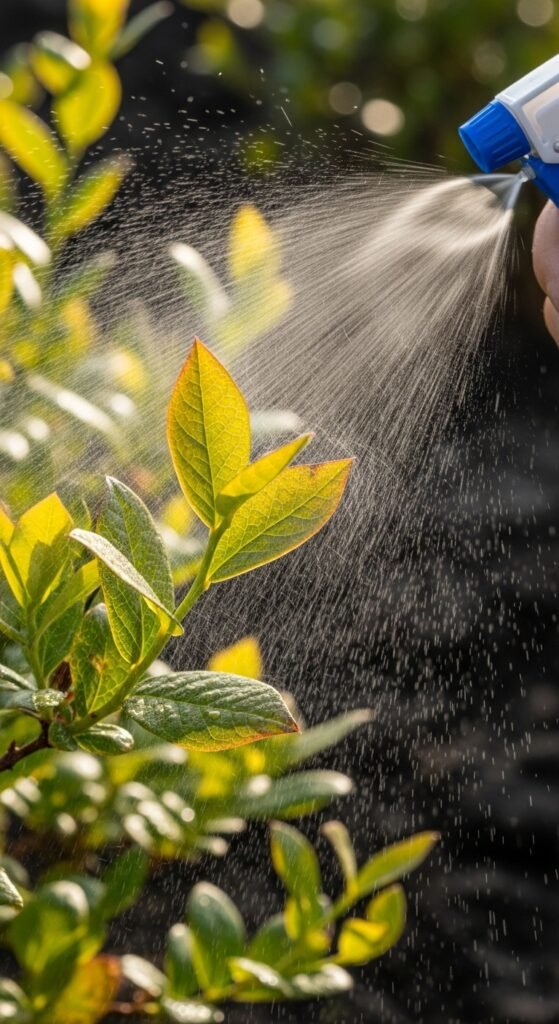
Dissolve and apply as foliar spray or soil drench per instructions. Retest after two weeks. Pair with container methods from our blueberries in pots guide.
12) Plant Acid-Loving Companions
Surround blueberries with rhododendrons or azaleas to share acidic conditions, enhancing biodiversity and soil stability.
This promotes mutual benefits like pest deterrence and aesthetic appeal.
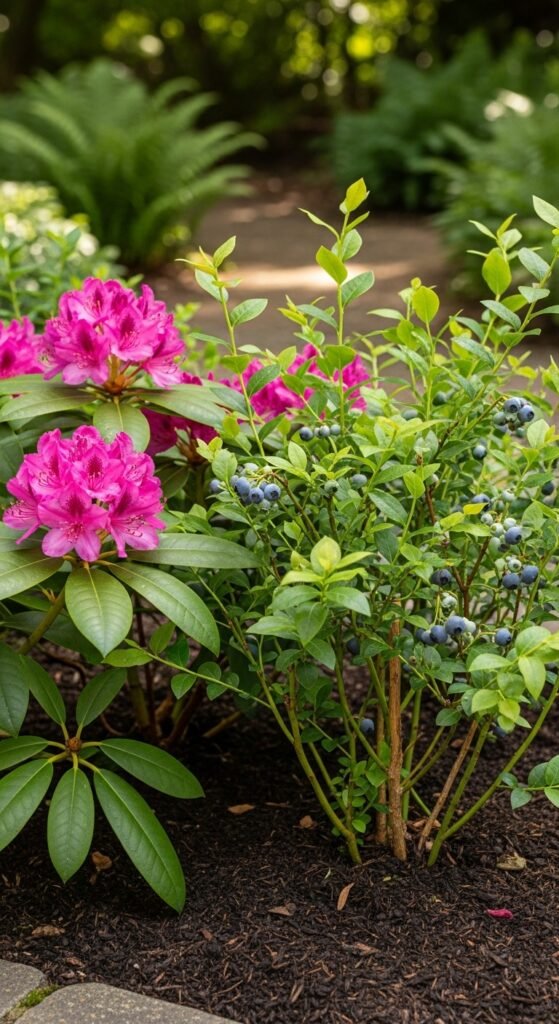
Select companions with similar needs; space appropriately. For ideas, our companion plants article expands on synergies.
13) Utilize Biochar for pH Stability
Biochar amends soil to buffer pH, retaining acidity longer in blueberry areas. It also boosts water and nutrient holding.
Delivers long-lasting soil enhancement for sustainable gardening.
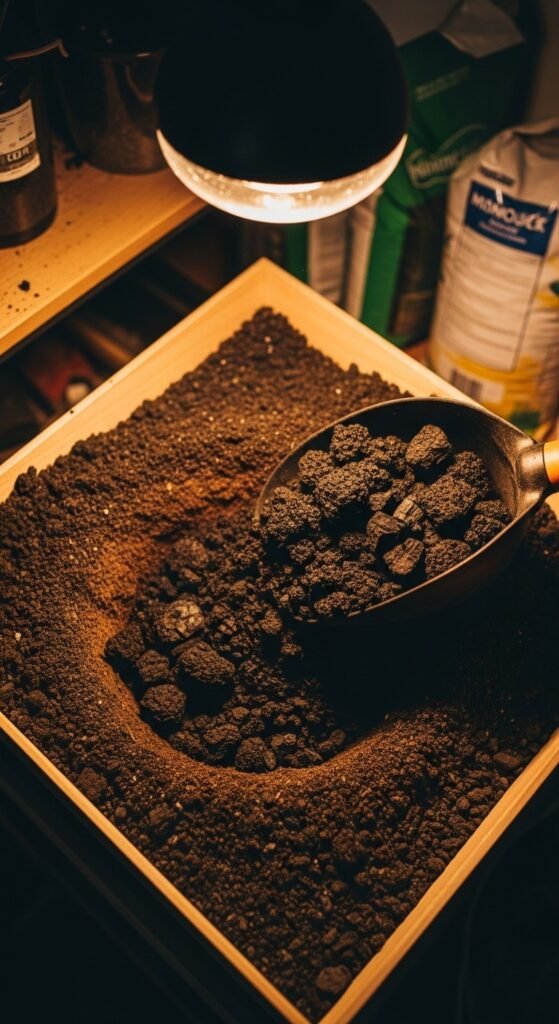
Mix 5-10% into soil before planting. Activate with compost. Explore biochar benefits in our soil improvement post.
14) Opt for Container Growing
Containers enable precise blueberry soil pH control with custom mixes, ideal for patios or poor native soils.
Provides flexibility and portability for optimal sun exposure.
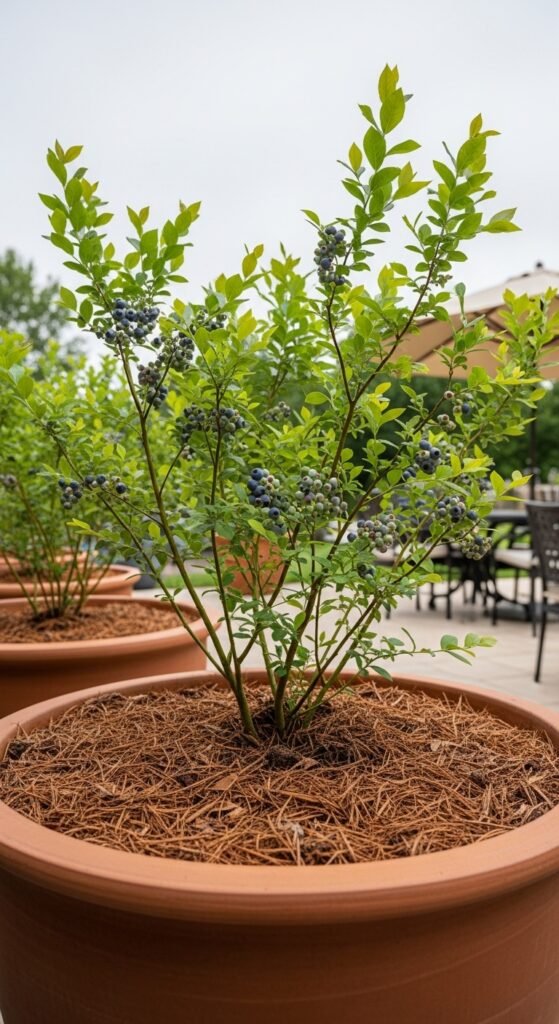
Use acidic potting soil; monitor drainage. Our container blueberries guide details setups.
15) Schedule Annual pH Adjustments
Make pH management a yearly ritual, adjusting based on tests to sustain ideal levels for blueberries.
Ensures ongoing vitality and peak yields through proactive care.
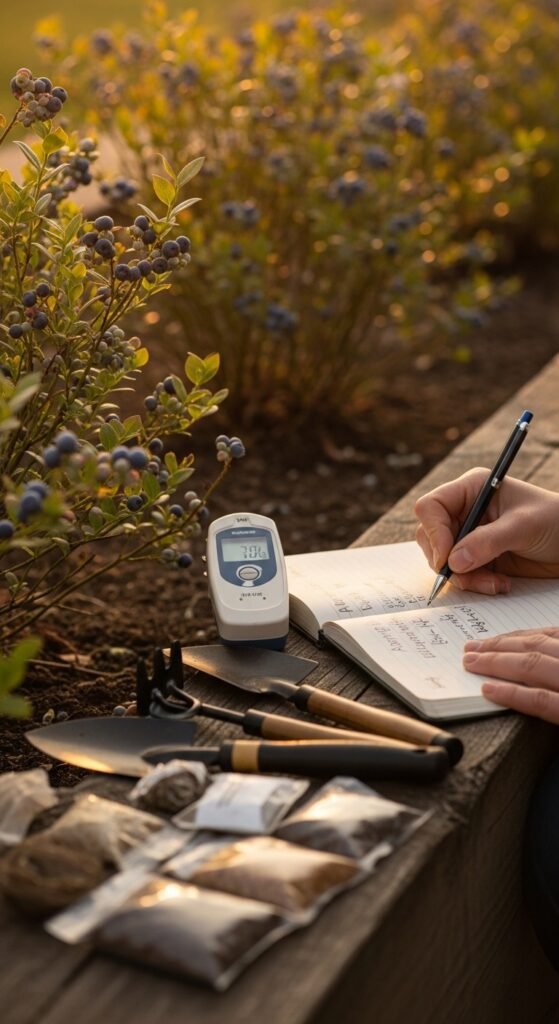
Review records, amend as needed in off-seasons. Integrate with overall fruit care from our fertilizing guide.
Key Principles for Blueberry Soil pH Management
Understanding Soil Acidity Dynamics
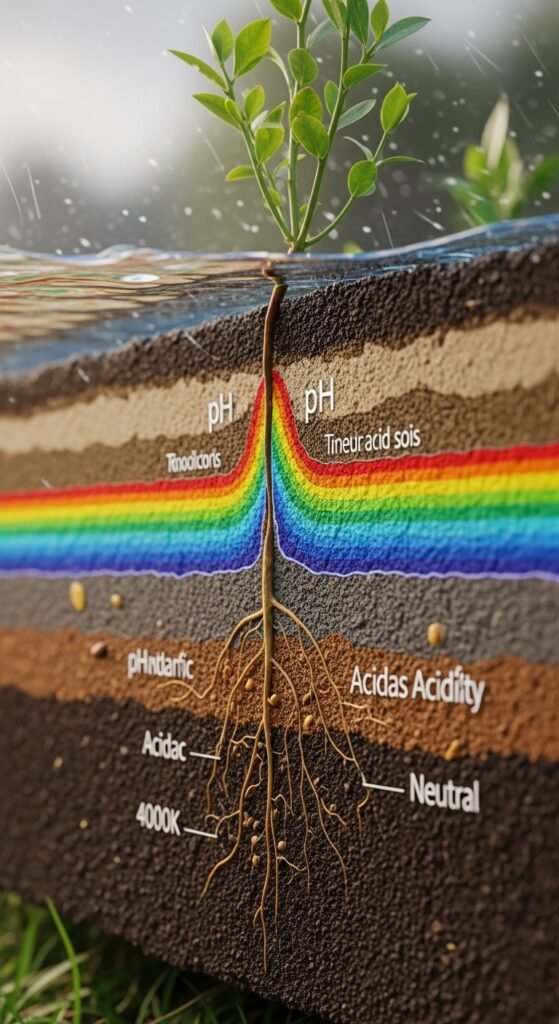
Soil pH fluctuates due to factors like decomposition and weather; grasp these to anticipate changes.
Balancing Amendments and Nutrients
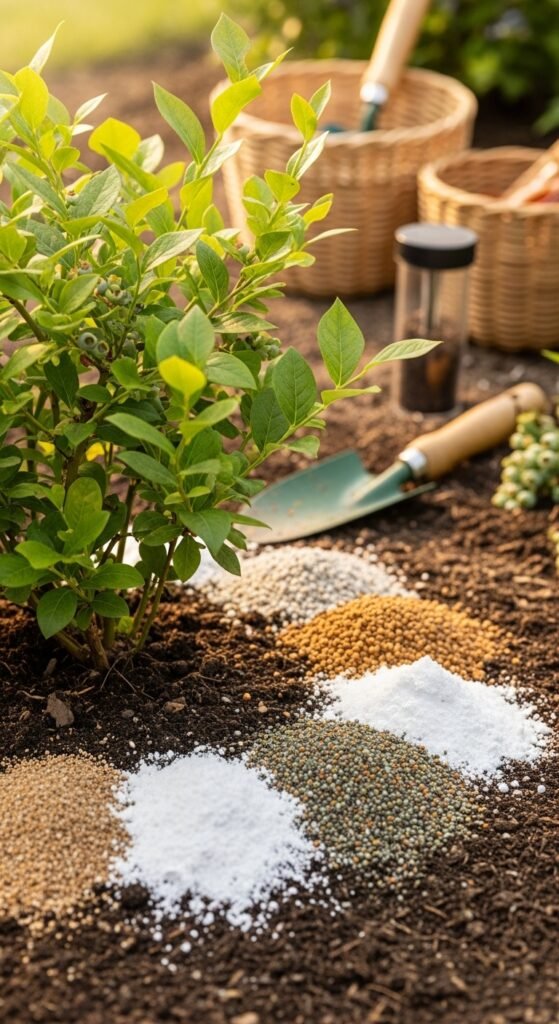
Combine pH adjusters with fertilizers for holistic care, avoiding excesses that disrupt balance.
Long-Term Monitoring Strategies
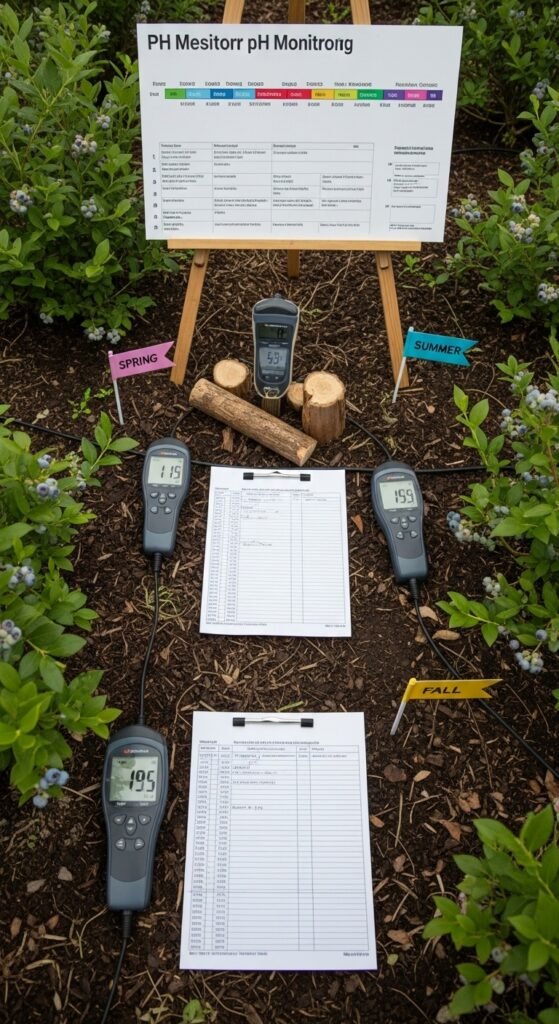
Use logs and tools for trends, enabling informed decisions for enduring success.
Frequently Asked Questions
What is the ideal pH range for blueberry soil?
The optimal pH for blueberries is 4.5 to 5.5, where they access key nutrients efficiently for healthy growth.
How can I lower my soil pH for blueberries?
Use sulfur, peat moss, or acidic mulches like pine needles; apply based on soil tests for gradual reduction.
Why do my blueberry leaves turn yellow?
Yellowing often indicates high pH causing iron deficiency; test and acidify soil to correct this issue.
Can I grow blueberries in neutral soil?
Neutral soil (pH 7) isn’t ideal, but amendments can acidify it; containers offer easier control.
How often should I test blueberry soil pH?
Test twice yearly, in spring and fall, or after major amendments to maintain the right balance.