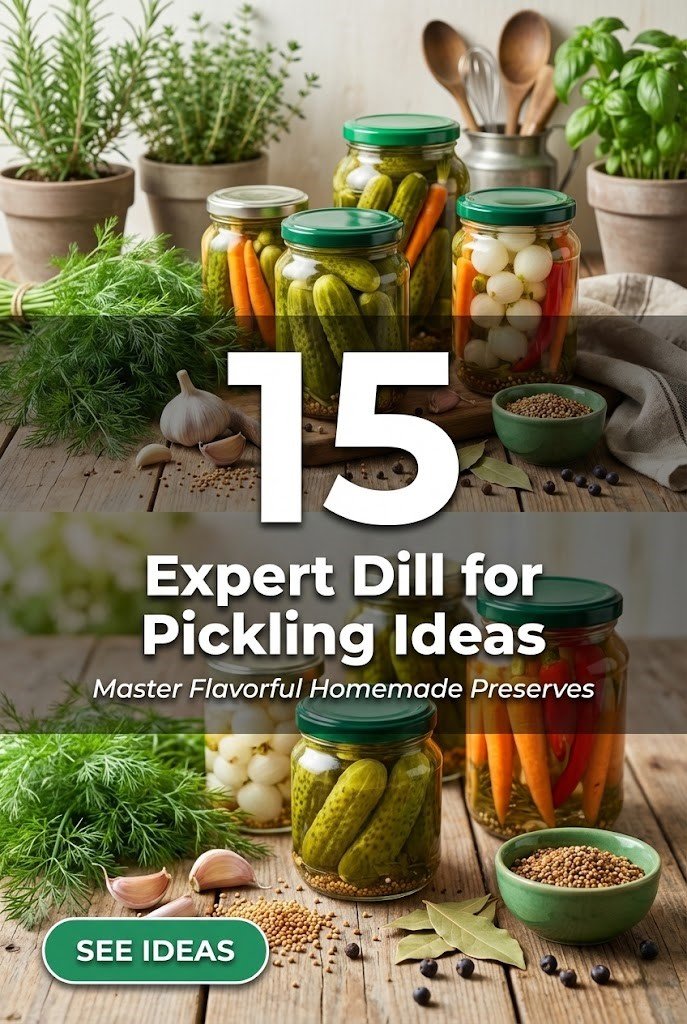
If you’re passionate about preserving your garden’s bounty, dill for pickling stands out as a must-have herb that imparts that signature tangy, aromatic flavor to your homemade pickles. Dill, with its feathery leaves and umbel-shaped flower heads, is a staple in pickling recipes worldwide, enhancing everything from cucumbers to beans with its fresh, slightly bitter notes. By incorporating dill for pickling into your process, you elevate simple vegetables into gourmet treats that capture the essence of summer.
The value of using fresh dill for pickling cannot be overstated—it provides superior taste compared to store-bought alternatives and allows you to control the quality and intensity of the flavor. Whether you’re a beginner or seasoned canner, these ideas will guide you through creative ways to use dill, ensuring your pickles are crisp, delicious, and packed with health benefits like improved digestion from the herb’s natural properties. Dive in to discover how dill for pickling can transform your kitchen adventures.
1) Growing Your Own Dill for Fresh Pickling
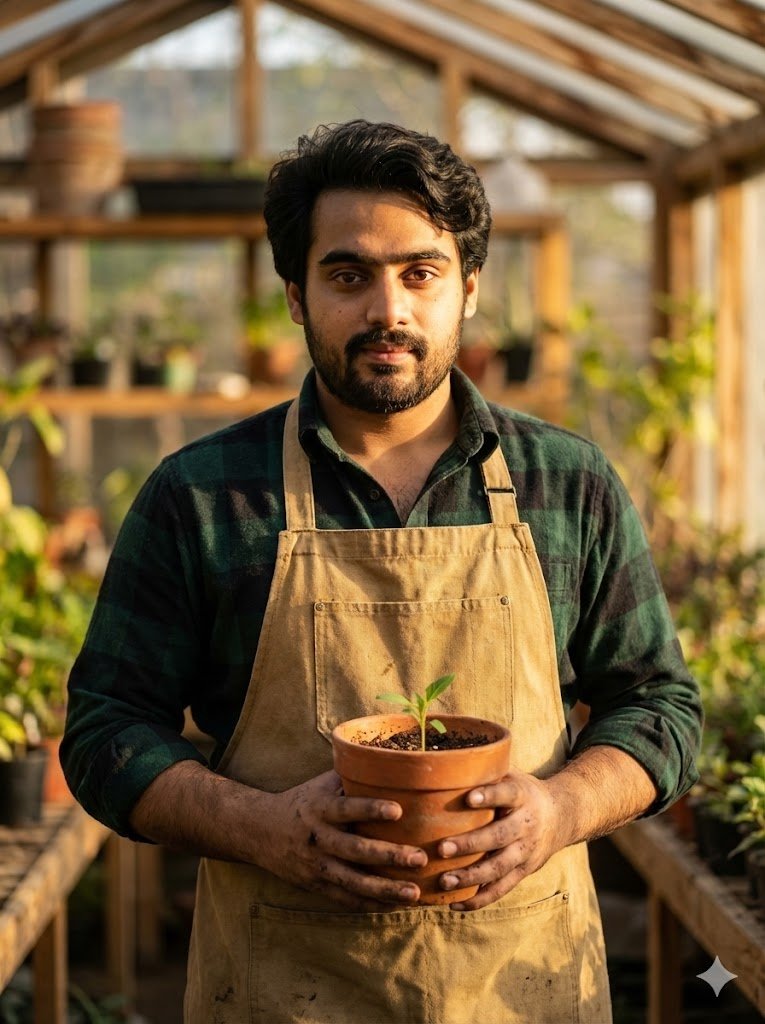
You can start by planting dill in your garden to ensure a steady supply for pickling season. Choose a sunny spot with well-drained soil, sowing seeds directly after the last frost. Dill grows quickly, reaching harvestable size in about 8 weeks, making it ideal for successive plantings.
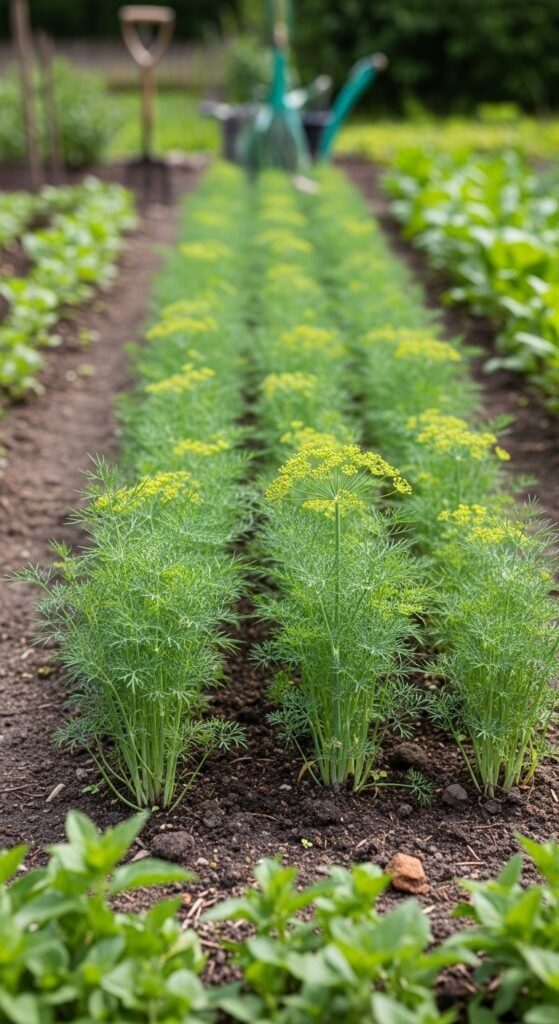
Why bother growing it yourself? Homegrown dill offers peak freshness, which translates to more potent flavors in your pickles compared to dried or store-bought versions. Plus, you’ll save money and enjoy the satisfaction of using your own herbs. For beginners, check out our guide on herb gardening for beginners to get started confidently.
How to do it: Space plants 12 inches apart, water regularly but avoid over-saturating, and harvest leaves or heads just as flowers bloom for optimal taste. This approach guarantees you have abundant dill for pickling whenever you need it, enhancing the authenticity of your preserves.
2) Selecting the Best Dill Varieties for Pickling
You should consider varieties like ‘Bouquet’ or ‘Dukat’ for pickling, as they produce large seed heads and flavorful foliage perfect for brines. These types are bred for abundance, ensuring you get plenty of material for multiple batches.
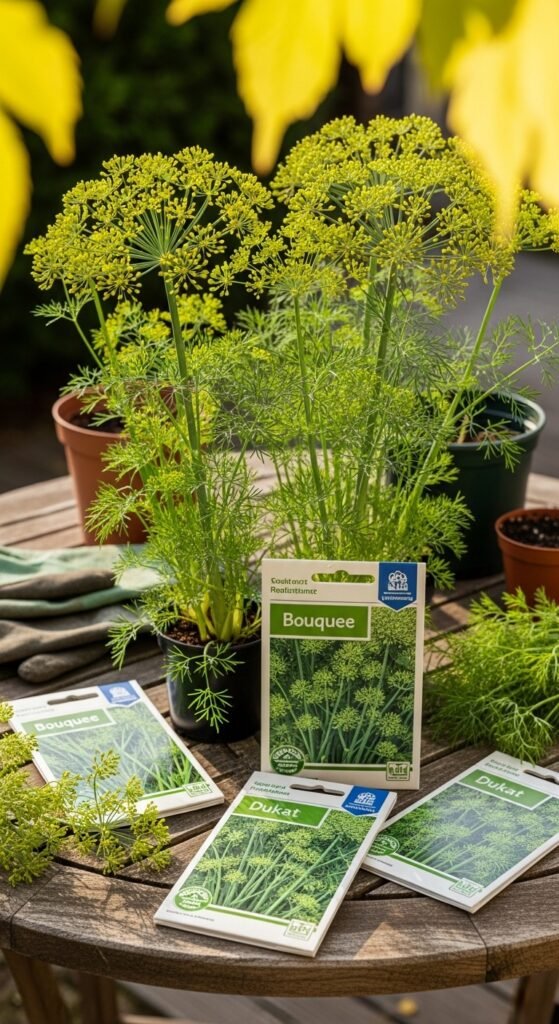
The reason these stand out is their robust aroma and resistance to bolting in heat, preserving quality during summer harvests. Using the right variety means your pickles will have that authentic dill punch without fading flavors. If you’re exploring more options, our article on drought-tolerant herbs can help you choose resilient plants.
To select and grow: Research seed catalogs for pickling-specific dill, plant in full sun, and fertilize lightly. Harvest at the right stage to maximize essential oils, leading to superior dill for pickling results in your jars.
3) Classic Cucumber Dill Pickles Recipe
You begin with fresh cucumbers, packing them into jars with dill heads, garlic, and spices before pouring over a hot vinegar brine. This timeless method yields crunchy pickles ready in weeks.
Why it’s a staple: The combination of dill’s herbal notes with vinegar creates a balanced tang that’s addictive and versatile for sandwiches or snacks. It’s a great entry point for using dill for pickling, building your confidence in preservation techniques.
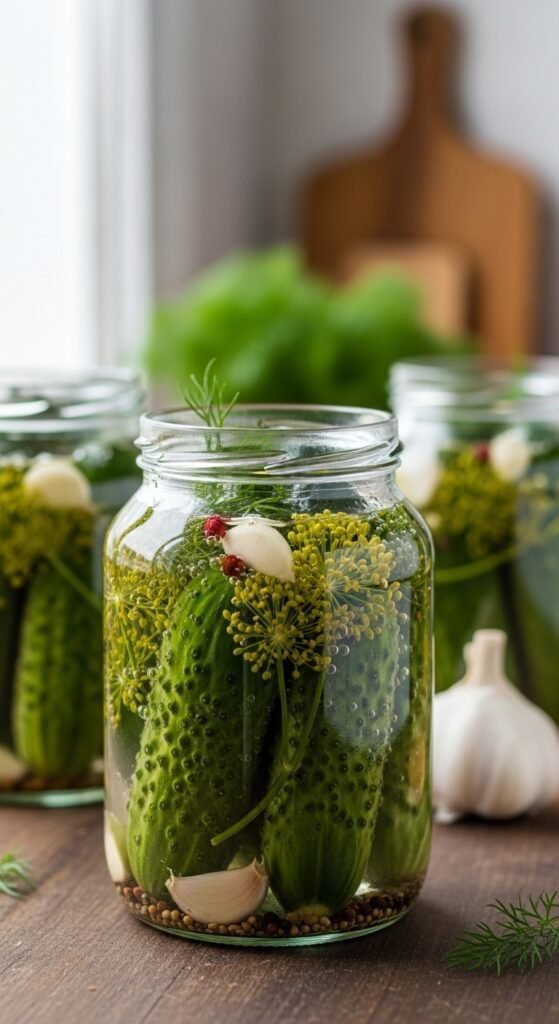
How to execute: Slice or spear cucumbers, add 1-2 dill sprigs per quart jar, boil a mix of water, vinegar, salt, and pickling salt, then process in a water bath. Store in a cool place for the flavors to meld, enjoying homemade goodness all year.
4) Garlic-Infused Dill Pickles
You enhance traditional pickles by adding smashed garlic cloves alongside dill fronds, creating a bold, savory twist that’s irresistible.
This idea shines because garlic complements dill’s freshness with pungent depth, making your pickles stand out at gatherings. It’s an easy upgrade that amplifies health benefits like immune support from both ingredients.
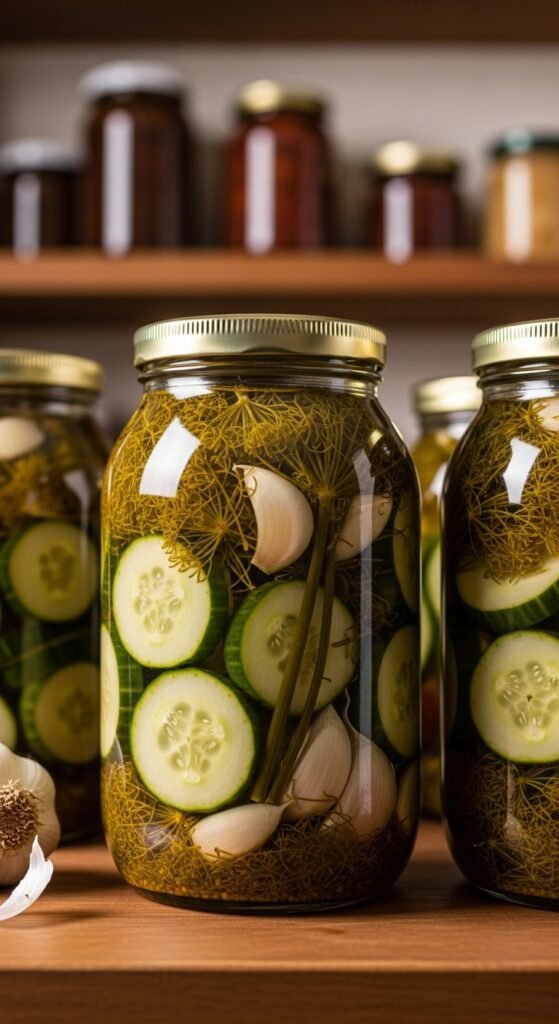
Step-by-step: Prepare cucumbers, layer with dill and garlic in jars, and use a brine recipe from our garlic dill pickles guide. Seal and refrigerate or can for longer storage, allowing flavors to infuse over time for maximum impact in your dill for pickling endeavors.
5) Spicy Dill Pickles with Jalapeños
You kick up the heat by incorporating sliced jalapeños into your dill pickle jars, balancing spice with the herb’s cooling essence.
The appeal lies in the exciting flavor contrast, appealing to those who crave adventure in their preserves. Spicy elements also boost metabolism, adding a wellness angle to your snacking.
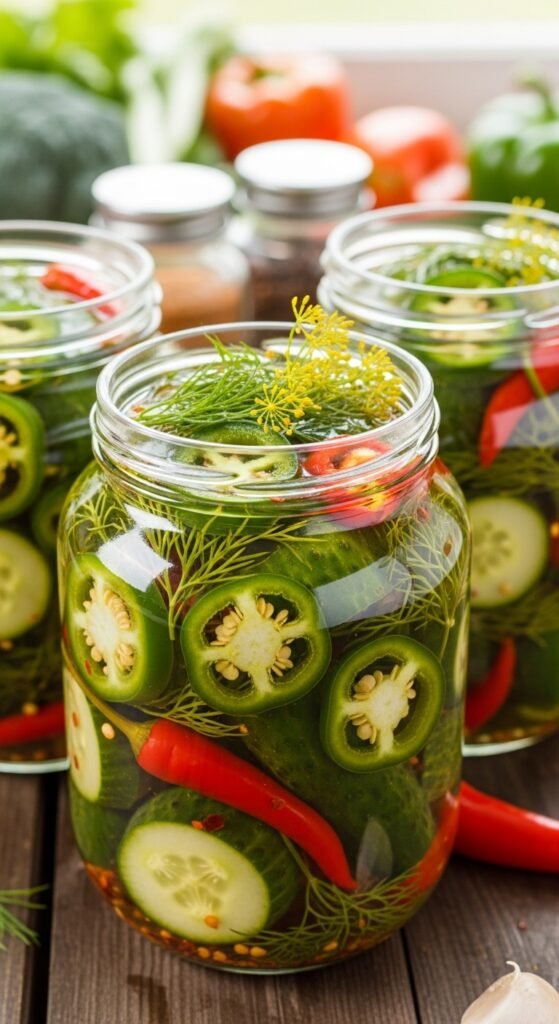
To make it: Pack cucumbers, dill, jalapeños, and spices, then cover with boiling brine. For inspiration on heat levels, refer to our tips on spicy pickles. Process safely and let sit for a week to develop that fiery dill for pickling profile you love.
6) Dill-Pickled Green Beans
You transform fresh green beans into crunchy snacks by pickling them with dill, garlic, and red pepper flakes for a zesty treat.
Why try this: It’s a fantastic way to use garden surplus, offering a low-calorie alternative to chips with dill’s distinctive flavor shining through. Perfect for appetizers or garnishes.
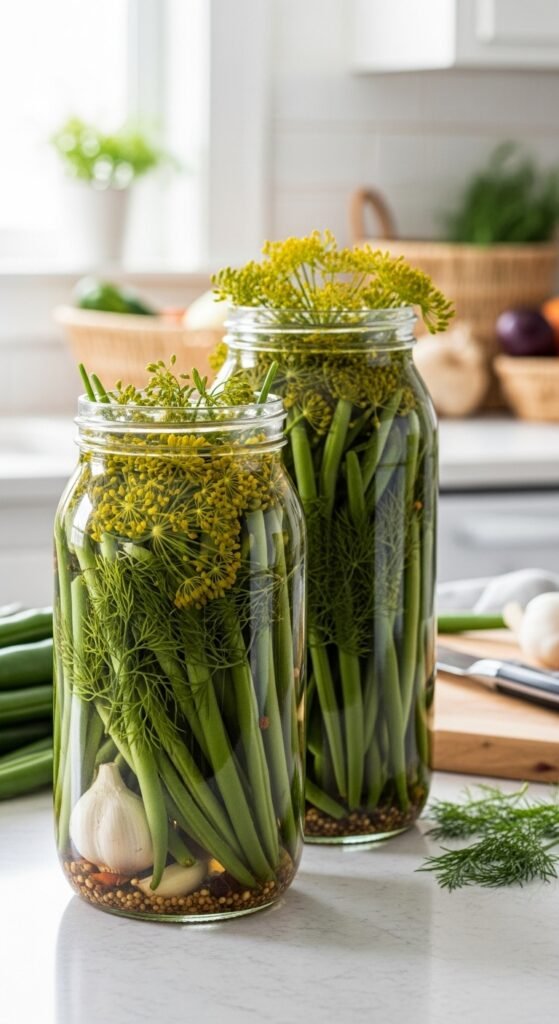
Method: Trim beans, pack upright in jars with dill sprigs, pour hot brine, and seal. Draw from our spicy dilly beans recipe for variations. This dill for pickling idea extends your harvest enjoyment effortlessly.
7) Dill-Pickled Carrots for Crunchy Bites
You create vibrant pickled carrots by slicing them thinly and combining with dill in a sweet-sour brine for colorful additions to meals.
This stands out for its visual appeal and nutritional boost, with carrots providing vitamins alongside dill’s digestive aids. Ideal for salads or charcuterie boards.
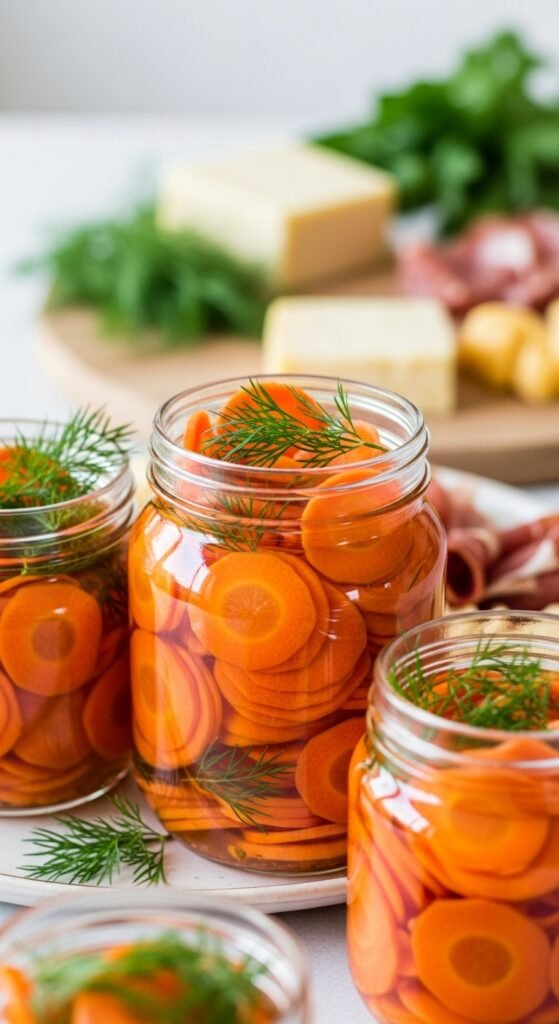
How: Blanch carrots briefly, add to jars with dill, and cover with vinegar mixture. Explore more in our post on pickled carrots. Your dill for pickling repertoire expands with this simple, satisfying option.
8) Fermented Dill Pickles for Probiotic Benefits
You opt for natural fermentation by submerging cucumbers in saltwater with dill, allowing beneficial bacteria to develop tangy flavors over days.
The why: Fermentation enhances gut health through probiotics, and dill adds authentic taste without vinegar. It’s a traditional method yielding superior texture.
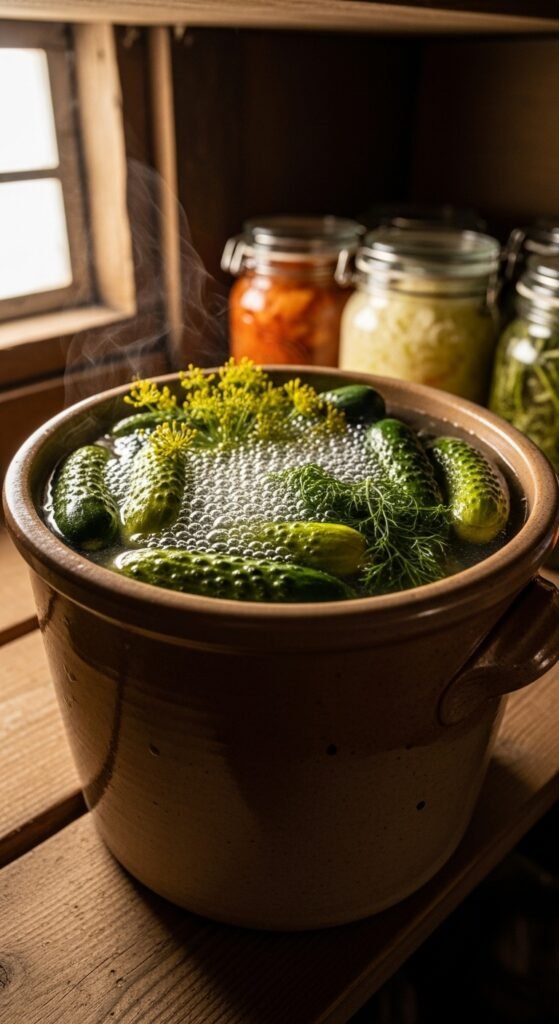
Process: Use a crock or jars, weight down veggies, and monitor for 5-7 days. Our fermented pickles insights ensure success. Embrace this dill for pickling technique for healthful, homemade ferments.
9) Quick Refrigerator Dill Pickles
You whip up fast pickles by slicing cucumbers, adding dill to jars, and refrigerating in a simple brine for immediate enjoyment.
Ideal for quick results, this method preserves crispness and dill’s fresh aroma without canning equipment, perfect for small batches.
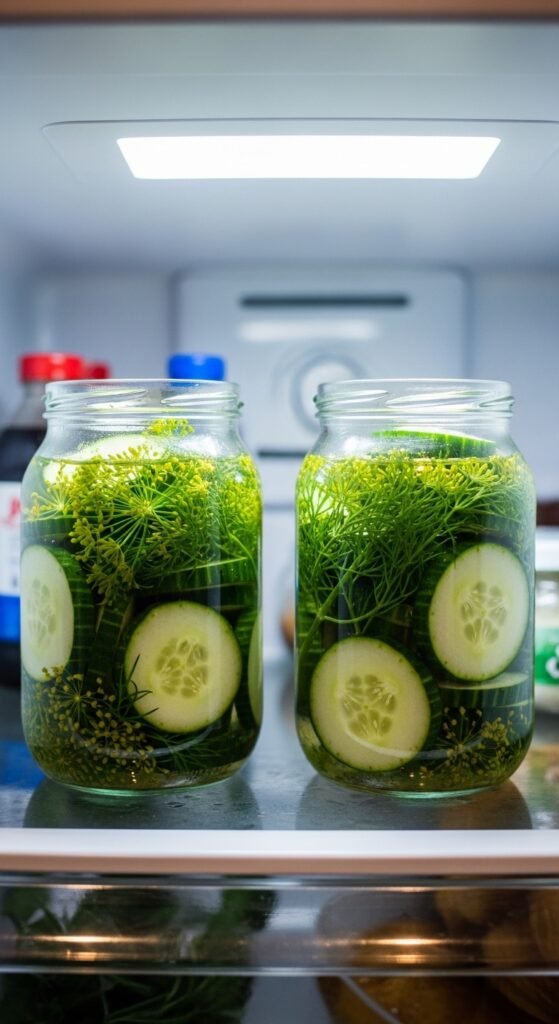
Steps: Mix vinegar, water, salt, pour over packed jars, and chill for 24 hours. Reference our refrigerator pickles for tips. This dill for pickling idea fits busy lifestyles seamlessly.
10) Using Dill Seeds Versus Flower Heads
You experiment with dill seeds for a milder, nutty flavor or flower heads for intense aroma in your pickling brines.
Understanding the difference allows tailored tastes—seeds for subtlety, heads for boldness—enhancing versatility in recipes.
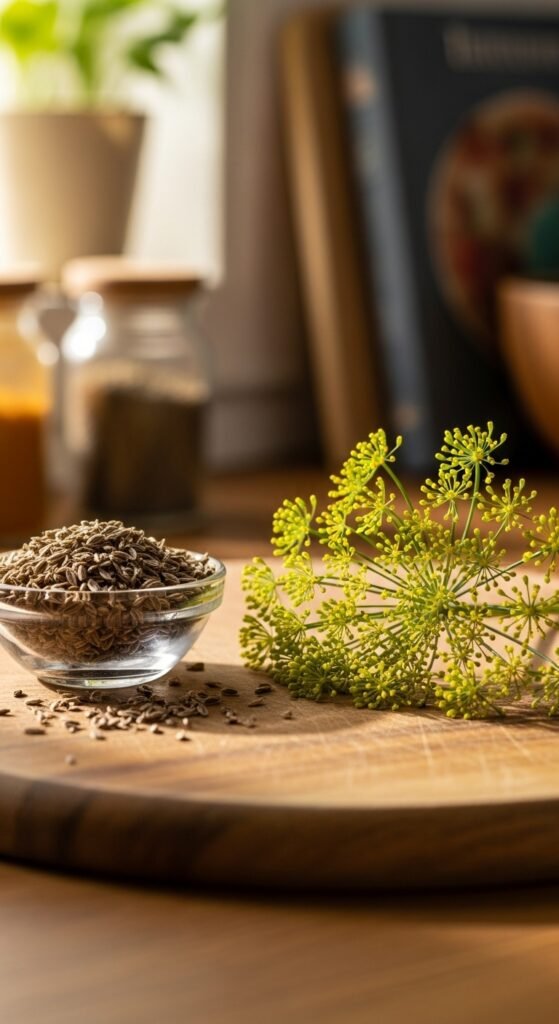
Application: Toast seeds lightly or use fresh heads in jars. For herb preservation ideas, see freezing fresh herbs. Master this to refine your dill for pickling artistry.
11) Pairing Dill with Complementary Herbs
You blend dill with herbs like mustard seeds or bay leaves to create complex pickle profiles that surprise the palate.
This elevates standard recipes, introducing layers of flavor while maintaining dill’s prominence for unique preserves.
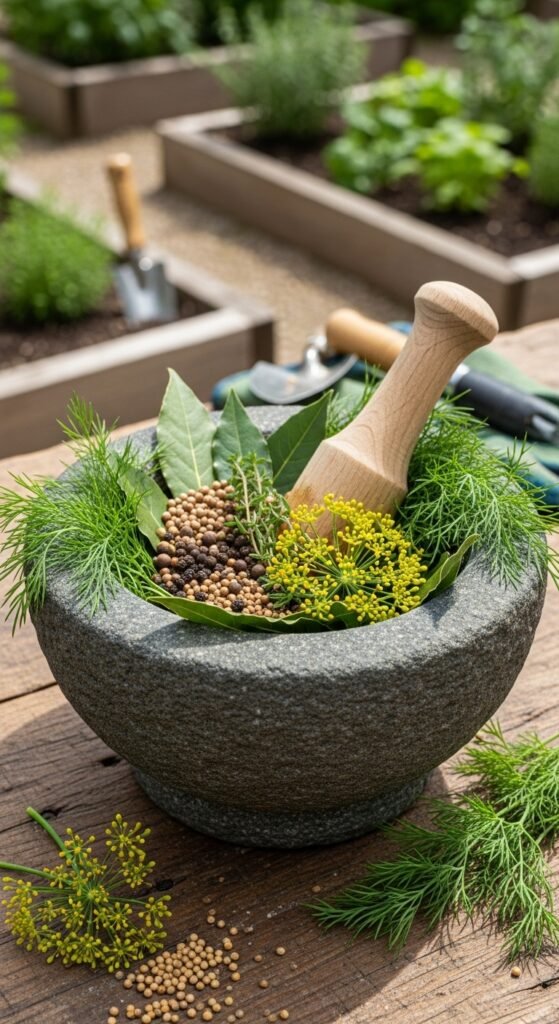
How to pair: Test combinations in small jars, drawing from companion planting herbs principles. Your dill for pickling becomes more adventurous and customized.
12) Safe Canning Techniques for Dill Pickles
You ensure safety by using proper water bath methods, sterilizing jars, and maintaining headspace when canning dill-infused pickles.
Crucial for preventing spoilage, these practices guarantee long-shelf life and peace of mind with your homemade goods.
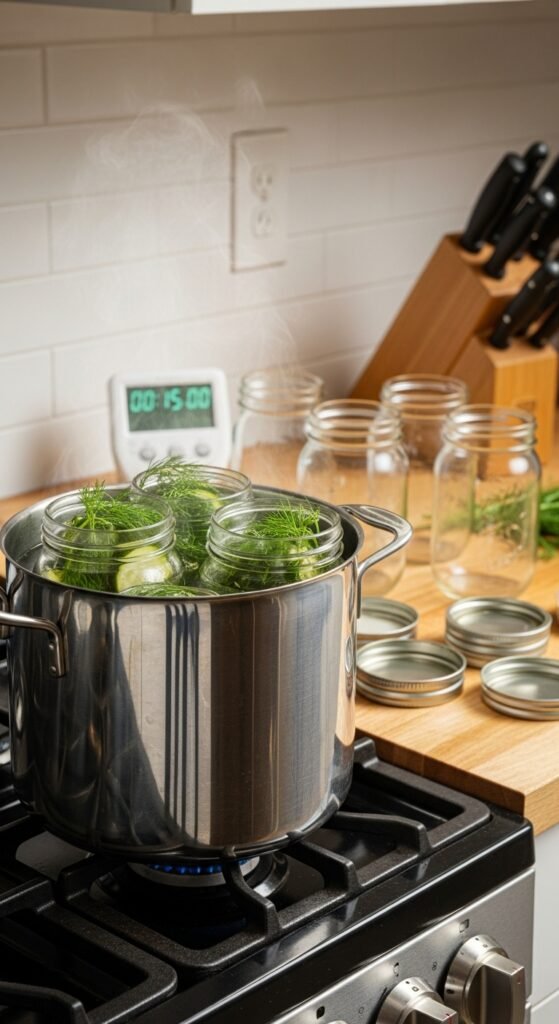
Follow: Acidify brines correctly, process for recommended times. Consult our vinegar for pickling for acidity tips. Secure your dill for pickling success with these essentials.
13) Sweet Dill Pickles with Honey
You add honey or sugar to brine for a sweet-tangy dill pickle variation that’s kid-friendly and versatile.
Balances dill’s sharpness with sweetness, appealing to diverse tastes and great for relishes.
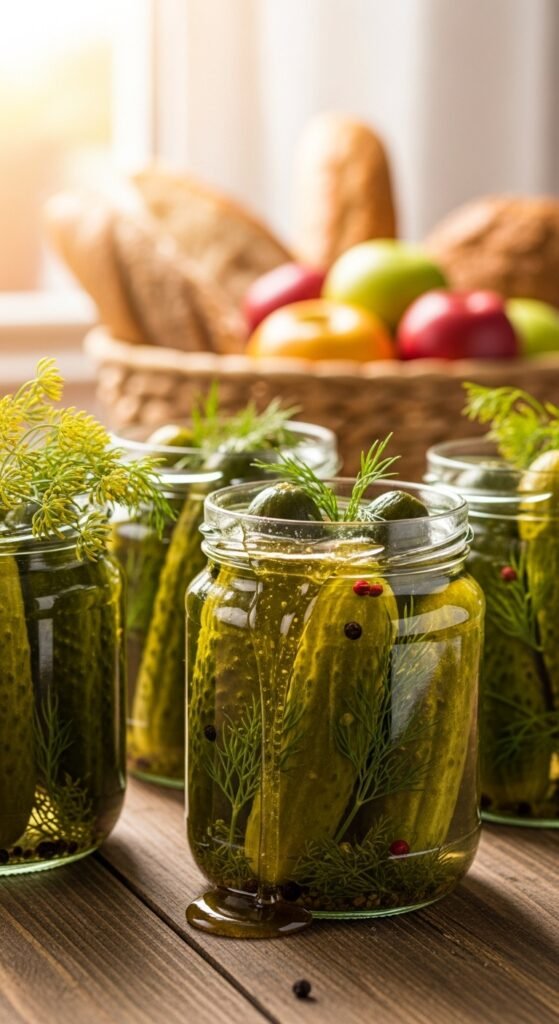
Recipe: Adjust sweetness in standard brine, can as usual. Inspired by our sweet pickles. This twist refreshes your dill for pickling lineup.
14) Dill-Pickled Red Onions for Toppings
You quick-pickle red onions with dill for zesty toppings on tacos or salads, adding color and crunch.
Enhances meals with minimal effort, dill providing herbal contrast to onion’s sharpness.
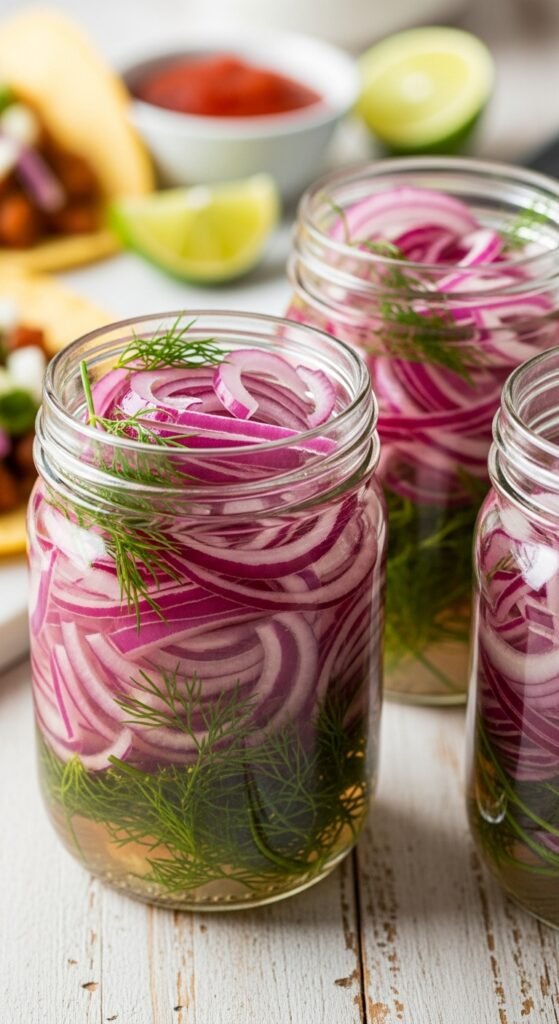
Method: Slice onions, infuse with dill in vinegar, refrigerate. See pickled red onions for details. Incorporate into your dill for pickling routine easily.
15) Experimenting with Dill in Exotic Pickles
You venture beyond classics by pickling exotic veggies like okra or cauliflower with dill for innovative flavors.
Expands your culinary horizons, using dill to unify diverse ingredients in exciting ways.
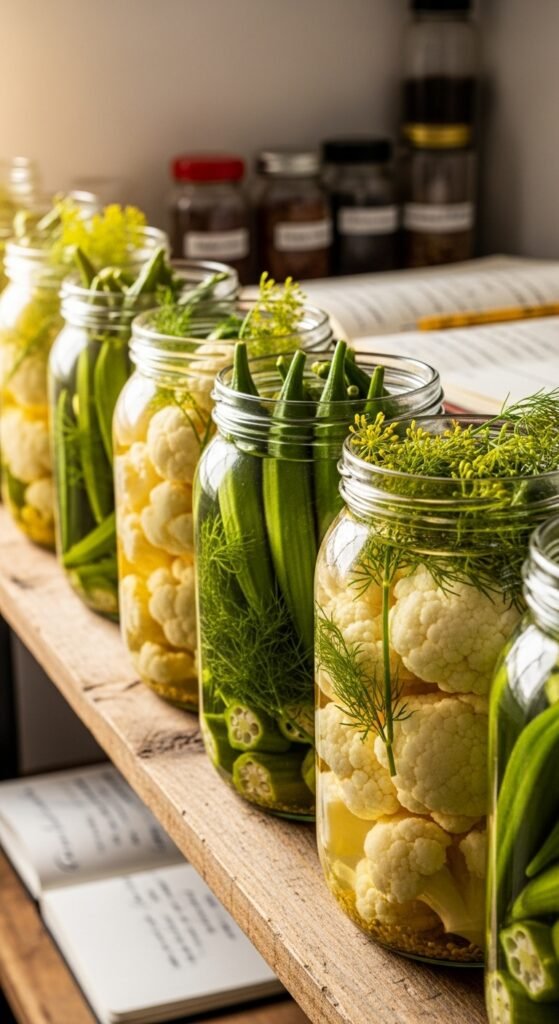
Tips: Adapt brines, test small batches. For drying excess herbs, try drying herbs at home. This dill for pickling idea sparks creativity in your kitchen.
Key Tips for Mastering Dill in Pickling
Best Practices for Flavor Extraction
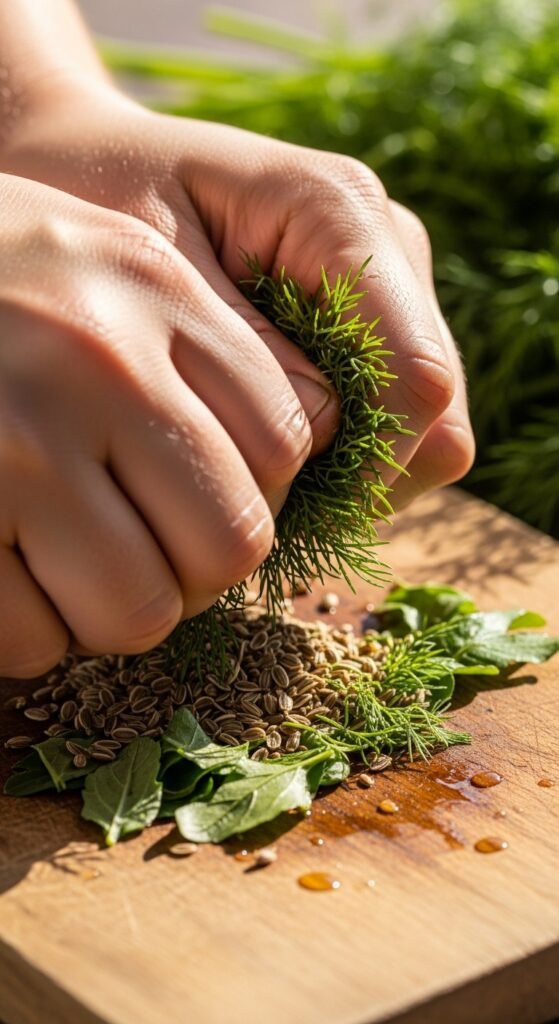
You maximize dill’s potential by crushing seeds slightly or bruising leaves before adding to jars, releasing essential oils for deeper infusion.
Common Mistakes to Avoid
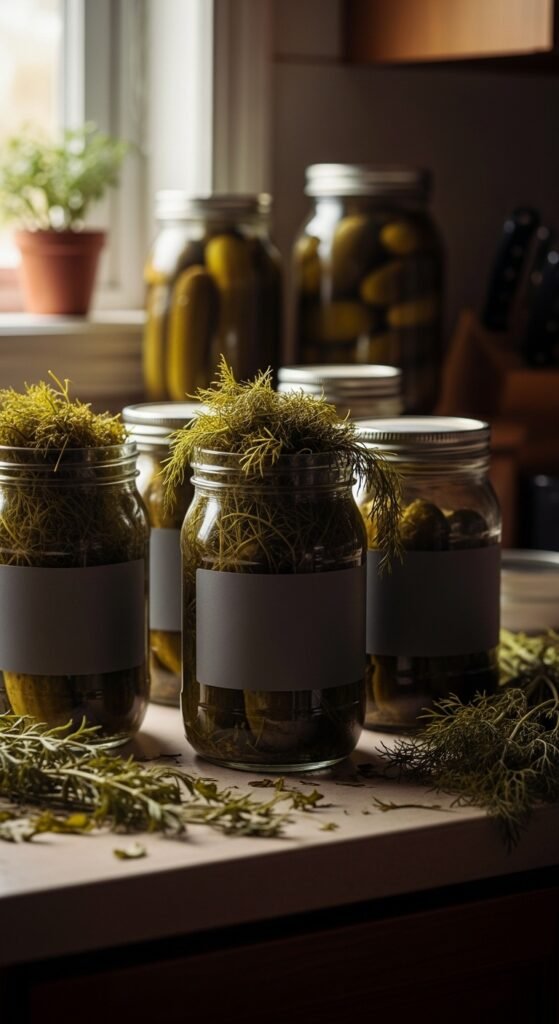
You steer clear of overpacking dill, which can overpower other flavors, or using wilted herbs that diminish freshness in your pickles.
Storage and Shelf Life Advice
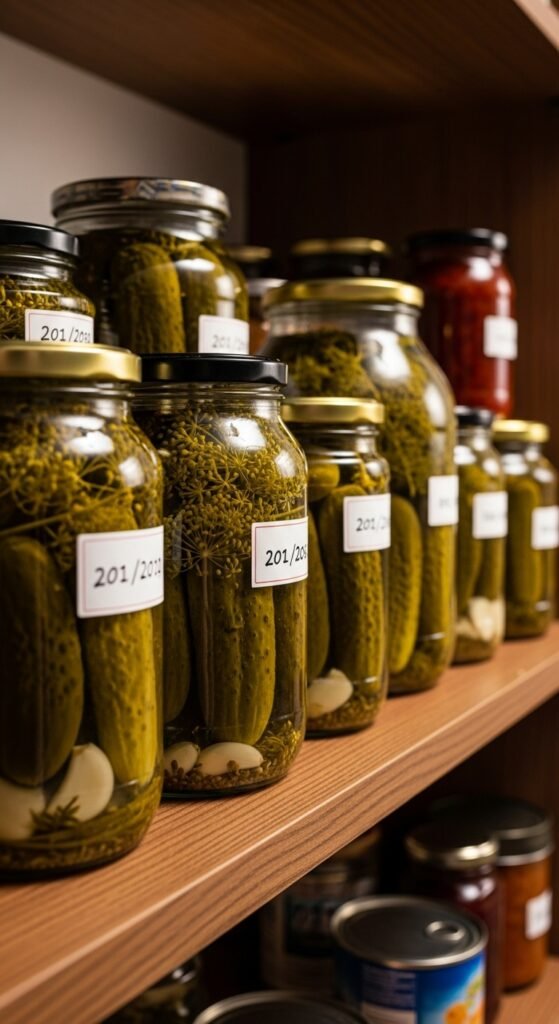
You store finished jars in a cool, dark place, checking seals regularly to ensure your dill for pickling creations last up to a year.
Frequently Asked Questions
How much dill should I use per jar for pickling?
Typically, use 1-2 fresh dill heads or 1 tablespoon of seeds per quart jar, adjusting based on your taste preference for intensity.
What is the difference between fresh and dried dill for pickling?
Fresh dill provides brighter, more vibrant flavors, while dried offers convenience but less potency, so use about half the amount if substituting.
Can I grow dill specifically for pickling?
Yes, focus on varieties that produce large heads, planting in succession to have a continuous supply during peak pickling season.
Is dill essential for all pickle recipes?
No, but it’s iconic for many, especially kosher-style pickles; experiment with omissions or substitutes like fennel for variety.
How do I prevent my dill pickles from becoming soft?
Ensure crispness by using fresh produce, adding grape leaves for tannins, and processing promptly without overcooking.