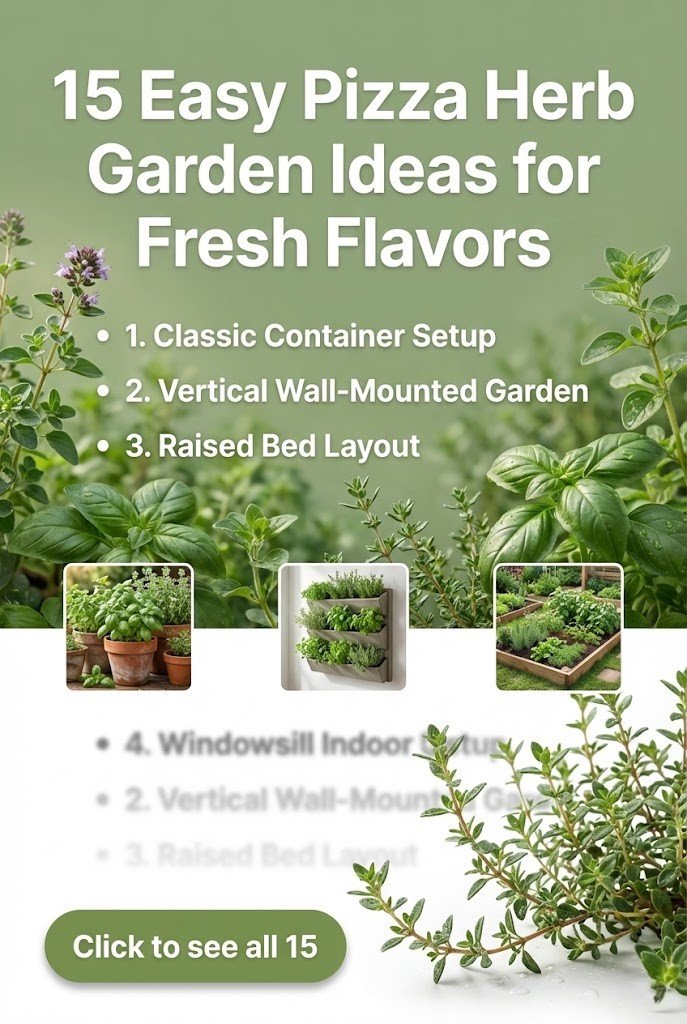
Imagine plucking fresh basil, oregano, and thyme right from your own backyard or windowsill to top your homemade pizza. A pizza herb garden is a specialized setup focused on growing essential herbs like basil, oregano, thyme, rosemary, and parsley that bring authentic Italian flavors to your dishes. Not only does it provide endless fresh ingredients for pizzas, sauces, and salads, but it also adds aromatic beauty to your space while promoting sustainable living.
Whether you’re a beginner gardener or a seasoned pro, starting a pizza herb garden is straightforward and rewarding. You’ll enjoy the convenience of homegrown herbs that taste far superior to store-bought ones, saving money and reducing waste. These ideas will guide you through various setups, ensuring you can cultivate these flavorful plants in any environment, from small apartments to spacious yards.
1) Classic Container Pizza Herb Garden
You can kick off your pizza herb garden with simple containers, perfect for patios or balconies. Choose terracotta pots for their breathability, filling them with well-draining soil mixed with compost. Plant basil in the center for its bushy growth, surrounding it with oregano and thyme for a compact arrangement. This setup allows easy mobility, so you can chase the sun or bring plants indoors during cooler months.
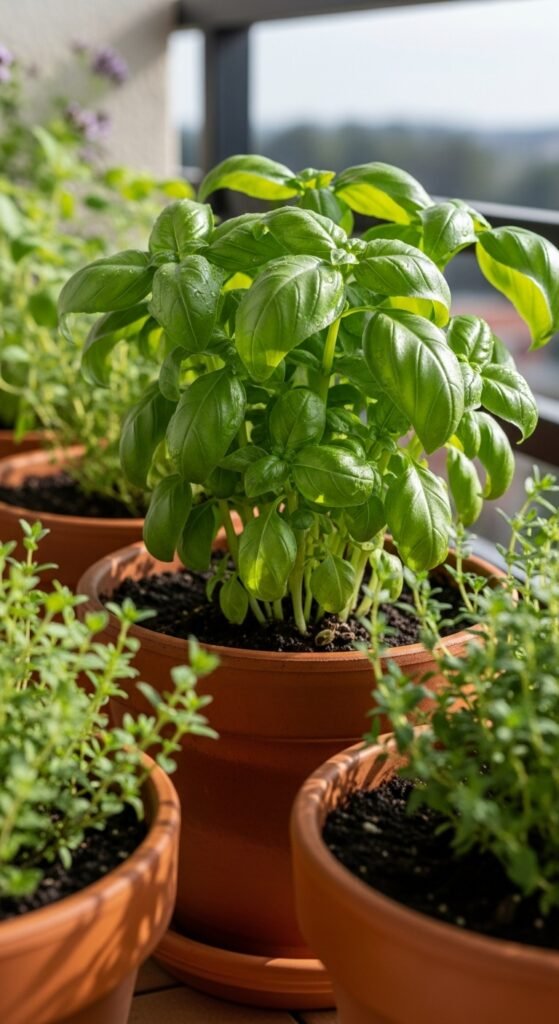
Why opt for containers? They offer flexibility and pest control, making it ideal if space is limited. Water consistently but avoid sogginess to prevent root rot, and harvest leaves regularly to encourage fuller plants. In about 6-8 weeks, you’ll have abundant herbs ready for your pizza nights. For beginners, this method minimizes errors while delivering quick results.
To expand your skills, consider incorporating herb gardening basics like proper sunlight exposure—aim for 6 hours daily. Soon, you’ll savor the difference in your homemade marinara.
2) Vertical Wall-Mounted Pizza Herb Garden
Transform a blank wall into a thriving pizza herb garden using vertical planters or pocket systems. Mount fabric pouches or wooden shelves on a sunny fence, planting rosemary at the top for its trailing habit and basil below to catch drips. This space-saving design maximizes vertical real estate, ideal for urban dwellers with limited ground area.
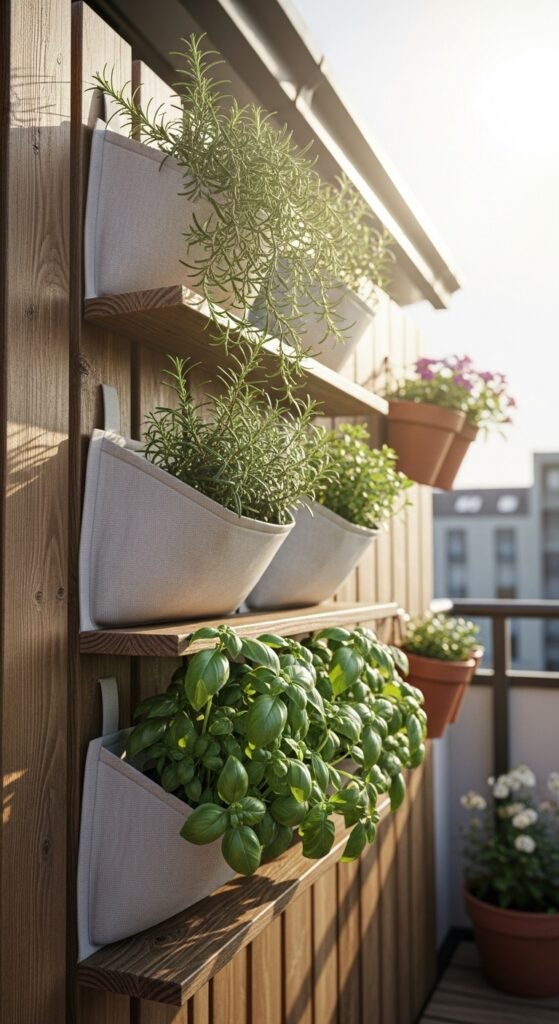
The benefits include improved air circulation and easier harvesting, reducing disease risks. Use a drip irrigation system for even watering, and fertilize monthly with organic options. You’ll appreciate how this setup turns an eyesore into a fragrant focal point, providing herbs like thyme for your favorite pizza recipes.
For optimal growth, pair this with vertical herb gardening techniques to ensure stability and sunlight access. It’s a creative way to keep your pizza ingredients at arm’s reach.
3) Raised Bed Pizza Herb Garden Layout
Build a dedicated raised bed for your pizza herb garden to enjoy better soil control and ergonomics. Construct a 4×4 foot frame from untreated wood, filling it with a mix of topsoil and compost. Arrange oregano and thyme along the edges, with basil and parsley in the middle for easy access and companion benefits.
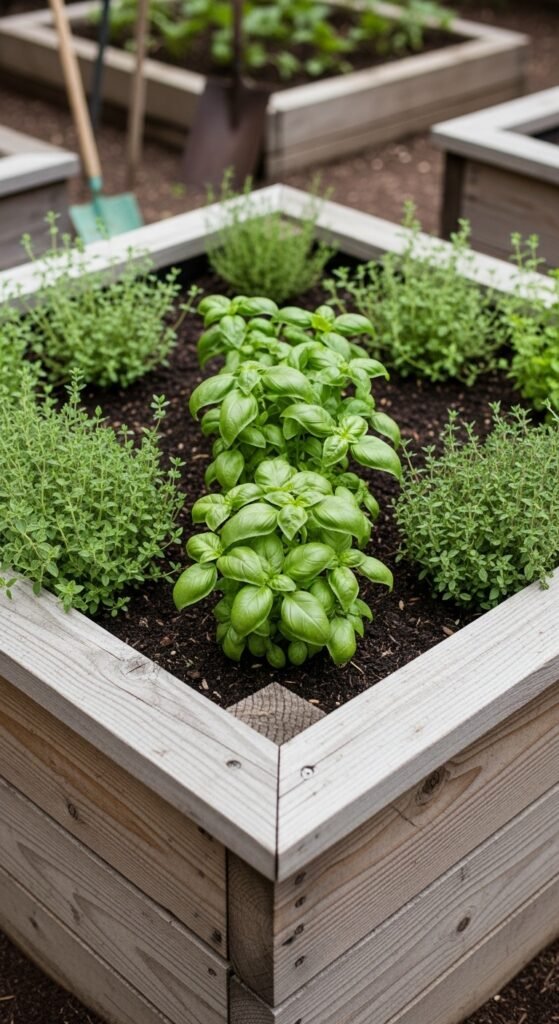
This approach yields higher productivity and fewer weeds, as the elevated structure warms soil faster in spring. Mulch with straw to retain moisture, and rotate crops annually to maintain soil health. You’ll harvest bountiful herbs throughout the season, elevating your pizza game effortlessly.
Enhance your design by exploring raised bed herb setups, which offer tips on depth and drainage for thriving plants.
4) Windowsill Indoor Pizza Herb Garden
Set up a cozy windowsill pizza herb garden for year-round access, even in apartments. Use small pots or a multi-tiered tray on a south-facing window, planting compact varieties like dwarf basil and creeping thyme. Supplement light with LED grow bulbs during shorter days to mimic outdoor conditions.
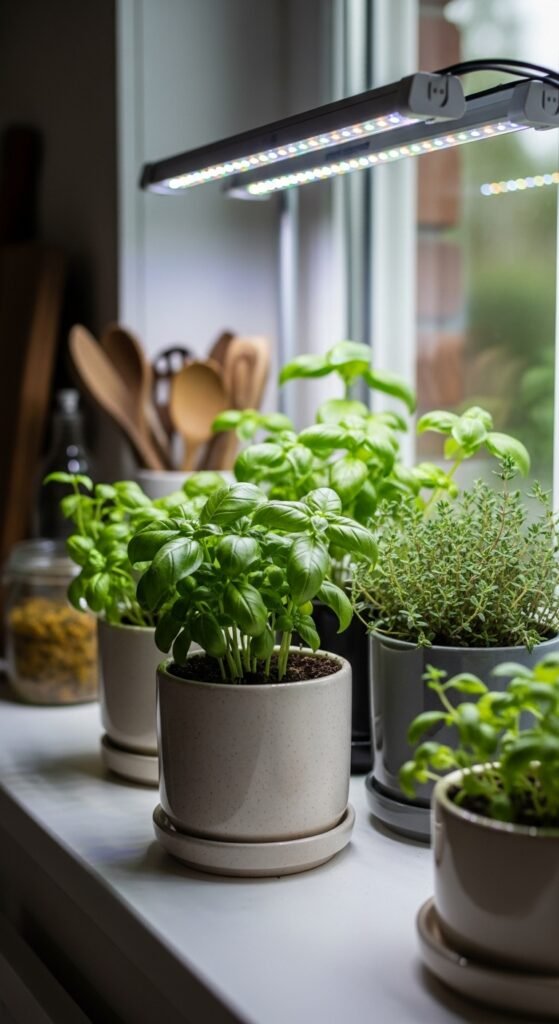
You’ll gain convenience and freshness without stepping outside, perfect for spontaneous cooking. Keep soil moist but not wet, and pinch tips to promote bushiness. This mini oasis not only supplies pizza herbs but also purifies indoor air.
Dive deeper into indoor herb garden concepts for lighting and ventilation strategies that ensure success.
5) Hydroponic Pizza Herb Garden System
Go high-tech with a hydroponic pizza herb garden, growing herbs in nutrient-rich water without soil. Invest in a countertop kit like AeroGarden, seeding basil, oregano, and rosemary in pods. The system automates lighting and feeding, making it foolproof for busy lifestyles.
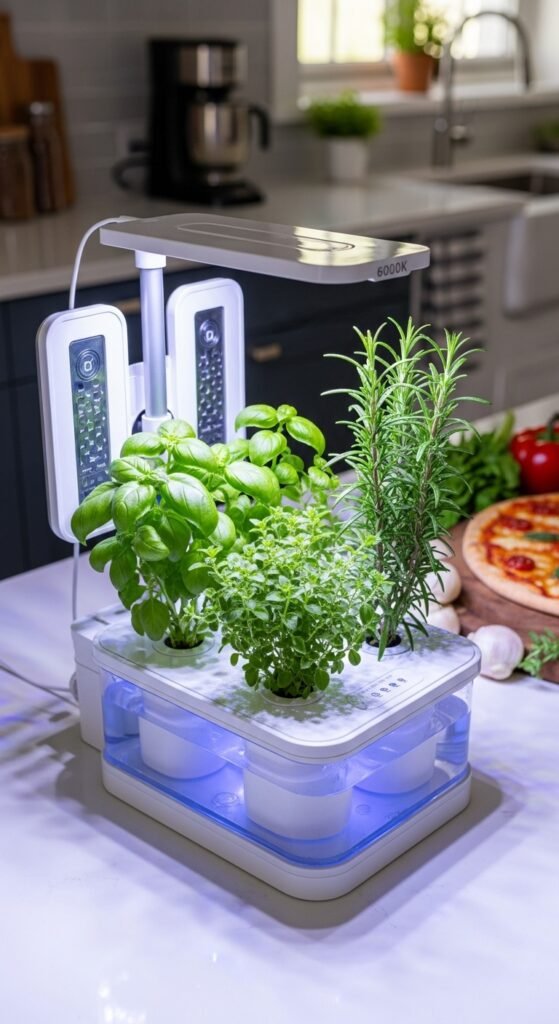
Experience accelerated growth and higher yields, with herbs ready in half the time of traditional methods. Monitor pH levels weekly and refresh solutions to avoid imbalances. You’ll love the clean, soil-free harvest straight to your pizza dough.
For more on this, check out hydroponic herb cultivation to optimize your setup.
6) Companion Planting Pizza Herb Garden with Tomatoes
Integrate tomatoes into your pizza herb garden for synergistic growth. Plant basil near tomatoes to repel pests, with oregano and thyme as borders. This companion strategy enhances flavors and boosts overall health in a shared bed or large container.
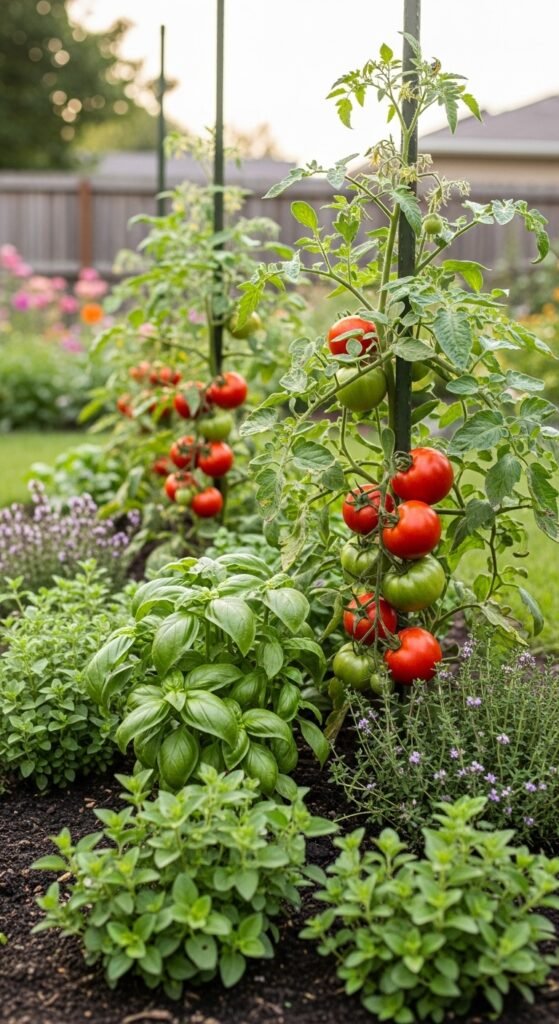
Reap natural pest deterrence and improved pollination, leading to tastier produce. Stake tomatoes for support and prune herbs to prevent overcrowding. Your garden will yield complete pizza toppings, from sauce bases to garnishes.
Learn effective pairings via herb companion planting guides for maximum benefits.
7) Spiral Design Pizza Herb Garden
Create a visually stunning spiral pizza herb garden using stones or bricks in a mound shape. Position sun-loving rosemary at the top, cascading down to shade-tolerant parsley at the base. This permaculture-inspired layout optimizes microclimates for diverse herbs.
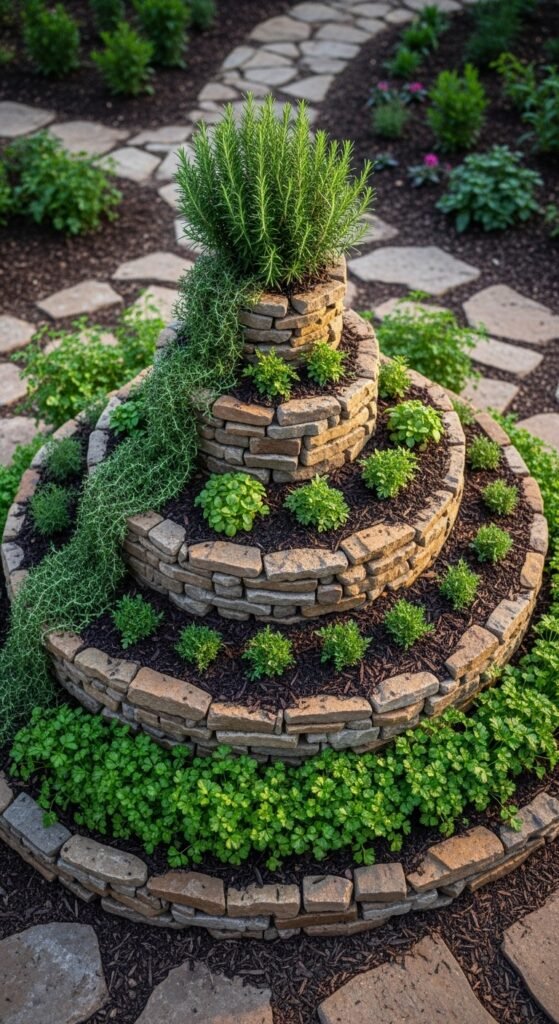
It provides efficient water use and aesthetic appeal, drawing admiration while supplying fresh ingredients. Add compost to the core for fertility, and mulch to conserve moisture. You’ll enjoy a functional sculpture that enhances your pizza preparations.
Explore spiral herb garden builds for construction tips and plant zoning.
8) Balcony Hanging Pizza Herb Garden
Maximize balcony space with hanging baskets for your pizza herb garden. Suspend macramé holders with pots of trailing oregano and upright basil, ensuring full sun exposure. This elevated approach keeps herbs safe from ground pests and adds greenery overhead.
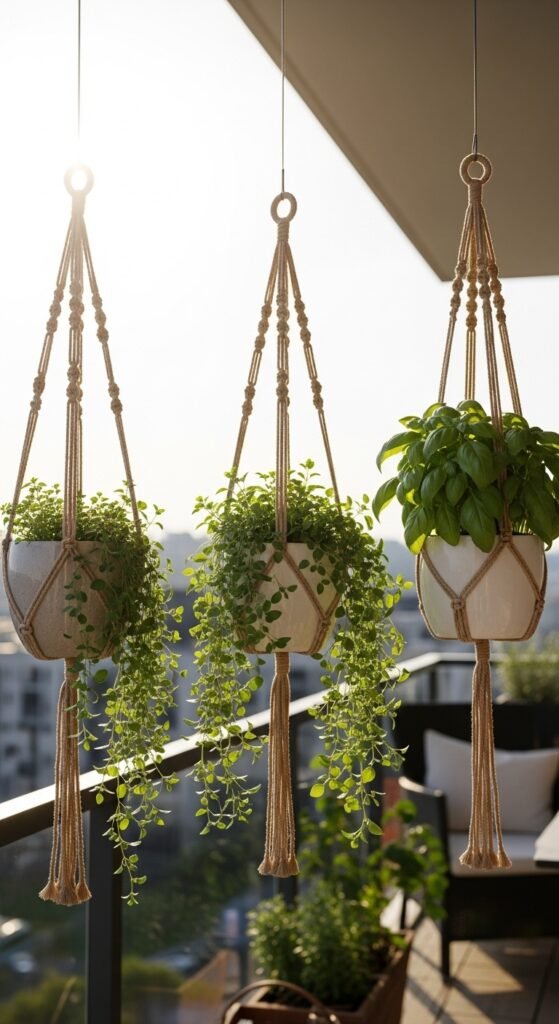
Enjoy space efficiency and easy access for urban cooking enthusiasts. Use self-watering inserts to maintain hydration, and fertilize lightly for robust growth. Your balcony will transform into a productive herb haven for pizza lovers.
Incorporate ideas from balcony herb gardening to handle wind and weight considerations.
9) Kitchen Countertop Pizza Herb Garden
Bring your pizza herb garden right to the kitchen counter with compact planters or jars. Arrange mason jars filled with thyme, basil, and rosemary on a sunny ledge, using pebbles for drainage. This setup offers instant access during meal prep.
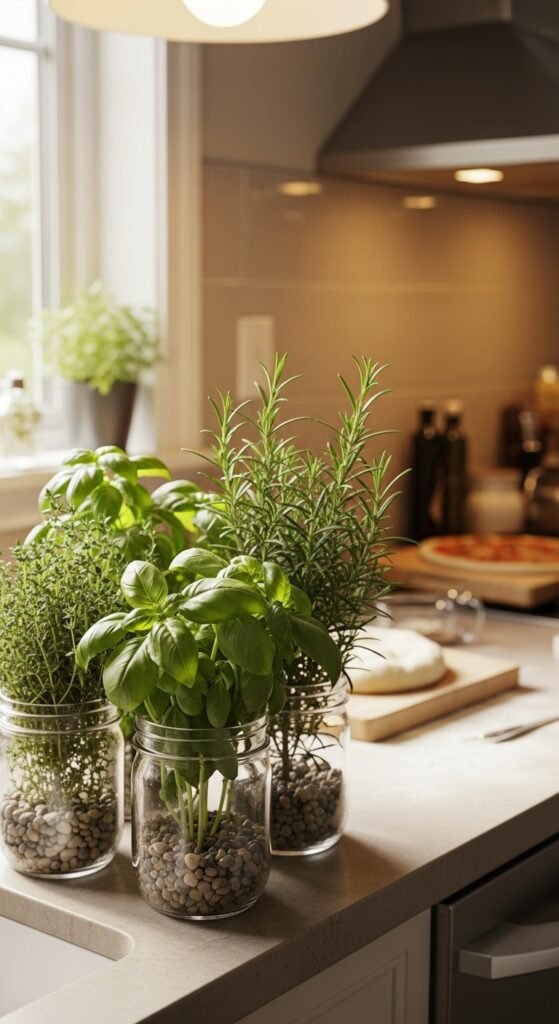
The perks include ultra-fresh flavors and decorative charm, integrating seamlessly into your daily routine. Rotate pots for even growth and mist leaves to boost humidity. You’ll never buy dried herbs again for your pizzas.
For inspiration, refer to kitchen herb garden designs that fit small spaces.
10) Pallet Upcycled Pizza Herb Garden
Repurpose a wooden pallet into a vertical pizza herb garden by securing it upright and filling slots with soil. Plant hardy rosemary in upper pockets and basil below, creating a rustic display for yards or patios.
This eco-friendly option delivers cost savings and sustainability, recycling materials while growing abundant herbs. Secure with landscape fabric to hold soil, and water from the top for even distribution. Your upcycled piece will supply pizza essentials creatively.
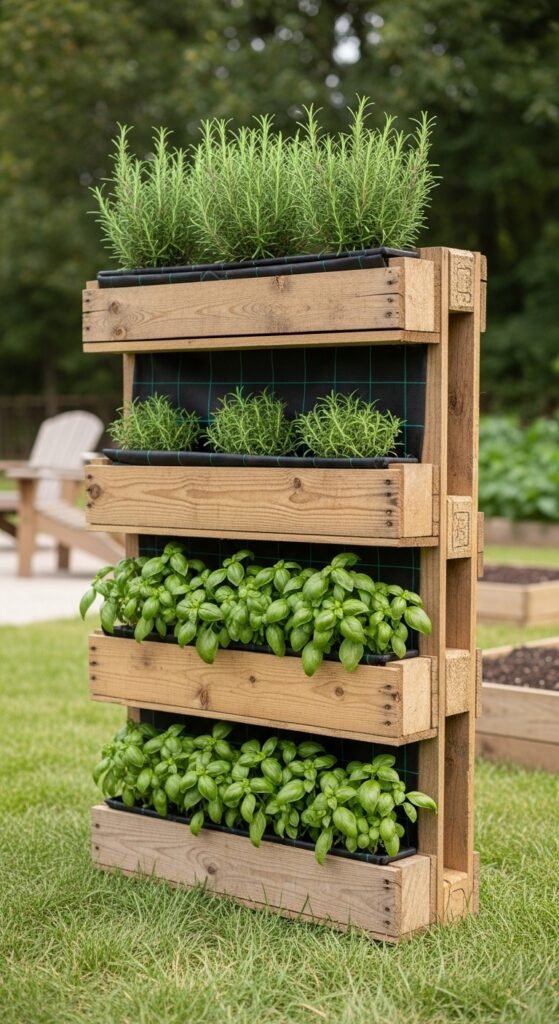
Try pallet herb garden projects for step-by-step assembly guidance.
11) Self-Watering Pizza Herb Garden Pots
Opt for self-watering pots in your pizza herb garden to simplify maintenance. These containers feature reservoirs that supply moisture steadily, ideal for forgetful gardeners. Group oregano, thyme, and basil together for a thematic cluster.
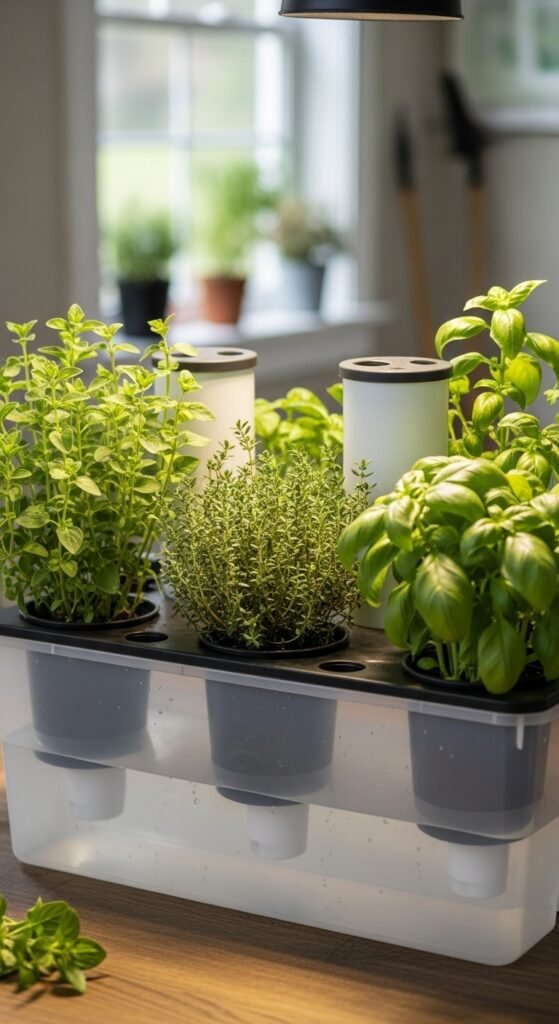
You’ll achieve consistent hydration and healthier roots, reducing stress on plants. Refill reservoirs weekly and place in bright spots for optimal growth. This hassle-free method ensures a steady herb supply for your culinary adventures.
Discover more about self-watering herb solutions for long-term success.
12) Herb Wheel Pizza Garden Arrangement
Design a wheel-shaped pizza herb garden by dividing a circular bed into wedges with paths. Assign each section to a herb like parsley, basil, or thyme, facilitating rotation and access. This traditional layout enhances organization and beauty.

Benefit from easy maintenance and visual symmetry, making harvesting a breeze. Incorporate gravel paths for weed suppression and add a central feature like a birdbath. Your wheel will spin out fresh flavors for endless pizza variations.
Refine your plan with herb garden layout inspirations.
13) Italian Theme Pizza Herb Garden
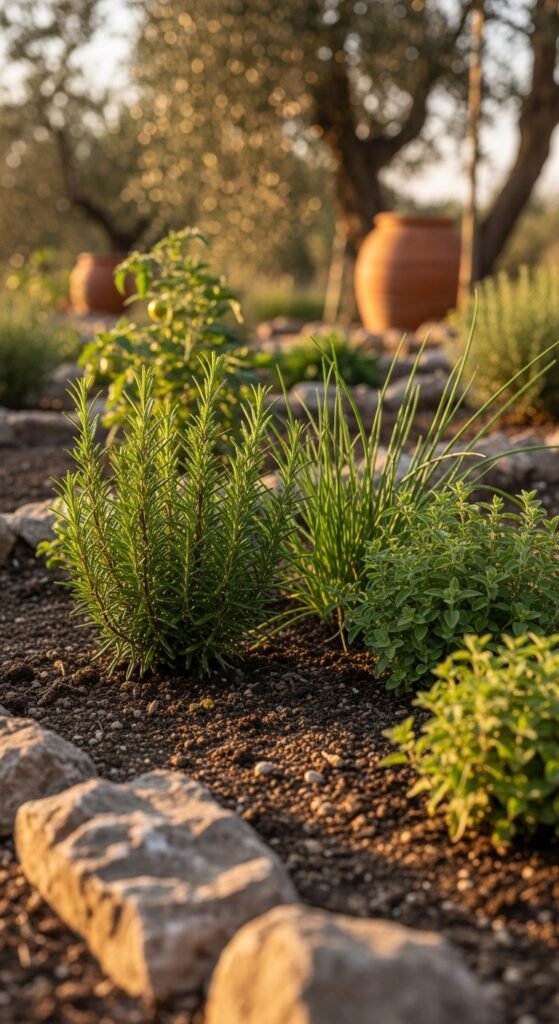
Curate an Italian-themed pizza herb garden focusing on Mediterranean natives like rosemary and oregano. Plant in a sunny spot with gritty soil to mimic their origins, adding garlic chives for extra zest.
This thematic approach offers authentic tastes and cultural immersion, transporting you to Italy with every harvest. Prune regularly for bushiness and companion plant with tomatoes for synergy. You’ll craft pizzas that rival pizzerias.
Boost your knowledge with basil cultivation advice, a staple in Italian cuisine.
14) Microgreens Pizza Herb Garden Boost
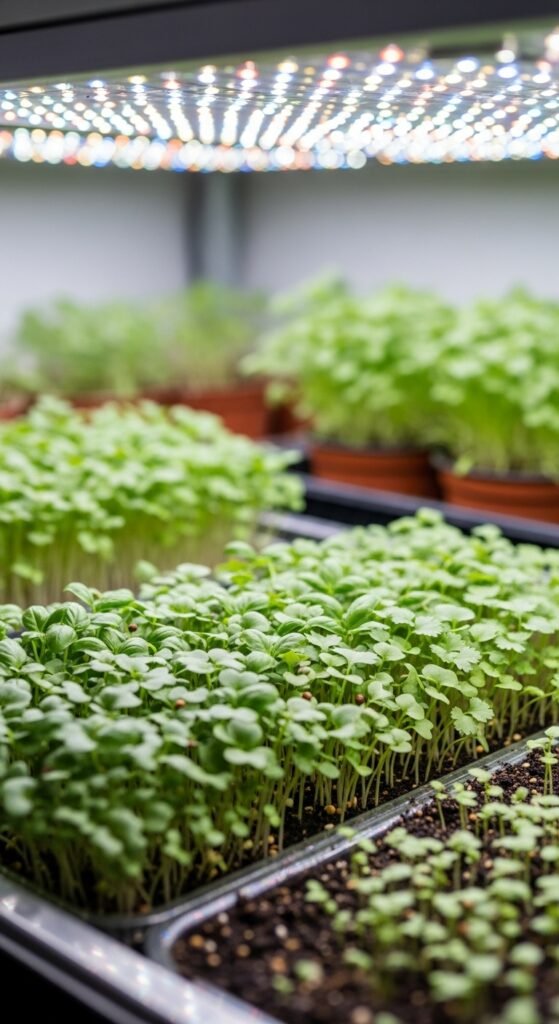
Incorporate microgreens into your pizza herb garden for rapid, nutrient-packed additions. Sow basil and cilantro seeds densely in shallow trays, harvesting in 2-3 weeks for tender tops on pizzas.
Gain quick turnaround and intense flavors, supplementing mature herbs. Use grow lights indoors for year-round production and keep soil damp. This method adds variety and nutrition to your garden repertoire.
Explore basil microgreen techniques for high-density growing tips.
15) Community Shared Pizza Herb Garden
Join or start a community pizza herb garden in shared spaces like allotments. Divide plots for collective planting of thyme, rosemary, and basil, fostering collaboration and knowledge exchange.
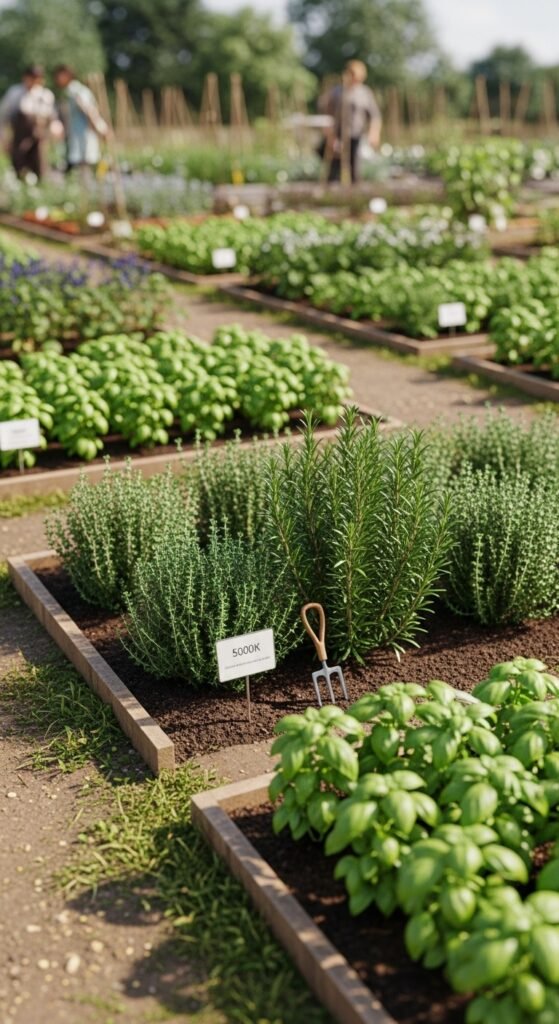
Experience social bonds and resource sharing, amplifying your harvest through group efforts. Organize rotations and use organic practices for sustainability. Your communal setup will inspire neighborhood pizza gatherings.
For preservation, learn home herb drying methods to extend your bounty.
Key Principles for Pizza Herb Gardens
Soil and Sunlight Essentials
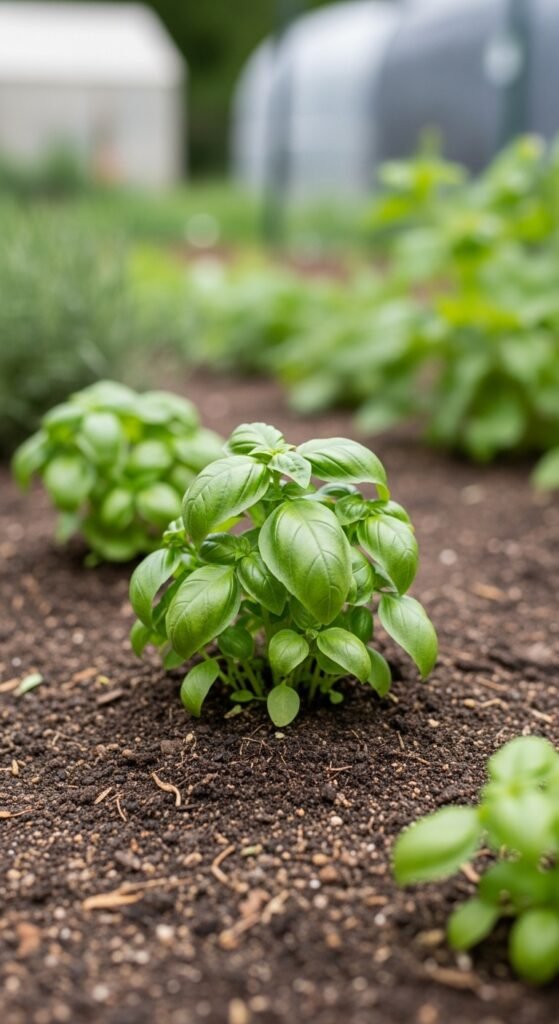
Ensure your pizza herb garden thrives with well-draining, nutrient-rich soil and at least 6 hours of direct sunlight daily. Amend clay soils with sand for better aeration.
Watering and Maintenance Tips
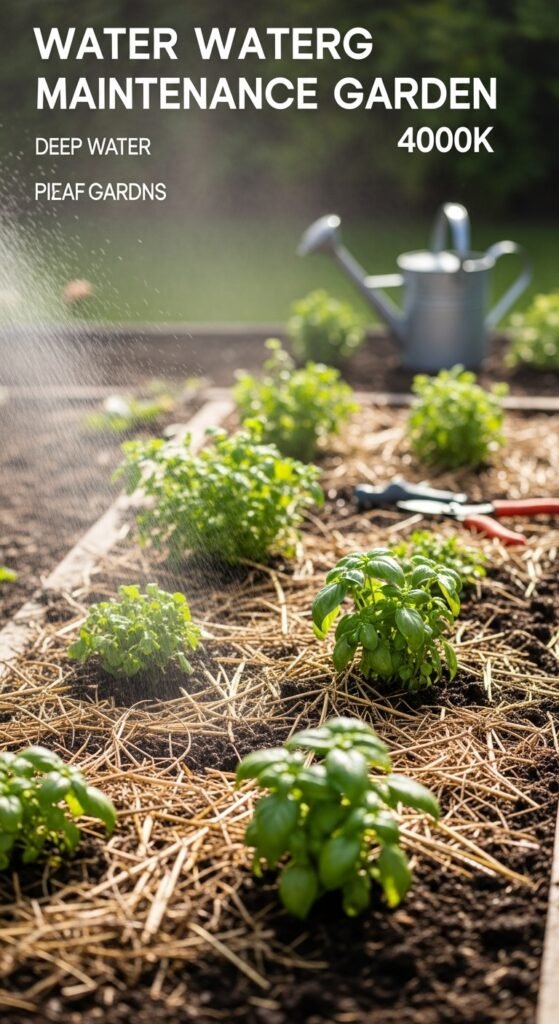
Water deeply but infrequently to encourage strong roots, and mulch to retain moisture. Regular pruning promotes growth and prevents bolting in herbs like basil.
Harvesting and Preservation Strategies
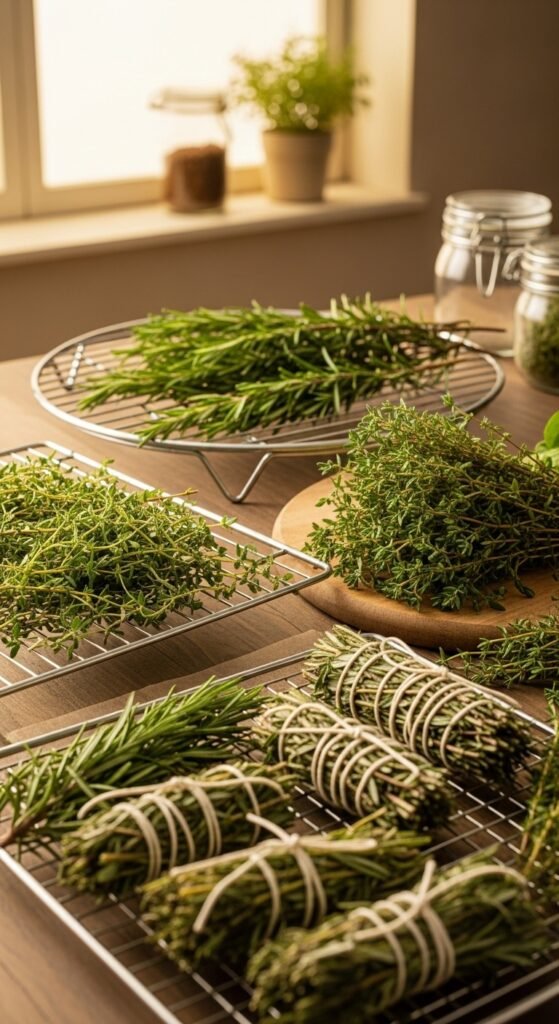
Harvest in the morning for peak flavor, and dry or freeze extras to enjoy your pizza herbs year-round.
Frequently Asked Questions
What herbs are essential for a pizza herb garden?
The core herbs include basil, oregano, thyme, rosemary, and parsley, as they provide the classic flavors for pizza toppings and sauces.
How much space do I need for a pizza herb garden?
You can start small with a windowsill or container setup; even 2-3 square feet suffices for basics, expanding as needed.
Can I grow a pizza herb garden indoors?
Yes, with adequate light from windows or grow lamps, indoor gardens work well for year-round harvesting.
How often should I fertilize my pizza herbs?
Fertilize every 4-6 weeks with a balanced, organic product during the growing season to support healthy foliage.
What pests commonly affect pizza herb gardens?
Aphids and spider mites are frequent; use neem oil or companion planting to manage them naturally.