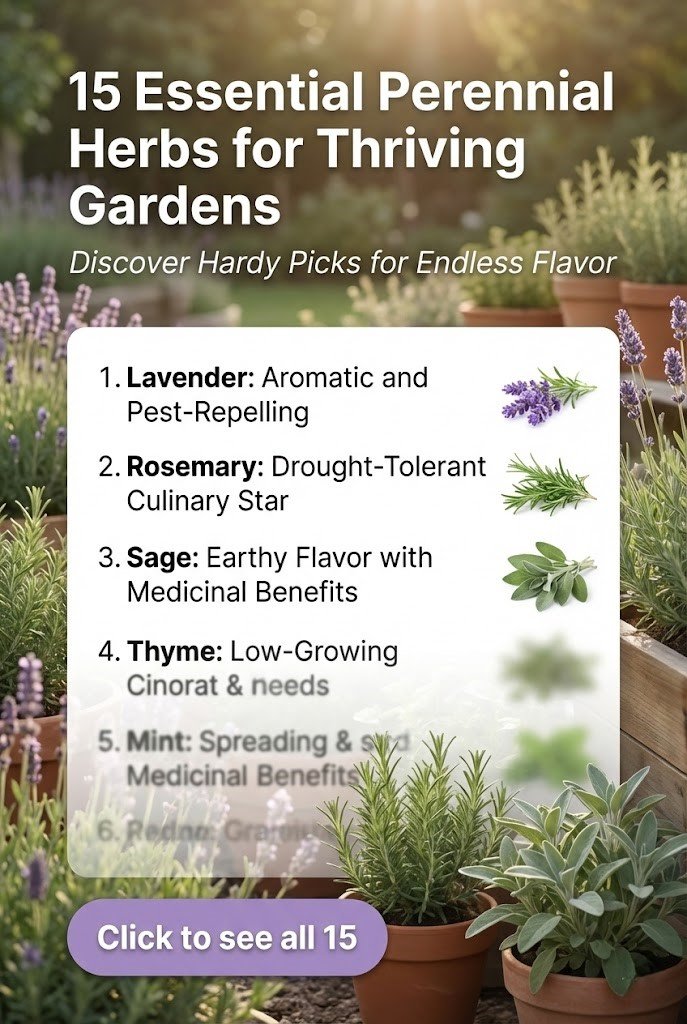
Perennial herbs are a gardener’s best friend, returning year after year with minimal effort while providing fresh flavors, fragrances, and even medicinal benefits. Unlike annuals that need replanting each season, these hardy plants establish deep roots, making them resilient to weather changes and pests. If you’re looking to build a sustainable herb garden, starting with a perennial herbs list ensures long-term rewards, from enhancing your culinary dishes to attracting pollinators like bees and butterflies.
Incorporating perennial herbs into your landscape not only saves time and money but also boosts biodiversity in your yard. They thrive in various conditions, from full sun to partial shade, and many are drought-tolerant once established. Whether you’re a beginner or seasoned gardener, this perennial herbs list will guide you to select varieties that suit your space and needs, creating a vibrant, productive garden that evolves beautifully over time.
Ready to transform your outdoor space? Dive into these top picks, each offering unique attributes to elevate your gardening experience.
1) Lavender
Lavender is a classic perennial herb known for its aromatic purple blooms and silvery foliage. This Mediterranean native thrives in well-drained soil and full sun, making it ideal for borders or containers. You’ll love its calming scent, which repels pests like moths while attracting beneficial insects.
Why choose lavender? It offers versatile uses, from culinary infusions in teas and desserts to homemade sachets for drawers. In your garden, it provides year-round structure and can live for up to 10 years with proper care. To grow it successfully, plant in spring after the last frost, spacing seedlings 12-18 inches apart. Water sparingly to avoid root rot, and prune annually after flowering to maintain shape. For more on designing with herbs, check out our guide on herb garden design ideas.
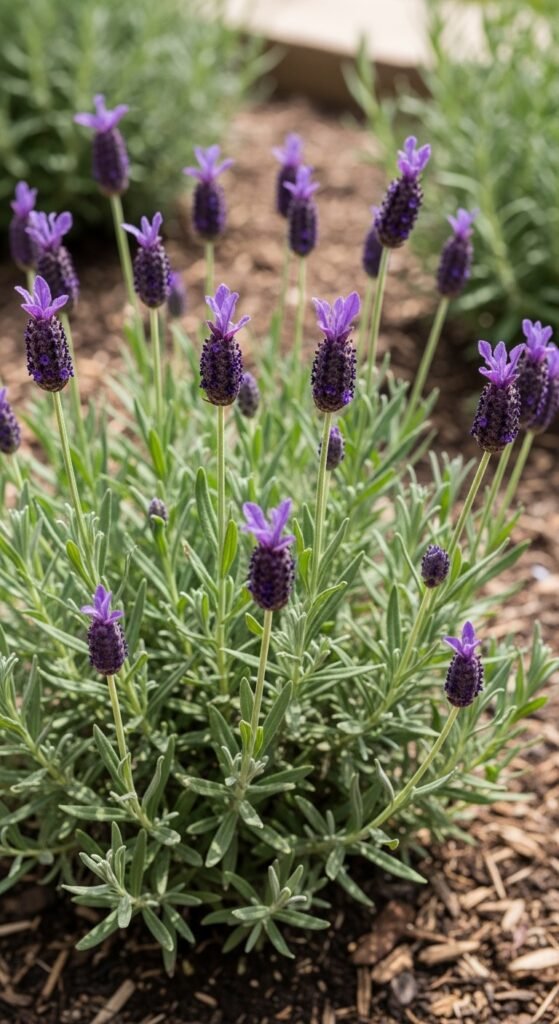
Harvest leaves and flowers as needed, drying them for long-term storage. With minimal maintenance, lavender will become a staple in your perennial collection, enhancing both aesthetics and functionality.
2) Rosemary
Rosemary stands out with its needle-like leaves and woody stems, delivering a piney flavor perfect for roasting meats or seasoning potatoes. As a perennial, it prefers sunny spots with sandy soil, tolerating drought once established. You can enjoy fresh sprigs year-round in milder climates or overwinter it indoors.
The benefits extend beyond the kitchen; rosemary’s essential oils promote focus and relaxation, making it great for aromatherapy. It’s also deer-resistant and attracts pollinators with its blue flowers. Plant in well-draining soil, avoiding overwatering to prevent fungal issues. Prune regularly to encourage bushy growth, and propagate from cuttings for easy expansion. If you’re growing in pots, explore our tips on rosemary in pots for optimal results.
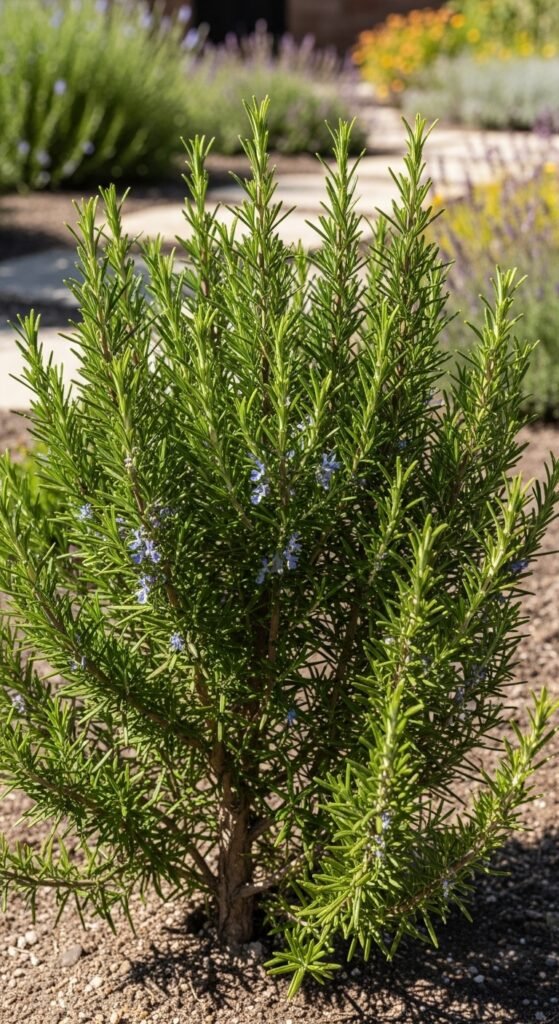
Harvest by snipping tips, and dry excess for winter use. This hardy herb will reward you with robust growth and endless culinary possibilities for years to come.
3) Sage
Sage boasts soft, gray-green leaves with a savory, earthy taste that’s essential for stuffing and sausages. This perennial thrives in full sun and dry, alkaline soil, returning stronger each spring. You’ll appreciate its medicinal properties, like soothing sore throats or aiding digestion.
Why grow sage? It adds texture to gardens and deters pests with its strong aroma, while purple flowers draw bees. Plant in spring, spacing 18-24 inches apart, and mulch to retain moisture. Avoid wet conditions to prevent rot, and prune after blooming to keep it compact. For companion planting ideas, see our herb companion chart to pair it effectively with vegetables.
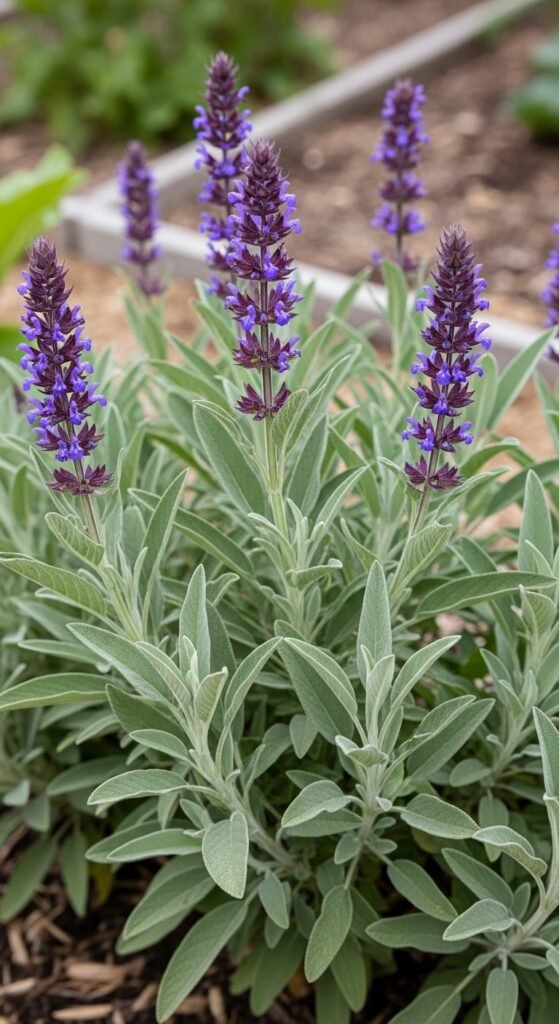
Harvest leaves before flowering for peak flavor, freezing or drying them. With its low-maintenance nature, sage is a reliable addition to your perennial herbs list, providing flavor and beauty season after season.
4) Thyme
Thyme is a low-growing perennial with tiny, fragrant leaves that pack a punch in soups, marinades, and teas. It loves sunny, dry locations with poor soil, making it perfect for rock gardens or pathways. You can walk on it without damage, releasing its delightful scent.
The appeal lies in its versatility and resilience; thyme is antibacterial and attracts beneficial insects with pink or white blooms. Start from seeds or divisions in spring, planting 6-12 inches apart. Water moderately until established, then let nature take over. Regular trimming promotes dense growth. For care specifics, refer to our article on thyme plant care.
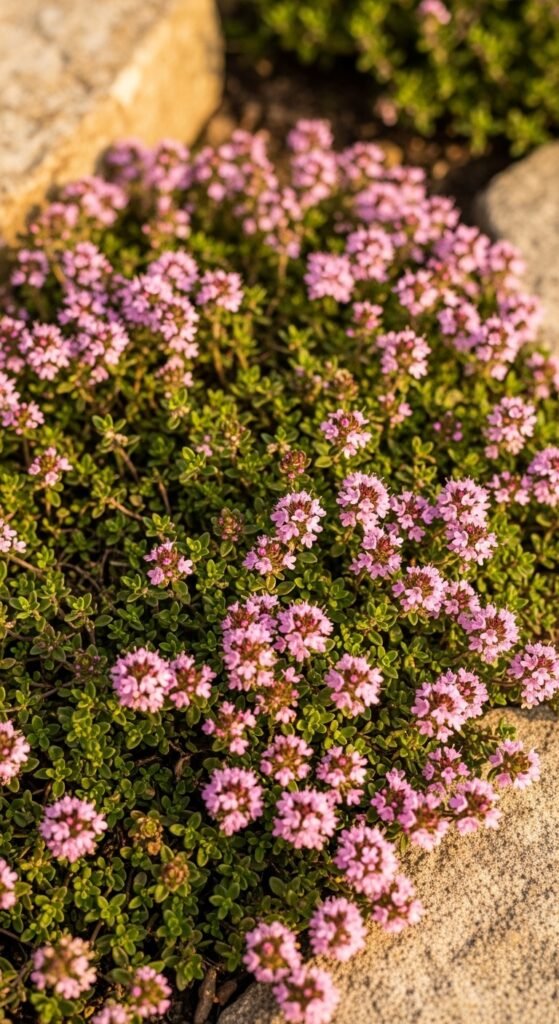
Harvest stems throughout the growing season, drying bundles for storage. This evergreen herb will creep beautifully in your garden, offering enduring flavor and ground cover for minimal effort.
5) Oregano
Oregano features pungent, oval leaves ideal for Italian and Greek dishes, pizzas, and sauces. As a spreading perennial, it flourishes in full sun and well-drained soil, often self-seeding for easy propagation. You’ll find it indispensable for its bold, spicy notes.
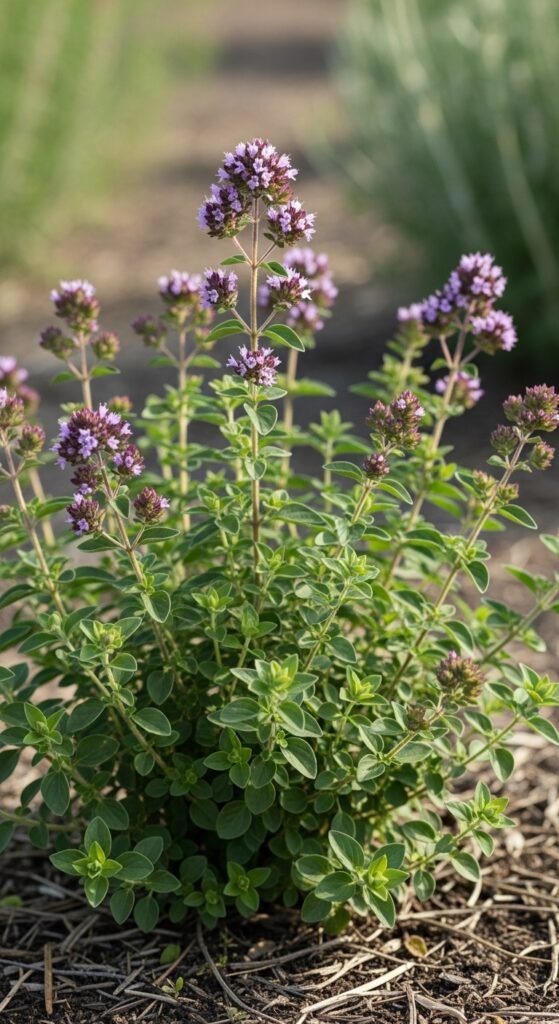
Beyond cooking, oregano has antimicrobial properties and supports pollinators with its purple flowers. Plant in spring, spacing 8-10 inches, and divide every few years to control spread. It tolerates drought well, requiring little fertilizer. To learn about pairing with other plants, check our companion planting herbs guide.
Harvest before blooming for strongest flavor, air-drying leaves. This robust herb will thrive in your garden, providing abundant yields and enhancing biodiversity with ease.
6) Mint
Mint offers refreshing, spear-shaped leaves for teas, cocktails, and desserts. This vigorous perennial spreads quickly in moist, partial shade, so contain it in pots to prevent takeover. You’ll adore its cooling effect in summer recipes.
Why include mint? It’s digestive and repels pests like ants, while attracting butterflies. Plant runners in spring, watering consistently for lush growth. Harvest frequently to encourage fullness, and overwinter indoors if needed. For container tips, see herbs in containers.
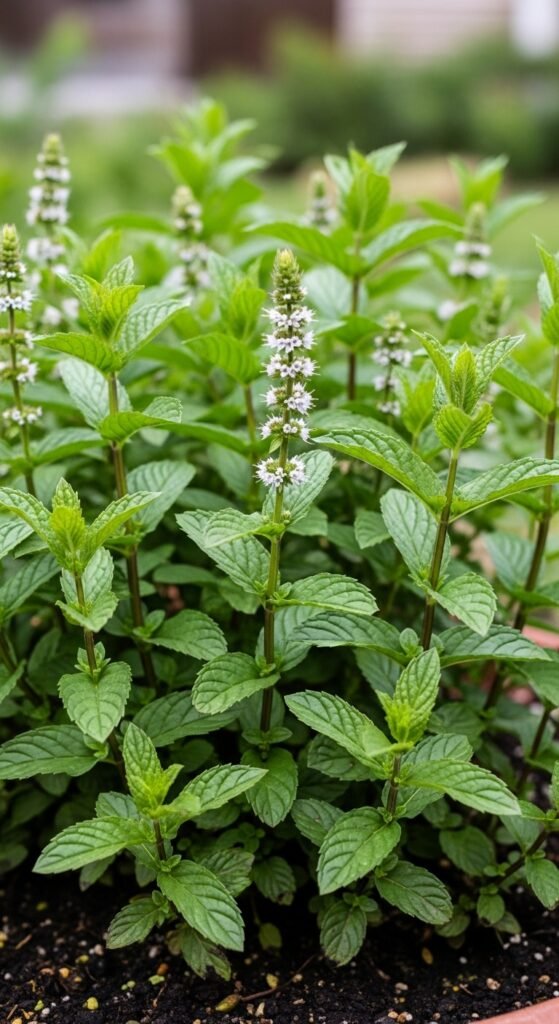
Dry or freeze leaves for year-round use. With its invasive charm, mint adds vibrancy to your perennial herbs list, delivering fresh zest effortlessly.
7) Chives
Chives provide mild onion-flavored grass-like leaves, great for garnishes, salads, and eggs. This clumping perennial prefers full sun and rich soil, producing edible purple pom-pom flowers. You can snip them freely for continuous harvest.
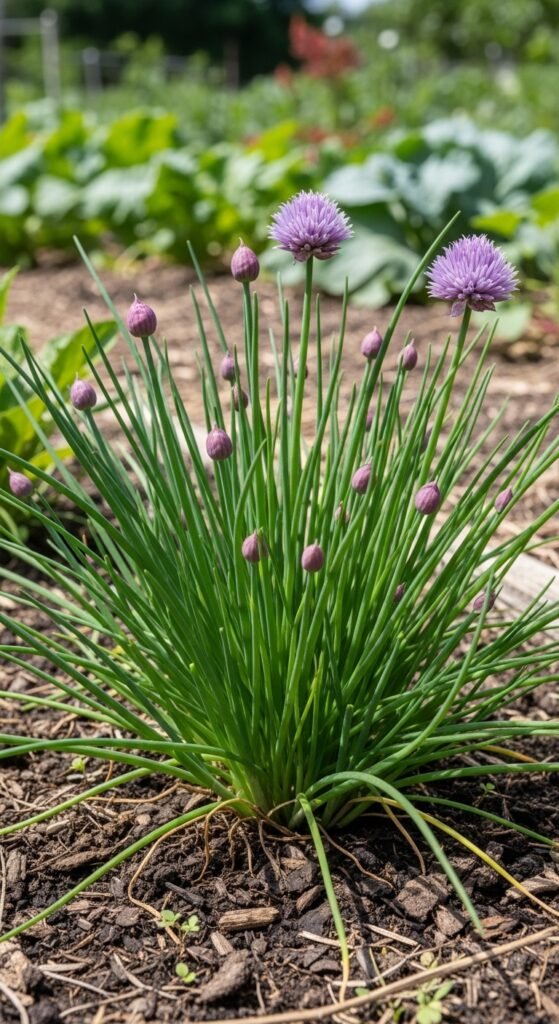
The value? Chives deter aphids and enhance companion plants’ growth. Plant bulbs or divisions in spring, spacing 6 inches, and divide every 3 years. Water regularly but avoid sogginess. Explore pot growing in our chives in containers post.
Harvest from the base, freezing chopped bits. This easy herb will brighten your garden beds with flavor and color for seasons on end.
8) Tarragon
Tarragon delivers licorice-like leaves for chicken, fish, and vinegars. French tarragon, the culinary favorite, is a perennial that likes sun and fertile, well-drained soil. You’ll elevate dishes with its unique anise taste.
It aids digestion and repels insects naturally. Propagate from cuttings or divisions in spring, protecting from harsh winters. Prune to promote branching. For beginner advice, read herb gardening for beginners.
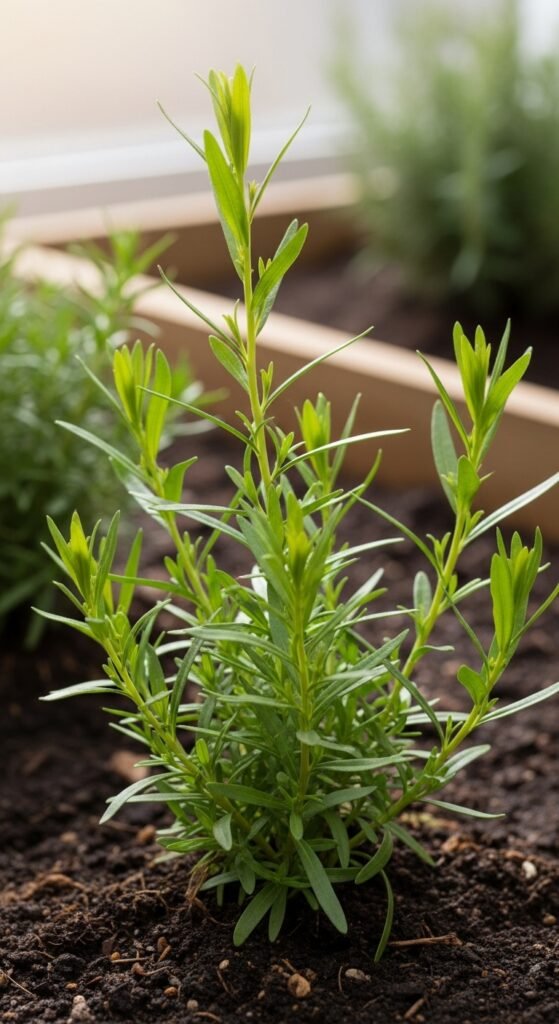
Harvest young leaves, drying carefully to retain flavor. This elegant herb will become a gourmet staple in your perennial collection.
9) Lemon Balm
Lemon balm has citrus-scented leaves for teas, salads, and pestos. This mint family perennial spreads in partial shade and moist soil, attracting bees with white flowers. You can brew soothing infusions easily.
Benefits include calming nerves and mosquito repulsion. Plant in containers to control growth, watering well. Harvest leaves anytime, drying for storage. Check tea herbs to grow for more ideas.
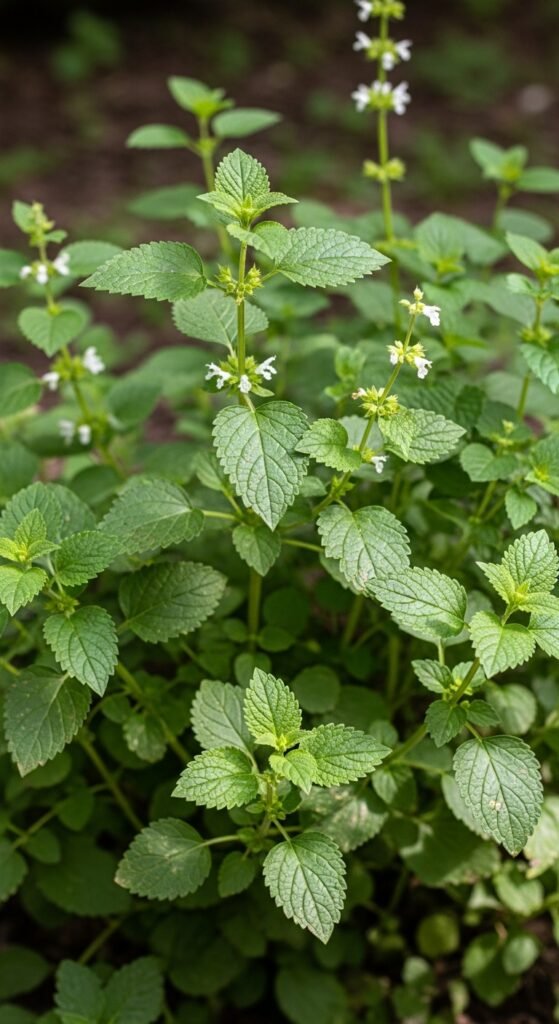
With its lemony vigor, lemon balm adds freshness to your garden year after year.
10) Marjoram
Marjoram offers sweet, mild oregano-like flavor for meats, veggies, and soups. This tender perennial thrives in full sun and light soil, often grown as annual in cold zones. You’ll savor its subtlety in Mediterranean cuisine.
It’s anti-inflammatory and supports pollinators. Sow seeds indoors, transplanting after frost. Mulch for moisture retention. For layout inspiration, see herb garden layout ideas.
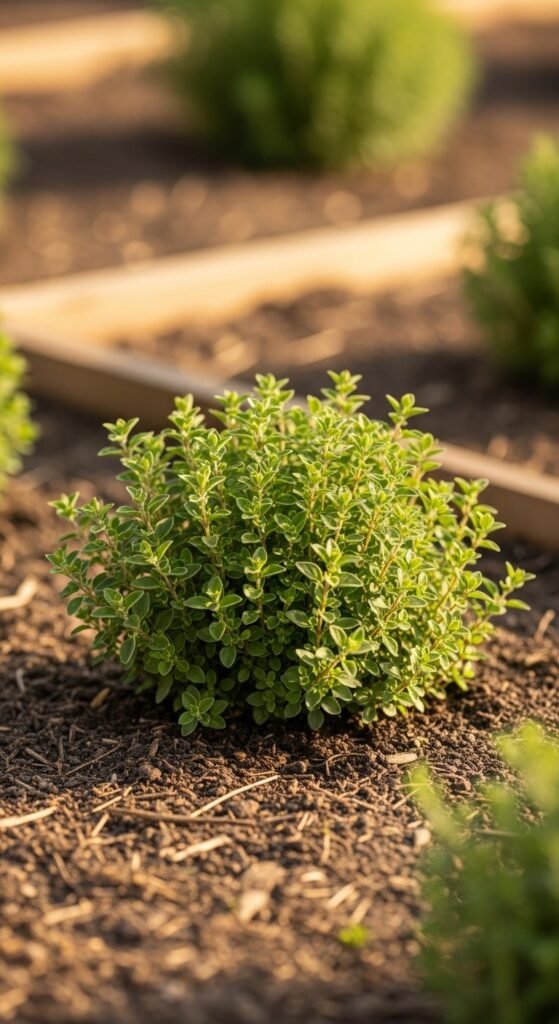
Harvest before flowering, freezing portions. Marjoram brings gentle aroma to your perennial herbs list.
11) Fennel
Fennel provides feathery leaves and seeds with anise flavor for fish, breads, and teas. This tall perennial likes sun and rich soil, self-seeding readily. You can use every part, from bulb to pollen.
It attracts swallowtail butterflies and aids digestion. Plant seeds directly, thinning to 12 inches. Harvest as needed. For spiral designs, explore spiral herb garden.
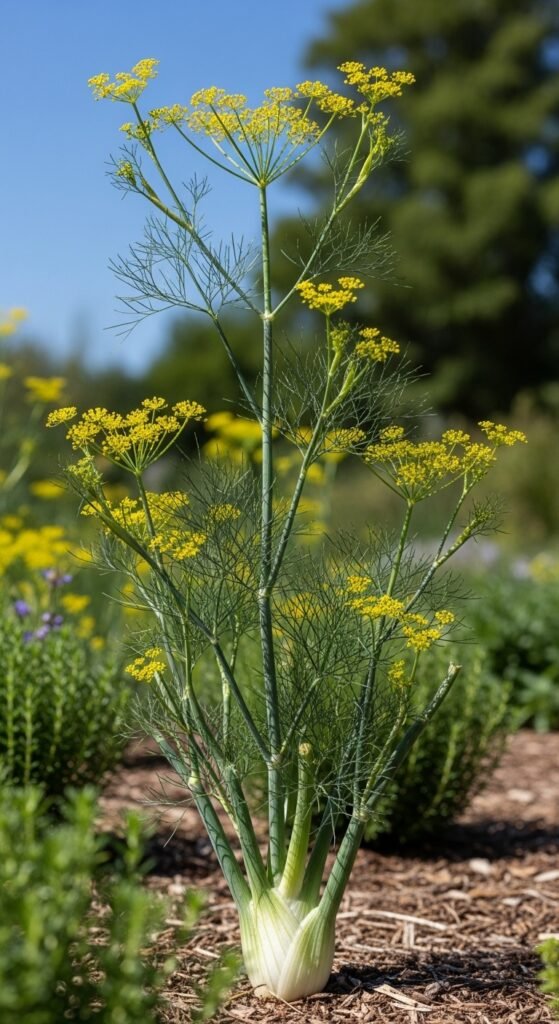
Fennel’s versatility makes it a standout in enduring gardens.
12) Lovage
Lovage mimics celery with tall stems and leaves for soups and stocks. This robust perennial prefers partial shade and moist soil, growing up to 6 feet. You’ll replace celery with this space-saver.
It’s diuretic and attracts beneficial insects. Sow seeds in fall, dividing mature plants. Prune to control height. For raised bed use, check raised bed herb garden.
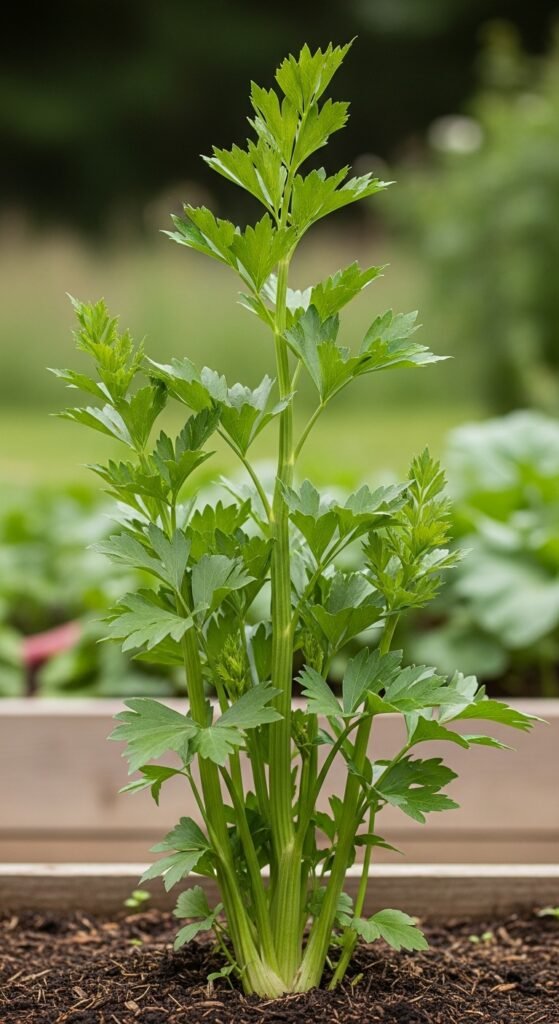
Harvest young leaves, drying extras. Lovage offers bold flavor perpetually.
13) Sorrel
Sorrel delivers tangy, lemony leaves for salads, sauces, and soups. This early-spring perennial thrives in cool, moist conditions and partial shade. You can harvest early for fresh greens.
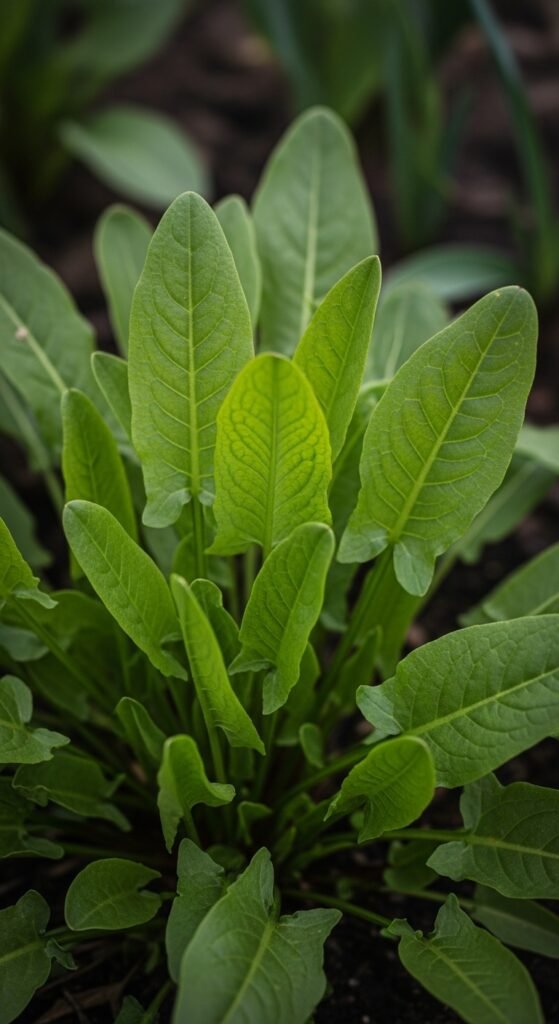
Rich in vitamins, it naturalizes easily. Plant seeds or divisions, spacing 12 inches. Renew every few years. For drying methods, see drying herbs at home.
Sorrel’s zest enlivens your garden from spring onward.
14) Catmint
Catmint features minty leaves and lavender blooms, less invasive than catnip. It loves sun and dry soil, drawing cats and pollinators. You’ll enjoy its ornamental value in borders.
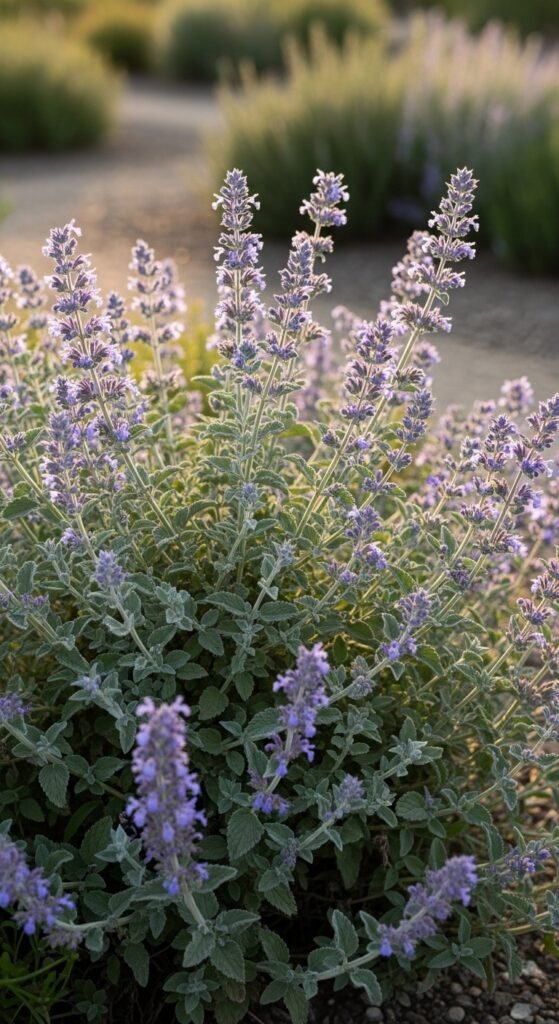
It’s relaxing in teas and deer-resistant. Plant in spring, cutting back after bloom. For annual comparison, read annual vs perennial herbs.
Harvest foliage, drying for teas. Catmint adds whimsy to perennials.
15) Hyssop
Hyssop offers spicy, mint-like leaves and blue spikes for teas and seasonings. This compact perennial prefers sun and well-drained soil, resisting drought. You can attract hummingbirds with its flowers.
Antiseptic and expectorant, it’s historically valued. Sow seeds indoors, transplanting outdoors. Prune for bushiness. For more on starters, visit herb gardening for beginners.
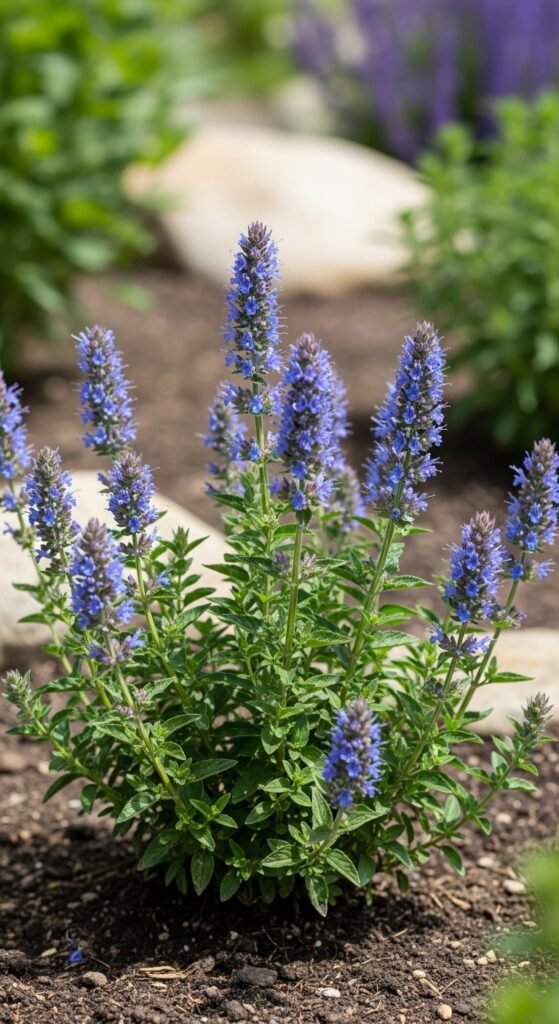
Harvest tops, infusing oils. Hyssop completes your list with historic charm.
Key Tips for Growing Perennial Herbs
Soil Preparation
Ensure well-draining soil amended with compost to support root health. Test pH for optimal growth, aiming for 6.0-7.5.
Maintenance Practices
Mulch to suppress weeds and retain moisture. Prune regularly to encourage new growth and prevent woodiness.
Pest Management
Monitor for aphids or spider mites, using natural remedies like neem oil to keep your herbs thriving.
Frequently Asked Questions
What are perennial herbs?
Perennial herbs are plants that live for more than two years, regrowing each spring from their root systems without needing replanting.
How do I overwinter perennial herbs?
Mulch heavily around the base and consider potting tender varieties to bring indoors during harsh winters.
Can perennial herbs grow in pots?
Yes, many thrive in containers with good drainage, allowing flexibility for small spaces or indoor growing.
When should I harvest perennial herbs?
Harvest in the morning after dew dries, before flowering, for the best flavor and oil concentration.
Are perennial herbs invasive?
Some, like mint, can spread aggressively, so plant in contained areas or pots to manage growth.