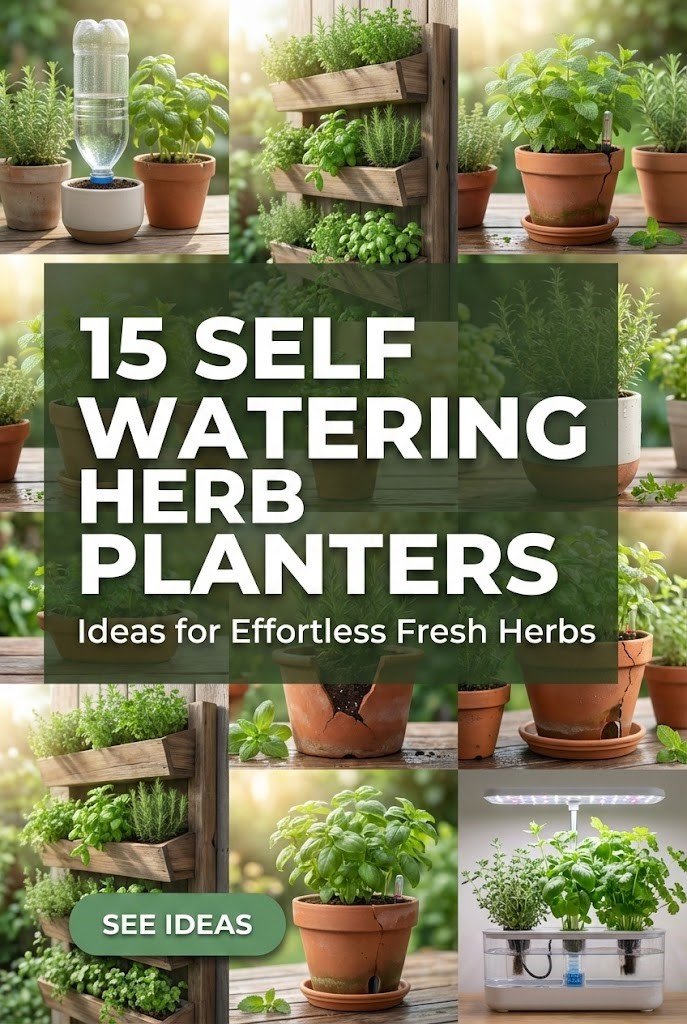
You appreciate the convenience of having fresh herbs at your fingertips, but maintaining consistent moisture levels can be challenging, especially with busy schedules. Self watering herb planters address this by incorporating reservoirs or wicking systems that deliver water gradually to the roots, reducing the risk of overwatering or drying out. These innovative solutions ensure your herbs thrive with minimal intervention, promoting healthier growth and bountiful yields.
Whether you are cultivating basil in a compact kitchen setup or rosemary on a sunny balcony, self watering herb planters optimize water usage and prevent common pitfalls like root rot. By integrating these systems, you can enjoy the therapeutic benefits of gardening while saving time and resources. Explore these 15 ideas to find the perfect fit for your space and lifestyle, each designed to enhance your herb gardening experience.
1) DIY Plastic Bottle Reservoir Planter
You can transform everyday plastic bottles into efficient self watering herb planters by creating a simple reservoir system. This involves cutting the bottle in half, inverting the top portion into the bottom as a funnel, and adding a wick like cotton string to draw water upward. Fill the bottom with water and plant your herbs in the top section with soil.
The key benefit here is cost-effectiveness and sustainability, as you repurpose waste materials while ensuring consistent moisture for herbs like basil or mint. This setup minimizes evaporation and delivers water directly to roots, ideal for beginners seeking low-maintenance options.
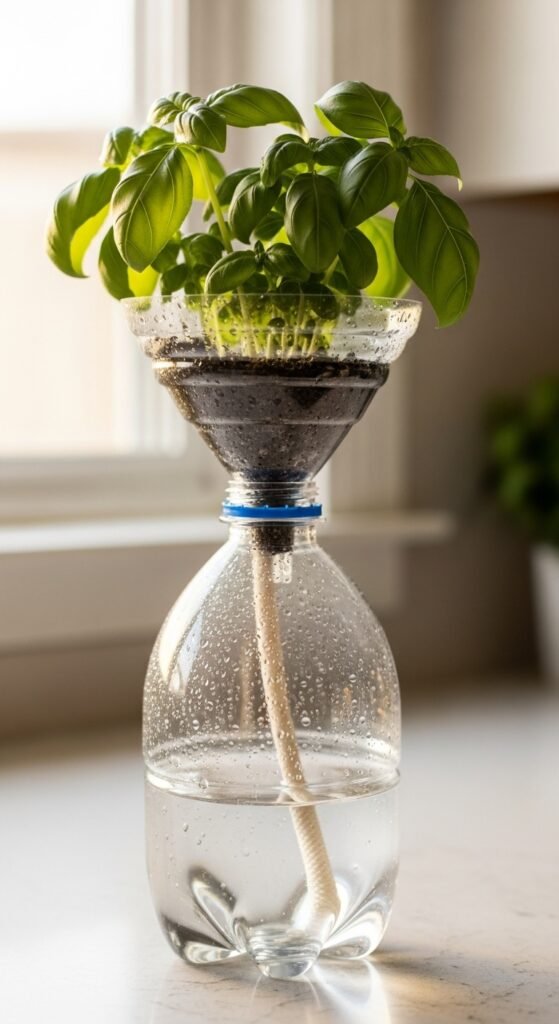
To set it up, gather bottles, scissors, and soil; drill small holes for the wick if needed. Position in a sunny spot and refill the reservoir weekly. For more inspiration on upcycled containers, consider exploring growing herbs in containers to expand your eco-friendly gardening practices.
2) Windowsill Hydroponic Herb Kit
You might opt for a compact hydroponic system tailored for windowsills, where herbs grow in nutrient-rich water without soil. These kits feature small reservoirs with pumps or passive wicking to circulate oxygenated water, supporting rapid herb development in limited spaces.
Why choose this? It offers accelerated growth and eliminates soil-borne pests, making it perfect for indoor environments where you want fresh chives or parsley year-round. The self-regulating water flow conserves resources and simplifies care.
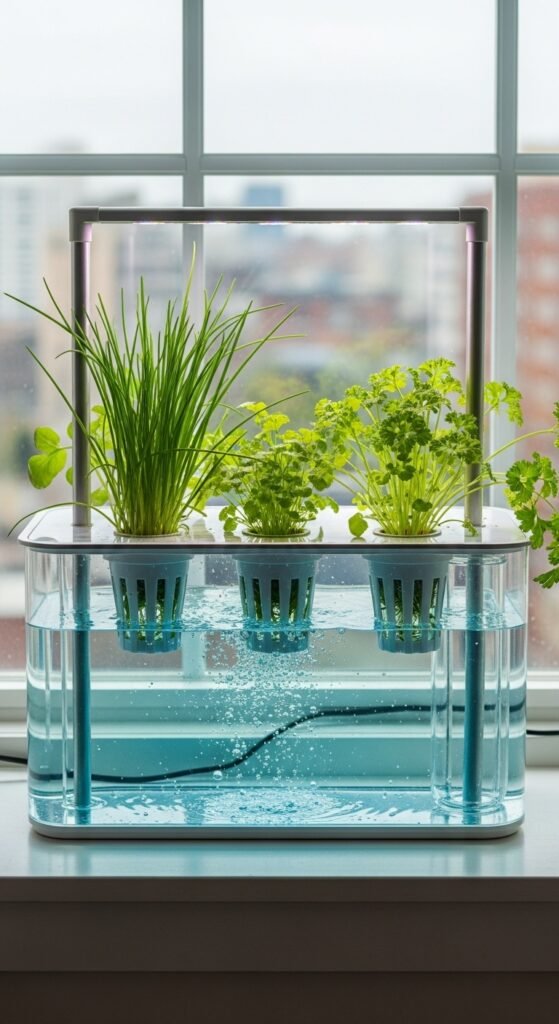
Assembly is straightforward: fill the reservoir with water and nutrients, insert net pots with herb starters, and plug in if active. Monitor levels bi-weekly. If you’re interested in advanced setups, check out our guide on hydroponic herb gardens for deeper insights.
3) Terracotta Pot with Built-in Saucer
You can utilize traditional terracotta pots enhanced with integrated saucers that act as reservoirs for self watering. The porous material allows water to seep upward through capillary action, keeping soil evenly moist for herbs such as thyme.
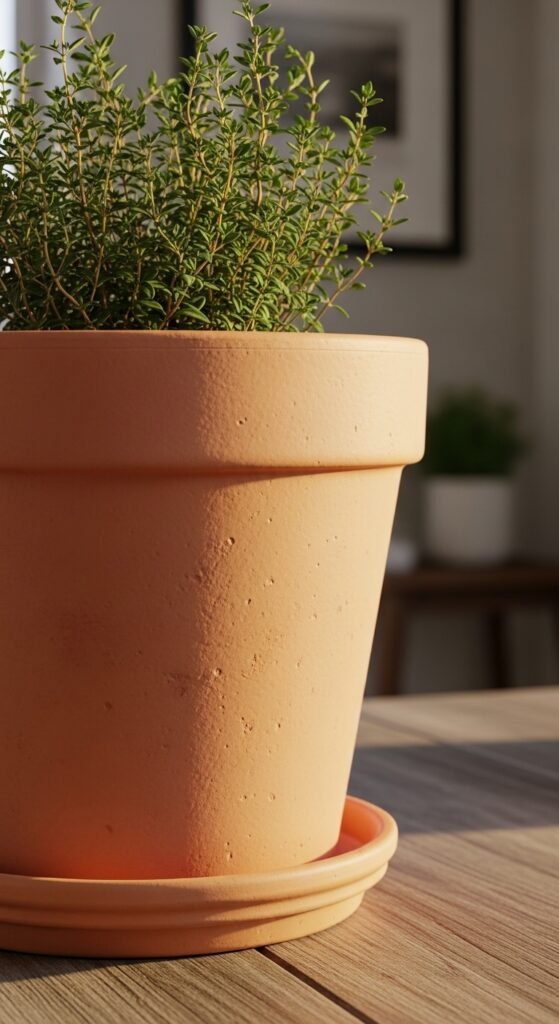
This method shines in its natural aesthetic and breathability, preventing mold while providing steady hydration. It’s especially useful for forgetful gardeners, extending intervals between waterings.
Start by selecting pots with deep saucers, add a layer of gravel for drainage, plant your herbs, and fill the saucer. Place in indirect light and replenish as needed. For complementary ideas, see our article on indoor herb garden ideas to optimize your setup.
4) Vertical Wall-Mounted Wicking System
You could install a vertical wall planter using fabric pockets or modular units with wicking mats that draw water from a bottom reservoir upward to multiple herb levels. This space-saving design is ideal for apartments or kitchens.
The primary advantage is maximizing vertical space while ensuring uniform watering, promoting lush growth of herbs like oregano without daily attention. It also adds a decorative element to your walls.
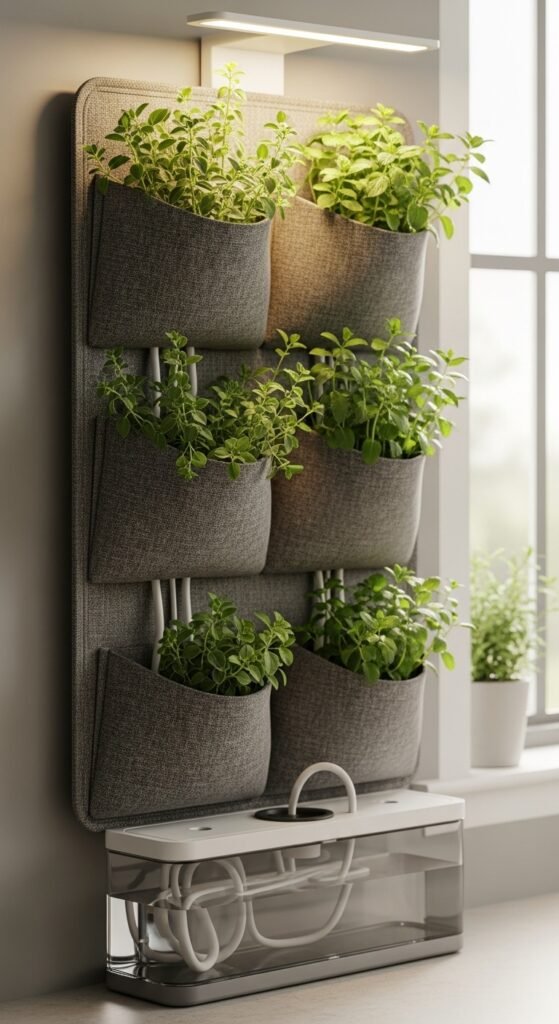
To implement, mount the frame, insert wicks, fill pockets with soil and herbs, and connect to the reservoir. Refill every few days. Enhance your vertical approach by referencing vertical herb gardens for additional tips.
5) Raised Bed with Integrated Drip Lines
You may construct a raised bed planter incorporating drip irrigation lines connected to a reservoir for automated watering of herbs. This elevated setup improves accessibility and soil quality.
Why it works well: It delivers precise water distribution, reducing waste and weed growth, while supporting a variety of herbs in one contained area. Perfect for outdoor patios or backyards.
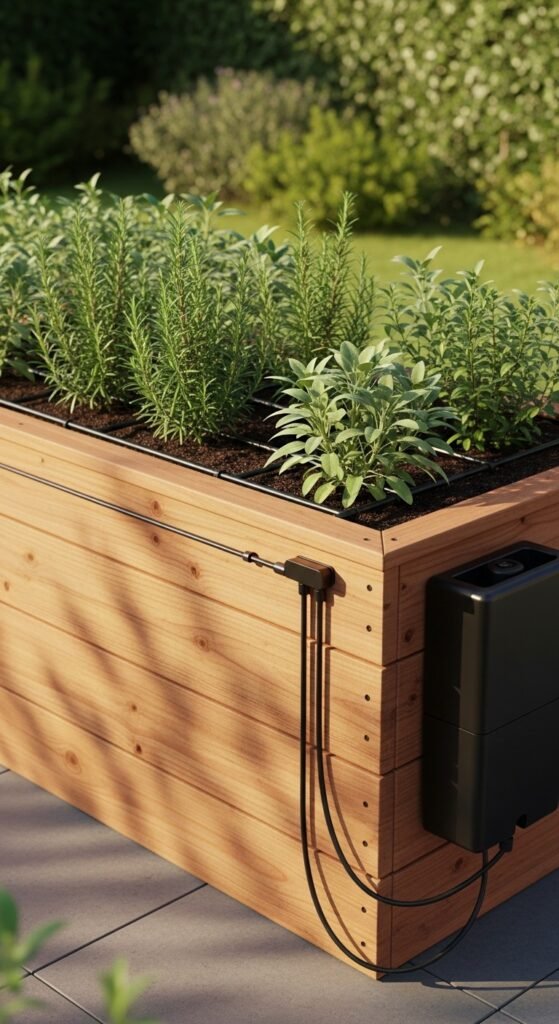
Build the bed from wood or metal, lay drip tubing along rows, plant herbs, and attach to a timer-controlled reservoir. Adjust flow based on weather. For installation details, explore drip irrigation setups.
6) Mason Jar Self-Watering Assembly
You can craft charming mason jar planters with self-watering features by adding a reservoir base or wicks. These glass containers allow visibility of water levels and root health.
This idea provides transparency and portability, making it easy to monitor and move herbs like cilantro indoors. It’s an affordable, stylish option for small-scale gardening.
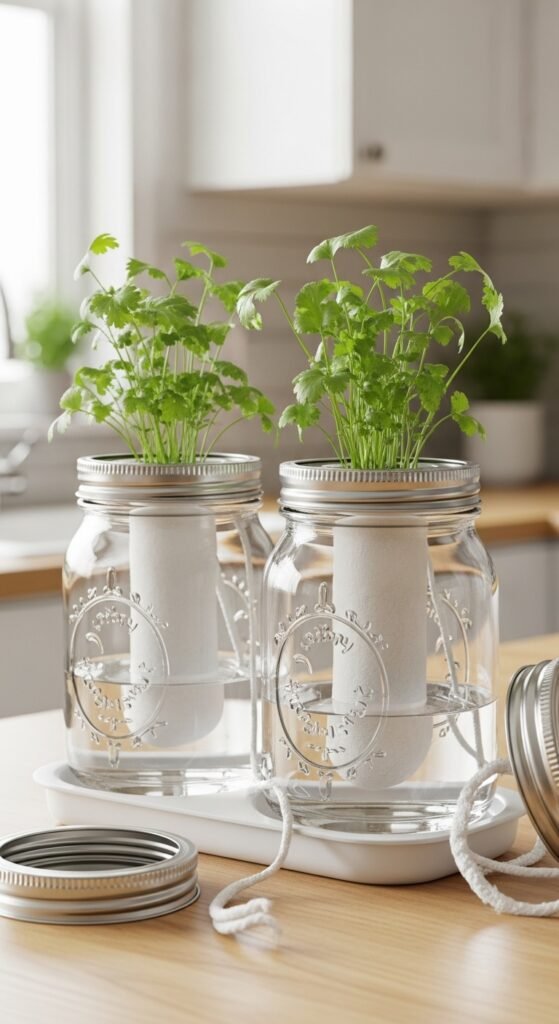
Drill holes in lids for wicks, fill jars with soil, insert herbs, and place over a water-filled base. Check and refill periodically. Pair this with concepts from self watering planters for variations.
7) Hanging Basket with Reservoir Insert
You might adapt hanging baskets by inserting self-watering liners or reservoirs that hold excess water for gradual release. This elevates herbs, saving floor space.
The key perk is enhanced air circulation and light exposure, fostering robust herb growth while minimizing overwatering issues in suspended positions.
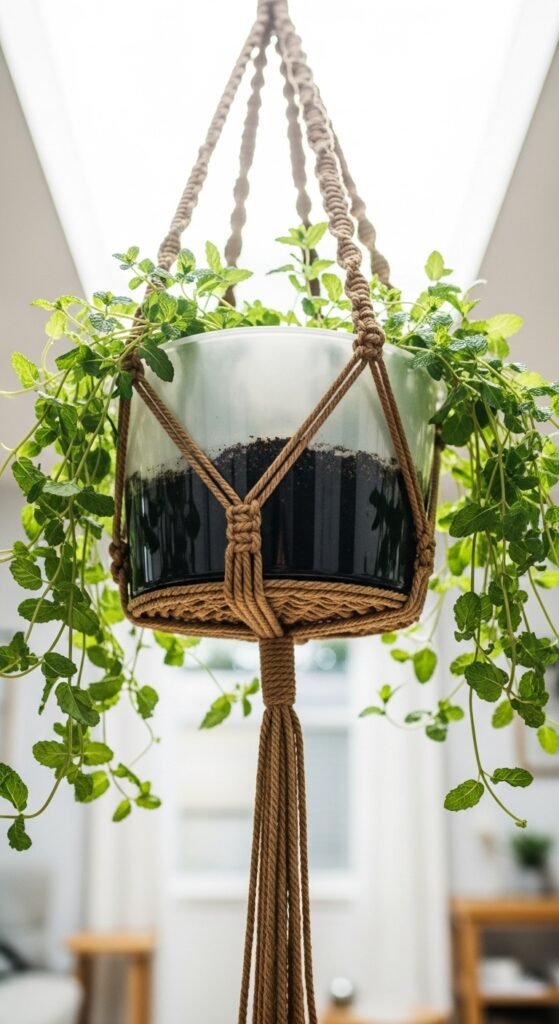
Select baskets with sturdy chains, add the insert, plant herbs such as mint, and hang in bright areas. Refill the reservoir as it depletes. For more on efficient systems, review wicking beds.
8) Smart Pot with Moisture Sensor
You could invest in fabric smart pots equipped with built-in sensors and reservoirs that alert you via app when watering is needed, automating herb care.
This tech-forward approach ensures optimal moisture levels, preventing stress on herbs like rosemary and integrating seamlessly with smart home systems.
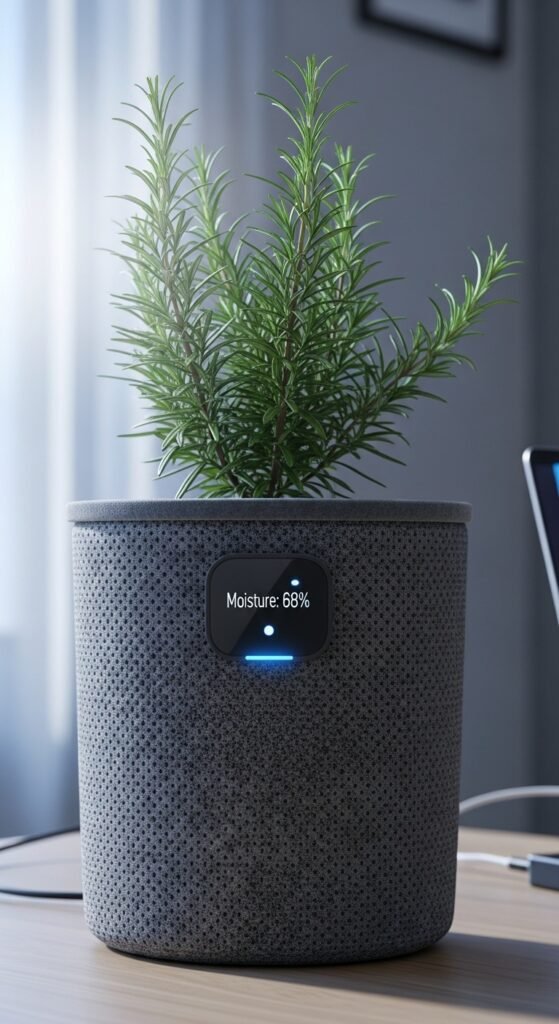
Set up by filling the pot with soil, planting, connecting the sensor, and monitoring remotely. It’s ideal for tech enthusiasts. Complement with indoor strategies from self watering herb planters.
9) Olla Clay Pot Irrigation Planter
You can embed unglazed clay ollas in your herb planters, filling them with water that seeps out slowly through the porous walls to irrigate roots directly.
Why effective: It mimics natural watering, offering deep root hydration and conserving water, especially beneficial for drought-prone herbs.
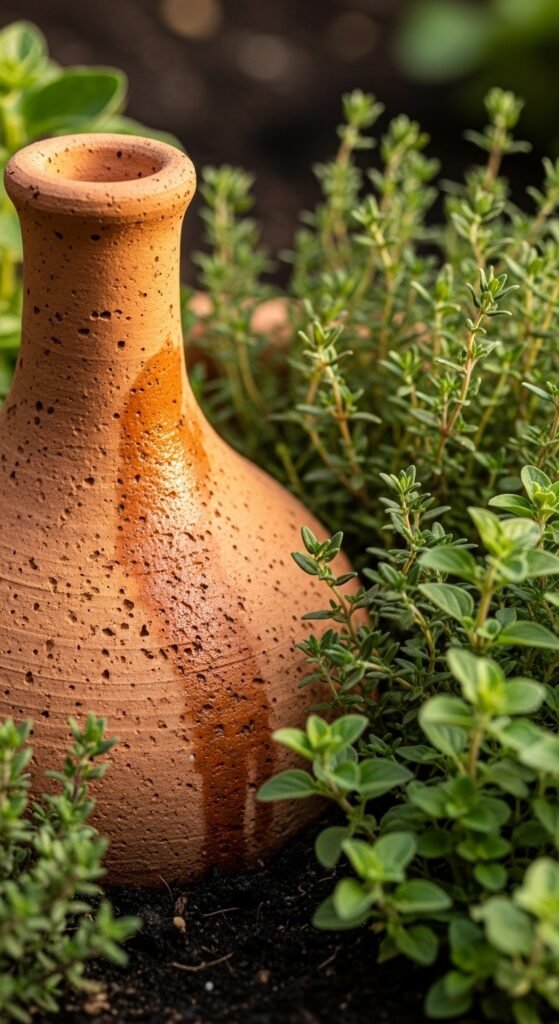
Bury the olla neck-deep beside herbs, fill, and cover. Refill every few days. This ancient technique pairs well with olla irrigation methods.
10) Aeroponic Tower for Herbs
You may assemble an aeroponic tower where herbs are misted with nutrient water from an internal reservoir, promoting fast, soil-free growth vertically.
This system excels in space efficiency and yield, delivering oxygen-rich mist that boosts herb vitality without traditional watering hassles.
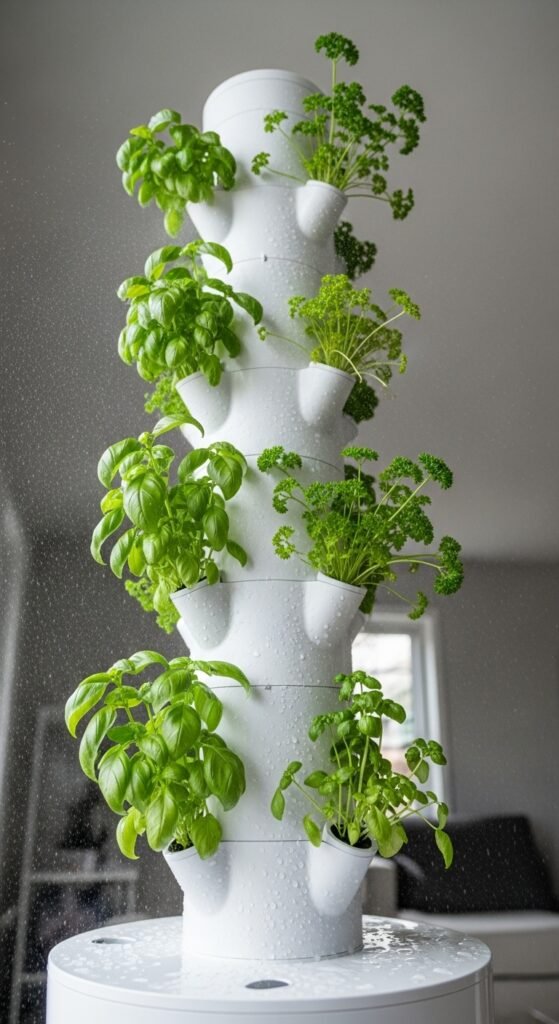
Stack the tower sections, insert herb pods, connect the pump, and cycle the solution. Suitable for indoors. For related hydro ideas, see hydroponic herb gardens.
11) Recycled Tire Stack Planter
You could stack old tires to form a tiered planter with a central reservoir tube for self-watering, recycling materials into functional herb homes.
The benefit lies in durability and insulation, protecting roots while providing ample space for mixed herbs like parsley and sage.
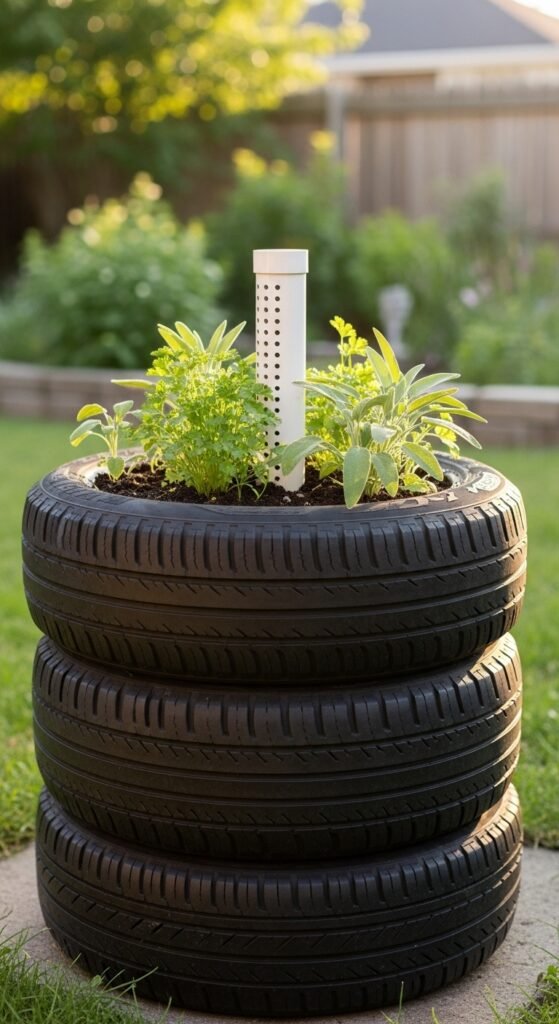
Clean tires, stack them, add a perforated pipe for water, fill with soil, and plant. Water through the tube. Explore sustainable options in spiral herb gardens.
12) Balcony Rail Self-Watering Box
You can attach elongated boxes to balcony rails with built-in reservoirs, allowing herbs to self-water while maximizing urban space.
This setup offers convenience and aesthetics, keeping herbs accessible and vibrant without frequent manual watering in elevated spots.
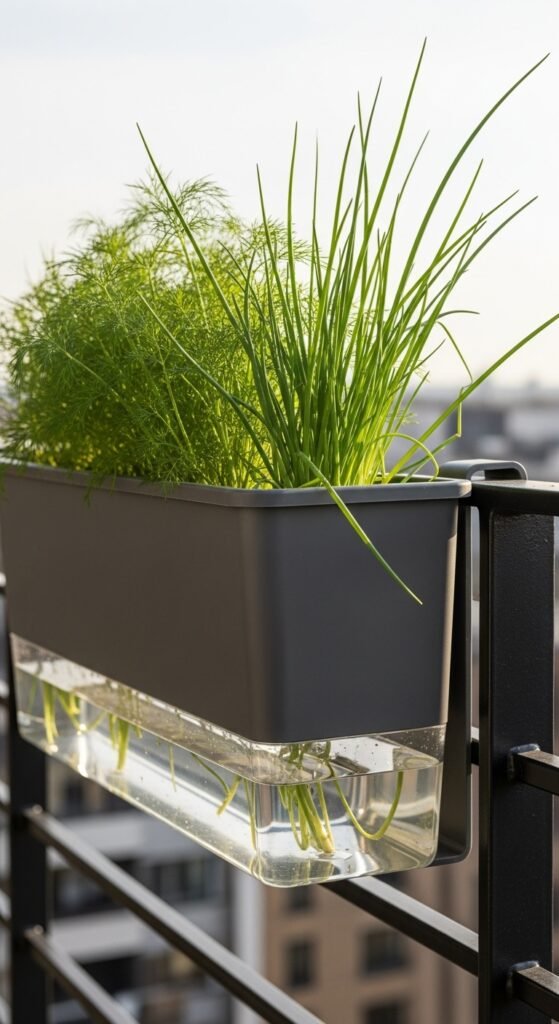
Secure the boxes, add wicking material, plant herbs, and fill the reservoir. Ideal for city dwellers. For container tips, refer to herbs in containers.
13) Greenhouse Mini Dome with Drip
You might use a small dome greenhouse over herb planters integrated with drip emitters from a reservoir for controlled, self-watering environments.
Why worthwhile: It creates a microclimate for extended seasons, shielding herbs while automating hydration for consistent results.
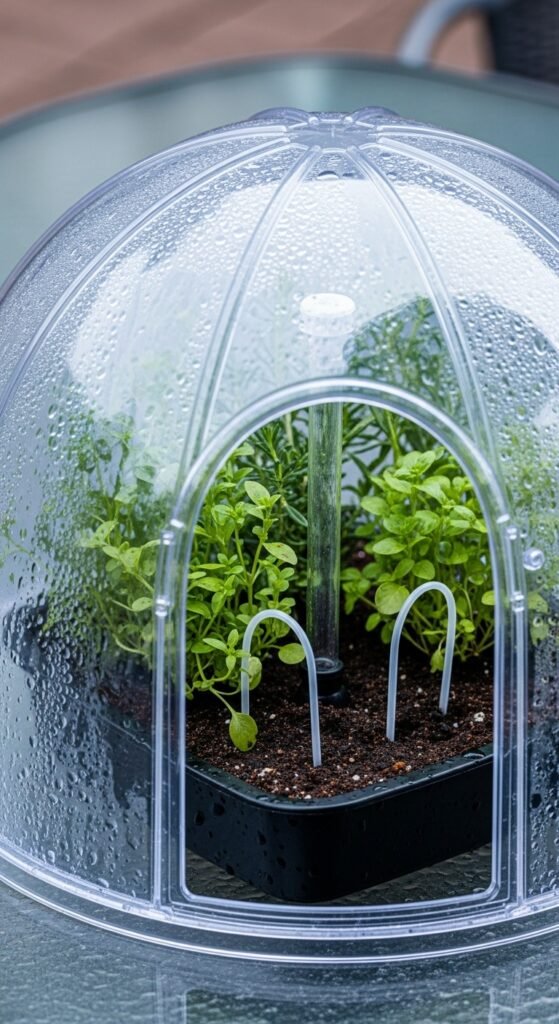
Place the dome over planters, connect drip lines, and set timers. Great for cooler climates. Enhance with drip irrigation setups.
14) Stackable Modular Herb Units
You could employ stackable plastic or ceramic units with interconnected reservoirs that allow water to flow downward through the stack for multiple herbs.
This modular design provides scalability and flexibility, letting you adjust height and herb variety with effortless watering management.
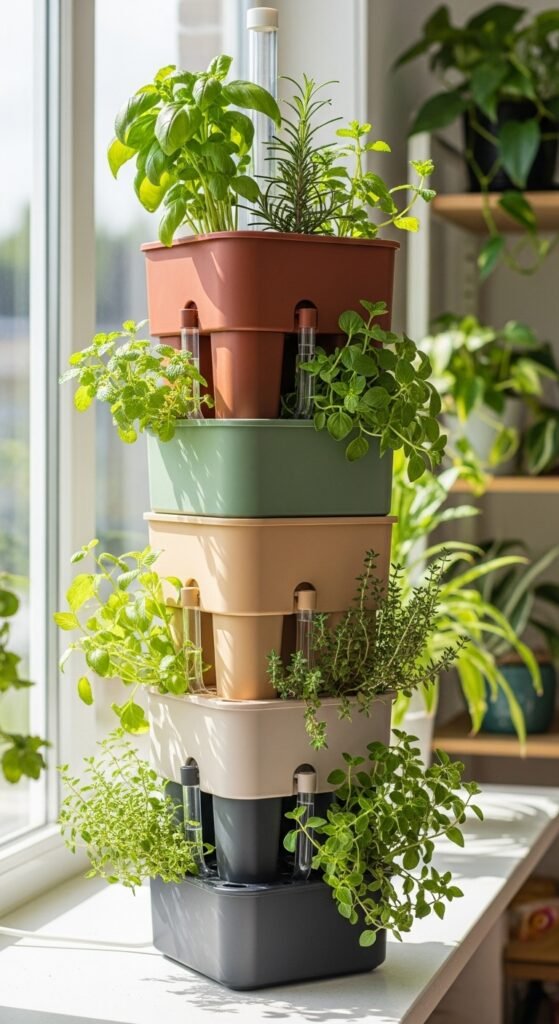
Assemble the stacks, add soil and herbs per level, fill the top reservoir. Perfect for growing collections. See vertical innovations in vertical herb gardens.
15) Wick-Fed Window Box Planter
You can design window boxes with wick systems drawing from external reservoirs, ensuring herbs receive steady moisture in exposed positions.
The advantage is seamless integration and reliability, enhancing curb appeal while simplifying care for herbs like dill.
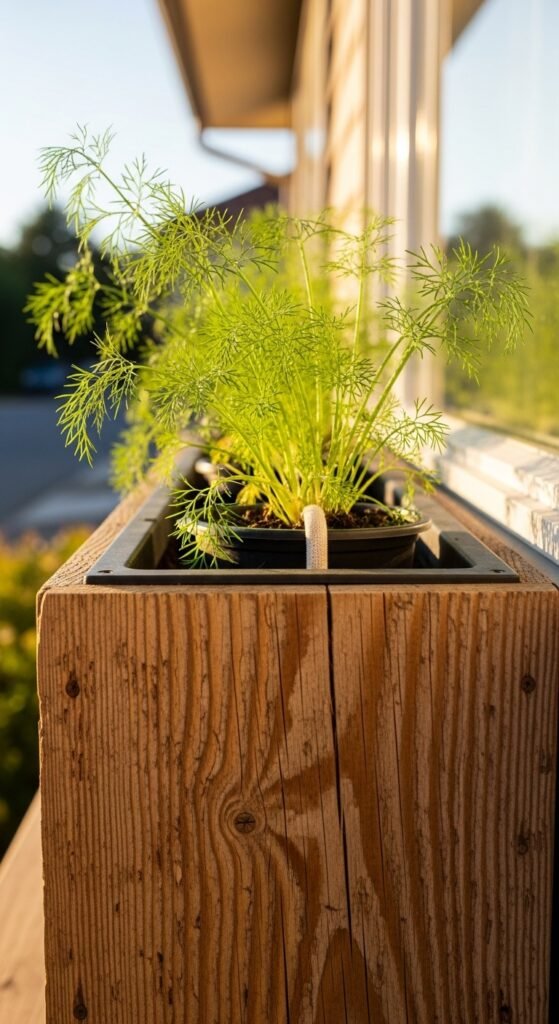
Install boxes, thread wicks to reservoirs below, plant, and maintain water levels. Suited for homes with limited indoor space. For indoor alternatives, check indoor herb garden ideas.
Key Tips for Successful Self Watering Herb Planters
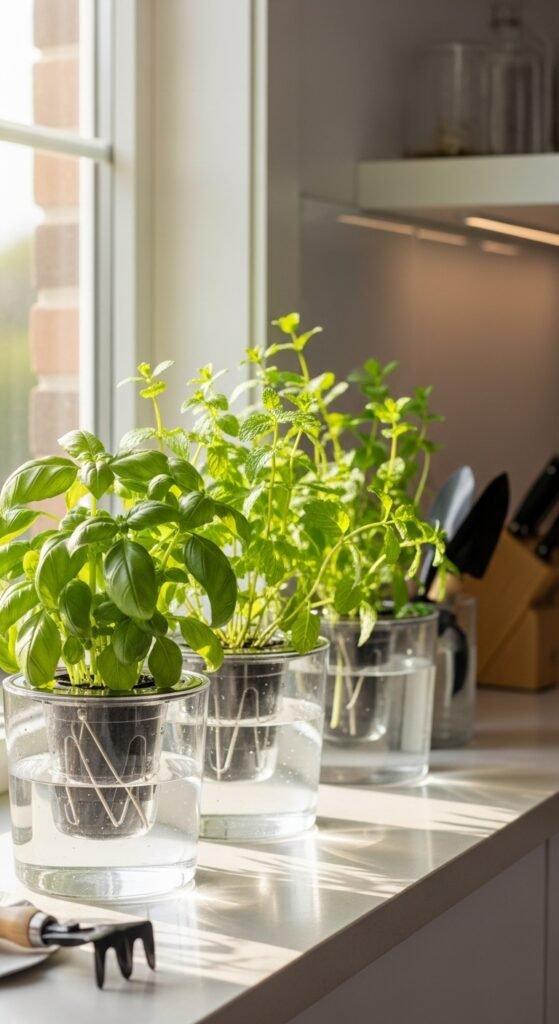
Selecting Appropriate Herbs
You should choose herbs that thrive in consistent moisture, such as basil, mint, and cilantro, avoiding those preferring drier conditions like lavender. This ensures compatibility with self-watering mechanisms, maximizing growth potential.
Monitoring Water Quality
You need to use filtered or rainwater in reservoirs to prevent mineral buildup, which can clog wicks or affect herb health. Regular checks maintain system efficiency and plant vitality.
Maintaining Cleanliness
You ought to clean reservoirs and wicks periodically to avoid algae or bacterial growth, promoting a healthy environment for your herbs. This simple step extends the lifespan of your planters.
Frequently Asked Questions
What are self watering herb planters?
Self watering herb planters are containers designed with reservoirs or wicking systems that automatically supply water to plant roots as needed, reducing the frequency of manual watering and helping maintain optimal soil moisture.
How often do you need to refill the reservoir in self watering herb planters?
Refilling frequency depends on factors like planter size, herb type, and environmental conditions, but typically ranges from every 3 to 7 days. Monitor levels to avoid depletion.
Which herbs grow best in self watering planters?
Herbs that prefer consistent moisture, such as basil, parsley, mint, and chives, perform exceptionally well in self watering systems, while Mediterranean herbs like rosemary may require adjustments for drier preferences.
Can self watering herb planters be used indoors?
Yes, many designs are suitable for indoor use, especially compact models for windowsills or countertops, provided they receive adequate light and are placed on waterproof surfaces to prevent leaks.
Are self watering herb planters worth the investment?
Absolutely, as they save time, conserve water, and promote healthier plants by preventing common issues like over or under-watering, making them ideal for both novice and experienced gardeners.