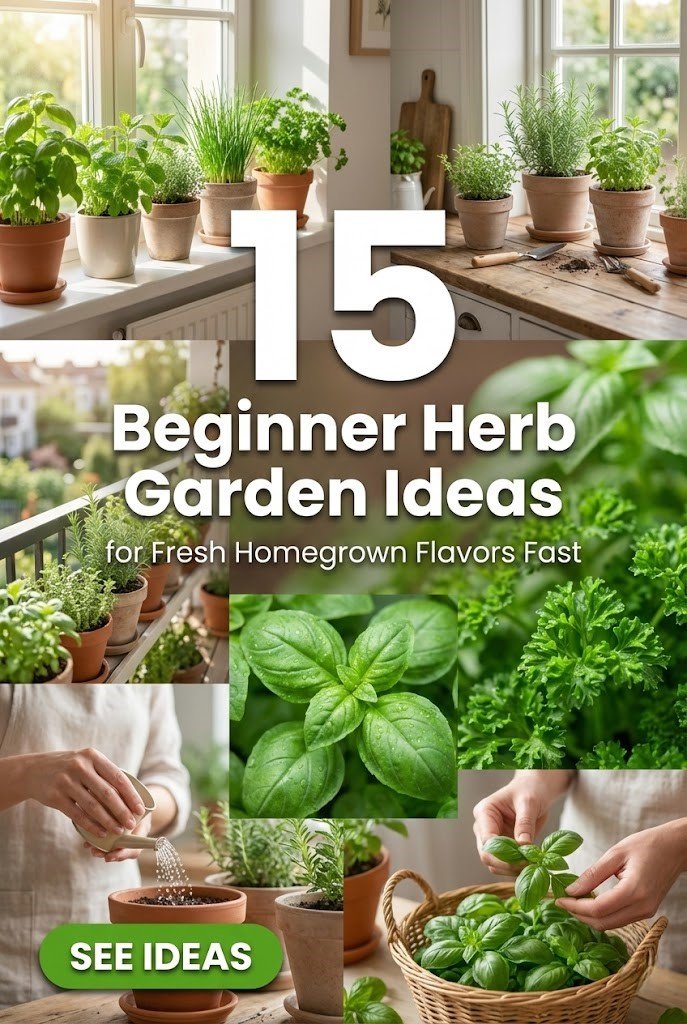
Embarking on herb gardening for beginners offers an accessible entry into horticulture, allowing you to cultivate fresh, aromatic plants that enhance culinary endeavors and promote well-being. This practice involves selecting suitable herbs, preparing the growing environment, and maintaining plants with minimal resources, making it ideal for those new to gardening.
You will discover that herb gardening not only provides immediate gratification through quick growth cycles but also contributes to sustainable living by reducing reliance on store-bought produce. By focusing on fundamental techniques, you can achieve a thriving herb garden that yields bountiful harvests throughout the seasons.
These 15 ideas are designed to guide you systematically, ensuring success from the outset while incorporating best practices for optimal plant health.
1) Select Beginner-Friendly Herbs
When initiating herb gardening for beginners, prioritize herbs that are resilient and require minimal maintenance, such as basil, mint, and chives. These varieties adapt well to various conditions and forgive occasional oversights in care.
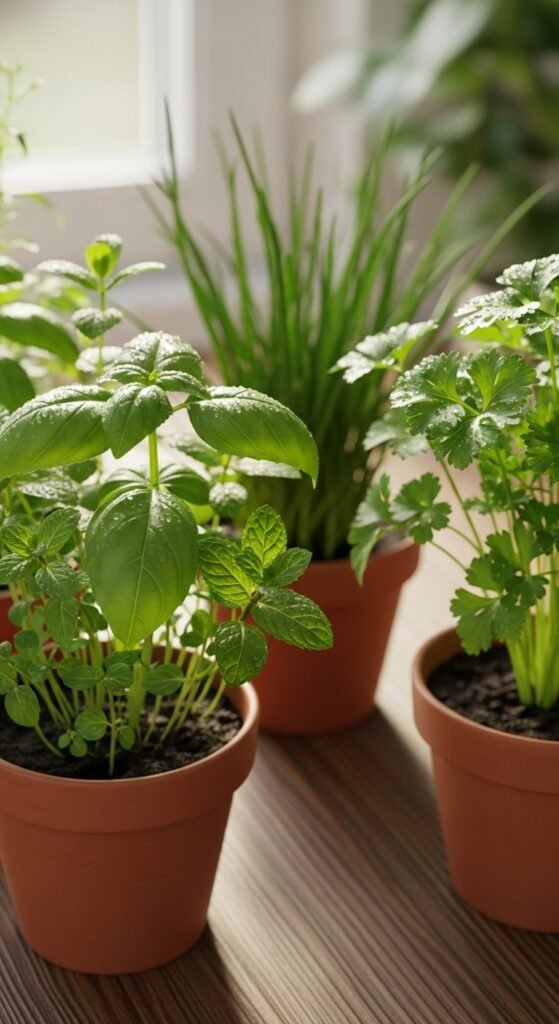
The rationale for this selection lies in their rapid growth and versatility in usage, which builds your confidence as a gardener. For instance, basil thrives in warm environments and offers abundant leaves for culinary applications, while mint spreads vigorously, providing a continuous supply.
To implement this, research each herb’s specific needs and start with three to five types. Plant them in well-drained soil or containers, ensuring they receive adequate sunlight. This approach allows you to observe growth patterns and adjust techniques accordingly, setting a strong foundation for your gardening pursuits.
2) Determine Optimal Garden Location
Identifying the right spot for your herb garden is crucial in herb gardening for beginners, as most herbs require at least six hours of direct sunlight daily to flourish. Assess your outdoor or indoor space for areas that meet this criterion while being protected from strong winds.
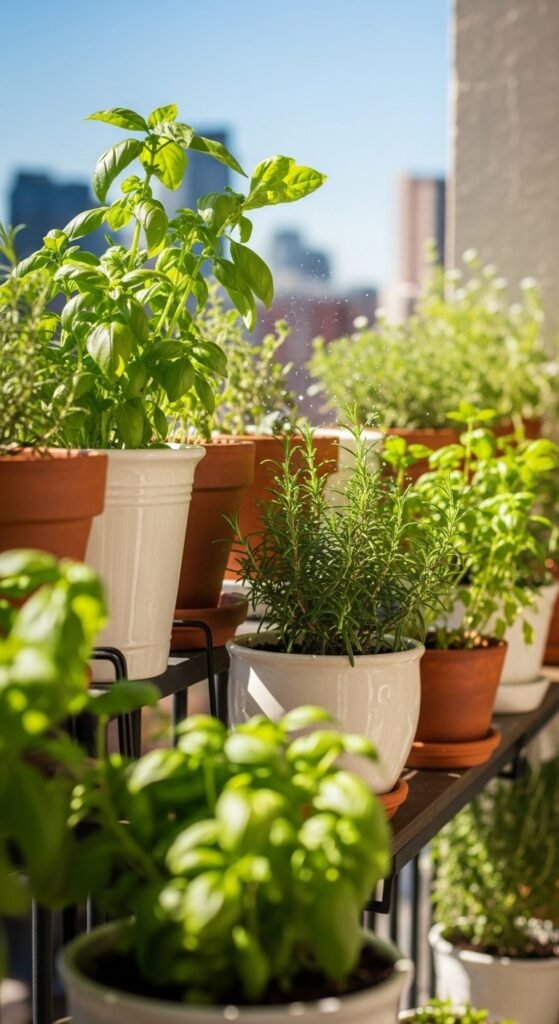
This location choice enhances plant vitality and yield, preventing issues like leggy growth from insufficient light. A south-facing window or balcony can serve indoor setups effectively, mimicking natural outdoor conditions.
Begin by mapping sunlight exposure throughout the day in potential sites. If outdoor space is limited, consider balcony herb garden ideas to maximize vertical areas. Ensure proximity to a water source for convenient maintenance, facilitating consistent care routines.
3) Prepare Quality Soil Mix
In herb gardening for beginners, crafting an appropriate soil mixture is essential for root development and nutrient uptake. Opt for a well-aerated, loamy soil that drains efficiently to avoid waterlogging, which can lead to root rot.
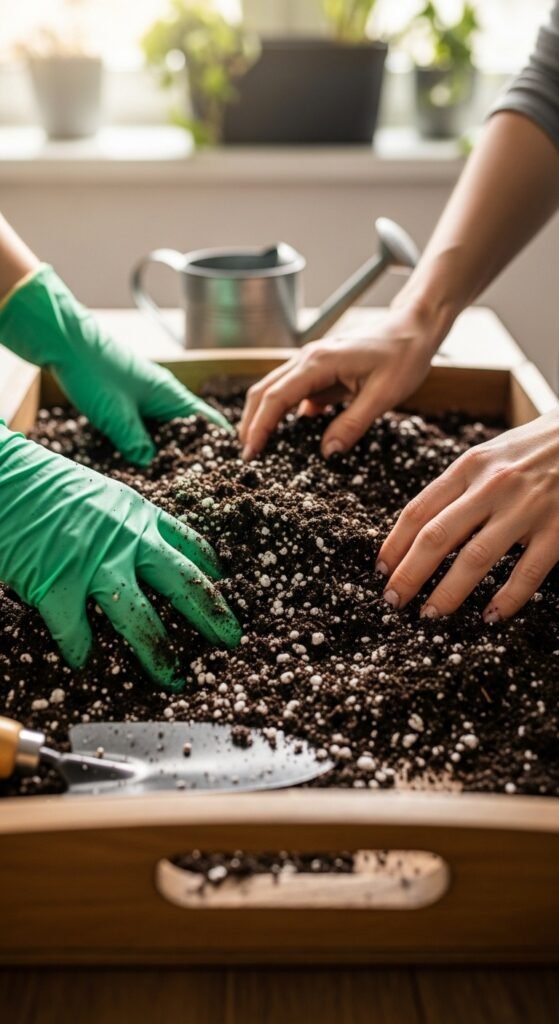
The benefits include healthier plants with robust flavors, as proper soil supports microbial activity that aids nutrient absorption. Incorporating organic matter enhances fertility, promoting sustained growth without synthetic inputs.
Mix equal parts of garden soil, compost, and perlite or sand. Test the pH to ensure it falls between 6.0 and 7.0, adjusting with lime if necessary. For further guidance, refer to resources on soil mix for herbs to refine your composition for specific varieties.
4) Choose Seeds or Seedlings
For herb gardening for beginners, deciding between seeds and seedlings impacts your starting point. Seeds offer cost savings and the satisfaction of full-cycle growth, while seedlings provide a head start, reducing initial wait times.
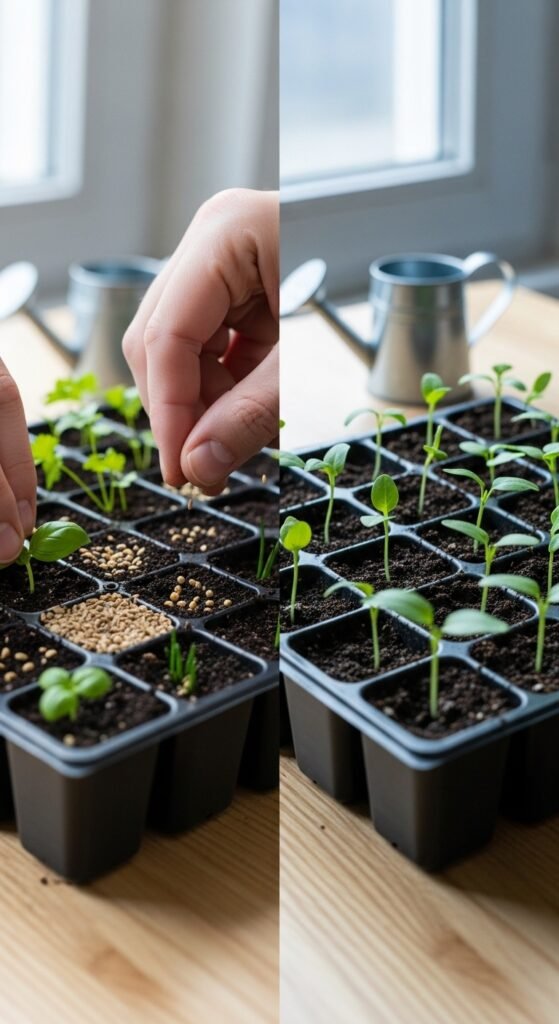
This choice allows customization to your patience level and season; seedlings are particularly advantageous in shorter growing periods. Both methods yield comparable results when cared for properly, fostering educational experiences in plant biology.
Purchase high-quality seeds or healthy seedlings from reputable sources. If using seeds, sow them indoors four to six weeks before the last frost, using trays with moist soil. Transplant seedlings outdoors once they develop true leaves, spacing them appropriately to encourage airflow.
5) Master Watering Techniques
Effective watering is a cornerstone of herb gardening for beginners, requiring you to maintain consistent moisture without over-saturating the soil. Most herbs prefer soil that is moist to the touch but not soggy, typically needing water every few days depending on climate.
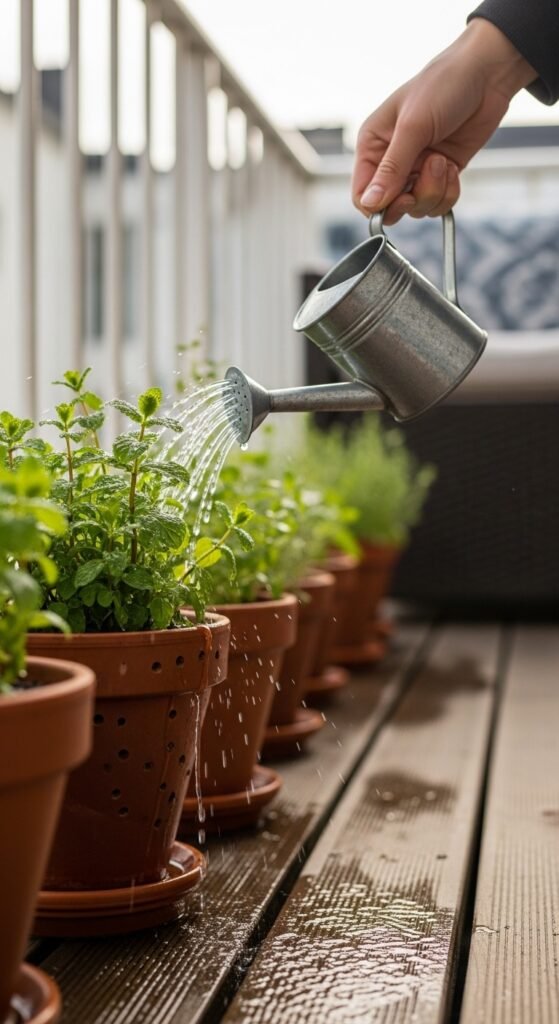
Proper hydration prevents stress-related issues like wilting or bolting, ensuring vibrant foliage and potent aromas. It also minimizes disease risks associated with excess moisture, such as fungal infections.
Water deeply at the base of plants in the morning to allow evaporation throughout the day. Use a finger test to check soil dryness an inch below the surface. For container setups, ensure drainage holes are present to facilitate excess water escape.
6) Understand Sunlight Needs
In herb gardening for beginners, comprehending sunlight requirements tailors your setup for success. Herbs like rosemary and thyme demand full sun, while parsley and cilantro tolerate partial shade, influencing placement decisions.
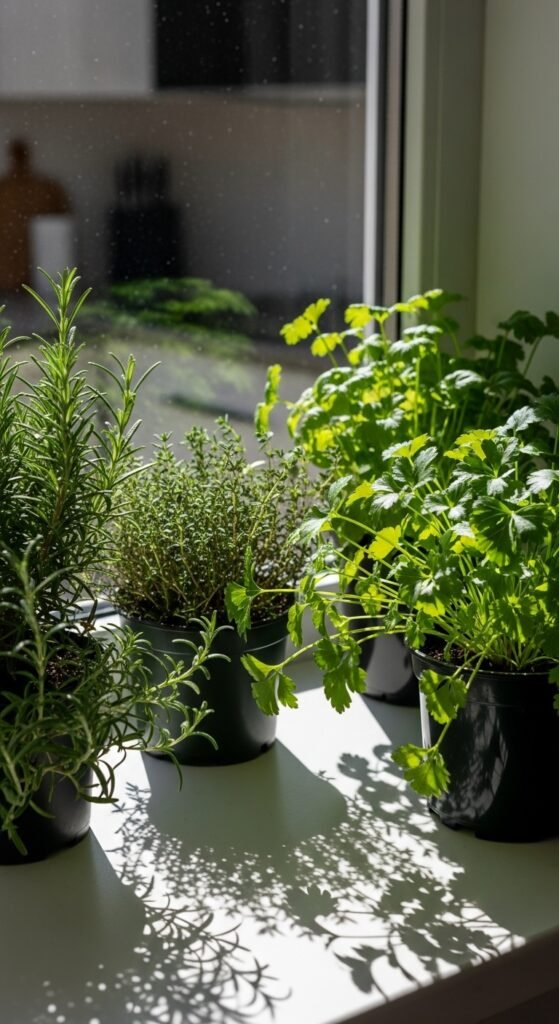
Adequate light promotes photosynthesis, leading to denser growth and enhanced essential oils that define herb flavors. Insufficient exposure can result in weak stems and reduced productivity, hindering your gardening progress.
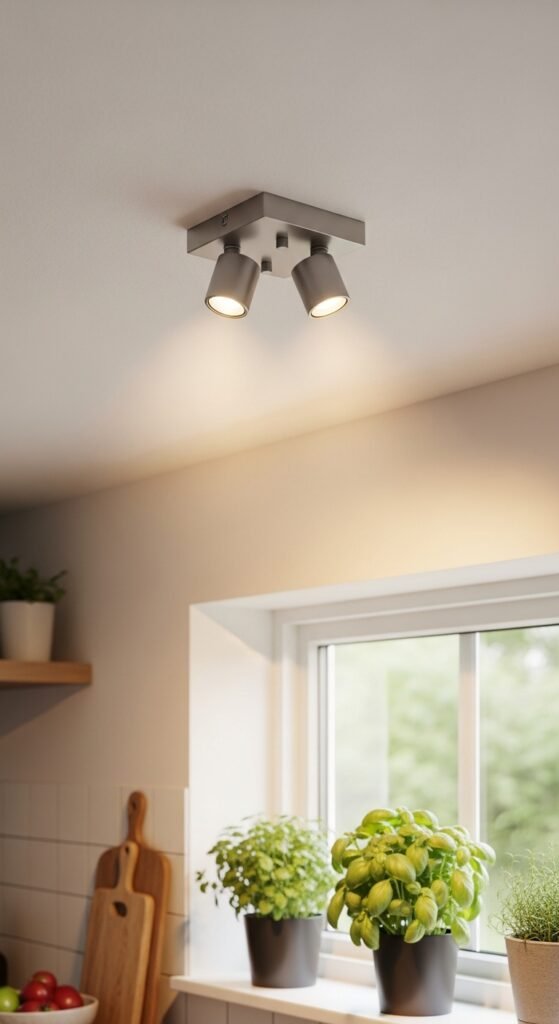
Monitor your site’s light patterns and group herbs by similar needs. If natural light is limited, supplement with grow lights positioned 6-12 inches above plants for 12-16 hours daily. Adjust as seasons change to maintain optimal conditions.
7) Explore Container Options
Container gardening represents a versatile approach in herb gardening for beginners, ideal for limited spaces or mobile arrangements. Select pots with ample drainage to accommodate root expansion and prevent stagnation.
This method offers control over soil quality and location, enabling you to relocate plants for better sun exposure or protection. It also simplifies pest management and harvesting, making it user-friendly for novices.
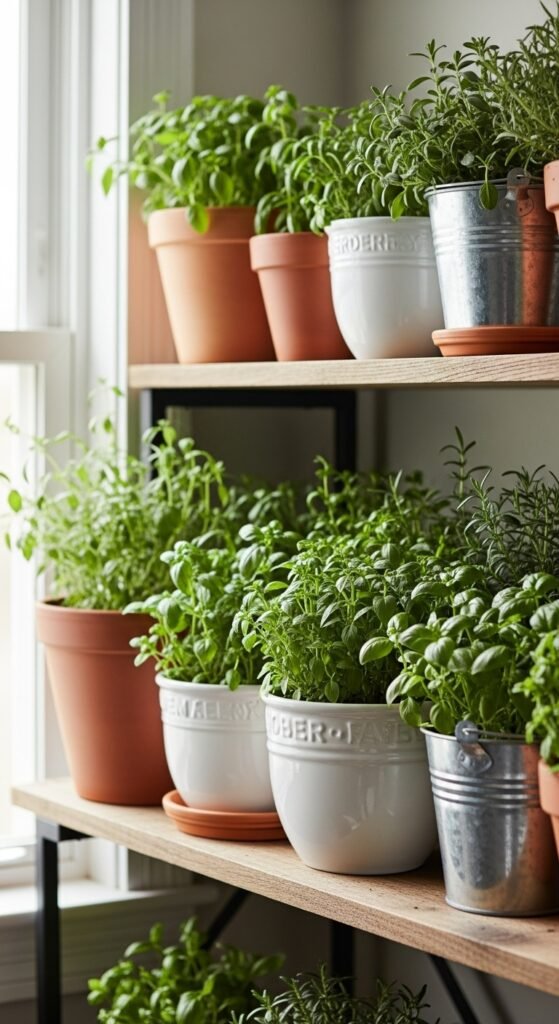
Choose terracotta or plastic containers at least 6 inches deep. Fill with a suitable potting mix and plant one herb per pot or compatible groups. For inspiration, consider container gardening for beginners to integrate creative elements into your setup.
8) Implement Companion Planting
Companion planting enhances herb gardening for beginners by pairing compatible plants to boost growth and deter pests. For example, basil alongside tomatoes repels insects, while dill attracts beneficial pollinators.
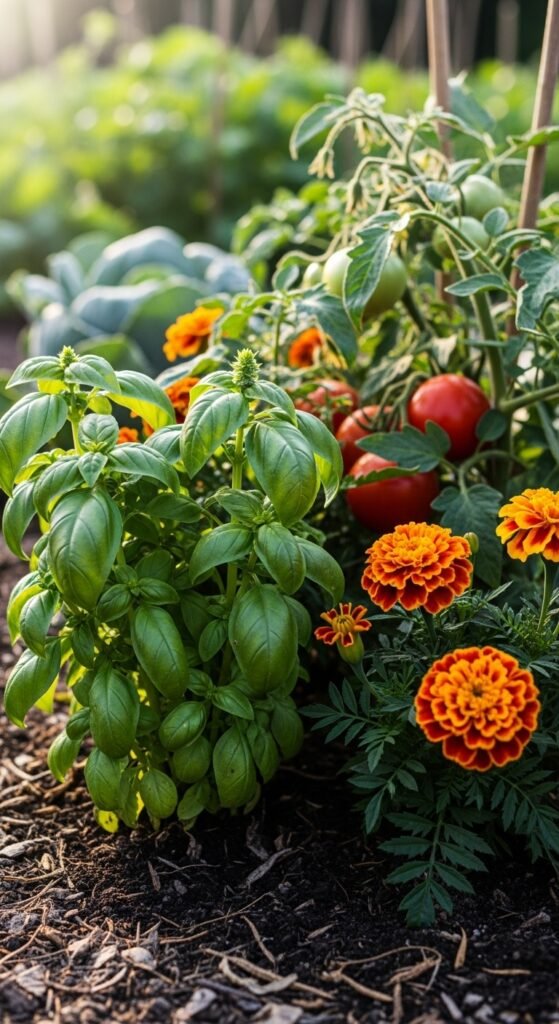
This strategy improves biodiversity, leading to healthier ecosystems and higher yields without chemical interventions. It optimizes space usage and fosters natural synergies that simplify maintenance efforts.
Research compatible pairs and map your garden layout accordingly. Plant taller herbs to shade shorter ones if needed. Explore detailed companion planting with herbs charts to refine combinations for maximum efficacy.
9) Learn Pruning Methods
Pruning is vital in herb gardening for beginners to encourage bushier growth and prolong productivity. Regularly trim tips to stimulate lateral branching, focusing on removing flower buds to preserve leaf quality.
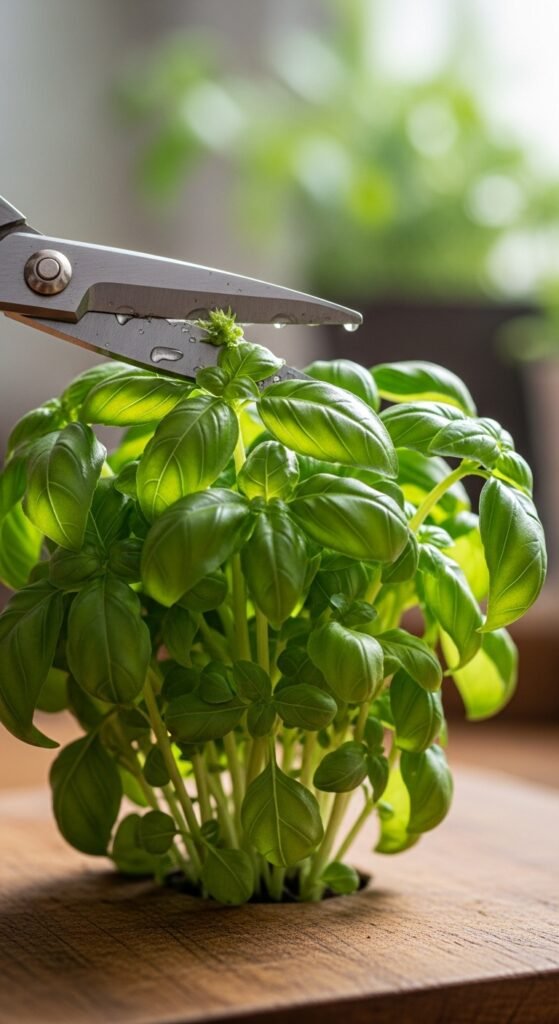
This practice maintains plant shape and vitality, preventing legginess and promoting fuller foliage for harvesting. It also extends the growing season by redirecting energy from reproduction to vegetative development.
Use clean shears to cut just above leaf nodes, harvesting no more than one-third of the plant at once. Perform this in the morning when oils are concentrated. Consistent pruning integrates seamlessly into routine care.
10) Adopt Natural Pest Control
In herb gardening for beginners, employing natural pest control safeguards your plants without harmful chemicals. Introduce beneficial insects or use companion herbs like marigolds to repel aphids and beetles.
This eco-friendly method preserves beneficial pollinators and soil health, ensuring sustainable practices that align with organic principles. It reduces dependency on synthetic solutions, fostering a balanced garden environment.
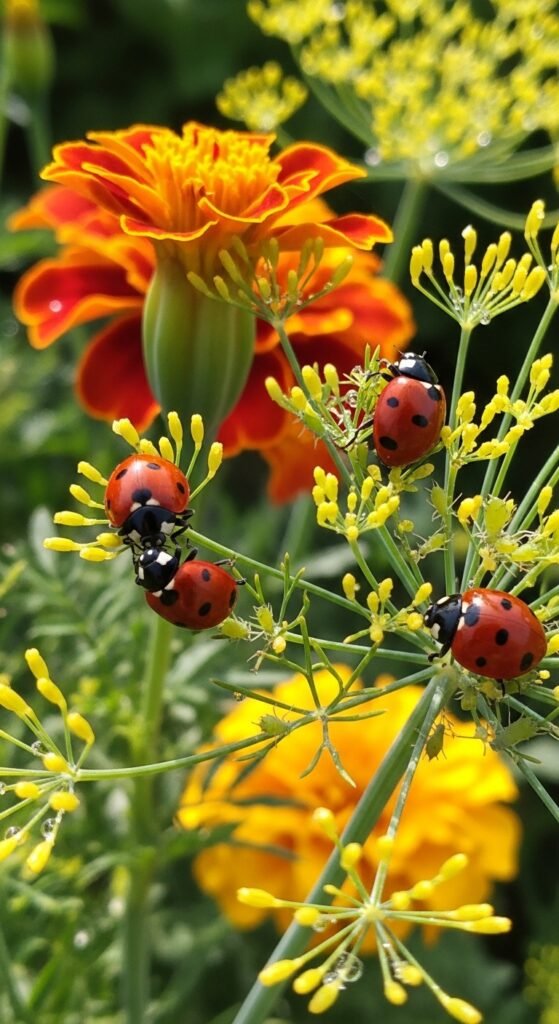
Inspect plants regularly for signs of infestation and apply neem oil sprays as needed. Encourage biodiversity to naturally regulate pest populations. These techniques support long-term garden resilience.
11) Apply Fertilizing Guidelines
Fertilizing appropriately in herb gardening for beginners supplies essential nutrients for vigorous growth. Use organic options like compost tea to avoid over-fertilization, which can dilute flavors.
Balanced nutrition enhances plant resilience and yield, contributing to robust root systems and lush leaves. It compensates for soil deficiencies, particularly in container setups where nutrients deplete faster.
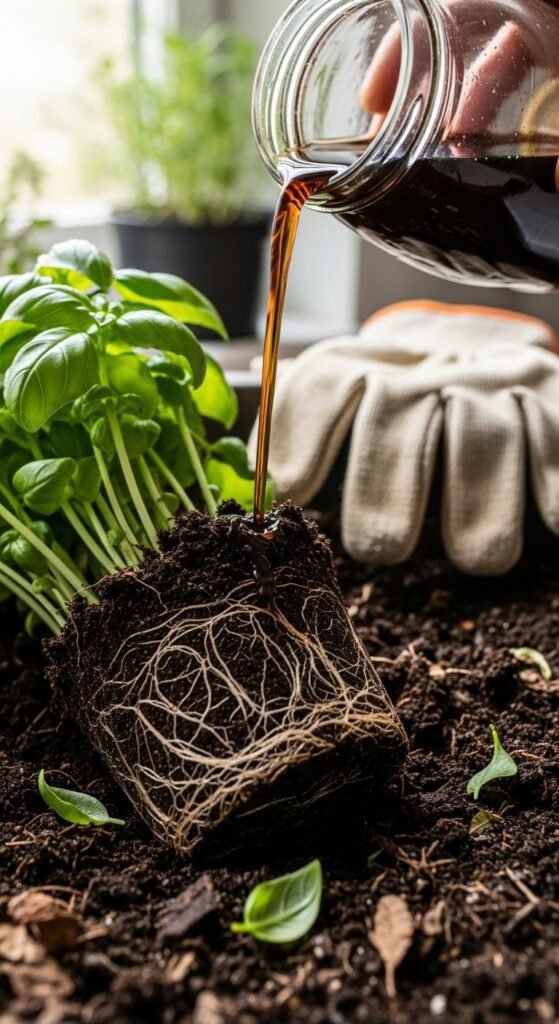
Apply a diluted fertilizer every four to six weeks during active growth. Monitor plant responses and adjust based on soil tests. Integrate composting to sustain fertility naturally over time.
12) Set Up Indoor Gardens
Indoor herb gardening extends opportunities for beginners, allowing year-round cultivation regardless of outdoor conditions. Utilize windowsills or dedicated shelves with supplemental lighting for consistent production.
This setup provides convenience for kitchen access and protects against weather fluctuations, ensuring fresh herbs are always available. It also introduces controlled environments for experimenting with varieties.
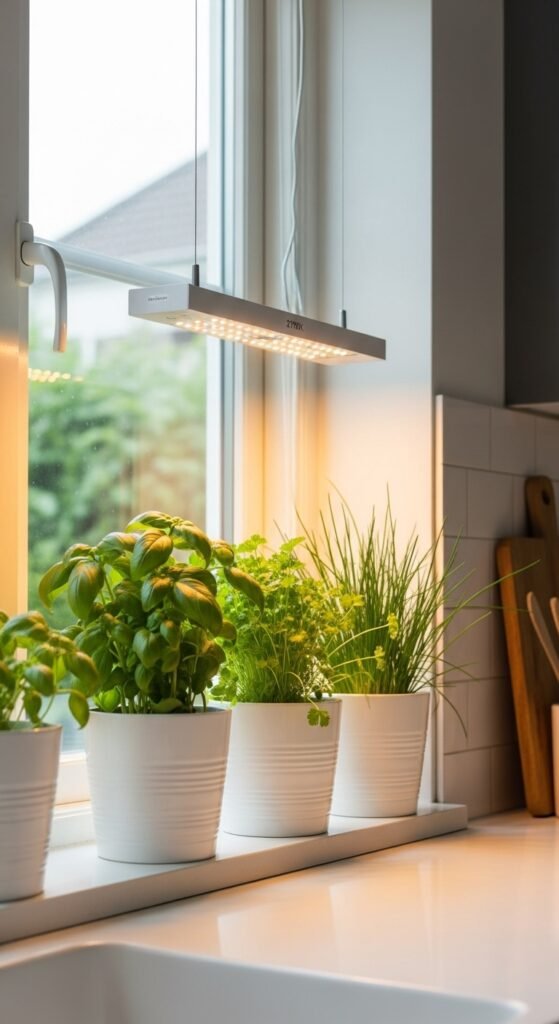
Select south-facing windows and rotate pots for even exposure. Employ hydroponic systems if space allows. Draw from indoor herb garden ideas to optimize your indoor space effectively.
13) Harvest and Store Properly
Harvesting techniques in herb gardening for beginners maximize flavor retention and plant longevity. Collect leaves in the morning, using sharp tools to minimize damage and encourage regrowth.
Proper storage preserves potency, whether drying for long-term use or refrigerating for immediate consumption. This ensures you benefit from your efforts throughout the year, reducing waste.
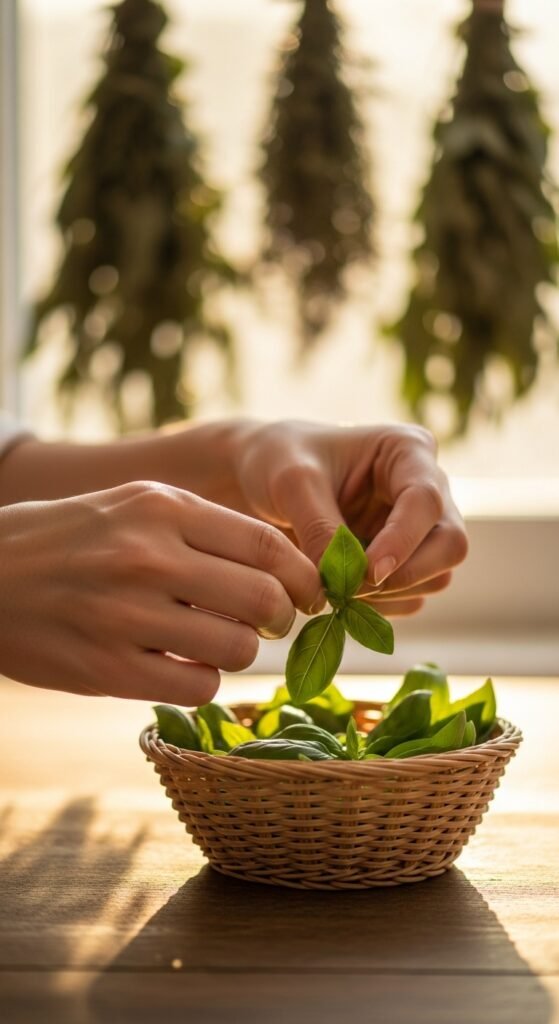
Dry bundles in a shaded, ventilated area or freeze in ice cubes. Label and store in airtight containers. Refer to guides on harvesting herbs for variety-specific advice.
14) Avoid Common Pitfalls
Recognizing frequent errors in herb gardening for beginners prevents setbacks like overwatering or poor spacing. Address these proactively to maintain plant health and productivity.
Avoiding mistakes accelerates learning and yields better results, building your expertise through practical application. It fosters efficient resource use and minimizes frustration.
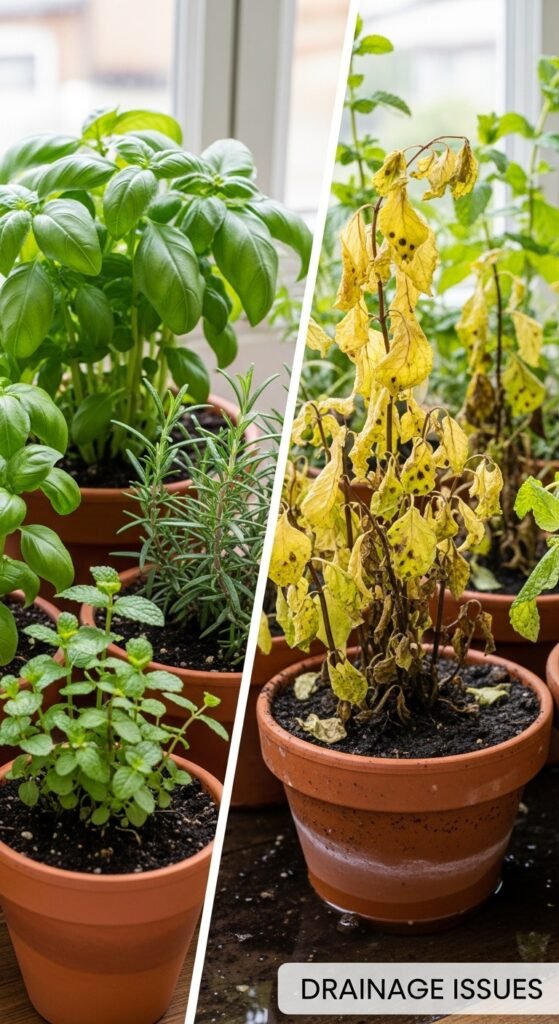
Ensure proper drainage and adhere to spacing guidelines. Observe plants closely to intervene early. These adjustments refine your approach for future success.
15) Plan Garden Expansion
Once established in herb gardening for beginners, consider expanding by introducing new varieties or larger plots. This progression deepens your engagement and diversifies your harvest.
Expansion enhances self-sufficiency and allows experimentation with advanced techniques, such as intercropping. It builds on foundational skills, leading to more complex garden designs.
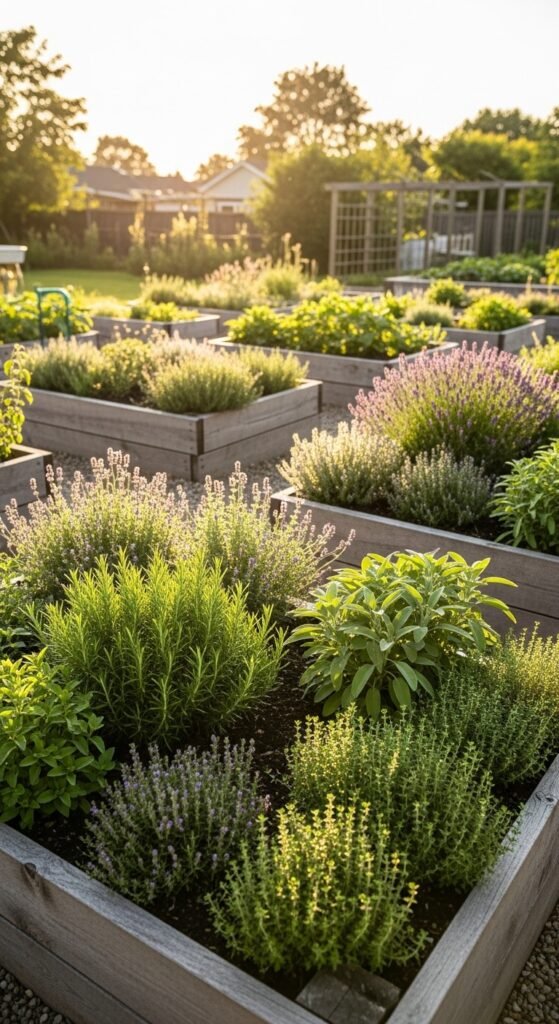
Assess current performance and incorporate perennials for longevity. Explore herb garden design ideas to inspire scalable layouts that suit your evolving needs.
Key Principles for Success
Soil Health Management
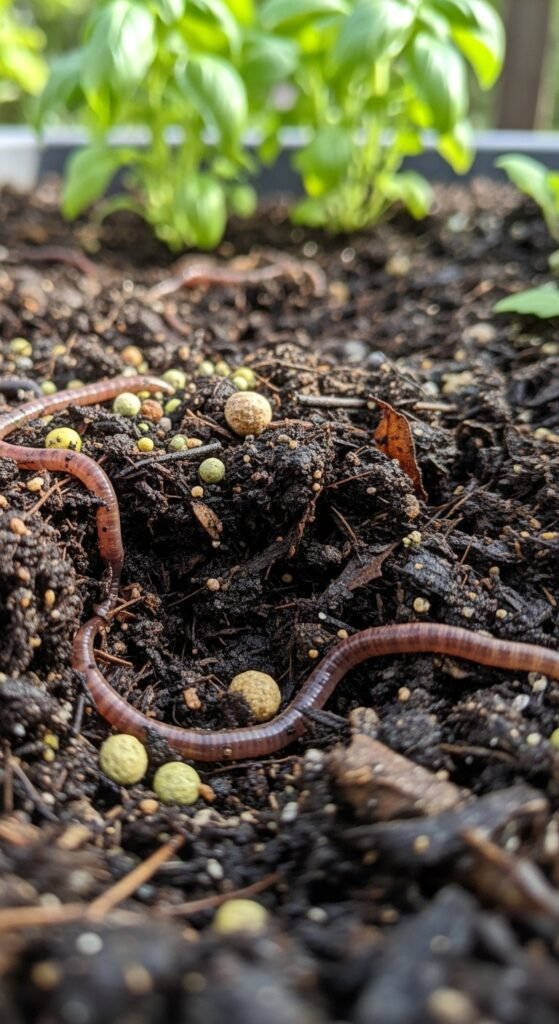
Maintain soil vitality through regular amendments and testing to support herb growth. Healthy soil underpins all gardening efforts, ensuring nutrient availability and disease resistance.
Sustainable Practices
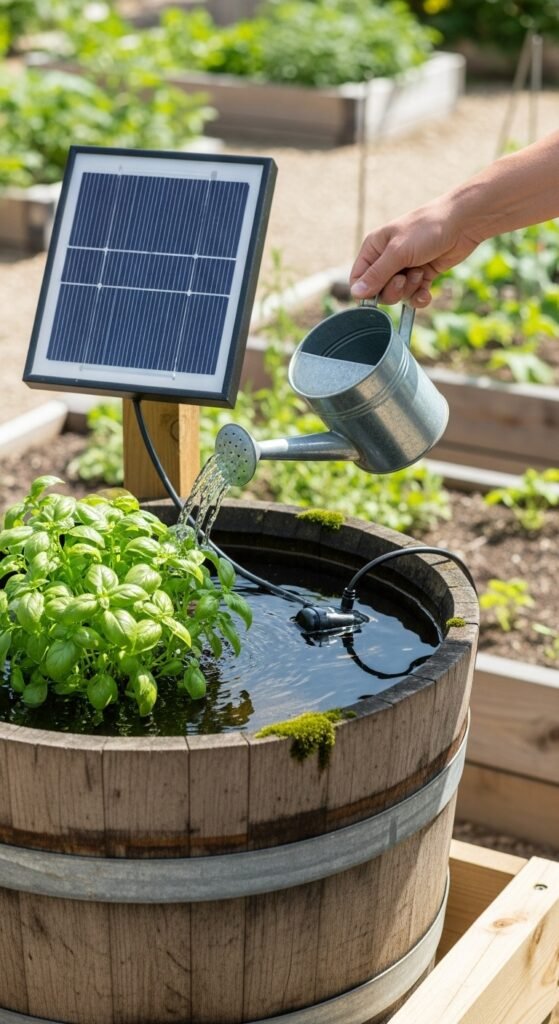
Adopt eco-friendly methods like rainwater harvesting and organic mulching to conserve resources. These practices promote environmental stewardship while enhancing garden productivity.
Seasonal Adaptations
Adjust care routines with changing seasons, such as providing shade in summer or protection in winter. This flexibility ensures year-round viability for your herb garden.
Frequently Asked Questions
What are the easiest herbs for beginners to grow?
Basil, mint, and parsley are among the easiest, as they grow quickly and tolerate a range of conditions with basic care.
How often should I water my herb garden?
Water when the top inch of soil feels dry, typically every 2-3 days, adjusting based on weather and plant needs.
Can I grow herbs indoors year-round?
Yes, with sufficient light and proper containers, herbs can thrive indoors throughout the year.
What soil is best for herbs?
A well-draining, nutrient-rich mix with a neutral pH supports most herbs effectively.
How do I prevent pests in my herb garden?
Use natural repellents and encourage beneficial insects to maintain a balanced ecosystem.