You are seeking ways to cultivate a thriving garden while conserving water, and drought tolerant herbs offer an excellent solution. These resilient plants have adapted to survive with minimal moisture, making them ideal for arid climates or regions experiencing water restrictions. By incorporating drought tolerant herbs into your landscape, you can enjoy fresh, aromatic additions to your culinary endeavors without the constant need for irrigation.
The benefits extend beyond water savings; these herbs often require less maintenance, resist pests more effectively, and contribute to biodiversity. Whether you are a seasoned gardener or just beginning, selecting the right drought tolerant herbs can transform your outdoor space into a sustainable haven.
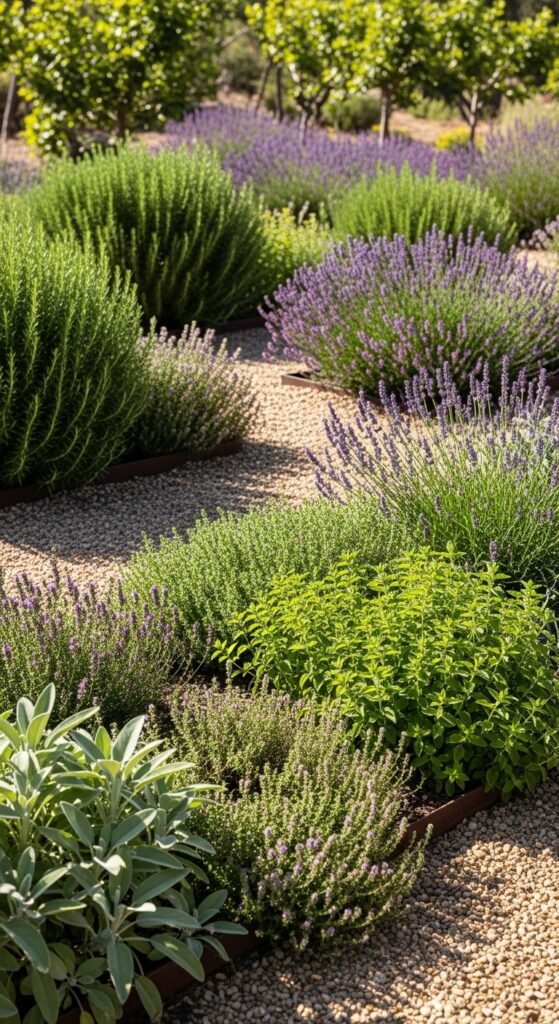
In the following list, you will discover 15 exceptional options, each with detailed insights on their characteristics, advantages, and cultivation methods.
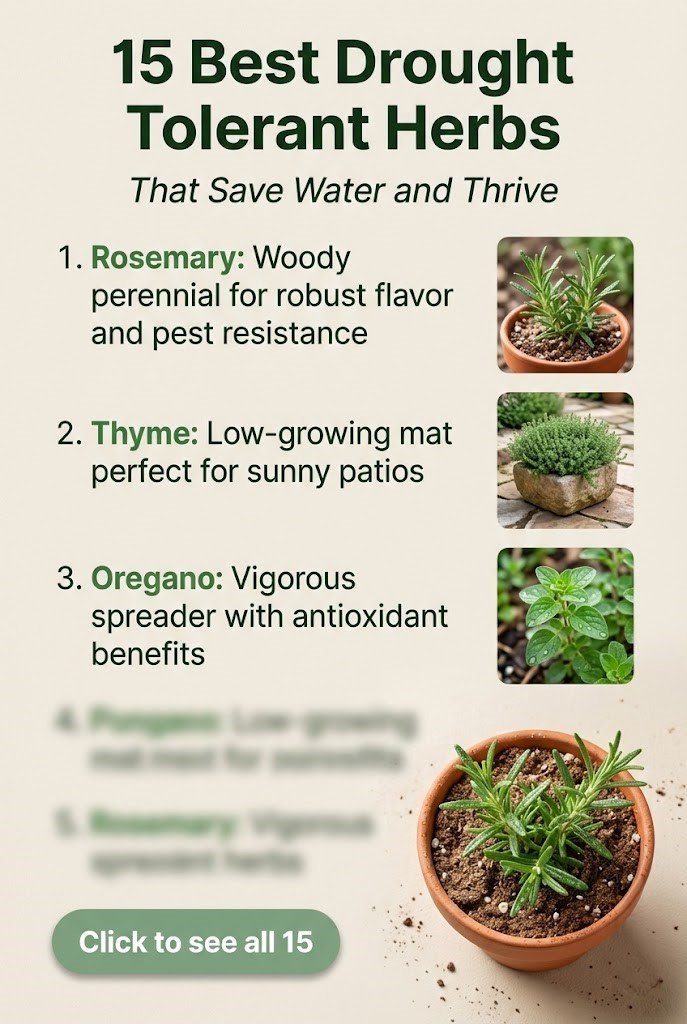
1) Rosemary
Rosemary is a woody perennial herb native to the Mediterranean, renowned for its needle-like leaves and robust flavor. This drought tolerant herb thrives in full sun and well-drained soil, making it perfect for xeriscape gardens. You will appreciate its versatility in cooking, from seasoning meats to infusing oils.
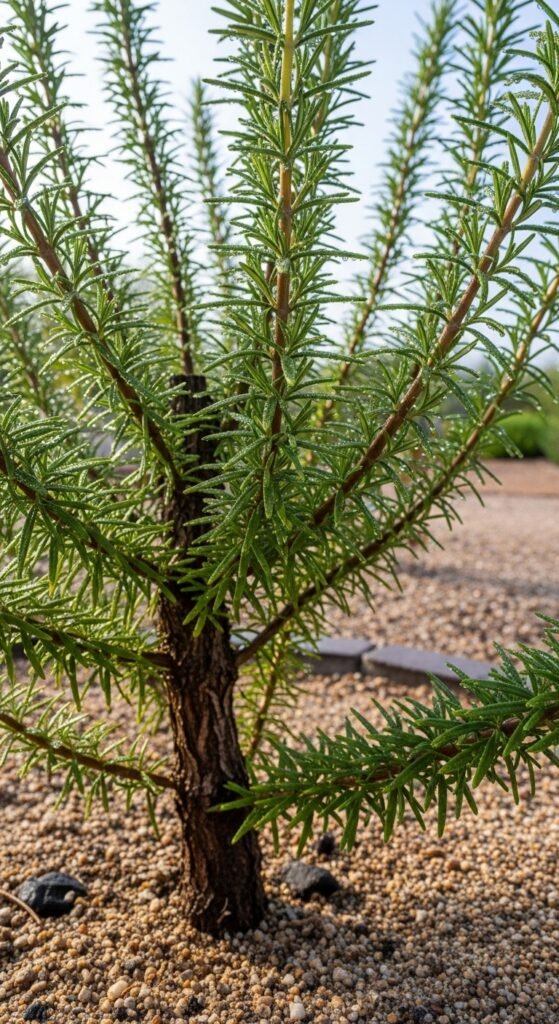
Key benefits include its natural pest-repelling properties and medicinal uses, such as improving memory and digestion. To grow rosemary successfully, plant it in sandy soil with good drainage to prevent root rot. Water sparingly once established, allowing the topsoil to dry between sessions. Prune regularly to encourage bushy growth and harvest sprigs as needed for your kitchen.
For optimal placement, consider integrating rosemary into your drought tolerant yard ideas, where it can serve as a low-maintenance border plant.
2) Thyme
Thyme is a low-growing herb with tiny, fragrant leaves that add depth to soups, stews, and marinades. As one of the most drought tolerant herbs, it prefers rocky, dry conditions reminiscent of its Mediterranean origins. You can choose from varieties like lemon thyme for a citrus twist.
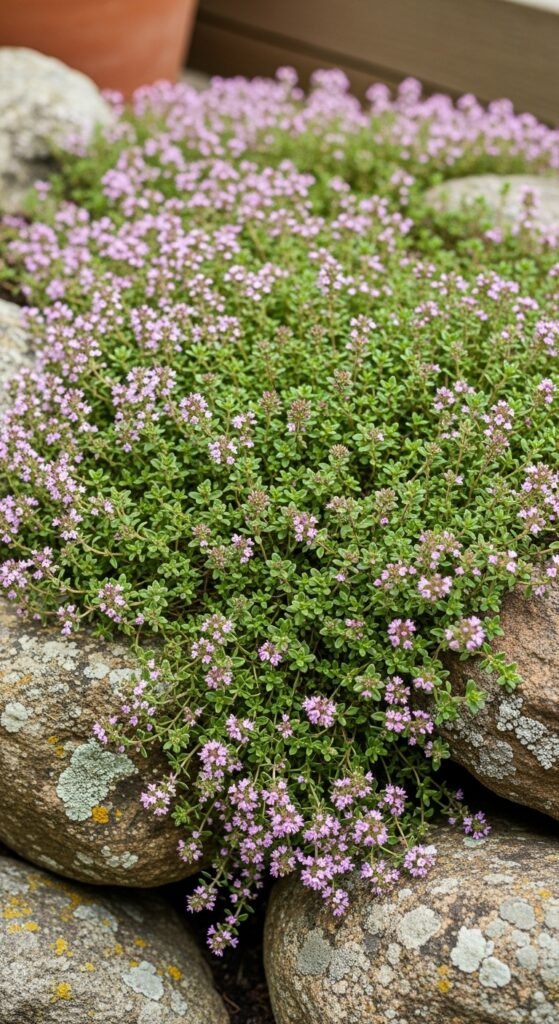
Key benefits encompass its antimicrobial qualities and ability to attract pollinators, enhancing your garden’s ecosystem. Plant thyme in full sun with gritty soil, spacing seedlings about 12 inches apart. Water young plants moderately, then reduce frequency as they mature. Harvest by snipping stems, which promotes denser foliage.
If you are planning a container setup, explore patio herb garden ideas to incorporate thyme effectively.
3) Oregano
Oregano features broad leaves and a pungent aroma, essential for Italian and Greek cuisines. This drought tolerant herb spreads vigorously, forming a ground cover in sunny, dry spots. You will find Greek oregano particularly flavorful for pizzas and sauces.
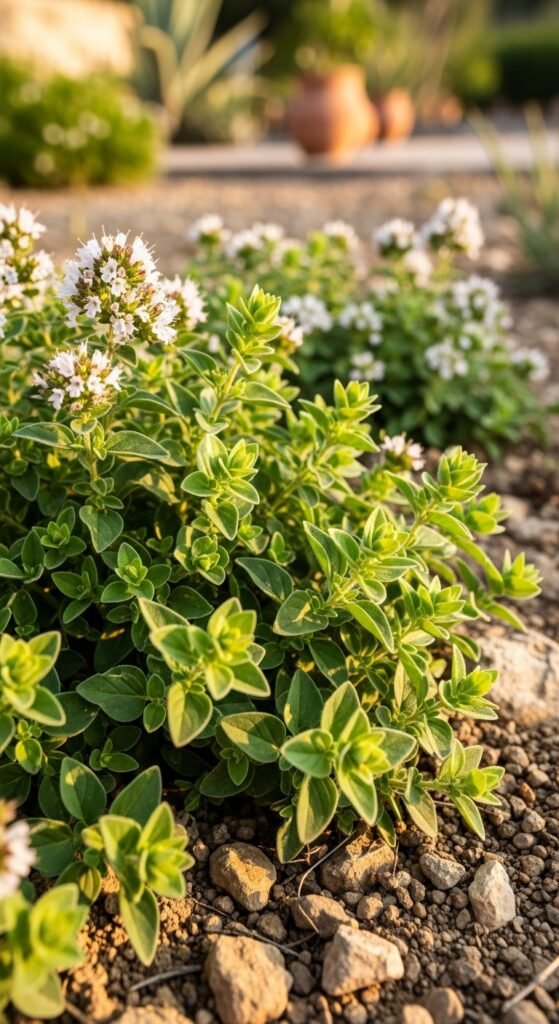
Key benefits include its antioxidant-rich profile and ease of propagation from cuttings. Sow seeds or transplant in well-drained soil under full sun exposure. Initial watering helps establishment, but mature plants tolerate neglect well. Trim back after flowering to maintain shape and vitality.
To preserve your harvest, consider building an outdoor herb drying rack for air-drying oregano bundles.
4) Sage
Sage boasts velvety gray-green leaves and a savory taste, ideal for stuffing and poultry dishes. As a drought tolerant herb, it endures hot, dry weather with minimal care. You can select common sage or explore purple varieties for visual interest.
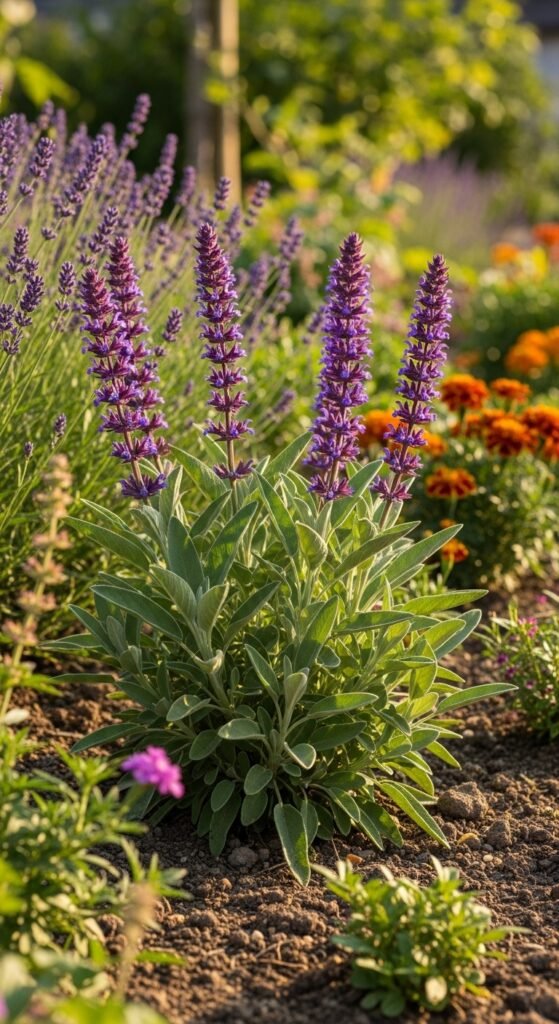
Key benefits involve its anti-inflammatory properties and role in companion planting to deter pests. Position sage in sunny locations with sandy loam soil. Water deeply but infrequently, ensuring excess moisture drains away. Harvest leaves before flowering for peak flavor.
Enhance your garden’s defenses by pairing sage with mosquito-repelling plants.
5) Lavender
Lavender is celebrated for its fragrant purple spikes and calming scent, used in teas, sachets, and baked goods. This drought tolerant herb flourishes in lean, alkaline soil under intense sunlight. You will enjoy English lavender for its compact form.
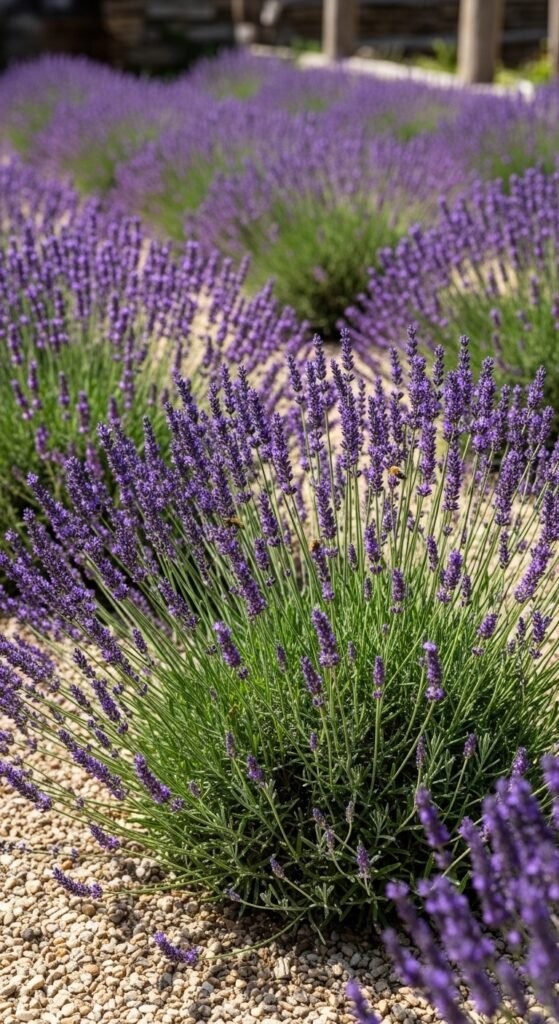
Key benefits include stress relief and pollinator attraction, fostering a vibrant garden. Plant in raised beds for superior drainage, spacing 18 inches apart. Water new plants weekly, then only during prolonged dry spells. Prune annually after blooming to prevent woodiness.
Extend lavender’s utility by crafting lavender soap recipes from homegrown blooms.
6) Marjoram
Marjoram offers sweet, citrusy notes in its leaves, complementing meats, vegetables, and salads. As a drought tolerant herb, it adapts well to containers or borders in sunny areas. You might prefer sweet marjoram for its mild flavor.
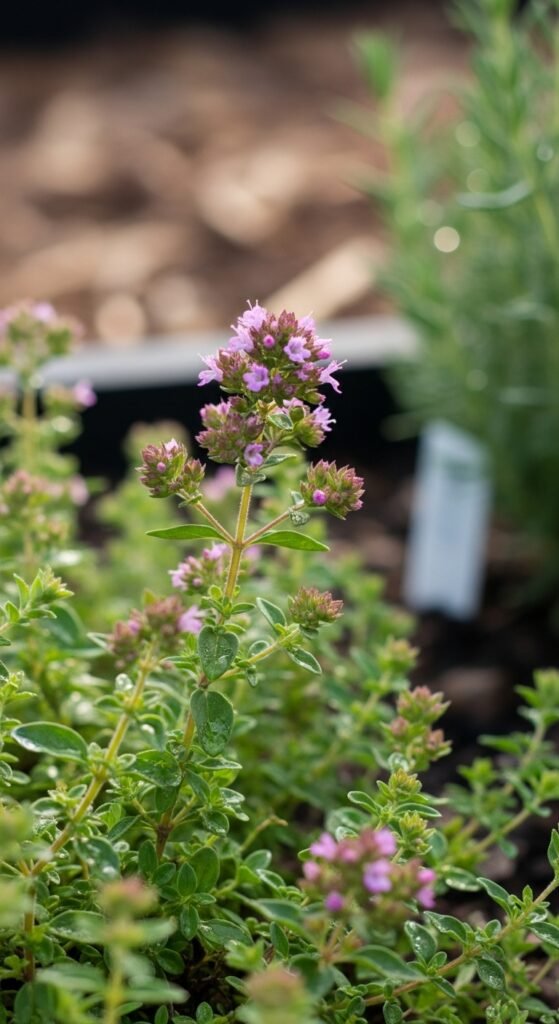
Key benefits feature digestive aid and ornamental value with pink flowers. Sow in light, well-drained soil, providing full sun. Establish with regular watering, then taper off. Pinch tips to encourage branching and frequent harvesting.
For water efficiency, integrate marjoram into a keyhole garden design.
7) Tarragon
Tarragon imparts a licorice-like flavor, enhancing fish, eggs, and vinegars. This drought tolerant herb grows best in fertile, dry soil with afternoon shade in hot climates. You should opt for French tarragon for superior taste.
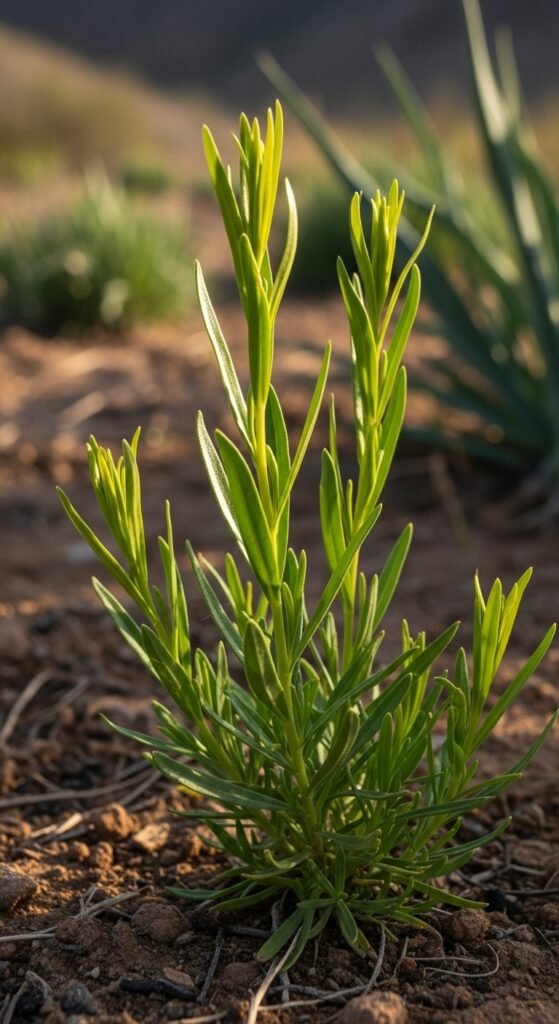
Key benefits include appetite stimulation and low allergenicity. Plant divisions in spring, ensuring good air circulation. Water moderately at first, then sparingly. Harvest young leaves regularly to sustain production.
Consider tarragon in your desert permaculture practices for sustainable yields.
8) Fennel
Fennel produces feathery foliage and bulbous bases, with an anise flavor for soups and roasts. As a drought tolerant herb, it self-seeds in sunny, drained sites. You can harvest seeds for spices or leaves for garnishes.
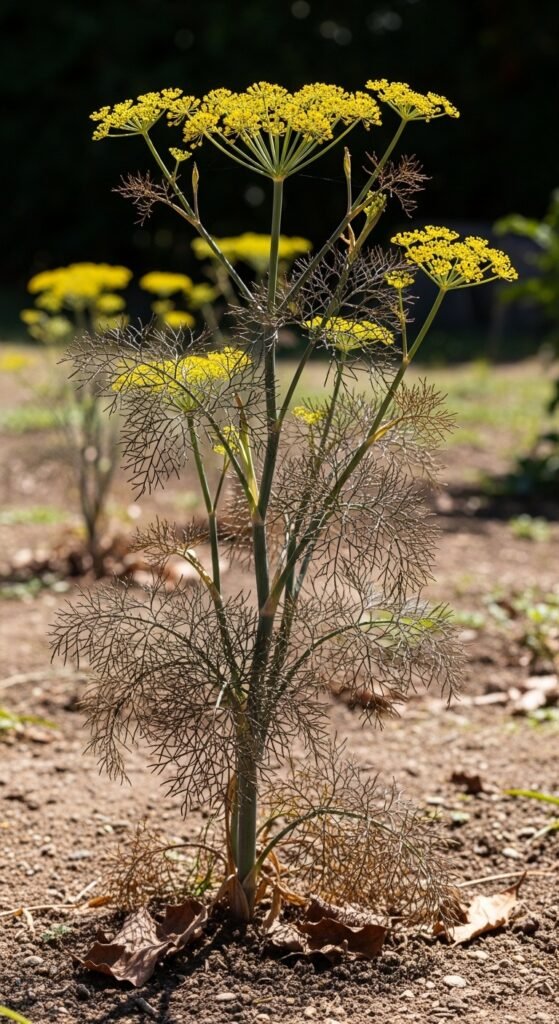
Key benefits encompass digestive relief and wildlife habitat provision. Direct sow seeds in loamy soil, thinning to 12 inches. Water seedlings consistently, reducing as plants mature. Cut back flower stalks if focusing on bulbs.
To optimize moisture, apply techniques from a summer watering schedule.
9) Chives
Chives feature slender, onion-flavored stems, perfect for salads and garnishes. This drought tolerant herb forms clumps in full sun or partial shade. You will value garlic chives for a milder twist.
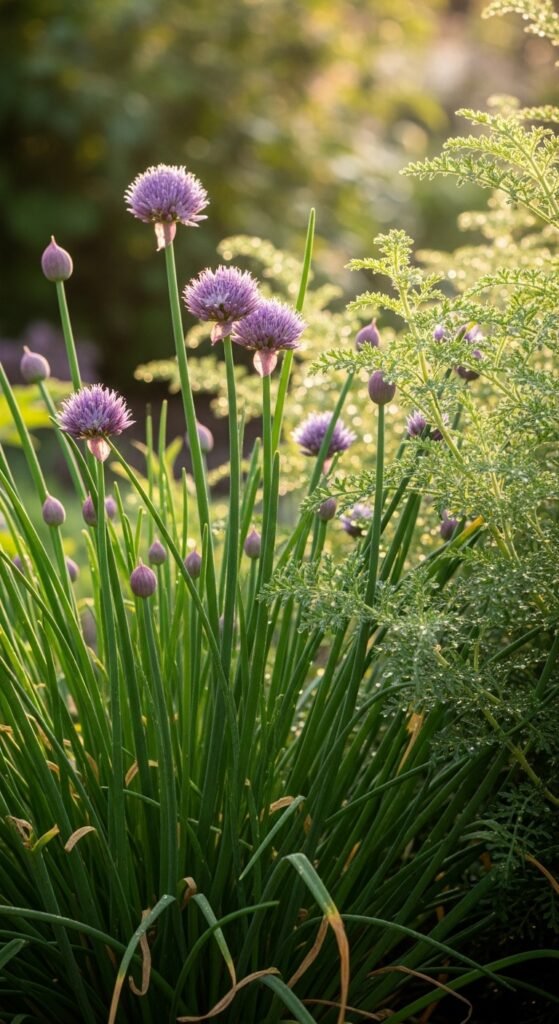
Key benefits include vitamin richness and pest deterrence in vegetable patches. Plant in well-drained soil, dividing every few years. Water occasionally after establishment. Snip leaves from the base for continuous growth.
Incorporate chives alongside citronella plant care for natural insect control.
10) Savory
Savory delivers a peppery zest, suiting beans, meats, and stuffings. As a drought tolerant herb, summer savory acts as an annual in dry, sunny spots. You can grow it for its compact habit.
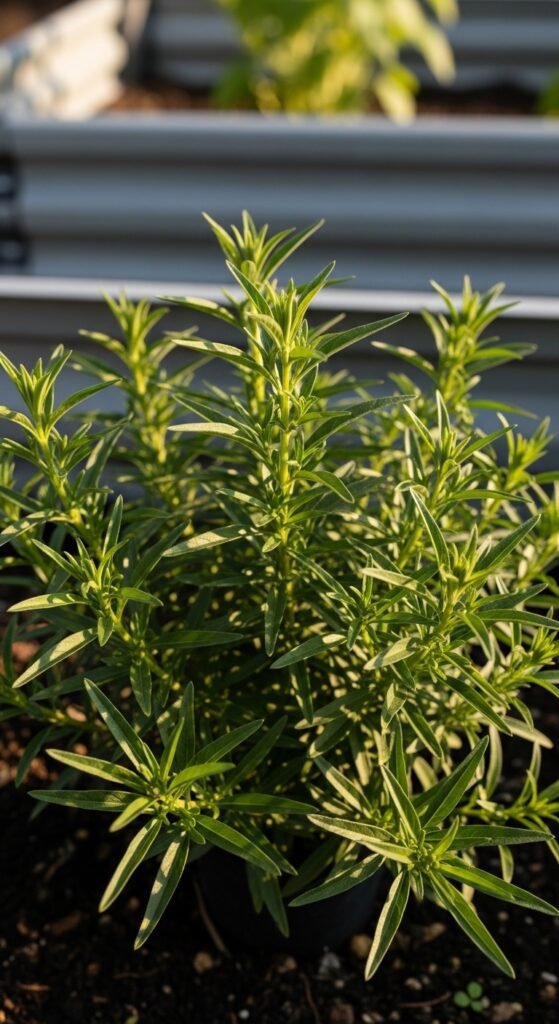
Key benefits involve flavor enhancement and medicinal uses for indigestion. Sow seeds directly in sandy soil. Provide initial moisture, then allow drying. Harvest throughout the season for fresh use.
For raised bed cultivation, explore wicking bed systems to maintain moisture levels.
11) Hyssop
Hyssop has spiky blue flowers and minty leaves, used in teas and seasonings. This drought tolerant herb attracts bees in rocky, sun-drenched areas. You might use it for herbal remedies.
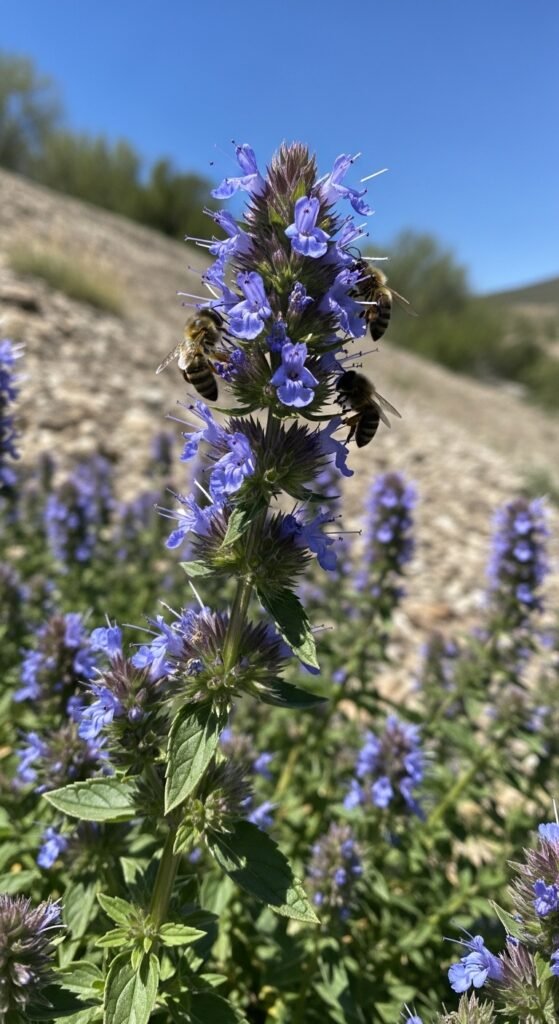
Key benefits include respiratory support and ornamental appeal. Plant in alkaline soil with excellent drainage. Water sparingly once rooted. Prune after flowering to shape.
Hyssop complements drought tolerant designs, adding height and color.
12) Yarrow
Yarrow features fern-like foliage and flat flower clusters, serving as a medicinal herb. As a drought tolerant plant, it spreads in poor, dry soils under full sun. You can select colorful cultivars.
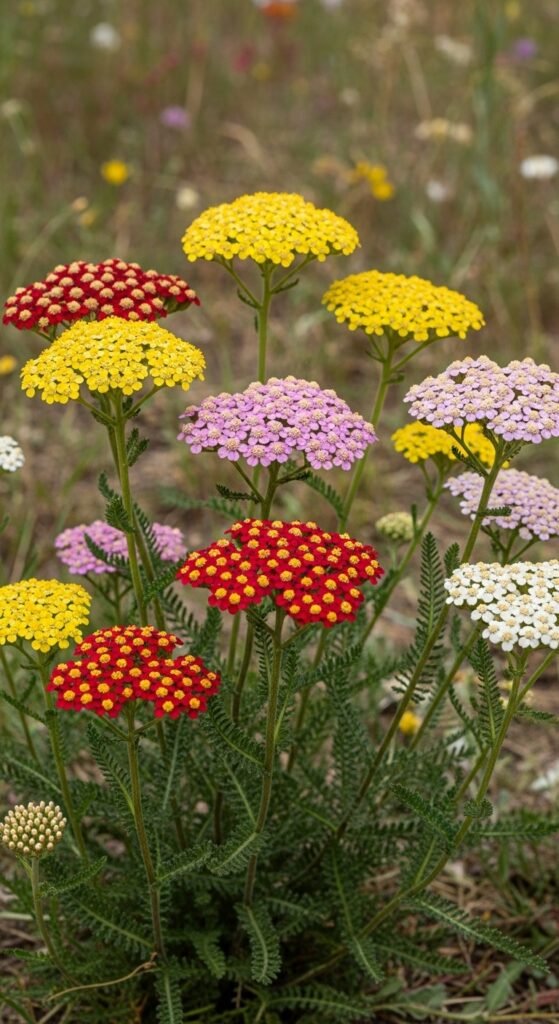
Key benefits encompass wound healing and soil improvement. Divide clumps every three years. Minimal watering is required; focus on weeding. Harvest flowers for drying.
Yarrow enhances biodiversity in your water-wise setup.
13) Echinacea
Echinacea, or coneflower, offers daisy-like blooms and immune-boosting roots. This drought tolerant herb thrives in prairie-like conditions. You will benefit from its perennial nature.
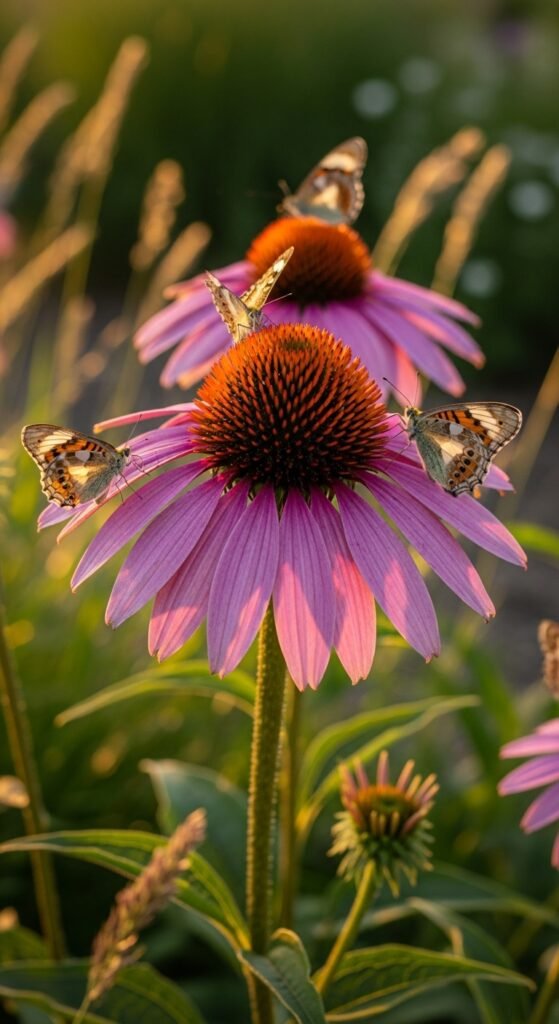
Key benefits include cold prevention and butterfly attraction. Plant in loamy soil with sun exposure. Water during establishment, then infrequently. Deadhead to prolong blooming.
Echinacea pairs well with other resilient herbs.
14) Catmint
Catmint displays lavender-blue spikes and aromatic leaves, delighting cats and cooks alike. As a drought tolerant herb, it mounds in sunny, dry borders. You can use it for teas.
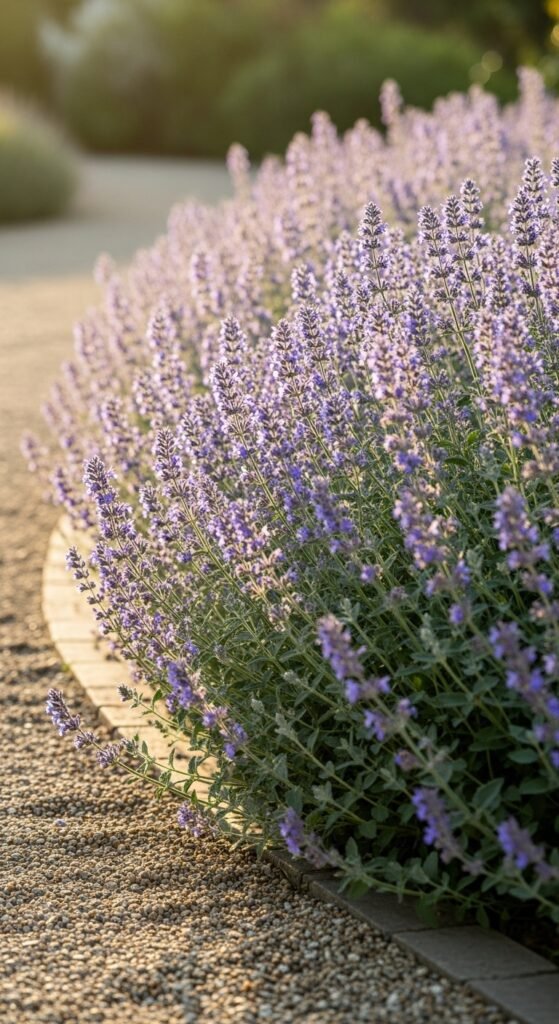
Key benefits involve relaxation aid and low maintenance. Shear back after first bloom for reblooming. Sparse watering suits it best.
Catmint adds fragrance to your garden paths.
15) Russian Sage
Russian sage provides airy, lavender spires and silvery foliage, acting as a sub-shrub. This drought tolerant herb excels in hot, dry climates. You will admire its vertical accent.
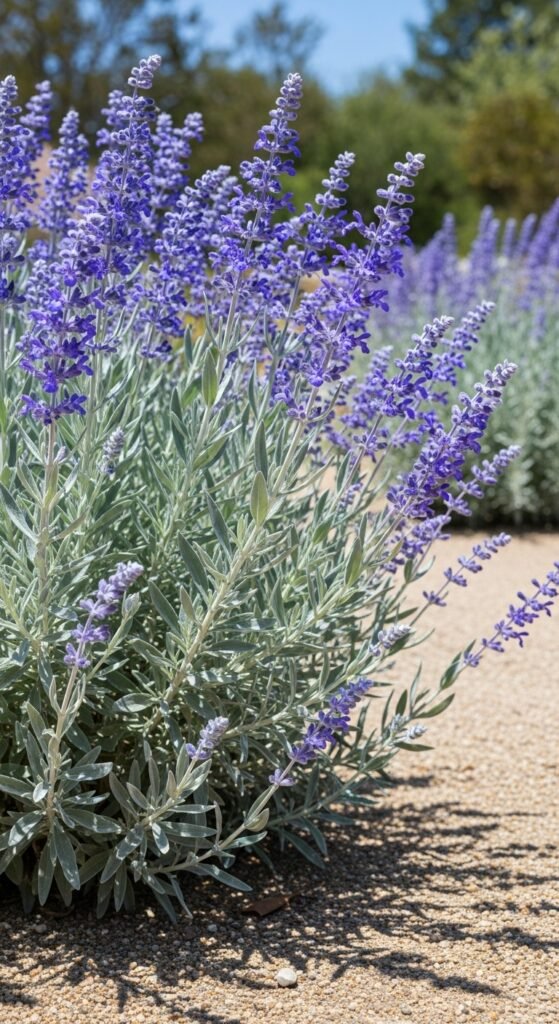
Key benefits include deer resistance and long bloom period. Plant in gravelly soil with full sun. Water minimally; prune in spring.
Russian sage creates a focal point in xeriscapes.
Key Tips for Growing Drought Tolerant Herbs
Soil Preparation
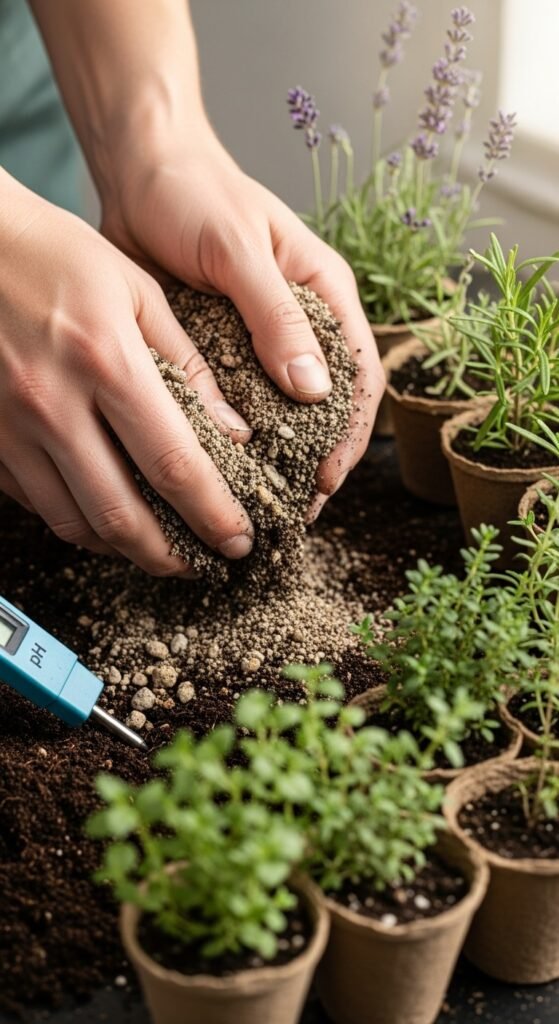
Prepare your soil by incorporating gravel or sand to enhance drainage, preventing waterlogged roots. You should test pH levels, aiming for slightly alkaline conditions favored by many drought tolerant herbs.
Watering Techniques
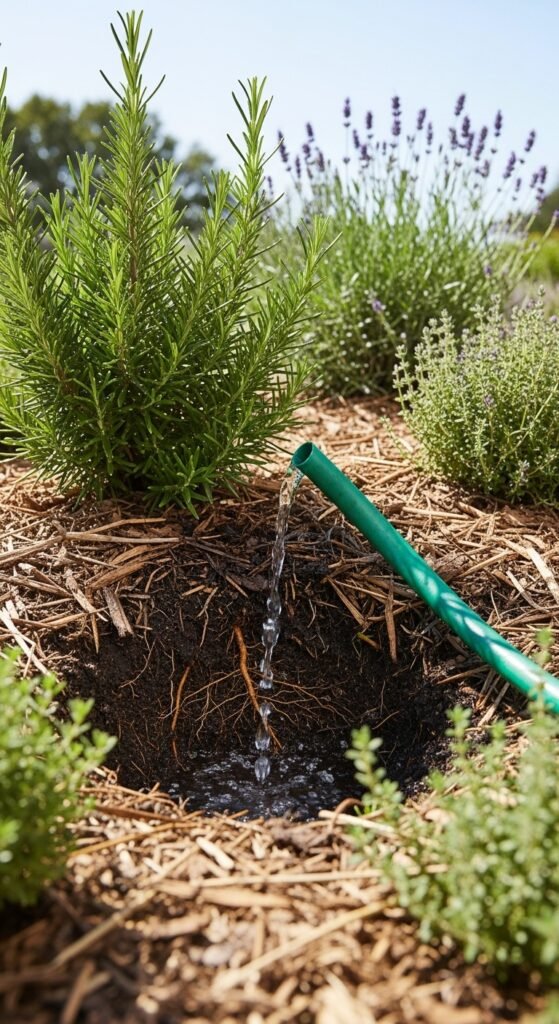
Employ deep, infrequent watering to encourage strong root systems. You can use mulch to retain soil moisture and suppress weeds, optimizing your water usage.
Companion Planting
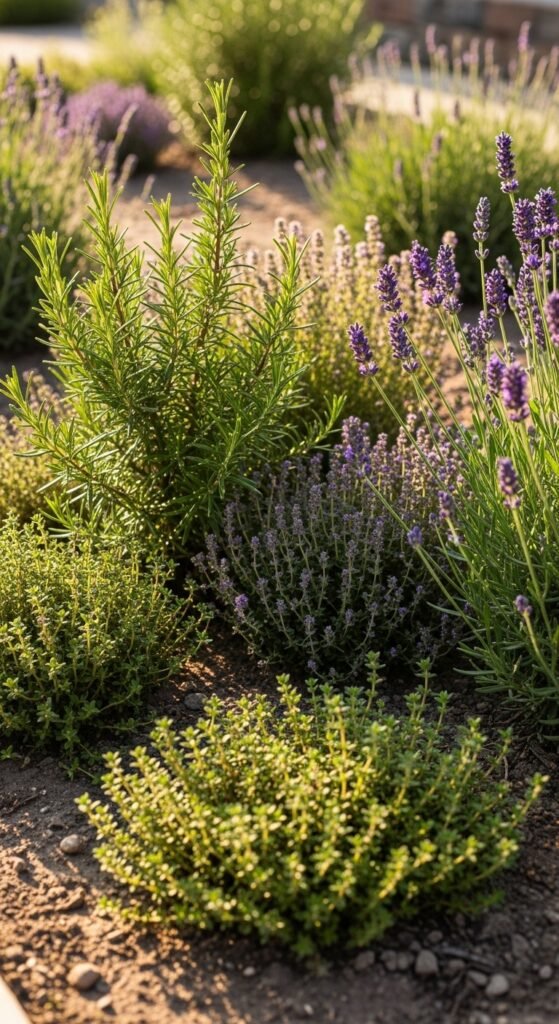
Pair these herbs with compatible plants to maximize space and resources. You will find that grouping Mediterranean varieties together promotes mutual benefits in pest control and growth.
Frequently Asked Questions
What makes an herb drought tolerant?
Drought tolerant herbs have adaptations like deep roots, waxy leaves, or reduced foliage that minimize water loss. These traits allow them to survive extended dry periods with little supplemental irrigation.
Can I grow drought tolerant herbs in containers?
Yes, containers are suitable if you use well-draining potting mix and pots with holes. Position them in sunny spots and water only when the top inch of soil feels dry.
How often should I fertilize these herbs?
Fertilize sparingly, perhaps once in spring with a balanced, slow-release formula. Over-fertilizing can lead to lush growth that requires more water.
Are drought tolerant herbs suitable for beginners?
Absolutely, their low-maintenance nature makes them ideal for novice gardeners. Start with established plants and observe their needs closely.
Can these herbs withstand frost?
Many drought tolerant herbs are perennials that tolerate light frost, but protect tender ones in colder zones with mulch or indoor relocation.