Freezing fresh herbs is an excellent method to extend the life of your garden’s bounty, allowing you to enjoy vibrant flavors even during off-seasons. By capturing the essence of herbs at their peak freshness, you ensure that your culinary creations remain infused with natural aromas and tastes without relying on dried alternatives.
This technique not only minimizes waste but also provides convenience in your kitchen routine. Whether you grow your own herbs or purchase them fresh, mastering freezing fresh herbs empowers you to incorporate them seamlessly into dishes throughout the year.
In this guide, you will discover practical ideas tailored to various herbs and freezing approaches, each designed to maintain optimal quality and ease of use.
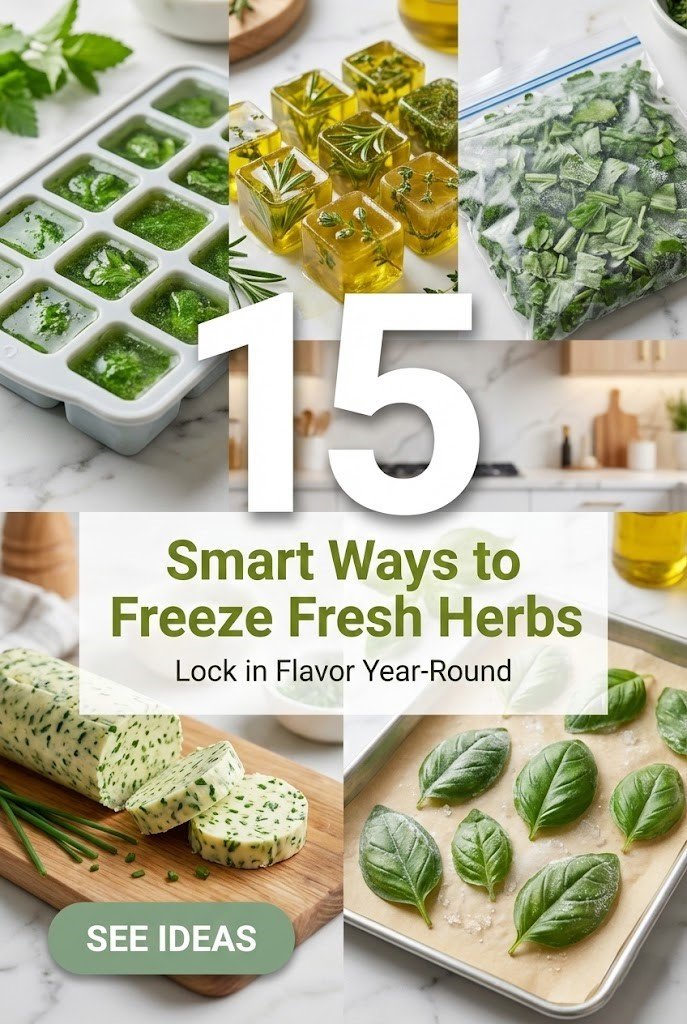
1) Ice Cube Tray Method with Water
You begin by chopping your fresh herbs finely and placing them into ice cube trays, filling each compartment about halfway. Then, top off with water and freeze until solid. Once frozen, pop the cubes out and store them in freezer bags for easy access.
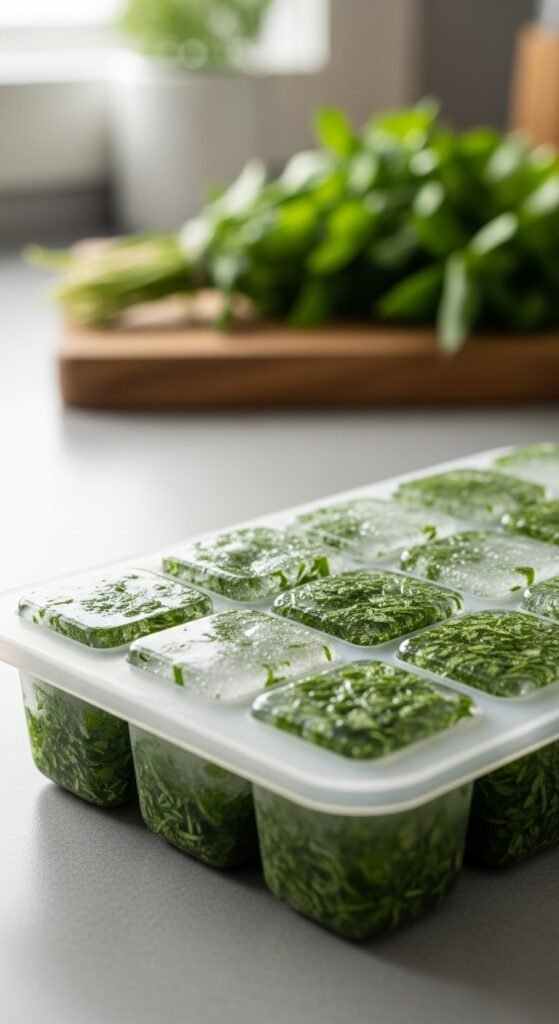
This method preserves the herbs’ color and flavor effectively because the water encases them, preventing freezer burn. It is particularly useful for herbs like basil or mint, which you can drop directly into soups or teas without thawing.
To implement this, ensure your herbs are clean and dry before chopping. Label your storage bags with the herb type and date to maintain organization in your freezer.
2) Olive Oil Infusion Cubes
You can create flavorful oil cubes by mixing chopped herbs with olive oil in ice cube trays. Fill each section with the mixture and freeze. These cubes are ideal for sautéing or dressing dishes later.
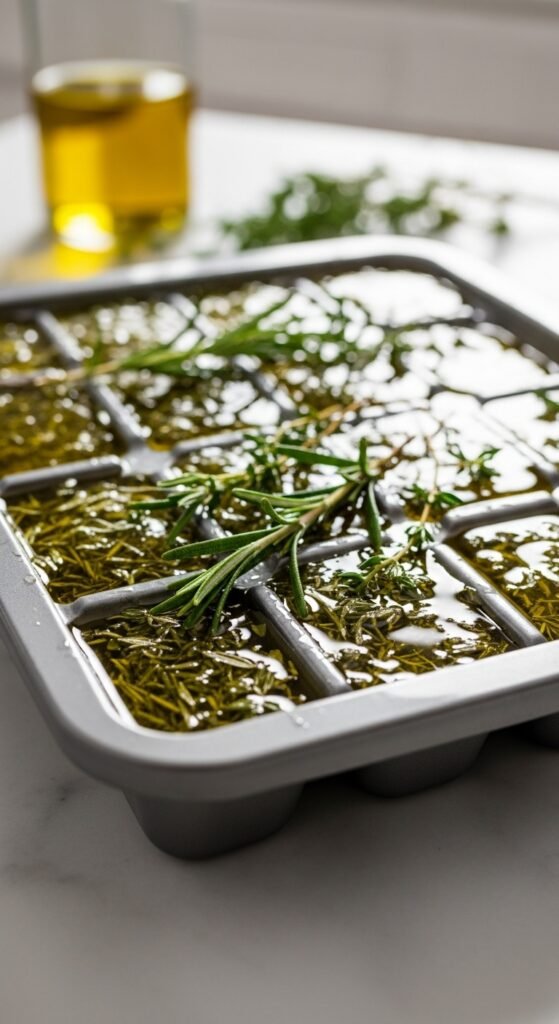
The oil helps retain the herbs’ essential oils, enhancing taste retention compared to water-based freezing. This approach suits robust herbs such as rosemary or thyme, adding a gourmet touch to your meals.
Start with high-quality olive oil and fresh herbs from your garden. For inspiration on cultivating these, consider exploring techniques for growing herbs in containers, which can provide a steady supply.
3) Blanching Before Freezing
You blanch herbs by dipping them briefly in boiling water, then shocking them in ice water to halt cooking. Pat dry, chop if desired, and freeze on a baking sheet before transferring to bags.
Blanching deactivates enzymes that cause flavor loss, ensuring your herbs remain potent. It works well for delicate varieties like cilantro, preserving their bright green hue.
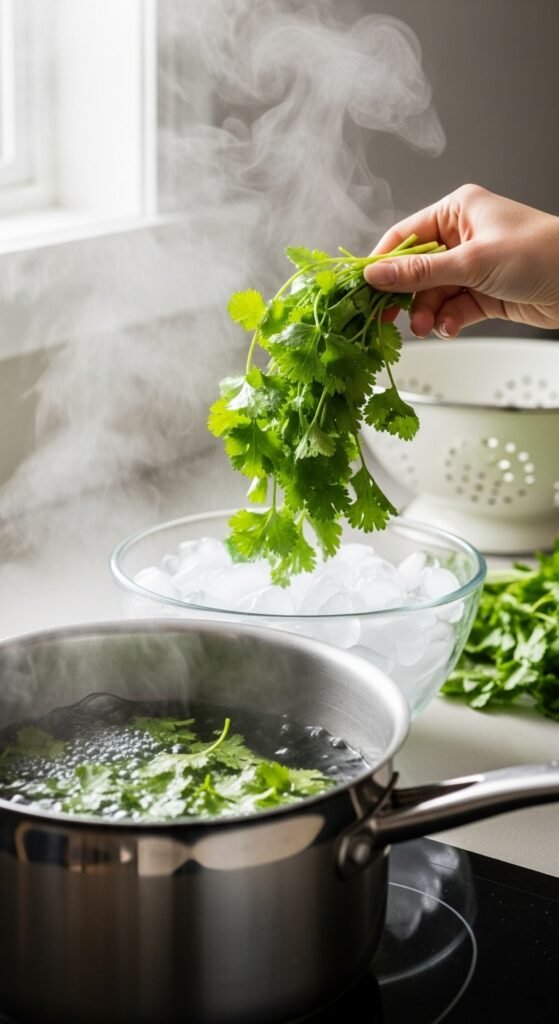
Time the blanching carefully—usually 30 seconds—to avoid overcooking. This method integrates seamlessly with your harvesting routine, maximizing the yield from your plants.
4) Flat Freezing in Bags
You spread chopped herbs in a single layer inside zip-top bags, removing air before sealing and freezing flat. This allows you to break off portions as needed without thawing the entire batch.
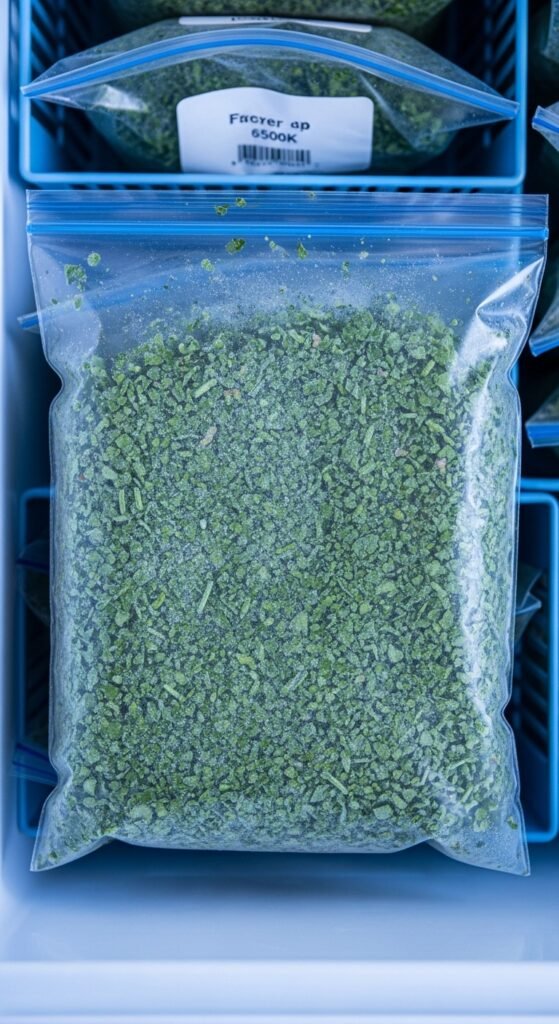
The flat design saves space and prevents clumping, making it efficient for everyday use. Herbs like parsley benefit from this, retaining texture for garnishes or recipes.
Label each bag clearly and stack them in your freezer. If you harvest abundantly, this technique complements strategies for harvesting herbs effectively.
5) Herb Butter Logs
You mix softened butter with finely chopped herbs, roll into logs using plastic wrap, and freeze. Slice off pieces as required for cooking or spreading.
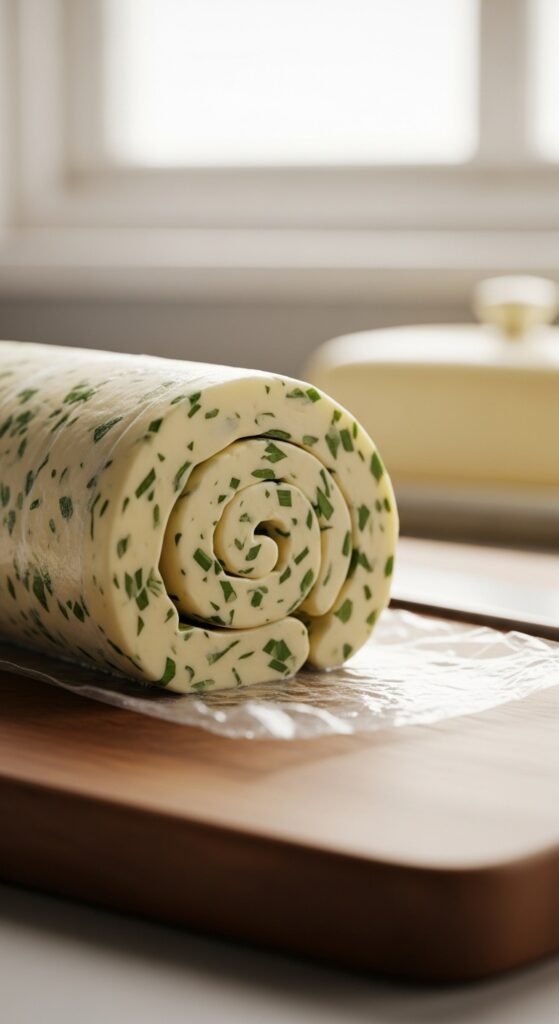
This infuses butter with herbal notes, elevating simple dishes. It’s perfect for compound butters with chives or oregano, offering versatility in your kitchen.
Use unsalted butter for control over seasoning. Freeze logs for up to six months, ensuring a ready supply of enhanced flavors.
6) Pureed Herb Paste
You blend fresh herbs with a bit of oil or water to form a paste, then spoon into trays or bags for freezing. This concentrated form is great for sauces or marinades.
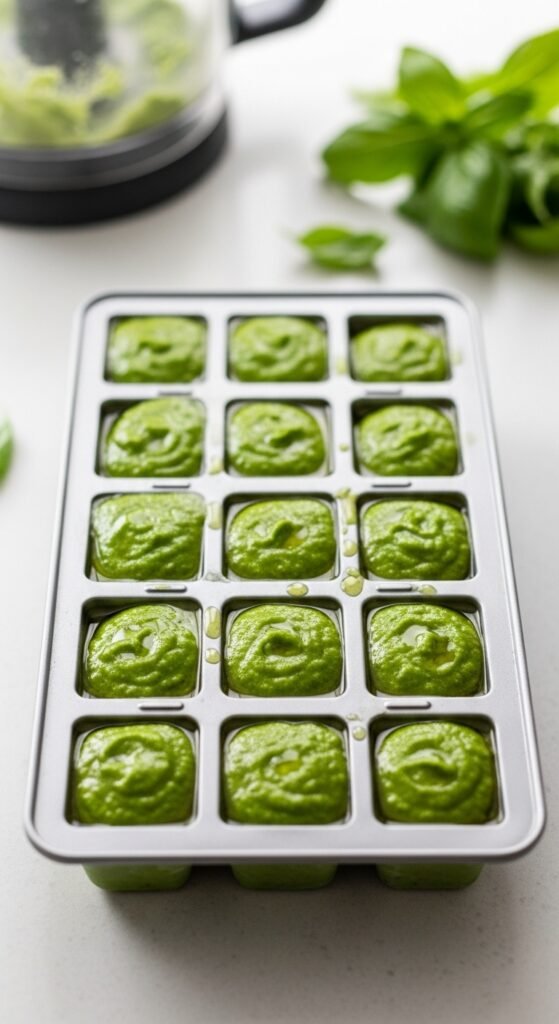
Pureeing maximizes flavor extraction, ideal for basil pesto bases. It prevents oxidation and maintains vibrancy in your frozen herbs.
Process in a food processor until smooth, and portion appropriately. For urban gardeners, this pairs well with balcony herb garden ideas to utilize limited space.
7) Whole Leaf Freezing
You freeze whole herb leaves on a tray until solid, then transfer to containers. This simple method suits larger leaves like sage or bay.
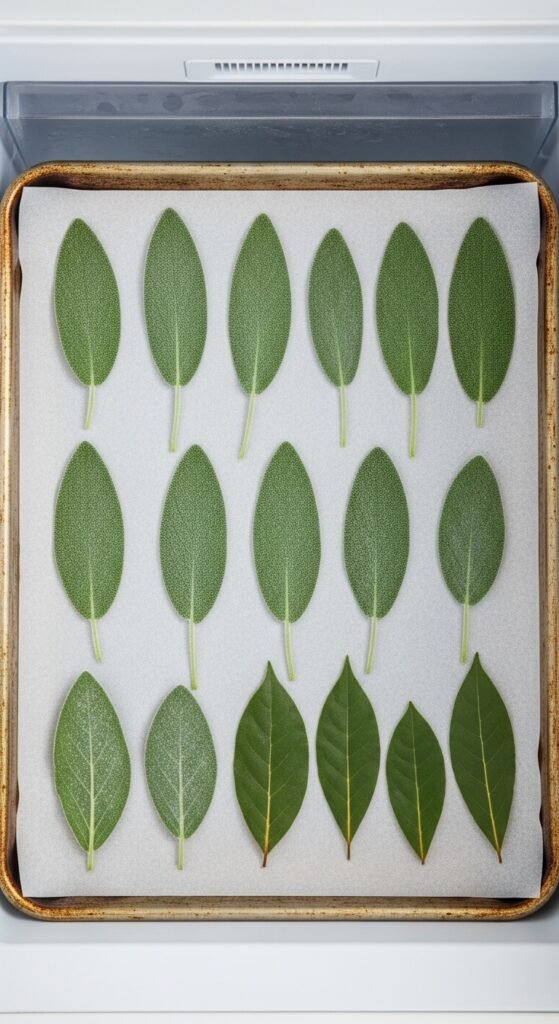
It preserves the herbs’ shape for decorative or whole-use applications, minimizing preparation time later.
Ensure leaves are dry to avoid ice crystals. This approach is straightforward, allowing you to focus on growing rather than processing.
8) Herb and Garlic Mixes
You combine chopped herbs with minced garlic and oil, freezing in small portions. These mixes add instant depth to recipes like roasts or stir-fries.
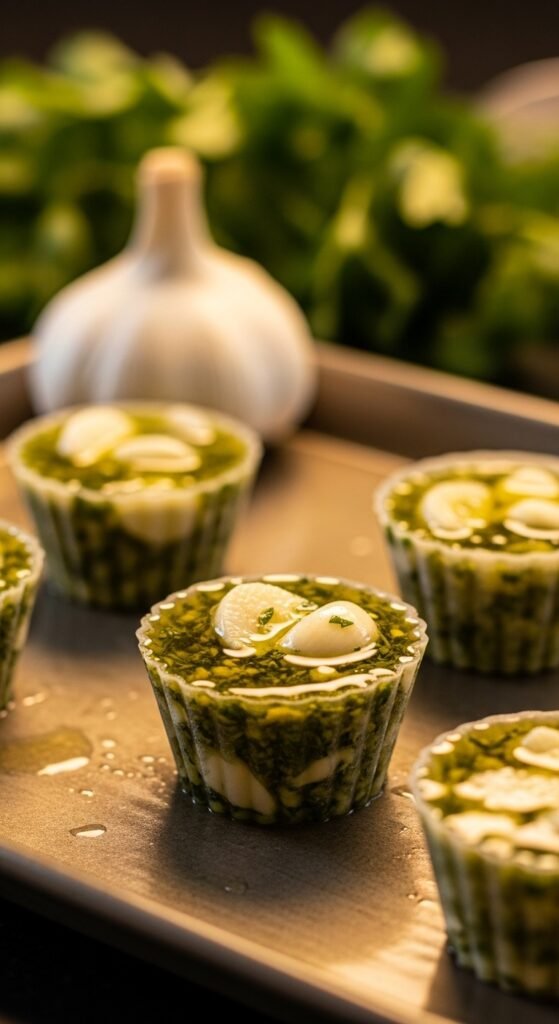
The combination enhances preservation through garlic’s natural properties, suitable for Italian herbs like basil and oregano.
Adjust ratios to your taste and freeze in silicone molds for easy removal. This elevates your freezing fresh herbs routine with flavorful convenience.
9) Vacuum Sealing Technique
You place herbs in vacuum bags, seal to remove air, and freeze. This method extends shelf life by preventing oxidation and burn.
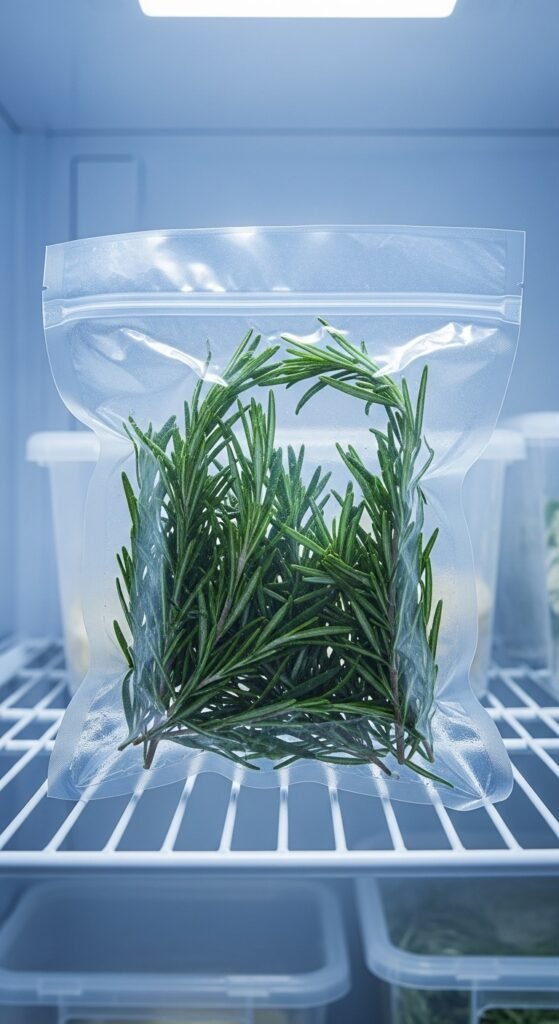
Vacuum sealing maintains quality for months, ideal for bulk freezing from your harvest.
Invest in a sealer for best results. It works across herb types, supporting sustainable practices in your gardening.
10) Portion Packs for Soups
You create pre-measured herb bundles tailored for soup recipes, wrapping in foil or bags before freezing.
This ensures precise amounts, reducing waste and simplifying cooking. Bouquet garni styles with thyme and parsley are classic examples.
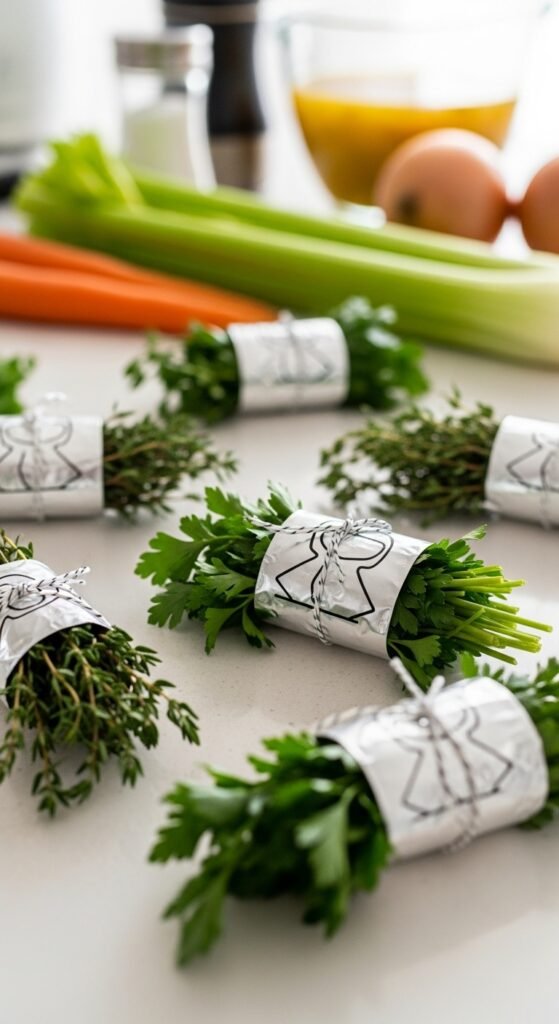
Tie stems together if whole, or chop for loose packs. Draw from your raised bed herb garden for fresh ingredients.
11) Dried Herb Hybrid Freezing
You partially dry herbs to concentrate flavors, then freeze them chopped or whole.
This hybrid intensifies taste while freezing preserves remaining moisture. It’s useful for woody herbs like rosemary.
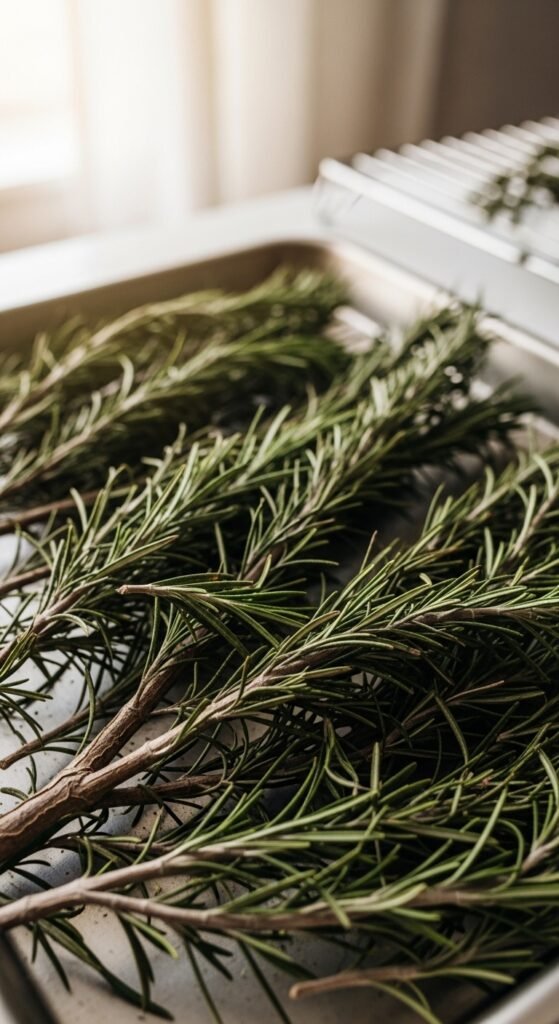
Air dry briefly before freezing to achieve balance. This method adapts to varying herb conditions from your plot.
12) Infused Vinegar Freezes
You steep herbs in vinegar, strain, and freeze the liquid in cubes for dressings or pickling.
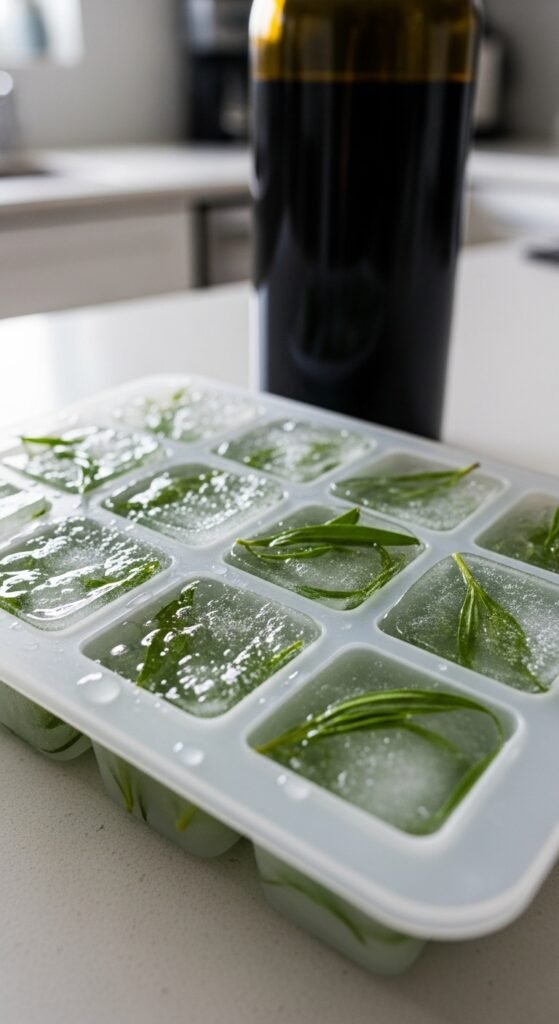
The acidity aids preservation, creating versatile flavor boosters. Tarragon or dill excel in this format.
Use white or apple cider vinegar. Freeze after infusion for concentrated herbal essences.
13) Layered Freezing Sheets
You layer herbs between wax paper sheets on a tray, freezing before stacking in bags.
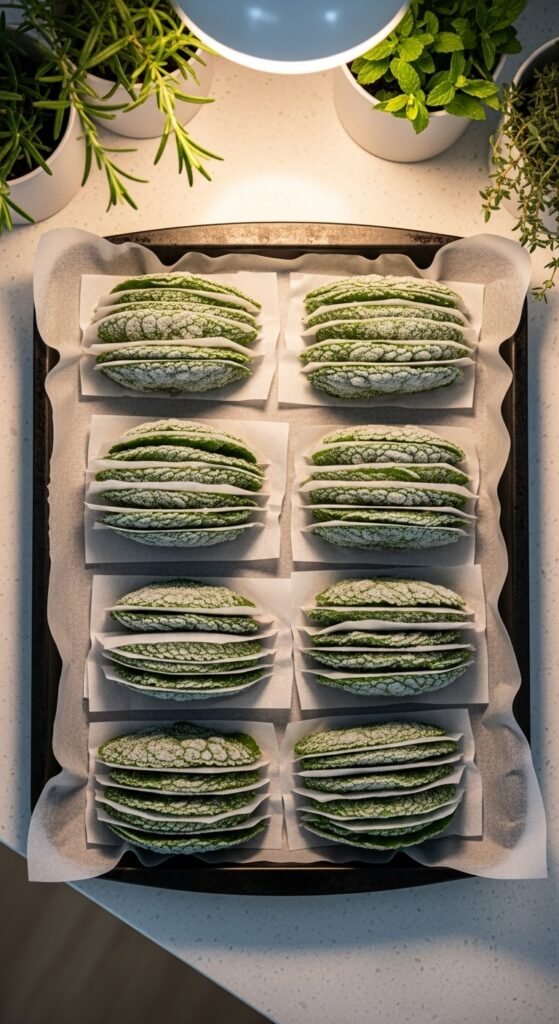
This prevents sticking, allowing easy separation. Soft herbs like mint benefit, maintaining individual leaves.
Cut paper to fit your tray. It’s a space-efficient way to handle abundant yields.
14) Herb Sugar or Salt Mixes
You blend chopped herbs with sugar or salt, spreading thinly to freeze, then crumbling as needed.
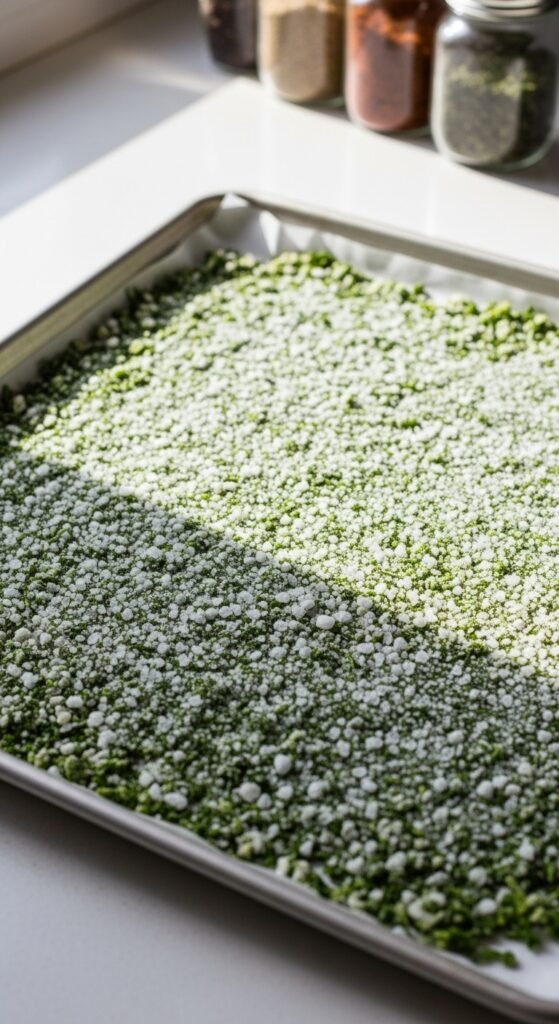
These mixes preserve through osmosis, perfect for sweet or savory applications like basil sugar.
Ratio 1:4 herb to medium. Freeze flat for quick access, enhancing your culinary repertoire.
15) Flash Freezing Stems
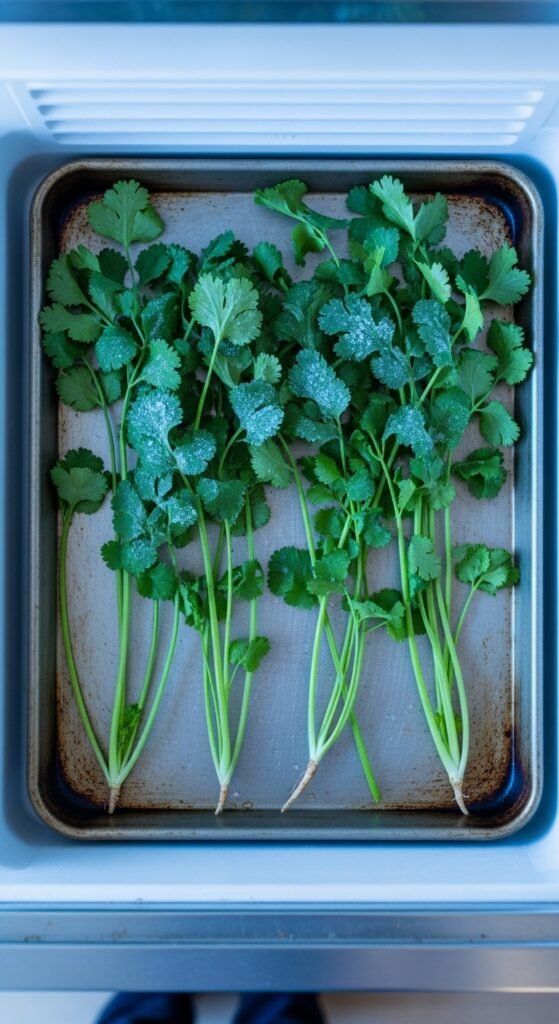
You flash freeze whole stems on a sheet, then store upright in jars or bags.
This quick method locks in freshness, suitable for stripping leaves later. Cilantro stems work well, adding flavor to stocks.
Ensure rapid freezing to minimize crystal formation. Incorporate this with vertical storage inspired by vertical herb garden concepts for organization.
Key Principles for Successful Freezing
Selecting Fresh Herbs
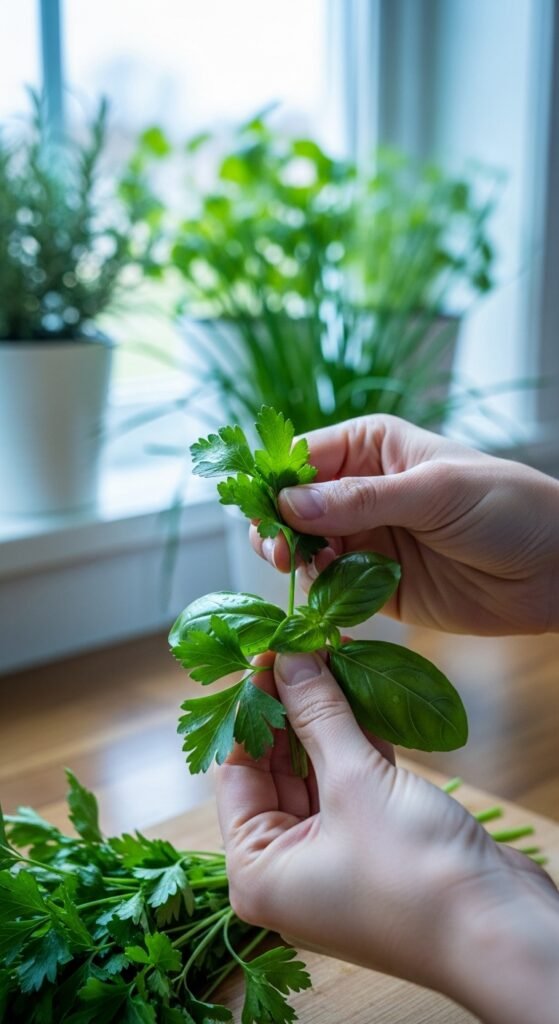
Choose herbs at their peak, free from wilting or damage, to ensure the best frozen quality.
Storage and Thawing Tips

Store in airtight containers and thaw in the refrigerator or use directly in hot dishes to preserve texture.
Common Mistakes to Avoid
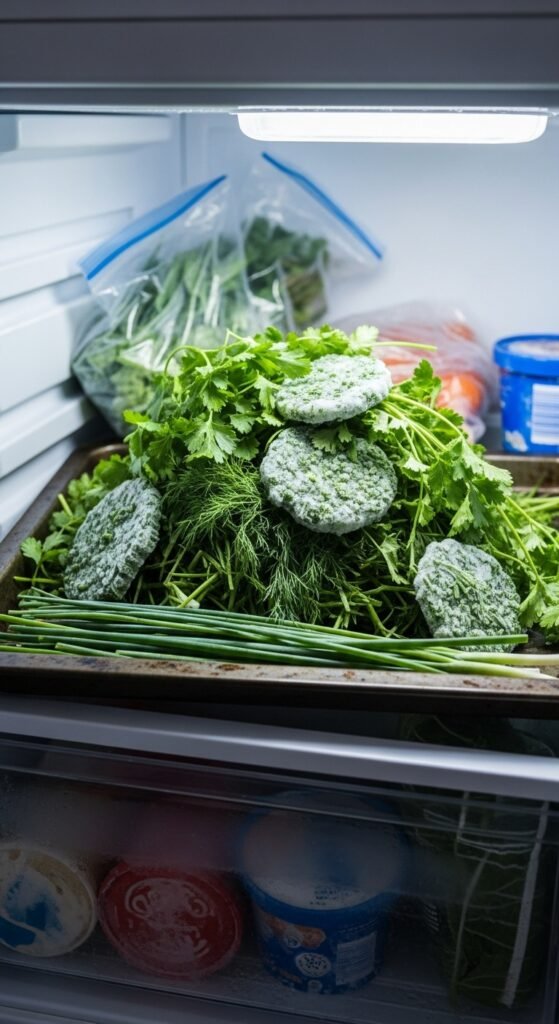
Avoid overcrowding during freezing and always label to prevent mix-ups or prolonged storage beyond six months.
Frequently Asked Questions
Can all herbs be frozen successfully?
Most herbs freeze well, but delicate ones like basil may darken; using oil methods helps mitigate this.
How long do frozen herbs last?
Frozen herbs maintain quality for up to six months, though they can be safe longer; flavor diminishes over time.
Do I need to thaw herbs before using?
No, you can add frozen herbs directly to cooked dishes; for cold recipes, thaw briefly.
What’s the best way to freeze basil?
Freeze basil in oil or as puree to preserve color and flavor effectively.
Can I refreeze thawed herbs?
It’s not recommended, as refreezing can degrade texture and flavor significantly.