
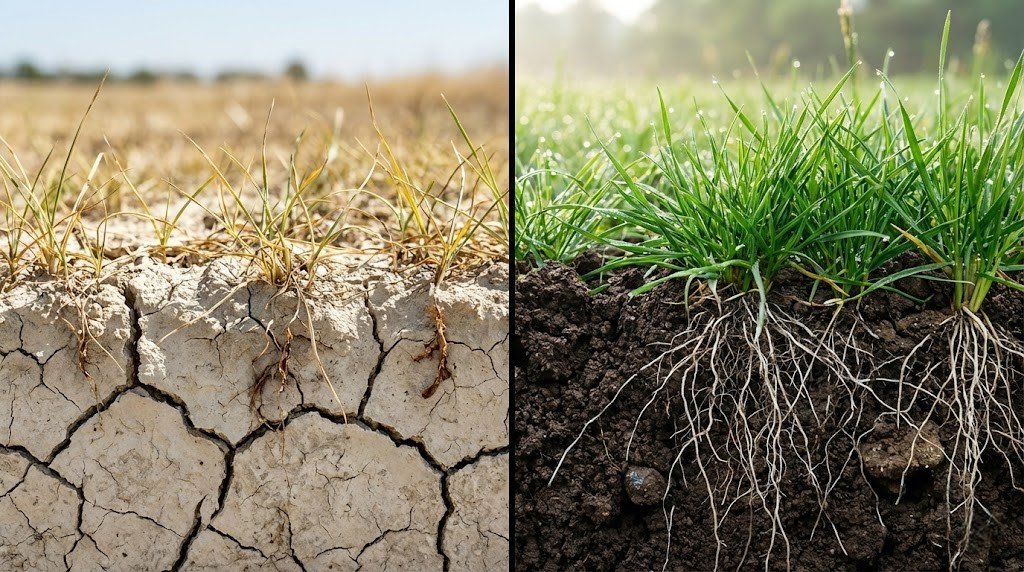
The most common mistake in home gardening isn’t lack of fertilizer—it’s inconsistent watering. If you run your sprinklers for “20 minutes” every other day, you are likely either drowning your roots or barely dampening the surface. To grow deep, drought-resistant grass, you need to provide exactly 1 to 1.5 inches of water per week.
Use our Sprinkler Run Time Calculator to translate inches into minutes. By using the “Tuna Can Test,” you can account for your specific water pressure and sprinkler type to get a professional-grade irrigation schedule.
Sprinkler Runtime Calculator
How to Use the Sprinkler Calculator
- Target Water: Most lawns thrive on 1.0 inch of water per week. In extreme heat or sandy soil, you may want to bump this to 1.5 inches.
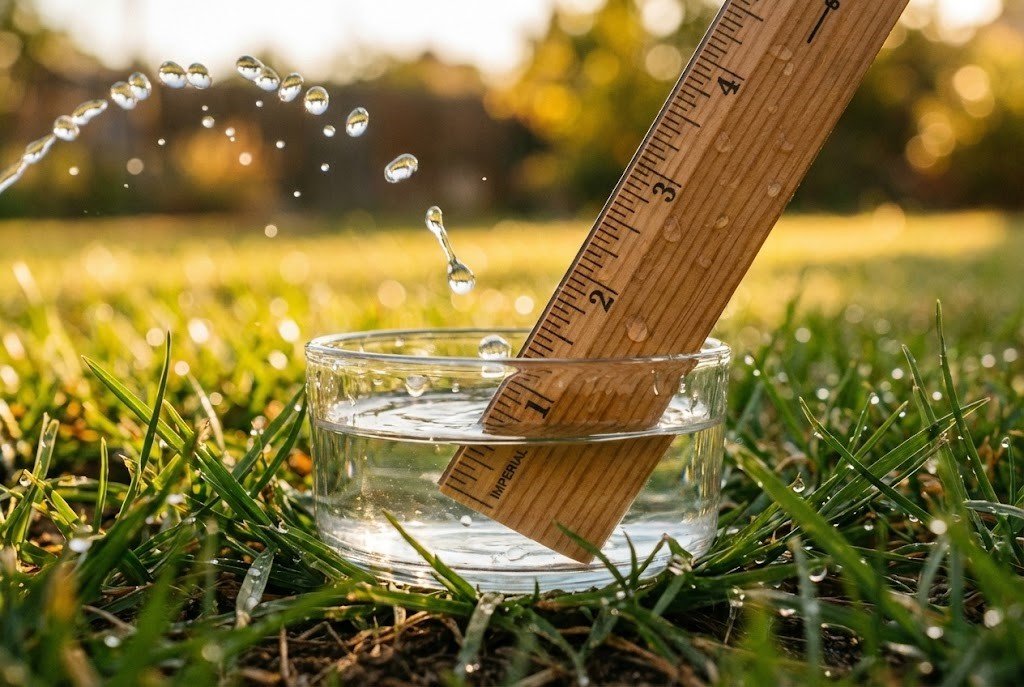
- The Tuna Can Test: Place a flat-bottomed can (like a tuna or cat food can) in your lawn. Run your sprinklers for exactly 15 minutes. Measure the depth of the water in the can and enter it in the “Test Output” field.
- Watering Frequency: Select how many days per week you plan to irrigate. Deep, infrequent watering (2-3 days) is better for roots than shallow, daily watering.
Why We Built This: The “Cycle & Soak” Method
The “Secret Sauce” of this tool is the Cycle & Soak Alert. Most clay soils cannot absorb more than 20 minutes of water at a time before it begins to run off into the street.
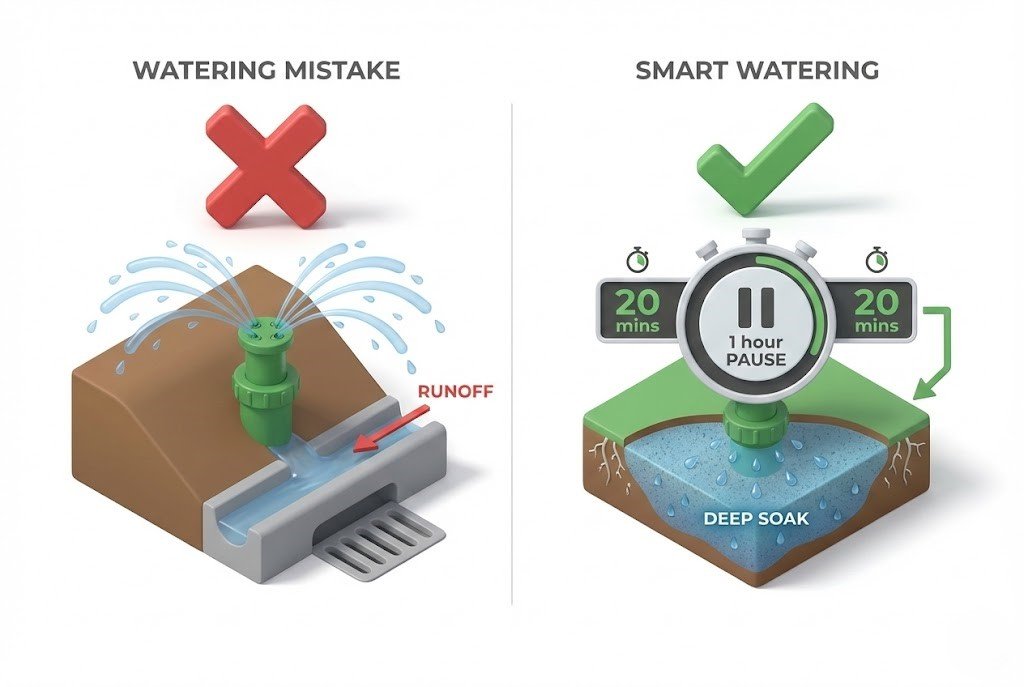
If our calculator determines you need a 40-minute run time, it will automatically suggest breaking that into two 20-minute cycles. This allows the water to actually reach the root zone rather than wasting money on sidewalk runoff.
Educational Guide: Mastering Lawn Irrigation
Irrigation is about penetration depth, not surface wetness. You want the water to soak 6 inches deep to encourage the roots to dive down away from the hot surface soil.
When to Water
The best time to water is between 4:00 AM and 8:00 AM. This allows the grass blades to dry quickly once the sun comes up, preventing fungal diseases that occur when grass stays wet overnight. Avoid watering in the middle of the day, as up to 30% of your water can be lost to evaporation before it even hits the ground.
Adjusting for the Seasons
- Spring: Water less frequently to force roots to grow deeper in search of moisture.
- Summer: Watch for “blue-gray” tints in the grass or footprints that stay visible—these are signs your lawn is thirsty.
- Fall: Continue watering until the ground freezes; winter desiccation is a major cause of winter kill.
Frequently Asked Questions
Q: How long should I run my sprinklers to get 1 inch of water?
A: It depends entirely on your sprinkler type. Rotary heads might take 60 minutes, while fixed spray heads might take only 15-20 minutes. Use the “Tuna Can Test” in our calculator for the only accurate answer.
Q: Is it better to water every day?
A: No. Daily watering keeps the surface wet, which encourages shallow roots and fungal growth. It is better to water 2-3 times per week, providing more water each time.
Q: Does wind affect my sprinkler run time?
A: Yes. High wind increases evaporation and disrupts the spray pattern. If you must water on a windy day, you may need to increase your run time by 10-20% to compensate.