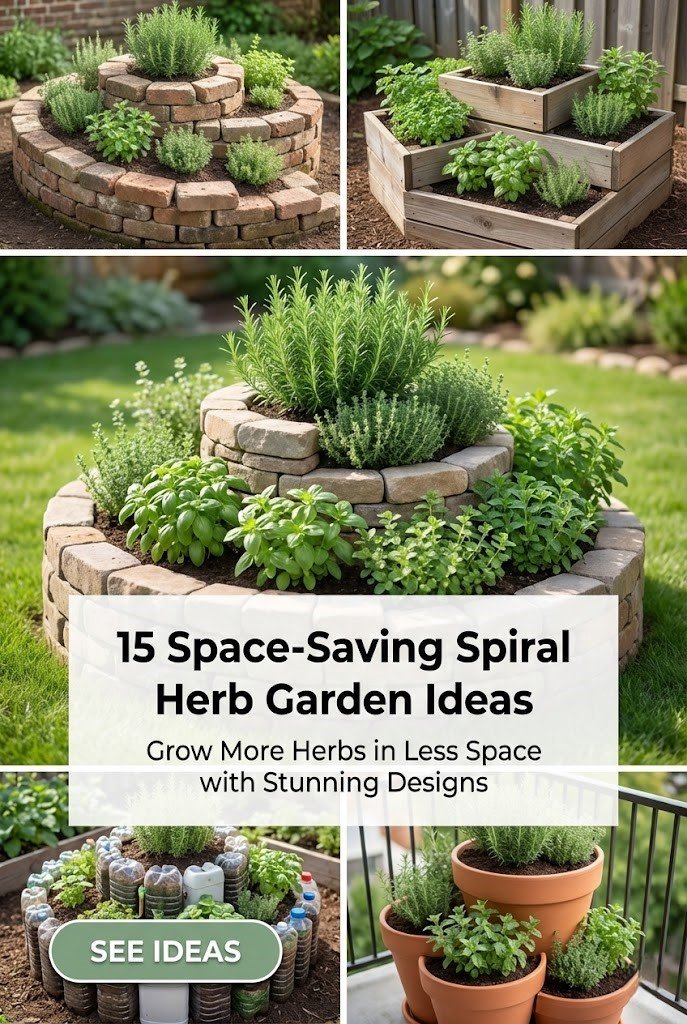
A spiral herb garden represents an ingenious design that maximizes space while creating diverse microclimates for various herbs. You construct it by building a raised bed in a spiral shape, typically using stones, bricks, or other materials, allowing taller herbs at the center and trailing ones along the edges. This setup not only enhances accessibility but also promotes efficient water drainage and soil variation, making it ideal for both novice and experienced gardeners.
The value of a spiral herb garden lies in its sustainability and visual appeal. You can grow a wide array of herbs in a compact area, reducing the need for large plots and minimizing maintenance efforts. It encourages biodiversity, attracts pollinators, and provides fresh, organic ingredients right at your doorstep, elevating your culinary experiences while contributing to a greener environment.
1) Classic Stone Spiral Design
You begin by selecting natural stones to form the spiral structure, stacking them in a gradual upward coil starting from the base. This design mimics natural landscapes, providing varying soil depths and sun exposure for different herbs like rosemary at the top and mint at the bottom.
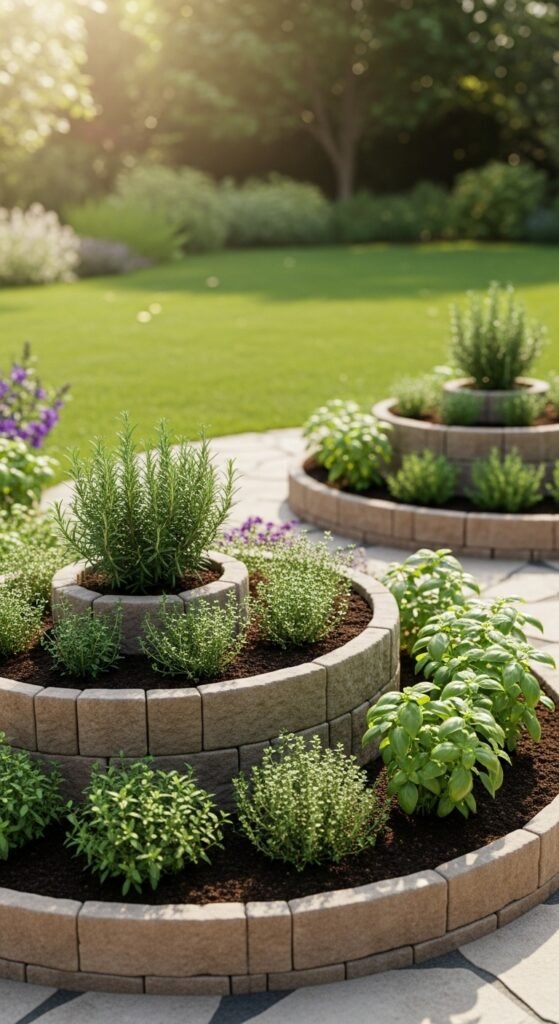
The key benefits include excellent drainage and heat retention from the stones, which extend the growing season. It also adds a rustic charm to your garden, blending seamlessly with surrounding flora. To implement, mark a spiral outline on the ground, about 3-4 feet in diameter, and build walls up to 2-3 feet high. Fill with a mix of compost and soil, planting herbs according to their needs. For complementary ideas, consider integrating elements from a keyhole garden for enhanced accessibility.
Maintain by watering from the top, allowing gravity to distribute moisture evenly. This approach ensures thriving herbs with minimal intervention, perfect for busy gardeners.
2) Brick-Enclosed Spiral Layout
You use reclaimed bricks to create a sturdy spiral, arranging them in a coiled pattern that rises gently toward the center. This material offers durability and a clean, structured look, ideal for urban settings where space is limited.
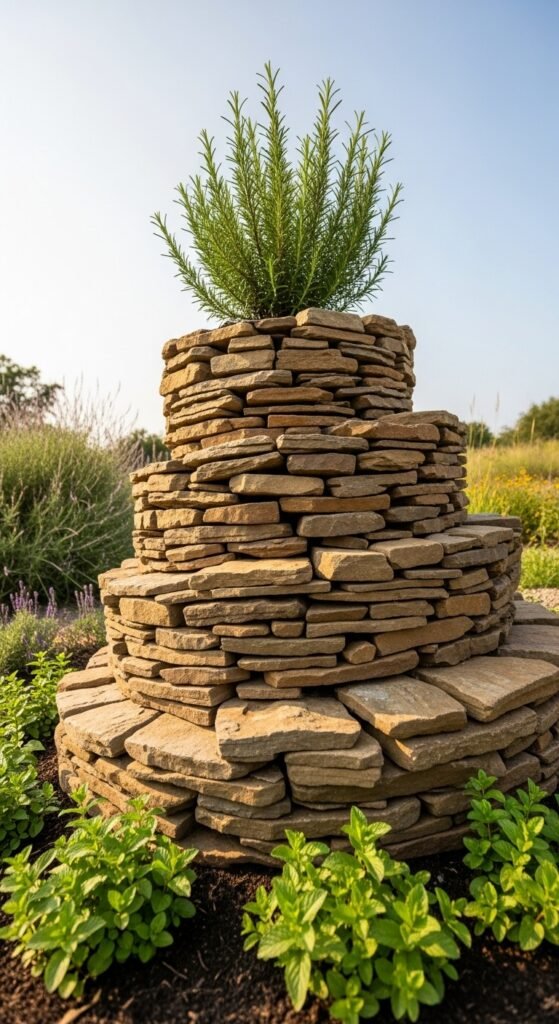
Key benefits encompass improved soil warmth and pest deterrence due to the brick barriers. It facilitates easy herb rotation and companion planting, boosting overall yield. Start by laying a foundation on leveled ground, building the spiral to about 2 feet high, and incorporating gravel at the base for drainage. Plant sun-loving herbs like thyme higher up and shade-tolerant ones lower. Draw inspiration from herb garden layout ideas to optimize placement.
Implementation involves filling layers with nutrient-rich soil, ensuring each turn allows easy reach. You will appreciate the low upkeep, as bricks retain moisture effectively, supporting consistent growth.
3) Wooden Frame Spiral Concept
You construct this using untreated cedar or redwood planks, forming a spiral with interlocking segments for stability. The wood provides a warm, natural aesthetic that complements cottage-style gardens.
Key benefits include rot resistance and the ability to customize height for ergonomic access, reducing back strain during tending. It promotes healthy root systems through breathable walls. To build, cut boards to create curving sections, securing with screws, and aim for a 4-foot diameter base. Layer with soil amended for herbs, placing basil centrally and chives along edges. Explore raised bed herb garden techniques for soil enhancement.
This design allows for easy expansion; you can add tiers as needed. Regular mulching preserves wood integrity, ensuring a productive herb haven year after year.
4) Recycled Material Spiral Innovation
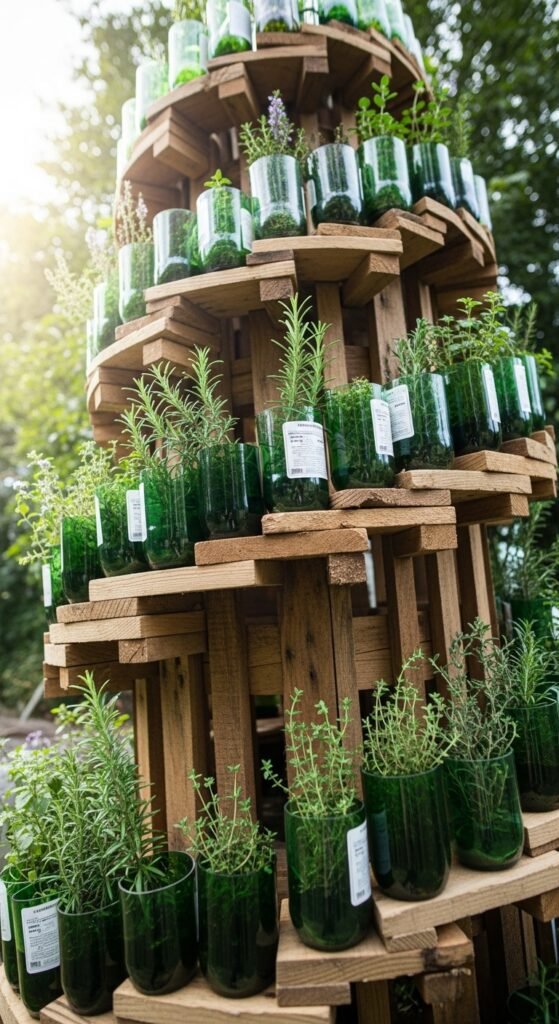
You repurpose items like old tires, bottles, or pallets to shape an eco-friendly spiral, stacking them creatively to form the ascending structure. This approach emphasizes sustainability while adding unique character.
Key benefits lie in cost savings and environmental impact reduction, with materials often providing insulation for roots. It encourages creativity in herb arrangement. Begin by outlining the spiral on the ground, using safe, non-toxic recyclables, and build to 2-3 feet. Fill with organic matter, planting medicinal herbs like echinacea at peaks and culinary ones below. Incorporate tips from herb planter box ideas for sturdy assembly.
Maintenance involves monitoring for material degradation, but the design’s versatility allows quick adaptations. You foster a green ethos, harvesting fresh herbs with pride in your resourceful creation.
5) Compact Balcony Spiral Setup
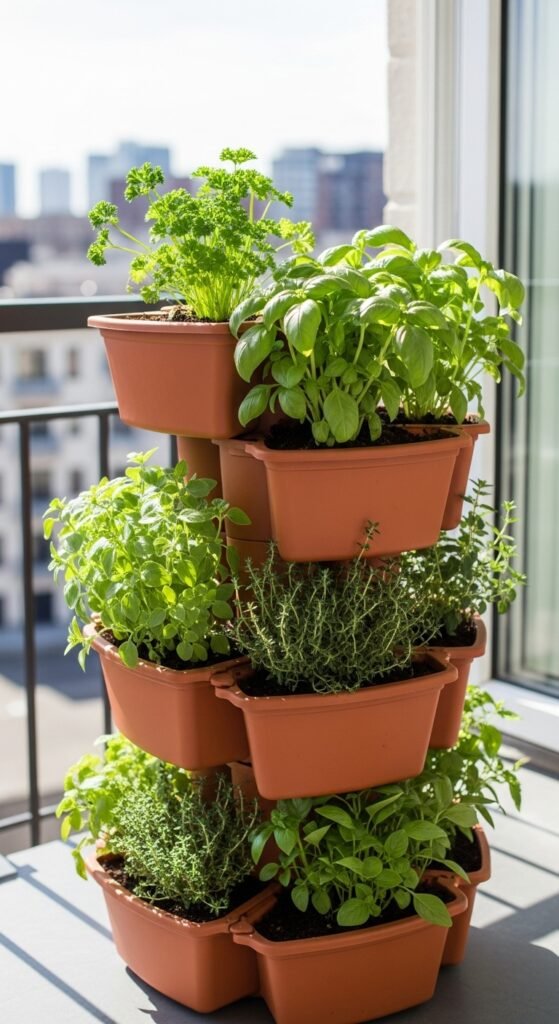
You adapt the spiral for small spaces by using pots or modular containers arranged in a coiled pattern on a balcony floor or stand. This vertical twist maximizes limited areas effectively.
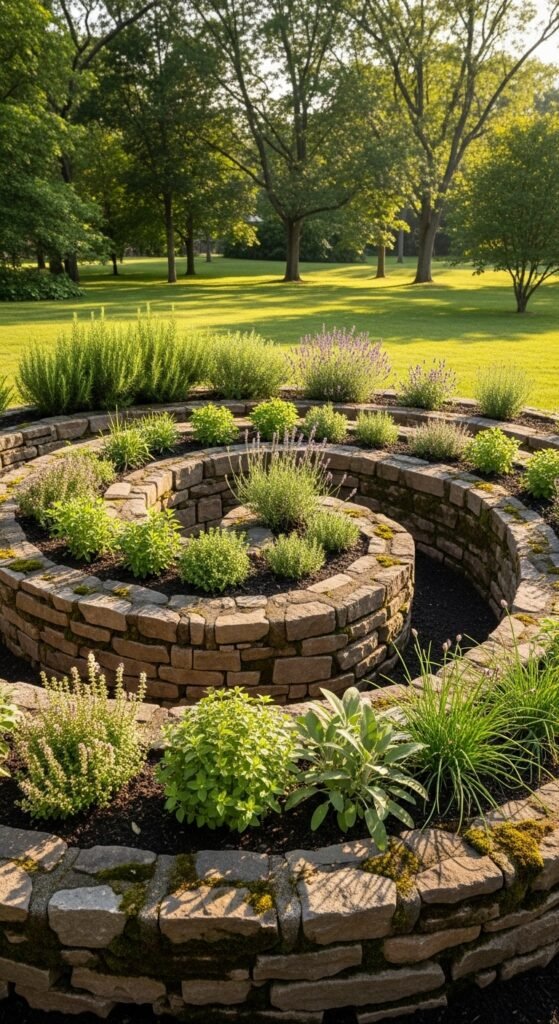
Key benefits include portability and suitability for renters, with easy access to sunlight variations. It brings greenery to urban dwellings. Assemble by selecting weather-resistant containers, stacking in a spiral up to 2 feet, and securing with ties. Plant compact herbs like parsley higher and oregano lower. Reference patio herb garden ideas for space optimization.
Watering is straightforward with drip systems; you ensure drainage to prevent root issues. This idea transforms your balcony into a functional herb oasis, enhancing daily meals with homegrown flavors.
6) Large Backyard Integrated Spiral
You scale up the spiral in a spacious yard, incorporating it into existing landscapes with a 6-8 foot diameter for abundant planting.
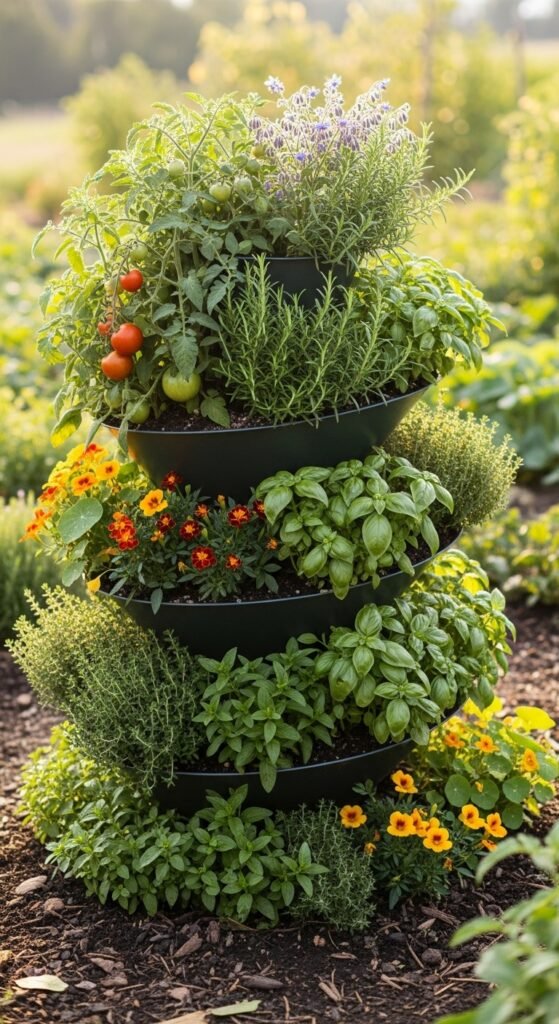
Key benefits encompass higher yields and biodiversity, attracting beneficial insects. It serves as a focal point. Plan by excavating a base, building with stones or wood, and integrating pathways. Plant a mix of annual and perennial herbs, using height for zoning. Align with herb garden design ideas for aesthetic flow.
Implementation requires soil testing for optimal mixes; you harvest seasonally, enjoying sustained supply. This grand design elevates your backyard’s functionality and beauty.
7) Vegetable-Companion Spiral Hybrid
You blend the spiral with veggies, planting herbs alongside compatible plants like tomatoes with basil for mutual benefits.
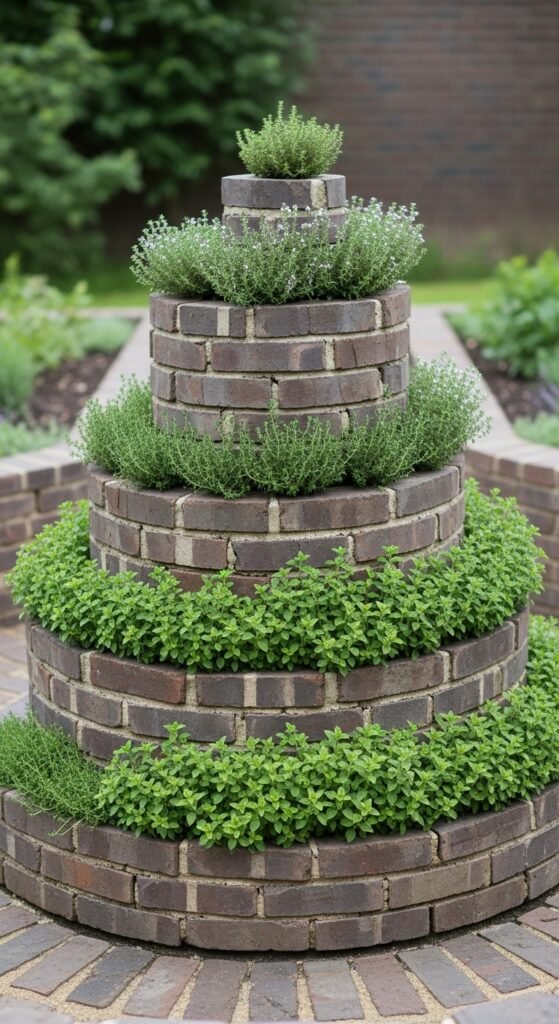
Key benefits include natural pest control and flavor enhancement through companion planting. It optimizes space. Design by dividing sections, using the spiral’s tiers for varying needs. Fill with balanced soil, positioning herbs strategically. Utilize insights from companion planting herbs for best pairings.
You maintain by rotating crops annually, ensuring vitality. This hybrid yields diverse produce, enriching your garden’s productivity.
8) Water-Feature Enhanced Spiral
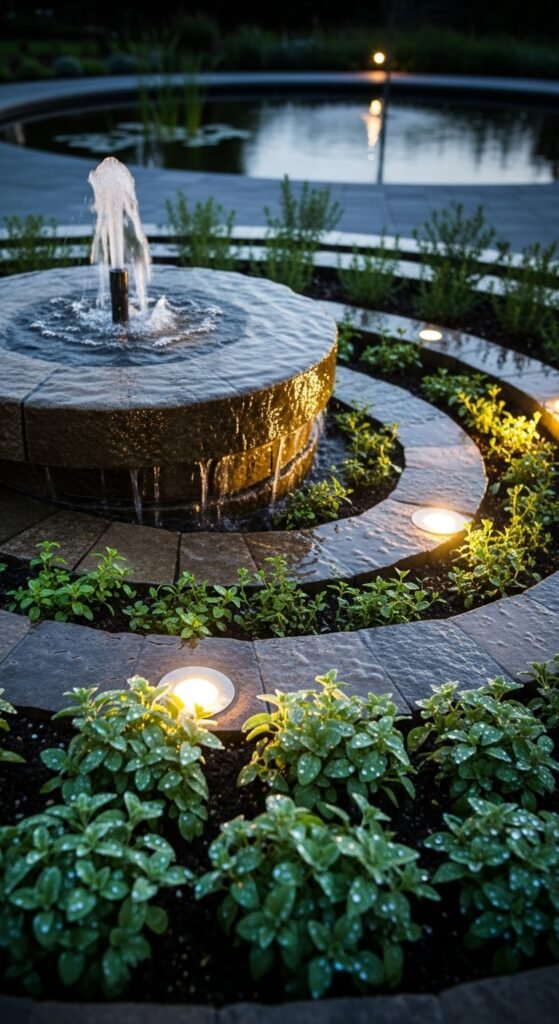
You incorporate a small fountain or drip at the spiral’s apex, allowing water to cascade down for irrigation and ambiance.
Key benefits feature efficient watering and a soothing soundscape, promoting relaxation. It conserves resources. Install a solar pump, building the spiral around it with permeable materials. Plant moisture-loving herbs like watercress lower. Draw from vertical herb garden concepts for elevation.
Monitor flow to avoid overwatering; you create a serene, self-sustaining herb space.
9) Vertical-Element Augmented Spiral
You add trellises or stakes within the spiral for climbing herbs, enhancing vertical growth.
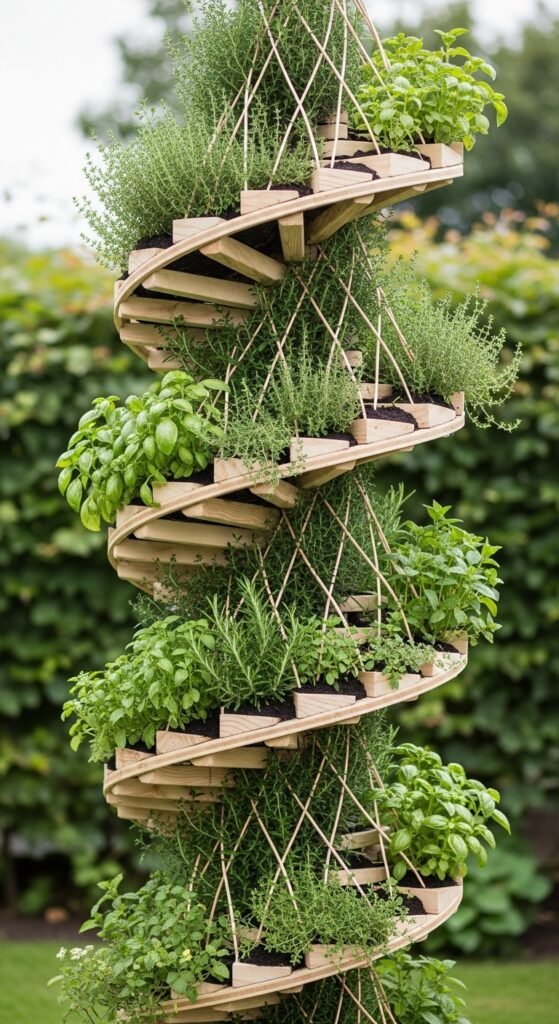
Key benefits maximize airspace and yield, with improved air circulation. It adds dimension. Integrate supports during construction, planting vines like thyme variants. Reference garden trellis ideas for sturdy options.
You train plants upward, harvesting easily. This augmentation boosts efficiency in compact designs.
10) Permaculture-Inspired Spiral Garden
You design with permaculture principles, layering mulch and incorporating perennials for sustainability.
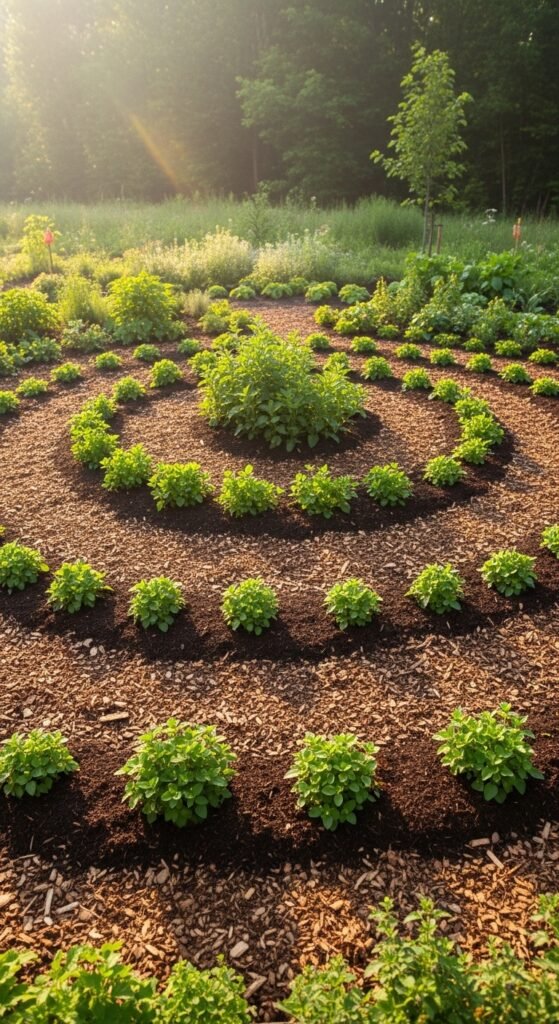
Key benefits include soil health and minimal inputs, fostering ecosystems. It aligns with eco-friendly practices. Build with organic materials, planting diverse herbs. Explore herb gardening for beginners for foundational tips.
Maintain through natural methods; you achieve a resilient, productive garden.
11) Kid-Friendly Educational Spiral
You create a low-height spiral with labeled herbs, encouraging children to participate in planting and care.
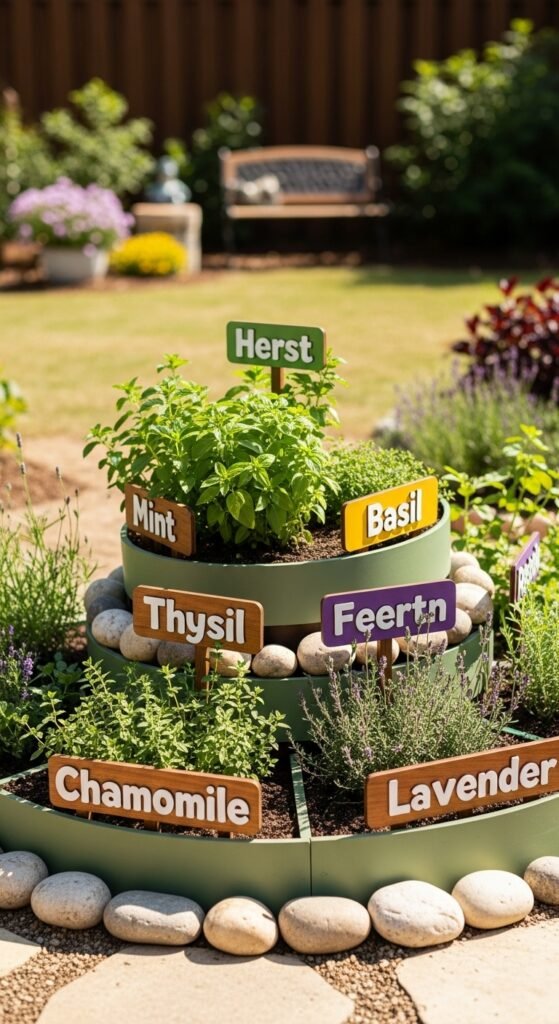
Key benefits promote learning and responsibility, with safe, accessible design. It instills gardening appreciation. Use soft-edged materials, filling with child-safe herbs. Involve kids in assembly for engagement.
You supervise activities, watching growth together. This idea nurtures future gardeners.
12) Low-Maintenance Drought-Tolerant Spiral
You select xeriscape materials and herbs like lavender, focusing on water efficiency.
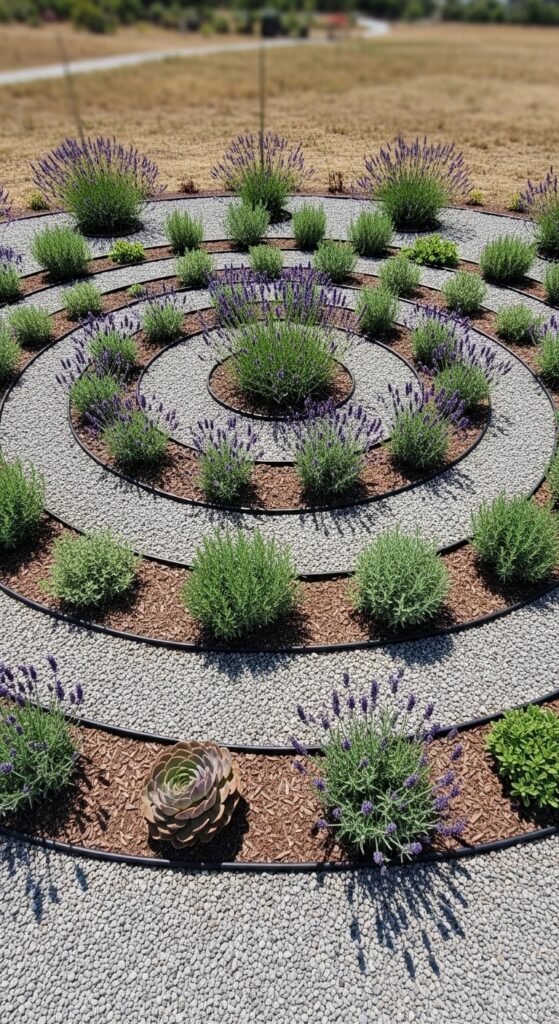
Key benefits reduce watering needs and upkeep, ideal for arid climates. It conserves resources. Build with gravel bases, planting resilient species.
Implementation emphasizes mulch; you enjoy hardy herbs with little effort.
13) Culinary-Themed Spiral Arrangement
You organize by cuisine, like Italian herbs centrally and Asian at edges.
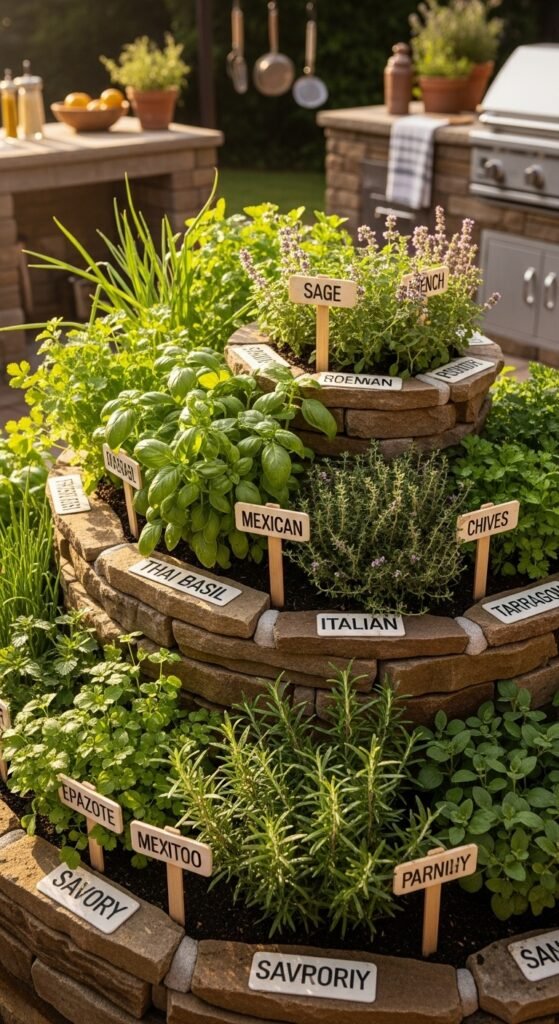
Key benefits streamline harvesting for cooking, enhancing meal prep. It personalizes your space. Plan sections accordingly, using signs for identification.
You expand based on preferences, creating a tailored culinary resource.
14) Solar-Lit Nighttime Spiral
You embed solar lights along the spiral for evening visibility and aesthetics.
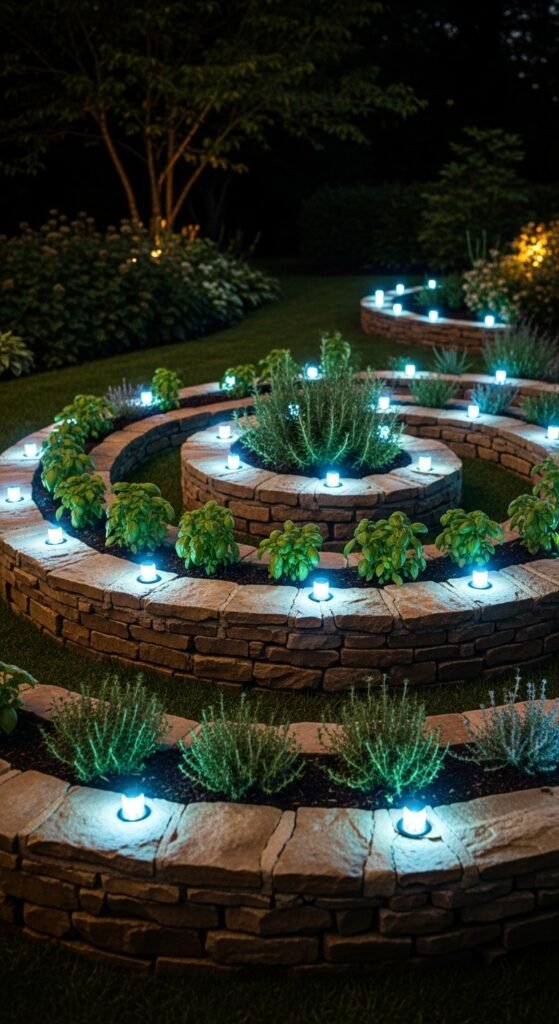
Key benefits extend usability and deter pests, adding ambiance. It highlights your garden. Install lights during build, choosing energy-efficient models.
You recharge naturally, illuminating herbs beautifully.
15) Accessible Raised Spiral for All Ages
You elevate the entire spiral on a platform for wheelchair access, with wider paths.
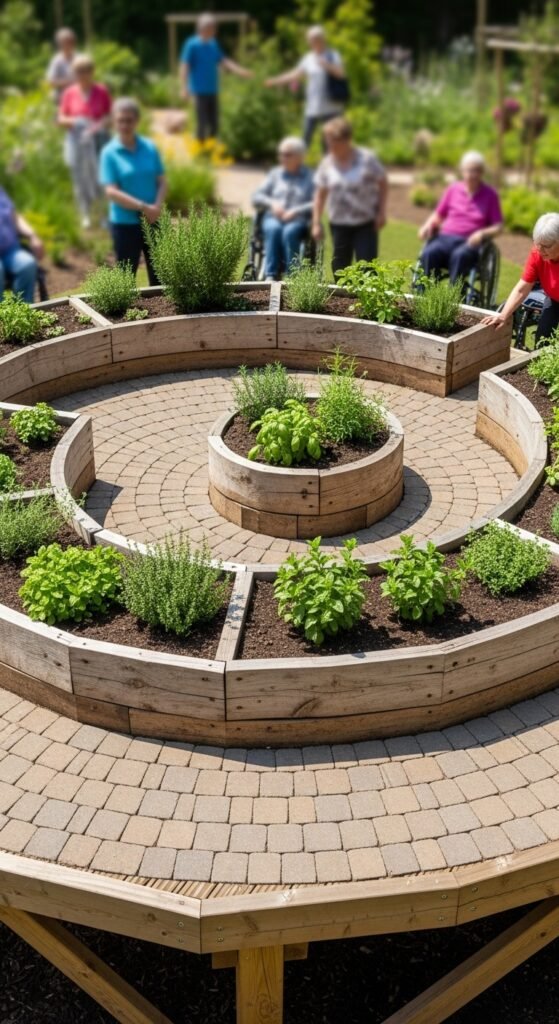
Key benefits ensure inclusivity and ease, promoting gardening for everyone. It accommodates physical needs. Construct with sturdy supports, adjusting heights.
You foster community involvement, making herb cultivation universal.
Key Principles for Successful Spiral Herb Gardens
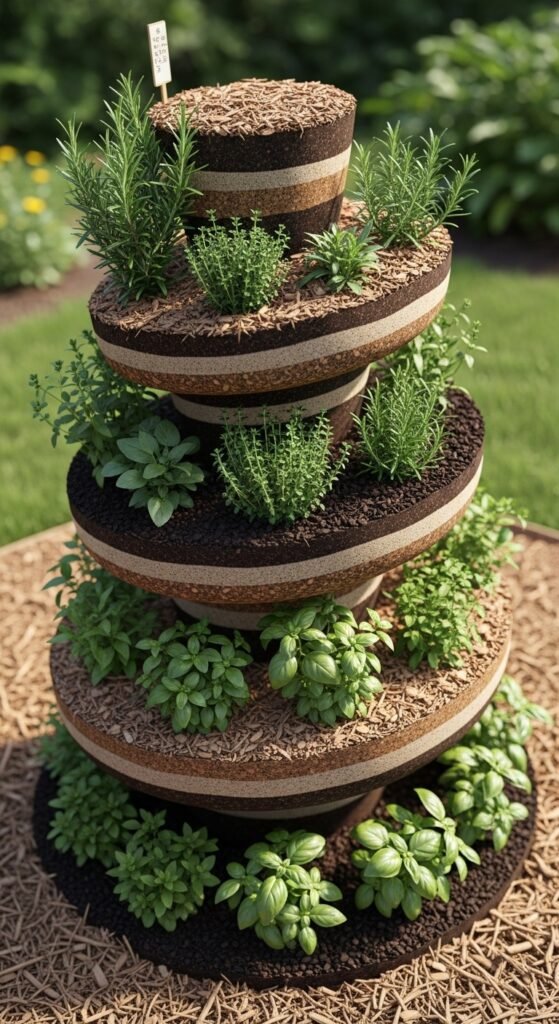
Soil Preparation and Composition
You prioritize well-draining, nutrient-rich soil by mixing compost, sand, and loam. Test pH to suit herbs, aiming for 6.0-7.0. This foundation supports robust growth and prevents issues like root rot.
Herb Selection and Placement
You choose herbs based on light and water needs, placing sun-lovers high and shade-tolerant low. Consider growth habits to avoid overcrowding, ensuring harmonious development.
Maintenance and Sustainability Tips
You mulch to retain moisture, prune regularly for health, and use organic pest controls. Rotate plantings annually to maintain soil vitality, promoting long-term sustainability.
Frequently Asked Questions
What materials are best for building a spiral herb garden?
Natural stones, bricks, or wood are excellent choices, offering durability and aesthetic appeal while allowing for proper drainage and heat retention.
Which herbs thrive in a spiral herb garden?
Herbs like rosemary, thyme, basil, mint, and oregano perform well, as the design accommodates varying conditions for different species.
How do I maintain water efficiency in my spiral herb garden?
Water from the top to let gravity distribute moisture, and incorporate mulch to reduce evaporation, ensuring consistent hydration without waste.
Can a spiral herb garden work in small spaces?
Yes, compact versions using containers or modular designs fit balconies or patios, maximizing vertical space effectively.
What are common mistakes to avoid when creating a spiral herb garden?
Avoid overpacking plants or neglecting soil drainage, as these can lead to poor growth; plan spacing and test soil beforehand.