
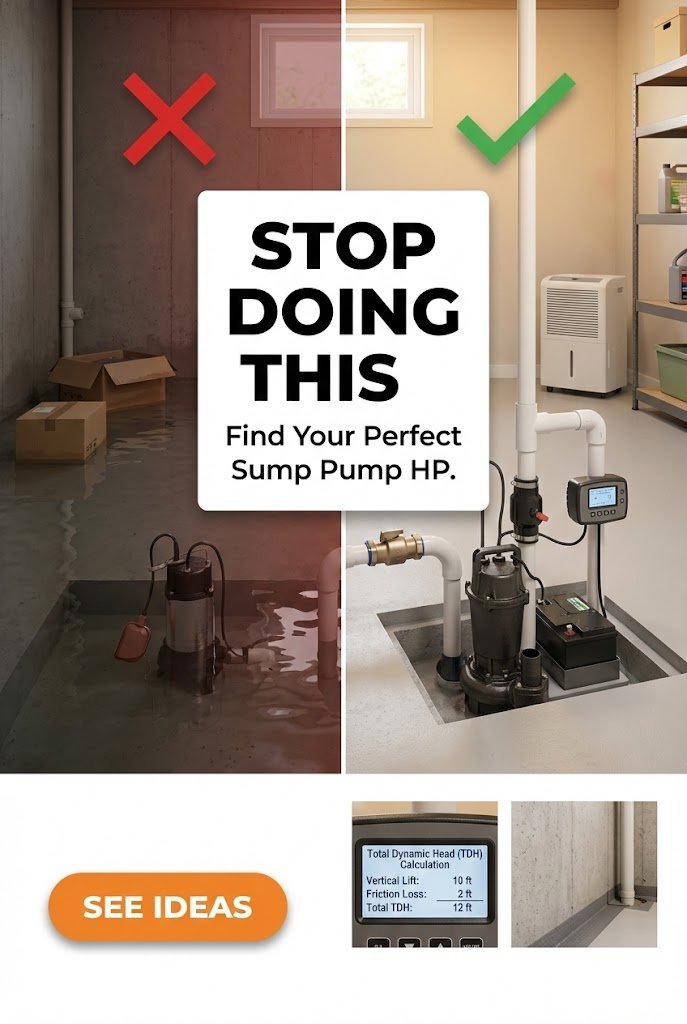
Nothing ruins a gardener’s hard work faster than a flooded basement or greenhouse utility pit. Choosing a sump pump isn’t just about grabbing the most powerful motor on the shelf; it’s about calculating the Total Dynamic Head (TDH) of your specific plumbing setup. An undersized pump will fail to lift water out of the house, while an oversized pump will “short cycle,” burning out the motor prematurely.
Use our Sump Pump Calculator to accurately estimate the Horsepower (HP) and Gallons Per Hour (GPH) your home requires, ensuring your foundation stays dry even during the heaviest spring thaws.
Sump Pump Sizing Calculator
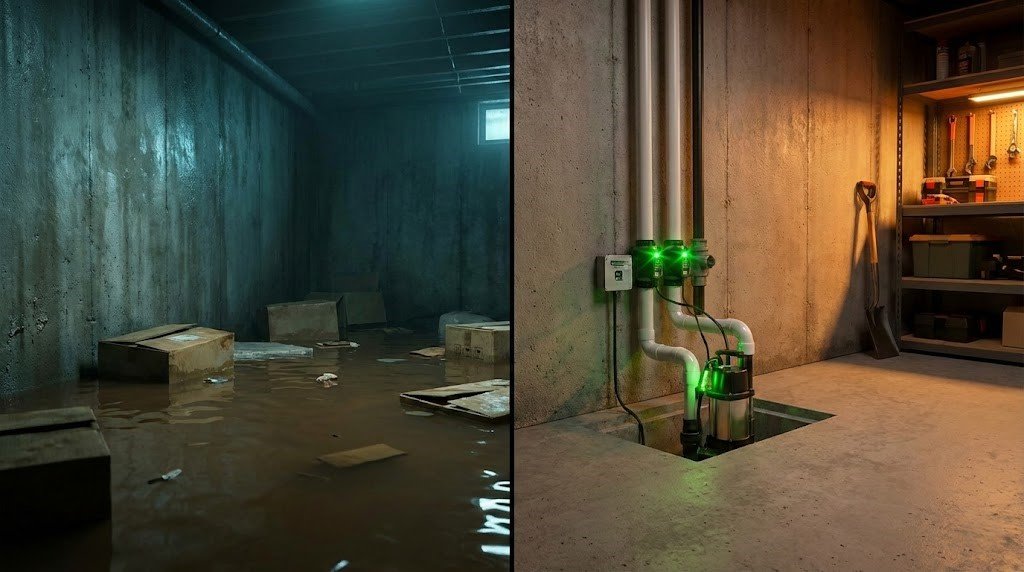
How to Use the Sump Pump Calculator
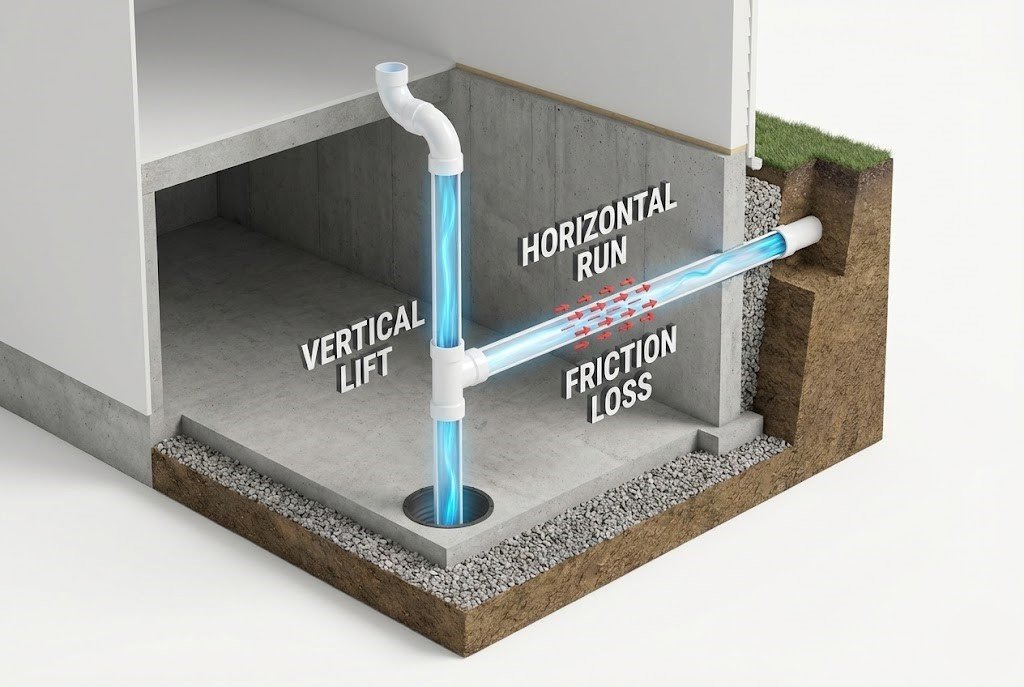
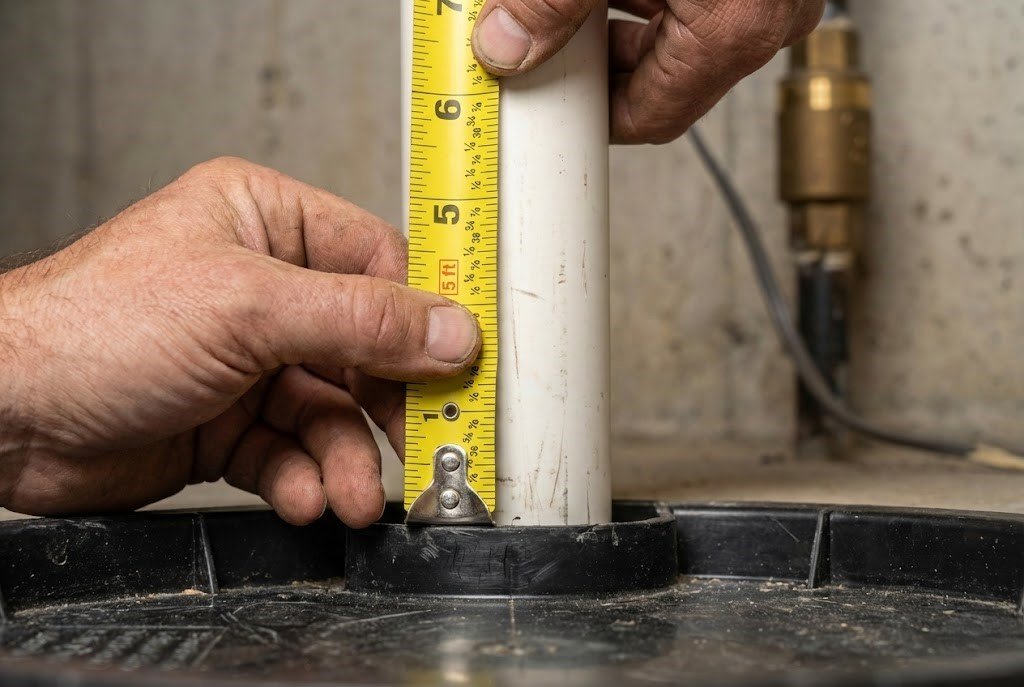
- Vertical Lift: Measure the distance from the bottom of your sump pit to the highest point of the discharge pipe before it turns to head outside.
- Horizontal Run: The total length of the pipe after it makes the turn to go outside.
- Pipe Diameter: Standard home systems use 1.5-inch PVC. If you have a long run, 2-inch pipe reduces friction and allows the pump to work easier.
- Inflow Severity: If your pump runs every 30 seconds during a storm, or you live in a high-water table area, select “High.”
Why We Built This: Accuracy and Reliability
The “Secret Sauce” of our tool is the Friction Loss Integration. Most basic charts only ask for vertical height. However, every foot of horizontal pipe and every elbow joint adds “friction head,” making the pump work harder as if it were lifting the water higher than it actually is.
Our tool also includes a Battery Backup Recommendation, calculating the Amp-Hours (Ah) required to keep your pump running for up to 4 hours during a power outage—the most common time for sump pumps to be needed.
Educational Guide: Understanding TDH and GPH
To choose the right pump, you need to understand two key metrics:
Total Dynamic Head (TDH)
TDH represents the total equivalent height the pump must push water against. It combines the physical vertical distance with the invisible resistance caused by pipe walls and gravity. If your TDH is 15 feet, a pump rated for “10 feet max head” will simply hum and never move a drop of water.
Gallons Per Hour (GPH)
Once you know your TDH, you must look at the pump’s performance curve. A 1/3 HP pump might move 3,000 GPH at a 0-foot lift, but only 1,800 GPH at a 10-foot lift. Our calculator accounts for these curves to give you the minimum safe rating for your installation.
Frequently Asked Questions
Q: Is a 1/2 HP sump pump better than a 1/3 HP?
A: Not necessarily. If your vertical lift is only 5 feet, a 1/2 HP pump might move water too fast, causing the pit to empty in seconds and the pump to turn on and off constantly. This “short-cycling” destroys motors. Always size to your specific head height.
Q: How long do sump pumps typically last?
A: The average lifespan of a high-quality sump pump is 7 to 10 years. We recommend testing your pump every spring by pouring a 5-gallon bucket of water into the pit to ensure the float switch triggers correctly.
Q: Why do I need a check valve?
A: A check valve prevents the water remaining in the vertical pipe from flowing back into the pit once the pump turns off. Without it, the pump has to move the same water twice, wasting energy and wearing out the switch.