
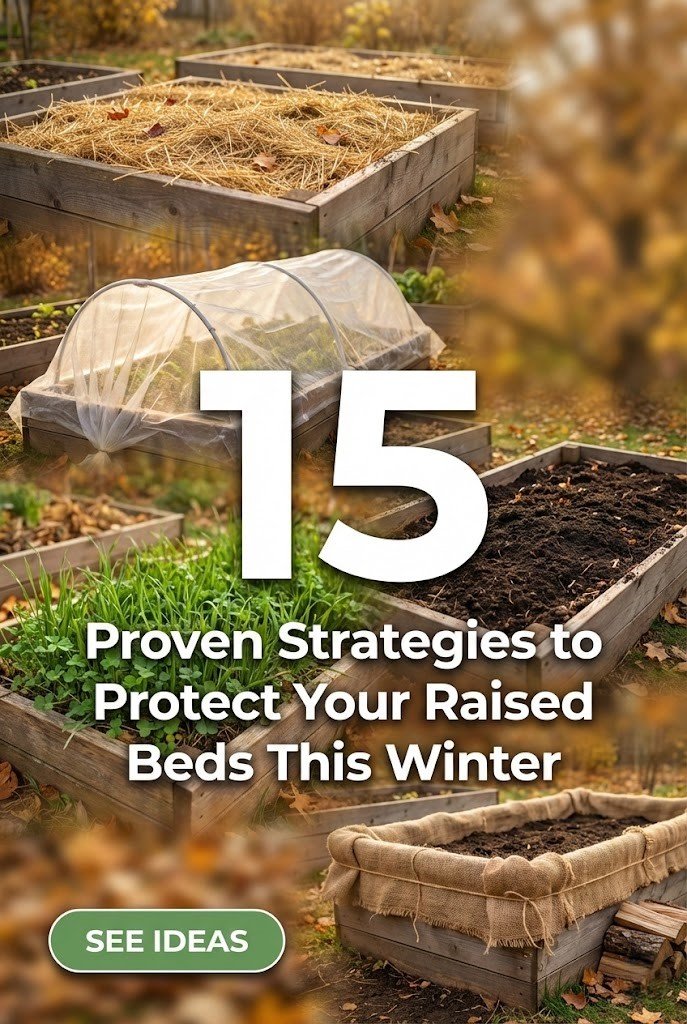
As the gardening season winds down, you must prepare your raised beds for winter to safeguard the soil and ensure a robust start in spring. Winterizing raised beds involves protecting the soil from erosion, nutrient loss, and extreme temperatures while preventing weed growth and pest infestations. By taking these steps, you maintain the bed’s structure and fertility, reducing the workload when warmer weather returns.
This process is particularly crucial in regions with harsh winters, where freezing and thawing cycles can damage soil composition. Implementing effective strategies now allows you to enjoy healthier plants and higher yields later. Below, explore 15 practical ideas to winterize your raised beds efficiently.
1) Clear Out Spent Plants and Debris
You begin winterizing by removing all spent plants, weeds, and debris from your raised beds. This step prevents diseases and pests from overwintering in the remnants, which could harm next season’s crops. Leftover plant material can harbor fungal spores or insect eggs, leading to outbreaks in spring.
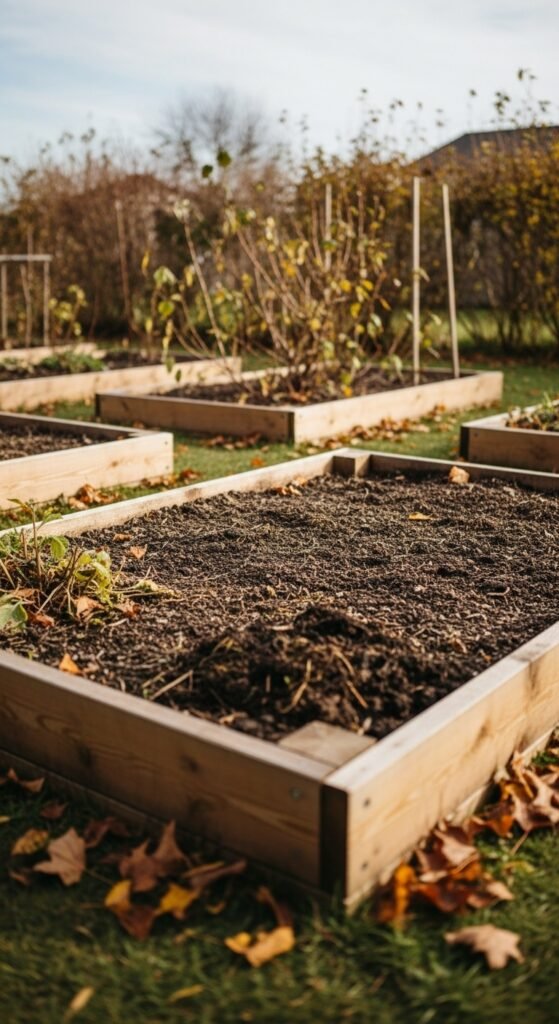
Why is this essential? Clearing debris maintains soil health and reduces competition for nutrients. To do it, pull out plants at the roots, compost healthy material, and dispose of diseased parts. Rake the surface smooth afterward. This simple action, taking just an afternoon, sets a clean foundation for further protection measures.
For optimal results, inspect the beds thoroughly, ensuring no hidden roots remain. Combining this with soil testing can reveal any imbalances to address before covering the beds.
2) Weed Thoroughly Before Covering
You should dedicate time to thorough weeding as part of winterizing your raised beds. Persistent weeds can survive winter and emerge stronger, robbing your soil of vital resources. Removing them now eliminates this threat and prevents seed dispersal.

The benefit lies in preserving soil nutrients and structure, as weeds can compact the earth during freeze-thaw cycles. Use a hoe or hand tools to uproot them completely, working when the soil is moist for easier extraction. Dispose of weeds properly to avoid reintroduction.
After weeding, you create a blank canvas for amendments. This step, though labor-intensive, pays off with fewer maintenance needs in spring. Consider mulching immediately after to suppress any missed seeds.
3) Amend Soil with Organic Matter
You enhance soil fertility by adding organic matter during winterizing. Incorporate compost or aged manure to replenish nutrients depleted over the growing season. This improves soil texture, drainage, and microbial activity.
Why prioritize this? Organic amendments prevent nutrient leaching in winter rains and promote earthworm activity for natural aeration. Spread a 2-4 inch layer over the bed and gently till it in, avoiding deep disturbance to preserve soil structure.
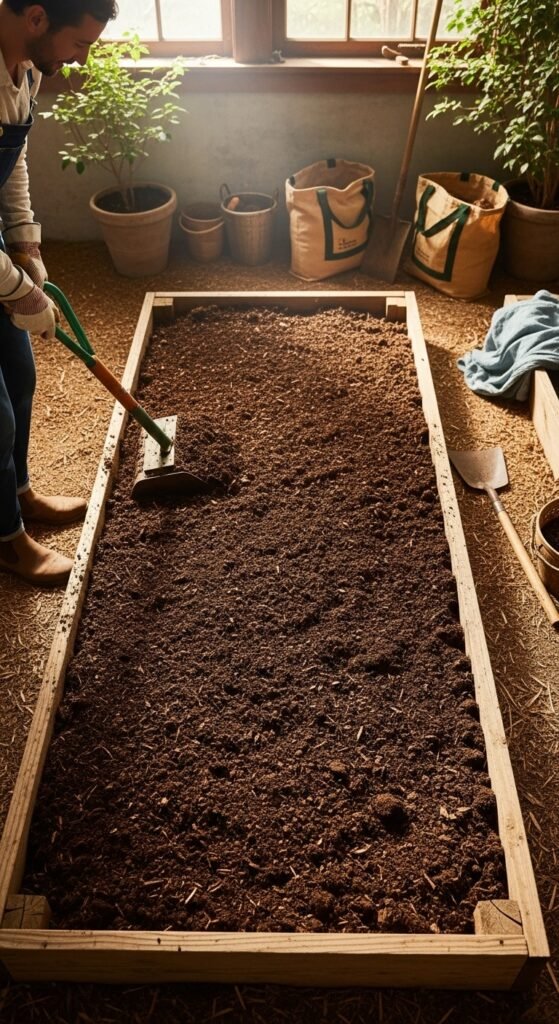
For best practices, source high-quality compost; you might explore winter composting tips to create your own supply. This preparation ensures your raised beds awaken vibrant and ready for planting.
4) Test and Adjust Soil pH
You assess and correct soil pH as a key winterizing step for raised beds. Imbalanced pH can lock up nutrients, making them unavailable to plants come spring. Testing now allows time for adjustments to take effect.

This is vital because winter weather can exacerbate acidity issues. Use a home kit or lab service to check levels, aiming for 6.0-7.0 for most vegetables. Add lime to raise pH or sulfur to lower it, following recommended rates.
Incorporate amendments evenly and water lightly to initiate the process. This proactive measure optimizes nutrient uptake, leading to healthier growth. Regular testing every few years keeps your beds in top condition.
5) Apply a Thick Layer of Mulch
You protect the soil surface by applying mulch during winterizing. A 4-6 inch layer of straw, leaves, or wood chips insulates against temperature fluctuations and suppresses weeds.
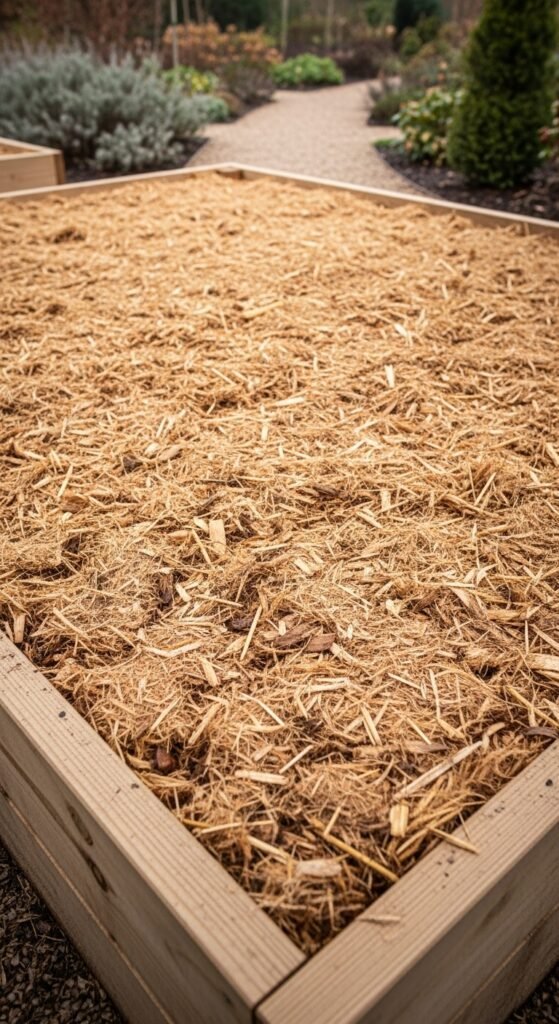
The advantage is erosion prevention and moisture retention, crucial in windy or rainy winters. Mulch also breaks down slowly, adding organic matter over time. Spread it evenly after amendments, avoiding direct contact with any remaining plant stems to prevent rot.
Choose materials that won’t compact excessively. This method is cost-effective and environmentally friendly, transforming your raised beds into self-sustaining units through the cold months.
6) Install Frost Protection Covers
You safeguard tender perennials or overwintering crops with frost protection. Use row covers, cloches, or plastic sheeting to shield against freezing temperatures and desiccating winds.
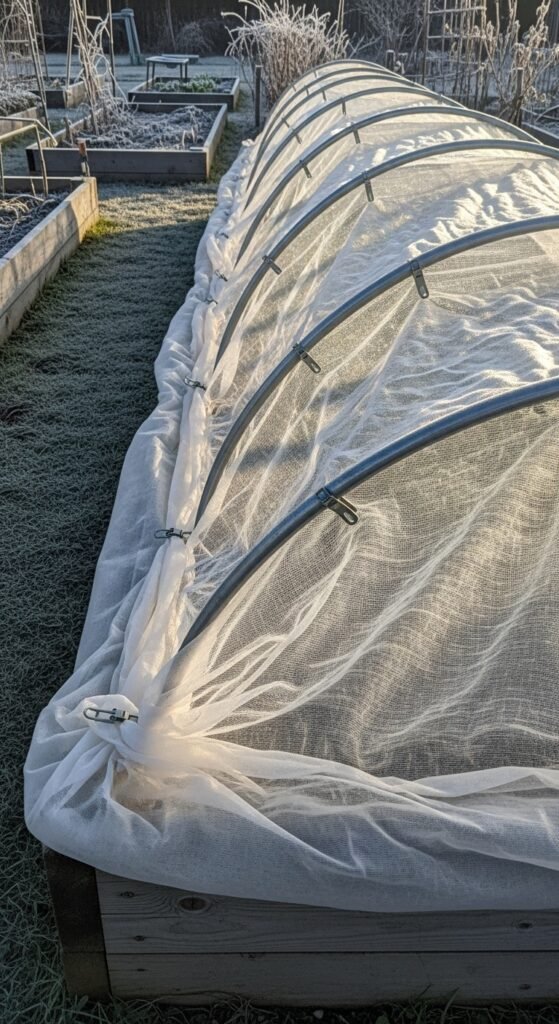
Why implement this? It extends the growing season and protects soil biology from extreme cold. Secure covers over hoops or frames, ensuring ventilation on milder days to prevent mold. Remove snow accumulation to avoid collapse.
For enhanced effectiveness, consider frost protection for plants techniques tailored to your climate. This approach minimizes winter damage, allowing quicker recovery in spring.
7) Plant Winter Cover Crops
You boost soil health by sowing cover crops in fall for winter protection. Options like rye, clover, or vetch prevent erosion and add nitrogen when turned under in spring.
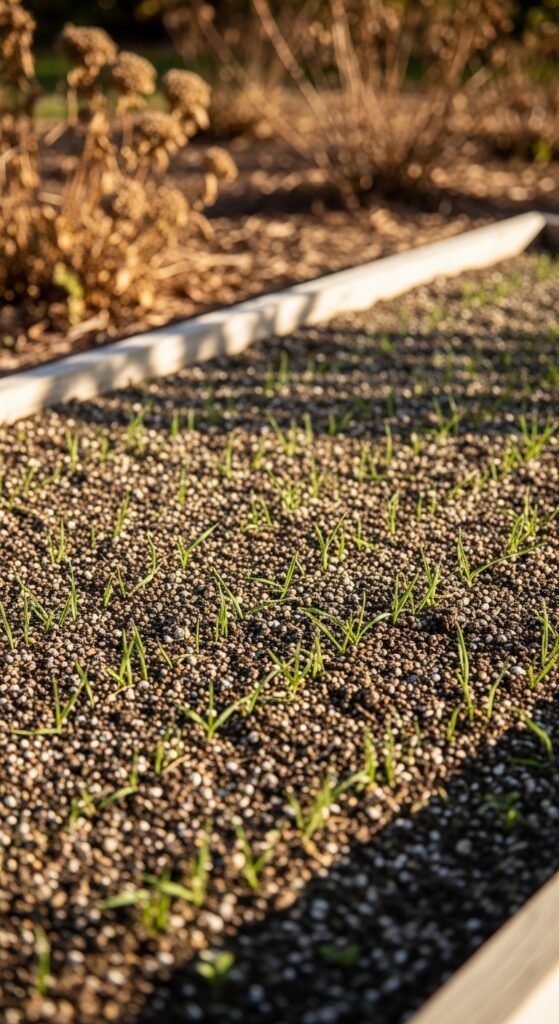
This strategy is beneficial for nutrient cycling and weed suppression without chemicals. Broadcast seeds evenly, rake lightly into soil, and water to establish growth before frost. Choose varieties suited to your zone for best overwintering.
Integrating this with your routine, as detailed in resources on winter cover crops, transforms bare beds into productive spaces even in dormancy.
8) Improve Drainage to Prevent Waterlogging
You ensure proper drainage by assessing and enhancing your raised beds’ setup. Excess winter moisture can lead to root rot or soil compaction if not addressed.

It’s important because saturated soil freezes harder, potentially damaging bed structures. Add gravel at the base if needed, or elevate beds further. Perforate any coverings to allow runoff.
Monitor during rains and adjust as necessary. This maintenance preserves bed integrity, making them resilient against seasonal challenges.
9) Insulate Bed Sides Against Freezing
You protect wooden or metal frames by insulating the sides of raised beds. Wrap with burlap, bubble wrap, or straw bales to buffer against deep freezes.
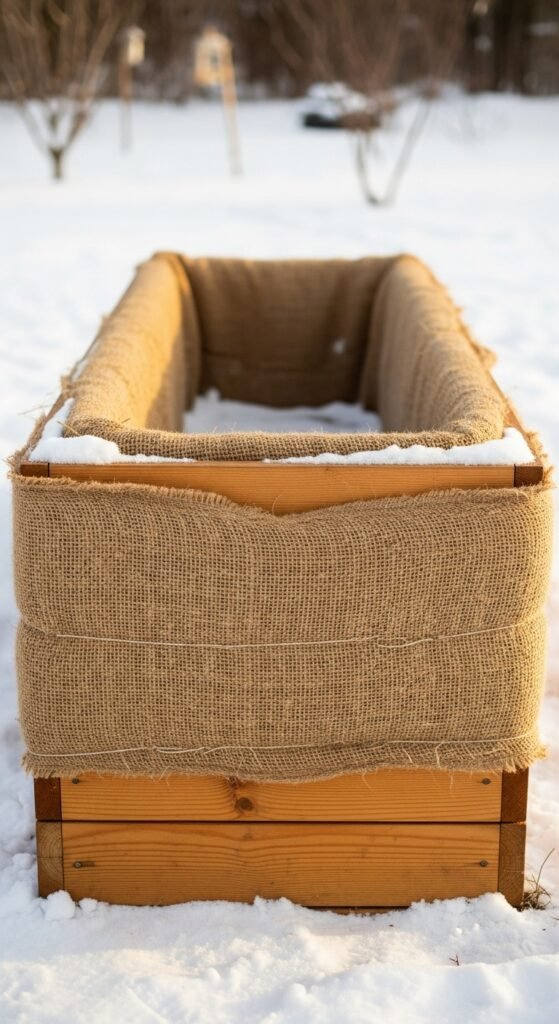
The purpose is to prevent cracking or warping from expansion and contraction. Secure materials firmly but allow for air circulation. This is especially useful in northern climates with prolonged cold.
Combine with mulching for comprehensive coverage. Such insulation extends the lifespan of your beds, saving replacement costs over time.
10) Monitor and Control Pests
You stay vigilant for pests during winterizing, inspecting beds for signs of infestation. Remove any habitats like debris piles that could shelter rodents or insects.
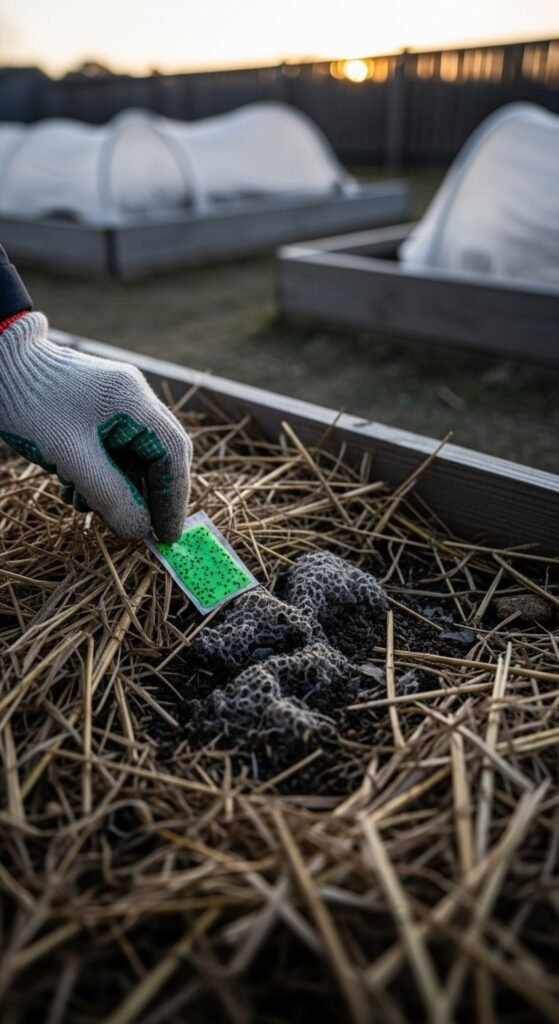
This vigilance prevents population booms in spring. Use traps or natural repellents as needed, focusing on eco-friendly methods. Refer to winter pest control strategies for targeted advice.
Regular checks throughout winter maintain control. This integrated approach keeps your garden ecosystem balanced.
11) Overwinter Hardy Perennials Properly
You prepare perennials in raised beds for winter by cutting back foliage and mulching crowns. This protects roots from heaving in freeze-thaw cycles.
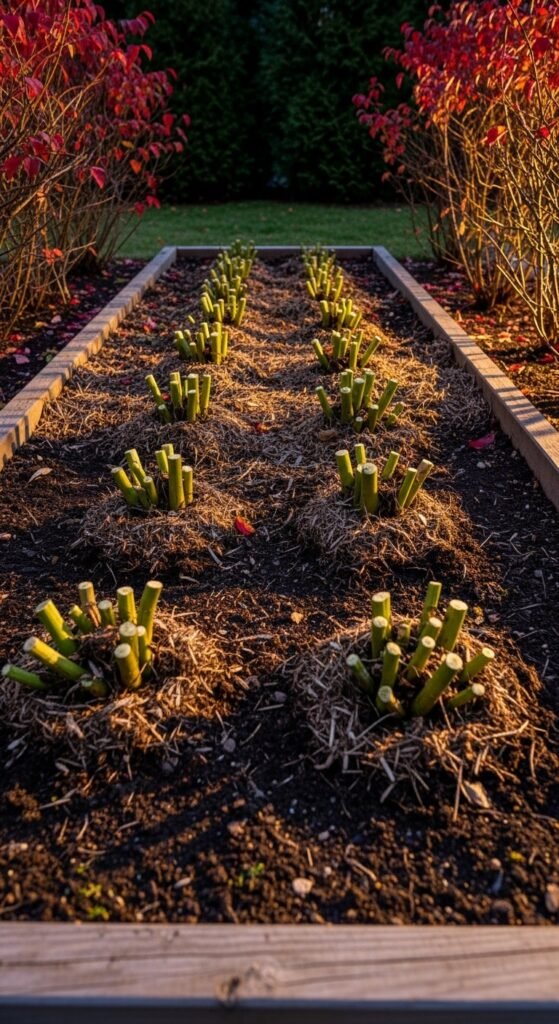
Why focus here? It ensures survival and vigorous regrowth. For specifics like berries, explore overwinter strawberries methods. Water deeply before ground freezes if rainfall is low.
This care rewards you with established plants ready to thrive, reducing replanting efforts.
12) Set Up Low Tunnels or Hoop Houses
You extend protection with low tunnels or hoop houses over raised beds. Bend PVC or metal hoops and cover with plastic or fabric for a mini-greenhouse effect.
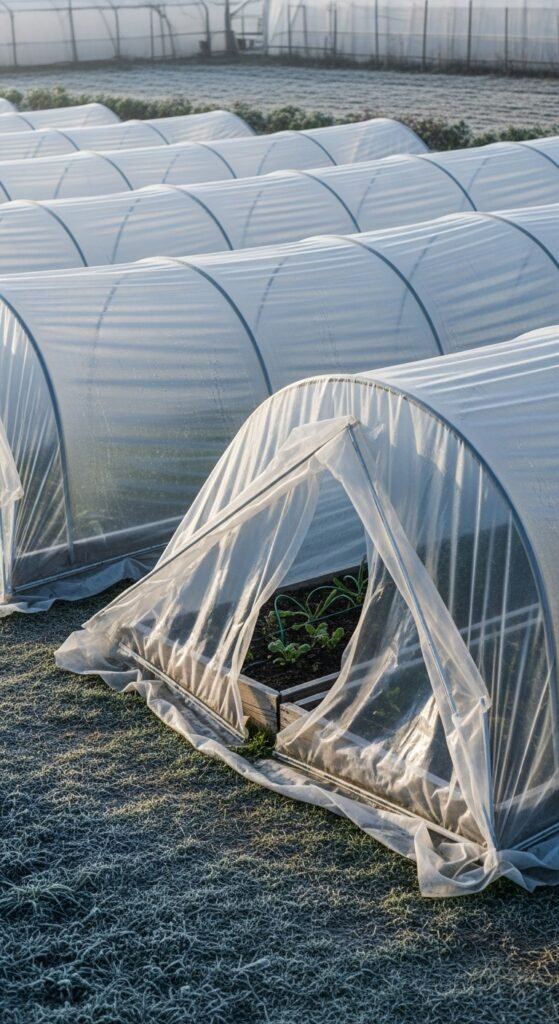
Beneficial for overwintering greens or early starts, this traps heat and shields from elements. Ventilate to control humidity. Learn more through low tunnel gardening guides.
Easy to assemble, these structures offer versatile winter defense.
13) Plan and Plant Fall Bulbs or Garlic
You utilize winterizing time to plant fall items like garlic or bulbs in raised beds. This sets up for early harvests or blooms.
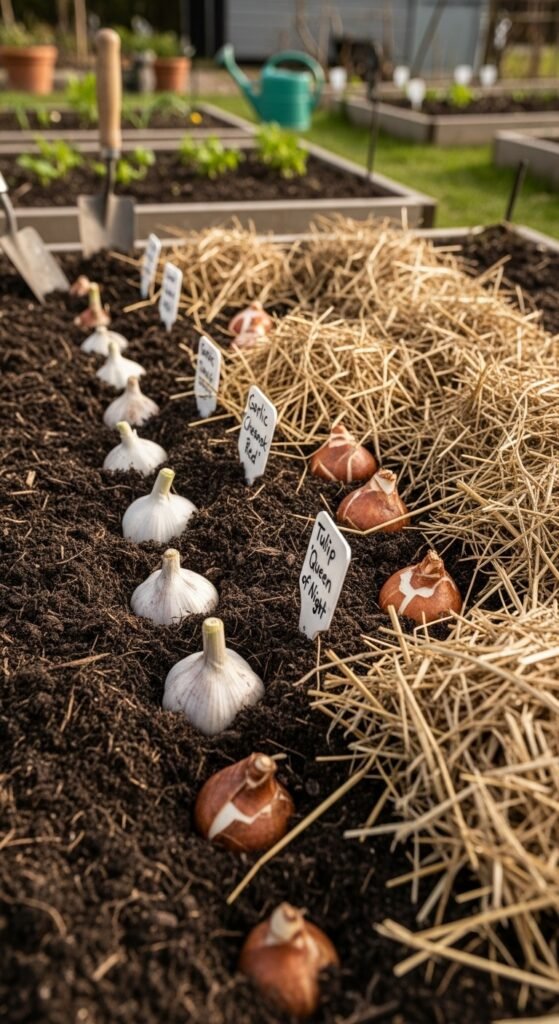
It maximizes space and prepares for seamless transitions. Plant at proper depths, mulch over, and label locations. For garlic specifics, check plant garlic in fall.
This forward-thinking step enhances productivity without extra spring work.
14) Cover Beds with Tarps or Boards
You shield empty beds with tarps or wooden boards to prevent weed growth and erosion. Secure them to withstand winds.
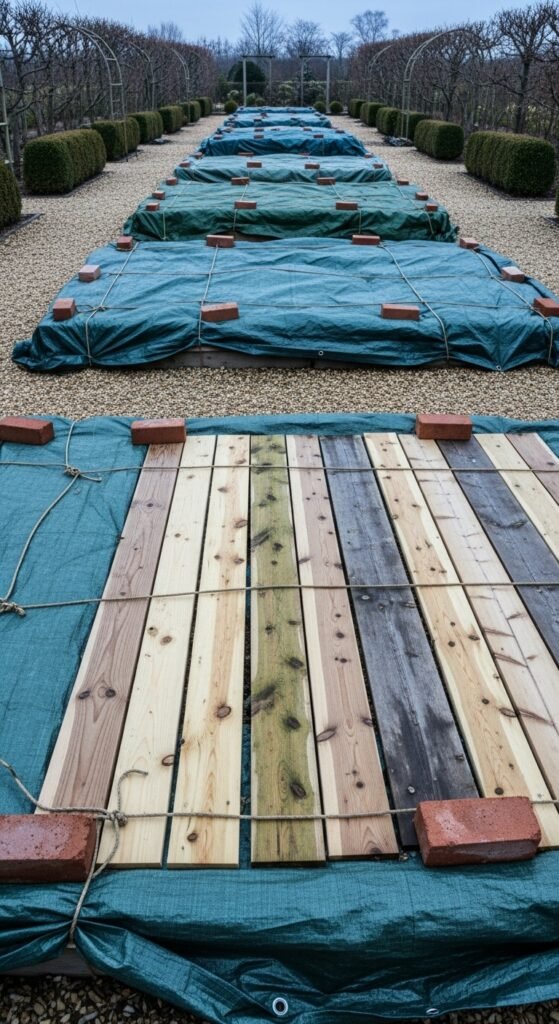
This method is straightforward and effective for soil conservation. Remove periodically for aeration if possible. It’s ideal for beds not sown with covers.
Such covering maintains readiness for spring planting.
15) Document and Plan for Spring
You conclude winterizing by documenting your beds’ layout and planning rotations. Note what grew where to avoid disease buildup.
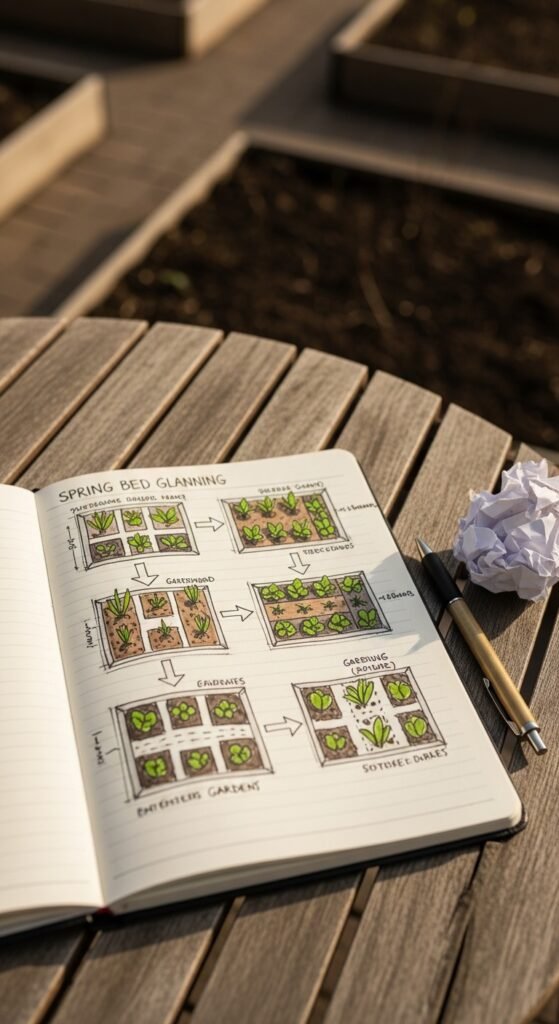
Essential for long-term success, this organizes your approach. Review yields and issues, then sketch next season’s design. Consider what to plant in fall for extended ideas.
This reflection turns winter prep into strategic advancement.
Key Principles for Effective Winterizing
Prioritize Soil Protection
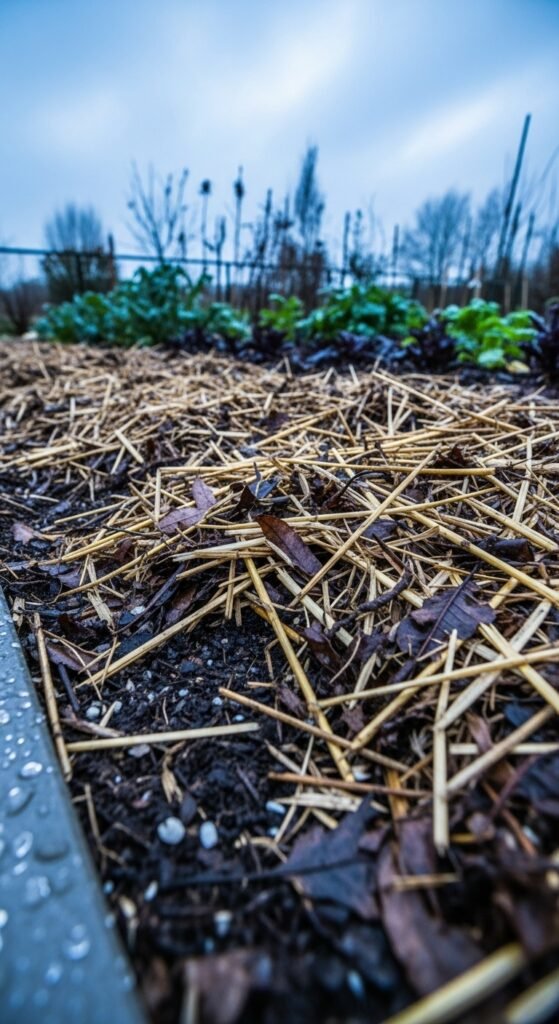
You focus on shielding soil from elements to maintain its vitality. Consistent mulching and covering prevent nutrient loss and structure degradation.
Adapt to Your Climate
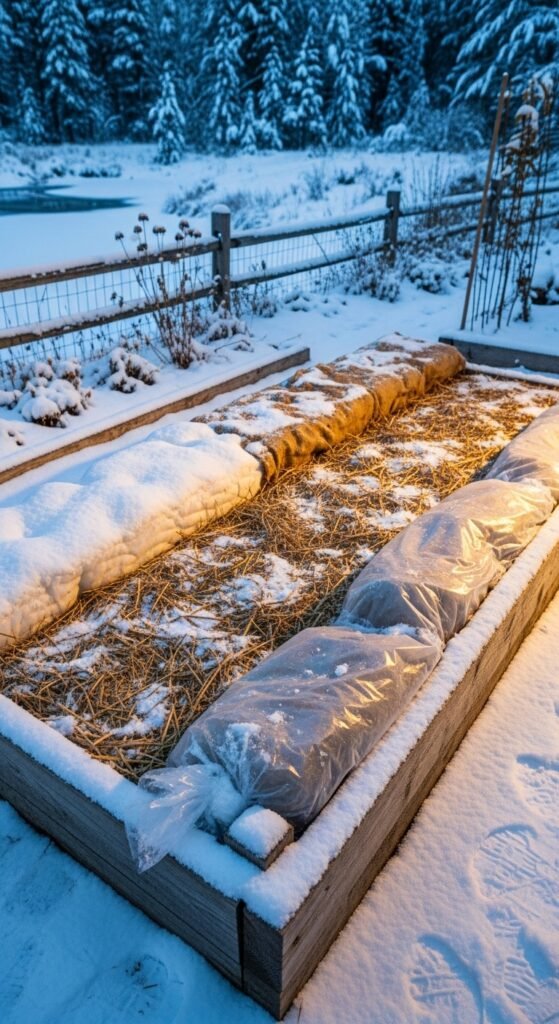
You tailor strategies based on local weather patterns, using more insulation in colder areas or better drainage in wet ones.
Integrate Sustainable Practices
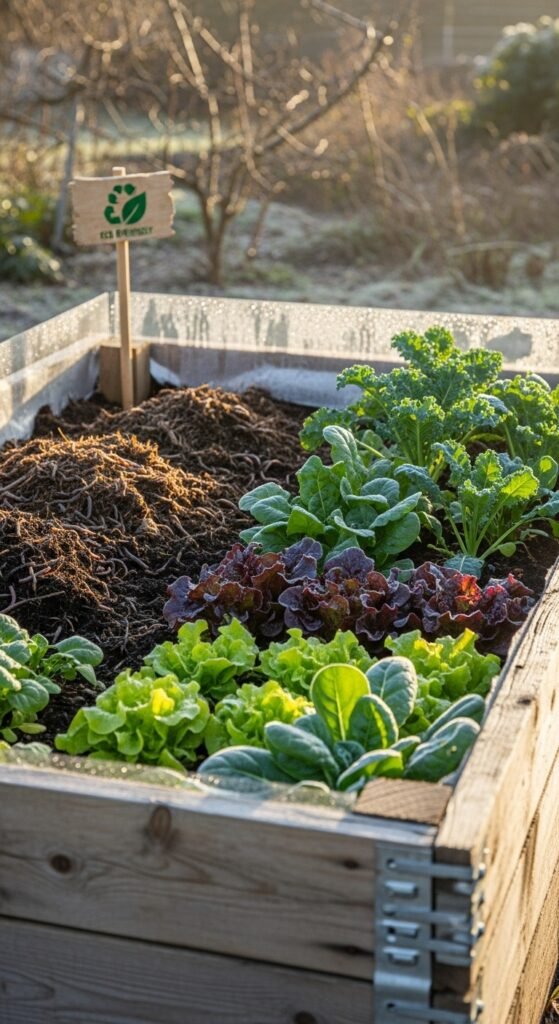
You incorporate eco-friendly methods like composting and cover crops to enhance biodiversity and reduce environmental impact.
Frequently Asked Questions
When should you start winterizing raised beds?
You ideally begin after the last harvest, typically in late fall before the first hard frost, allowing time for amendments to settle.
Do you need to remove all soil from raised beds for winter?
No, you leave the soil in place; removing it would disrupt the ecosystem. Instead, amend and protect it.
Can you leave plants in raised beds over winter?
Yes, for hardy perennials or cover crops, but remove annuals to prevent disease. Protect remaining plants appropriately.
What is the best mulch for winterizing raised beds?
You can use straw, shredded leaves, or wood chips; choose based on availability and decomposition rate for your needs.
How do you prevent raised beds from freezing solid?
You apply thick mulch and covers to insulate, while ensuring good drainage to avoid ice buildup from excess moisture.