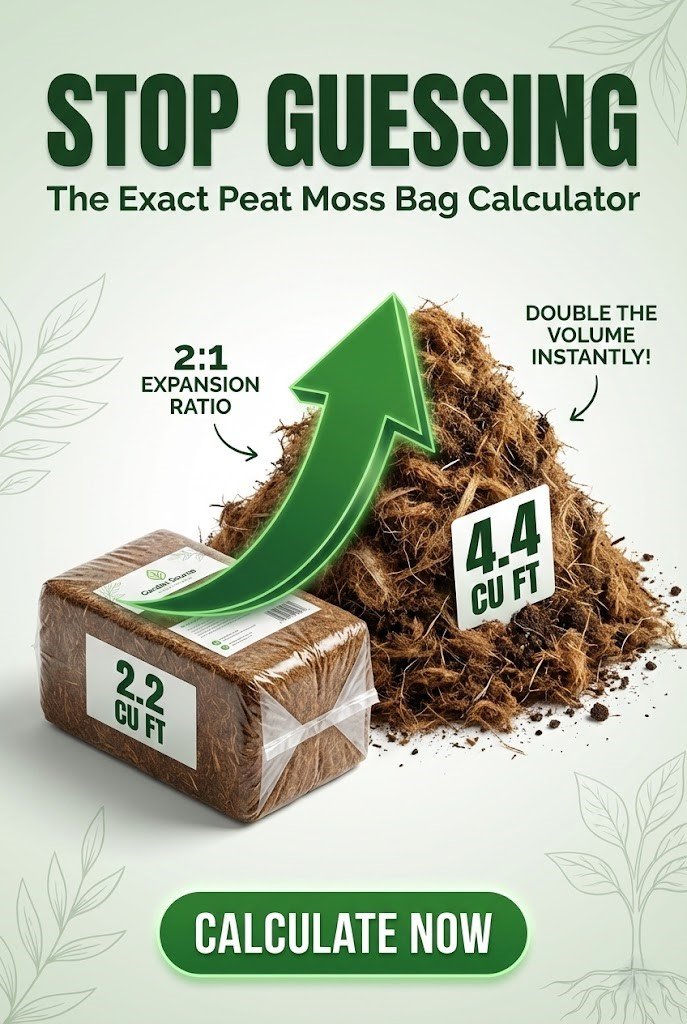
Calculating how much peat moss to buy is tricky because of one confusing factor: Compression. When you buy a square bale of peat moss at the garden center, it is compressed rock-hard to save shipping space. When you break it open and fluff it up into your soil, it nearly doubles in volume.
📦 Peat Moss Coverage
(Bag)
(Expanded)
Most standard calculators ignore this "fluff factor," causing you to overbuy by 50%. Use our Peat Moss Coverage Calculator below to determine exactly how many standard 2.2 cubic foot bales you need for your project.
How to Use This Tool
We designed this tool to handle the "Expansion Math" for you:
- Garden Area: Multiply the length and width of your garden bed to get the square footage. (e.g., A 4x8 raised bed is 32 sq ft).
- Layer Depth: How deep are you amending? For a new lawn, 1/4 inch is standard. For a vegetable garden, you typically mix in 2-3 inches.
- The Result: The tool tells you how many Standard 2.2 cu ft Bales to put in your cart.
Why We Built This (The "Secret Sauce")
The standard peat moss bale sold at Big Box stores is 2.2 cubic feet (compressed). However, the bag usually claims it covers a huge area. Why?
The 2:1 Expansion Ratio:
Sphagnum peat moss is sponge-like. It is vacuum-packed at a 2:1 ratio. That means 1 bag (2.2 cu ft) actually fills a wheelbarrow with roughly 4.4 cubic feet of loose material.
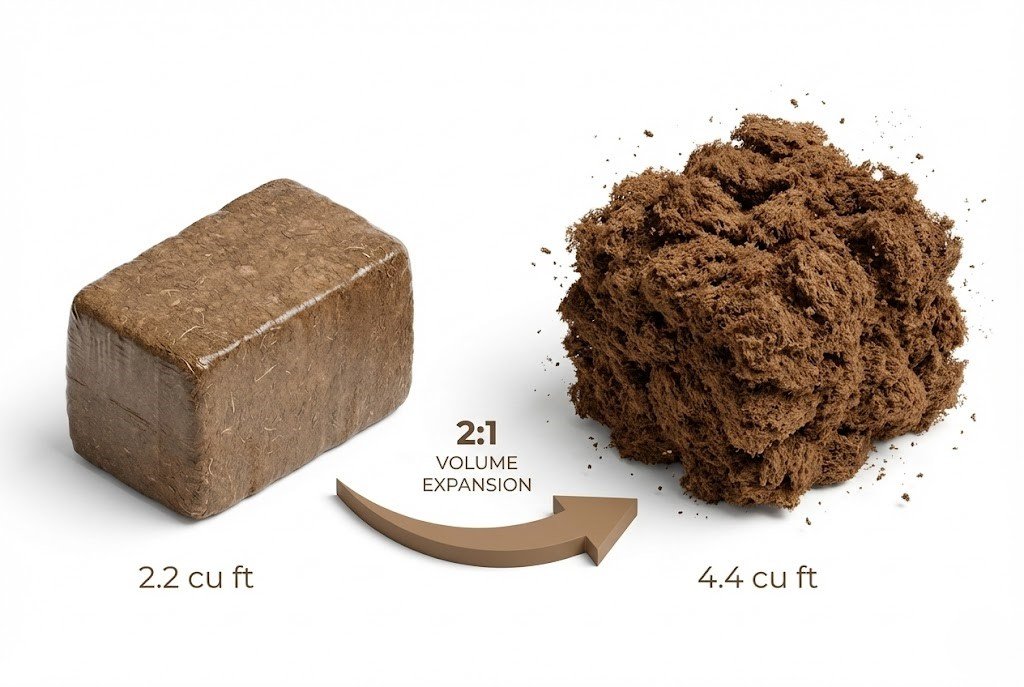
Our calculator uses this expansion ratio to ensure you don't end up with a garage full of extra bales.
Educational Guide: When to Use Peat Moss
Peat moss is a powerful soil amendment, but it isn't a fertilizer. It has zero nutrients. Here is why you use it:
1. Moisture Retention
Peat moss can hold up to 20 times its weight in water. Mixing it into sandy soil helps your garden stay hydrated during July heatwaves. It is the primary ingredient in our DIY Potting Mix recipes.
2. Lowering pH
Peat moss is naturally acidic (pH 3.0 to 4.5). It is excellent for acid-loving plants like blueberries, camellias, and hydrangeas. If your soil is already acidic, you may need to balance the peat moss with Garden Lime.
3. Soil Structure (Tilth)
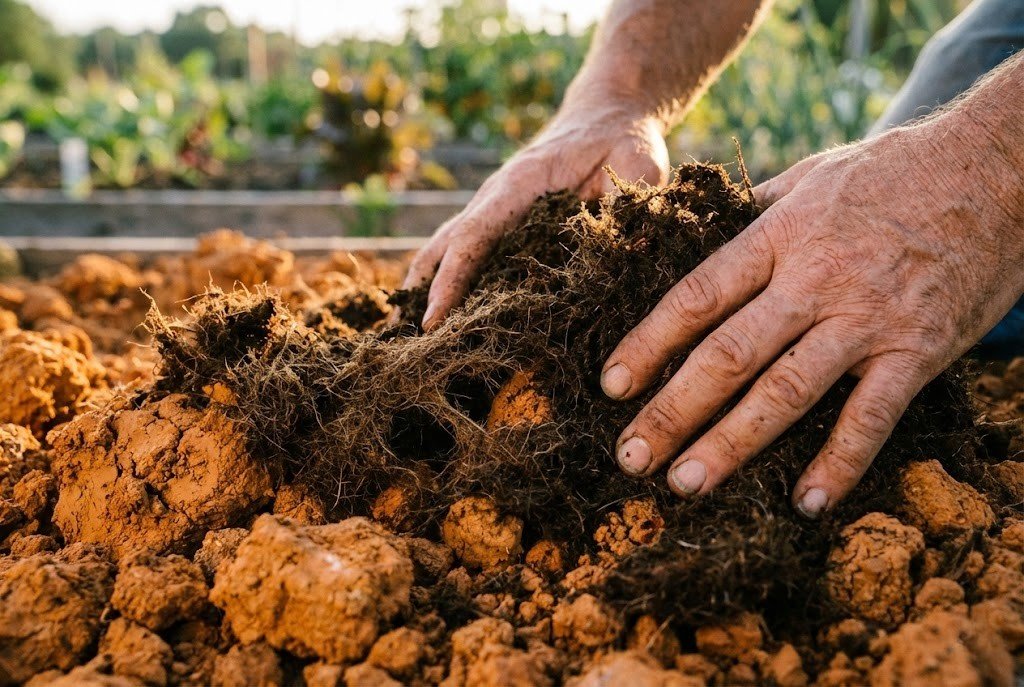
In heavy clay soils, the fibrous texture of peat moss creates air pockets (aeration), allowing roots to breathe. In sandy soils, it adds bulk to prevent nutrients from washing away.
Frequently Asked Questions
Is peat moss the same as compost?
No. Compost is decayed organic matter rich in nutrients and microbes. Peat moss is sterile, preserved sphagnum moss with no nutrients. Compost feeds the plant; peat moss fixes the soil texture and water retention.
Is peat moss sustainable?
This is debated. Peat bogs grow very slowly (1mm per year). While Canada manages them carefully, many eco-conscious gardeners prefer Coconut Coir as a renewable alternative. Coir behaves similarly but has a neutral pH.
Do I need to fluff peat moss before measuring?
Yes. It comes out of the bag in hard chunks. You must break it up with a rake or your hands to get the full volume. If you don't fluff it, it won't absorb water properly and will repel rain (become hydrophobic).