
There is a classic gardening mistake known as “The Lettuce Glut.” You plant 20 heads of lettuce on May 1st. They all mature on exactly the same day in June. You eat salad for breakfast, lunch, and dinner for three days, and then the rest rots or bolts in the summer heat.
📅 Succession Planting Scheduler
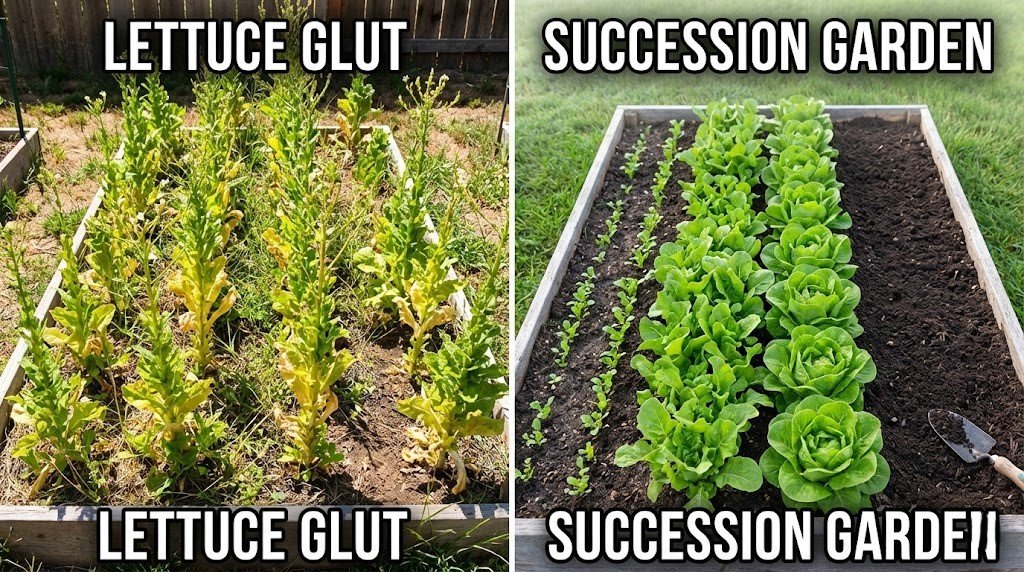
The solution is Succession Planting. By planting smaller batches at regular intervals (usually every 2 weeks), you ensure a steady harvest that lasts all season long. Stop guessing dates on your calendar. Use our Free Succession Planting Scheduler below to instantly generate your custom sowing plan.
How to Use This Tool
Creating a continuous harvest is easier than you think:
- First Planting Date: Enter the day you want to put your first batch of seeds in the ground.
- Interval (Weeks): How often do you want to plant? (e.g., Radishes every 2 weeks, Beans every 3 weeks).
- # of Plantings: How many total batches do you want? (e.g., 4 batches of corn).
- Frost Check (Optional): Enter your estimated First Frost Date. The tool will warn you if your later plantings will be killed by cold weather before they even start.
Why We Built This (The “Secret Sauce”)
Standard gardening calendars tell you when to plant, but they don’t help you space it out. We built this tool to visualize the entire season.
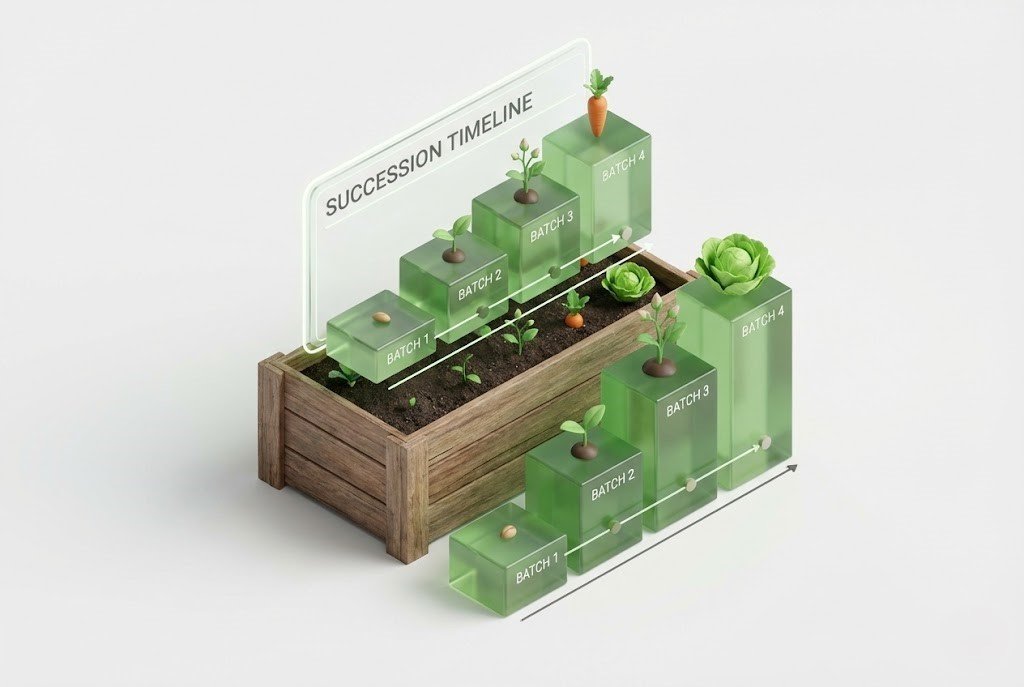
The Frost Safety Net: The biggest risk with succession planting is running out of time. You might plan 6 batches of beans, but if the 6th batch is scheduled for November, it’s a waste of seed. Our tool highlights “Too Late” dates in Red so you don’t waste time planting seeds that will never reach maturity.
Educational Guide: Best Vegetables for Succession
Not every vegetable needs to be succession planted. Tomatoes, for example, produce continuously from one plant. However, “One-and-Done” crops benefit massively from this schedule.
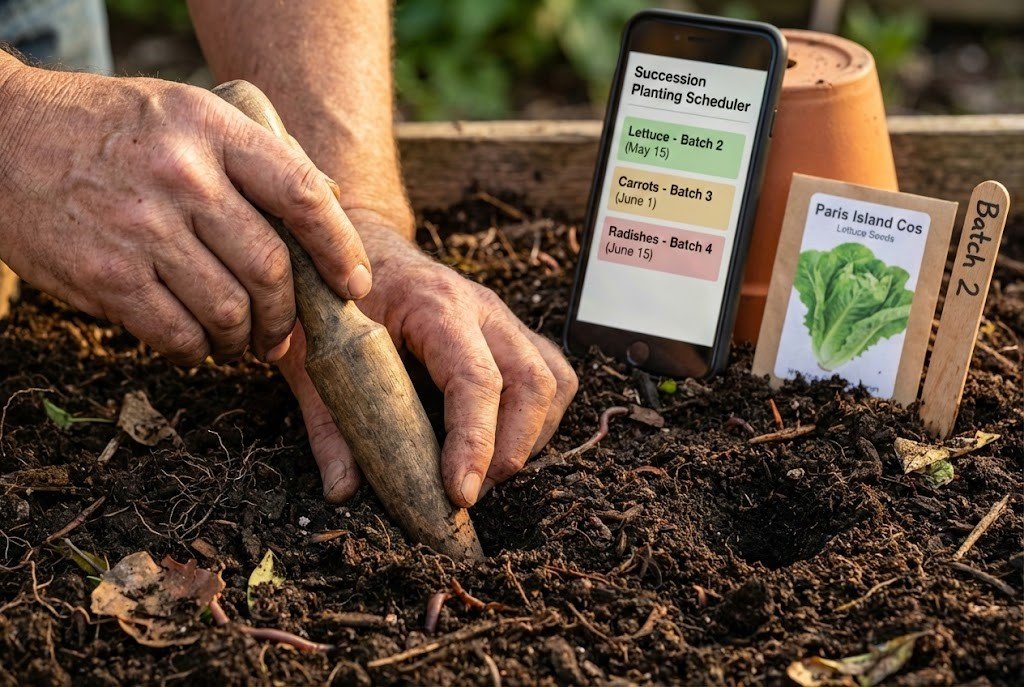
1. Salad Greens (Lettuce, Spinach, Arugula)
Interval: 2 Weeks. Greens bolt (go to seed) quickly in heat. Planting a small row every 14 days guarantees you always have tender, sweet baby leaves. Check our seed starting guide for tips on keeping lettuces cool.
2. Root Crops (Radishes, Carrots, Beets)
Interval: 2–3 Weeks. Radishes mature in just 25 days. If you plant them all at once, they get woody. Space them out to enjoy them all spring. These are perfect for tucking into gaps in your raised bed layouts.
3. Bush Beans
Interval: 3 Weeks. Unlike pole beans, bush beans produce one big flush of pods and then stop. Planting 3 or 4 batches ensures you have fresh beans for canning right up until frost.
Frequently Asked Questions
What happens if I miss a scheduled planting date?
Don’t worry. Just plant as soon as you can. The intervals are guidelines, not laws. If you are late, simply check your growing calendar to ensure you still have enough days left in the season for the crop to mature.
Should I succession plant tomatoes or peppers?
Generally, no. Tomatoes, peppers, and eggplants are “indeterminate” or long-season crops. You plant them once in spring, and they produce fruit continuously until the first frost kills them.
Can I succession plant corn?
Yes, and you should! Sweet corn is best when harvested fresh. Farmers often plant corn every 2 weeks to ensure they have ears ready for market all summer long. Just make sure to plant enough in each “block” to ensure good pollination.