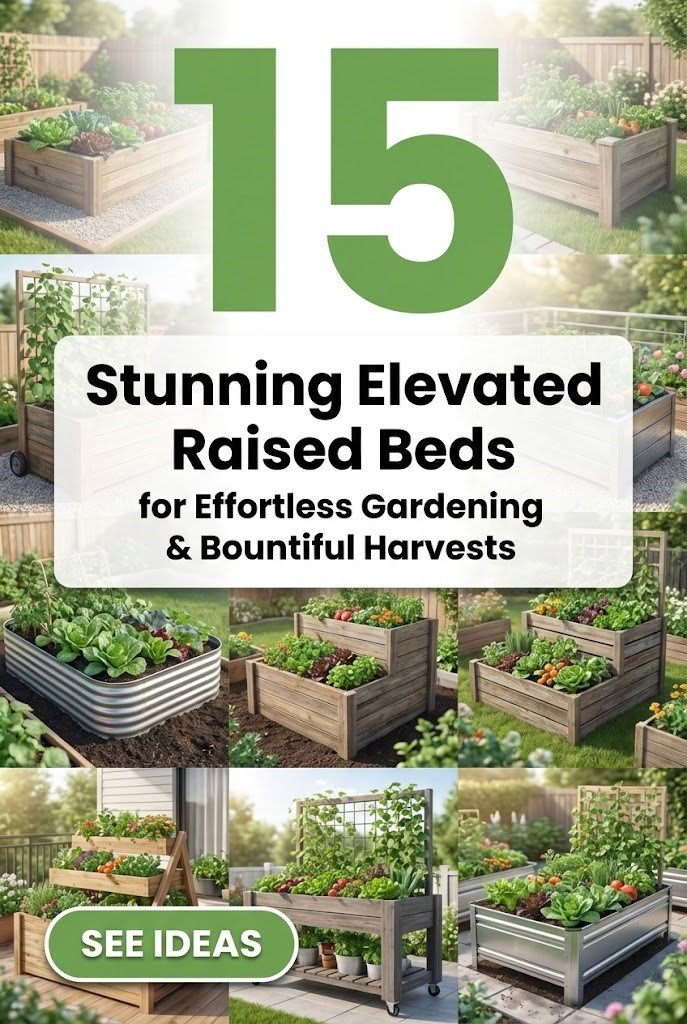
You may find that elevated raised beds offer a practical solution for cultivating plants in various settings, particularly where traditional ground-level gardening presents challenges. These structures, typically constructed at waist height, allow you to garden without bending or kneeling, thereby reducing physical strain. By elevating the planting area, you also improve soil drainage and aeration, which contributes to healthier root systems and more productive yields.
Incorporating elevated raised beds into your landscape not only optimizes space but also enhances accessibility for individuals with mobility limitations. They provide better control over soil quality, minimizing weed intrusion and pest issues. As you explore these ideas, consider how each design aligns with your specific environmental conditions and gardening goals to achieve optimal plant health and harvest abundance.
1) Classic Wooden Frame Design
You can construct a classic wooden frame for your elevated raised bed using untreated cedar or redwood, which naturally resists rot and insects. This design involves assembling rectangular boxes supported by sturdy legs, typically 30 to 36 inches high, to facilitate comfortable gardening. The what entails selecting durable lumber and securing joints with galvanized screws for longevity.
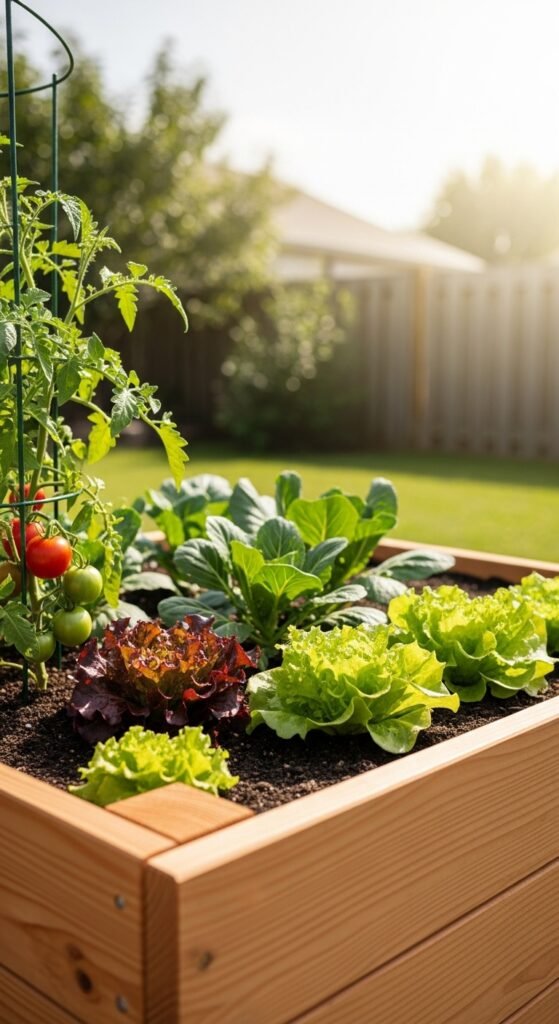
The why lies in its timeless appeal and versatility, allowing you to customize dimensions to fit your available space while providing excellent insulation for root protection. For the how, measure your site, cut boards to size, and attach legs before filling with a nutrient-rich soil mix. This approach ensures a stable foundation for growing vegetables or herbs efficiently.
2) Metal Galvanized Trough Style
You might opt for a metal galvanized trough as an elevated raised bed, repurposing stock tanks or custom-fabricated sheets for a modern industrial look. These structures offer durability against weather elements and require minimal assembly, often just placing them on supportive blocks or stands.
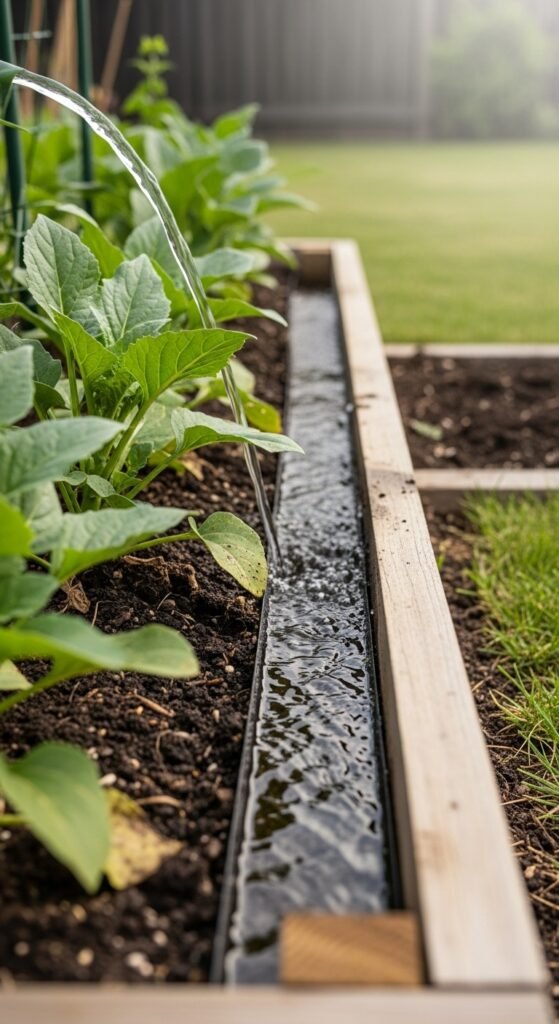
The rationale includes their resistance to decay and ability to retain heat, promoting earlier planting seasons and extended growing periods. To implement, select a trough of appropriate size, drill drainage holes if necessary, and position it in a sunny location. Fill with layered compost and soil for optimal fertility, making it ideal for root vegetables that benefit from deep planting depths.
3) Wheeled Mobile Unit
You can design an elevated raised bed with wheels for mobility, enabling you to relocate it based on sunlight needs or seasonal changes. Construct the base with reinforced wood or metal, attaching heavy-duty casters capable of supporting the filled weight.
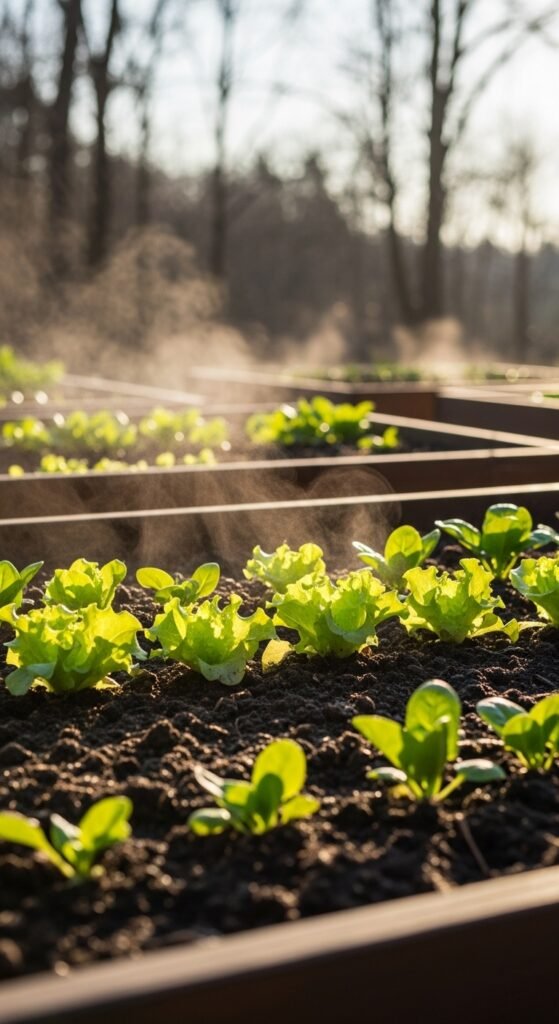
This mobility addresses varying light conditions and protects plants from extreme weather, offering flexibility in garden layout. Begin by building a standard frame, then affix wheels securely. Such a setup is particularly useful for urban gardeners with limited permanent space, allowing easy storage during off-seasons.
4) Tiered Multi-Level Configuration
You may create a tiered elevated raised bed to maximize vertical space, stacking multiple levels in a staircase formation. Use pressure-treated lumber or composite materials to build ascending boxes, ensuring each tier receives adequate sunlight.
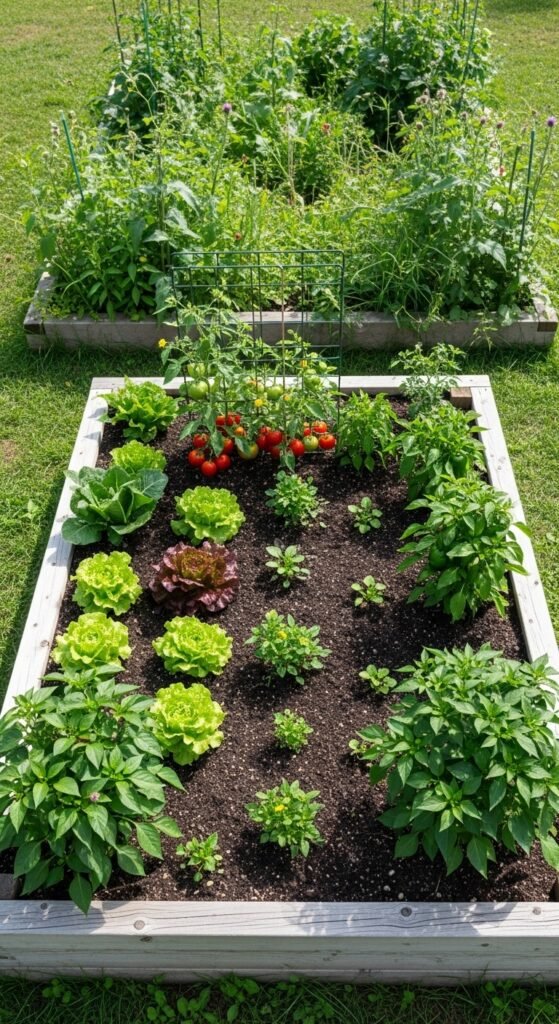
The benefit includes increased planting area without expanding footprint, ideal for small yards and providing diverse microclimates for various crops. Assemble by constructing individual beds and connecting them structurally. This design supports companion planting, where taller plants shade shorter ones effectively.
5) Integrated Trellis Support
You could incorporate a built-in trellis into your elevated raised bed for supporting climbing plants like tomatoes or peas. Attach vertical panels or netting to the back or sides of the bed frame using brackets for stability.
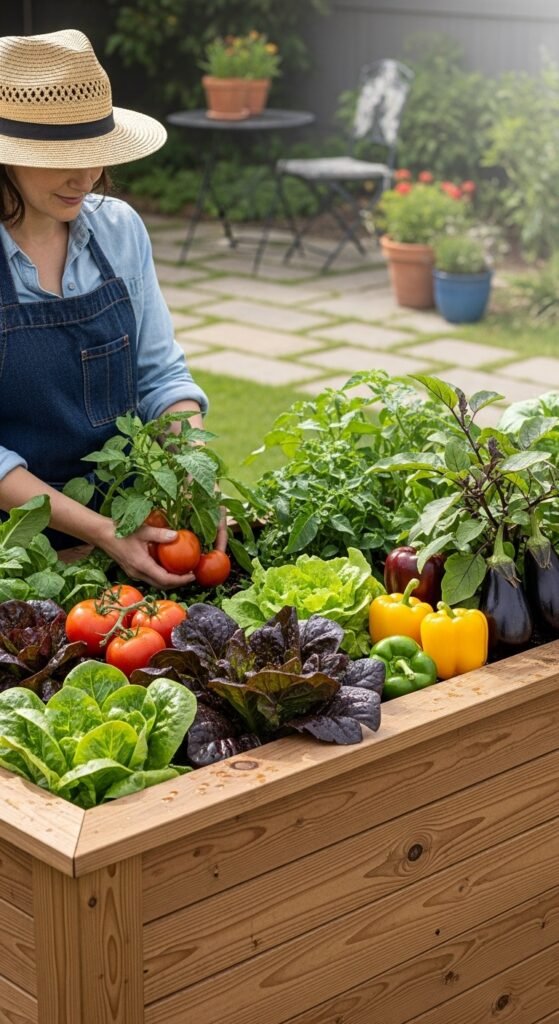
This integration saves space and encourages upward growth, resulting in higher yields and easier harvesting. For construction, select mesh or wire materials that withstand plant weight. Explore additional garden trellis ideas to customize your setup, ensuring the trellis height accommodates your chosen vines.
6) Self-Watering Reservoir System
You can engineer an elevated raised bed with a self-watering reservoir to maintain consistent moisture levels. Install a bottom compartment filled with water, connected to the soil via wicking materials like fabric or tubes.
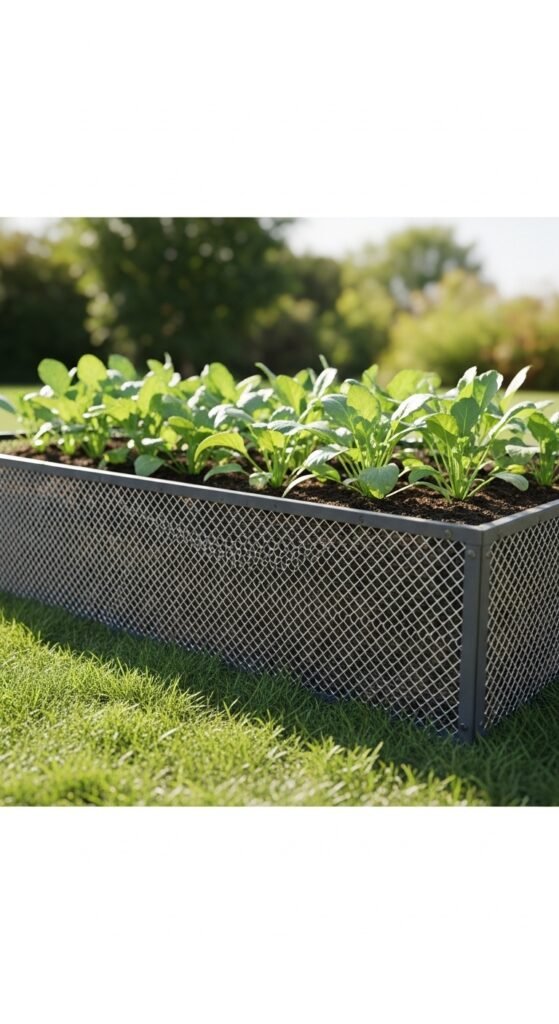
The advantage is reduced watering frequency and prevention of over or under-watering, leading to healthier plants and water conservation. Build by adding a false bottom with overflow holes and filling the reservoir periodically. This system is especially beneficial in arid climates or for busy gardeners.
7) Recycled Material Construction
You might utilize recycled materials such as old pallets or bricks to build an eco-friendly elevated raised bed. Disassemble pallets for wood slats or stack bricks to form walls, elevating on salvaged supports.
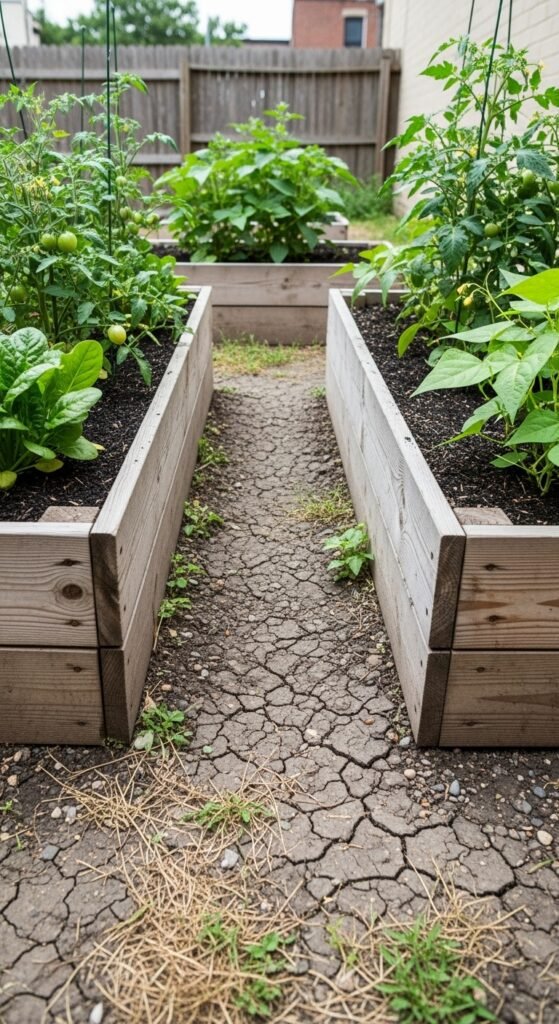
This approach promotes sustainability while cutting costs, offering unique aesthetic appeal and environmental benefits. Ensure materials are free of contaminants before assembly. Complement this with home composting techniques from our guide on compost at home to enrich your soil naturally.
8) Compact Balcony Version
You can adapt an elevated raised bed for balcony use by scaling down dimensions and using lightweight materials like fiberglass or plastic. Mount on railings or stands to optimize limited space.
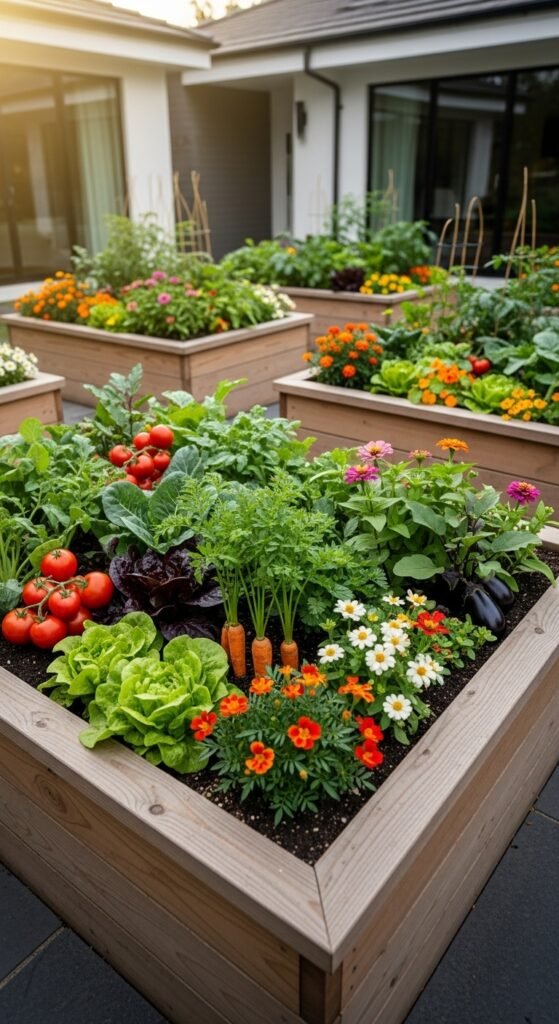
The purpose is to enable urban gardening, providing fresh produce in confined areas. Assemble with modular kits for ease, focusing on herbs or compact vegetables. This design integrates well with small-space solutions, enhancing your outdoor living area.
9) Herb-Specific Spiral Layout
You may fashion a spiral-shaped elevated raised bed dedicated to herbs, winding upward to create varying soil depths and exposures. Use stone or wood to form the spiral, elevating the center.
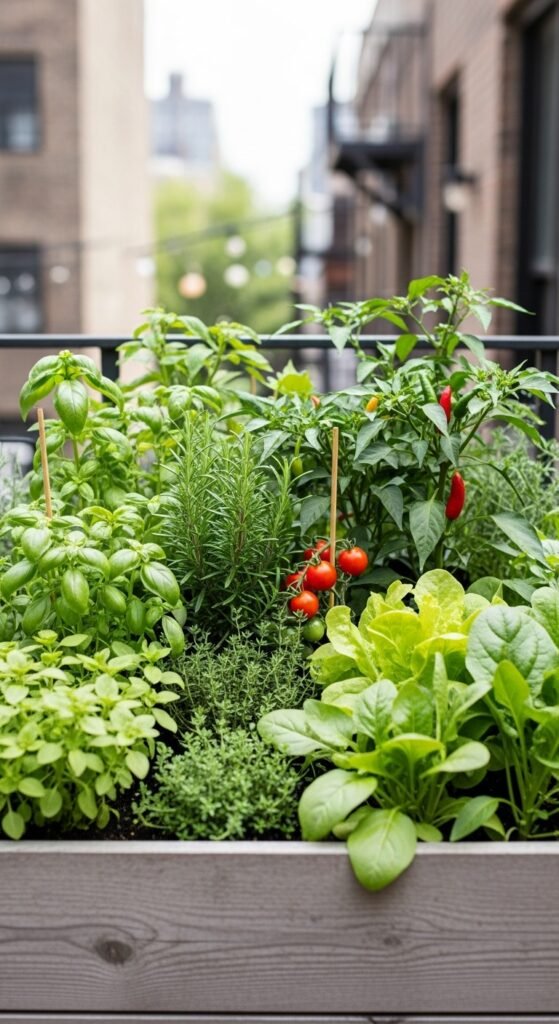
This layout conserves water and space while allowing diverse herb varieties, delivering culinary convenience and aromatic ambiance. Construct by layering materials in a coil pattern. It’s an efficient way to grow Mediterranean herbs that thrive in well-drained conditions.
10) Vegetable-Focused Deep Root Model
You could build a deeper elevated raised bed for root vegetables, extending depth to 18-24 inches with reinforced sides. Employ lumber or cinder blocks for structure, ensuring stability.
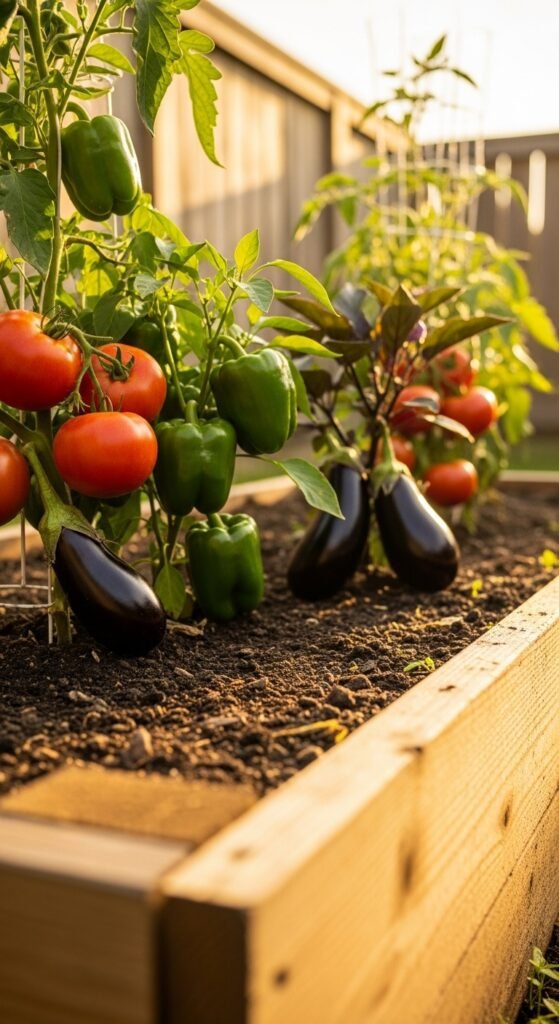
The depth accommodates carrots and potatoes, fostering robust growth and bountiful harvests. Fill with loose, fertile soil after assembly. Incorporate polyculture techniques as detailed in our article on polyculture garden to enhance biodiversity and yield.
11) Bench-Integrated Seating Design
You can integrate benches around your elevated raised bed, creating a multifunctional space for gardening and relaxation. Attach wide boards to the frame edges as seats, supported by additional legs.
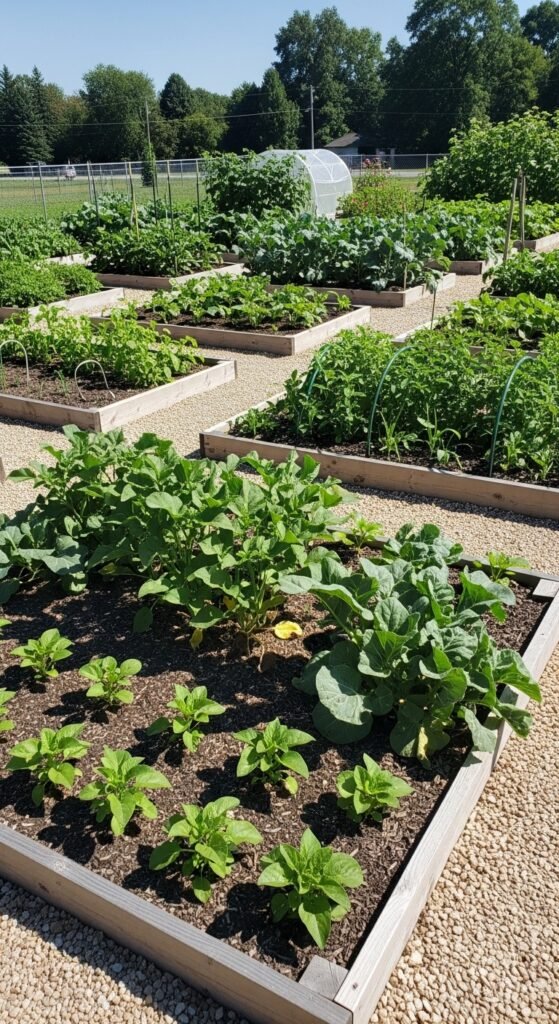
This dual-purpose design encourages prolonged garden enjoyment, offering comfort and community engagement. Ensure ergonomic height during construction. It’s perfect for family gardens where seating facilitates educational interactions.
12) Hugelkultur Mound Technique
You might employ the hugelkultur method in your elevated raised bed by layering wood debris at the base before adding soil. This creates a nutrient-rich mound that retains moisture.
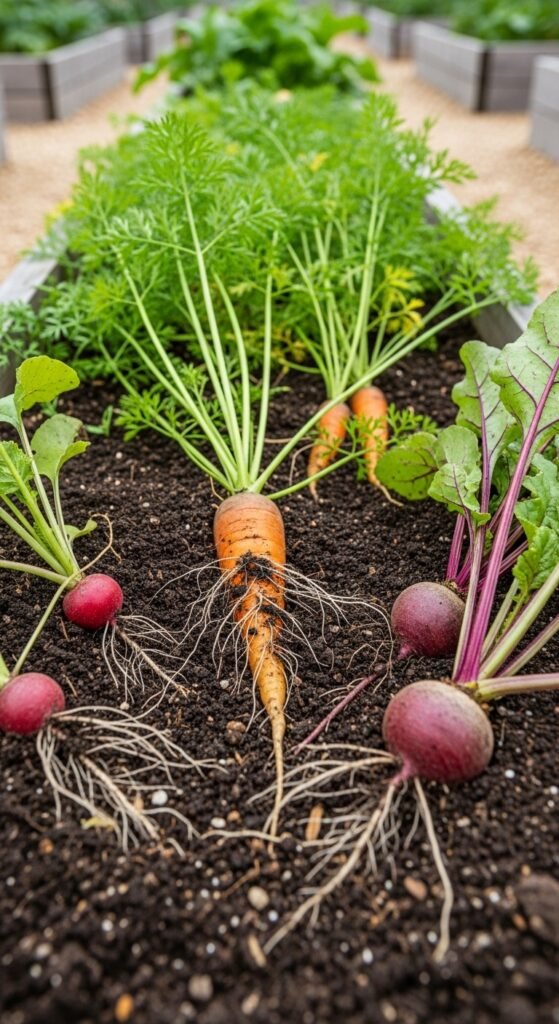
The technique improves soil fertility over time, providing long-term sustainability and reduced irrigation needs. Start with logs, branches, and compost layers. For detailed implementation, refer to our comprehensive guide on building a hugelkultur bed.
13) Wicking Bed Moisture System
You can convert your elevated raised bed into a wicking system by incorporating a water reservoir and capillary action materials. Line the bottom with pond liner and add gravel or pipes for distribution.
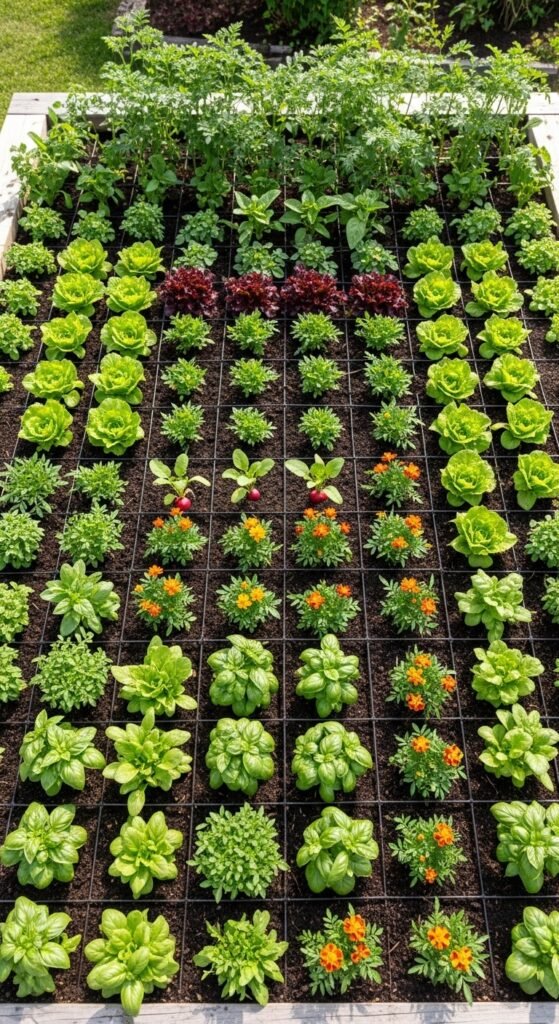
This ensures even watering from below, promoting root health and efficiency in water usage. Assemble carefully to avoid leaks. Learn more about this innovative approach in our exploration of the wicking bed.
14) Keyhole Access Layout
You may design a keyhole elevated raised bed with a central compost access point, forming a U-shape for easy reach. Use curved walls to maximize planting surface.
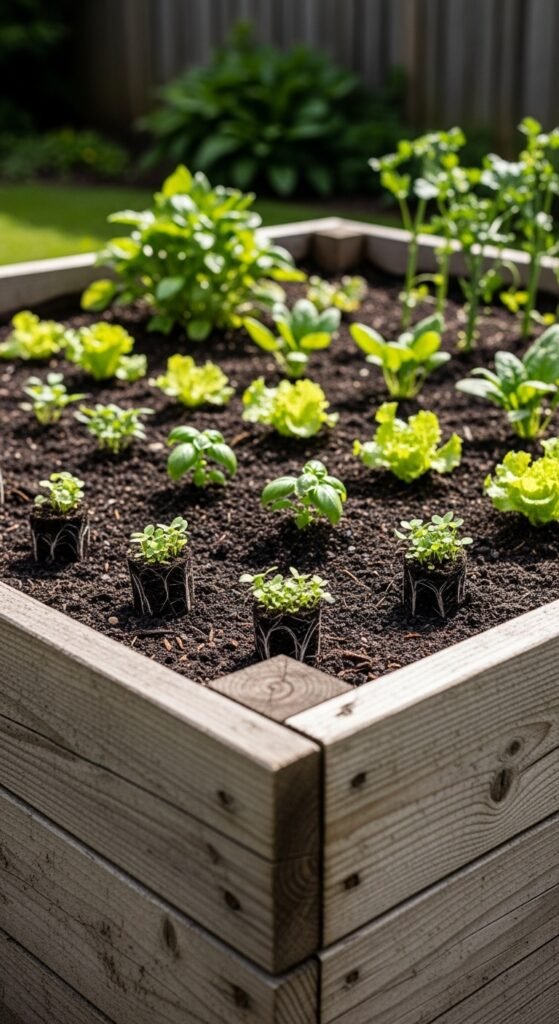
The layout facilitates composting integration, enriching soil continuously for enhanced nutrient cycling and productivity. Build by outlining the shape and filling strategically. Discover additional benefits in our discussion of the keyhole garden.
15) Vertical Integration Extension
You could extend your elevated raised bed vertically by adding stacked modules or attached planters. Use modular systems that allow expansion upward.
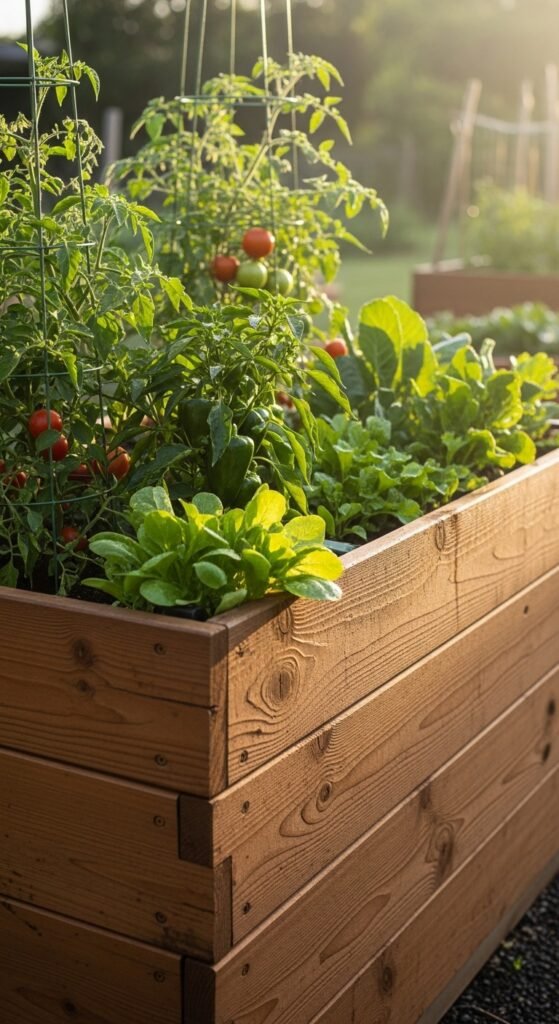
This maximizes yield in minimal space, offering scalability and aesthetic vertical interest. Secure connections firmly during setup. Pair with trellises for vining plants, drawing from various trellis ideas for cucumbers to support growth.
Key Principles for Successful Elevated Raised Beds
Site Selection and Placement
You should choose a location with at least six hours of daily sunlight, level ground, and proximity to water sources. This ensures optimal plant performance and convenience in maintenance.
Soil Composition and Filling
You must prepare a balanced soil mix of compost, topsoil, and amendments for drainage. This foundation supports vigorous growth and prevents common issues like compaction.
Ongoing Maintenance Tips
You need to monitor moisture, fertilize regularly, and prune as required. Implementing crop rotation and cover crops, such as those in our winter cover crops guide, sustains soil health year-round.
Frequently Asked Questions
What are the primary benefits of using elevated raised beds?
Elevated raised beds provide ergonomic advantages by reducing the need for bending, improve soil control, and enhance drainage, leading to healthier plants and easier gardening experiences.
How high should an elevated raised bed be constructed?
The ideal height ranges from 24 to 36 inches, depending on your stature and mobility needs, to allow comfortable access without excessive reaching or straining.
What materials are recommended for building elevated raised beds?
Durable options include cedar wood, galvanized metal, or composite lumber, selected for their resistance to weathering and safety for edible plants.
Can elevated raised beds be used in all climates?
Yes, with appropriate adaptations such as insulation for cold regions or shade provisions for hot areas, they perform well across diverse environmental conditions.
How do I prevent pests in elevated raised beds?
Employ barriers like netting, companion planting, and regular inspections to manage pests effectively without relying on chemical interventions.