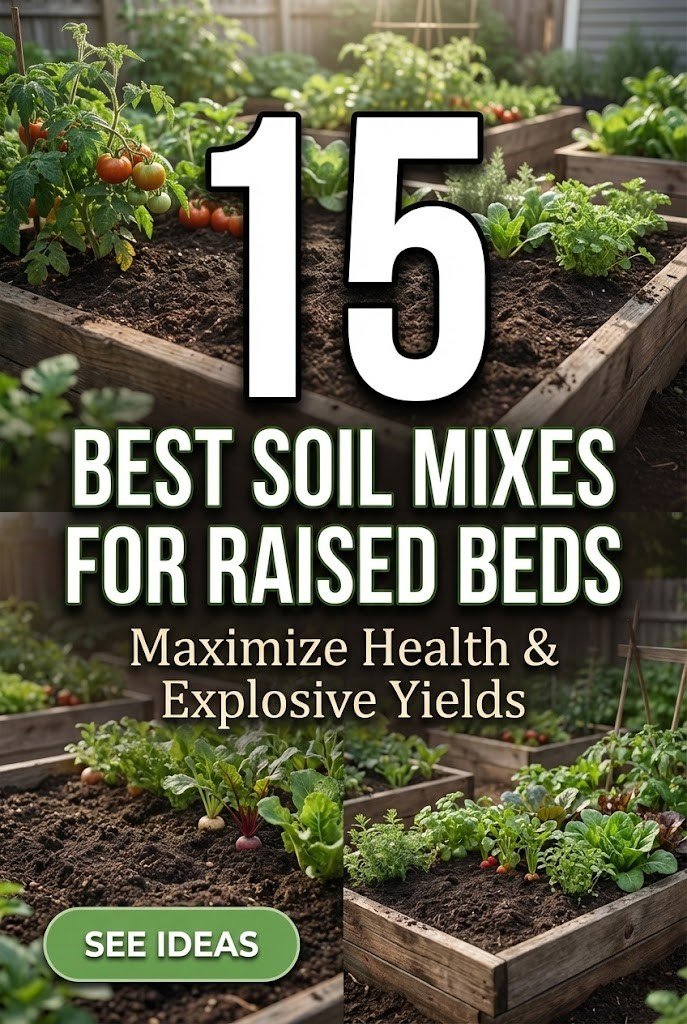
Creating the best soil mix for raised beds is essential for establishing a thriving garden environment. You will benefit from a balanced blend that promotes excellent drainage, nutrient retention, and root development, ensuring your plants receive the optimal conditions they need. Raised beds allow you to control soil quality more effectively than in-ground planting, mitigating issues like compaction and poor native soil.
By customizing your soil mix, you can address specific plant needs, whether for vegetables, herbs, or flowers. This approach not only enhances growth but also reduces the risk of diseases and pests. With the right components, such as compost for fertility and perlite for aeration, you set the foundation for bountiful harvests.
Explore these 15 ideas to find the perfect formulation for your raised beds, tailored to various gardening scenarios and preferences.
1) Classic Compost and Topsoil Blend
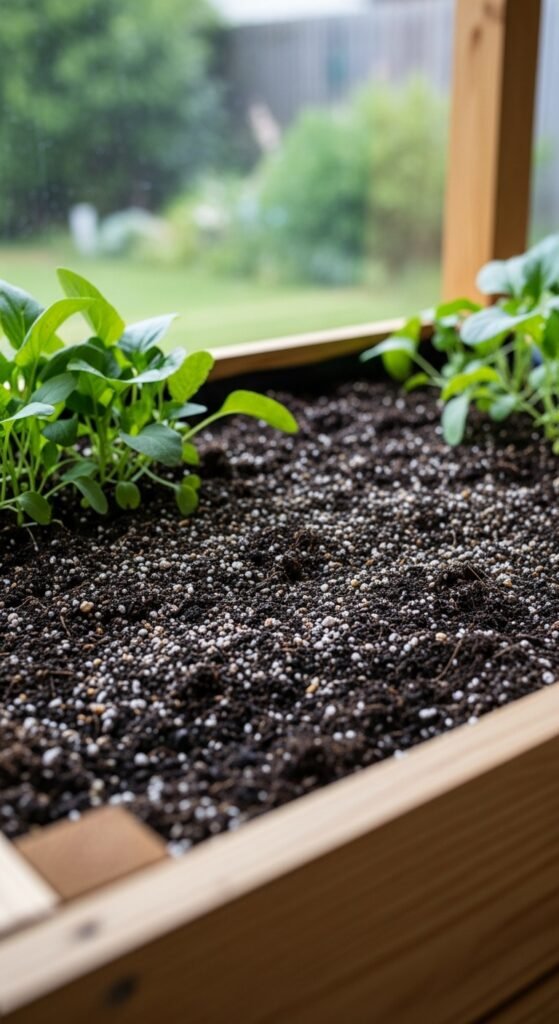
You start with a straightforward mix of one-third compost, one-third topsoil, and one-third vermiculite or perlite. This combination provides a nutrient-rich base that supports robust plant growth. The compost delivers essential organic matter and microorganisms, while topsoil offers structure, and vermiculite ensures proper aeration and moisture control.
Why choose this? It excels in versatility, suitable for most vegetables and flowers, promoting strong root systems and high yields. You avoid common pitfalls like waterlogging, which can lead to root rot.
To prepare, layer the ingredients in your raised bed and mix thoroughly with a garden fork. Amend annually with fresh compost to maintain fertility. For deeper insights into composting techniques, consider exploring our guide on compost for raised beds.
2) Peat Moss and Coconut Coir Mix
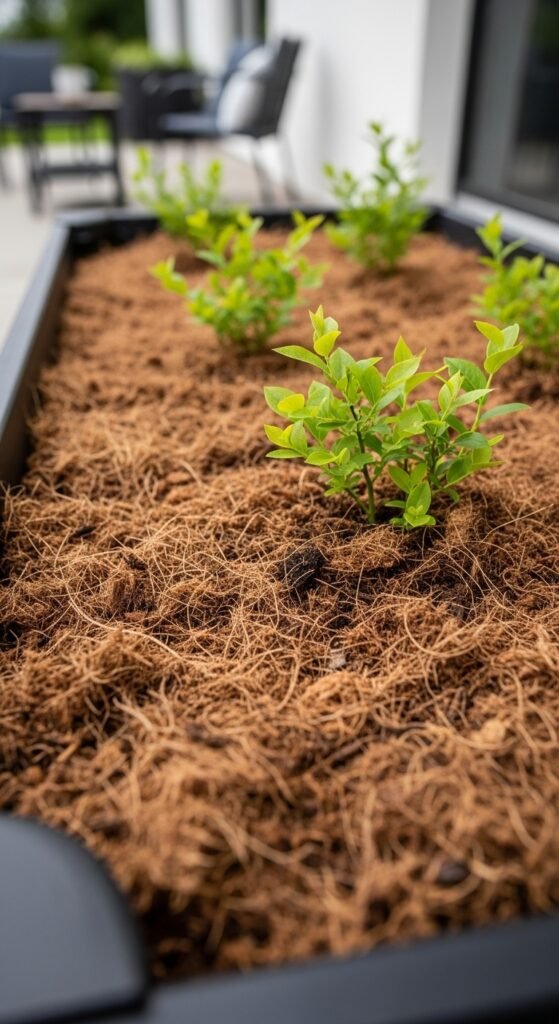
Combine equal parts peat moss, coconut coir, and compost for a lightweight, moisture-retentive soil. Peat moss aids in acidity and water holding, coconut coir adds sustainability and fluffiness, and compost supplies nutrients.
This mix is ideal for acid-loving plants like blueberries, offering consistent moisture without sogginess. It prevents compaction over time, ensuring roots can expand freely.
Implementation involves blending in a wheelbarrow before filling your bed. Adjust pH as needed with lime. If you’re interested in sustainable amendments, check our article on biochar for soil enhancement.
3) Hugelkultur Layered Approach
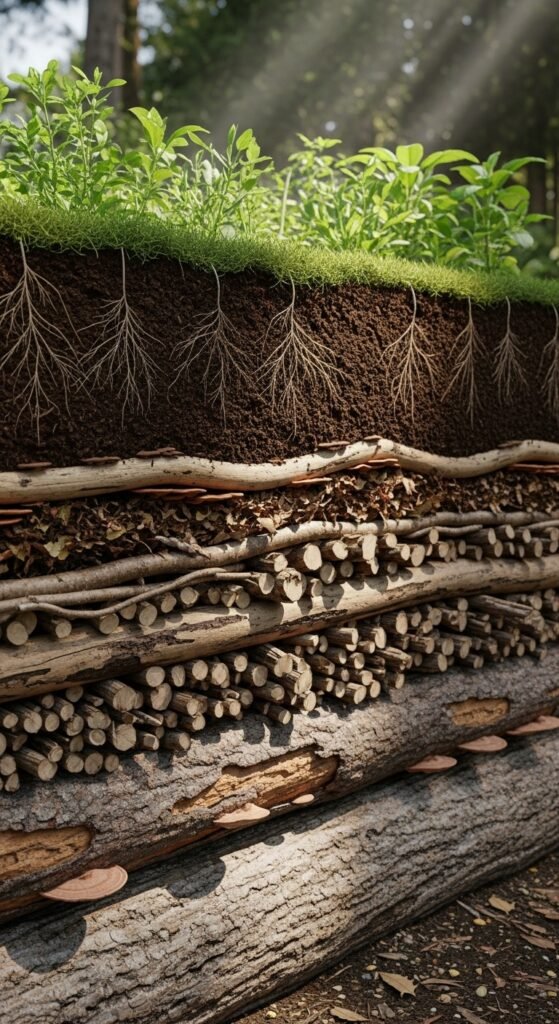
Build from the bottom with logs, branches, leaves, then top with compost and soil. This method mimics natural decomposition, creating a self-fertilizing bed over time.
You gain long-term nutrient release and improved water retention, reducing irrigation needs. It’s cost-effective, utilizing yard waste effectively.
Construct by stacking woody materials, covering with nitrogen-rich greens, and finishing with soil. Water well to initiate breakdown. For more on this technique, refer to our detailed post on hugelkultur raised bed.
4) Vermicompost-Enriched Formula
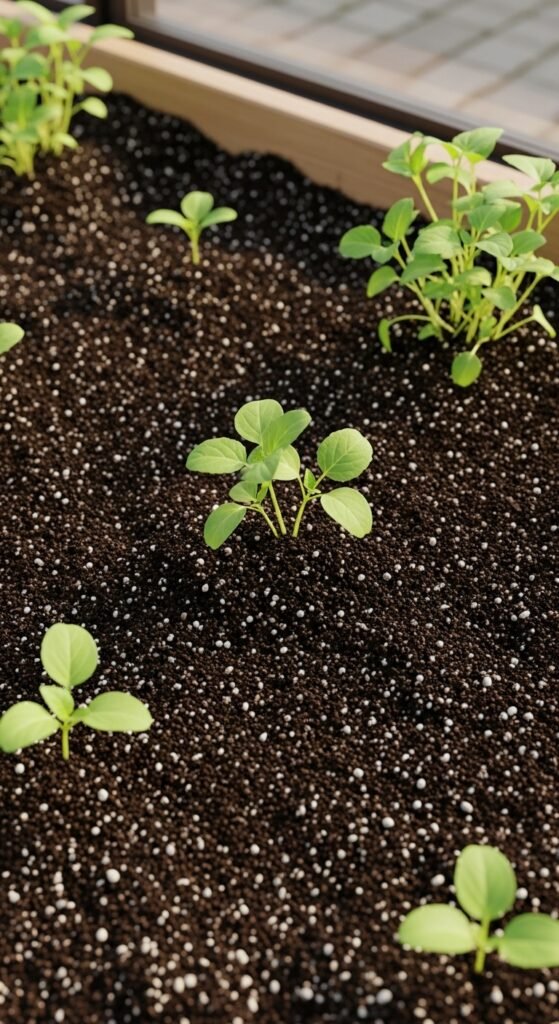
Mix two parts garden soil with one part vermicompost and one part perlite. Vermicompost, from worm castings, enriches with microbes and nutrients.
Benefits include enhanced soil biology and plant immunity, fostering healthier growth with fewer inputs.
Prepare by sourcing quality worm castings and incorporating evenly. Apply as a top dressing seasonally. Learn about optimal composting worms in our resource on best worms for composting.
5) Sandy Loam for Root Vegetables
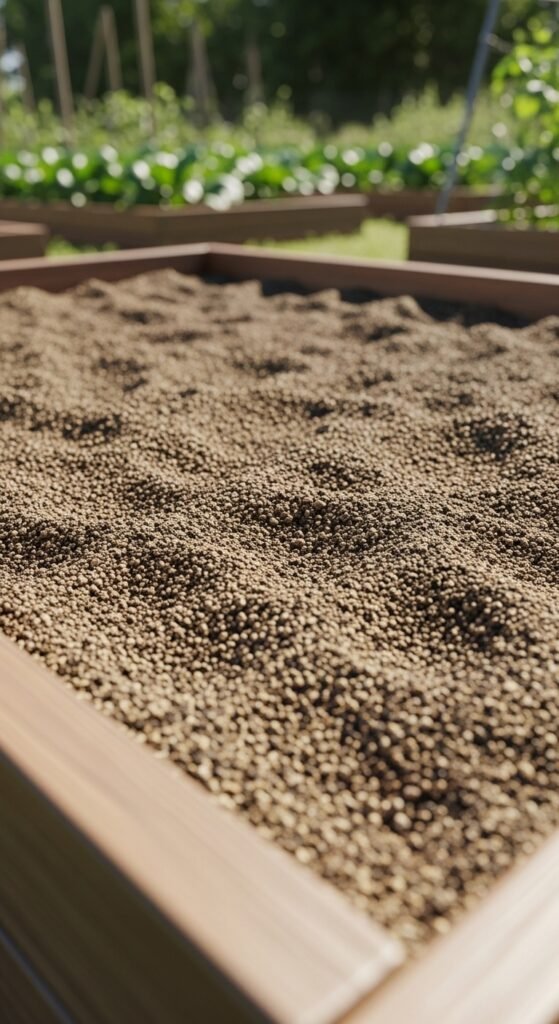
Use one-half sandy loam, one-quarter compost, and one-quarter coarse sand. This ensures loose texture for easy root penetration.
You achieve superior drainage and reduced rot risk for carrots and potatoes. It’s tailored for heavy feeders requiring friable soil.
Blend components dry before adding to the bed. Test drainage by watering. For vegetable-specific compost tips, see our guide to best compost for vegetables.
6) Organic Matter-Heavy Mix
Opt for two-thirds aged manure or leaf mold mixed with one-third topsoil. Leaf mold provides slow-release nutrients and improves structure.
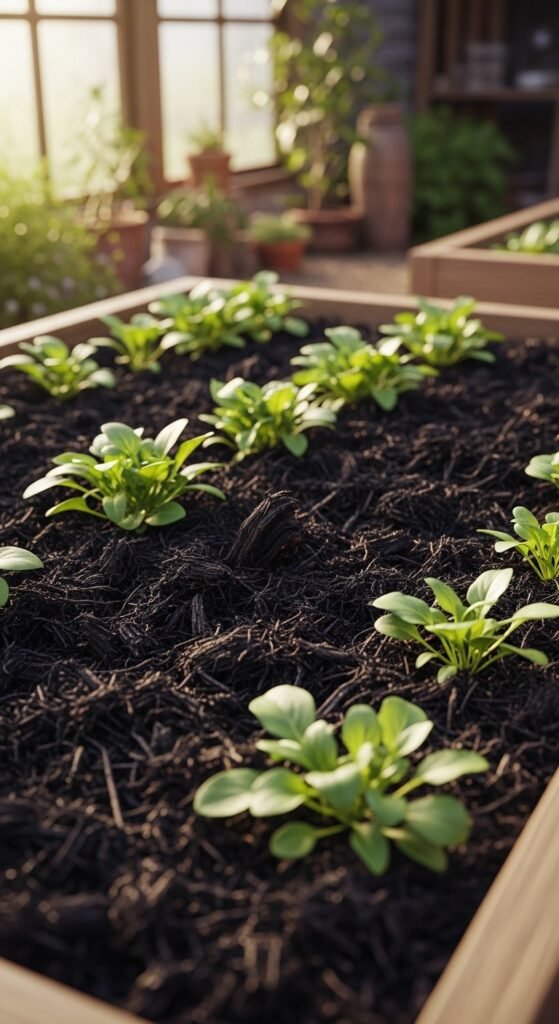
This supports vigorous microbial activity and soil fertility, ideal for intensive planting.
Layer and till lightly for integration. Renew with mulch yearly. Dive deeper into leaf-based amendments via our article on leaf mold.
7) Perlite-Dominant Aeration Blend
Formulate with one-third perlite, one-third compost, and one-third peat. Perlite prevents compaction in wet climates.
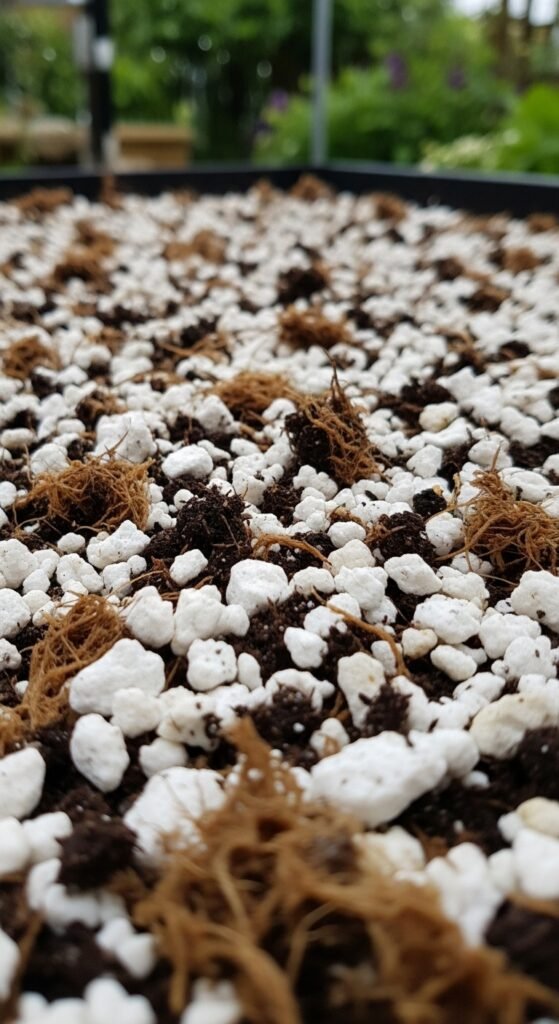
You enjoy excellent oxygen flow to roots and disease prevention. Perfect for herbs and greens.
Mix uniformly and fill beds to the brim. Monitor moisture closely. For herb-focused variations, explore soil mix for herbs.
8) Biochar-Infused Sustainable Mix
Incorporate 10% biochar into a base of compost and soil. Biochar sequesters carbon and boosts nutrient availability.
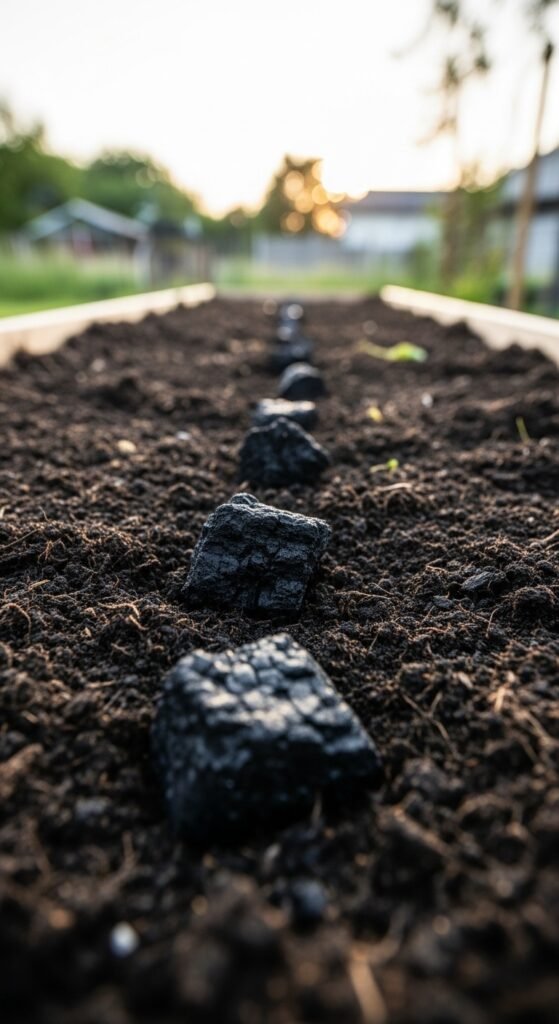
Advantages encompass long-lasting soil improvement and water efficiency, promoting eco-friendly gardening.
Charge biochar with compost tea first, then blend. Use for perennials. Our in-depth look at biochar for soil offers additional strategies.
9) Seed-Starting Adapted Formula
Adapt a fine mix of coconut coir, vermiculite, and starter compost. This sterile base suits transplants into raised beds.
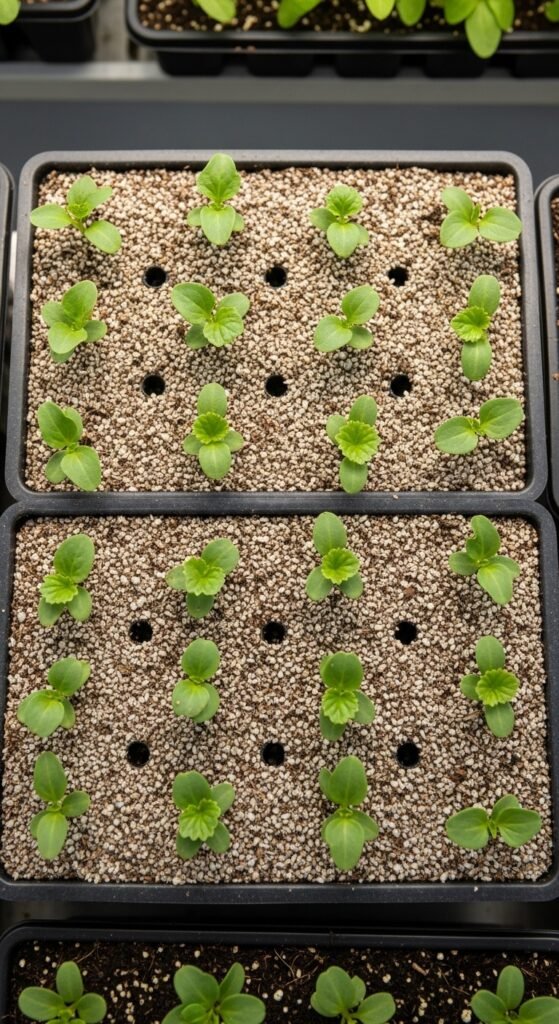
It provides germination success and seedling vigor, setting up strong starts.
Sift ingredients for fineness before use. Transition seedlings carefully. For starter recipes, consult seed-starting soil mix.
10) Mulch-Integrated Layered Mix
Bottom with wood chips, mid with compost, top with soil. Mulch breaks down to enrich over seasons.
You benefit from weed suppression and moisture conservation, easing maintenance.
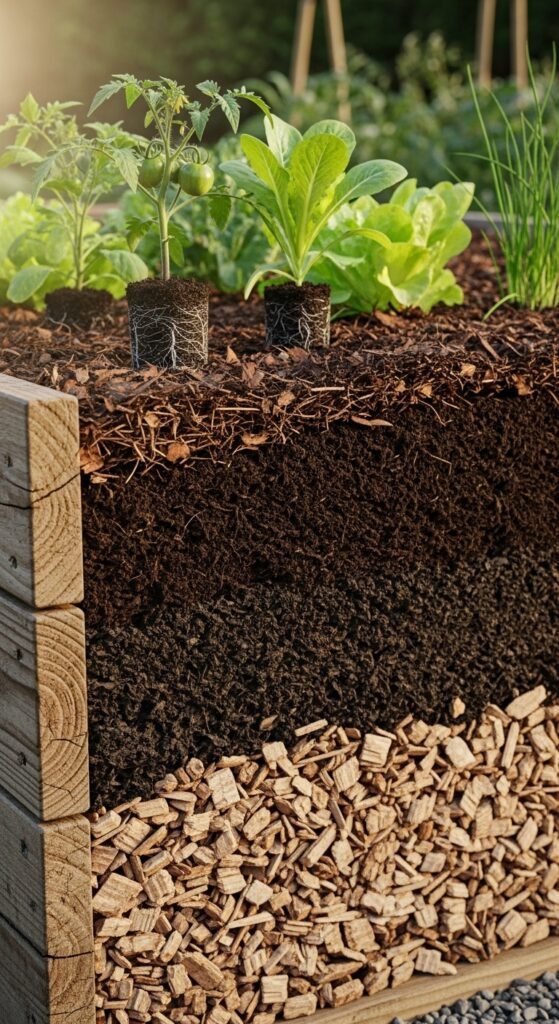
Assemble layers without mixing initially. Refresh top mulch. Compare with our discussion on compost vs mulch.
11) Acidic Berry-Specific Blend
Blend pine bark, peat, and compost for lower pH. Suited for berries requiring acidity.
This yields abundant fruit and vibrant foliage by matching plant preferences.
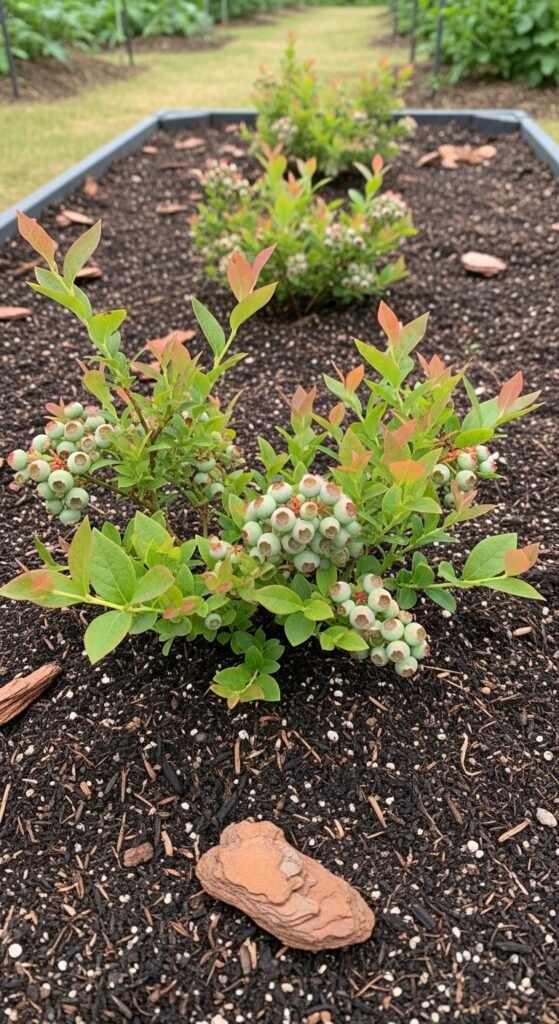
Test and adjust pH before planting. Mulch with pine needles. For container parallels, see best soil for container gardening.
12) Nutrient-Boosted Manure Mix
One-quarter well-rotted manure, half soil, quarter perlite. Manure adds nitrogen for leafy growth.
Expect accelerated development and higher productivity in greens and brassicas.
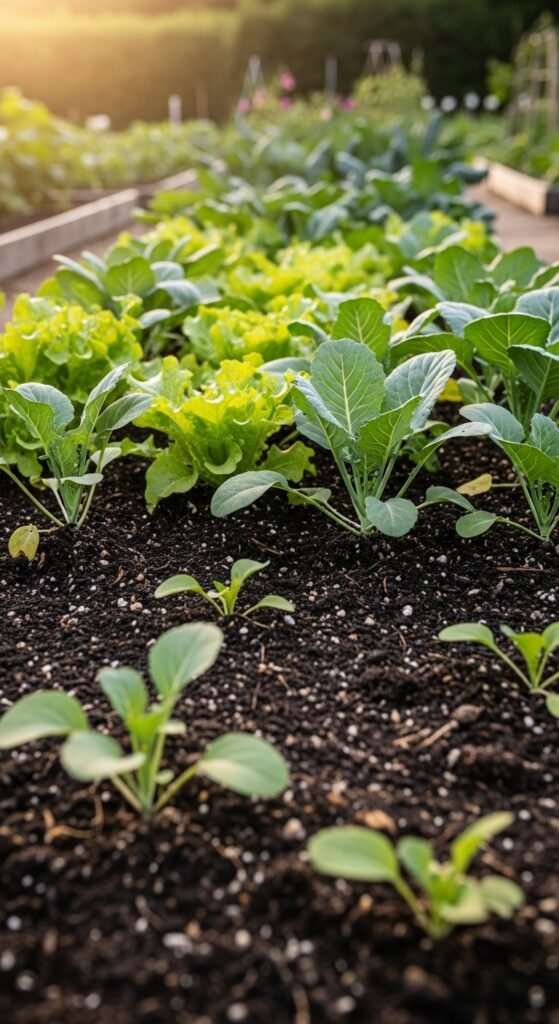
Age manure to avoid burning roots. Incorporate deeply. Enhance with insights from compost for raised beds.
13) Drainage-Focused Gravel Base
Base with gravel layer, then soil-compost mix. Improves percolation in clay-heavy areas.
You secure healthy roots and flood prevention, vital for wet regions.
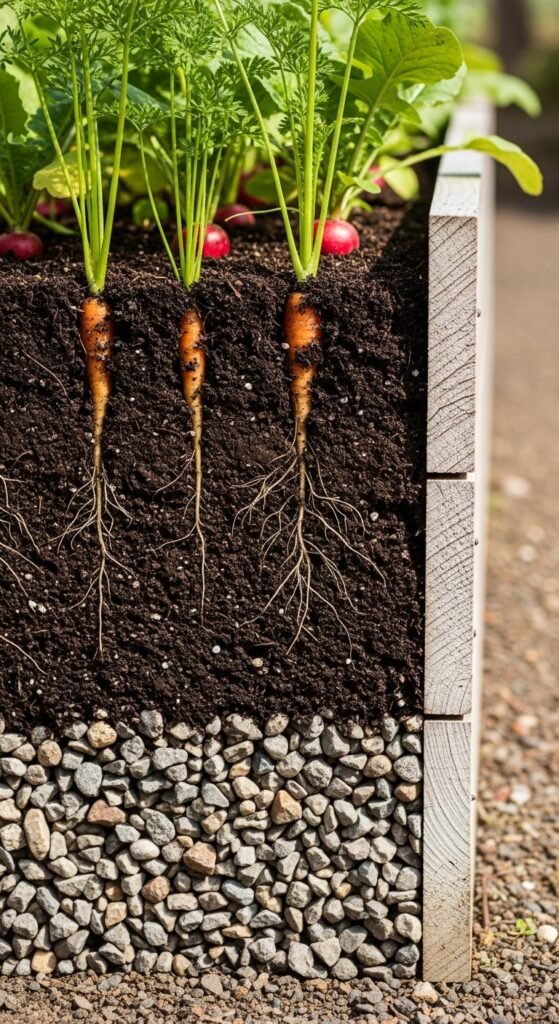
Add gravel first, then soil atop. Ideal for root crops. Relate to hugelkultur raised bed for variations.
14) Herb-Optimized Light Mix
Equal parts sand, compost, and loam. Light texture suits Mediterranean herbs.
Provides aromatic yields and pest resistance through proper drainage.
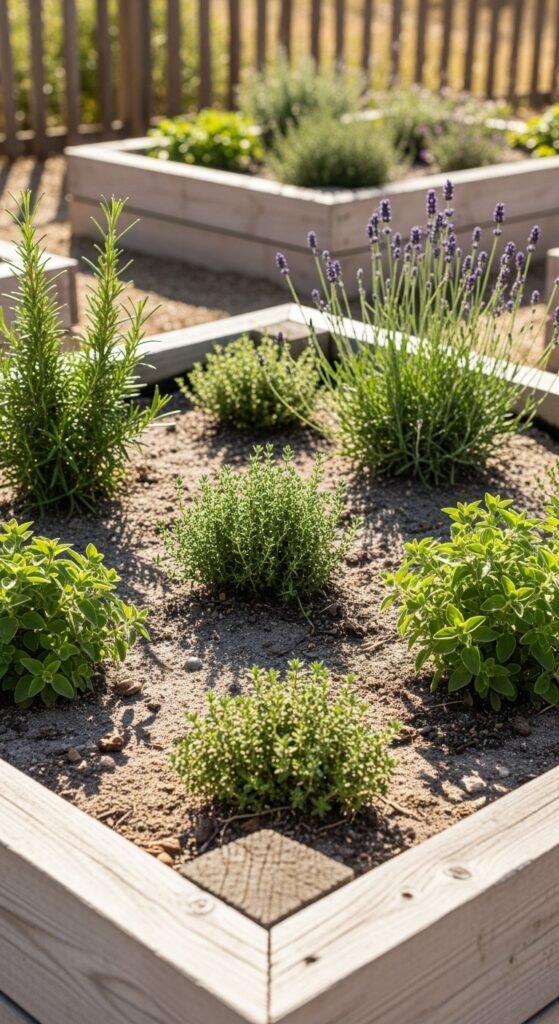
Blend and plant shallowly. Harvest regularly. Tailor further with soil mix for herbs.
15) Eco-Friendly Recycled Materials Blend
Use recycled cardboard base, yard waste, and soil. Sustainable and budget-friendly.
Achieve environmental benefits and fertile soil without commercial inputs.
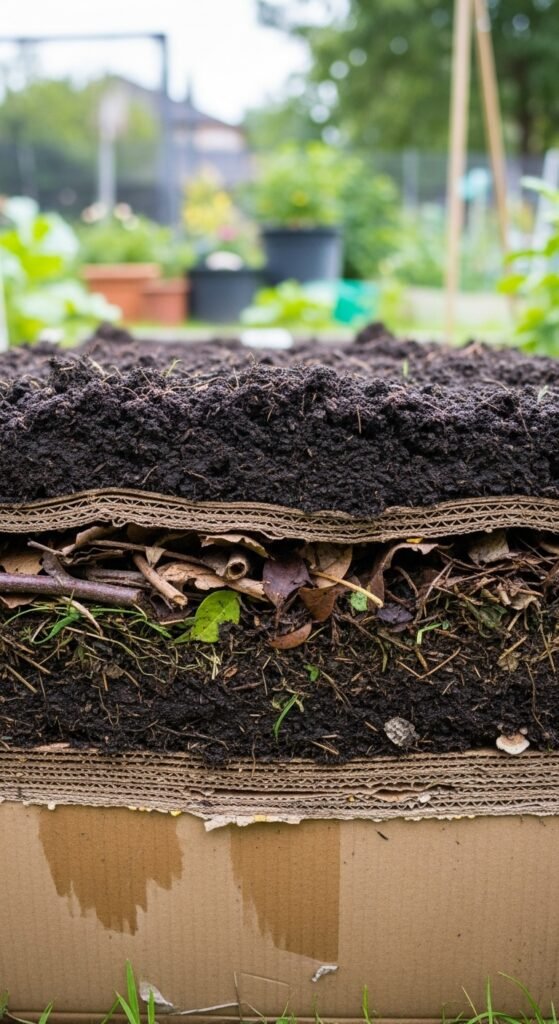
Layer cardboard, add organics, top with soil. Decomposes naturally. For compost tips, view best compost for vegetables.
Key Principles for Creating the Perfect Soil Mix
Understanding Soil Components
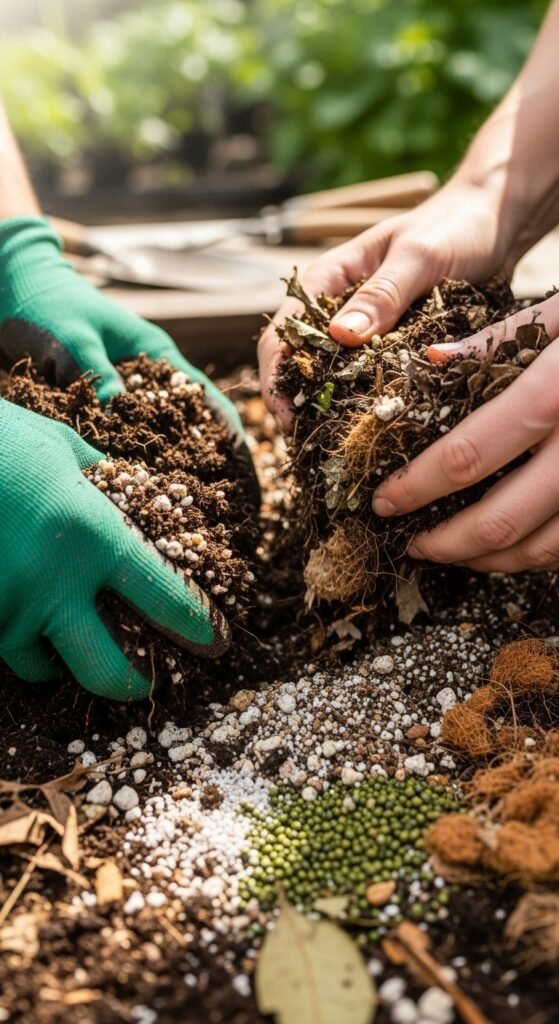
You must balance organic matter, minerals, and amendments to suit your plants. Each element contributes to texture, pH, and nutrition.
Testing and Adjusting pH
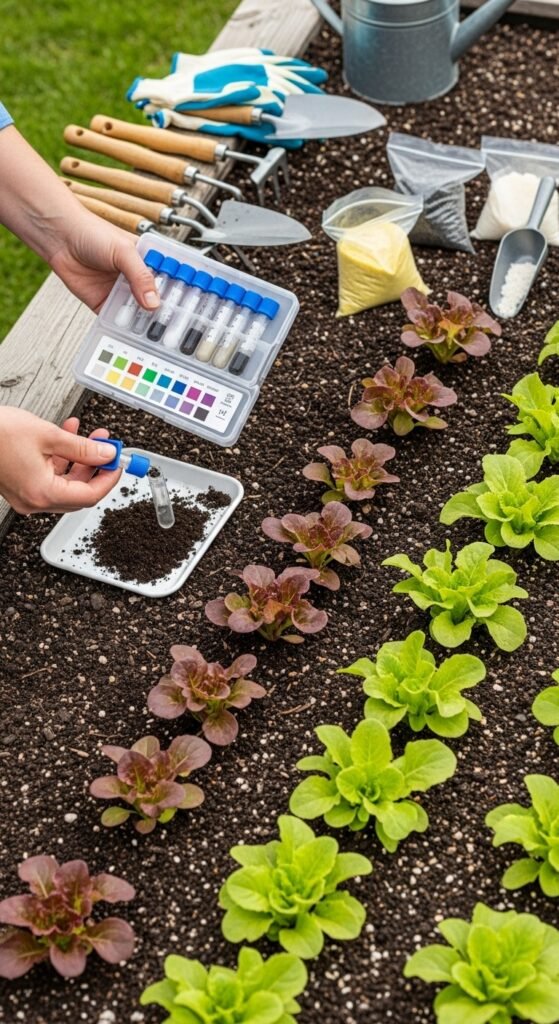
Regularly test soil pH to ensure it aligns with crop needs, adjusting with lime or sulfur as required for optimal absorption.
Maintaining Soil Health Over Time
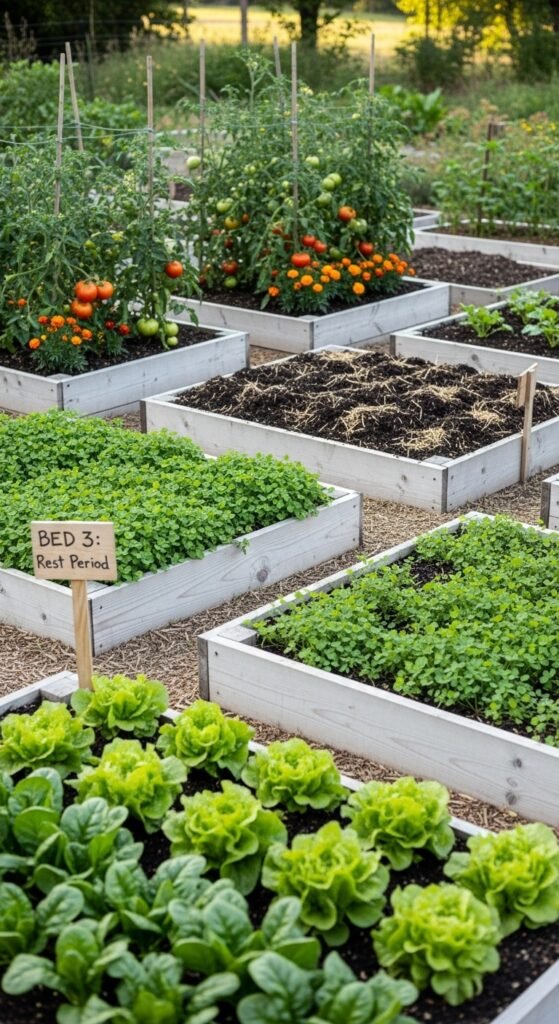
Incorporate crop rotation and cover crops to sustain fertility, preventing depletion and building resilience against pests.
Frequently Asked Questions
What is the ideal depth for soil in raised beds?
You should aim for at least 12 inches of soil depth to accommodate most plant roots, though deeper beds benefit root vegetables.
How often should I refresh the soil mix?
Refresh annually by adding compost or amendments to replenish nutrients and maintain structure.
Can I use native soil in my mix?
Yes, but screen it for weeds and blend with amendments to improve quality if it’s heavy clay or sandy.
What if my soil mix becomes compacted?
Aerate gently with a fork and add organic matter like compost to restore looseness without disturbing roots.
Is testing soil necessary before planting?
Testing helps identify deficiencies, allowing you to amend precisely for better plant performance.