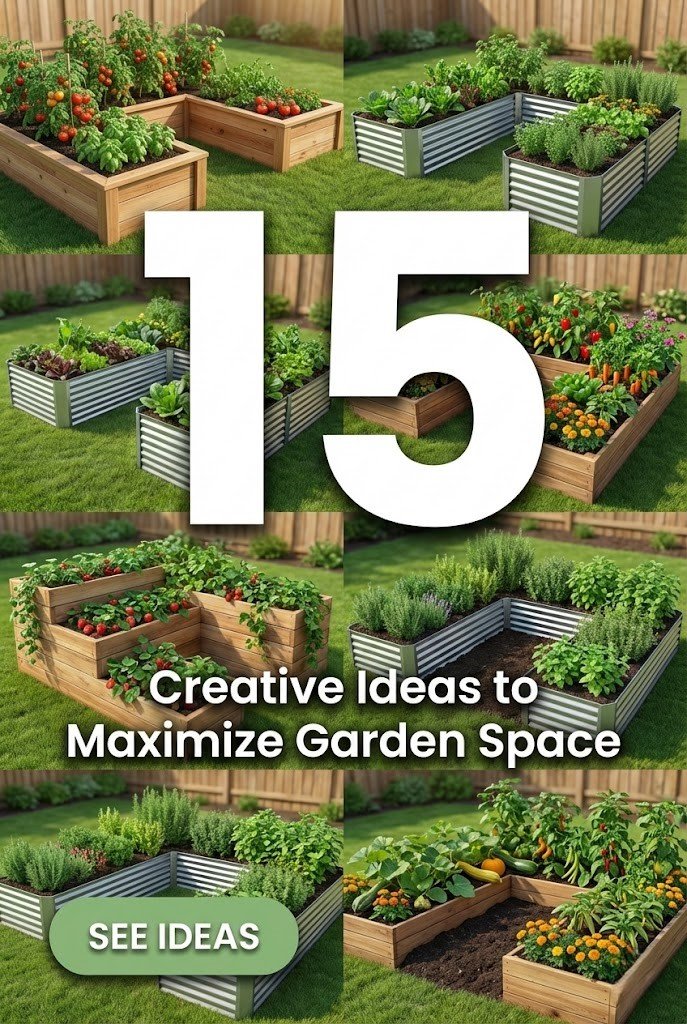
A U shaped raised bed is an innovative gardening solution that offers exceptional accessibility and efficient use of space. By forming three sides of a square or rectangle with an open end, this design allows you to reach the center of the bed without stepping on the soil, preserving its structure and promoting healthier plant growth.
These beds are particularly beneficial for vegetable gardens, herb collections, or flower displays, as they provide ample planting area while creating a natural walkway. Whether you’re dealing with limited yard space or seeking to enhance productivity, a U shaped raised bed can transform your gardening experience.
With improved drainage, better soil control, and reduced weed intrusion, this configuration supports thriving plants season after season. Explore these ideas to inspire your next project.
1) Classic Cedar Wood U Shape
You can build a timeless U shaped raised bed using natural cedar planks, which resist rot and insects naturally. This design typically measures 8 feet across the back with 6-foot legs, creating a spacious interior for diverse plantings.
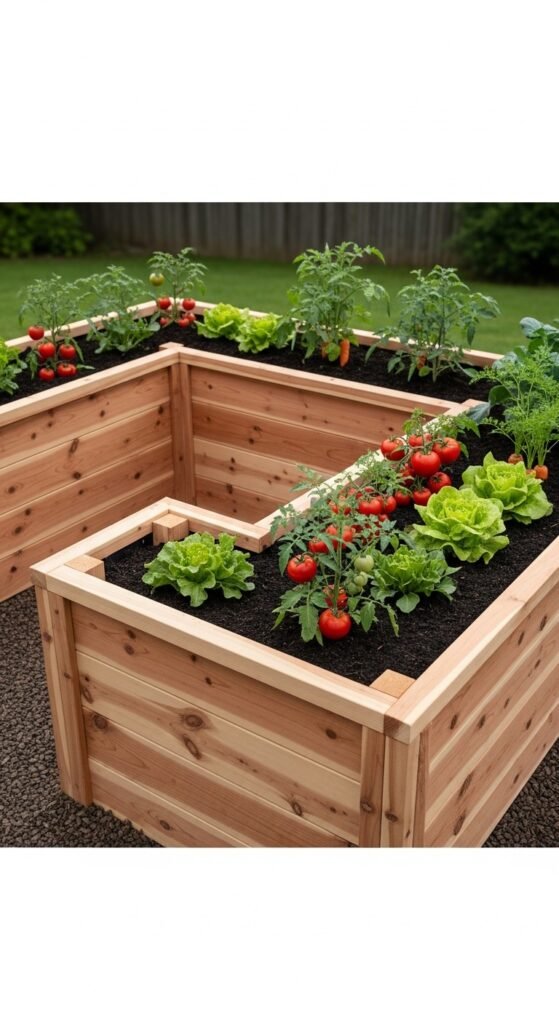
The warmth of cedar adds aesthetic appeal to your garden while providing durability for years. You’ll appreciate the easy access from the open end, making harvesting and maintenance straightforward.
To construct it, stack boards in layers, securing corners with stakes. Fill with quality soil mix for optimal root development.
2) Metal Modular U Configuration
Opt for galvanized steel panels to assemble a sleek, modern U shaped raised bed that assembles quickly without tools. These kits offer heights from 17 to 32 inches, ideal for deeper root vegetables.
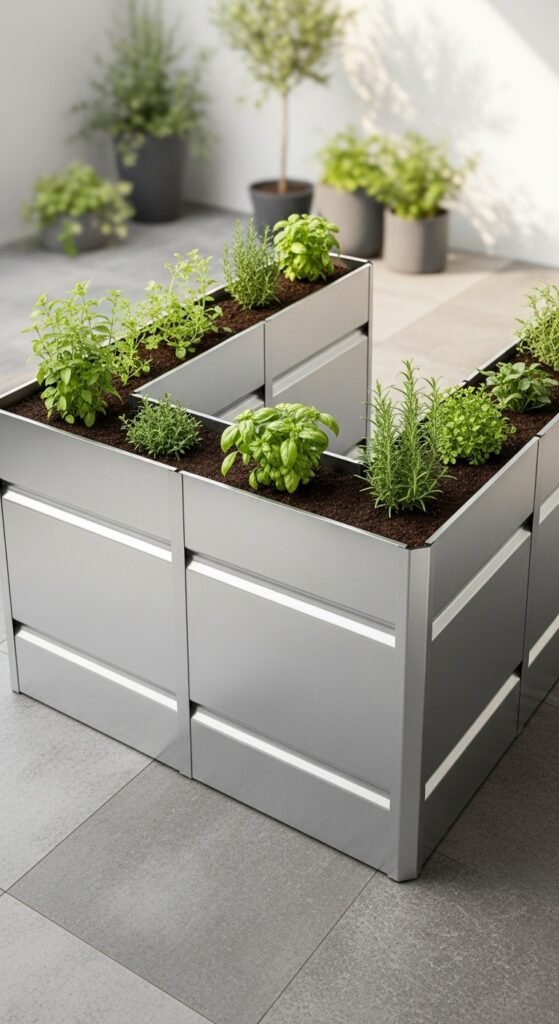
The material ensures longevity and resistance to weathering, preventing warping common in wood. You gain a clean, contemporary look that complements any landscape.
Arrange panels into the U form, anchor if needed, and layer with landscape fabric before adding soil.
3) Compact Backyard U Bed
For smaller yards, design a compact U shaped raised bed with 4-foot legs and a 6-foot back, fitting neatly against a fence or wall.
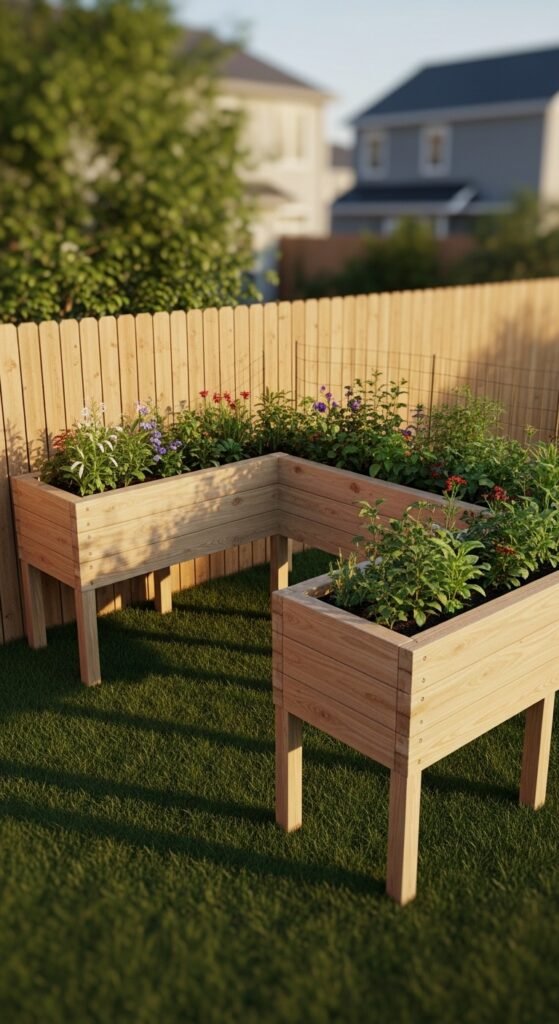
This size maximizes limited space while allowing full reach across the bed. You’ll enjoy higher yields in a confined area without compromising accessibility.
Use corner braces for stability and consider adding a bench along one side for comfortable gardening.
4) Multi-Level Tiered U Shape
Create visual interest with a tiered U shaped raised bed, stepping down levels toward the center. Higher sides support trailing plants, while lower sections suit root crops.
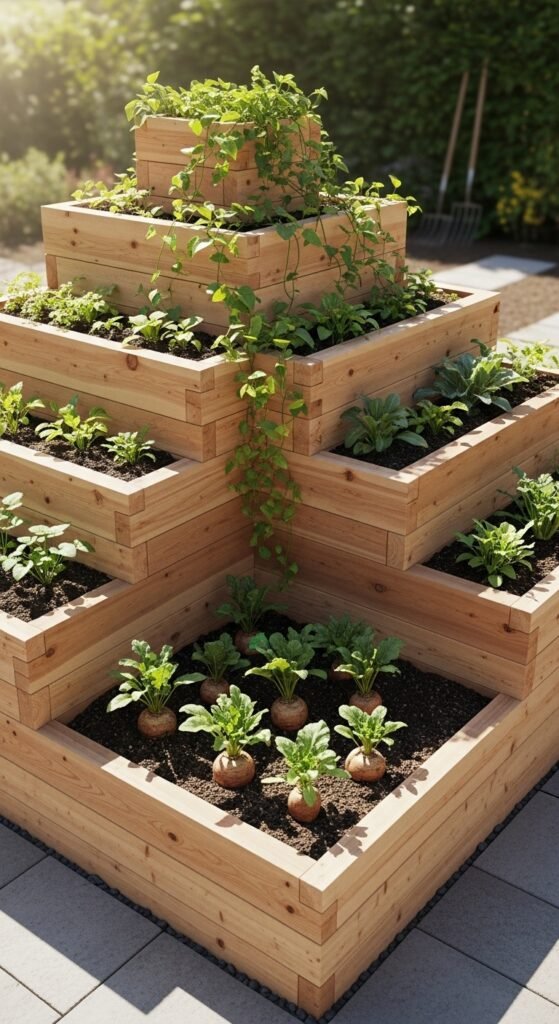
This approach improves drainage in varied zones and adds dimension to your garden. You can customize plant placement for sunlight exposure.
Build separate sections at different heights, connecting them seamlessly for a cohesive structure.
5) Herb Garden U Layout
Dedicate your U shaped raised bed to herbs by dividing sections with low dividers for varieties like basil, rosemary, and mint.
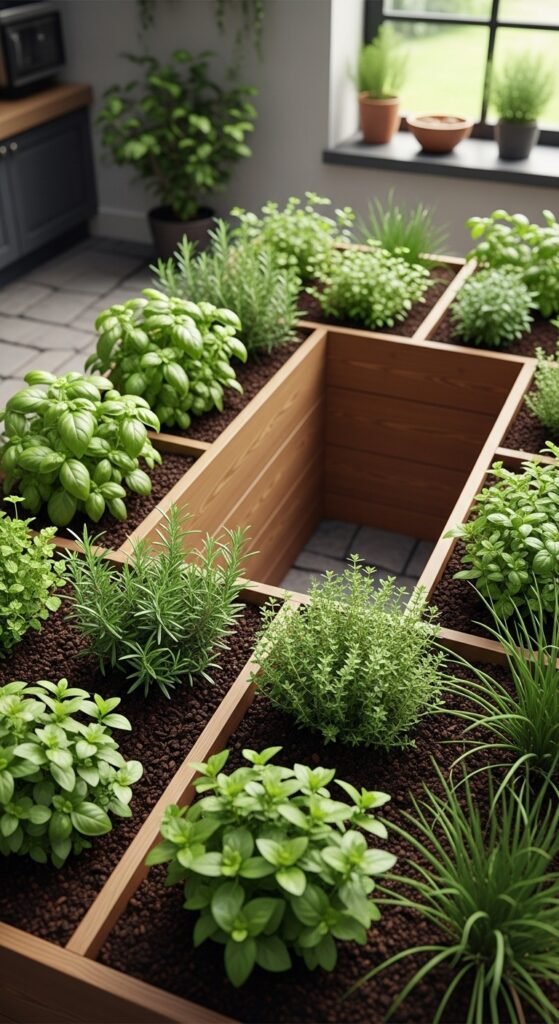
The enclosed shape contains spreading herbs effectively, and central access simplifies pruning and picking. You’ll have fresh flavors readily available for cooking.
Position sun-loving herbs on the outer edges and shade-tolerant ones inside.
6) Vegetable Companion Planting U Bed
Implement companion planting in a large U shaped raised bed, grouping tomatoes with marigolds on one leg and beans with corn on the other.
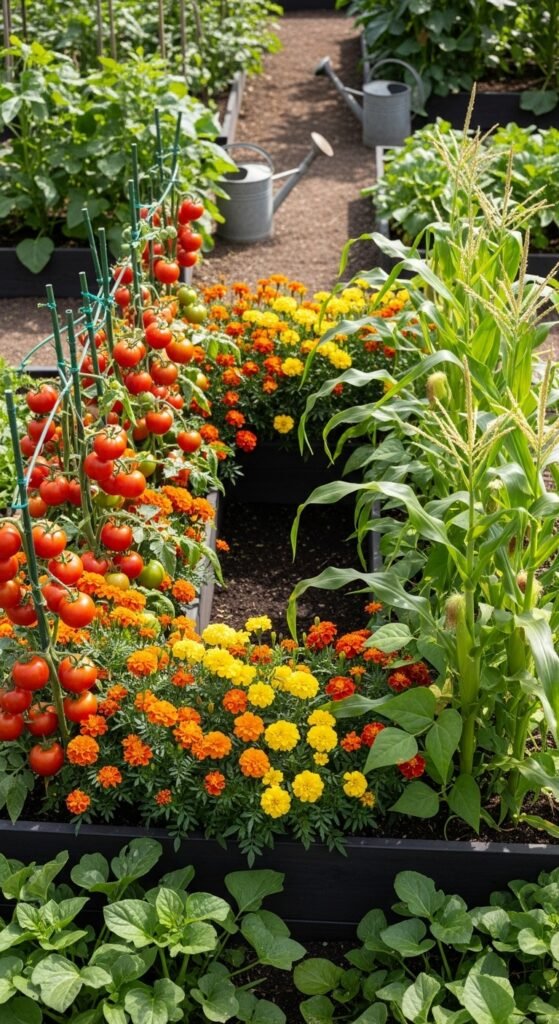
This strategy enhances pest control and nutrient sharing naturally. You benefit from higher productivity and reduced need for interventions.
Plan your layout in advance, ensuring compatible heights and growth habits.
7) Wheelchair-Accessible Wide U Design
Construct a wide-open U shaped raised bed with extended legs to accommodate wheelchair entry and maneuvering.
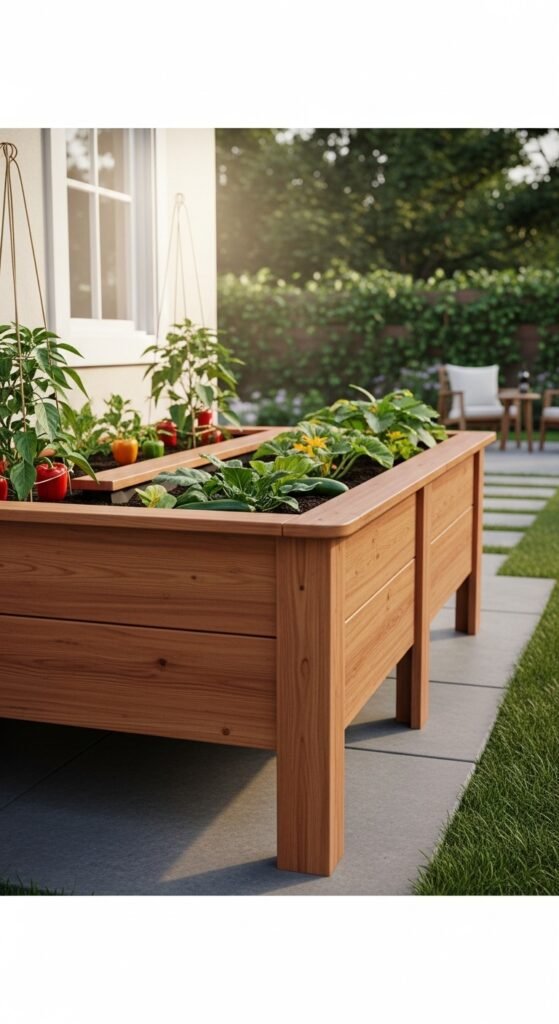
At 30-36 inches high, it reduces bending, making gardening inclusive. You’ll promote comfort and independence in outdoor activities.
Use smooth materials and ensure stable construction for safety.
8) Corner Placement L-Shaped Variant U
Adapt the U shaped raised bed for corner placement by angling legs to fit snugly, maximizing unused yard corners.
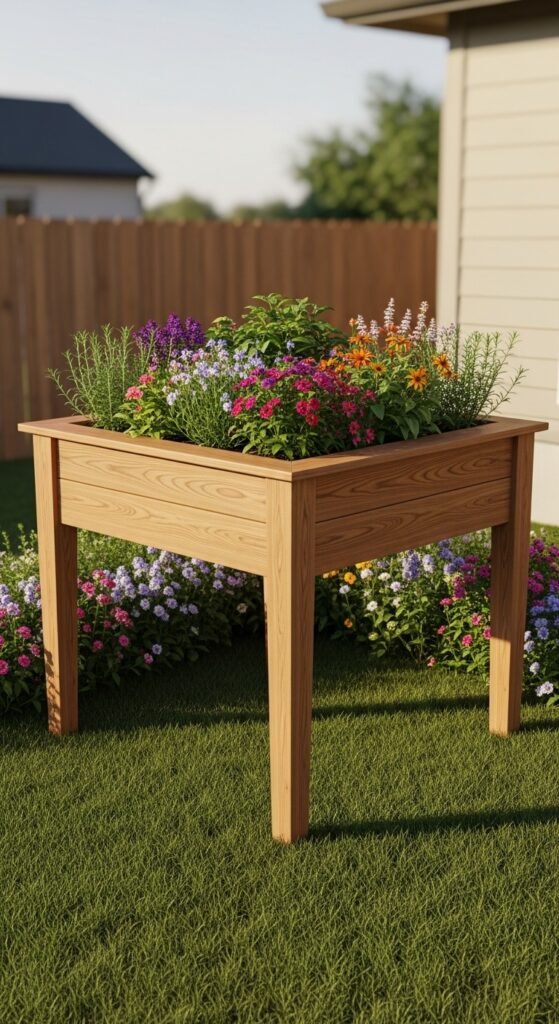
This configuration utilizes awkward spaces efficiently. You create a productive focal point without encroaching on open areas.
Measure carefully and reinforce corners for soil pressure.
9) Trellis-Integrated U Bed
Incorporate vertical trellises along the back of your U shaped raised bed for climbing plants like cucumbers or peas.
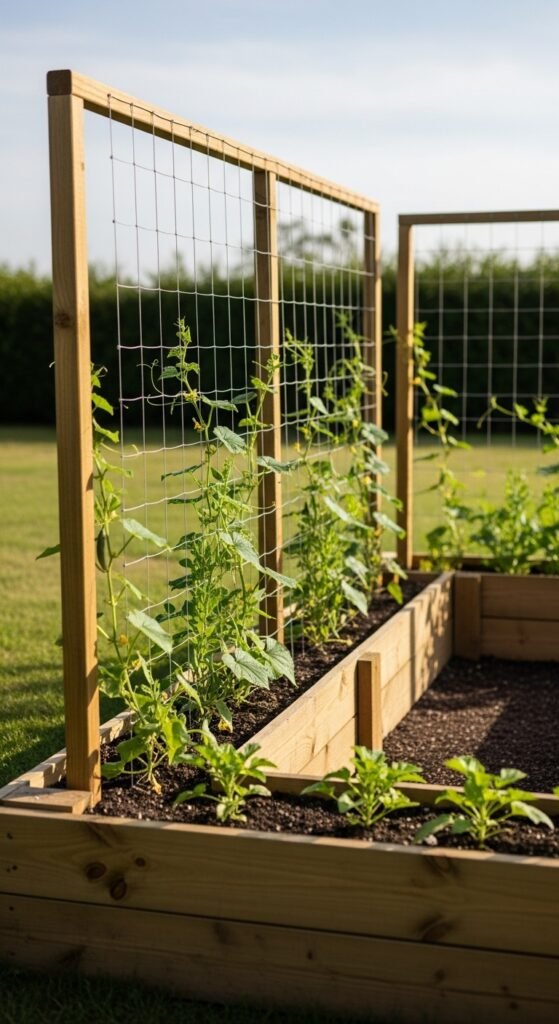
This adds height and increases growing area vertically. You’ll harvest more from the same footprint while shading lower plants.
Install sturdy posts and netting during assembly for support.
10) Pollinator-Friendly Flower U Garden
Transform your U shaped raised bed into a pollinator haven with native flowers and nectar-rich blooms arranged in flowing patterns.
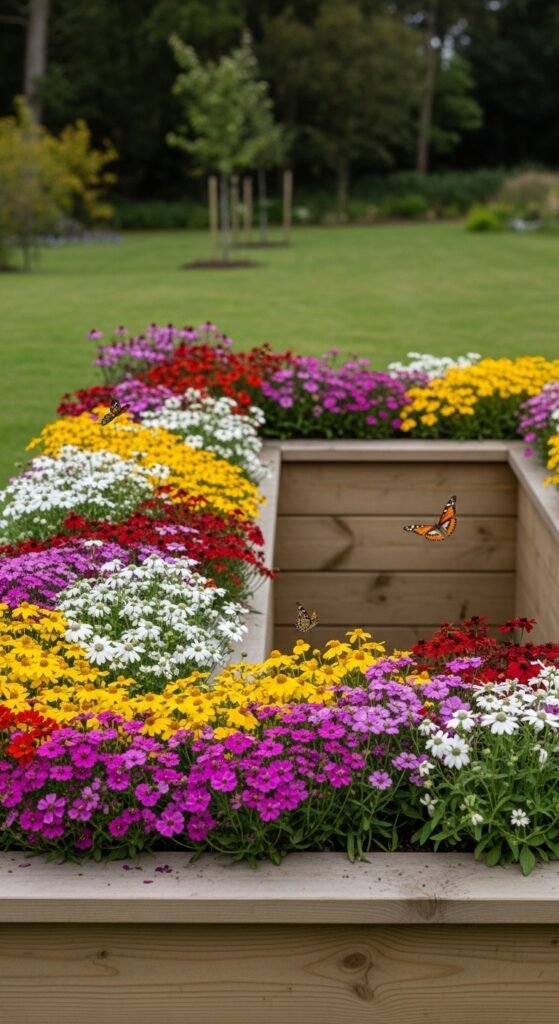
The shape invites bees and butterflies into the center. You support local ecosystems while enjoying vibrant colors.
Select perennial and annual mixes for continuous blooming.
11) Kid-Friendly Low U Bed
Build a low-profile U shaped raised bed at 12 inches high for children to participate in gardening safely.
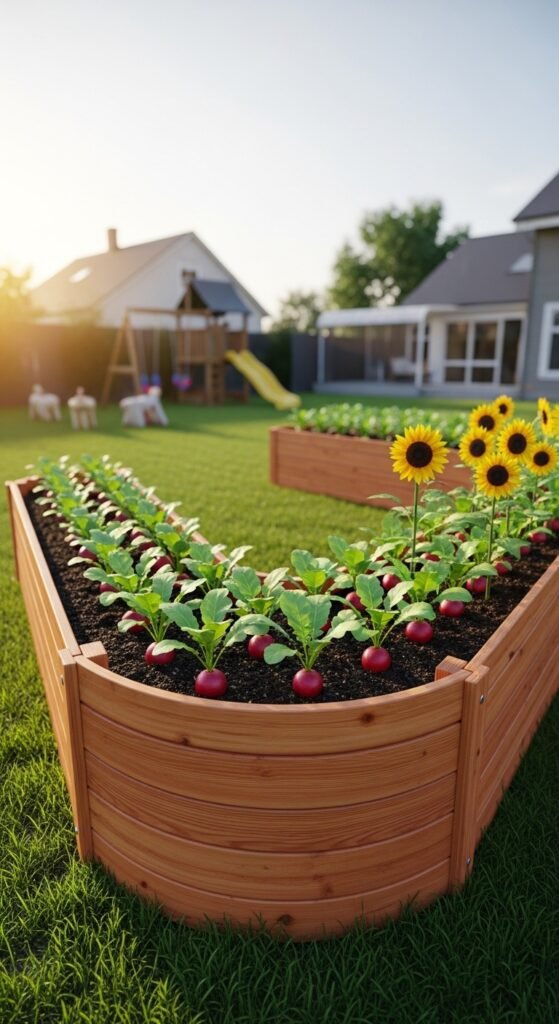
Wide paths and gentle edges encourage involvement. You’ll foster education and appreciation for nature early on.
Include easy-grow plants like radishes and sunflowers.
12) Rustic Stone-Bordered U Shape
Enhance durability by bordering your U shaped raised bed with stacked stones or bricks, combining with wood or metal interiors.
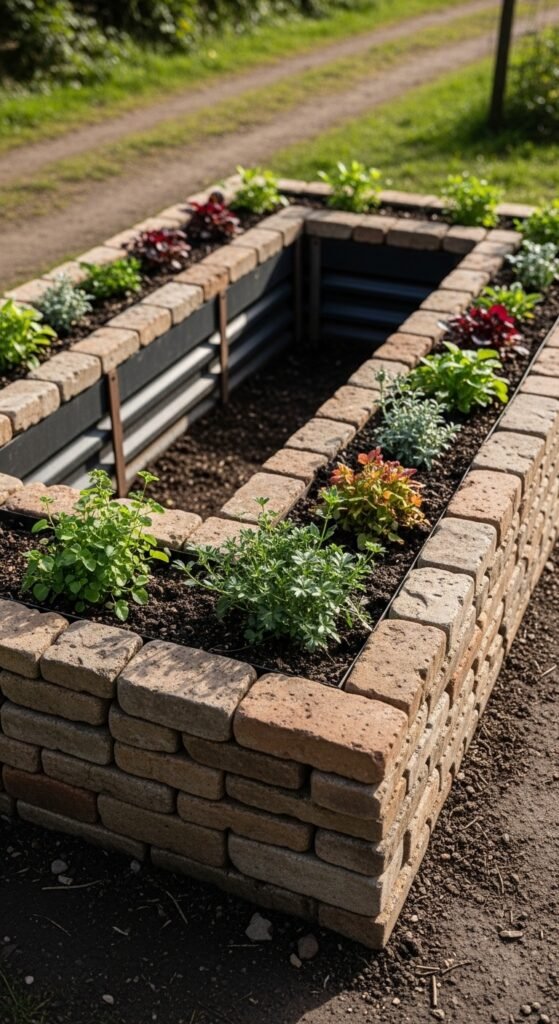
This adds a rustic charm and excellent thermal mass for soil warming. You achieve a permanent, attractive feature.
Ensure proper drainage holes if using solid borders.
13) Large Orchard-Style U Bed
Scale up to a jumbo U shaped raised bed spanning 12 feet or more for ambitious vegetable production.
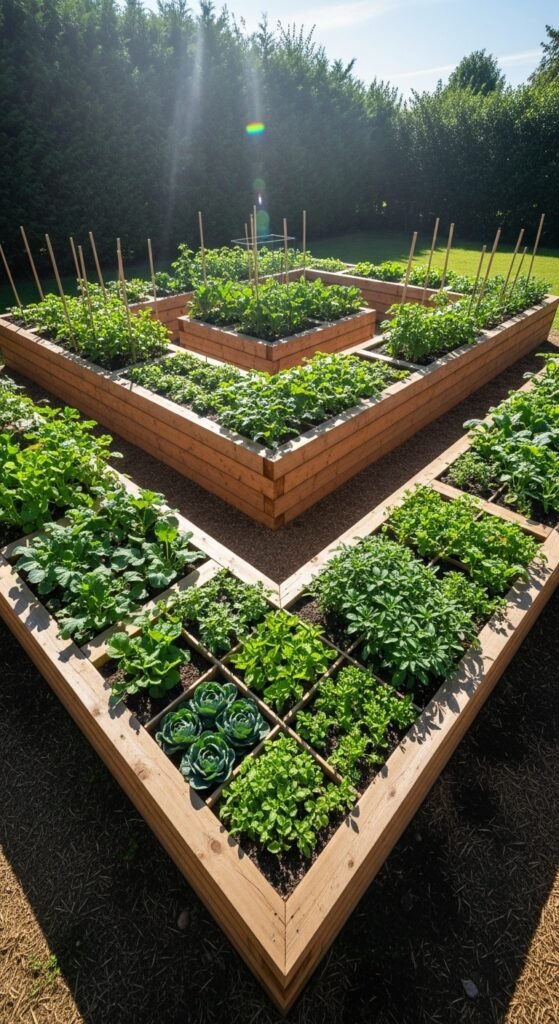
The expansive area supports crop rotation and succession planting. You’ll achieve substantial harvests for preserving.
Divide into grids for organized management.
14) Shaded Patio U Planter
Place a portable U shaped raised bed on your patio using containers or wheeled bases for mobility.
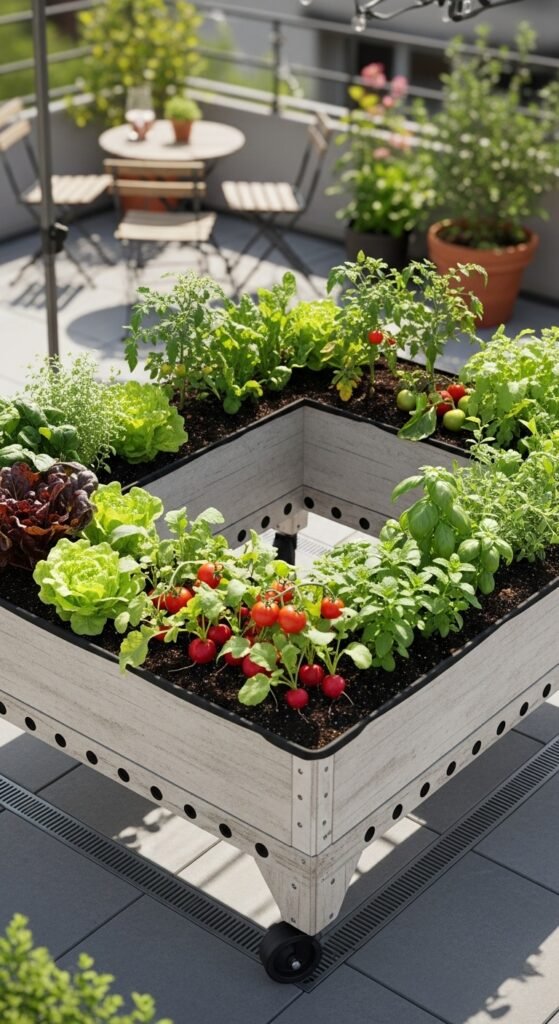
This suits urban settings with limited soil. You bring fresh produce to small spaces conveniently.
Choose lightweight materials and ensure adequate drainage.
15) Seasonal Rotation U Design
Design your U shaped raised bed with removable dividers for easy seasonal crop rotation.
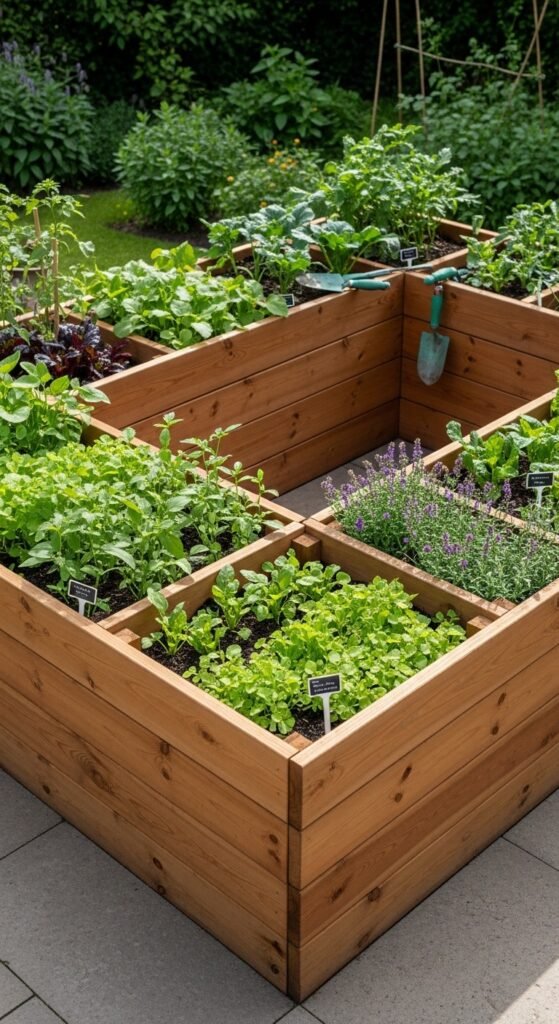
This prevents soil depletion and disease buildup. You’ll maintain long-term garden health and productivity.
Label sections and plan rotations annually.
Key Considerations for U Shaped Raised Beds
Choosing Materials
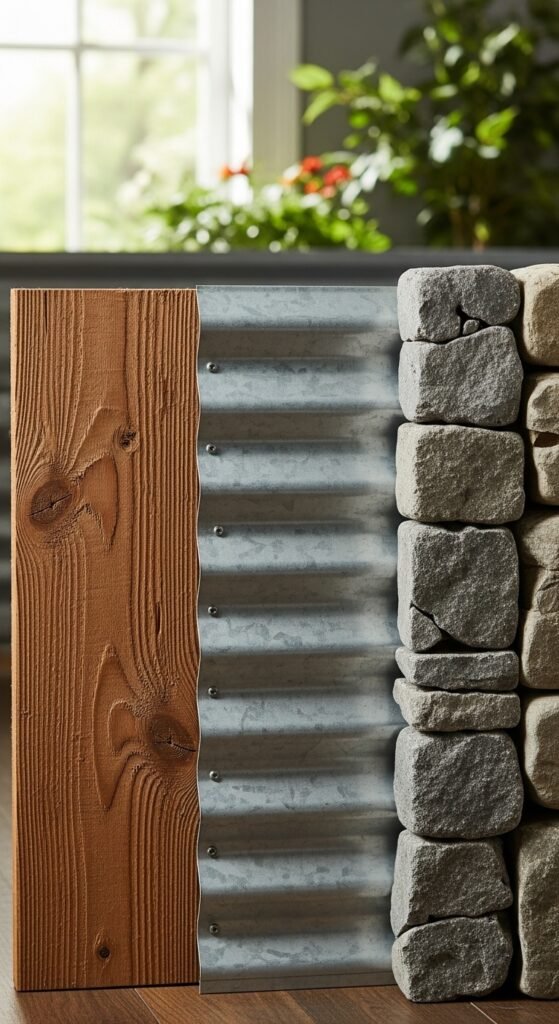
Select materials based on budget, aesthetics, and longevity. Cedar offers natural resistance, while metal provides modern durability.
Soil and Drainage
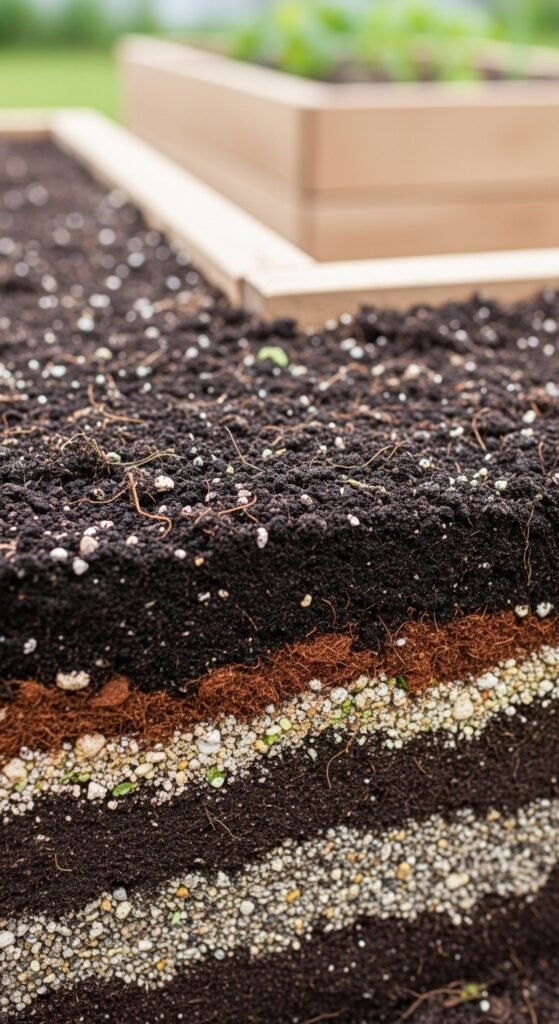
Use a balanced mix of compost, topsoil, and amendments. Ensure proper drainage to prevent waterlogging.
Placement Tips
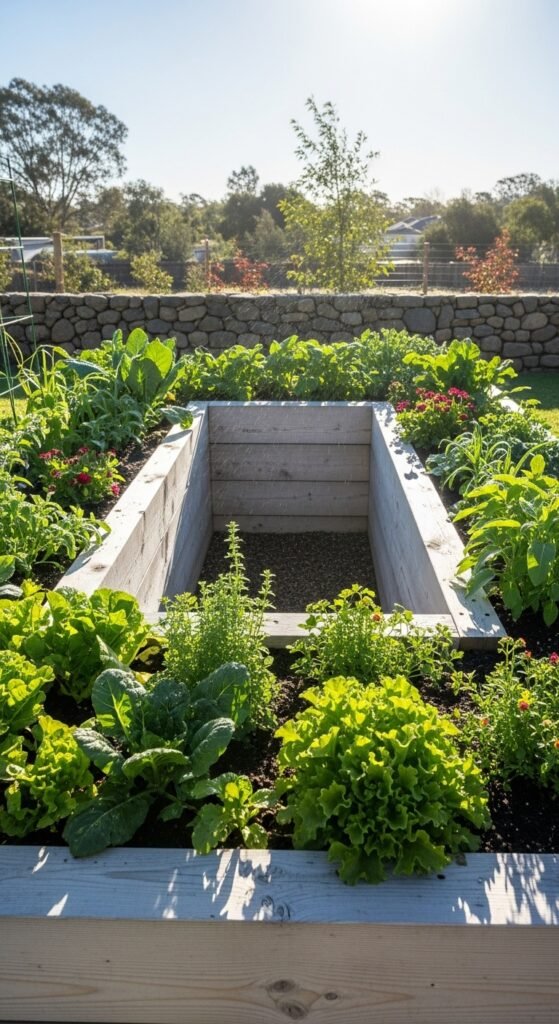
Position for maximum sunlight and protection from strong winds. Orient the open end for convenient access.
Frequently Asked Questions
What are the benefits of a U shaped raised bed?
A U shaped raised bed provides superior accessibility, efficient space use, and better soil management compared to traditional rows.
How much soil do I need for a U shaped raised bed?
Calculate volume based on dimensions; for an 8x8x1.5-foot bed, approximately 60-80 cubic feet of soil is required.
Can I build a U shaped raised bed myself?
Yes, with basic tools and materials, most designs are DIY-friendly, especially modular kits.
What plants grow best in U shaped raised beds?
Vegetables, herbs, and flowers thrive, particularly those benefiting from companion planting and easy access.
How do I maintain a U shaped raised bed?
Regular weeding, mulching, and seasonal soil replenishment keep it productive over time.