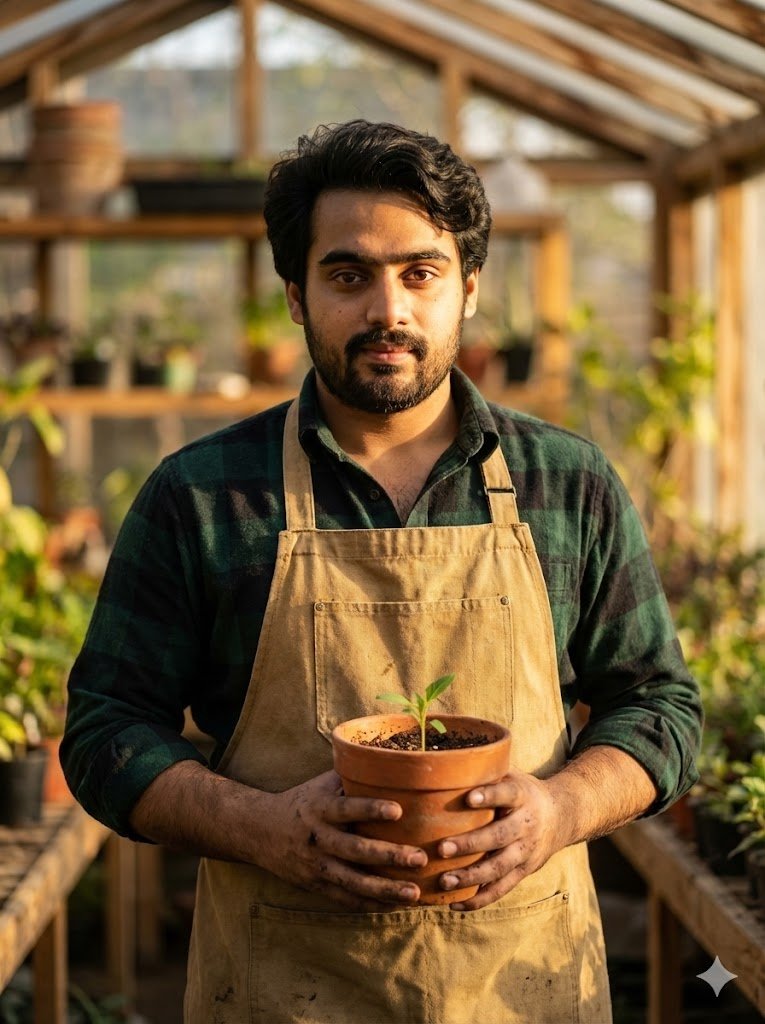
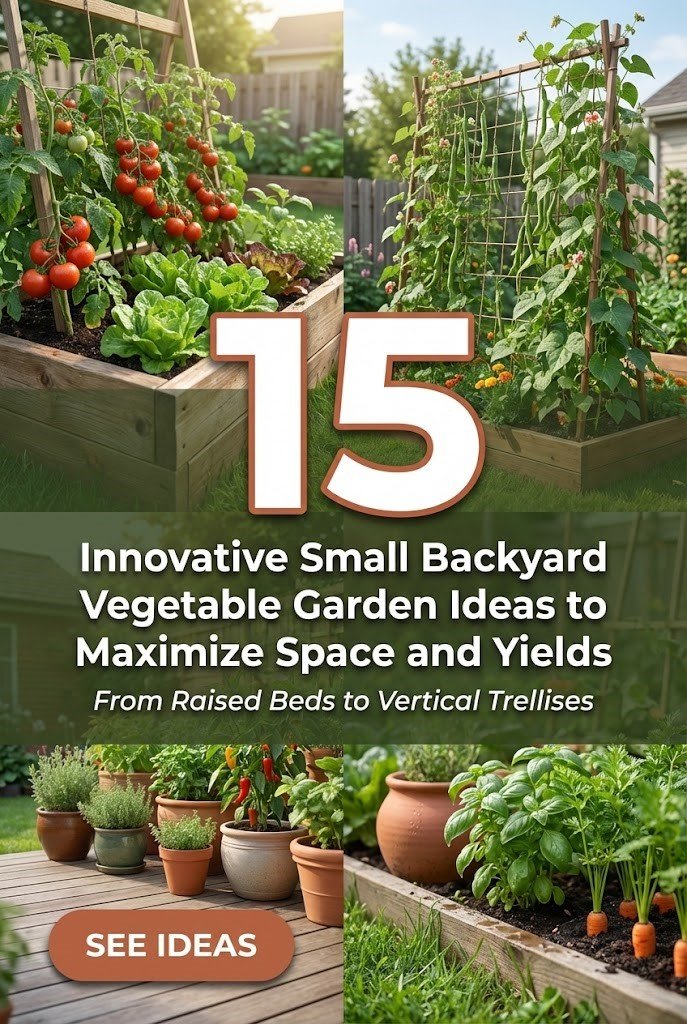
Creating a small backyard vegetable garden allows you to enjoy fresh produce right at home, even with limited space. This approach not only provides nutritious, homegrown vegetables but also enhances your outdoor area with greenery and purpose. By focusing on efficient layouts and smart techniques, you can transform a compact yard into a productive oasis that yields bountiful harvests throughout the seasons.
You will discover that thoughtful planning is key to success in such gardens. Incorporating elements like vertical structures and multi-functional features ensures every inch is utilized effectively. Whether you are a beginner or seasoned gardener, these ideas emphasize sustainability and ease, helping you cultivate a thriving vegetable patch that fits seamlessly into your lifestyle.
Embracing these strategies also promotes environmental benefits, such as reduced food miles and better soil health. With the right choices, your small backyard can become a source of pride and fresh ingredients for your meals.
1) Raised Bed Layouts
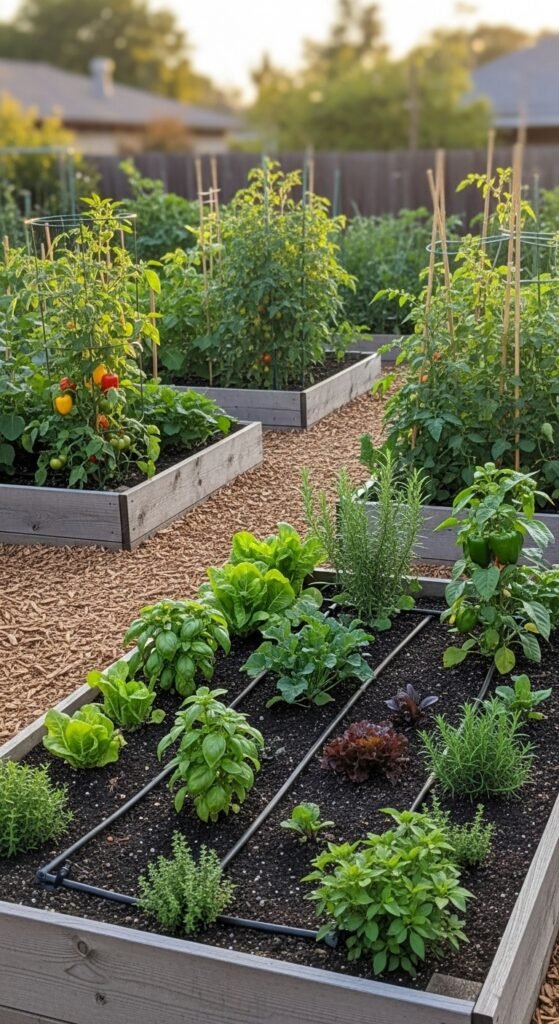
Raised beds elevate your planting area, making them ideal for small backyards where soil quality may be poor. This method involves constructing wooden or stone frames filled with nutrient-rich soil, allowing you to control the growing environment precisely. The key benefit is improved drainage and easier access, reducing strain on your back during tending.
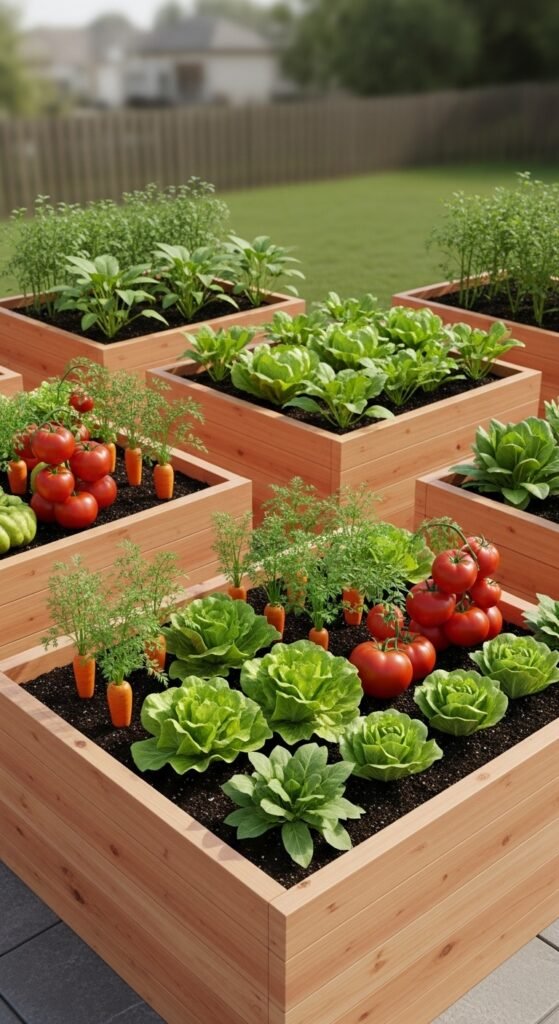
Why choose raised beds? They warm up faster in spring, extending your growing season, and prevent soil compaction since you avoid walking on the beds. For vegetables like tomatoes and carrots, this setup promotes deeper root growth and higher yields in confined spaces.
To implement, measure your backyard and build beds no wider than four feet for easy reach. Fill with a mix of compost and topsoil, then plant densely. Consider integrating a drip irrigation setup for efficient watering. With proper maintenance, you can rotate crops seasonally, ensuring continuous production in your limited area.
2) Vertical Trellis Systems
Vertical trellises maximize upward space, perfect for vining vegetables in small backyards. These structures support plants like cucumbers, beans, and peas, training them to grow skyward rather than sprawling across the ground. The primary advantage is freeing up floor space for additional crops while improving air circulation to reduce disease risks.
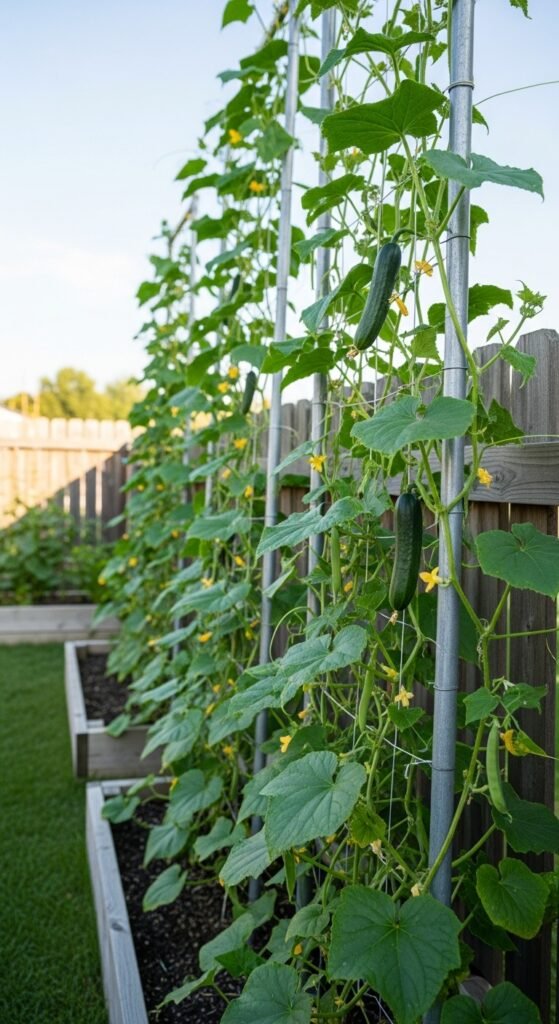
This technique works well because it utilizes walls, fences, or freestanding frames, turning unused vertical areas into productive zones. It also makes harvesting easier, as fruits hang at eye level, and enhances the aesthetic appeal of your garden.
Start by selecting sturdy materials like bamboo or metal for your trellis. Install securely, then plant seeds or seedlings at the base. Guide vines as they grow, tying gently if needed. Explore various garden trellis ideas to match your backyard’s style. Regular pruning keeps growth focused, yielding more in your compact vegetable garden.
3) Container Gardening Solutions
Containers offer flexibility for small backyard vegetable gardens, allowing you to grow produce in pots, buckets, or barrels on patios or decks. This method suits urban dwellers with minimal soil, as you can position containers to capture optimal sunlight. A major benefit is mobility, enabling you to move plants to protect from weather extremes.
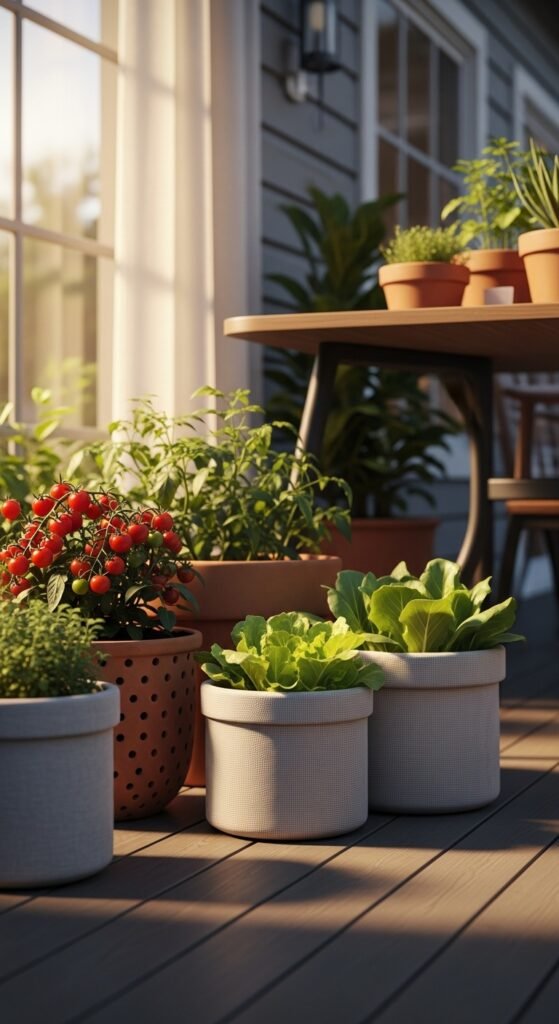
Why opt for containers? They provide excellent drainage and allow customization of soil mixes for specific vegetables, such as acidic blends for blueberries or well-draining for herbs. This approach also minimizes weed issues and makes pest management simpler in tight spaces.
To get started, choose containers with drainage holes and fill with high-quality potting soil. Plant compact varieties like cherry tomatoes or lettuce. Group them for visual interest and efficient care. For inspiration, consider spring container garden ideas to kick off your season. Water consistently and fertilize regularly for thriving results in your limited backyard.
4) Companion Planting Strategies
Companion planting pairs compatible vegetables to enhance growth and deter pests in your small backyard garden. For instance, plant basil near tomatoes to improve flavor and repel insects. The essential benefit is natural pest control without chemicals, promoting a healthier ecosystem in confined areas.
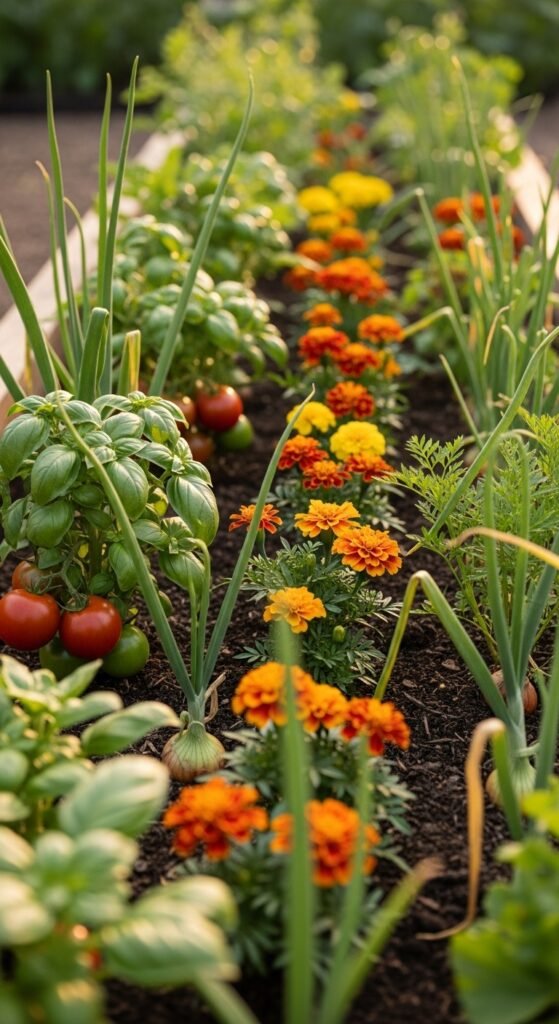
This practice succeeds because certain plants provide mutual support, like marigolds shielding vegetables from nematodes or beans fixing nitrogen for leafy greens. It optimizes space by intermingling crops, increasing diversity and yield in small plots.
Plan your layout by researching beneficial pairings, such as carrots with onions. Sow seeds accordingly, ensuring adequate spacing. Monitor interactions and adjust as needed. Incorporate herbs for added utility. With this method, you create a balanced, productive garden that thrives efficiently in your backyard.
5) Square Foot Gardening Method
Square foot gardening divides your plot into one-foot squares, allowing intensive planting in small backyards. Each square hosts a specific number of plants, like one tomato or sixteen radishes. The core advantage is high efficiency, minimizing waste and maximizing output in limited spaces.
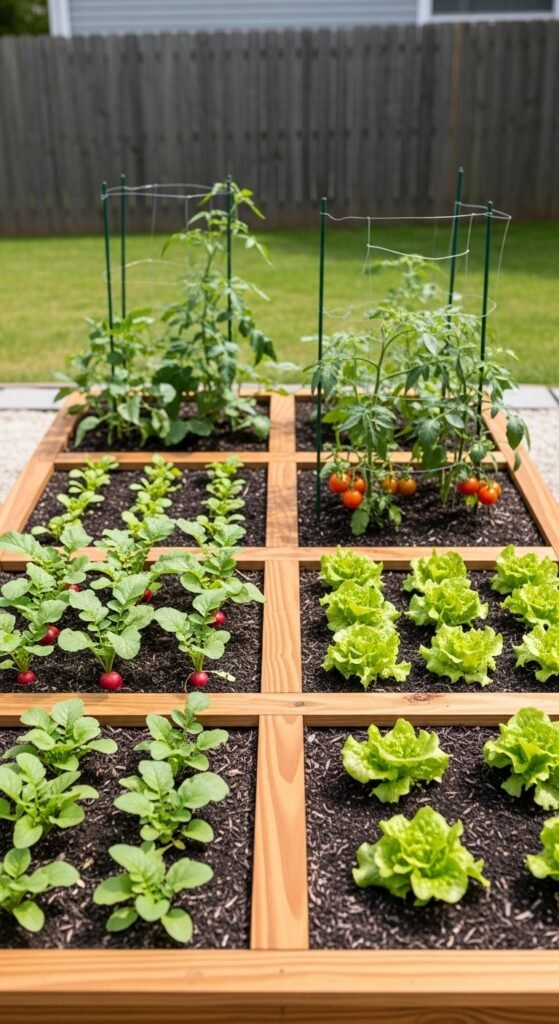
Why use this system? It reduces weeding and watering needs through close planting, which shades soil and retains moisture. Ideal for beginners, it provides a clear framework for crop rotation and succession planting.
Construct a grid using string or wood over raised beds. Refer to planting guides for density. Start with easy vegetables and expand. To enhance soil, add homemade compost regularly. This structured approach turns your small backyard into a bountiful vegetable haven with minimal effort.
6) Herb Spiral Designs
An herb spiral is a mounded, spiral-shaped bed that accommodates various herbs in a compact area, suitable for small backyard vegetable gardens. It creates microclimates, with drier conditions at the top and moister at the bottom. A significant benefit is year-round access to fresh herbs, enhancing your cooking while saving space.
This design excels because it incorporates vertical elements, allowing more plants in less ground area. It also improves drainage and soil warmth, benefiting Mediterranean herbs like rosemary.
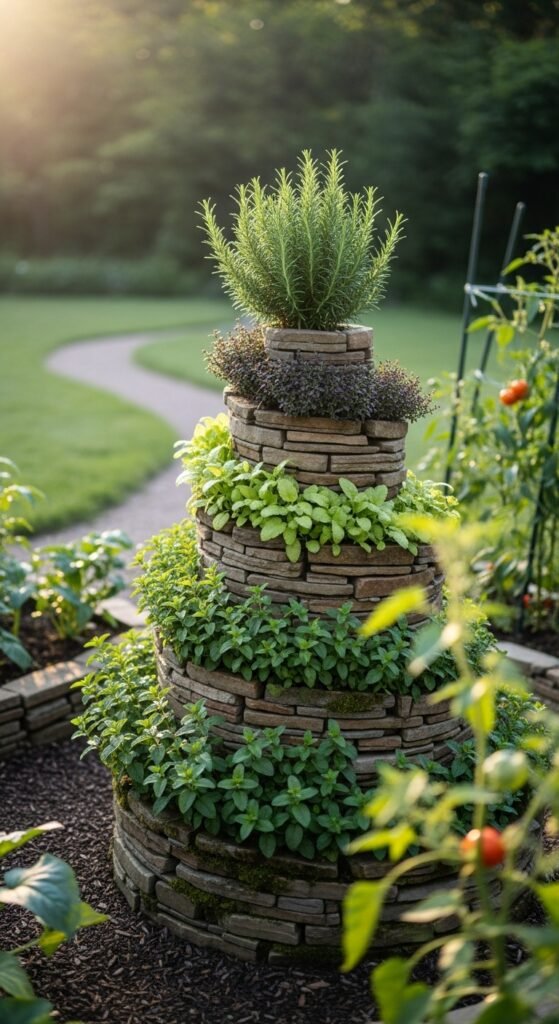
Build by stacking stones or bricks in a spiral, filling with soil. Plant sun-loving herbs high and shade-tolerant low. Include vegetables like peppers for integration. For related concepts, check patio herb garden ideas. Maintain by harvesting regularly, ensuring a continuous supply in your cozy backyard.
7) Keyhole Garden Beds
Keyhole gardens feature a circular raised bed with a composting basket in the center, accessed via a “keyhole” path. Perfect for small backyards, they recycle kitchen scraps directly into nutrient-rich soil. The main benefit is self-fertilizing, reducing the need for external inputs in compact spaces.
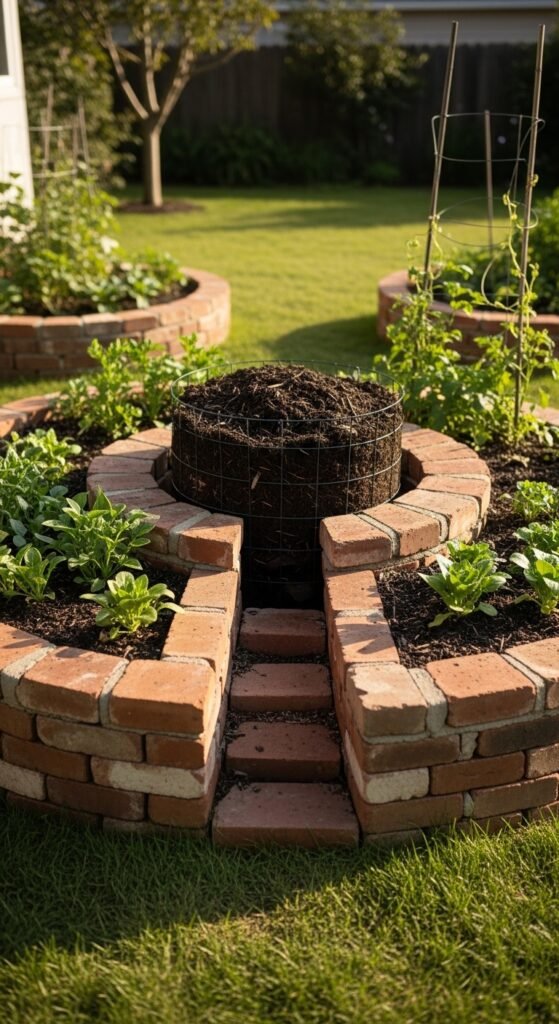
Why implement this? The design promotes efficient watering, as moisture from the compost spreads outward, supporting drought-resistant gardening. It suits arid climates and maximizes yield from vegetables like lettuce and beans.
Construct using bricks or wire, with the central basket for compost. Layer soil and plant around it. Add scraps ongoingly. This sustainable system keeps your small vegetable garden fertile and productive with little maintenance.
8) Window Box Plantings
Window boxes attach to your home’s exterior, providing additional growing space for vegetables in small backyards. Use them for shallow-rooted crops like radishes or salad greens. A key advantage is utilizing vertical surfaces, expanding your garden without ground expansion.
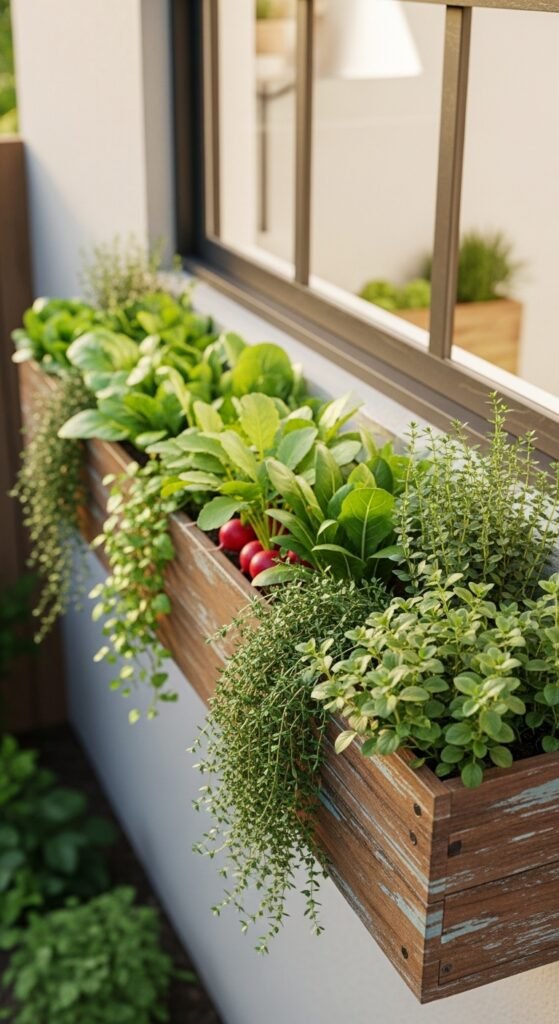
This option works effectively because boxes receive ample sunlight and are easy to tend from indoors. They add curb appeal while supplying fresh produce conveniently.
Select sturdy boxes with drainage, mount securely, and fill with lightweight soil. Plant densely for quick harvests. Rotate crops to maintain soil health. Integrate with your main garden for a cohesive, space-saving vegetable production system.
9) Hanging Basket Arrangements
Hanging baskets suspend from eaves or poles, ideal for trailing vegetables like strawberries or cherry tomatoes in small backyards. They exploit overhead space, keeping ground free for other uses. The primary benefit is protection from ground pests and improved air flow, leading to healthier plants.
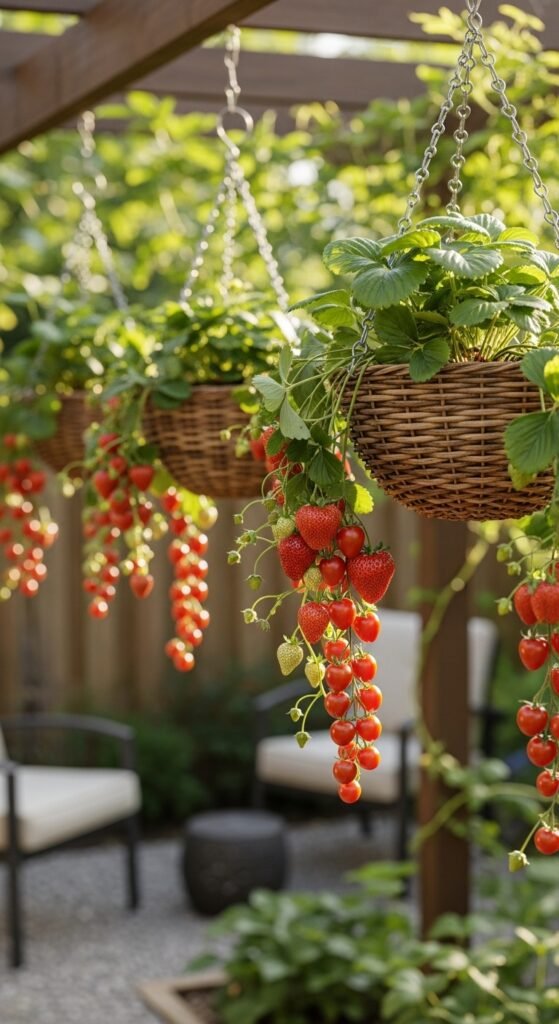
Why choose baskets? They allow creative placement, capturing sun in shaded yards, and make watering straightforward with self-watering options.
Choose baskets with liners, fill with moisture-retentive soil, and hang at reachable heights. Plant cascading varieties for best results. For winter extension, consider milk jug greenhouse techniques to protect tender plants. This method adds vertical interest and bounty to your limited space.
10) Intercropping Techniques
Intercropping mixes fast- and slow-growing vegetables in the same area, optimizing small backyard gardens. For example, plant radishes between rows of carrots. An essential benefit is increased productivity per square foot, as quick crops harvest before slower ones mature.
This strategy succeeds by maximizing light, water, and nutrients efficiently. It also suppresses weeds and can improve pollination through diversity.
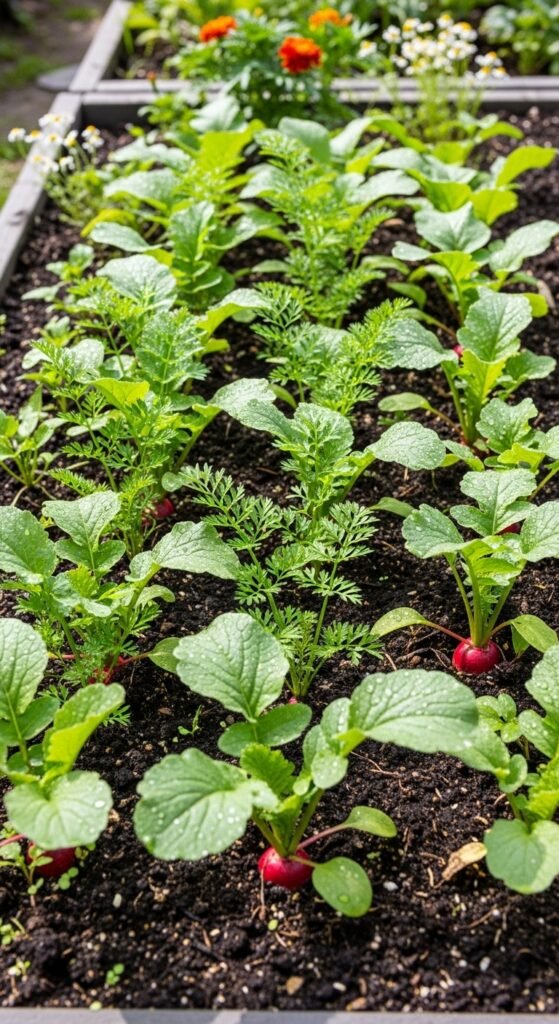
Map your beds, selecting compatible pairs. Sow accordingly, monitoring growth. Harvest early crops without disturbing others. To bolster soil, incorporate winter cover crops in off-seasons. Intercropping keeps your compact vegetable garden active and yielding throughout the year.
11) Succession Planting Schedules
Succession planting involves sowing seeds in intervals, ensuring continuous harvests from your small backyard vegetable garden. Replace harvested crops with new ones promptly. The core advantage is extended production, avoiding gluts and shortages in limited spaces.
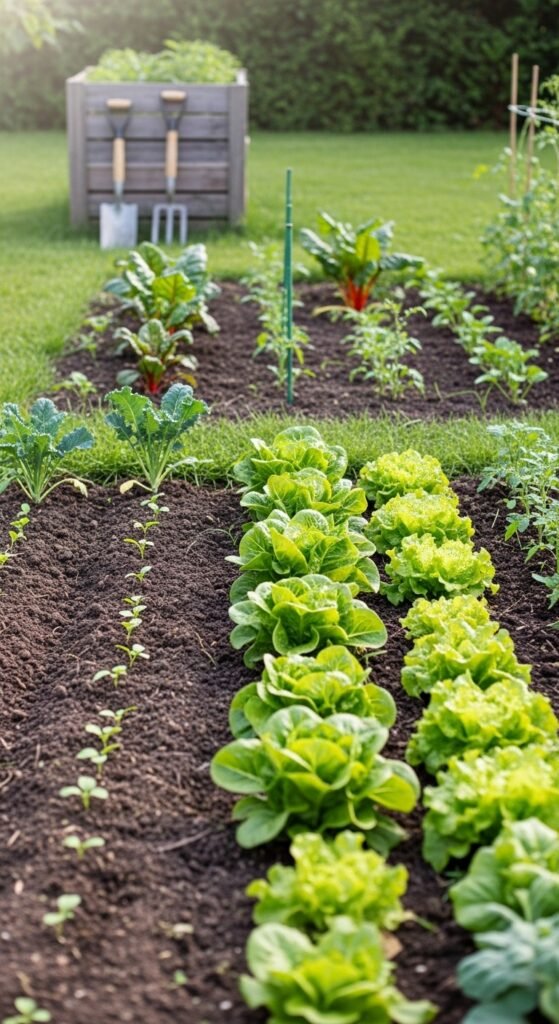
Why adopt this? It maintains soil coverage, reducing erosion and weed growth, while allowing experimentation with varieties suited to changing weather.
Create a calendar based on crop maturity times. Start indoors for transplants. Focus on quick growers like lettuce. For cold seasons, explore hardy winter vegetables. This rhythmic approach maximizes your backyard’s potential for fresh produce year-round.
12) Hydroponic System Setups
Hydroponics grows vegetables without soil, using nutrient-rich water in small backyard setups like vertical towers. Suitable for lettuces and herbs. A major benefit is faster growth and higher yields in minimal space, ideal for urban gardens.
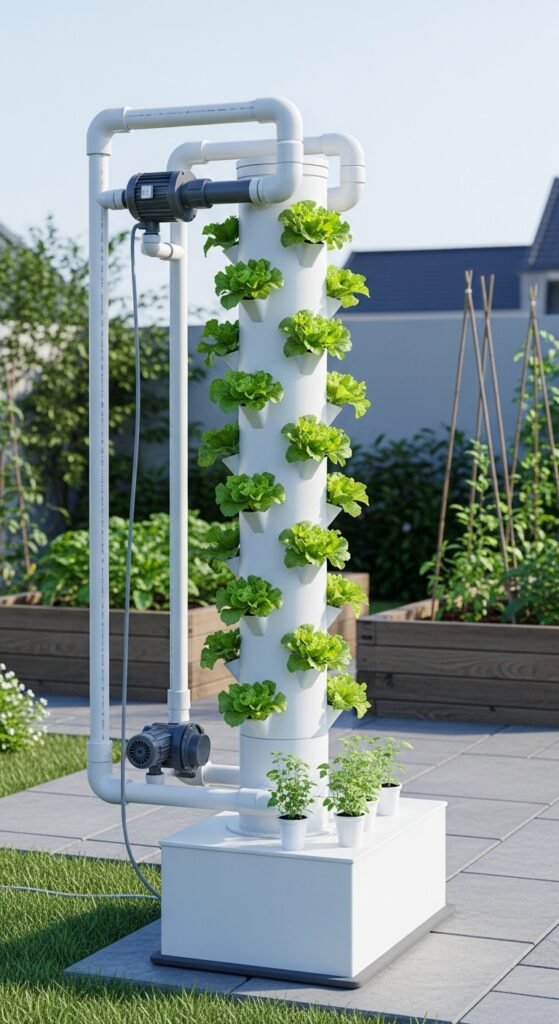
This system thrives because it delivers nutrients directly to roots, conserving water and eliminating soil-borne diseases.
Assemble a basic kit or DIY with pipes and pumps. Monitor pH and nutrients. Place in sunny spots or under lights. Complement with traditional methods for variety. Hydroponics elevates your small vegetable garden’s efficiency and innovation.
13) Compost Integration Methods
Integrating compost enriches soil organically in your small backyard vegetable garden, using bins or trenches for decomposition. The significant benefit is enhanced fertility and structure, supporting robust plant growth without synthetic fertilizers.
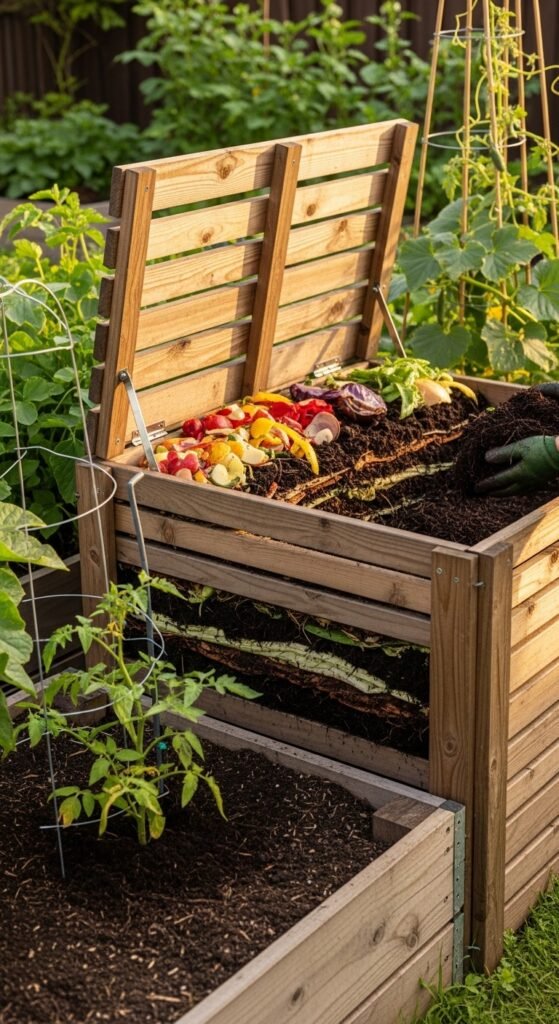
Why incorporate compost? It recycles waste, improves moisture retention, and fosters beneficial microbes, crucial for healthy roots in confined areas.
Set up a compact bin, layering greens and browns. Turn regularly for aeration. Apply matured compost to beds. Learn effective techniques from compost at home guides. This cycle sustains your garden’s productivity naturally.
14) Pollinator-Friendly Additions
Adding pollinator-friendly plants attracts bees and butterflies to your small backyard vegetable garden, boosting fruit set for crops like squash. Include flowers like marigolds amid vegetables. A key advantage is improved yields through natural pollination, enhancing overall garden health.
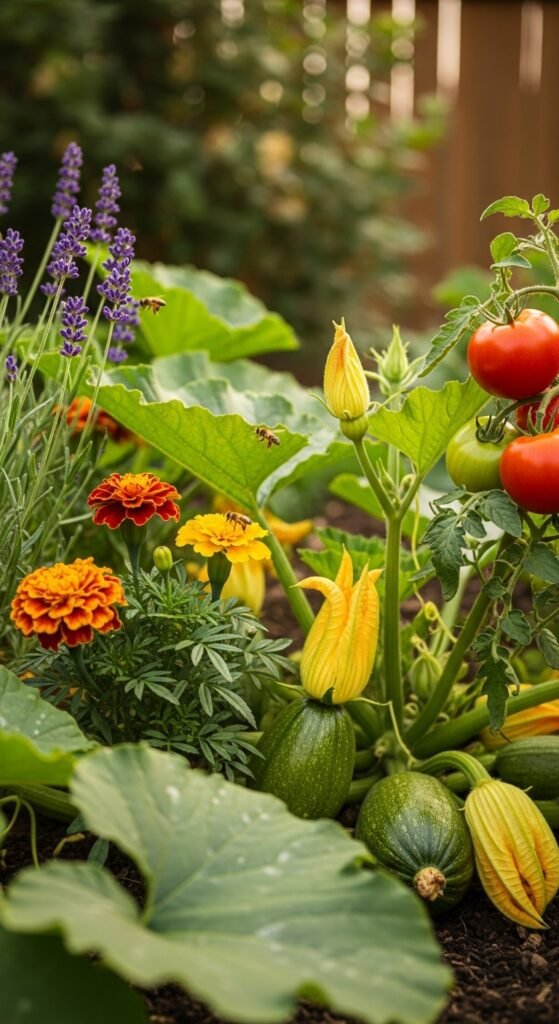
This addition works well because diverse plantings create habitats, increasing biodiversity and resilience against pests.
Plant borders or intersperse blooms. Avoid pesticides. Provide water sources. For extended seasons, consider low tunnel gardening to protect early flowers. Pollinators transform your compact space into a vibrant, productive ecosystem.
15) Modular Bed Expansions
Modular beds use connectable units, allowing customizable shapes for small backyards. Expand as needed for vegetables. The main benefit is adaptability, fitting irregular spaces and scaling with your gardening ambitions.
Why select modular? They facilitate easy assembly and reconfiguration, ideal for renters or evolving designs.
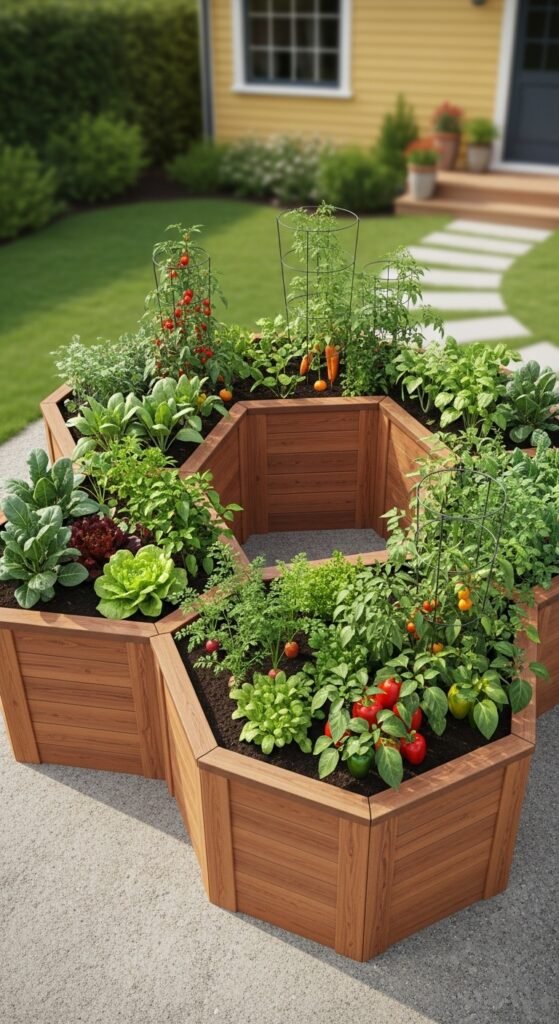
Purchase or build interlocking frames, arrange to suit sunlight. Fill with soil and plant. Integrate irrigation for uniformity. This flexible system ensures your vegetable garden evolves efficiently in limited areas.
Key Principles for Success
Soil Preparation Essentials
Begin with testing your soil’s pH and nutrients, amending as necessary for optimal vegetable growth. Healthy soil forms the foundation of your small backyard garden.
Watering Best Practices
Implement consistent, deep watering to encourage strong roots. Use mulch to retain moisture, especially crucial in compact spaces.
Pest Management Tips
Employ natural methods like neem oil or beneficial insects to control pests without harming your ecosystem.
Frequently Asked Questions
What vegetables grow best in small backyards?
Compact varieties like cherry tomatoes, lettuce, radishes, and herbs thrive in limited spaces, offering high yields with minimal room.
How much sunlight does a small vegetable garden need?
Most vegetables require at least six hours of direct sunlight daily; position your garden accordingly for best results.
Can I start a vegetable garden in poor soil?
Yes, use raised beds or containers filled with quality soil mixes to overcome native soil challenges.
When should I plant my small backyard garden?
Timing depends on your climate; generally, start after the last frost in spring for warm-season crops.
How do I maintain my garden year-round?
Rotate crops, add compost seasonally, and use covers for protection during off-seasons to keep soil healthy.