Creating a low maintenance vegetable garden allows you to enjoy fresh produce without dedicating excessive time to upkeep. This approach emphasizes efficient designs, resilient plants, and smart techniques that minimize weeding, watering, and pest management. By focusing on sustainable practices, you can achieve bountiful yields while aligning with your busy schedule.
The value of a low maintenance vegetable garden lies in its ability to promote self-sufficiency and environmental benefits. You reduce water usage through drought-tolerant selections and enhance soil health with natural methods. These ideas draw from proven gardening principles, ensuring your garden thrives with minimal intervention.
Whether you are a novice or experienced gardener, implementing these strategies will transform your space into a productive haven. Explore the following concepts to start building your ideal low maintenance vegetable garden today.
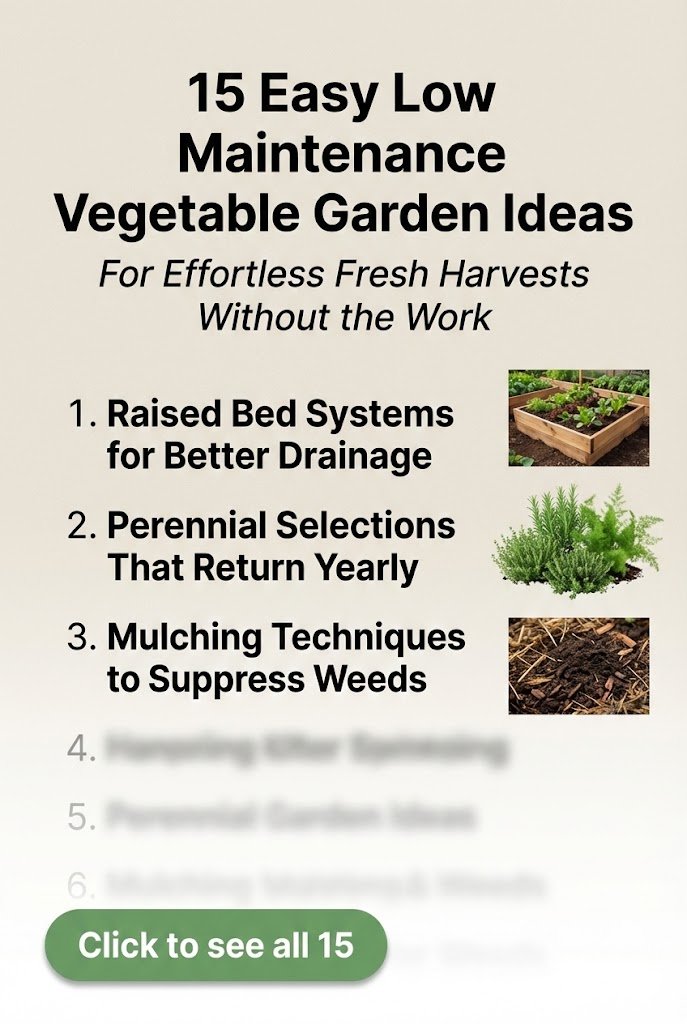
1) Raised Bed Systems
Raised beds elevate your planting area, improving drainage and soil quality while reducing the need for tilling. You construct them using wood, stone, or composite materials, filling with a nutrient-rich mix. This setup prevents soil compaction, as you avoid walking on the beds, leading to healthier roots and fewer weeds.
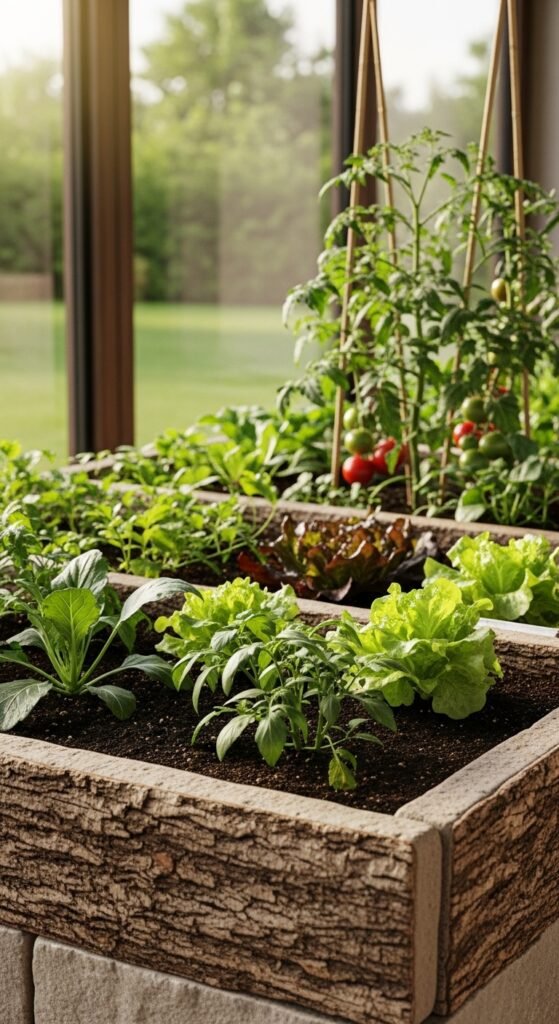
The primary benefit is reduced maintenance, with easier access for planting and harvesting. Weeds are minimized due to the contained environment, and you can incorporate compost directly for ongoing fertility. For contextually relevant designs, consider integrating elements from front yard rock garden ideas to add aesthetic borders.
To implement, select a sunny location and build beds 3-4 feet wide for reachability. Plant densely to shade out weeds, and apply mulch to retain moisture. Expect to spend just a few hours weekly on upkeep, enjoying vegetables like tomatoes and lettuce with ease.
2) Perennial Vegetable Selections
Perennials such as asparagus, rhubarb, and artichokes return year after year, eliminating the need for annual replanting. You establish them once, and they provide consistent harvests with basic care. These plants develop deep roots, accessing water and nutrients efficiently, which suits a low maintenance vegetable garden.
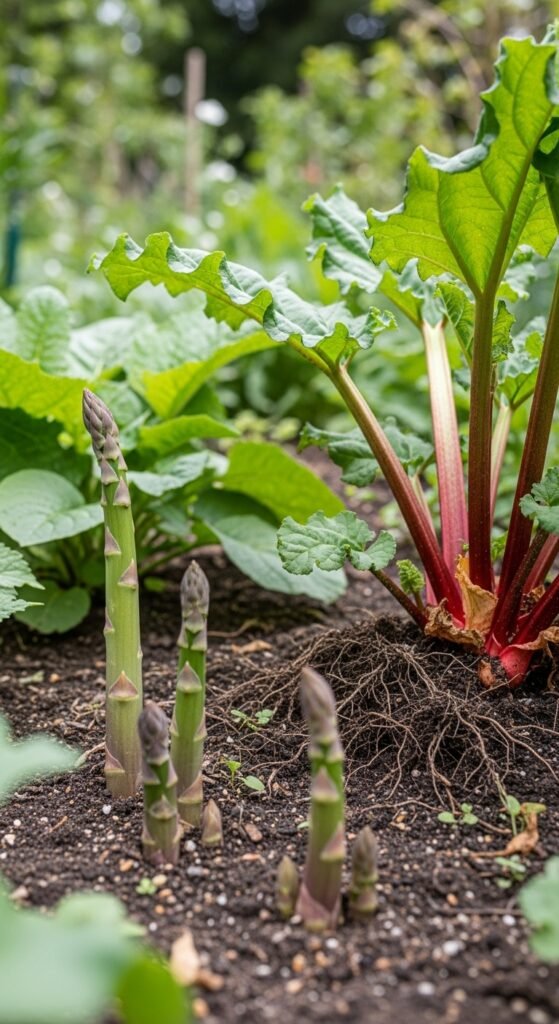
Long-term savings in time and effort make this ideal, as you avoid seed starting and transplanting. Their resilience to pests and diseases further reduces interventions. Draw inspiration from drought-tolerant front yard ideas for compatible companions that enhance biodiversity.
Begin by preparing soil with organic matter, planting in spring or fall. Mulch around bases to suppress weeds and conserve water. Harvest selectively to encourage growth, yielding produce for years with occasional division to maintain vigor.
3) Mulching Techniques
Mulch covers soil surfaces with organic materials like straw, leaves, or wood chips, suppressing weeds and retaining moisture. In your low maintenance vegetable garden, this layer decomposes gradually, enriching the soil and reducing evaporation.
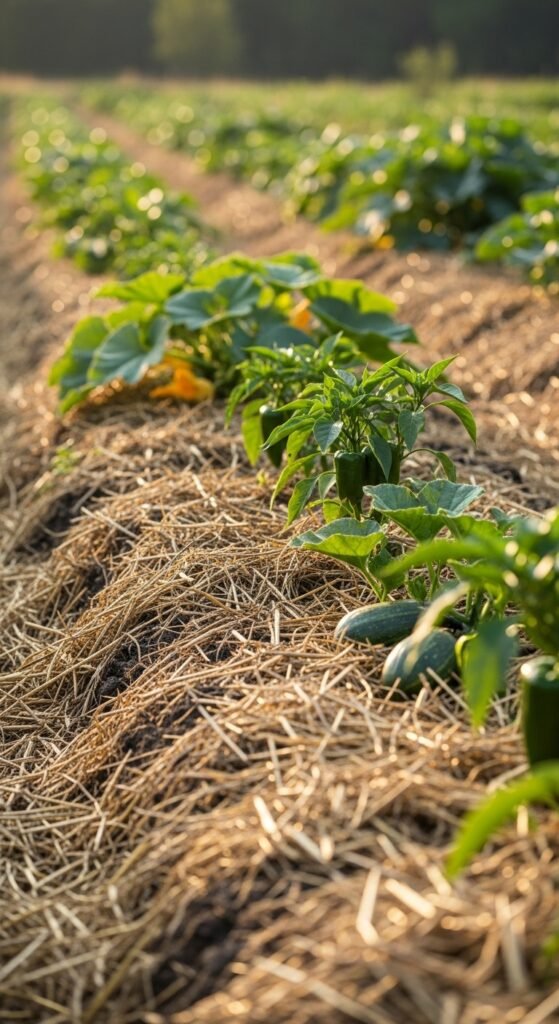
You gain significant water conservation and fewer weeding sessions, allowing more time for enjoyment. It also moderates soil temperature, protecting roots from extremes. For related preservation methods, explore pickled green beans to extend your harvest.
Apply a 2-4 inch layer after planting, avoiding direct contact with stems to prevent rot. Replenish annually as it breaks down. This simple practice transforms garden management, supporting vegetables like squash and peppers effectively.
4) Drought-Tolerant Varieties
Select vegetables like okra, peppers, and Swiss chard that thrive in dry conditions, requiring less frequent watering. These varieties have adapted mechanisms for water storage, fitting perfectly into a low maintenance vegetable garden.
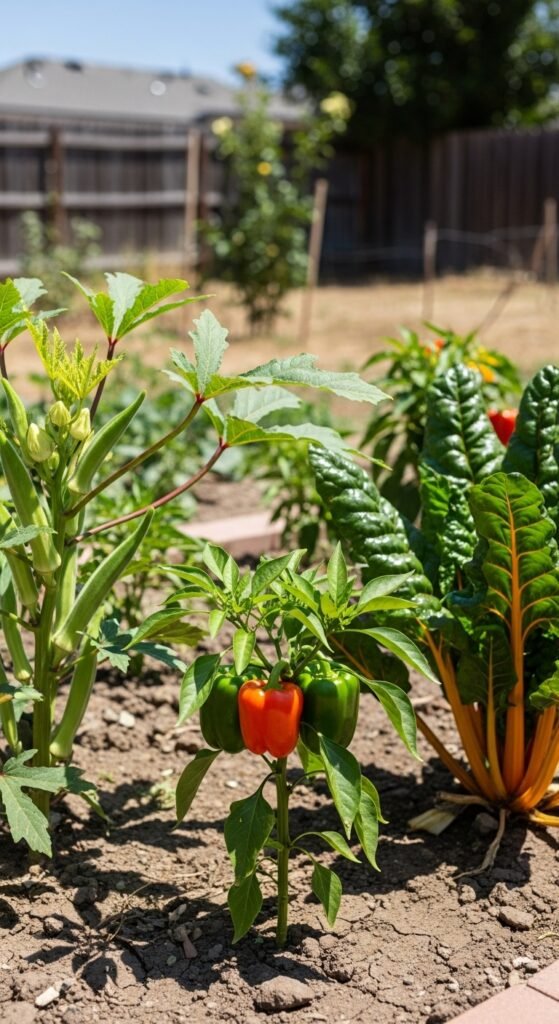
The advantage is lower utility costs and environmental impact, with plants resilient to sporadic care. They often exhibit stronger flavors due to concentrated growth. Incorporate concepts from xeriscape front yard ideas for overall landscape harmony.
Research regional adaptations and plant in well-drained soil. Group similar needs together for efficient irrigation. With minimal supplemental water, you achieve robust yields, ideal for arid climates or busy lifestyles.
5) Drip Irrigation Setup
Drip systems deliver water directly to roots via tubes and emitters, minimizing waste and weed growth. You install them easily in your low maintenance vegetable garden for automated hydration.
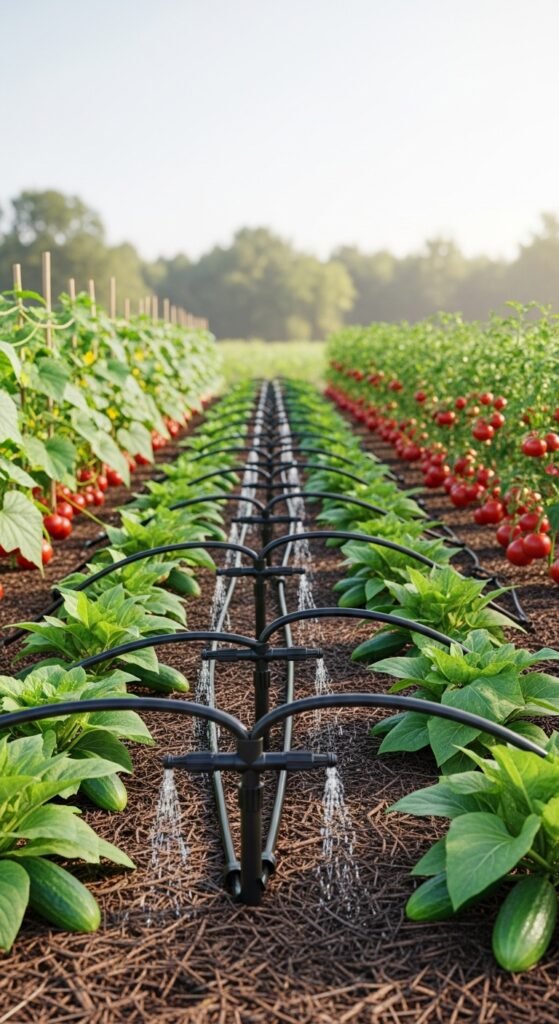
Efficiency in water use and reduced disease risk from wet foliage are key benefits. Timers allow hands-off operation. For complementary structures, consider ladder plant stand ideas to elevate pots.
Lay lines along rows, connecting to a faucet or rain barrel. Adjust flow based on plant needs. This investment pays off quickly, supporting crops like cucumbers with consistent moisture.
6) Companion Planting Strategies
Pair compatible vegetables, such as tomatoes with basil, to deter pests and enhance growth naturally. This polyculture approach in your low maintenance vegetable garden fosters biodiversity.
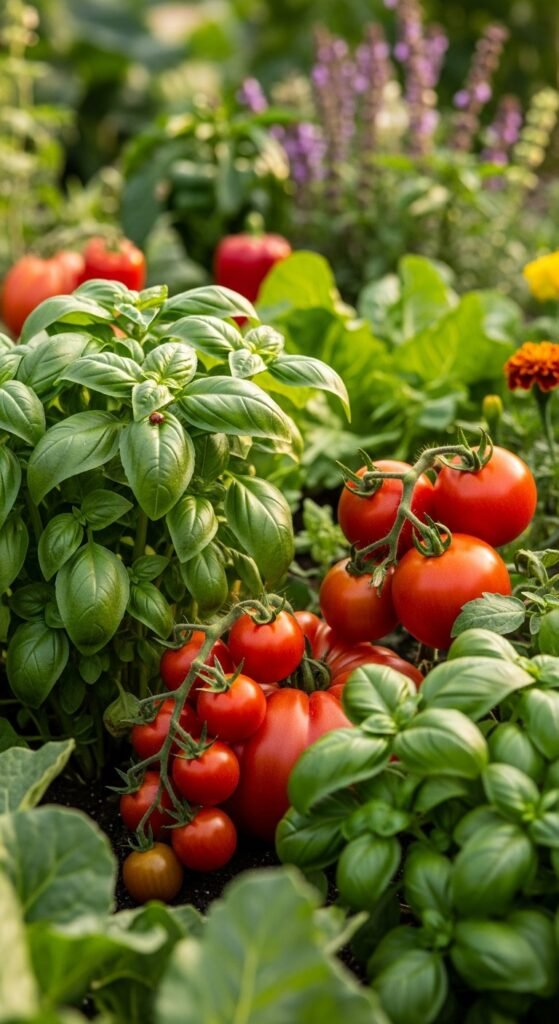
You benefit from natural pest control without chemicals, plus improved pollination. It maximizes space utilization. Link to preservation with canning tomatoes for excess produce.
Plan layouts based on synergies, planting in clusters. Monitor interactions and rotate annually. This method requires initial planning but yields ongoing ease.
7) Vertical Gardening Structures
Use trellises, cages, or walls to grow vining vegetables upward, saving ground space and improving air flow. In a low maintenance vegetable garden, this reduces bending and weeding.
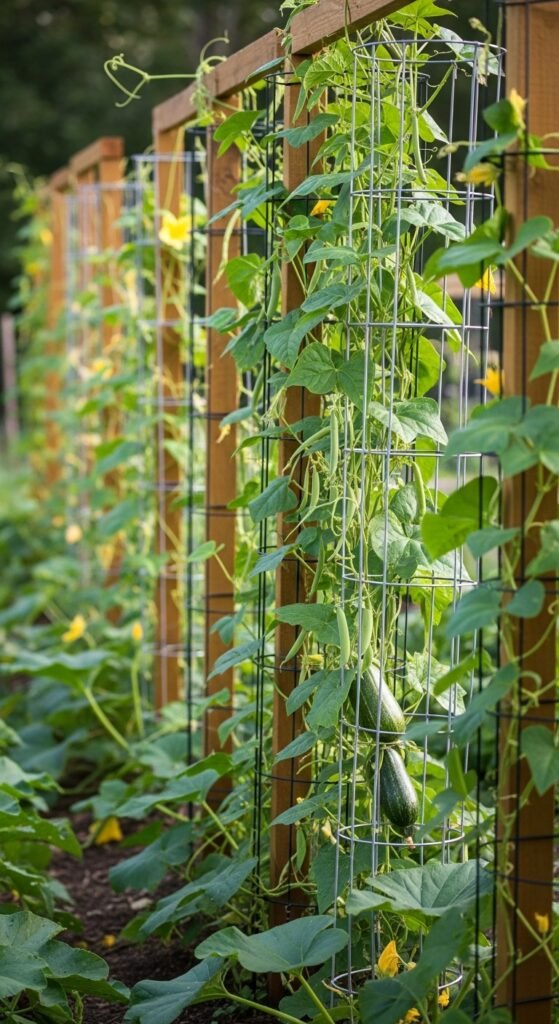
Increased yield per square foot and easier harvesting are advantages. It prevents rot in fruits. Integrate with backyard arch ideas for sturdy supports.
Install durable materials in sunny spots, training plants as they grow. Suitable for beans, peas, and squash, this elevates your gardening efficiency.
8) Container Planting Methods
Grow vegetables in pots or barrels for mobility and control over soil. This suits urban or small spaces in your low maintenance vegetable garden.
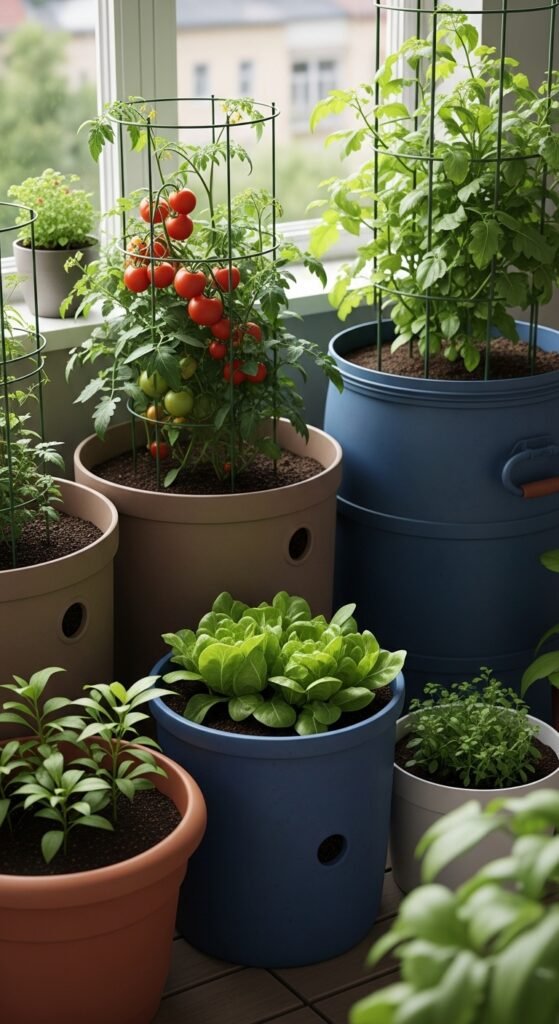
The flexibility to relocate for optimal sun and protection from elements stands out. Easier pest monitoring too. Explore front yard container garden ideas for inspiration.
Choose large containers with drainage, filling with quality potting mix. Water as needed, fertilizing monthly. Ideal for herbs, tomatoes, and lettuces.
9) No-Dig Gardening Approach
Build soil layers without tilling, preserving structure and microbes. Your low maintenance vegetable garden benefits from this regenerative technique.
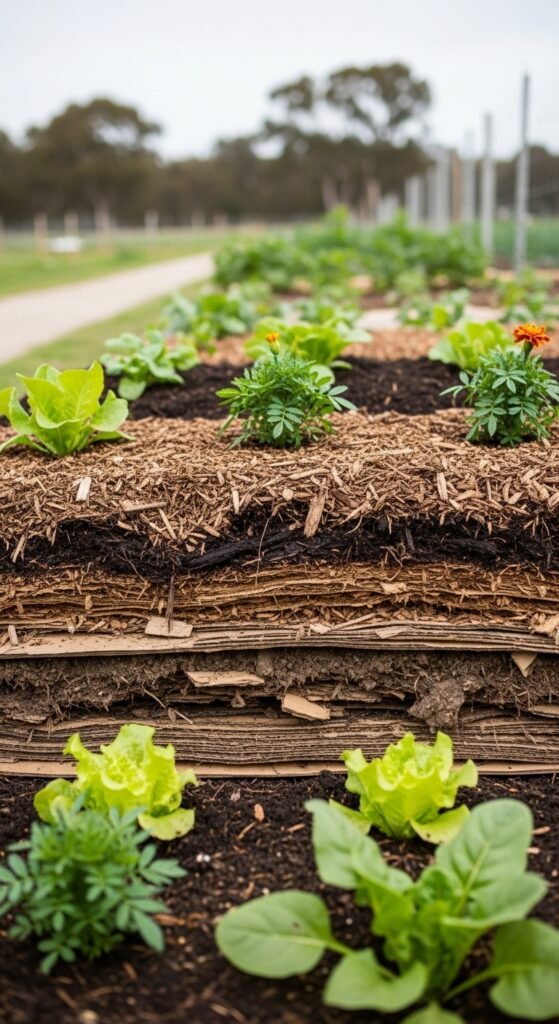
Less physical labor and improved soil health result, with fewer weeds over time. It enhances water retention. For related decor, see wheelbarrow planter ideas.
Start with cardboard to smother grass, adding compost and mulch. Plant directly into layers. Maintain by topping up materials annually.
10) Succession Planting Schedule
Stagger sowings of quick-maturing vegetables like radishes and greens for continuous harvest. This optimizes space in your low maintenance vegetable garden.
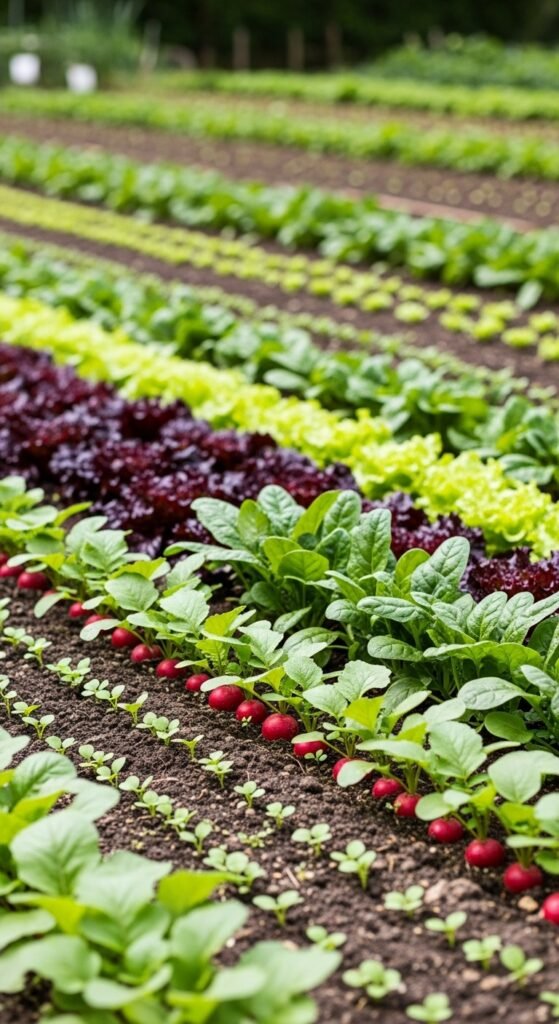
You achieve extended productivity without overwhelming tasks. Reduces waste from overabundance. Preserve extras via pickled carrots.
Plan based on maturity times, replanting harvested areas promptly. This keeps your garden active with minimal replanning.
11) Herb Spiral Design
Construct a spiral mound for herbs, creating microclimates for varied needs. Perfect for a low maintenance vegetable garden focusing on culinary plants.
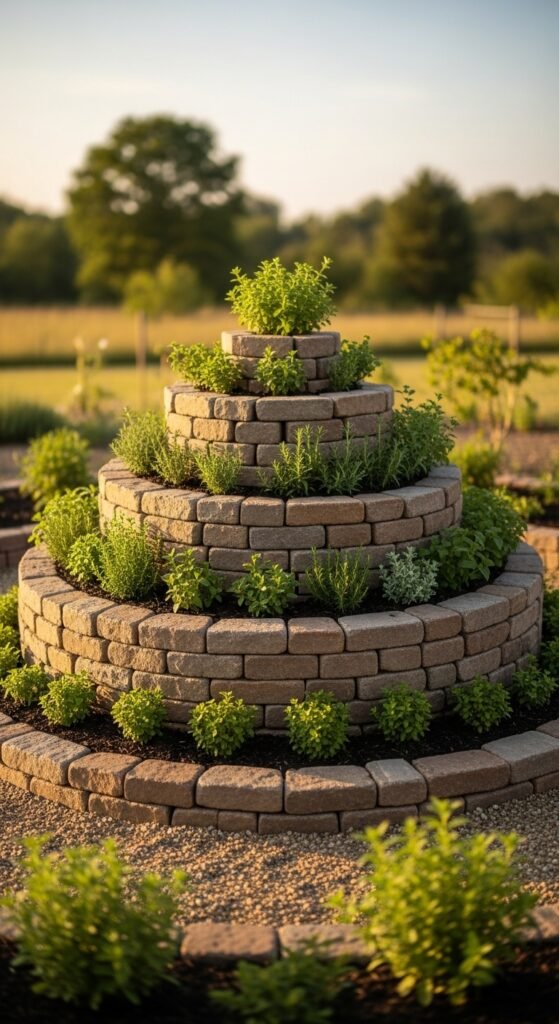
Space efficiency and diverse growing conditions in one structure. Low watering due to design. Tie in drying with outdoor herb drying rack.
Build with stones or bricks, filling with soil. Plant sun-loving at top, moisture-needy at bottom. Harvest as needed for fresh use.
12) Keyhole Garden Layout
A circular bed with a central compost access point, promoting nutrient recycling. Suits arid areas in your low maintenance vegetable garden.
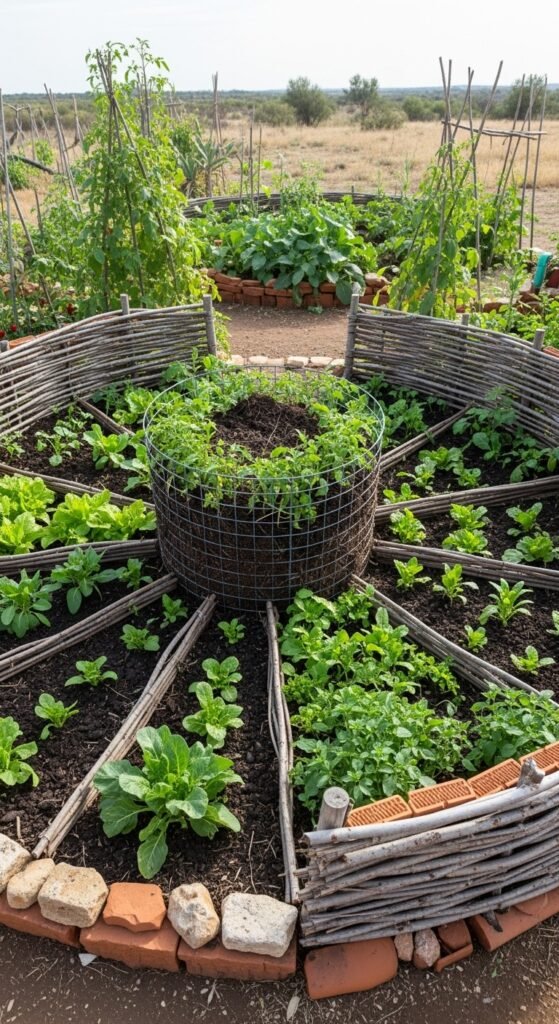
The self-fertilizing system reduces amendments and watering. Easy reach from paths. For similar low-water concepts, review no grass front yard ideas.
Form with recycled materials, adding compost basket. Layer soils and plant radially. Add kitchen scraps to center for ongoing fertility.
13) Lasagna Layering Method
Stack organic materials like newspaper, leaves, and compost to create fertile beds without digging. Ideal for starting a low maintenance vegetable garden.
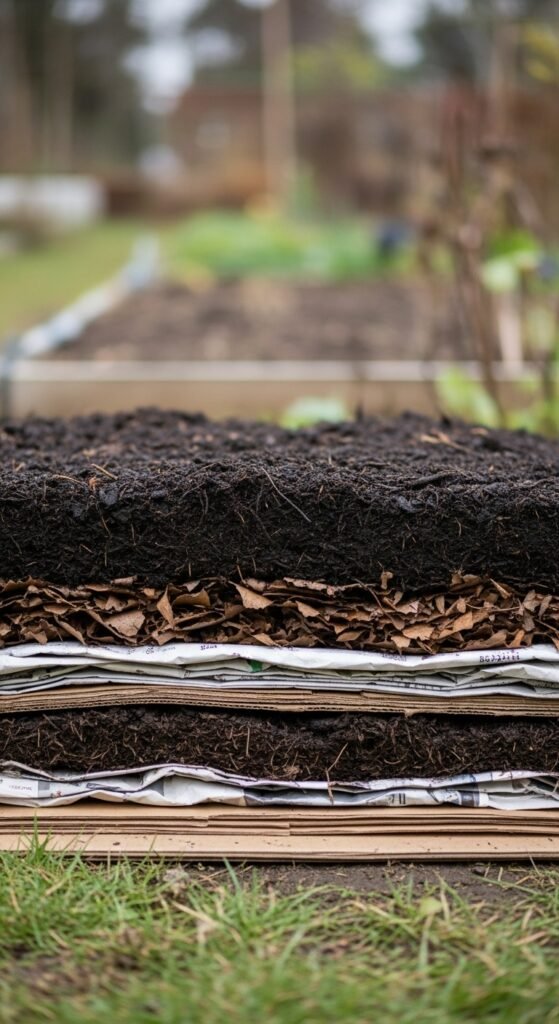
Soil building with minimal effort, suppressing weeds naturally. Improves drainage over time. Complement with front yard ground cover ideas.
Alternate layers in fall, allowing decomposition over winter. Plant in spring. This passive approach yields rich soil for vegetables.
14) Square Foot Gardening Grid
Divide beds into one-foot squares, planting intensively by type. This organized system streamlines your low maintenance vegetable garden.
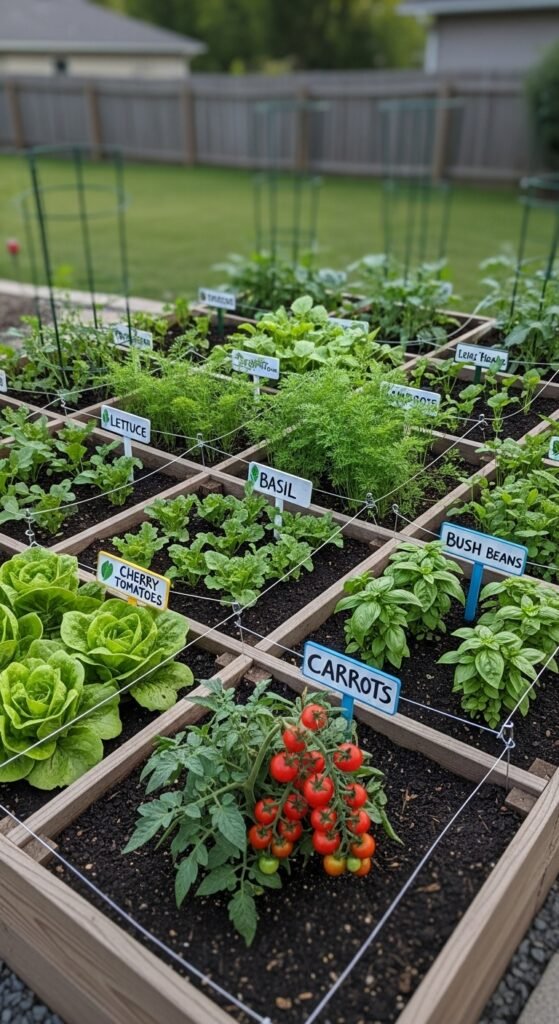
You enjoy maximized space and simplified planning. Reduces overplanting and weeding. For vertical extensions, consider patio plant stand ideas.
Mark grids with string or wood. Follow spacing guides for each crop. Rotate sections seasonally for health.
15) Edible Landscaping Integration
Incorporate vegetables into ornamental beds, blending beauty and function. Your low maintenance vegetable garden becomes part of the landscape.
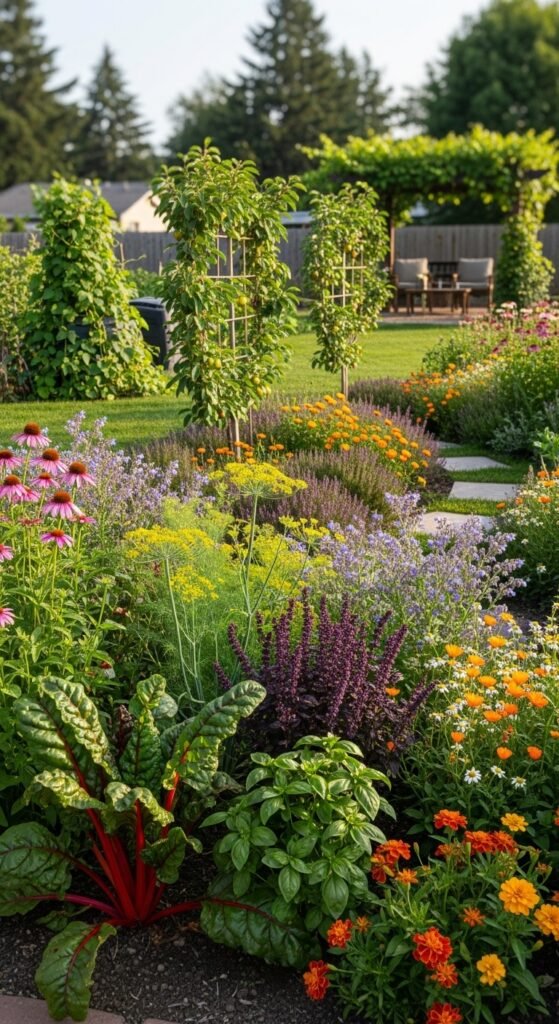
Aesthetic appeal with practical output, using perennials and self-seeders. Minimizes separate maintenance. Preserve harvests like pickled beets.
Mix edibles with flowers, ensuring sun and soil compatibility. This holistic design enhances biodiversity and ease.
Key Principles for Sustaining a Low Maintenance Vegetable Garden
Soil Health Fundamentals
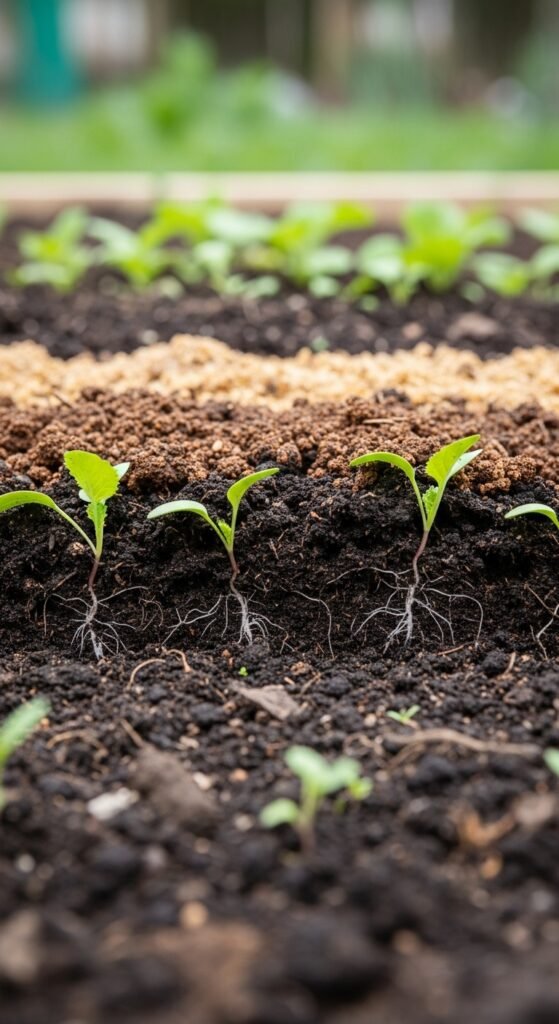
Prioritize organic amendments and testing to maintain balance. Healthy soil supports plant resilience, reducing the need for interventions.
Plant Selection Criteria
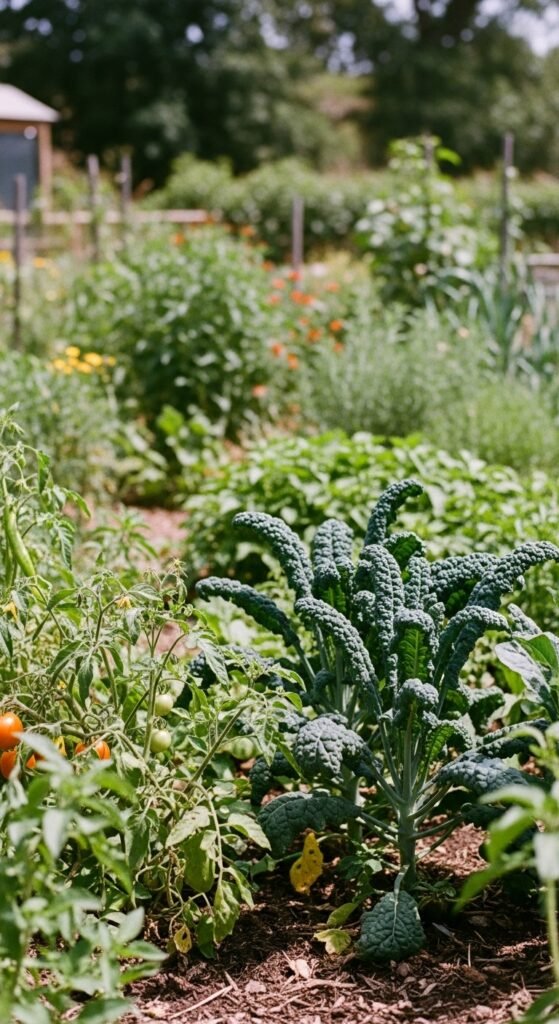
Choose varieties suited to your climate and soil, favoring those with natural resistances. This ensures longevity and minimal care requirements.
Ongoing Maintenance Tips
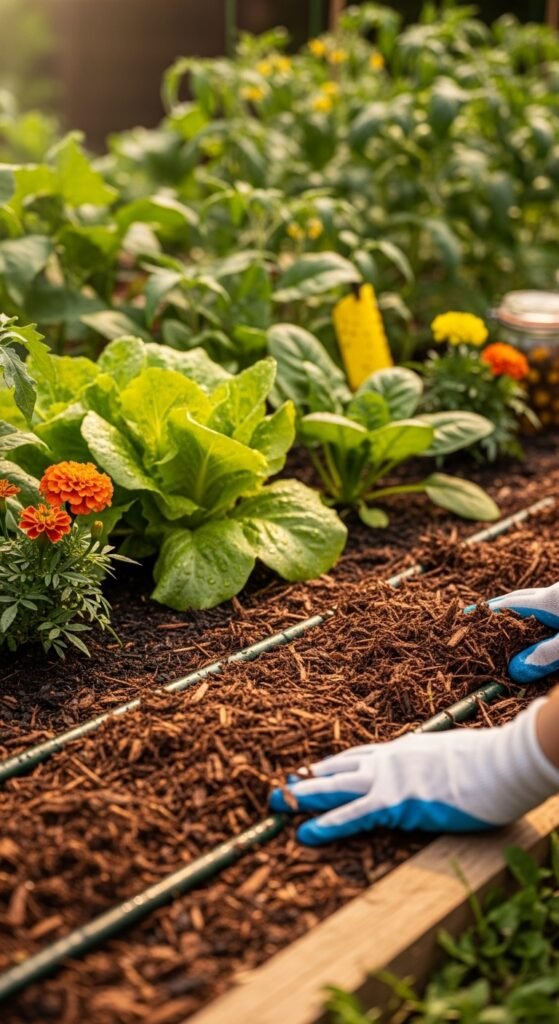
Monitor for issues early, using natural remedies. Regular mulching and efficient watering preserve your garden’s low-effort status.
Frequently Asked Questions
What vegetables are best for a low maintenance garden?
Opt for resilient options like radishes, bush beans, and leafy greens, which grow quickly and require little intervention beyond initial planting.
How much space do I need for a low maintenance vegetable garden?
You can start with as little as 4×4 feet using intensive methods, scaling up based on your harvest goals and available area.
Can I create a low maintenance vegetable garden in shady areas?
Yes, select shade-tolerant vegetables such as spinach, kale, and beets, ensuring at least 4-6 hours of indirect sunlight daily.
What tools are essential for maintaining such a garden?
Basic items include a trowel, watering can, and mulch applicator; automation like timers further reduces hands-on time.
How do I handle pests in a low maintenance setup?
Encourage beneficial insects through diversity and use barriers or companion plants to deter common threats naturally.