Applying a fresh layer of mulch is the quickest way to upgrade your garden’s look, but buying it is often a guessing game. Order too little, and you are left with awkward bare spots. Order too much, and you have a pile of bark sitting in your driveway for months.
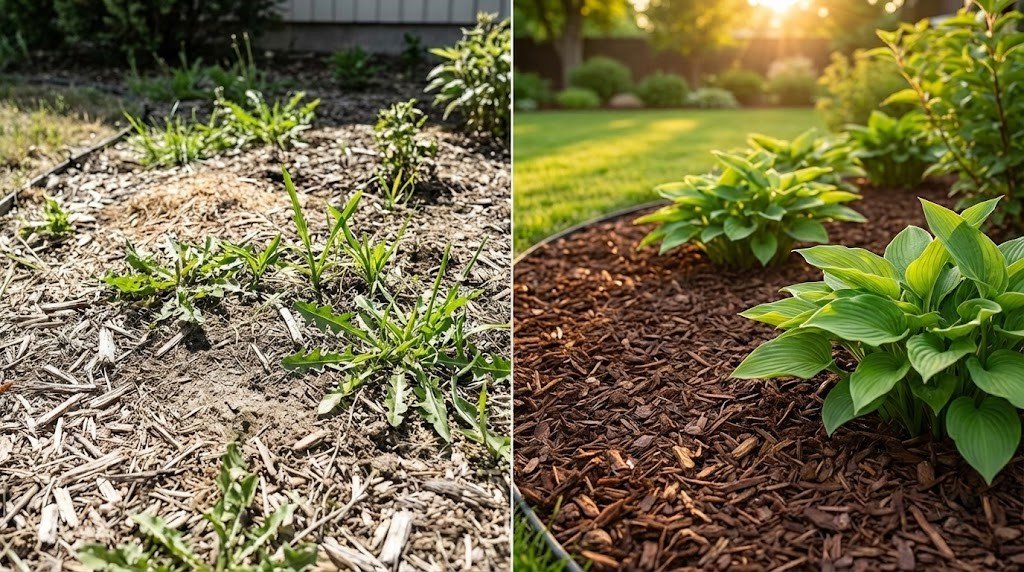
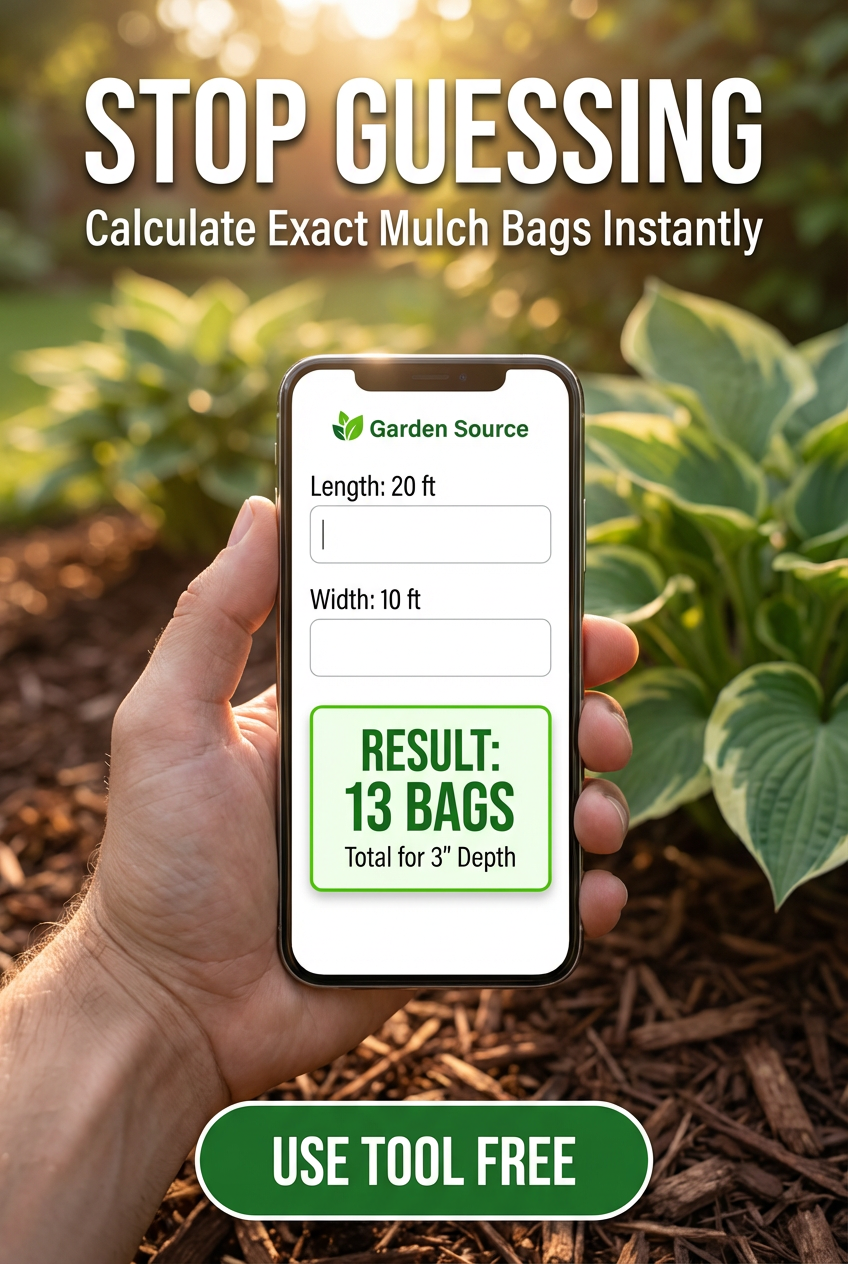
Stop guessing and wasting money. Use our Free Mulch Layer Calculator below. Whether you are covering a small flower bed with bags or landscaping a massive yard with a bulk truck delivery, this tool tells you exactly what you need.
🍂 Mulch Layer Calculator
How to Use This Tool
Calculating coverage is simple if you follow these steps:
- Measure Your Area: Use a tape measure to find the Length and Width of your garden bed in feet. If you have an odd-shaped area, break it down into smaller rectangles and add them together.
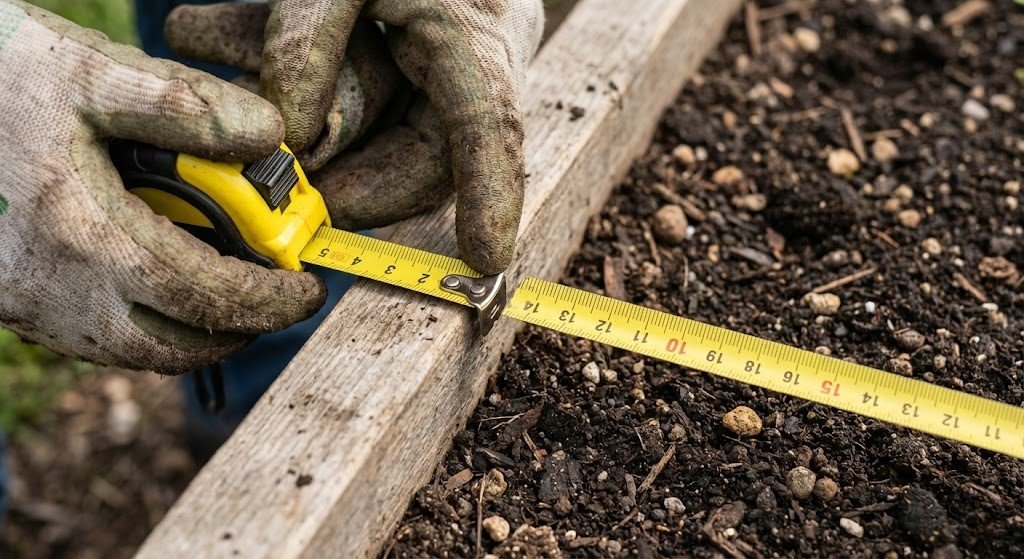
- Decide on Depth: Enter how thick you want the mulch layer to be in inches. (See our guide below if you aren’t sure).
- Get Your Result: The tool will instantly convert your dimensions into Cubic Feet, Cubic Yards (for bulk orders), and standard 2-cubic-foot bags.
Why We Built This (The “Secret Sauce”)
Most calculators just do the math. We wanted to help you do the job right. That is why our tool includes Smart Depth Warnings.
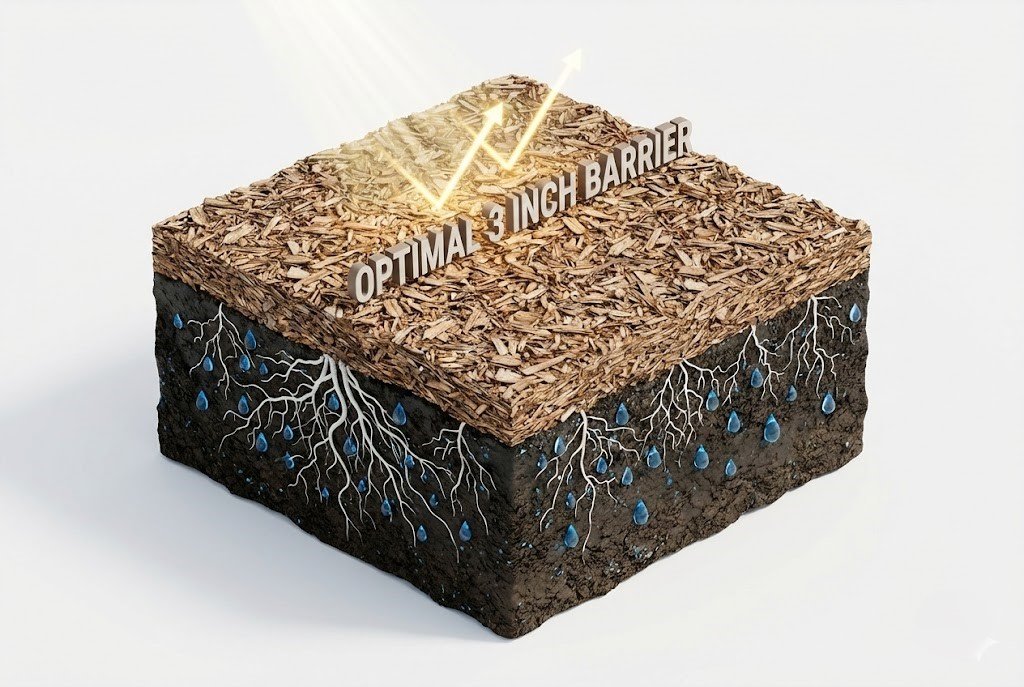
Mulch isn’t just decoration; it’s a functional layer for your soil. If you apply it too thin (under 2 inches), weeds will push right through. If you pile it too high (over 4 inches), you can suffocate your plants and create a breeding ground for mold. Our tool alerts you immediately if your planned depth is risky.
Educational Guide: Mulching Like a Pro
Choosing the right mulch is just as important as buying the right amount. Different materials serve different purposes in the garden.
1. Bark Mulch vs. Compost
Bark mulch is great for suppressing weeds and looking good on pathways. However, for vegetable gardens, we recommend using organic compost as a mulch. It feeds the soil as it breaks down.
2. Using Mulch in Raised Beds
If you are finishing off a raised bed, mulch helps retain water during hot summers. Make sure your underlying soil is high quality first. Check our guide on raised bed gardening ideas to ensure you have the right foundation.
3. Saving Money on Volume
If our calculator shows you need more than 1 Cubic Yard (which is about 13-14 bags), it is almost always cheaper to buy bulk from a local landscape supply yard. If you are filling a very deep area, consider using the hugelkultur method to fill the bottom volume for free.
Frequently Asked Questions
How thick should mulch be to stop weeds?
To effectively suppress weeds, a mulch layer should be at least 3 inches deep. This blocks enough sunlight to prevent weed seeds from germinating while retaining soil moisture.
How many bags of mulch make a cubic yard?
One cubic yard equals 27 cubic feet. Since most standard mulch bags sold at Home Depot or Lowe’s are 2 cubic feet, you need 13.5 bags to equal one cubic yard.
Should I remove old mulch before adding new mulch?
Usually, no. If the old mulch has decomposed into dirt, you can simply mulch over it. However, if the old layer is still thick (over 3 inches) or has fungal mats, you should rake some away before adding a fresh layer to avoid suffocating the soil.