Building a new garden bed is one of the best projects you can start this season, but buying the soil is usually the most stressful part. If you buy too little, you are stuck making a second trip to the store covered in dirt. If you buy too much, you’ve wasted money that could have been spent on better seeds or fertilizers.
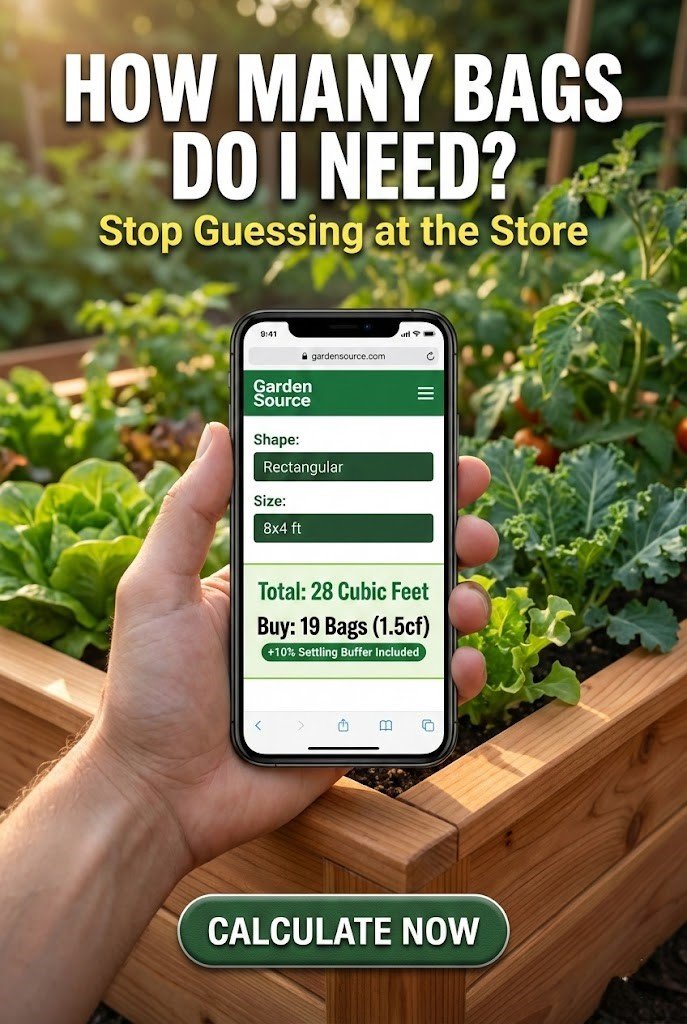
Stop guessing at the hardware store. Use our Free Raised Bed Soil Calculator below to determine exactly how many cubic feet and bags of soil you need. Whether you are building a standard wooden box or using galvanized metal rounds, we have done the math for you.
🌱 Raised Bed Soil Calculator
*Includes +10% extra for soil settling so you don’t run short.
Check Today’s Soil Prices on Amazon »How to Use This Calculator
We designed this tool to be as simple as possible. Just grab a tape measure and follow these steps:
- Select Your Shape: Choose “Rectangular” for standard wooden beds or “Circular” for metal rounds and pots.
- Measure Length & Width: Measure the inside of your bed frame in feet. (e.g., A standard bed is usually 8 feet by 4 feet).
- Measure Depth: Determine how deep you want the soil to be in inches. Tip: Leave 1–2 inches of space at the top so soil doesn’t spill out when you water.
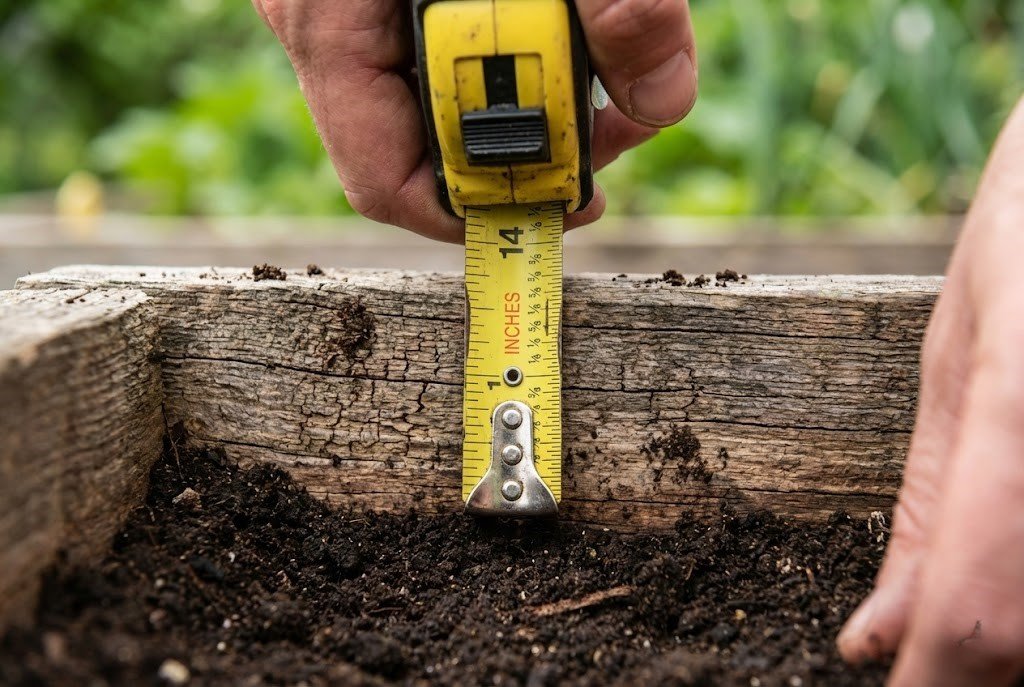
- Click Calculate: The tool will instantly tell you how many bags to buy based on standard store sizes (1.5 cu ft or 2.0 cu ft).
Why We Built This (The “Secret Sauce”)
You might notice our calculator gives you a slightly higher number than others you find on Google. This is intentional, and here is why:
Soil shrinks. When you pour fluffy soil out of a bag, it is full of air. As soon as you water your raised bed for the first time, that soil will settle and compress.
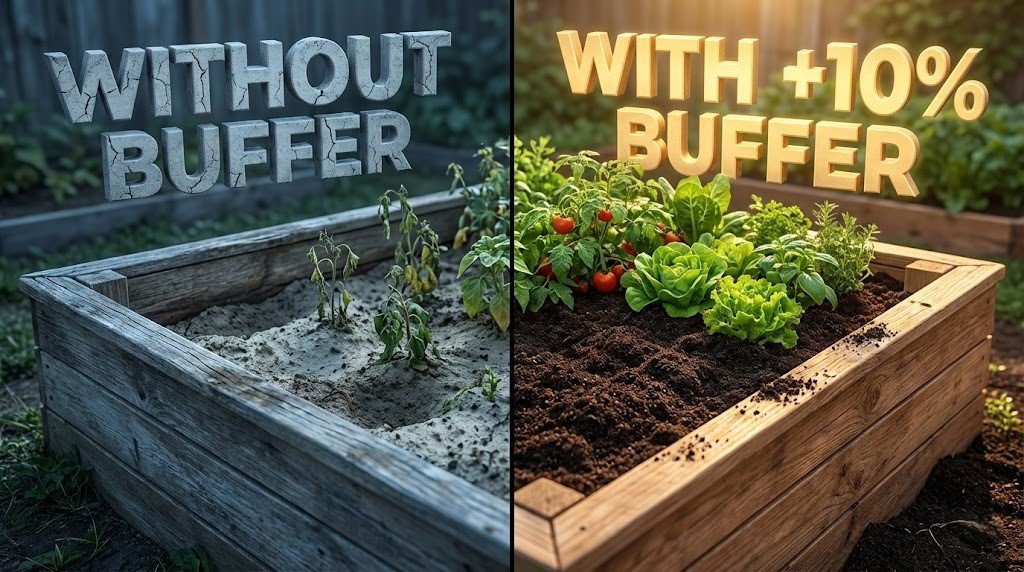
Most calculators rely on simple math (Length × Width × Height), which leaves you with a bed that is only 80% full after the first rain. Our tool automatically adds a 10% “Settling Buffer” to your results. This ensures that when you are finished planting, your garden bed is actually full.
Educational Guide: Choosing the Right Mix
Knowing how much soil you need is step one. Knowing what kind to buy is step two. Do not make the mistake of filling your raised bed with cheap “Topsoil” or “Garden Soil” bags meant for the ground—they are too heavy and will suffocate your plants.
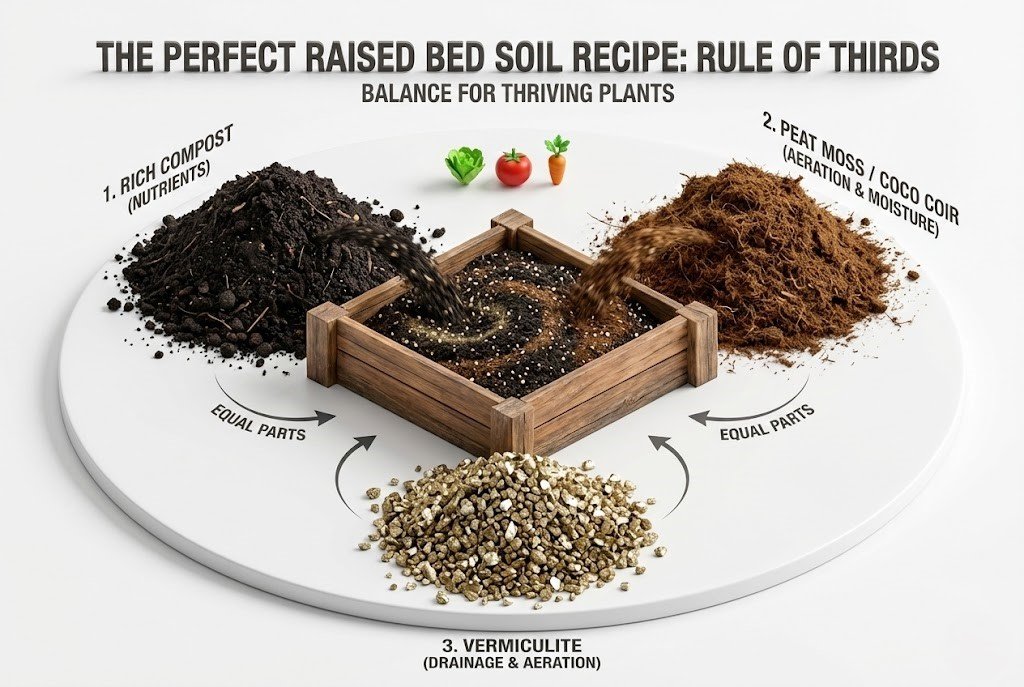
For the best results, we recommend a mix that is fluffy and holds water. If you are mixing your own, try the classic Rule of Thirds:
- 1/3 High-Quality Organic Compost (for nutrients)
- 1/3 Peat Moss or Coco Coir (for water retention)
- 1/3 Coarse Vermiculite (for drainage and aeration)
If you have a very deep bed (over 18 inches), you don’t need to fill the entire thing with expensive soil. Check out our guide on how to fill tall raised beds cheaply using the “Hugelkultur” method with logs and leaves at the bottom.
Frequently Asked Questions
How many cubic feet are in a cubic yard of soil?
There are exactly 27 cubic feet in 1 cubic yard. If our calculator indicates you need more than 27 cubic feet of soil, it is usually more cost-effective to order a bulk truck delivery from a local landscape yard rather than buying individual bags from a big-box store.
How deep should soil be for a raised bed?
For shallow-rooting crops like lettuce, herbs, and leafy greens, 6 inches is sufficient. However, for a productive vegetable garden with tomatoes, carrots, or peppers, you should aim for a depth of 12 to 18 inches to allow for healthy root development.
Can I use regular dirt from my yard in a raised bed?
We generally advise against it. Native ground soil is often too compact and may contain weed seeds or clay that drains poorly in a container environment. It is better to start fresh with a dedicated raised bed mix to ensure your plants thrive.