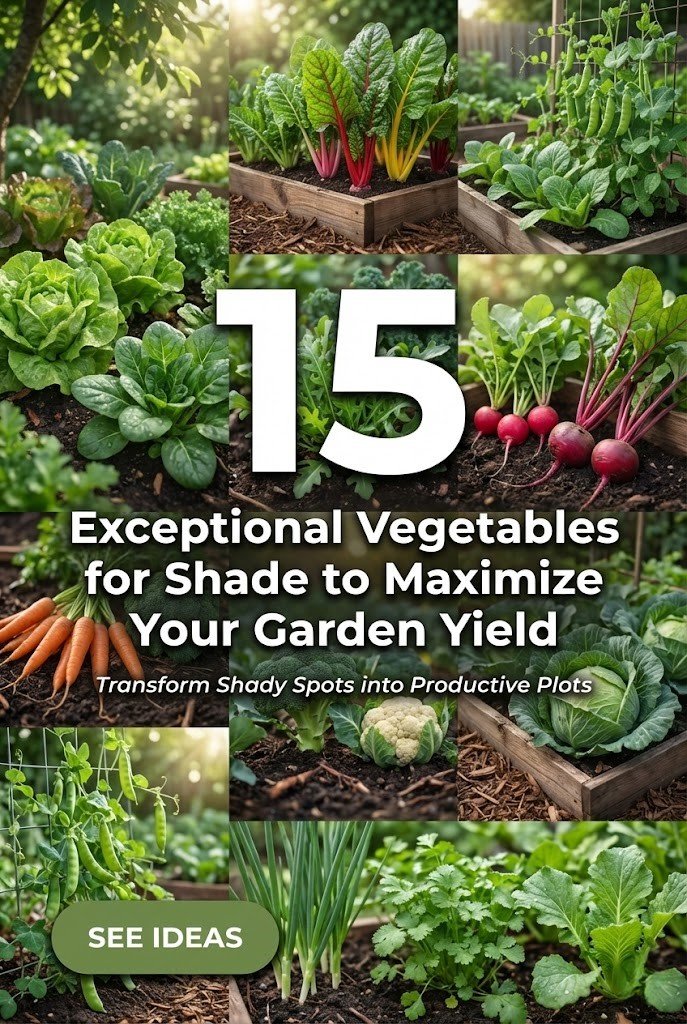
Growing vegetables in shaded areas presents unique opportunities for gardeners facing limited sunlight. You can successfully cultivate a variety of crops that thrive with just four to six hours of direct sun daily, transforming underutilized spaces into productive plots. These shade-tolerant vegetables often require less water and are more resistant to bolting in hot weather, allowing you to extend your harvest season.
The value of incorporating shade vegetables into your garden lies in their ability to optimize space and resources. By selecting plants adapted to lower light conditions, you enhance biodiversity and soil health while reducing competition for sunny spots. This approach not only boosts overall yield but also promotes sustainable practices, ensuring a bountiful supply of fresh produce even in challenging environments.
1) Lettuce
Lettuce is a versatile leafy green that excels in partial shade, making it an ideal choice for gardens with limited sunlight. Varieties such as romaine, butterhead, and loose-leaf perform well, producing tender leaves with minimal bitterness when shielded from intense afternoon rays.
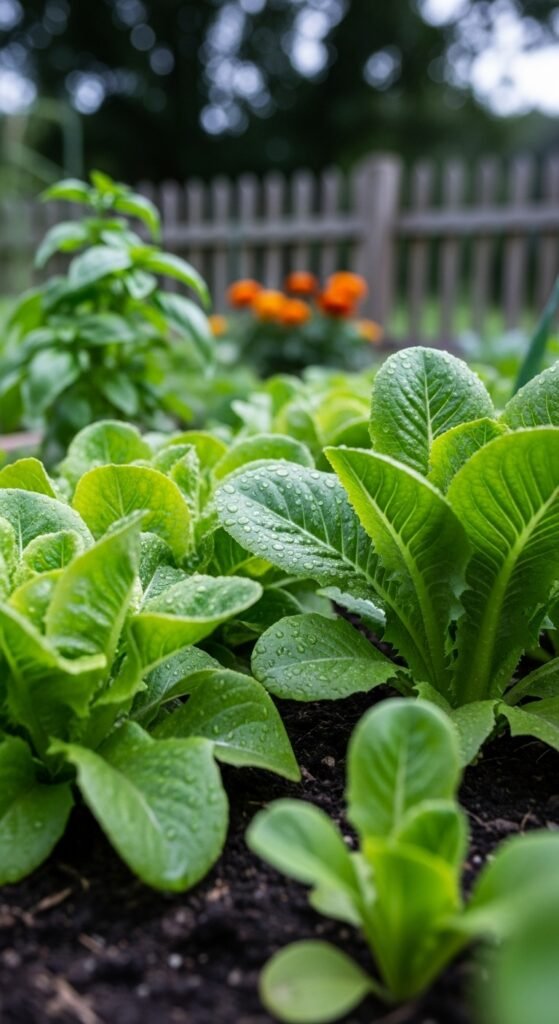
You will appreciate lettuce for its quick growth cycle, often ready to harvest in just 30 to 60 days, and its ability to thrive in cooler conditions. This vegetable requires consistent moisture to prevent bolting, but shade helps maintain soil dampness, reducing your watering efforts. Nutritionally rich in vitamins A and K, it supports a healthy diet while adding fresh crunch to salads and sandwiches.
To grow lettuce successfully, sow seeds directly in well-drained soil enriched with compost. Space plants 6 to 12 inches apart, ensuring they receive at least four hours of filtered light. Harvest outer leaves regularly to encourage continuous production, and consider interplanting with taller crops for natural shade enhancement.
2) Spinach
Spinach, a nutrient-dense leafy vegetable, flourishes in shaded environments where it develops vibrant, iron-rich leaves. Both smooth and savoy types adapt well, offering a mild flavor that enhances various dishes from smoothies to sautés.
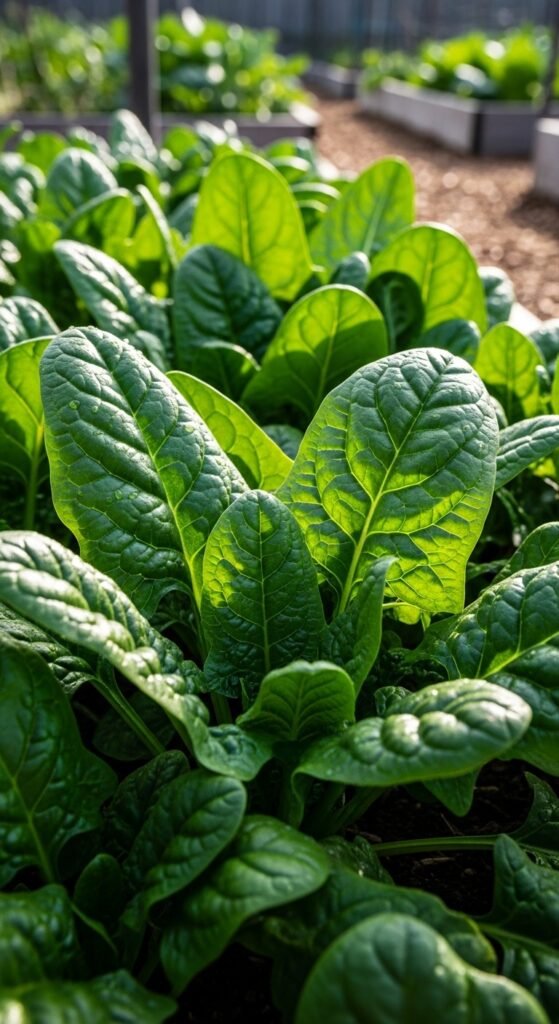
You benefit from spinach’s preference for cooler temperatures, as shade prevents premature flowering and maintains leaf quality. This crop matures in 40 to 50 days, providing multiple cuttings throughout the season. Its high folate and antioxidant content make it a valuable addition to your meals, supporting overall wellness.
Plant spinach seeds in fertile, moist soil with a pH of 6.5 to 7.0, spacing them 3 to 6 inches apart. In shaded spots, monitor for consistent humidity to avoid wilting. For optimal results, pair it with companion planting vegetables like radishes to maximize space efficiency.
3) Kale
Kale stands out as a hardy brassica that prospers in partial shade, yielding robust leaves packed with vitamins C and K. Curly, lacinato, and red varieties offer diverse textures and colors for culinary versatility.
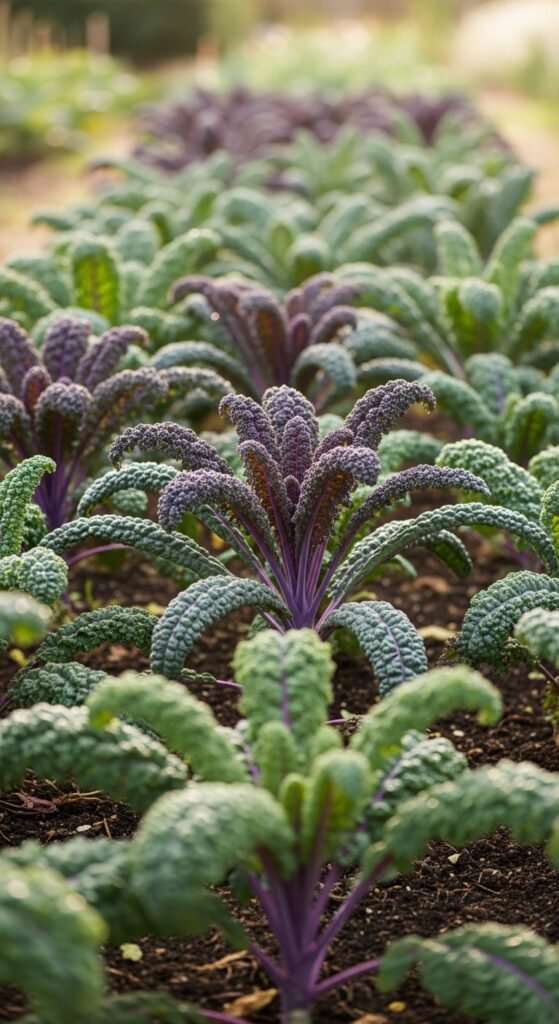
You will find kale resilient against light frosts, extending your harvest into cooler months. Shade mitigates heat stress, resulting in sweeter, more tender foliage. This superfood supports immune health and can be enjoyed raw, steamed, or in chips, making it a staple for nutritious eating.
Sow kale seeds in nutrient-rich soil, thinning seedlings to 12 to 18 inches apart. It tolerates as little as three hours of sun, but ensure good air circulation to prevent pests. Harvest lower leaves first, and integrate into a polyculture garden for enhanced biodiversity.
4) Swiss Chard
Swiss chard, with its colorful stems and broad leaves, thrives in shaded gardens, providing a continuous supply of greens rich in magnesium and potassium. Rainbow and ford hook varieties add visual appeal alongside nutritional value.
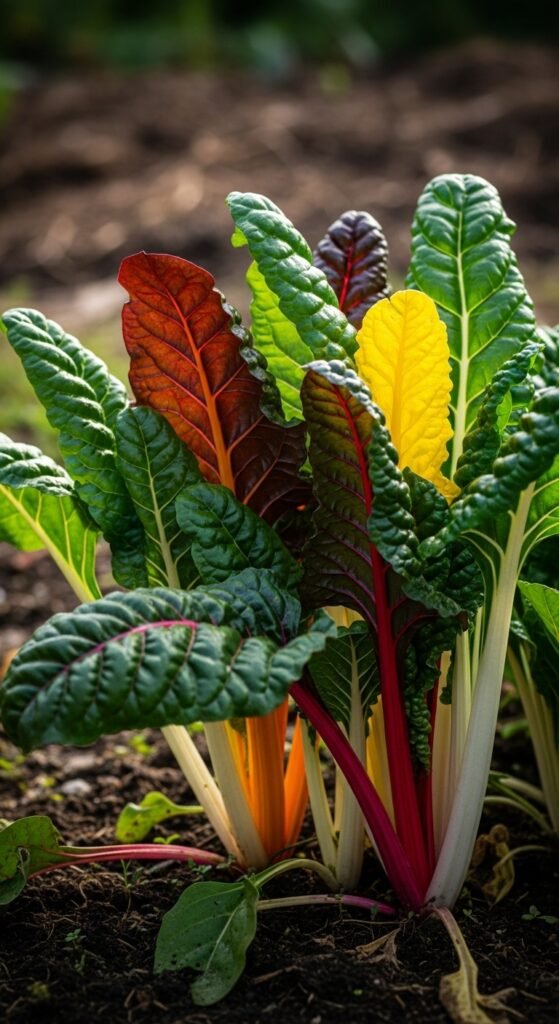
You gain from chard’s tolerance to both heat and cold, though shade helps preserve its vibrant hues and prevents bolting. Maturing in 50 to 60 days, it allows for successive plantings. The leaves and stems offer a mild, earthy flavor suitable for salads, stir-fries, or as spinach substitutes.
Plant seeds in well-amended soil, spacing 6 to 12 inches apart. In low-light areas, maintain even moisture for optimal growth. Consider growing in container vegetable gardening setups for flexibility in shaded patios or balconies.
5) Arugula
Arugula, also known as rocket, excels in partial shade with its peppery leaves that add zest to salads and pizzas. This fast-growing green matures in 20 to 40 days, ideal for quick harvests.
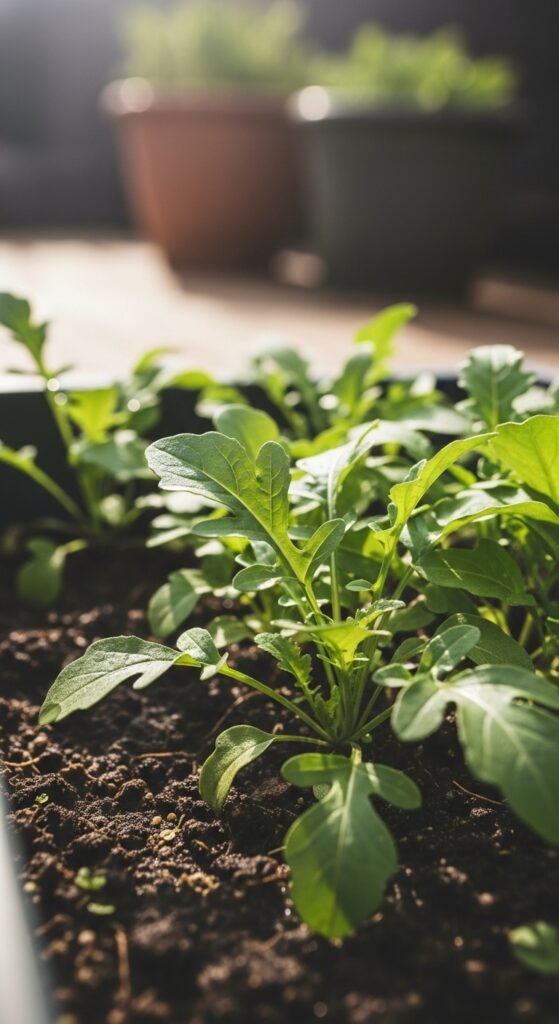
You will enjoy arugula’s ability to withstand cooler shades, reducing spiciness that develops in full sun. Packed with vitamin K and antioxidants, it promotes bone health and adds a gourmet touch to everyday meals without extensive care.
Sow seeds shallowly in loose, fertile soil, thinning to 4 to 6 inches. Shade prolongs the harvest by delaying bolting; pick young leaves for best flavor. Incorporate into a fall vegetable garden for extended seasonal production.
6) Radishes
Radishes offer crisp, spicy roots that mature rapidly in shaded conditions, ready in 20 to 30 days. Globe, French breakfast, and daikon varieties provide options for different flavors and uses.
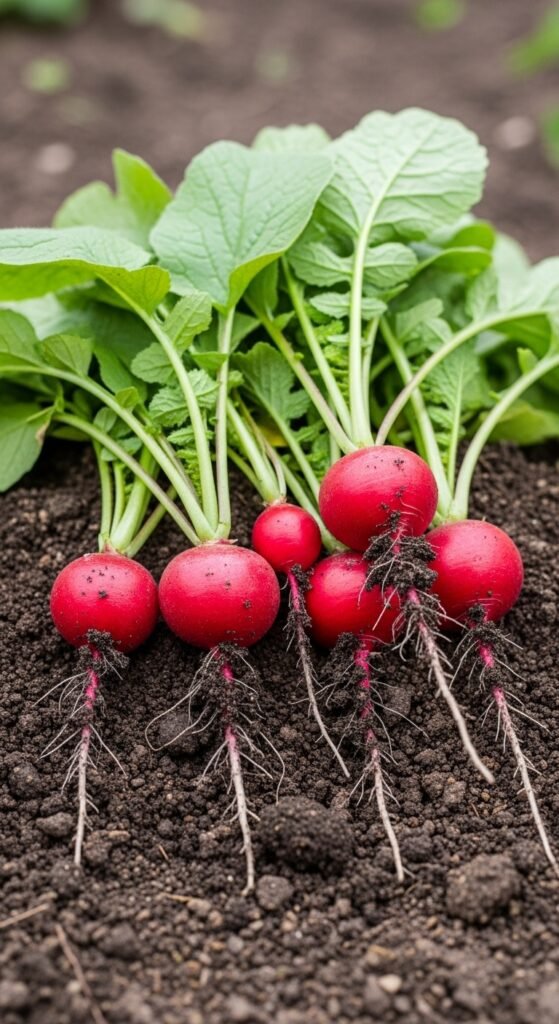
You benefit from radishes’ compact growth, making them perfect for intercropping in limited light. Shade tempers their heat, resulting in milder tastes. High in vitamin C, they support immunity and can be eaten raw, pickled, or roasted.
Plant seeds in loose soil to prevent woody roots, spacing 2 to 4 inches apart. Consistent moisture is key in shade to avoid cracking. Use as markers in rows with slower-growing crops, enhancing your garden’s efficiency.
7) Beets
Beets produce sweet roots and edible greens in partial shade, with varieties like Detroit dark red and chioggia offering unique colors and tastes. The entire plant is nutritious, rich in fiber and betalains.
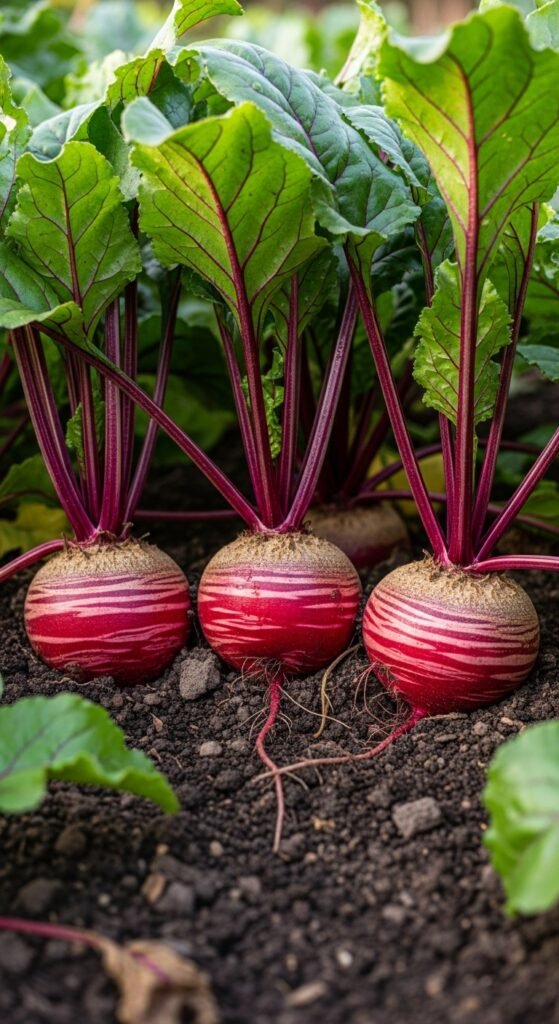
You appreciate beets for their dual-purpose harvest, where shade promotes larger leaves without compromising root development. Maturing in 50 to 70 days, they store well for long-term use in salads, soups, or juices.
Sow seeds in deep, sandy soil, thinning to 3 to 4 inches. Shade reduces watering needs; harvest when roots reach 1 to 3 inches for tenderness. Explore planting in a keyhole garden for space-saving benefits.
8) Carrots
Carrots develop sweet, crunchy roots in shaded spots, with short or baby varieties like Nantes performing best. They provide beta-carotene for eye health and versatile culinary applications.
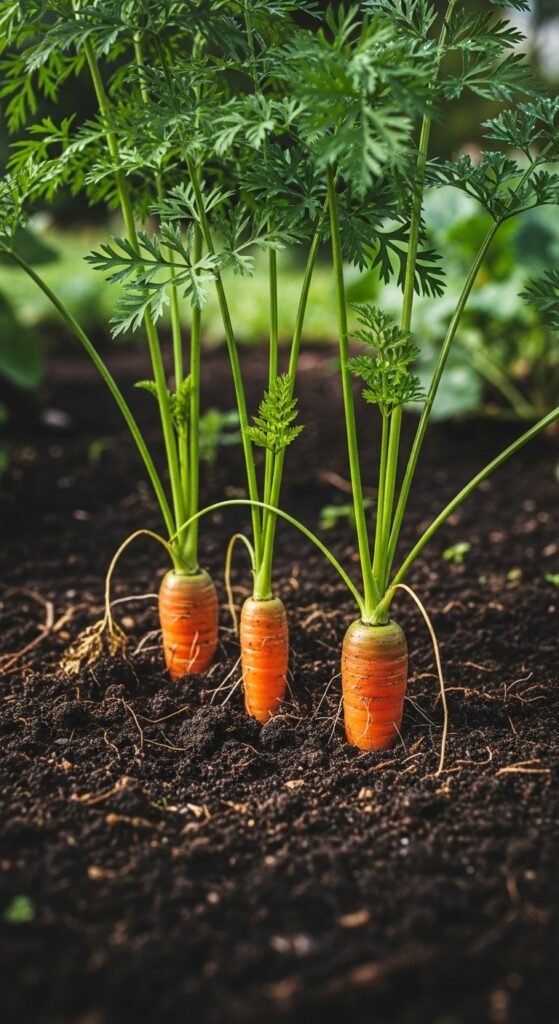
You gain from carrots’ adaptability to low light, though growth may slow slightly, yielding flavorful results. Shade helps maintain soil moisture, crucial for straight root formation without forking.
Plant seeds in loose, rock-free soil, thinning to 2 inches apart. In partial shade, ensure at least four hours of sun for optimal sweetness. Pull when tops indicate readiness, and consider succession planting for continuous supply.
9) Broccoli
Broccoli forms tight heads in partial shade, rich in sulforaphane for detoxification support. Varieties like calabrese and sprouting types extend harvests through side shoots.
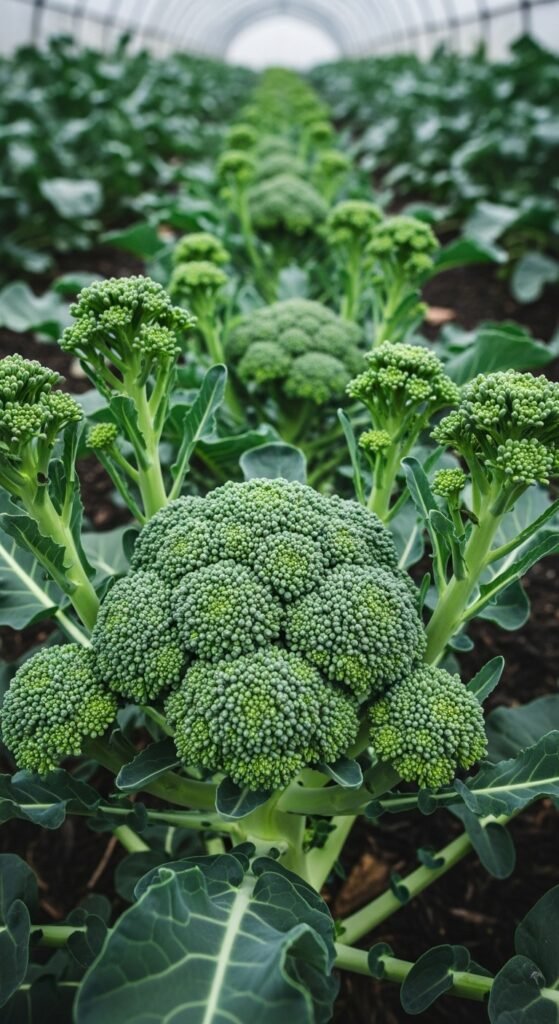
You will find broccoli less prone to bolting in shade, allowing for larger, more tender florets. Maturing in 50 to 85 days, it thrives in cooler microclimates, enhancing your cool-season yields.
Transplant seedlings into rich soil, spacing 18 to 24 inches. Shade aids in moisture retention; harvest central heads to promote sides. Integrate with low-maintenance vegetable garden strategies for ease.
10) Cauliflower
Cauliflower produces dense curds in shaded gardens, with white, purple, and orange varieties adding diversity. It’s loaded with vitamins C and K for immune and bone health.
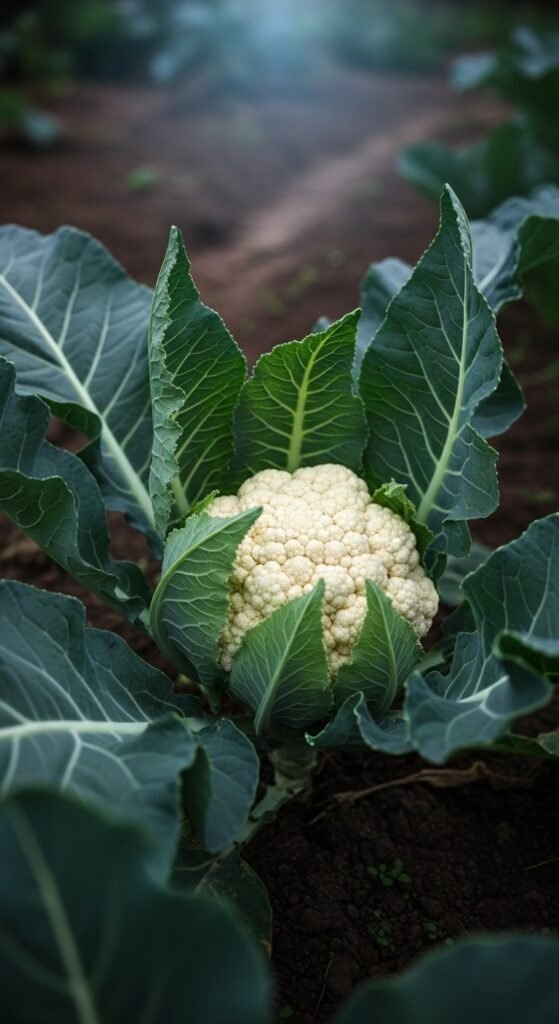
You benefit from shade’s role in preventing discoloration and bitterness, ensuring premium quality. This crop matures in 50 to 100 days, preferring consistent coolness that low light provides.
Start indoors and transplant into fertile soil, spacing 18 inches. Blanch heads by tying leaves over them in brighter shade. Monitor for even watering to avoid stress cracks.
11) Cabbage
Cabbage forms compact heads in partial shade, offering varieties like savoy and red for texture and color. High in fiber and vitamin C, it’s excellent for ferments and slaws.
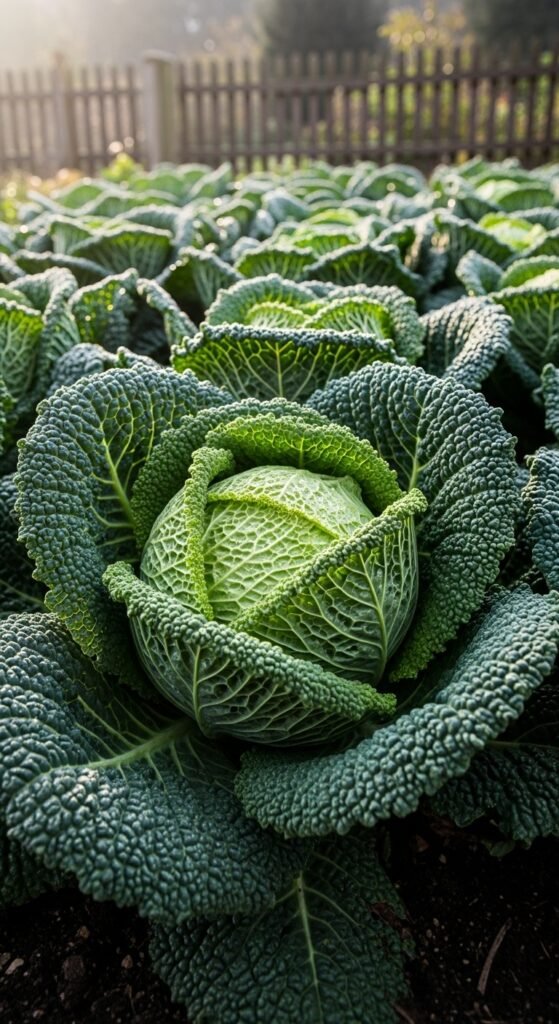
You enjoy cabbage’s tolerance to low light, which reduces splitting risks from heat. Maturing in 60 to 100 days, it stores well, providing winter sustenance from fall plantings.
Plant in nitrogen-rich soil, spacing 12 to 24 inches. Shade minimizes pest pressure; harvest when heads feel firm. Consider for a winter vegetable garden ideas extension.
12) Peas
Peas yield sweet pods and shoots in shaded areas, with snap, snow, and shelling types suiting various needs. They fix nitrogen, improving soil for subsequent crops.
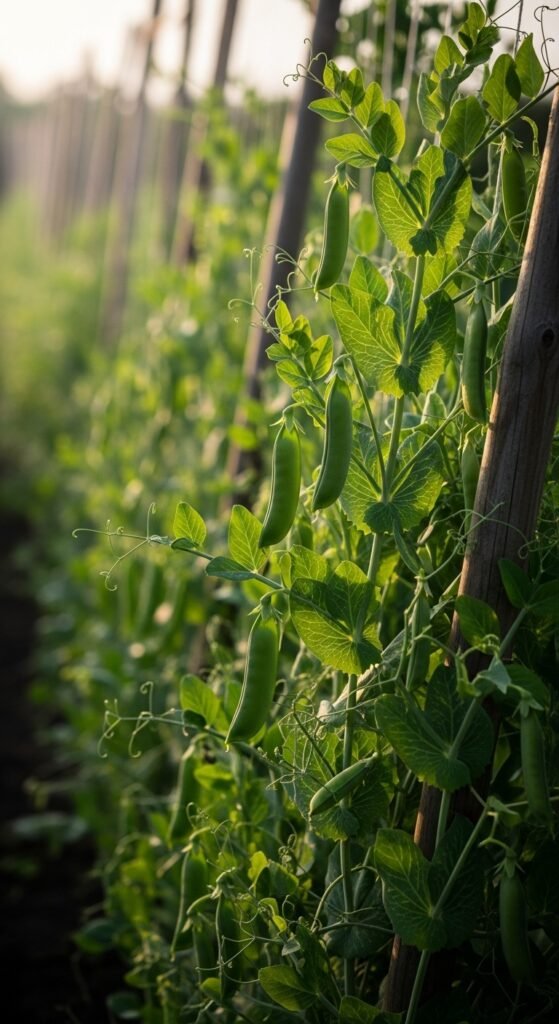
You value peas for their vertical growth, maximizing space in low-light corners. Shade extends the harvest by delaying maturity in warmth, with vines reaching 2 to 6 feet.
Sow seeds along supports in cool soil, spacing 2 inches. Provide trellising for air flow; pick frequently to encourage production. Ideal for early spring in shaded plots.
13) Green Onions
Green onions, or scallions, grow slender bulbs and tops in shade, adding mild onion flavor to dishes. Bunch-forming varieties allow for dense planting.
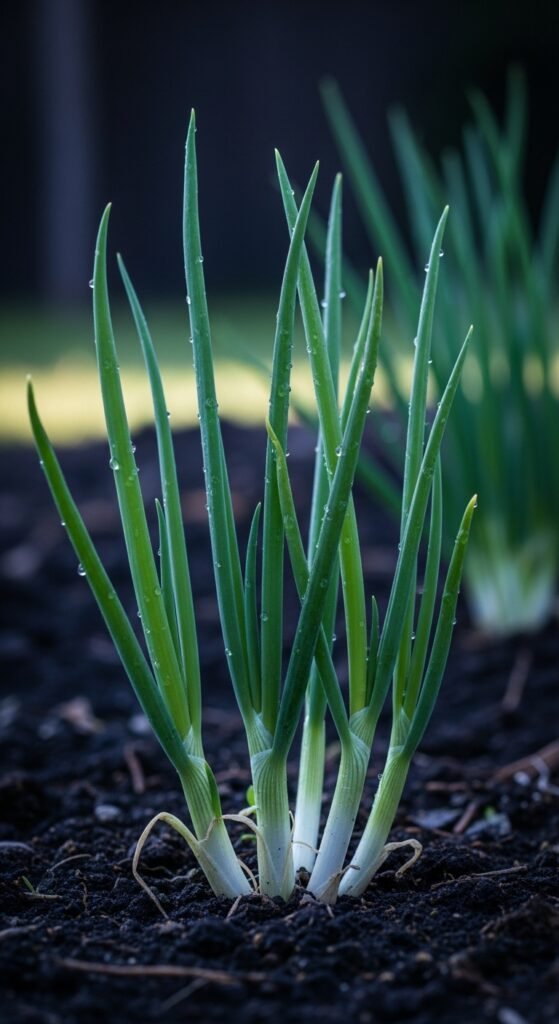
You will like their rapid 60-day cycle and minimal space needs, thriving with filtered light. Shade keeps them tender, preventing toughness from sun exposure.
Plant sets or seeds in moist soil, spacing 1 to 2 inches. Harvest as needed by pulling entire plants or snipping tops. Regrow from kitchen scraps for sustainability.
14) Cilantro
Cilantro provides fresh leaves and coriander seeds in partial shade, enhancing global cuisines. Slow-bolt varieties extend leaf harvest in cooler conditions.
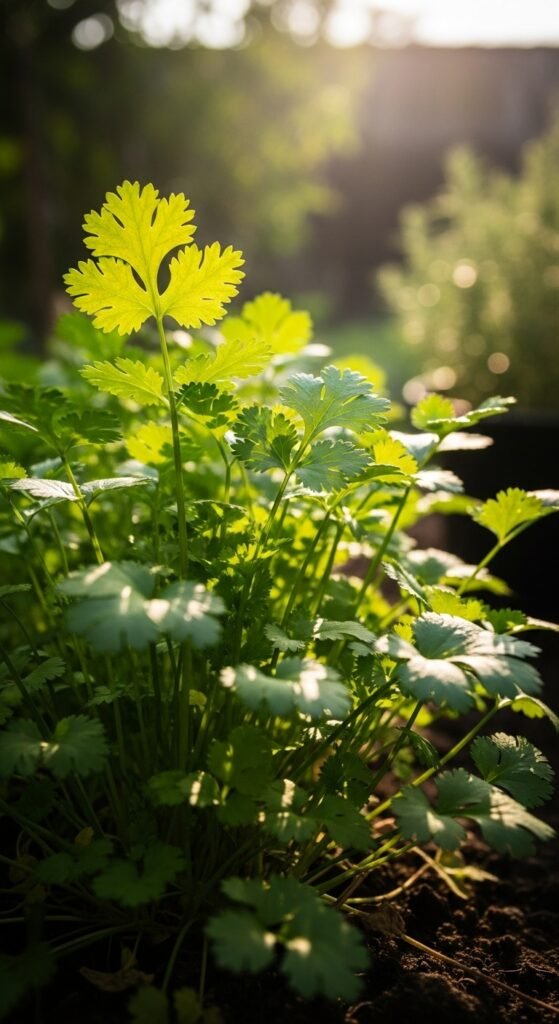
You gain from shade’s delay in flowering, prolonging the vegetative stage for more foliage. This herb matures quickly, in 45 to 70 days, and self-seeds readily.
Sow successively in well-drained soil, thinning to 6 inches. Shade reduces watering frequency; clip leaves regularly. Pair with tomatoes for natural pest deterrence.
15) Mustard Greens
Mustard greens offer spicy, nutritious leaves in shaded gardens, with varieties like red giant providing bold flavors. Rich in glucosinolates, they support detoxification.
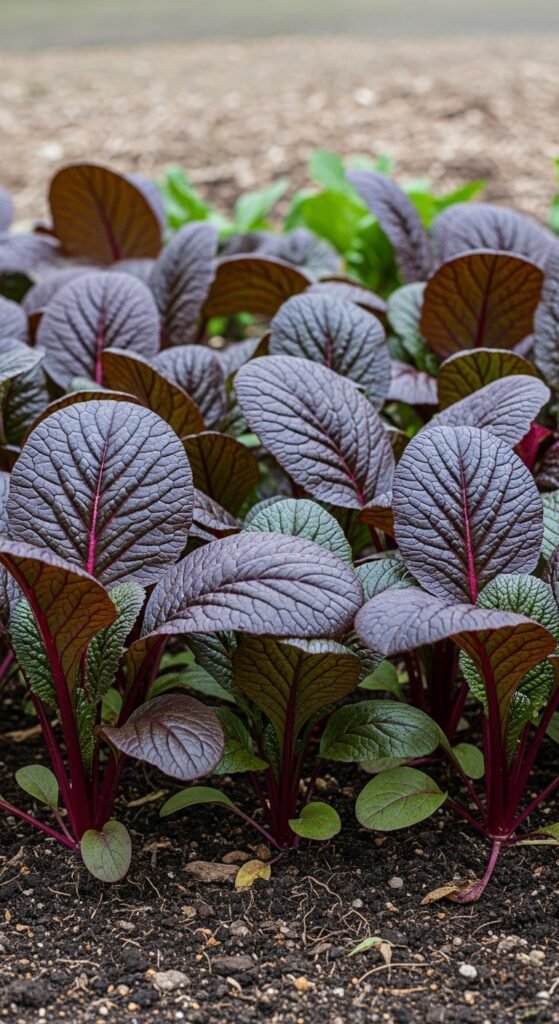
You appreciate their cold hardiness and quick growth, ready in 30 to 60 days. Shade tempers pungency, making them more palatable for fresh use in salads or wraps.
Plant in fertile soil, spacing 6 to 12 inches. Harvest young for mildness or mature for intensity. Incorporate into rotations to break pest cycles effectively.
Key Principles for Shade Vegetable Gardening
Soil Preparation
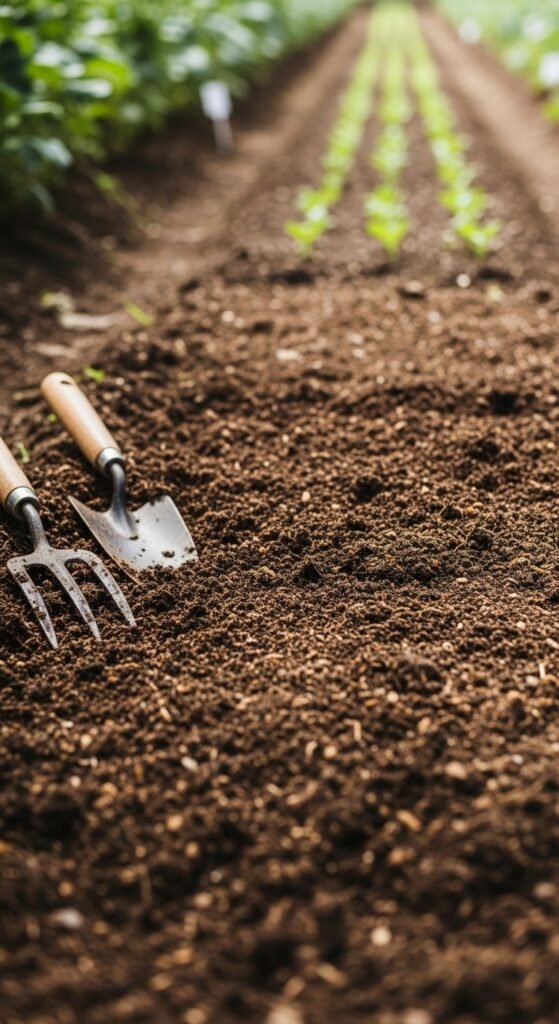
Enhance shaded soil with organic matter to improve drainage and nutrient availability. You should aim for a loose texture to support root development in low-light conditions.
Watering Strategies
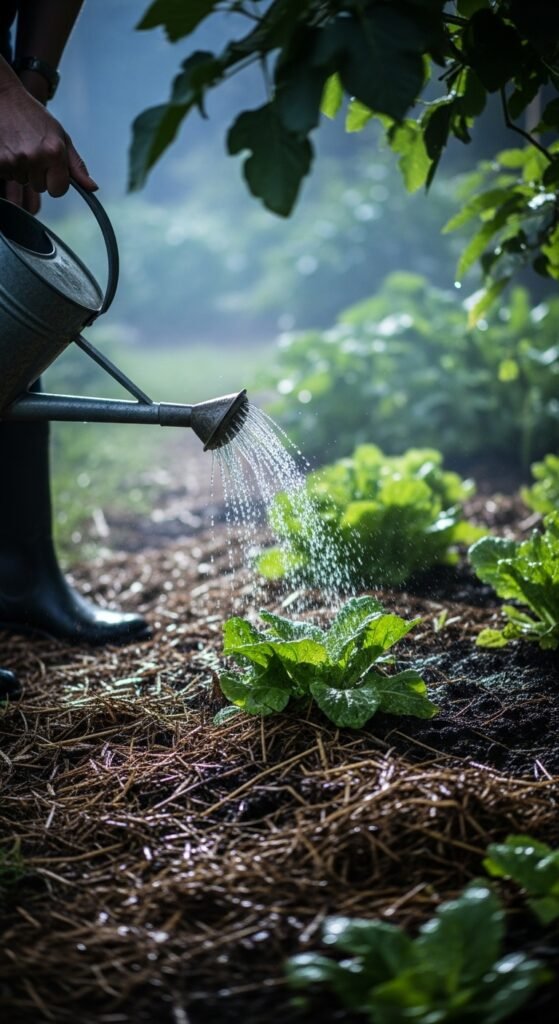
Maintain consistent moisture without overwatering, as shade reduces evaporation. Use mulch to retain humidity and suppress weeds, optimizing your garden’s efficiency.
Pest Management
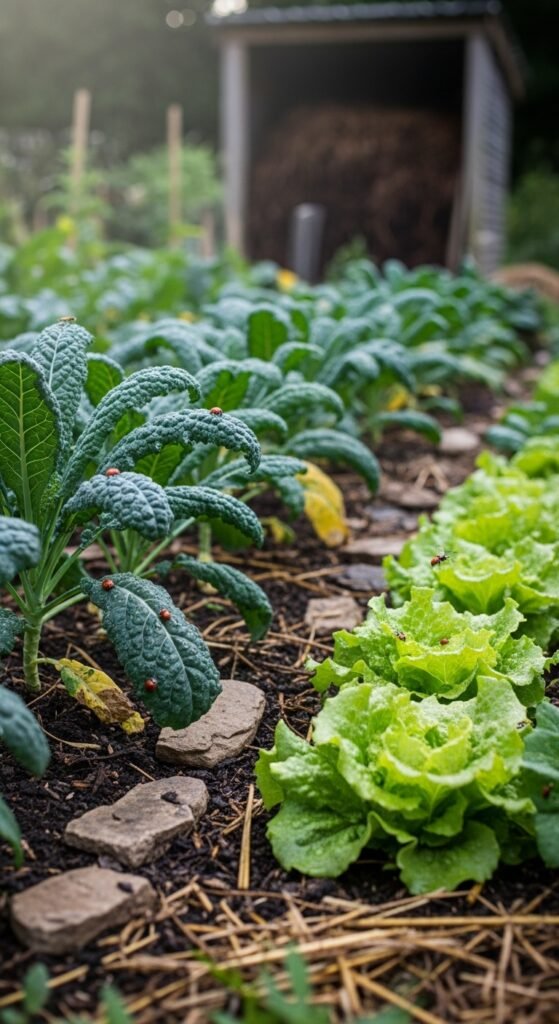
Monitor for slugs and snails common in damp shade. Encourage beneficial insects and use organic barriers to protect your crops naturally.
Frequently Asked Questions
What is the minimum sunlight required for shade vegetables?
Most shade-tolerant vegetables need at least three to six hours of dappled or indirect sunlight daily to produce adequately.
Can I grow root vegetables in full shade?
Root vegetables like carrots and beets prefer partial shade but may yield smaller sizes in deeper shade; experiment with varieties for best results.
How do I prevent bolting in shade greens?
Choose bolt-resistant varieties and maintain cool, moist conditions; shade naturally helps by reducing heat stress.
Are shade vegetables less nutritious?
No, shade vegetables often retain high nutrient levels; some, like leafy greens, may even develop more antioxidants in response to lower light.
When should I plant shade vegetables?
Plant in early spring or late summer for cool-season crops; this timing leverages milder temperatures and available moisture.