Growing tomatoes in containers is a fantastic way to enjoy fresh, homegrown produce even if you have limited space. Whether you’re working with a small balcony, patio, or windowsill, container gardening allows you to cultivate juicy tomatoes without a traditional garden bed. This approach offers flexibility, better control over soil quality, and easier pest management, making it ideal for urban dwellers or beginners.
The key to success lies in selecting the right varieties, containers, and care routines. You’ll reap the rewards of vibrant plants that yield abundant fruit throughout the season. Plus, it’s a sustainable practice that can incorporate recycled materials and companion plants for enhanced growth. Dive into these ideas to transform your space into a thriving tomato haven.
1) Compact Cherry Tomato Balcony Setup
You can create a vibrant balcony garden using compact cherry tomato varieties like ‘Sweet 100’ or ‘Tiny Tim’ in medium-sized pots. This setup maximizes vertical space and provides easy access for harvesting. The why is simple: cherry tomatoes thrive in containers due to their smaller root systems and prolific yields, offering you fresh snacks all summer without overwhelming your limited area.
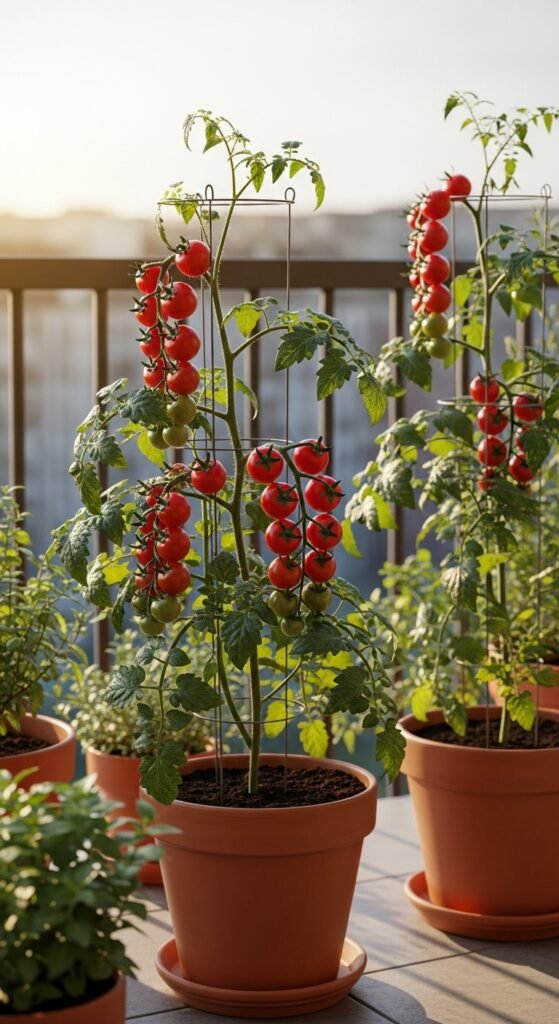
To get started, choose pots at least 12 inches deep with good drainage. Fill them with a well-draining potting mix enriched with compost for nutrients. Place in a sunny spot receiving 6-8 hours of light daily. Water consistently to keep soil moist but not soggy, and use a tomato cage for support as vines grow. For added pest protection, consider integrating pollinator-friendly plants nearby to attract beneficial insects. This method yields dozens of sweet fruits per plant, perfect for salads or snacking straight from the vine.
2) Upside-Down Tomato Hanger
Hang your tomatoes upside down using specialized bags or DIY buckets for a space-saving twist. This idea involves planting determinate varieties like ‘Tumbling Tom’ through the bottom of a container suspended from a sturdy hook. It prevents soil-borne diseases and makes watering straightforward, as gravity aids in distribution.
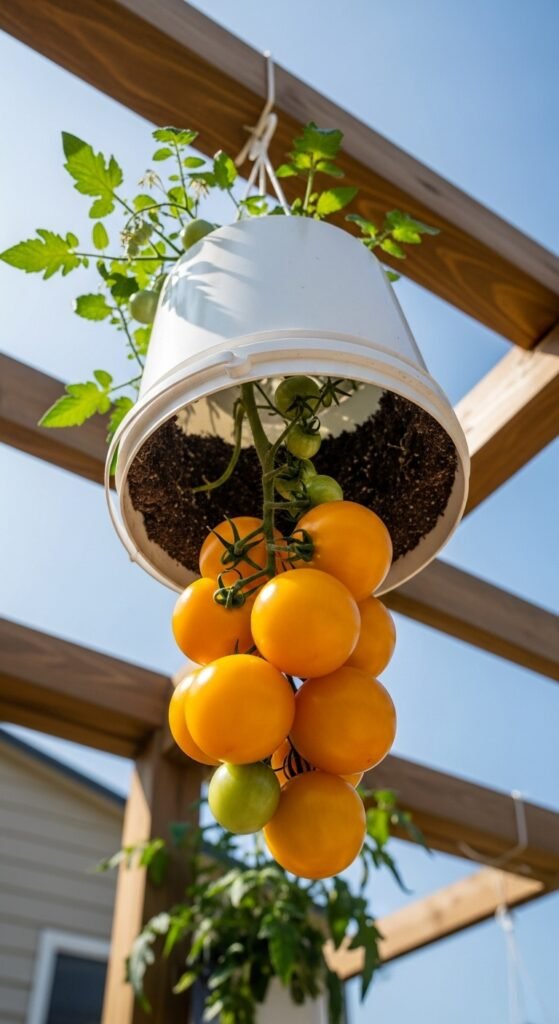
The benefit is twofold: it frees up floor space and reduces the need for staking, ideal for apartments or small patios. Start by drilling a hole in a 5-gallon bucket’s bottom, inserting the seedling gently, and filling with soil. Hang in full sun and water from the top. Monitor for dryness, especially in hot weather, following a summer watering schedule to avoid stress. Harvest ripe fruits easily as they dangle, enjoying the novelty and productivity of this inverted growing technique.
3) Self-Watering Bucket System
Transform ordinary buckets into self-watering planters for tomatoes by adding a reservoir at the bottom. Use varieties like ‘Patio Princess’ that adapt well to consistent moisture. This system wicks water up to roots as needed, reducing evaporation and ensuring even hydration.
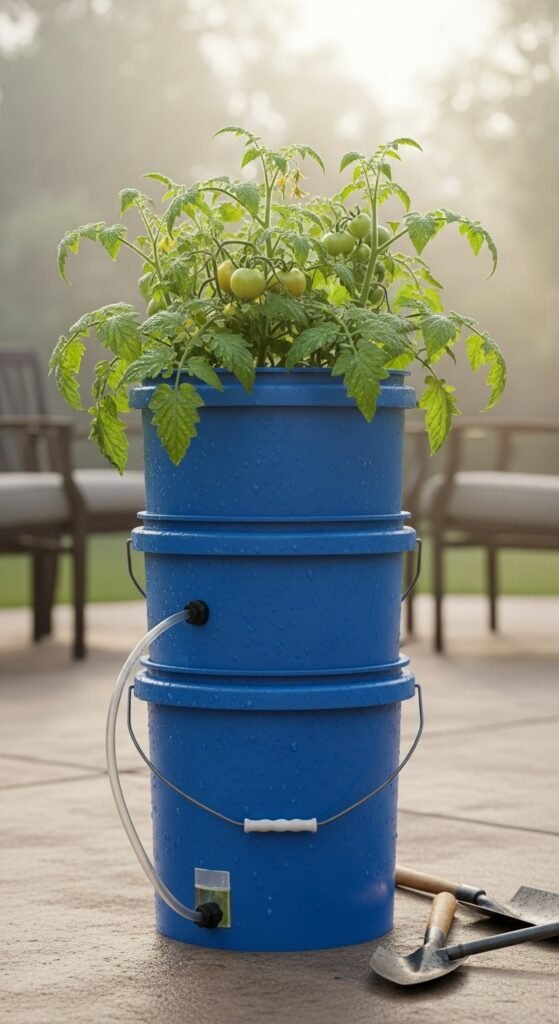
Why opt for this? It minimizes watering frequency, prevents over or under-watering, and supports healthier plants with fewer fluctuations. Drill holes in a smaller inner bucket for wicking, place it inside a larger one, and fill the gap with soil. Add a fill tube for easy replenishing. Position in sunny locations and fertilize every two weeks. For fall transitions, explore fall container garden ideas to extend your growing season. Expect robust growth and higher yields from this efficient setup.
4) Fabric Pot Mobility
Utilize breathable fabric pots for growing tomatoes like ‘Celebrity’ hybrids, allowing easy relocation. These pots promote air pruning of roots, leading to stronger plants and better oxygenation. Move them to follow the sun or protect from weather changes.
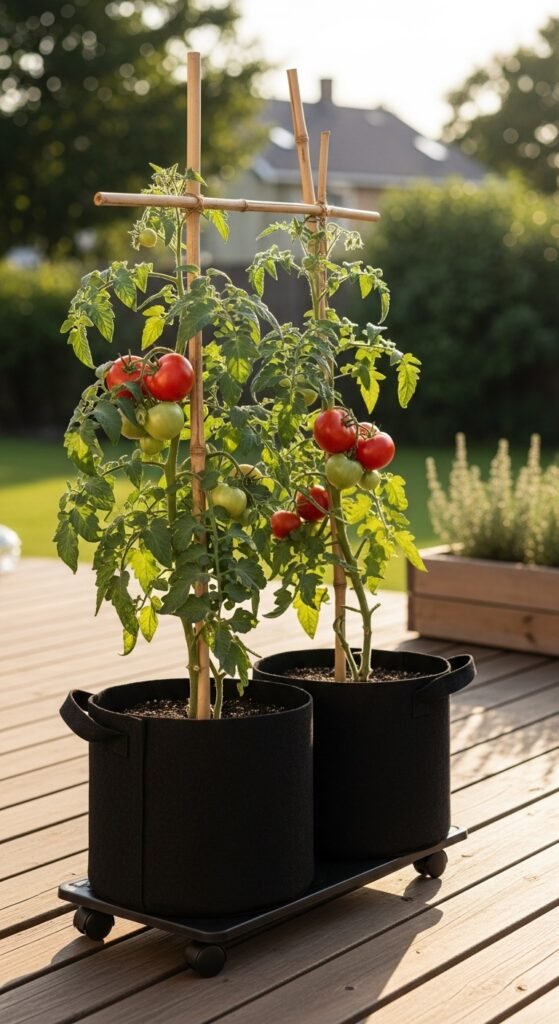
The advantage is portability and improved root health, preventing circling roots common in plastic containers. Select 10-15 gallon fabric pots, fill with a lightweight mix, and stake tall varieties. Water deeply but less often, as fabric allows excess to evaporate. Incorporate organic matter for fertility. If you’re into vertical elements, pair with a pallet vertical herb garden for companions like basil. This flexible approach suits renters or variable climates, delivering plump tomatoes with minimal hassle.
5) Window Box Tomato Display
Adorn your windowsills with cascading tomato varieties such as ‘Window Box Roma’ in elongated boxes. This creates an edible display that’s both decorative and functional, bringing greenery right to your view.
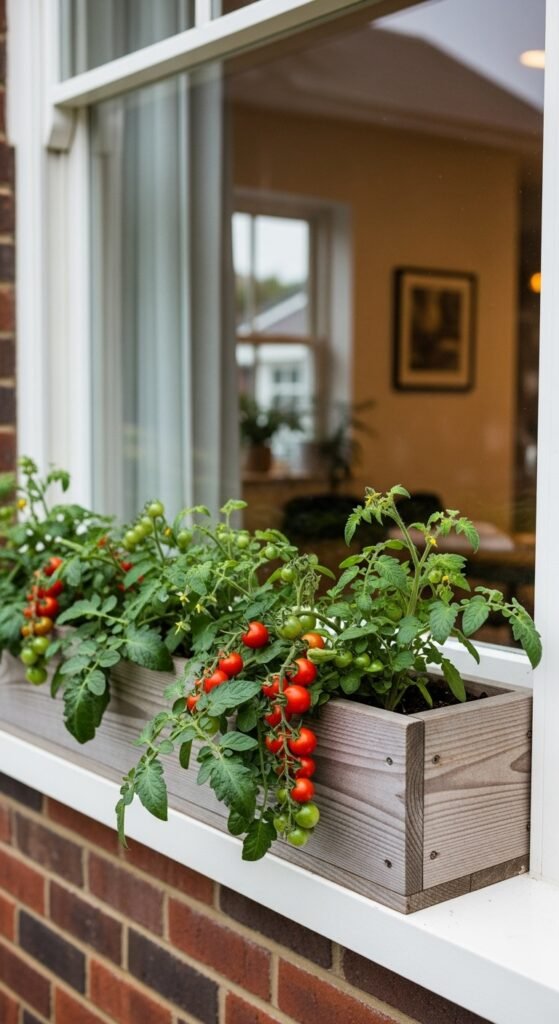
It’s perfect for small spaces, providing fresh produce at arm’s reach while enhancing curb appeal. Use boxes at least 8 inches deep, lined with plastic for moisture retention. Plant in rich soil and ensure 6 hours of sunlight. Pinch suckers for bushier growth and harvest frequently to encourage more fruit. For spring starts, check spring container garden ideas. This method yields a steady supply of tomatoes for quick kitchen use, blending beauty with bounty.
6) Tower Garden Stacking
Stack pots or use tiered systems to grow multiple tomato plants vertically, like ‘Better Boy’ in a tower formation. This maximizes height for higher production in minimal footprint.
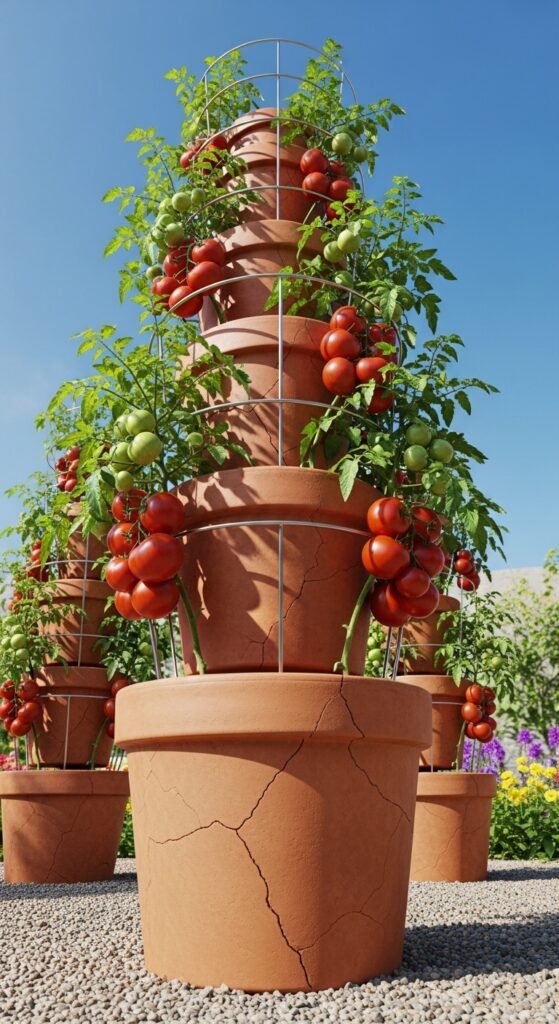
Why choose stacking? It optimizes space and improves air circulation, reducing disease risk. Assemble by placing larger pots at the base, stacking smaller ones with drainage. Fill each level with soil and plant seedlings. Provide support with cages. Water from top to bottom, ensuring even distribution. Complement with herb planter box ideas for integrated pest repellents. Enjoy layered harvesting from this efficient, eye-catching setup that boosts your yield dramatically.
7) Dwarf Variety in Small Pots
Opt for dwarf tomatoes like ‘Micro Tom’ in compact 5-7 gallon pots for tabletop or shelf growing. These pint-sized plants produce full-flavored fruits without needing much room.
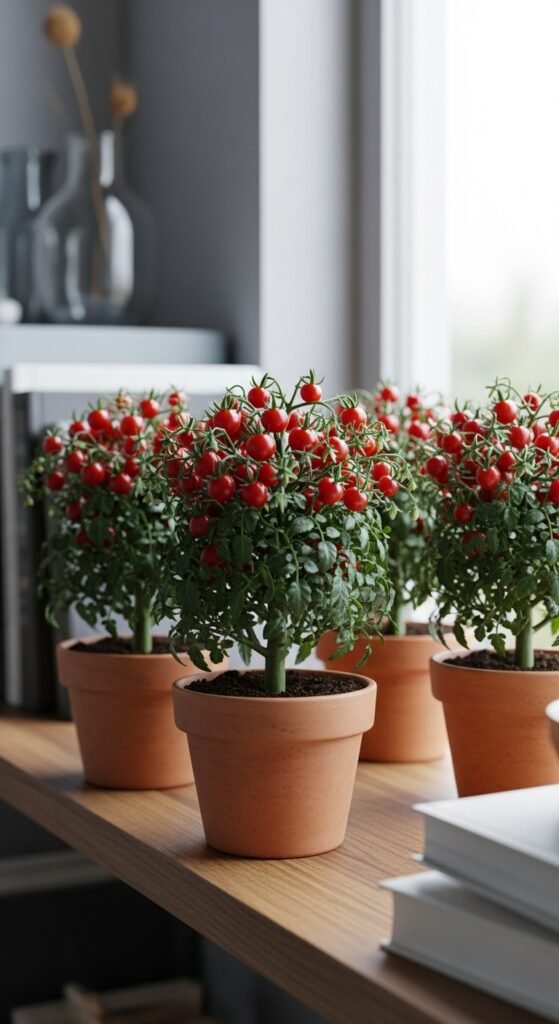
The appeal is in their manageability and suitability for indoor or tiny outdoor areas, yielding surprisingly abundant crops. Use high-quality potting soil with perlite for drainage. Place in bright, sunny spots and rotate for even growth. Fertilize lightly and watch for pests. After harvest, preserve extras using dehydrate tomatoes techniques for year-round enjoyment. This idea proves that big flavors come in small packages.
8) Hydroponic Container Setup
Set up a simple hydroponic system in containers for tomatoes like ‘Beefsteak’ using nutrient solutions instead of soil. This soilless method uses water circulation for faster growth.
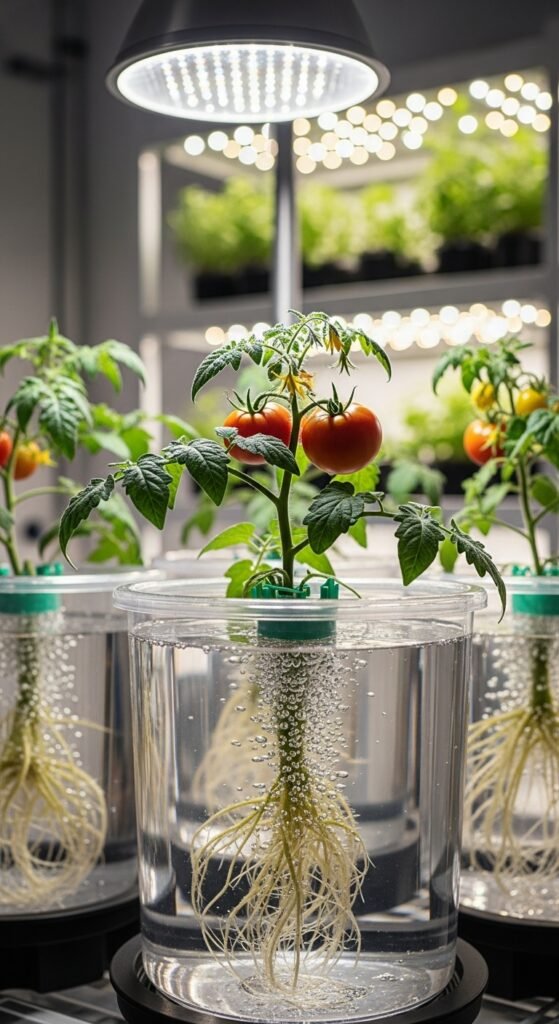
Benefits include water efficiency and fewer weeds, leading to cleaner, quicker harvests. Use net pots in a reservoir with an air pump for oxygenation. Monitor pH and nutrients weekly. Provide ample light, possibly supplemental. For outdoor herbs nearby, consider patio herb garden ideas. This advanced yet accessible approach delivers superior taste and volume from your container tomatoes.
9) Organic Soil Mix Recipe
Craft a custom organic soil blend for container tomatoes, incorporating compost, peat moss, and vermiculite. Tailor it for varieties like ‘Brandywine’ heirlooms.
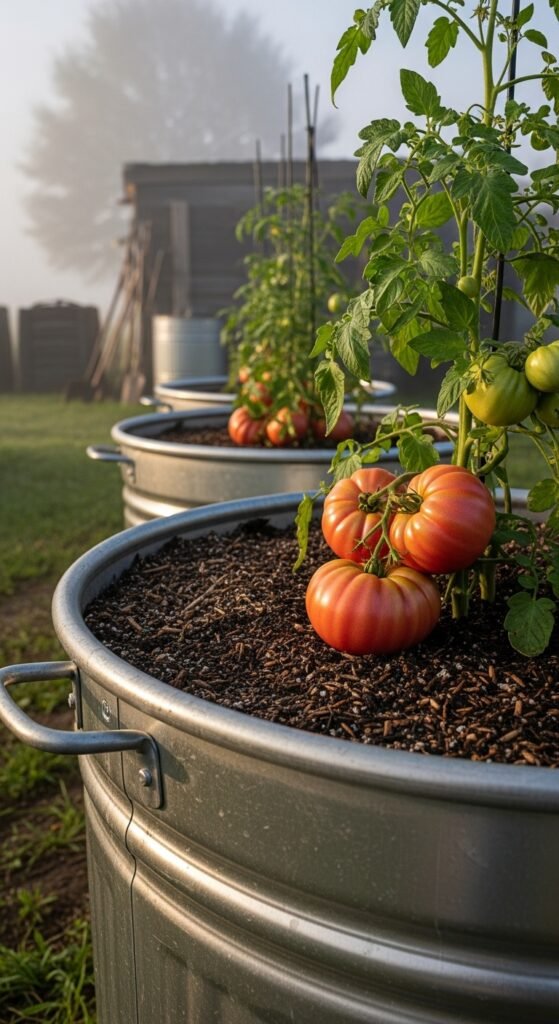
Why organic? It fosters beneficial microbes, improves flavor, and avoids chemicals. Mix equal parts compost and peat, add vermiculite for aeration. Test pH to 6.0-6.8. Plant deeply, burying stems for extra roots. Mulch to retain moisture. Extend into cooler months with keyhole garden inspirations for layout efficiency. This foundation ensures vigorous plants and exceptional tomatoes.
10) Companion Herbs Combo
Pair tomatoes with herbs like basil or marigolds in shared containers for mutual benefits. Choose compact tomatoes such as ‘Sun Gold’ alongside pest-repelling companions.
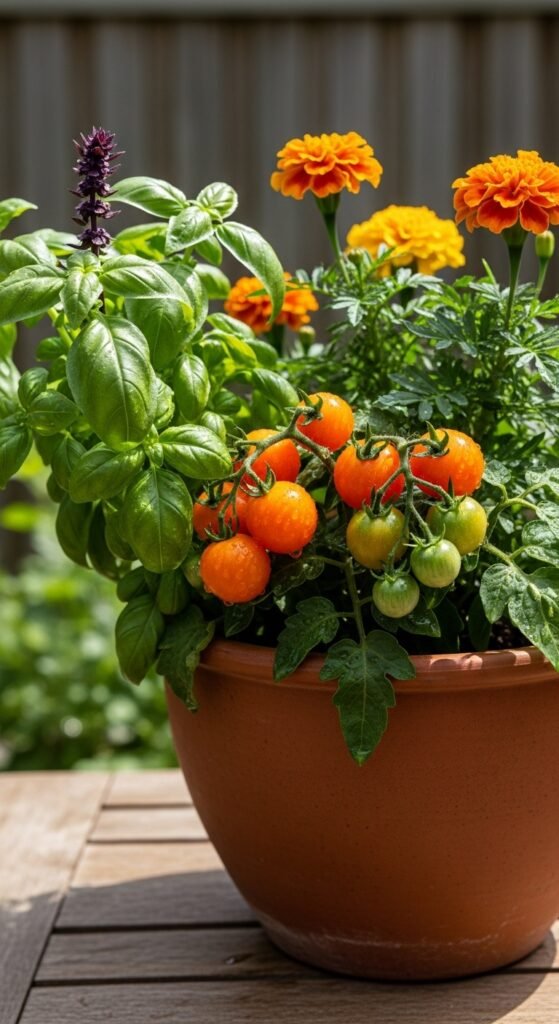
This synergy enhances flavor, deters pests, and maximizes space. Plant herbs around tomato bases in large pots. Ensure similar water needs. Harvest herbs regularly to prevent overcrowding. For preservation, try canning tomatoes to capture summer’s essence. This integrated planting boosts overall health and productivity in your containers.
11) Trellis-Supported Climbers
Use trellises to support indeterminate tomatoes like ‘Cherokee Purple’ in containers, training vines upward for better exposure.
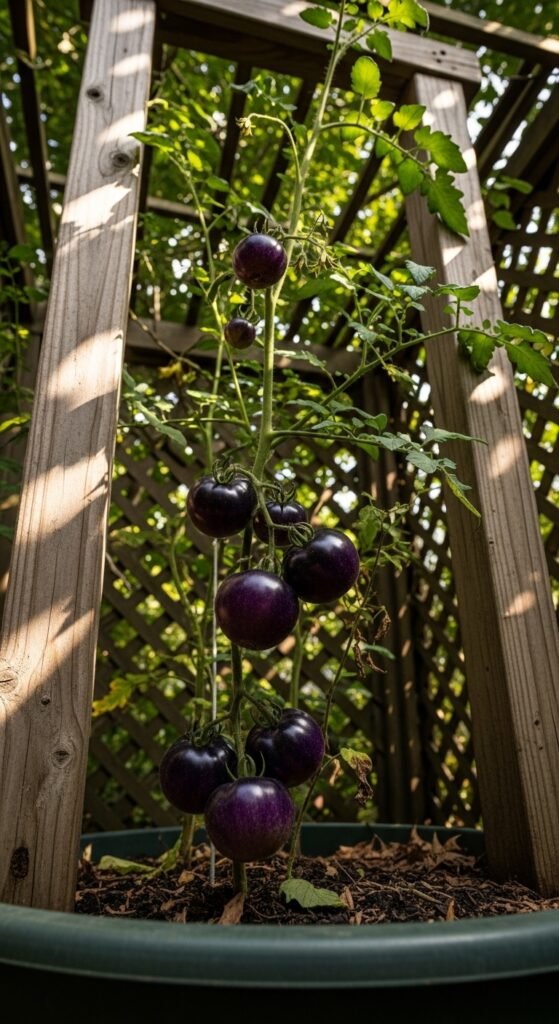
Advantages include space savings, improved airflow, and easier picking. Secure a trellis behind the pot and tie vines gently. Prune lower leaves for ventilation. Water at base to avoid foliage diseases. Incorporate seasonal shifts with fall ideas for continued use. This vertical strategy turns modest containers into towering tomato producers.
12) Raised Bed on Wheels
Build or buy wheeled raised beds for tomatoes, filling with soil for varieties like ‘Early Girl’. Mobility allows chasing sunlight or sheltering from storms.
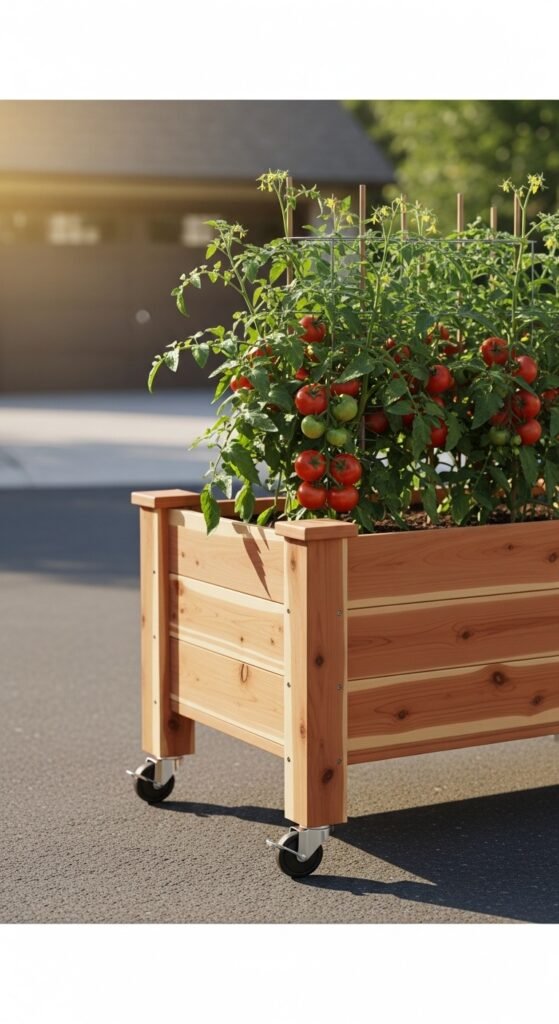
It’s great for accessibility and adapting to weather, promoting healthier growth. Construct with cedar for durability, add casters. Plant in enriched soil and stake as needed. Rotate positions weekly. Pair with pollinators for better fruit set. This mobile marvel simplifies container gardening for impressive results.
13) Greenhouse Mini-Tomato
Grow tomatoes in containers inside a mini-greenhouse for extended seasons, using heat-loving types like ‘Sungold’.
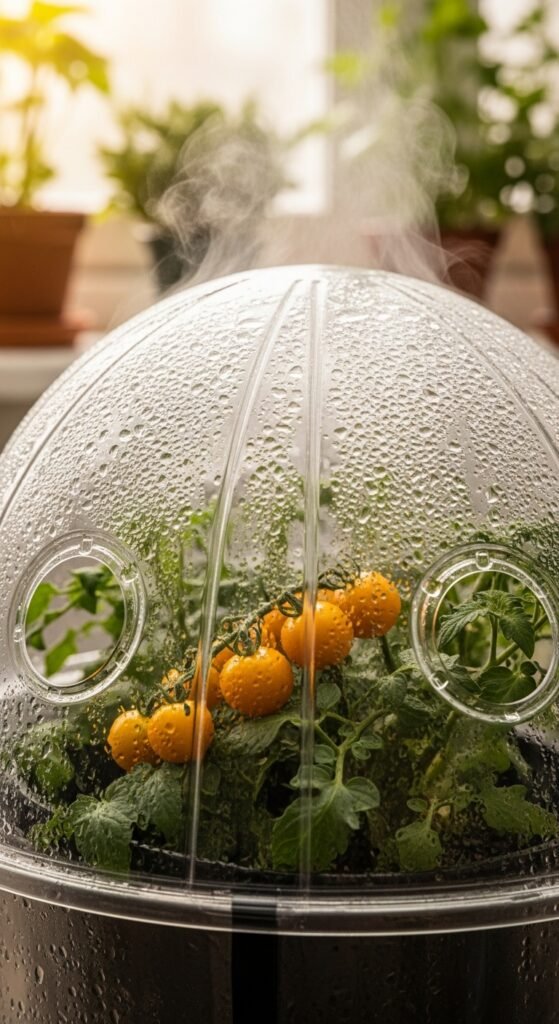
This protects from elements, extending harvest into cooler months. Use clear covers over pots, ventilate daily. Monitor humidity to prevent mold. Fertilize appropriately. Transition to outdoor companions in warmer times. This controlled environment yields premium tomatoes year-round.
14) Recycled Container Creativity
Repurpose items like old boots or crates for unique tomato homes, planting bush varieties like ‘Bush Goliath’.
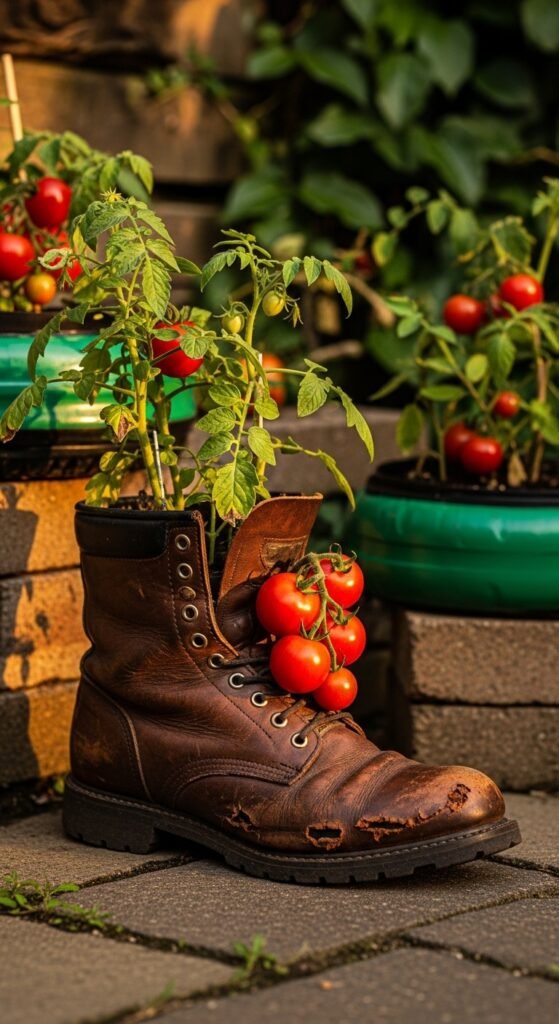
Eco-friendly and cost-effective, it adds character while recycling. Ensure drainage and size adequacy. Fill with quality mix. Position strategically for sun. Maintain with organic feeds. This creative reuse sparks joy and sustainability in your gardening.
15) Seasonal Succession Planting
Plant successive waves of tomatoes in containers, starting with quick-maturing ones like ‘Fourth of July’, followed by later varieties.
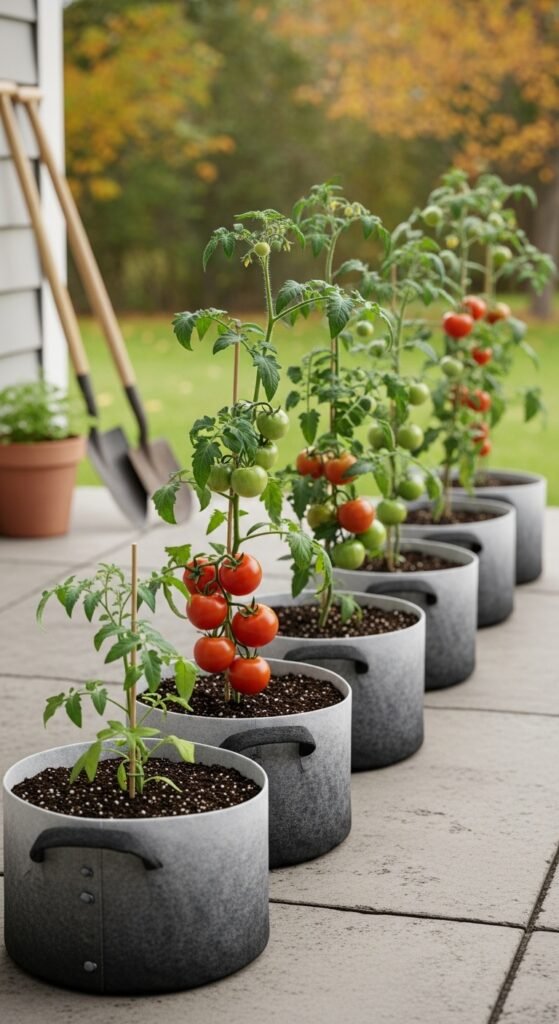
This ensures continuous supply, maximizing output. Stagger plantings every 2-3 weeks. Replace spent plants promptly. Amend soil between cycles. Use for fresh eating or preserving. This strategic timing keeps your containers productive all season.
Frequently Asked Questions
What size container is best for growing tomatoes?
Aim for at least 5 gallons per plant, but 10-15 gallons is ideal for larger varieties to allow ample root space and stability.
Which tomato varieties work well in containers?
Determinate or dwarf types like cherry tomatoes are excellent, as they stay compact and produce abundantly without excessive support.
How often should I water tomatoes in containers?
Water when the top inch of soil feels dry, typically every 1-2 days in hot weather, ensuring thorough soaking without waterlogging.
Can I grow tomatoes in containers indoors?
Yes, with sufficient light from grow lamps or south-facing windows, though pollination may require manual assistance for fruit set.
What common pests affect container tomatoes?
Aphids, hornworms, and spider mites are frequent; monitor regularly and use organic sprays or beneficial insects for control.