Onions and garlic are staple crops in any home garden, offering not just culinary versatility but also natural pest-repelling properties. These alliums thrive in well-drained soil and full sun, making them ideal for beginners and seasoned gardeners alike. By incorporating smart planting strategies, you can enjoy a steady supply of fresh bulbs that enhance your meals and boost your garden’s health.
Growing onions and garlic rewards you with robust flavors and health benefits, from immune-boosting compounds to easy storage for year-round use. Whether you’re planting sets, seeds, or cloves, these ideas will guide you through the process, ensuring high yields and minimal issues. With proper care, your garden can produce enough to share or preserve, turning simple bulbs into a cornerstone of sustainable living.
Embrace these techniques to transform your plot into a productive haven, where onions and garlic flourish alongside other veggies. Let’s dive into the essential ideas that will elevate your gardening game.
1) Select the Best Varieties for Your Climate
Choosing the right onion and garlic varieties is crucial for success. For onions, consider short-day types like ‘Texas Sweet’ if you live in southern regions, or long-day varieties such as ‘Yellow Sweet Spanish’ for northern areas. Garlic comes in softneck for milder climates, offering braided storage, or hardneck for colder zones with robust flavors.
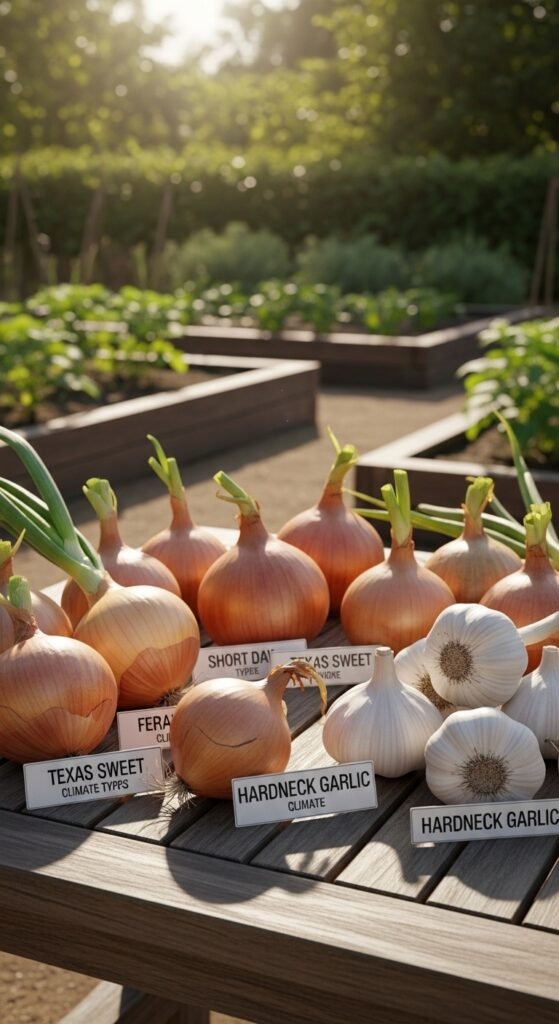
Why does this matter? Matching varieties to your climate ensures optimal bulb development and resistance to local pests. You’ll avoid bolting in onions or poor clove formation in garlic. How to do it: Research your USDA zone and select seeds or sets from reputable suppliers. Plant garlic in fall for overwintering, and onions in spring after the last frost.
This foundational step sets the tone for a thriving crop, potentially yielding up to 10 pounds per square foot. Experiment with heirloom options for unique tastes, and always rotate crops to maintain soil health.
2) Prepare Nutrient-Rich Soil
Soil preparation is key to growing healthy onions and garlic. These crops prefer loose, well-drained soil with a pH between 6.0 and 7.0. Amend with organic matter like compost to improve fertility and drainage, avoiding heavy clay that can lead to rot.
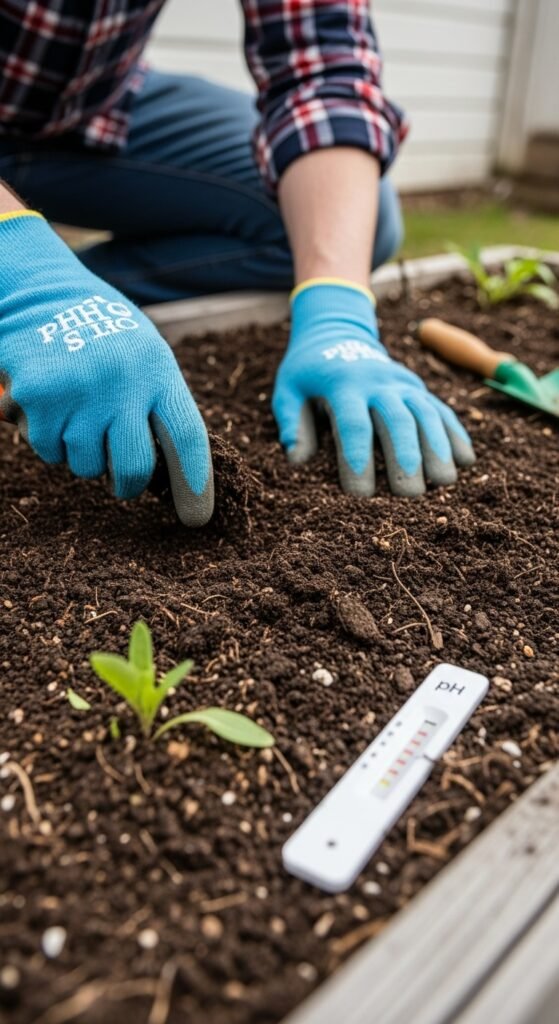
The benefit? Nutrient-rich soil promotes strong root systems, leading to larger bulbs and better disease resistance. Without it, plants may stunt or succumb to issues like fusarium wilt. To prepare: Till the bed to 12 inches deep, incorporate homemade compost, and test pH, adjusting with lime if needed.
Space this task a few weeks before planting to allow settling. This idea not only boosts yields but also enhances overall garden vitality, making it easier to integrate with other vegetables for a diverse plot.
3) Time Your Planting Perfectly
Timing is everything when planting onions and garlic. Garlic cloves go in during fall, about 4-6 weeks before the first hard freeze, allowing root establishment over winter. Onions, depending on type, are planted in early spring as soon as soil is workable.
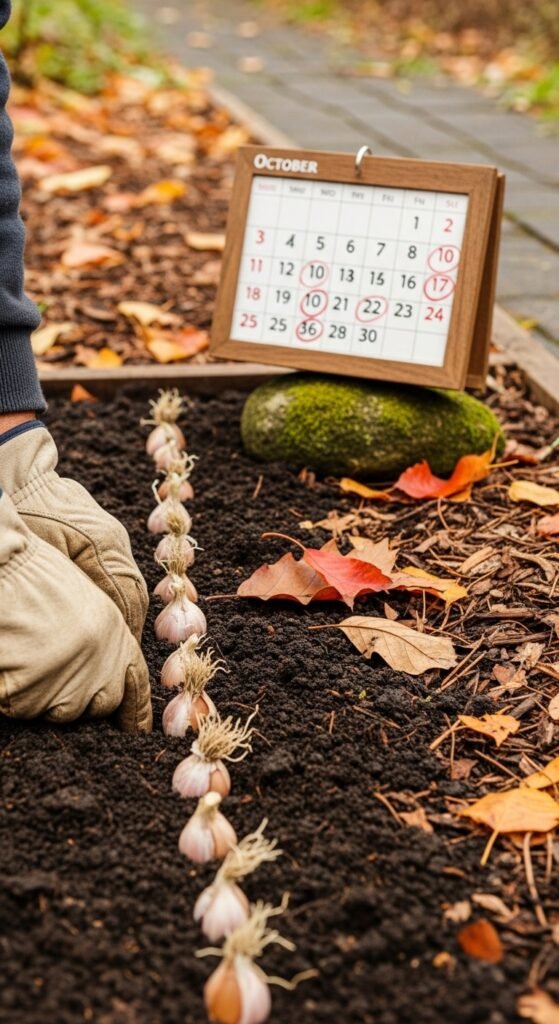
This strategy maximizes growth periods, resulting in bigger harvests and fewer bolting issues. Poor timing can lead to small bulbs or premature flowering. How: Check your last frost date and plant accordingly. Mulch garlic beds to protect against heaving.
By aligning with seasonal cycles, you’ll enjoy a reliable supply. This approach also frees up summer space for succession planting, optimizing your garden’s productivity throughout the year.
4) Master Proper Spacing and Depth
Spacing and depth directly impact bulb size and air circulation. Plant onion sets or seedlings 4-6 inches apart in rows 12 inches wide, at a depth of 1 inch. Garlic cloves need 6-8 inches between them, buried 2 inches deep with pointed end up.
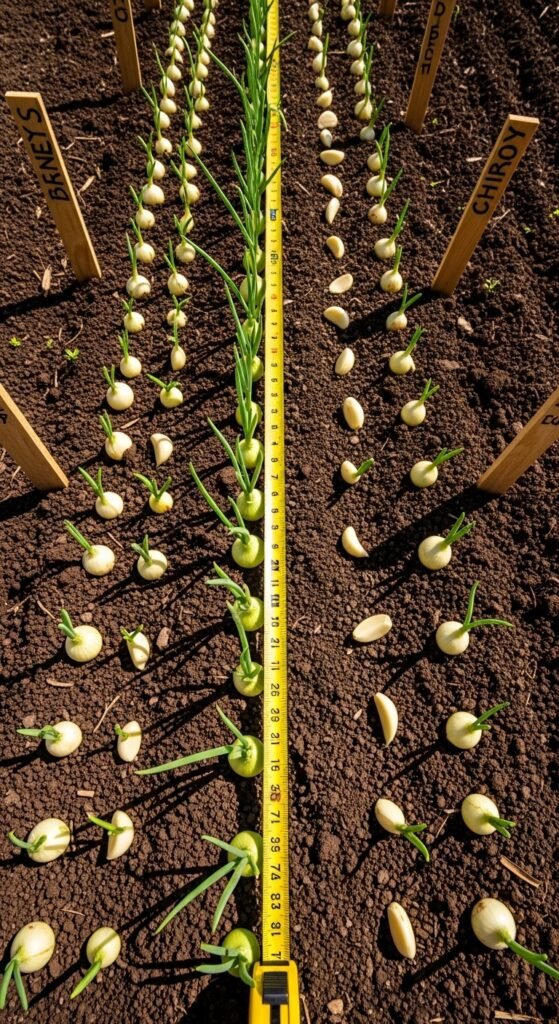
Why? Adequate space prevents competition for nutrients and reduces disease spread like downy mildew. Crowding leads to smaller yields. To execute: Use a dibber for uniform holes and firm soil gently. In raised beds, you can tighten spacing slightly for intensive gardening.
This technique yields uniform, healthy bulbs ready for harvest. It also facilitates easier weeding and watering, contributing to an efficient, high-producing garden setup.
5) Implement Efficient Watering Practices
Onions and garlic require consistent moisture, especially during bulb formation, but overwatering invites rot. Aim for 1 inch of water per week, using deep, infrequent sessions to encourage root depth.
The advantage: Proper hydration supports steady growth without stress, leading to flavorful, plump bulbs. Drought can cause splitting, while excess moisture fosters fungal issues. How: Install drip irrigation for targeted delivery, and mulch to retain soil moisture. Monitor with a soil meter.
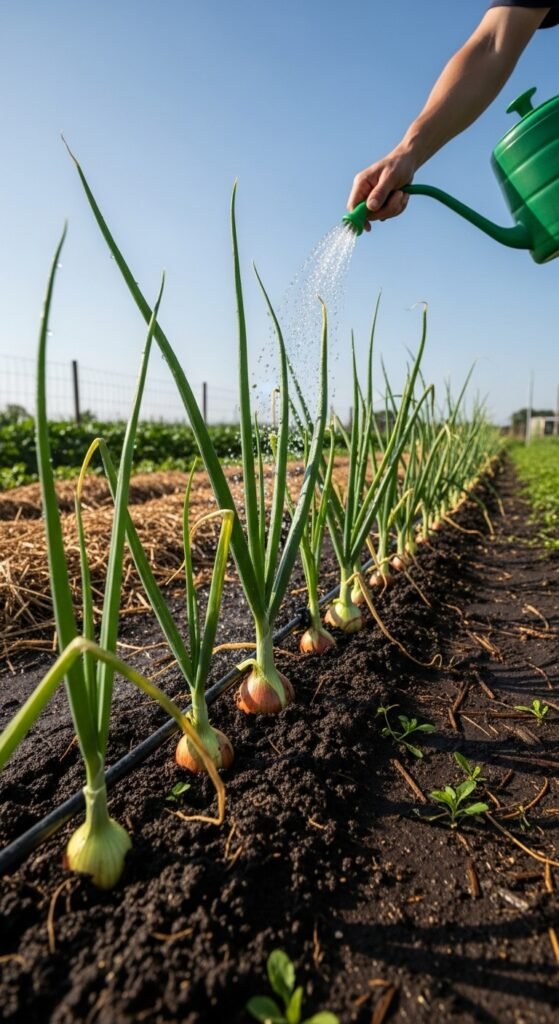
This idea conserves water and time, aligning with sustainable gardening. Adjust based on rainfall, ensuring your alliums thrive in balanced conditions for optimal results.
6) Fertilize Strategically for Growth
Fertilizing onions and garlic boosts nutrient uptake without overstimulating foliage at the expense of bulbs. Use a balanced organic fertilizer high in phosphorus at planting, then side-dress with nitrogen mid-season.
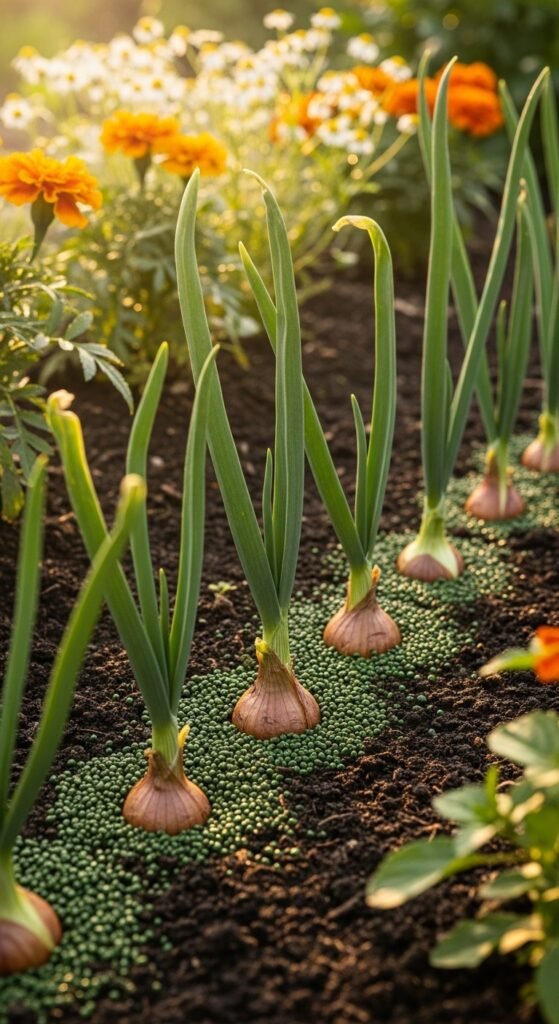
Benefits include larger, more nutritious harvests and improved plant vigor. Imbalanced feeding can lead to lush tops but small roots. Apply: Mix compost tea or fish emulsion every 4-6 weeks until bulbing begins, then taper off to focus energy below ground.
This targeted approach enhances soil fertility over time, supporting successive crops. It’s a simple way to maximize your garden’s potential with minimal inputs.
7) Control Weeds Effectively
Weeds compete with onions and garlic for resources, so proactive control is essential. Mulch heavily with straw or leaves to suppress growth, and hand-pull any intruders promptly.
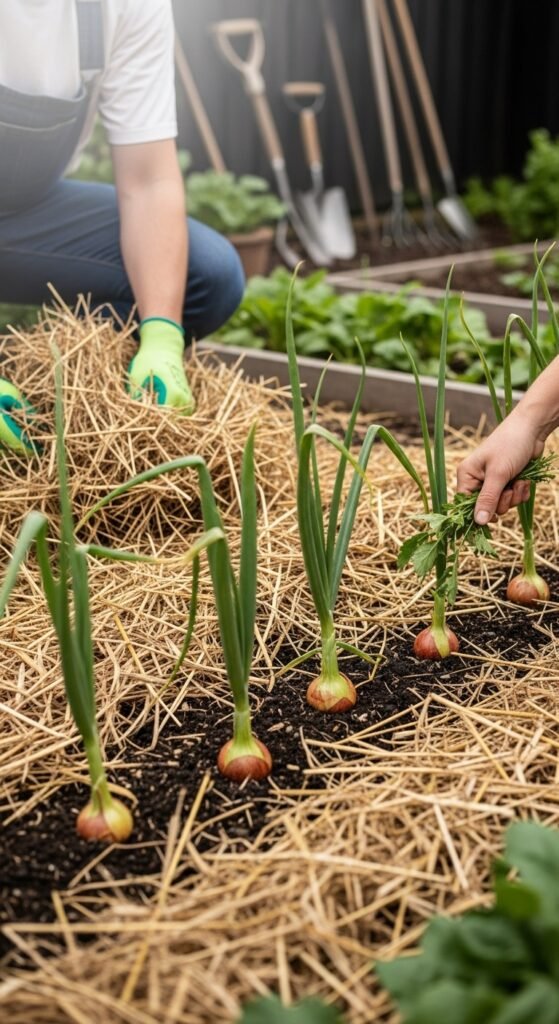
This maintains nutrient availability and reduces pest harbors, leading to healthier plants and bigger yields. Neglect can stunt growth significantly. How: Apply 2-3 inches of organic mulch after planting, refreshing as needed. For larger areas, consider shallow hoeing carefully around shallow roots.
Integrating this practice creates a low-maintenance bed, allowing you to focus on enjoyment rather than constant upkeep.
8) Manage Pests Naturally
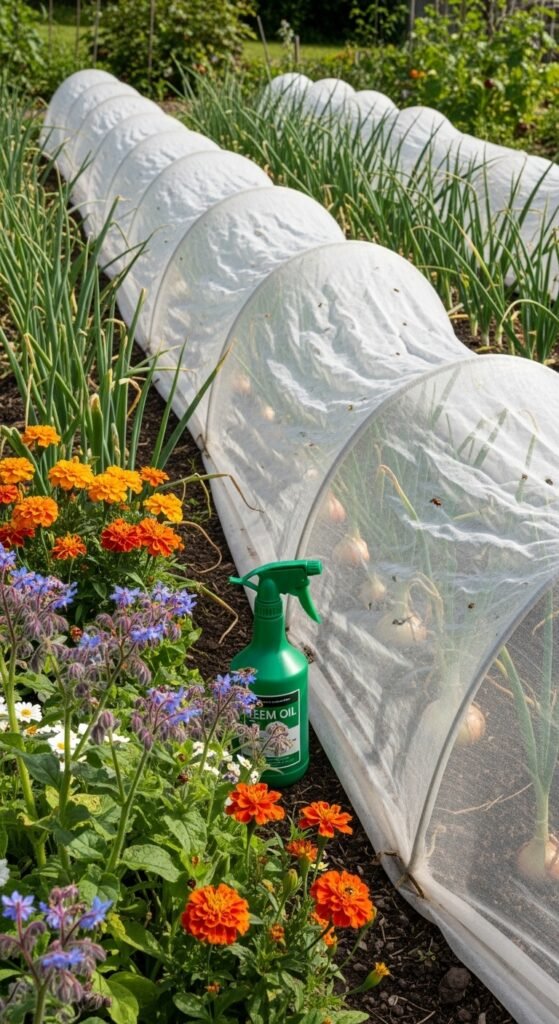
Onions and garlic naturally deter some pests, but others like thrips or onion maggots can strike. Use row covers and companion planting with herbs to minimize infestations.
The payoff: Fewer chemical interventions mean safer, organic produce. Ignoring pests risks total crop loss. Implement: Rotate crops annually and apply neem oil for outbreaks. Encourage beneficial insects with nearby flowers.
For ongoing protection, refer to spring pest control strategies. This holistic method sustains garden ecology while securing your harvest.
9) Utilize Companion Planting
Pair onions and garlic with compatible plants like carrots or tomatoes to enhance growth and repel pests mutually. Avoid beans or peas, which can inhibit development.
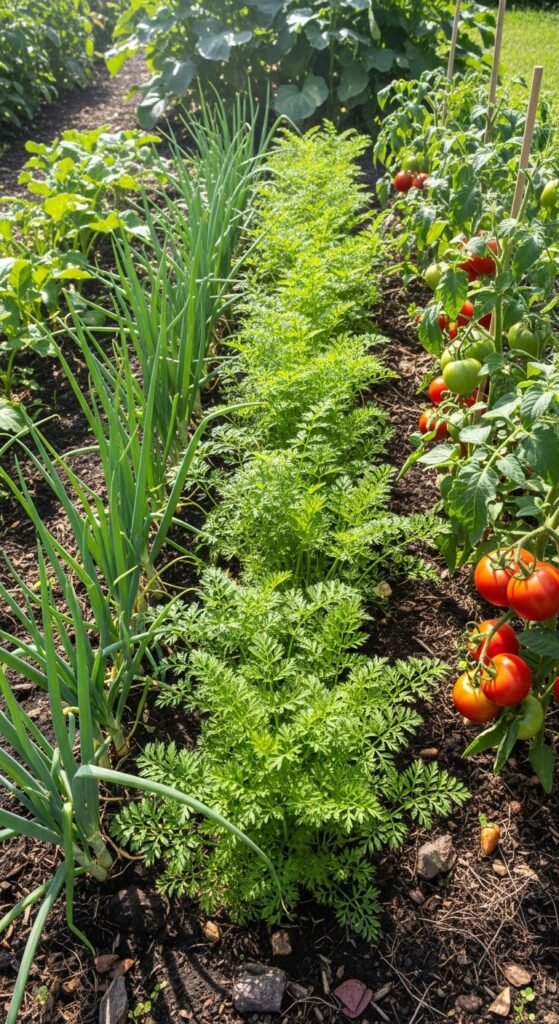
Why? Companions improve biodiversity, soil health, and yields through natural synergies. Poor pairings lead to competition. How: Interplant strategically, using garlic to protect roses from aphids or onions near brassicas.
This idea fosters a resilient garden ecosystem, reducing reliance on external inputs for thriving results.
10) Recognize Harvest Readiness
Harvest onions when tops yellow and fall over, garlic when lower leaves brown. Pull on dry days to avoid damage.
Timely harvest preserves quality and storage life. Delaying risks splitting or rot. Gently lift bulbs, brushing off soil without washing.
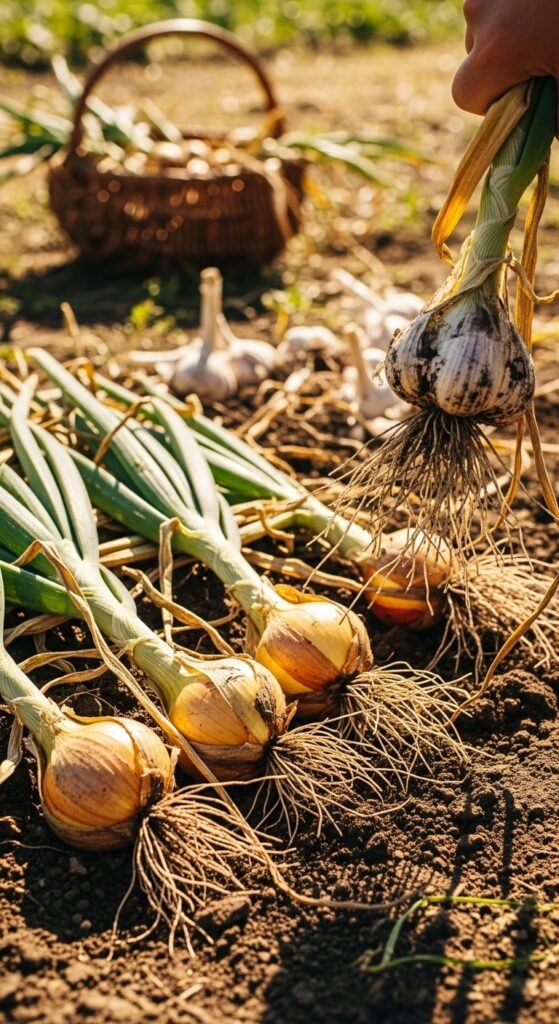
This step ensures peak flavor and nutrition, readying your crop for immediate use or curing.
11) Cure Bulbs Properly
Curing dries outer skins for longevity. Spread onions and garlic in a warm, airy spot for 2-3 weeks until necks are dry.
Benefits: Prevents mold and extends shelf life up to 8 months. Improper curing leads to spoilage. How: Use screens or hang braids in a garage or shed.
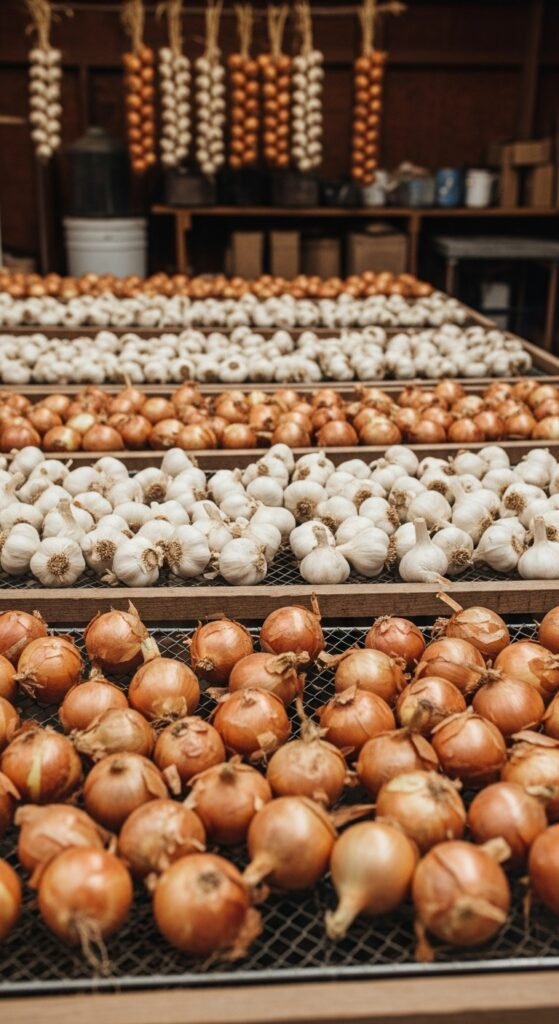
Link this to curing techniques for root vegetables. It’s vital for maximizing your efforts.
12) Store for Long-Term Use
Store cured bulbs in cool, dark places with good ventilation, like mesh bags or root cellars. Check periodically for sprouts or soft spots.
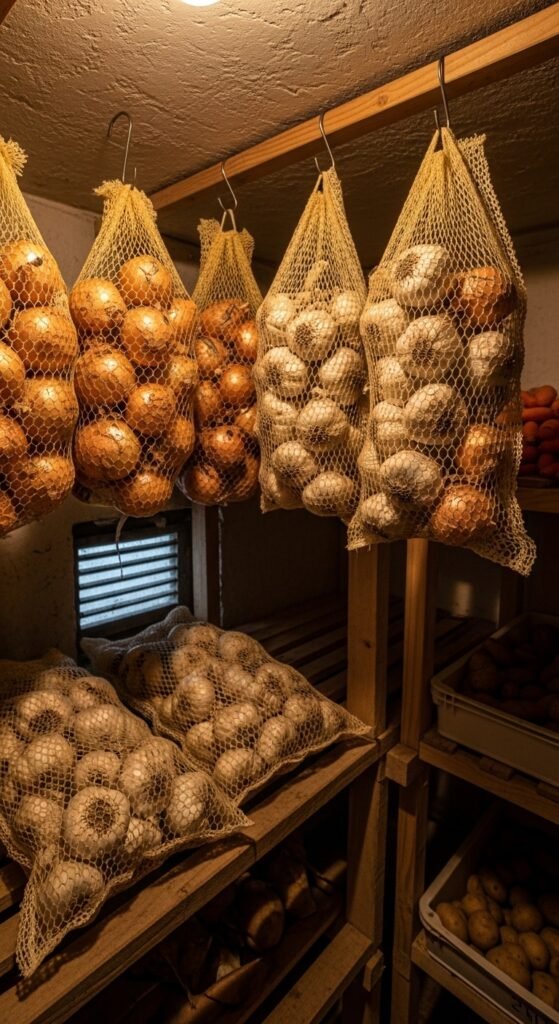
This preserves freshness year-round, reducing waste. Poor storage shortens usability. Ideal temps: 32-40°F for garlic, slightly warmer for onions.
A well-stored harvest means continuous supply, enhancing self-sufficiency.
13) Preserve Through Dehydration
Dehydrate sliced onions and garlic for powders or flakes, using a dehydrator or oven at low heat.
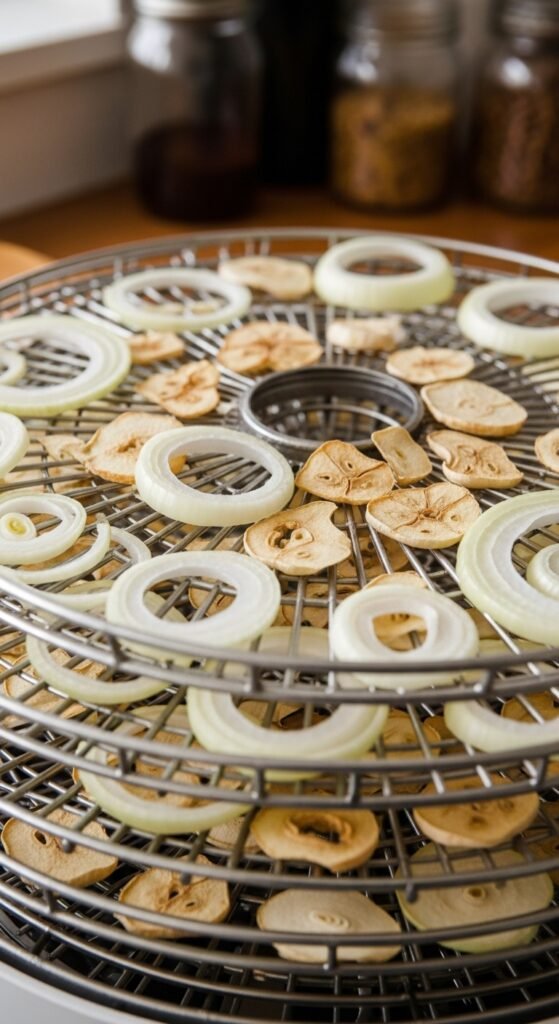
Why? Concentrates flavors for easy storage and use in recipes. It’s space-efficient. How: Slice thinly, dry until brittle, then grind. Explore dehydrating onions and dehydrating garlic for tips. This extends your harvest creatively.
14) Try Pickling for Flavor
Pickle onions and garlic in vinegar brines for tangy additions to meals. Quick-pickling is simple for beginners.
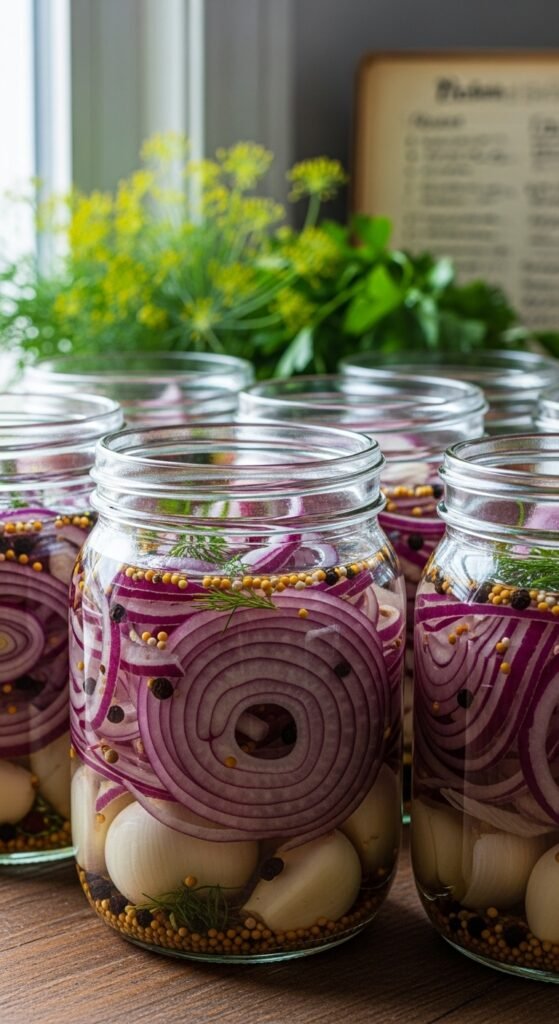
Benefits: Adds variety and preserves surplus. How: Slice, pack in jars with spices, cover with hot brine, and refrigerate. Check out pickled red onions or pickled garlic recipes. It’s a fun way to enjoy your crop.
15) Experiment with Fermentation
Ferment onions and garlic for probiotic-rich foods like kimchi or sauces. Use salt brines for natural preservation.
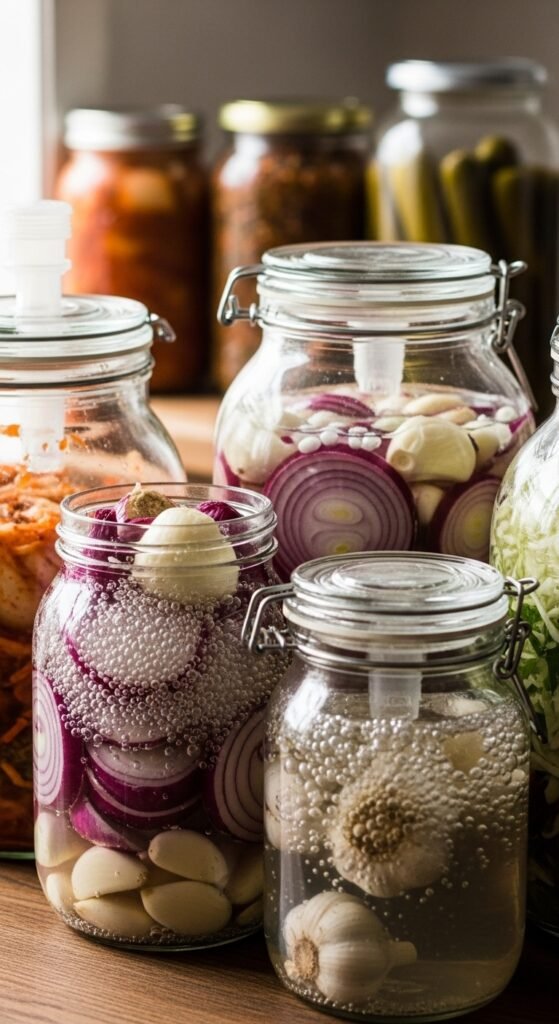
This enhances nutrition and flavor profiles. Start with small batches to perfect techniques. Try fermented red onions for inspiration. Fermentation adds depth to your culinary repertoire.
Key Principles for Onion and Garlic Success
Soil Health Maintenance
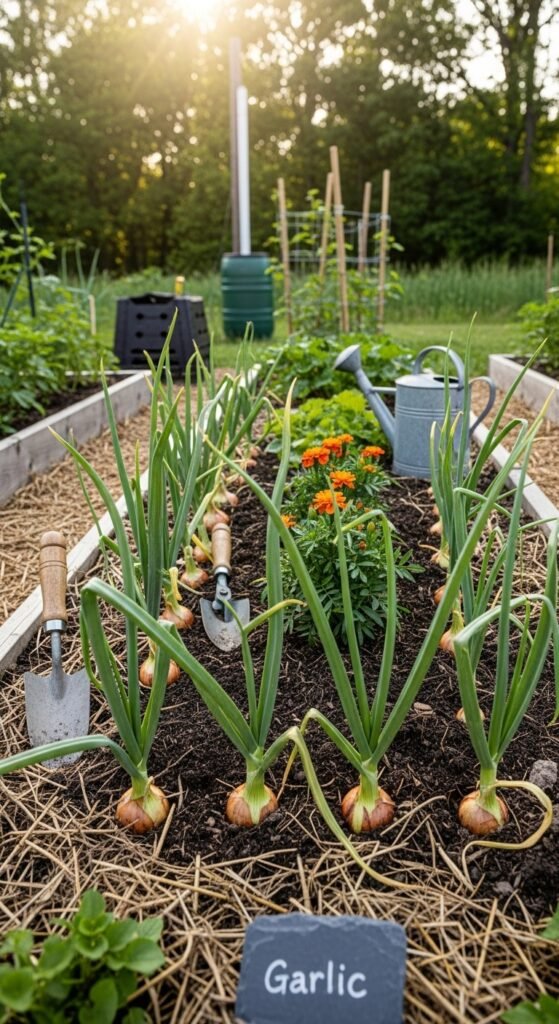
Prioritize organic amendments and rotation to sustain fertility. Healthy soil equals resilient plants.
Seasonal Adaptations
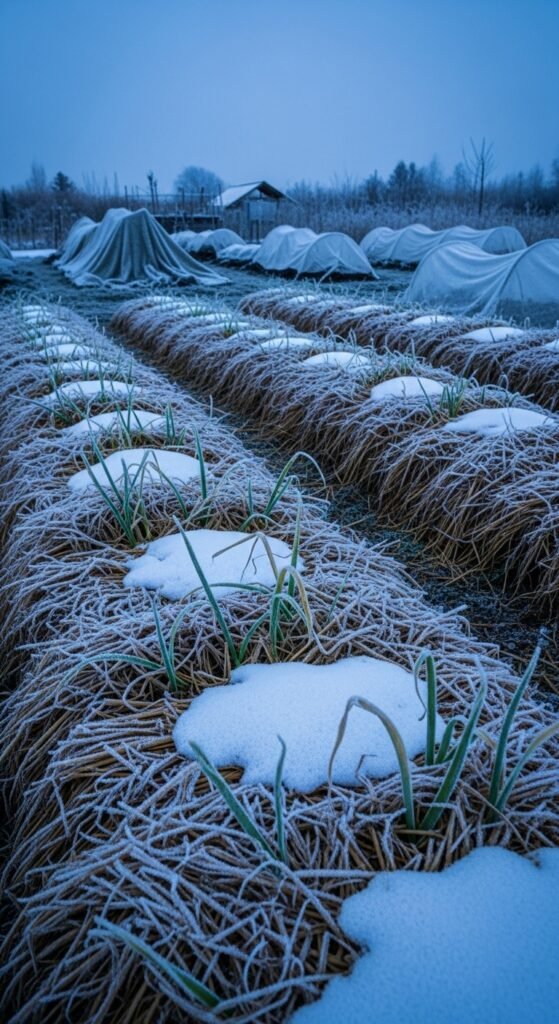
Adjust care for winter vegetable gardening, including mulching for protection.
Sustainable Practices
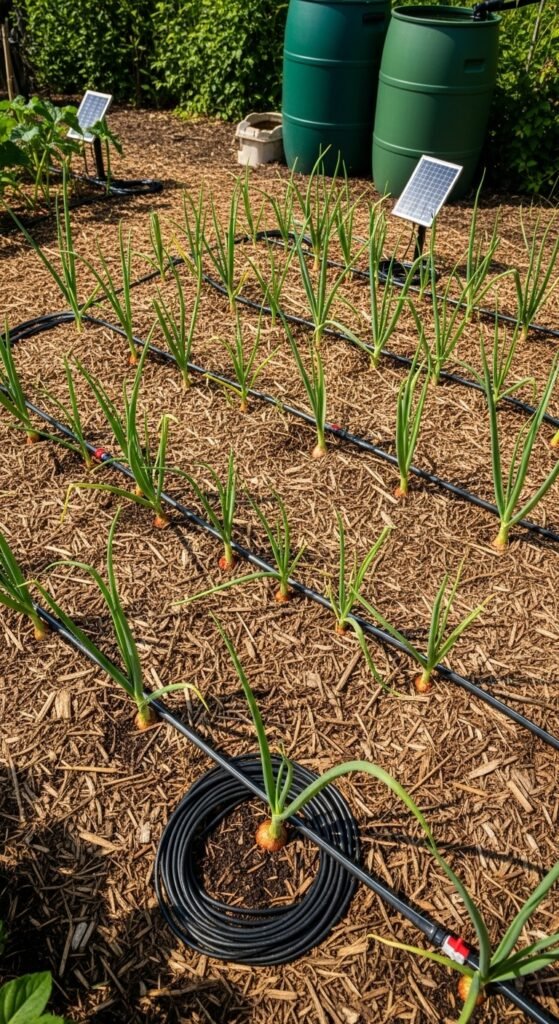
Incorporate water-saving methods like spring watering schedules to conserve resources.
Frequently Asked Questions
Can I grow onions and garlic in containers?
Yes, use deep pots with good drainage. They adapt well to container gardening with adequate sun and moisture.
How do I prevent bolting in onions?
Choose appropriate varieties and avoid stress from inconsistent watering or extreme temperatures.
What’s the difference between green onions and bulb onions?
Green onions are harvested young for scallions, while bulb onions mature fully for storage.
Do garlic and onions need full sun?
They prefer at least 6-8 hours of direct sunlight daily for best growth.
Can I plant onions and garlic together?
Absolutely, they coexist well and share similar care needs.