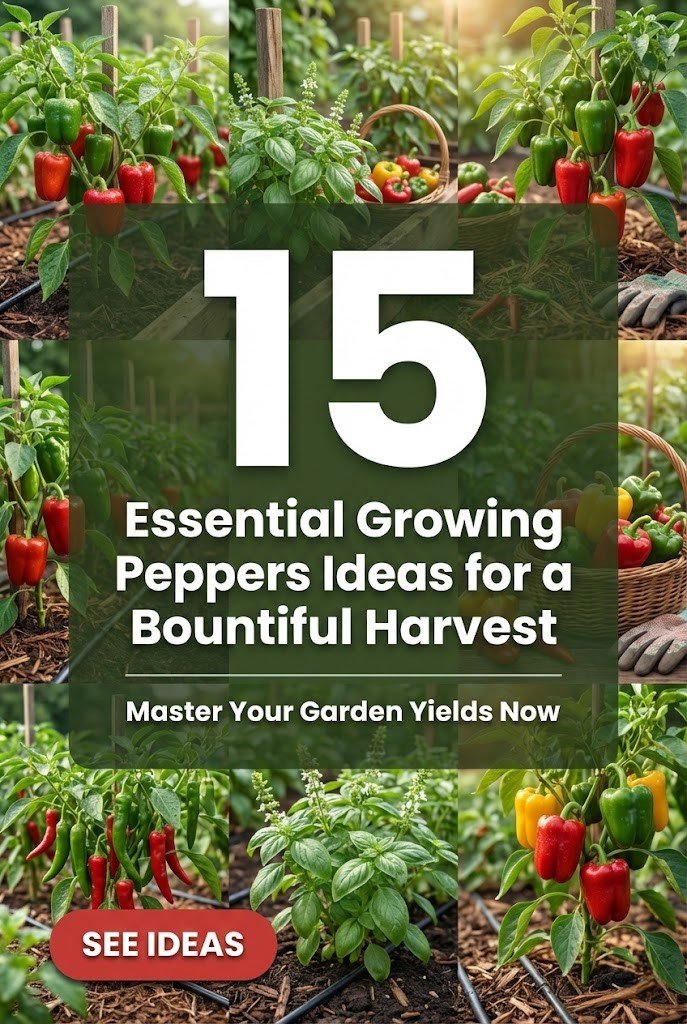
Growing peppers can transform your garden into a vibrant source of fresh, flavorful produce. Whether you’re a beginner or seasoned gardener, mastering the art of cultivating these versatile vegetables rewards you with everything from sweet bell peppers to fiery chilies. Peppers thrive in warm conditions, requiring careful attention to soil, sunlight, and watering to yield abundant crops.
You’ll discover that growing peppers not only enhances your meals but also boosts your gardening skills. By incorporating smart techniques, you can overcome common challenges like pests and weather fluctuations. This guide offers practical ideas to help you succeed, ensuring your plants produce high-quality fruits throughout the season.
From seed starting to harvest, these strategies emphasize sustainability and efficiency. Get ready to elevate your garden with these proven approaches tailored for optimal growth.
1) Choose the Right Pepper Varieties
You start by selecting pepper varieties that suit your climate and taste preferences. Sweet bells like ‘California Wonder’ are ideal for milder flavors, while hot ones such as ‘Jalapeño’ add spice. Why does this matter? Matching varieties to your growing zone prevents disappointment from poor yields or disease susceptibility. For instance, heat-tolerant types perform better in warmer areas.
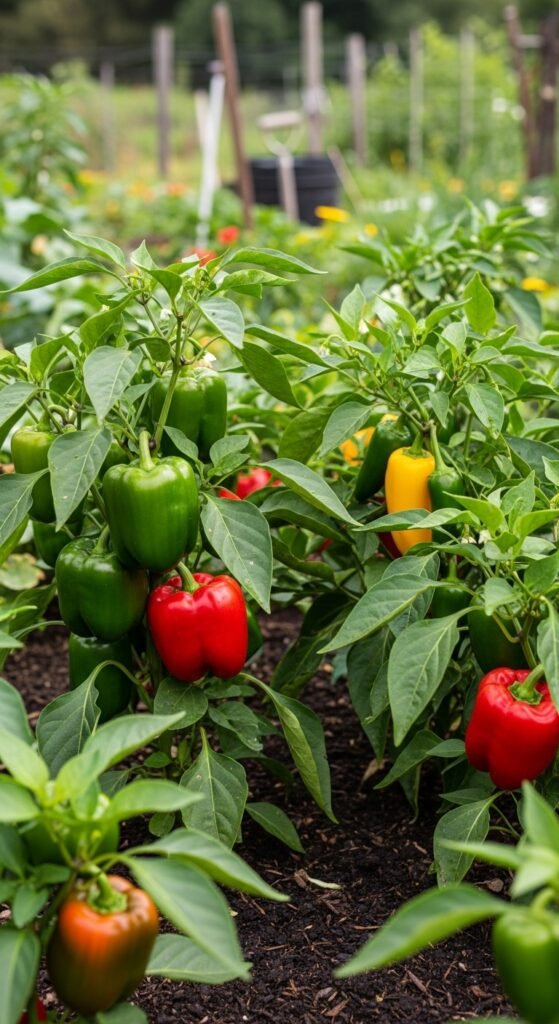
How do you proceed? Research your USDA hardiness zone and pick seeds or seedlings accordingly. Consider factors like days to maturity—shorter for cooler climates. Plant diverse types for a colorful harvest. This foundational step sets the tone for successful growing peppers, ensuring robust plants from the outset.
Remember, experimenting with hybrids can offer resistance to common issues. With the right choices, you’ll enjoy a prolific season.
2) Start Seeds Indoors Early
You kick off growing peppers by starting seeds indoors 8-10 weeks before the last frost date. This gives seedlings a head start, leading to stronger plants and earlier harvests. Why is this beneficial? Peppers need warm soil to germinate, and indoor starting protects them from unpredictable spring weather.
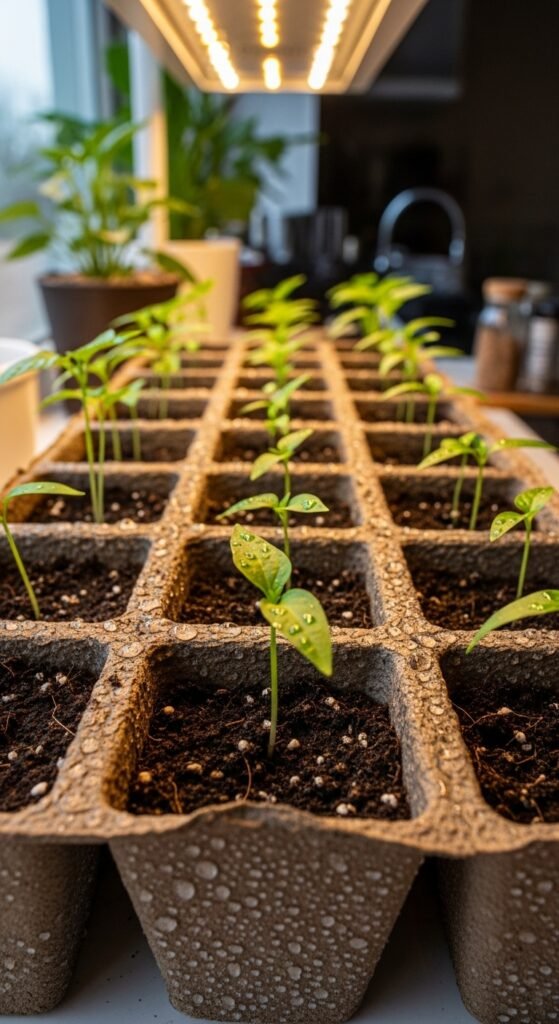
To do it, fill seed trays with a quality seed-starting mix, plant seeds ¼ inch deep, and keep them at 70-85°F under grow lights. Water gently to maintain moisture without sogginess. Transplant outdoors once seedlings have 2-3 true leaves and nights stay above 55°F. This method maximizes your growing season.
For added protection against late frosts, check out our guide on frost protection for plants to safeguard your young peppers.
3) Prepare Nutrient-Rich Soil
You ensure success in growing peppers by preparing soil that’s well-draining and rich in organic matter. Peppers prefer a pH of 6.0-6.8, so test and amend with lime if needed. Why focus here? Nutrient-deficient soil leads to stunted growth and low yields, while proper preparation promotes healthy roots and fruits.
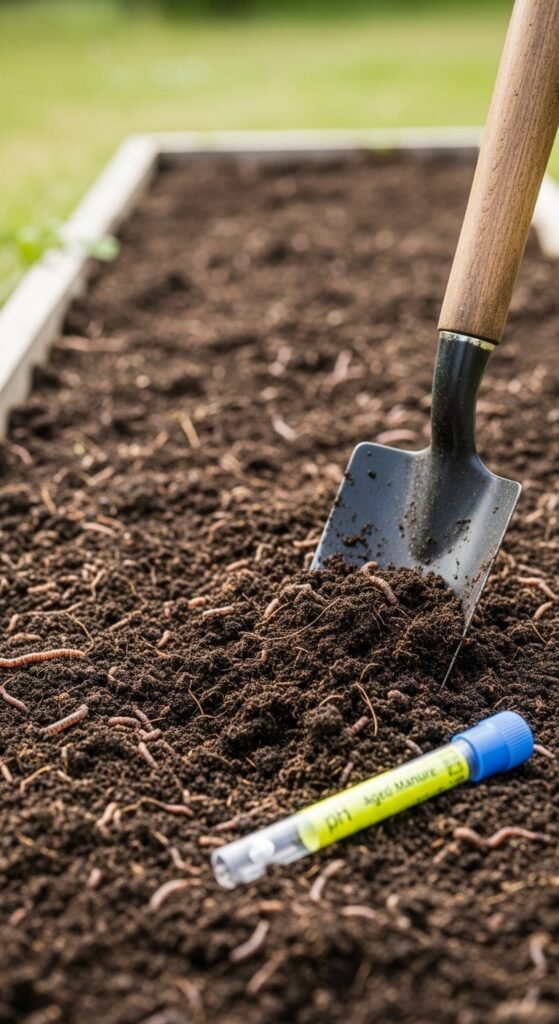
Mix in compost or aged manure to boost fertility. Avoid heavy clay by adding sand or perlite for better aeration. How to apply? Till the bed to 12 inches deep, incorporating amendments evenly. This creates an ideal environment for pepper roots to thrive.
Maintaining soil health throughout the season is key. Consider incorporating winter cover crops in off-seasons to enrich your garden beds naturally.
4) Provide Full Sun Exposure
You position your peppers in spots receiving at least 6-8 hours of direct sunlight daily. This is crucial for photosynthesis, leading to sweeter, more abundant fruits. Why essential? Insufficient light causes leggy plants and fewer peppers, diminishing your harvest.
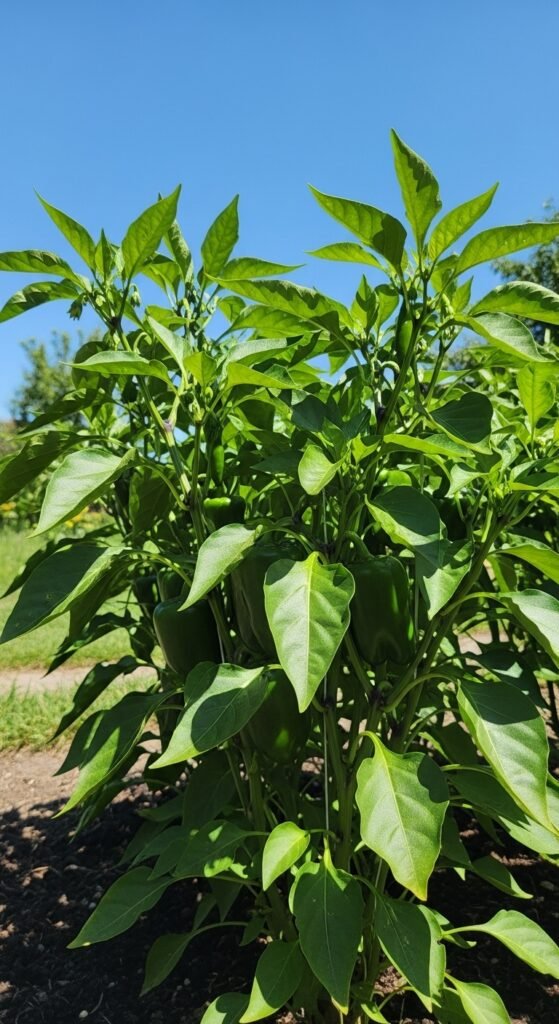
Select south-facing areas free from shade-casting trees or structures. In hotter climates, afternoon shade prevents scorching. How to optimize? Use reflective mulches to increase light intensity around plants. Monitor throughout the day to confirm adequate exposure.
For extreme heat, explore shade cloth for gardens to balance sun and protection effectively.
5) Implement Consistent Watering
You maintain even soil moisture for growing peppers, aiming for 1-2 inches per week. Inconsistent watering leads to blossom end rot or cracked fruits, so why consistency? It supports steady growth and prevents stress-related issues.
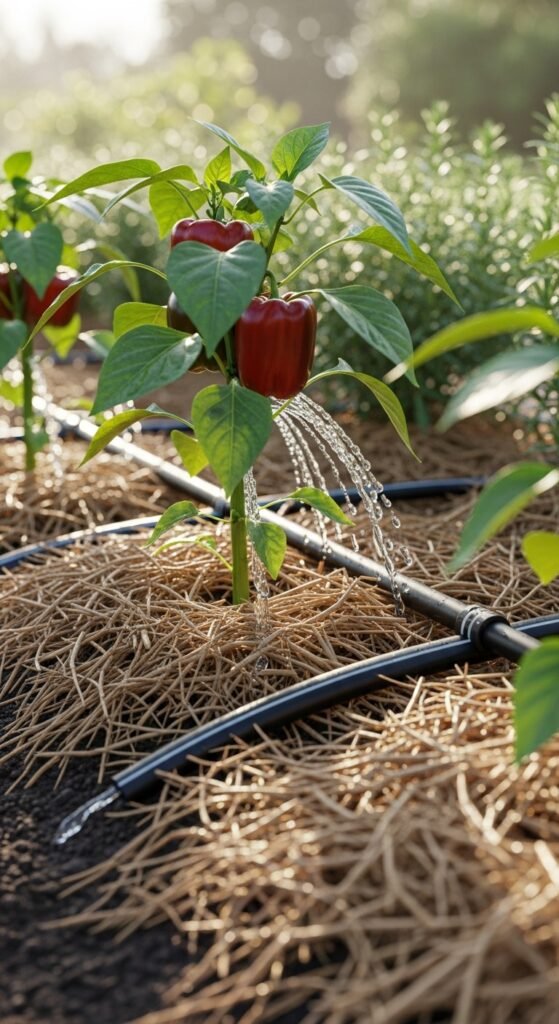
Use drip irrigation or soaker hoses to deliver water directly to roots, minimizing leaf wetness and disease. Mulch around plants to retain moisture. How often? Check soil depth; water deeply when the top inch dries out, adjusting for weather.
During peak summer, refer to our summer watering schedule for tailored advice on keeping your peppers hydrated.
6) Fertilize Appropriately
You feed peppers with a balanced fertilizer, starting with nitrogen-rich for foliage, then switching to phosphorus-potassium for fruiting. Why stage it? Early nitrogen builds plants, while later nutrients enhance fruit quality and quantity.
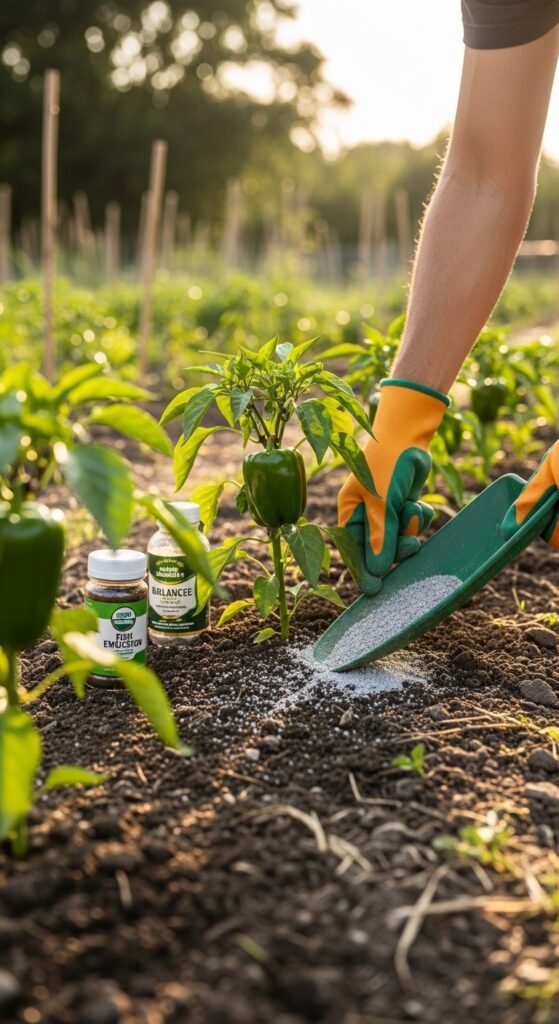
Apply every 4-6 weeks, using organic options like fish emulsion or compost tea. Avoid over-fertilizing to prevent leaf burn. How to? Side-dress around the base, watering in thoroughly. This targeted approach fuels vigorous growing peppers.
For year-round soil vitality, integrate tips from winter composting tips to create your own nutrient sources.
7) Use Mulching Techniques
You apply organic mulch like straw or wood chips around pepper plants to suppress weeds and conserve moisture. Why mulch? It regulates soil temperature, reducing stress during hot spells and promoting healthier growth.
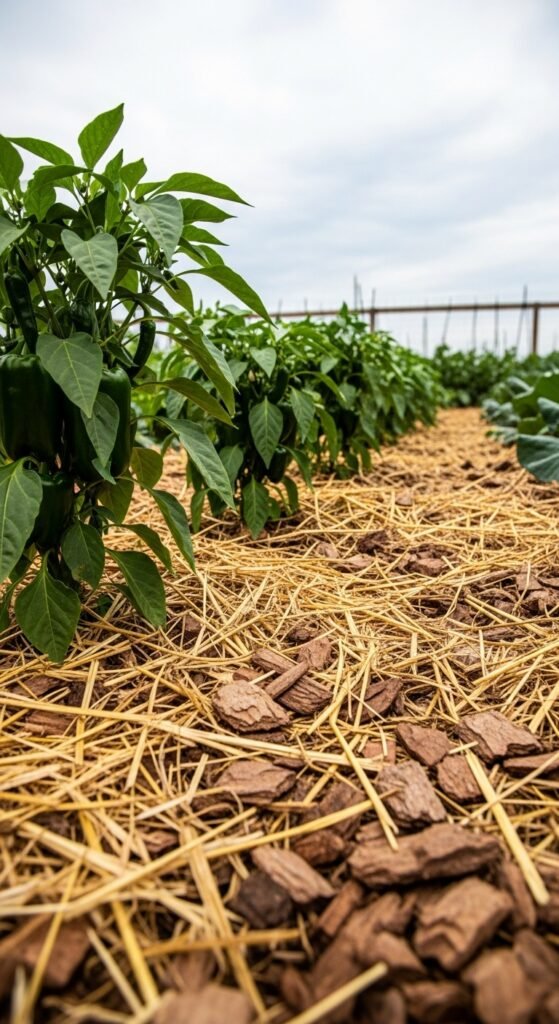
Spread 2-3 inches thick after soil warms, keeping it away from stems to avoid rot. Renew as needed. How does it help growing peppers? It minimizes evaporation and enriches soil as it decomposes.
In preparation for cooler months, learn about low tunnel gardening to extend your mulched beds’ productivity.
8) Prune for Better Yields
You prune peppers by removing suckers and lower leaves to improve air circulation and focus energy on fruits. Why prune? It reduces disease risk and increases fruit size, leading to a more productive harvest.
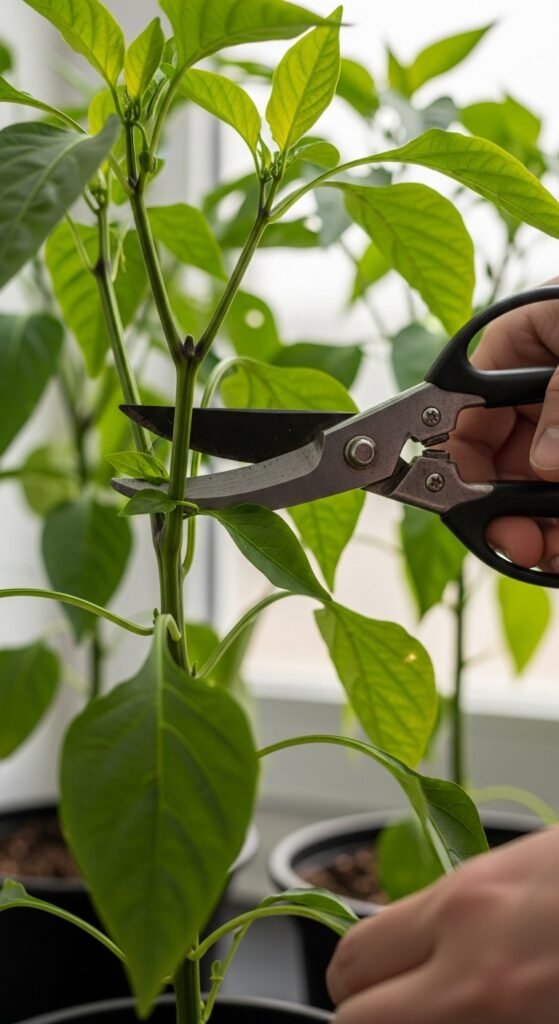
Start when plants reach 12 inches, pinching off non-fruiting branches. Use clean shears. How frequently? Check weekly during growth peaks. This shapes plants for optimal sunlight penetration.
Similar to techniques in prune roses in spring, precise cuts enhance overall plant health.
9) Monitor for Pests
You scout for common pests like aphids or hornworms, addressing them promptly to protect your crop. Why vigilant? Early detection prevents widespread damage, ensuring your growing peppers remain healthy.
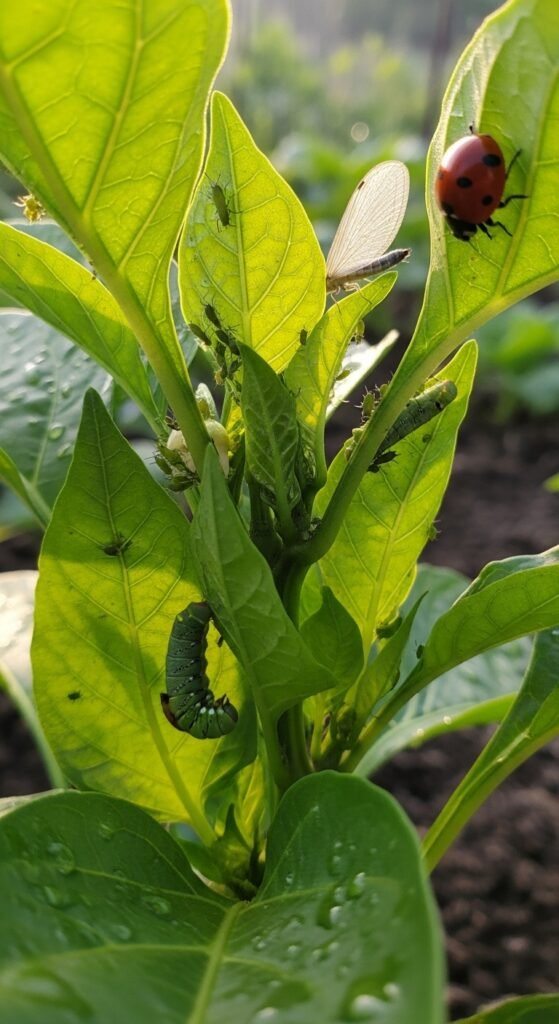
Use insecticidal soap or introduce beneficial insects. Inspect undersides of leaves regularly. How to manage? Rotate crops and remove debris to disrupt pest cycles.
For comprehensive strategies, see our article on spring pest control to keep your garden pest-free.
10) Prevent Diseases Proactively
You space plants 18-24 inches apart and avoid overhead watering to minimize fungal diseases. Why proactive? Diseases like powdery mildew can decimate yields if unchecked.
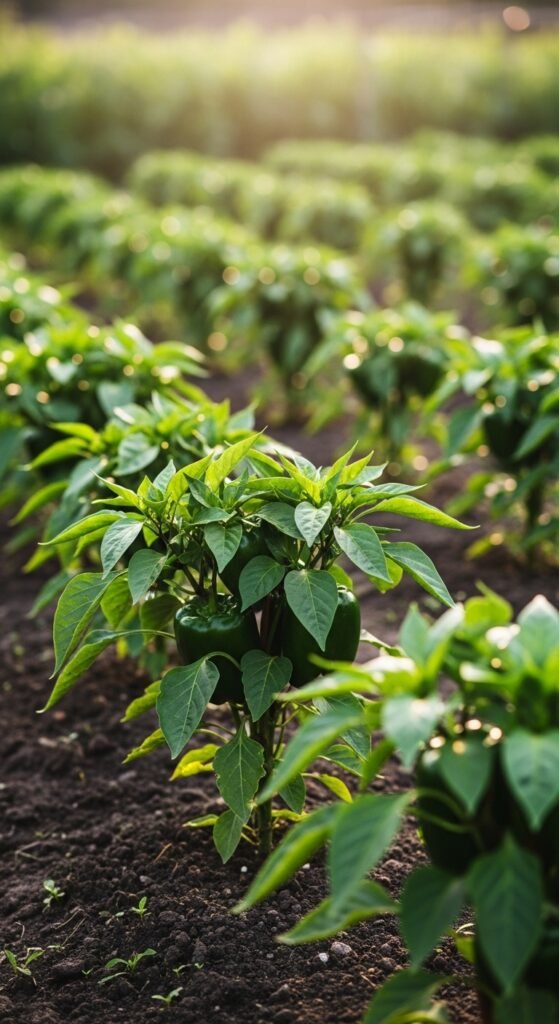
Choose resistant varieties and apply fungicides if needed. Rotate planting sites yearly. How effective? Good airflow and dry foliage are key defenses in growing peppers.
Build on this with insights from japanese beetles garden management for broader pest and disease control.
11) Support Plants with Stakes
You stake or cage peppers to support heavy fruit loads, preventing stem breaks. Why support? Upright plants receive better light and air, boosting productivity.
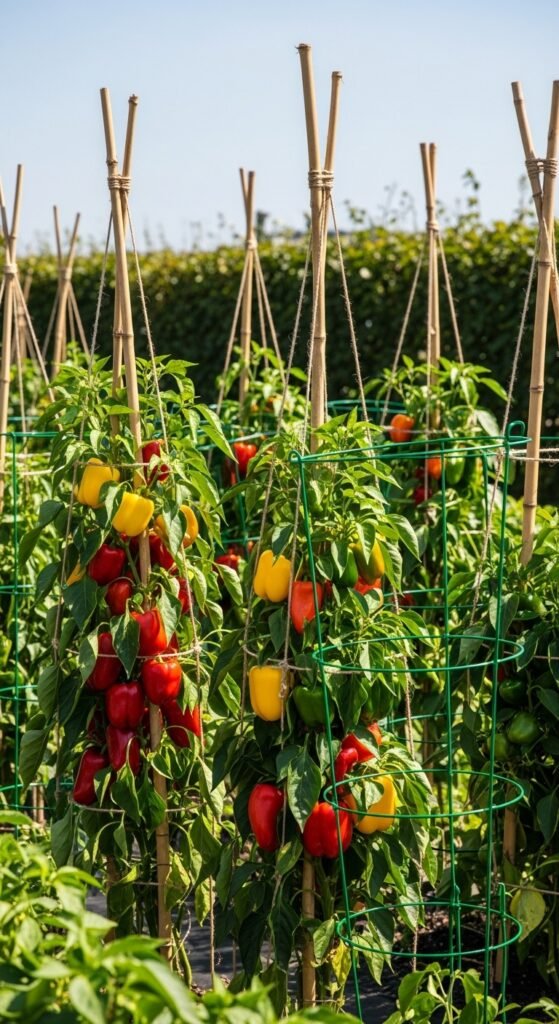
Install at planting time using bamboo or tomato cages. Tie loosely as they grow. How to? Choose sturdy materials for wind resistance in growing peppers.
Explore related ideas in trellis ideas for cucumbers for versatile support options.
12) Harvest at Peak Ripeness
You pick peppers when they reach desired color and size, using shears to avoid damage. Why timely? Regular harvesting encourages more production throughout the season.
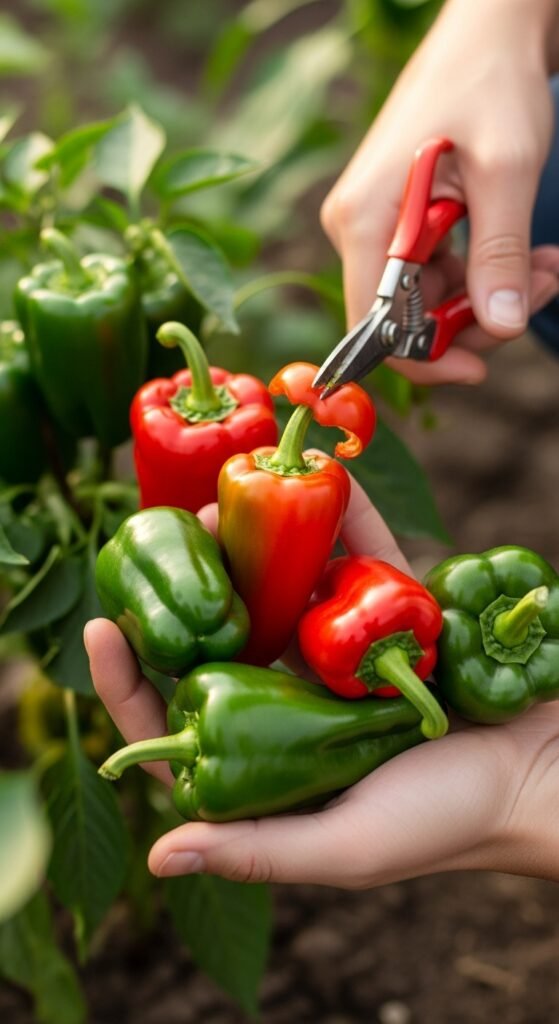
Check daily during peak times; green peppers mature to red for sweeter taste. How best? Harvest in morning for crispness in growing peppers.
Similar to how to harvest pumpkins, gentle handling preserves plant vitality.
13) Extend the Season with Covers
You use row covers or cloches to protect against early frosts, prolonging your harvest. Why extend? It allows more time for fruits to ripen, maximizing yields.
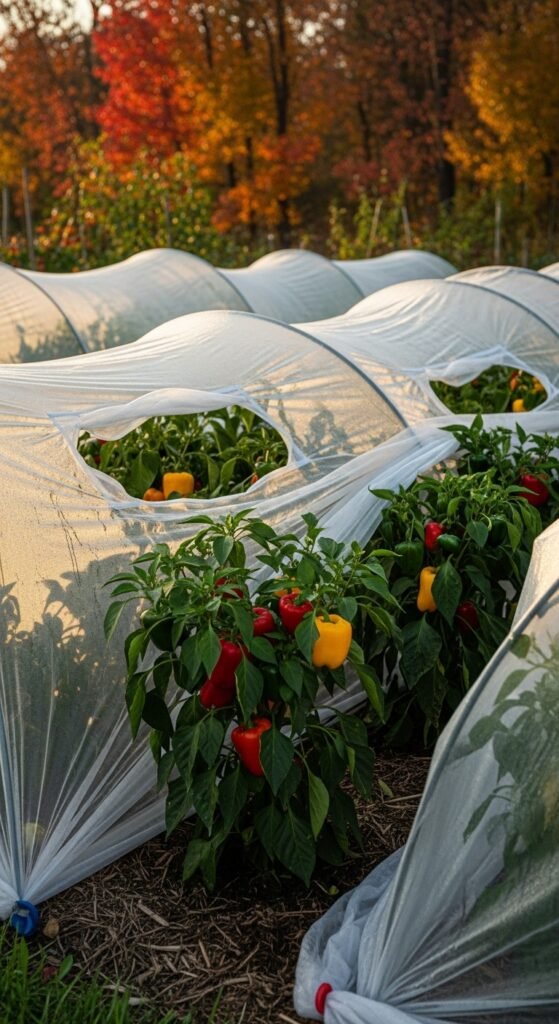
Deploy in fall as temperatures drop. Ventilate on warm days. How practical? This technique is essential for growing peppers in variable climates.
For overwintering tips, consult overwintering peppers to carry plants through colder months.
14) Companion Plant for Benefits
You pair peppers with basil or marigolds to deter pests and enhance growth. Why companion? It creates a balanced ecosystem, reducing chemical needs.
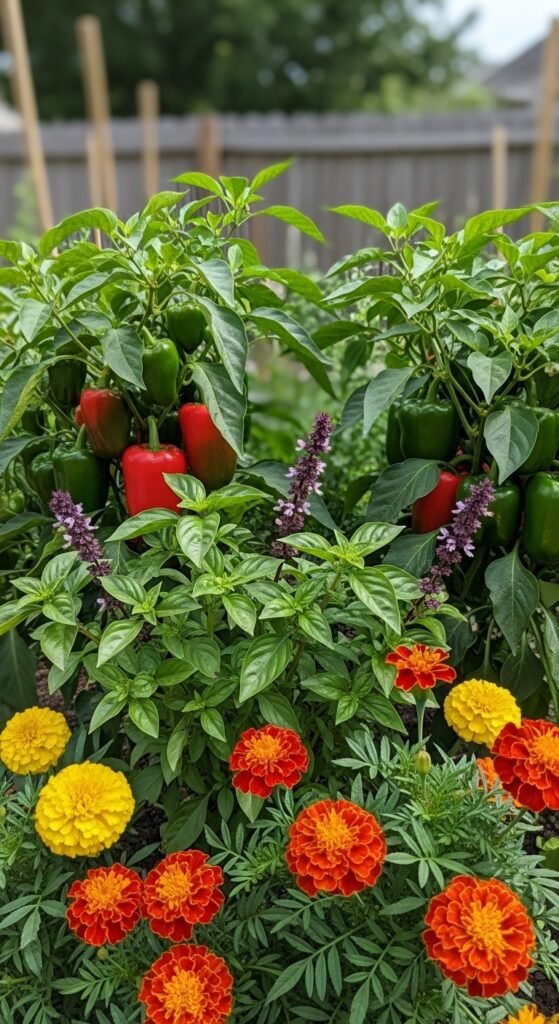
Plant interspersed in beds. Avoid fennel nearby. How does it aid growing peppers? Natural repellents improve overall garden health.
Draw from mosquito repelling plants for additional companion ideas.
15) Overwinter for Next Year
You bring potted peppers indoors or prune for dormancy to overwinter successfully. Why bother? It saves money and provides earlier starts next season.
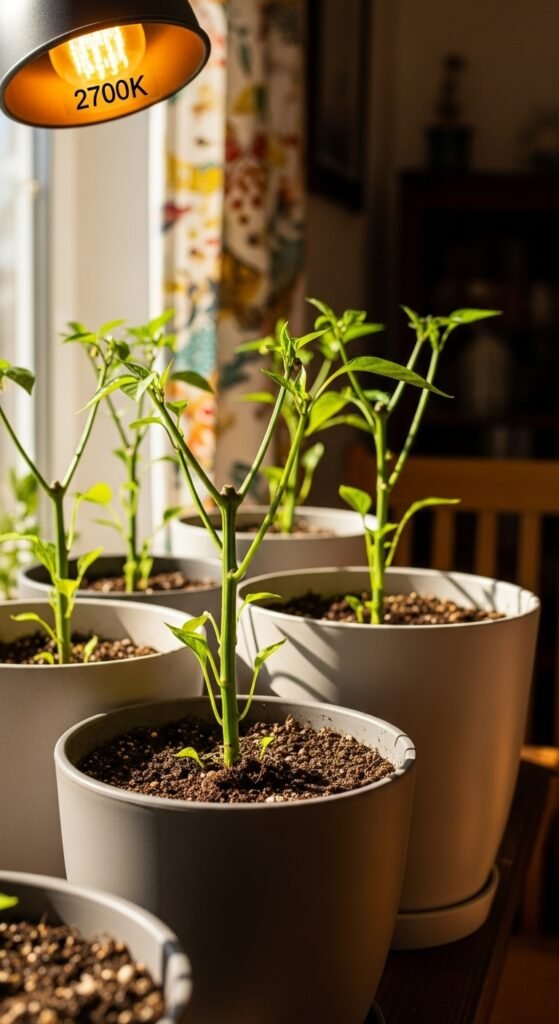
Place in sunny windows or under lights, watering sparingly. How to? Select healthy plants and monitor for pests during transition.
This advanced step in growing peppers builds on basic care for multi-year success.
Key Principles for Growing Peppers
Soil and Nutrient Management
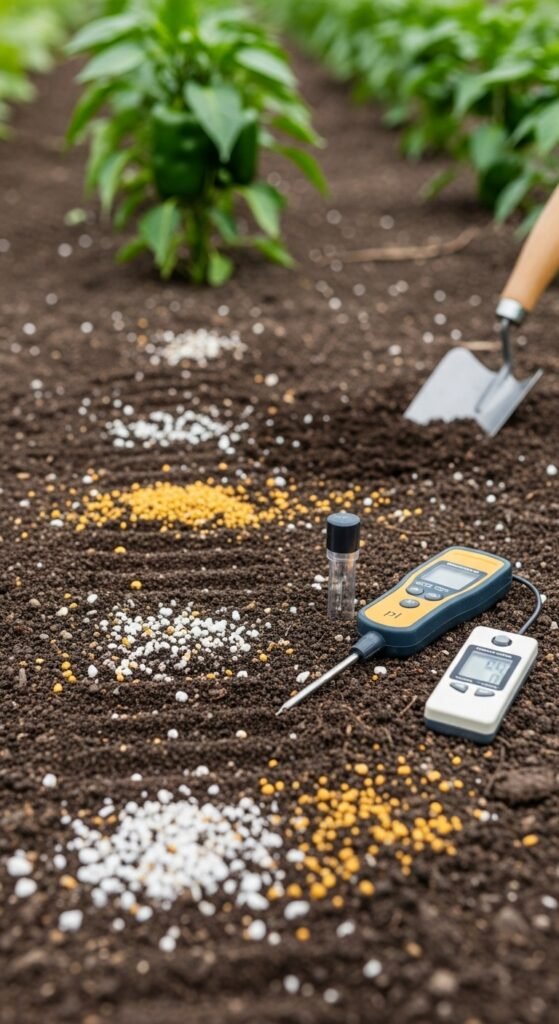
Maintain balanced fertility with regular testing and amendments. Consistent care prevents deficiencies, ensuring vibrant plants.
Water and Sun Optimization
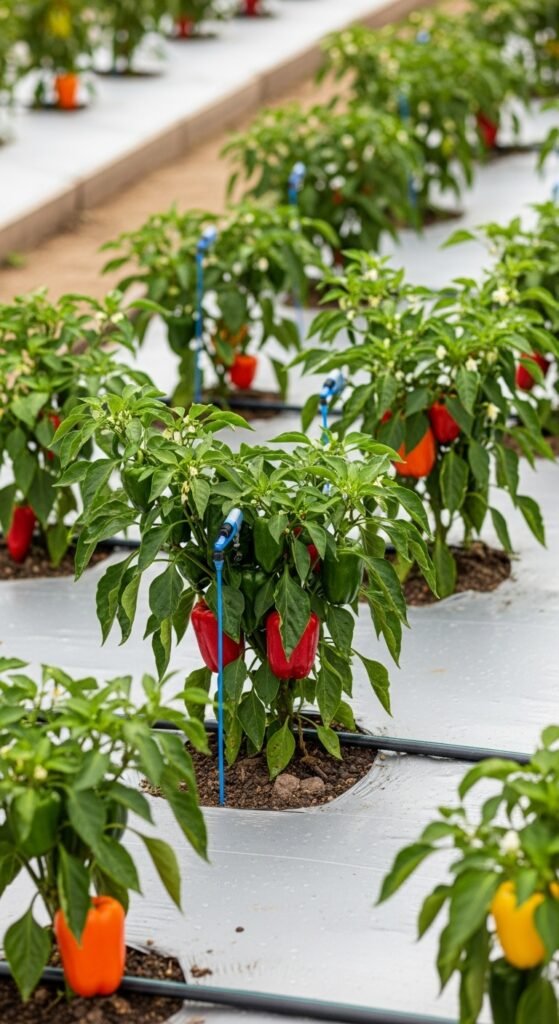
Balance moisture and light to avoid stress. Adjust based on weather for peak performance.
Pest and Disease Vigilance
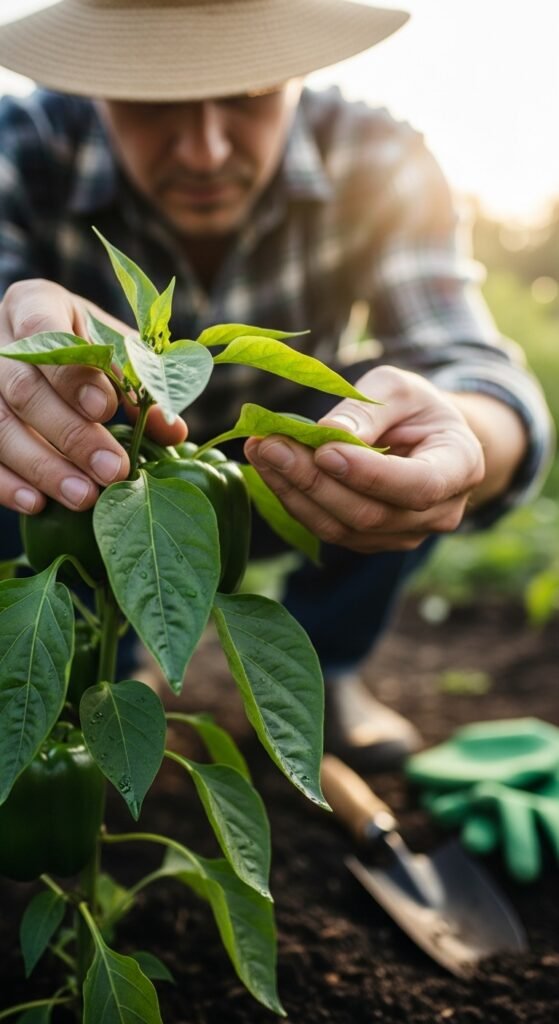
Regular inspections and organic controls keep issues at bay, promoting sustainable growth.
Frequently Asked Questions
How long does it take for peppers to grow?
Peppers typically take 60-90 days from transplant to harvest, depending on variety and conditions. Start seeds early for best results.
Can peppers grow in pots?
Yes, peppers thrive in containers with at least 5 gallons of soil, full sun, and regular watering. Choose compact varieties for success.
What causes peppers to drop flowers?
Flower drop often results from temperature extremes, inconsistent watering, or nutrient imbalances. Maintain stable conditions to prevent this.
Are peppers perennials?
In warm climates, peppers can be perennials, but in cooler areas, they’re treated as annuals unless overwintered indoors.
How much sun do peppers need?
Peppers require 6-8 hours of direct sunlight daily for optimal growth and fruit production.